Artwork
Familia unui librar sas în interior Biedermeier
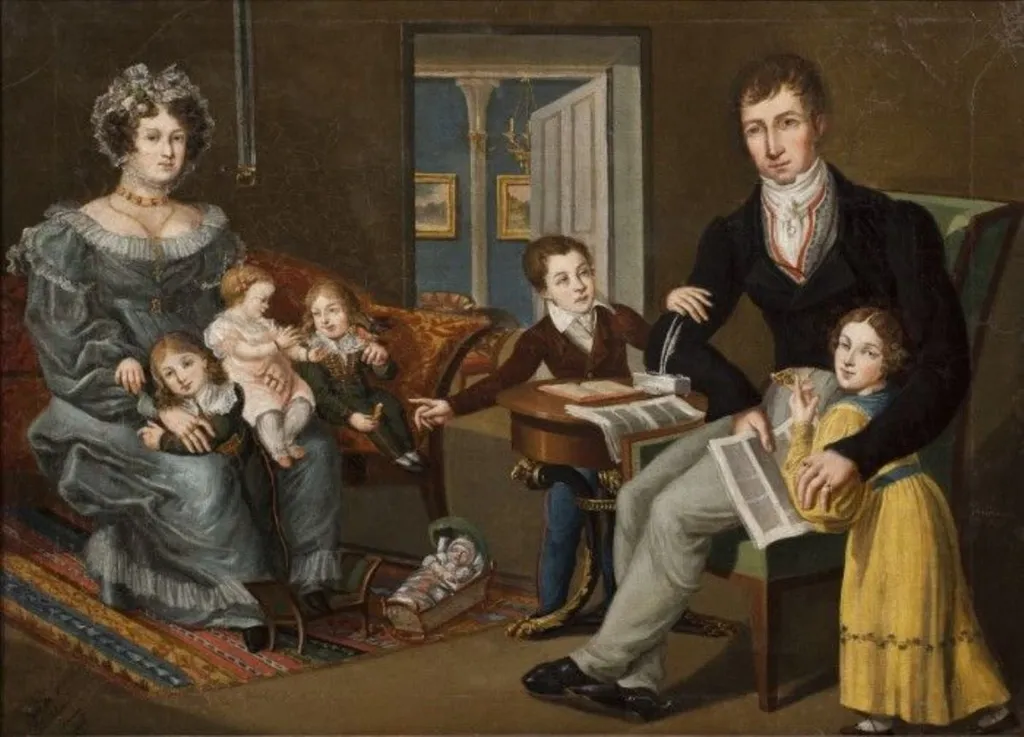
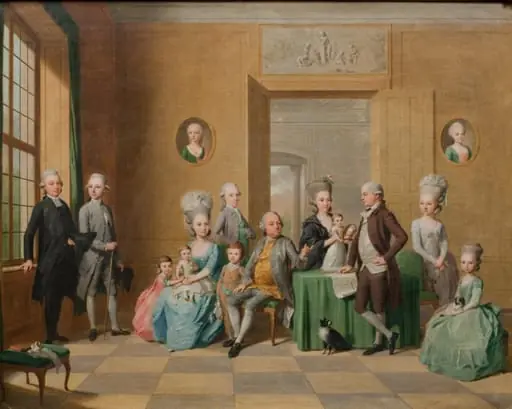
Familia unui librar sas în interior Biedermeier is an unspecified painting by the Biedermeier artist Frantz cel Tânăr Neuhauser. It dates from 1831 and is held in the collection of the National Museum of Art of Romania. Created in 1831 by Frantz Neuhauser the Younger, this oil painting depicts a domestic interior typical of the Biedermeier period.
About this work
This painting shows a family sitting together in a cozy room. The bookshelf is packed. A small dog rests near the father’s feet.
It’s from 1831 and fits the Biedermeier style. That means soft colors and calm family scenes. The artist, Frantz Neuhauser the Younger, painted quiet moments like this often.
Look up the Museum of Ethnography to see more of his work.
Overview
Created in 1831 by Frantz Neuhauser the Younger, this oil painting depicts a domestic interior typical of the Biedermeier period. A family is gathered around a modestly furnished room, surrounded by a densely stocked bookshelf and accompanied by a small dog at the father’s feet. The composition conveys a tranquil, everyday moment within a middle‑class household.
Subject & Meaning
The work focuses on a familial group engaged in quiet companionship, emphasizing the values of domestic stability and modest comfort. The presence of the extensive library suggests an intellectual or scholarly atmosphere, while the dog adds a touch of loyalty and homeliness, reinforcing the era’s ideal of a harmonious household.
Technique & Style
Neuhauser employs the muted palette and soft lighting characteristic of Biedermeier art, rendering textures with gentle brushwork that avoids dramatic contrast. The careful rendering of the books and furnishings creates a sense of realism, while the overall composition remains restrained, reflecting the period’s preference for understated elegance over grandiosity.
History & Provenance
The painting has been part of the collection of the Museum of Ethnography, where it is displayed among other works illustrating 19th‑century Central European life. Its provenance traces back to the artist’s own studio, entering the museum’s holdings through acquisition in the early 20th century.
Context
During the early 1830s, the Biedermeier style emerged in the German‑speaking lands as a response to political conservatism, favoring intimate, middle‑class subjects. Neuhauser’s focus on a librarian’s family aligns with contemporary interests in education, reading, and the private sphere, mirroring broader cultural shifts toward domestic refinement.
Artist & collection
Artist

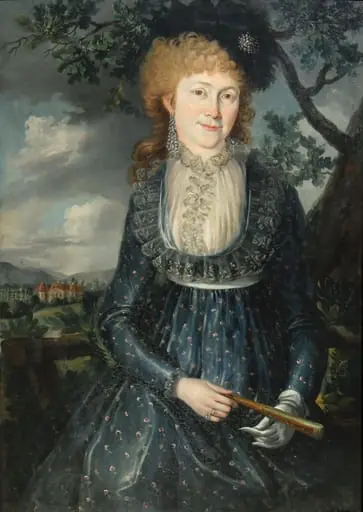
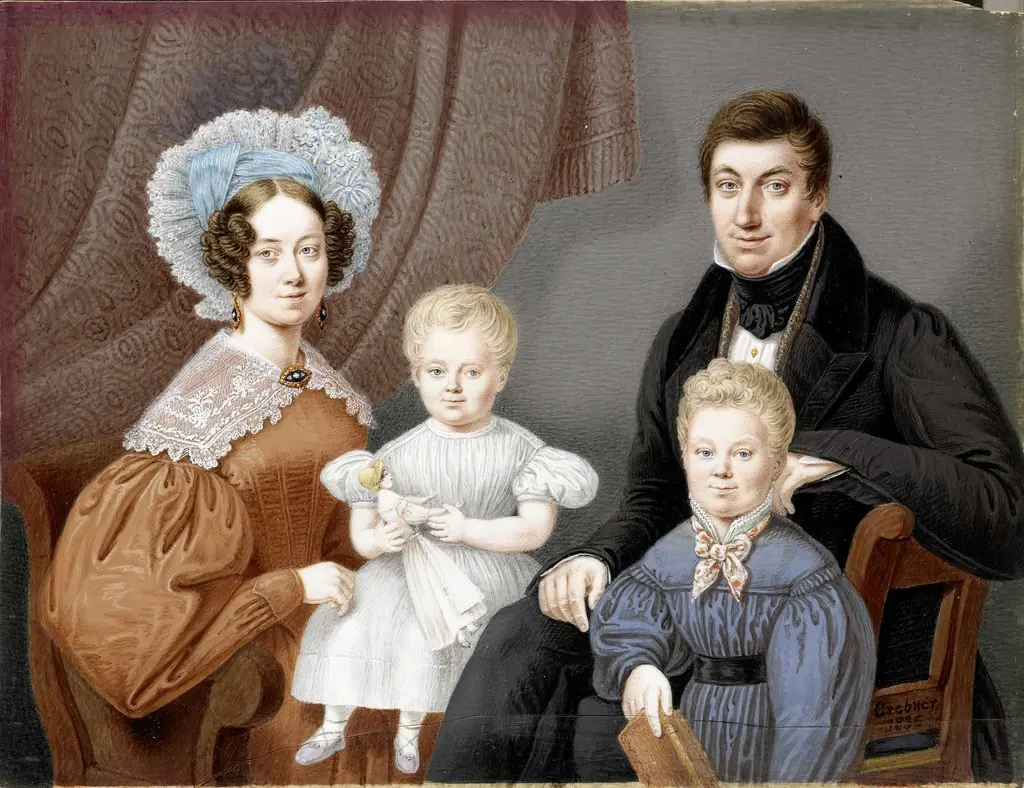 the Diederichs family
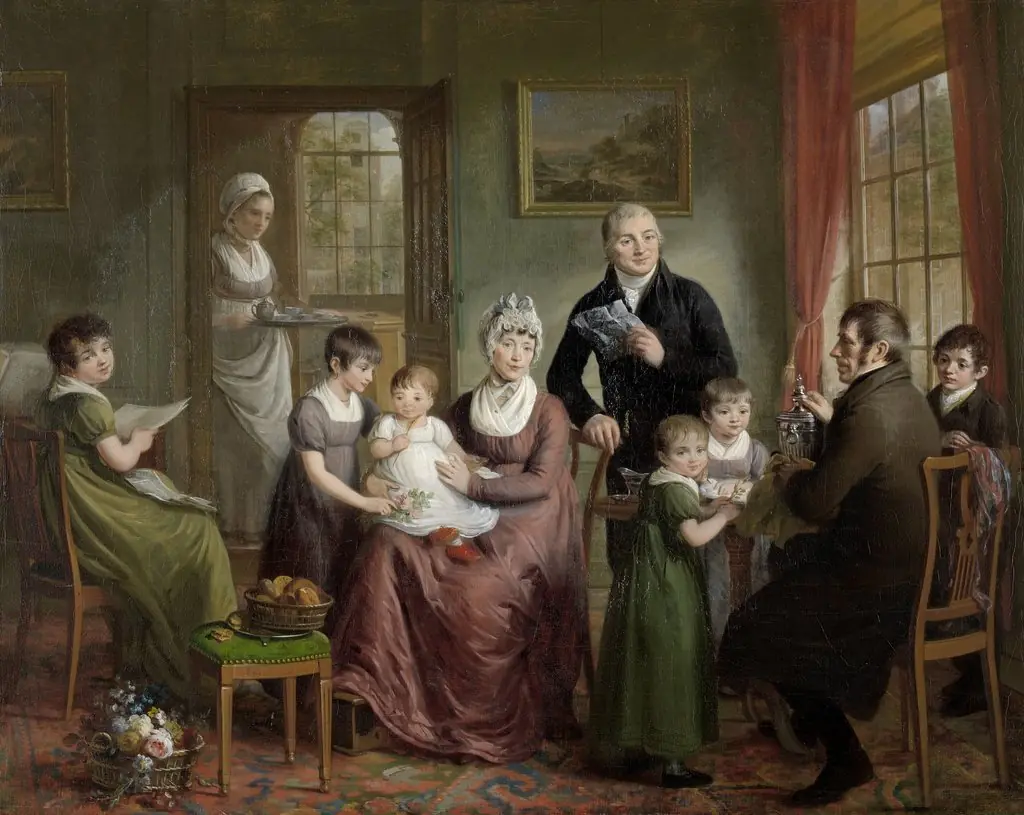 Portrait of the Family of Adrianus Bonebakker with Dirk L. Bennewitz
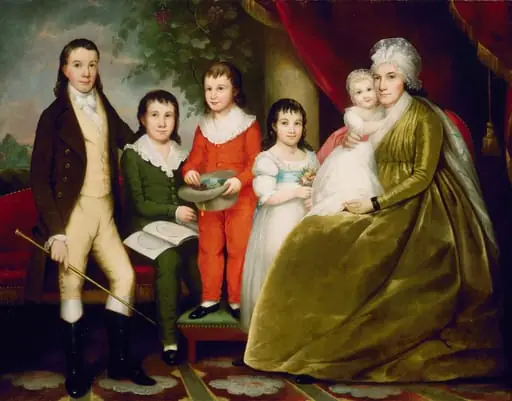 Mrs. Noah Smith and Family
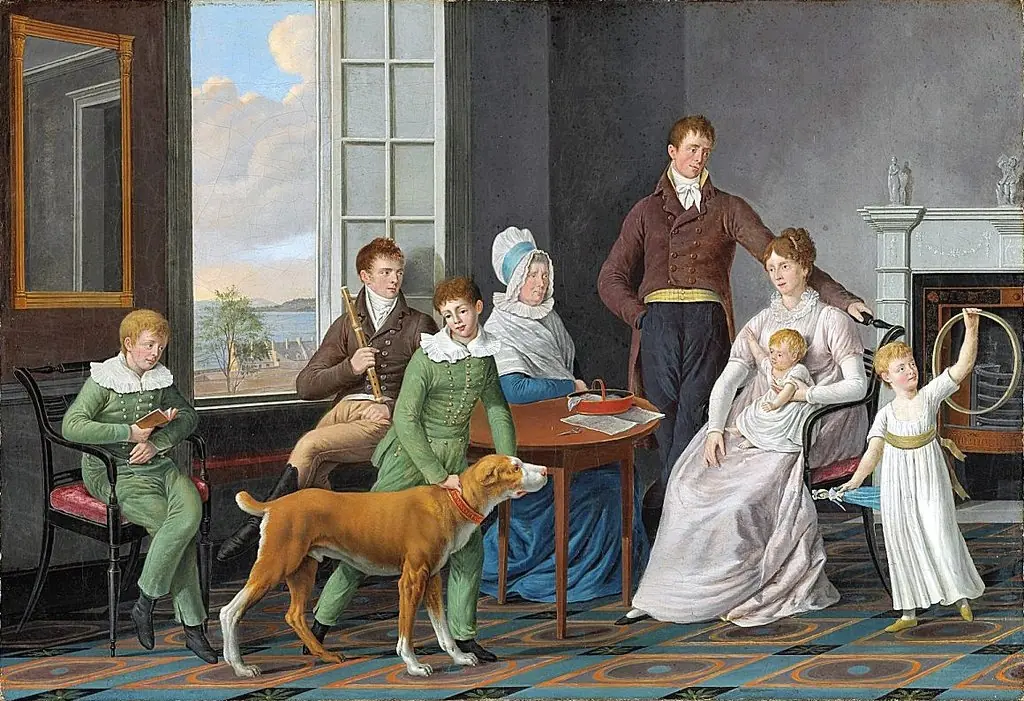 The Woolsey Family
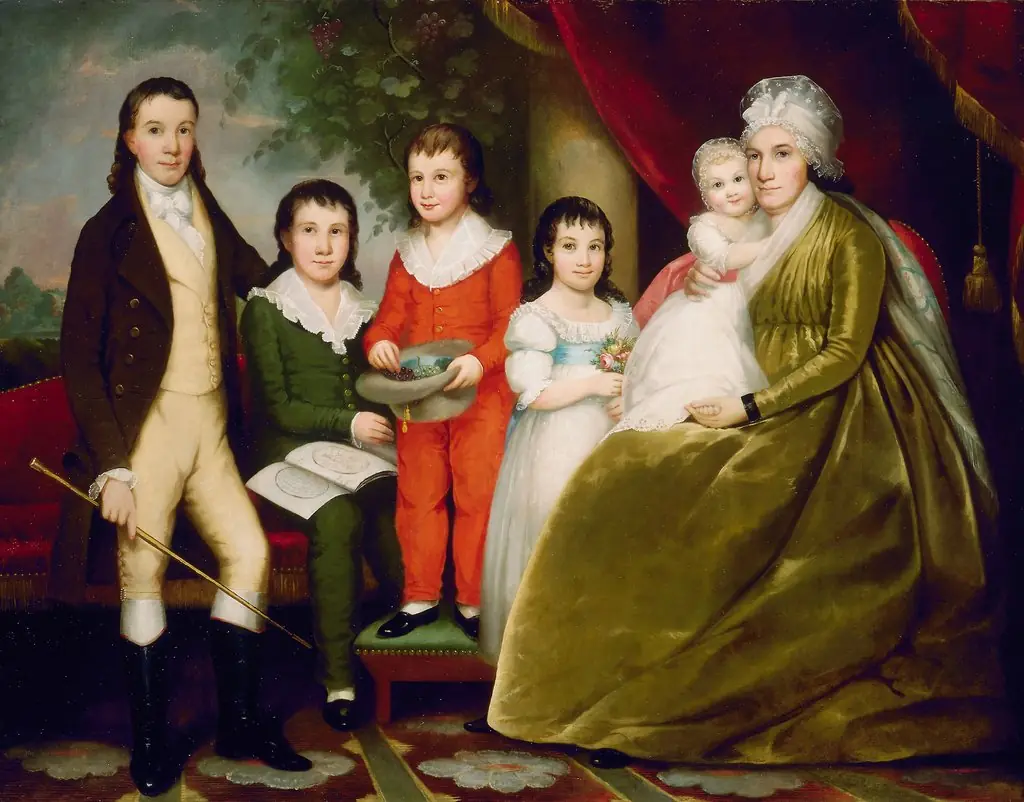 Mrs. Noah Smith and Family
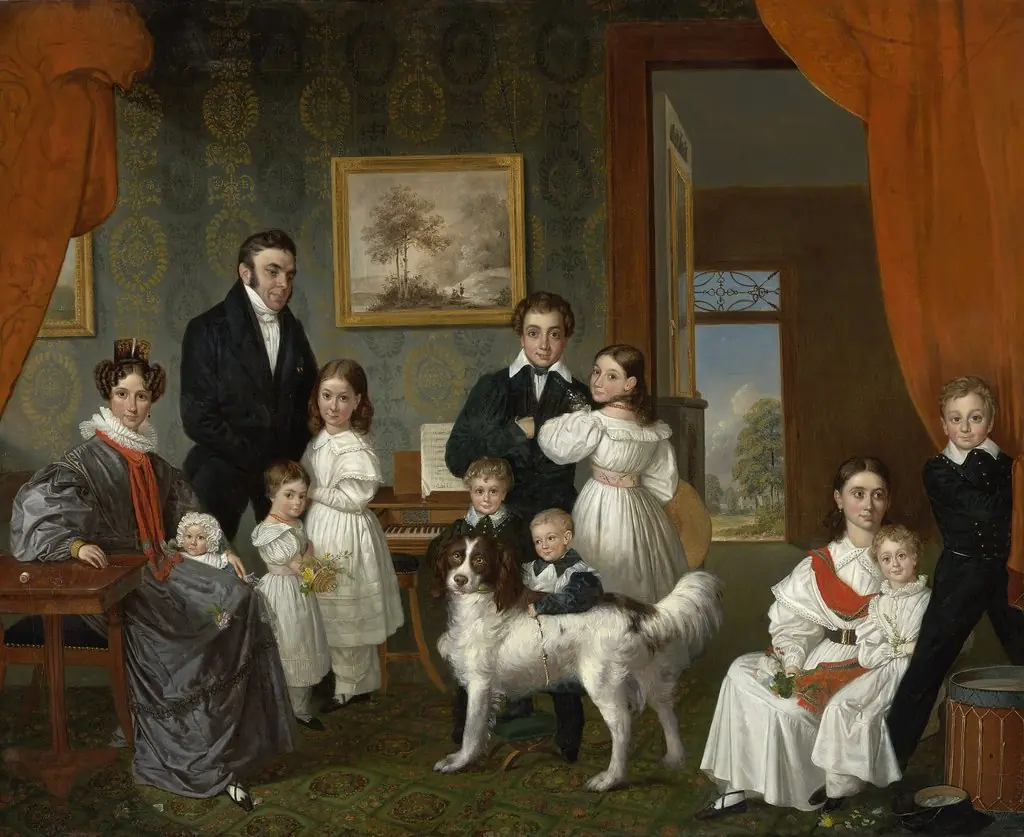 Portrait of the Baud family in their country house in Voorburg
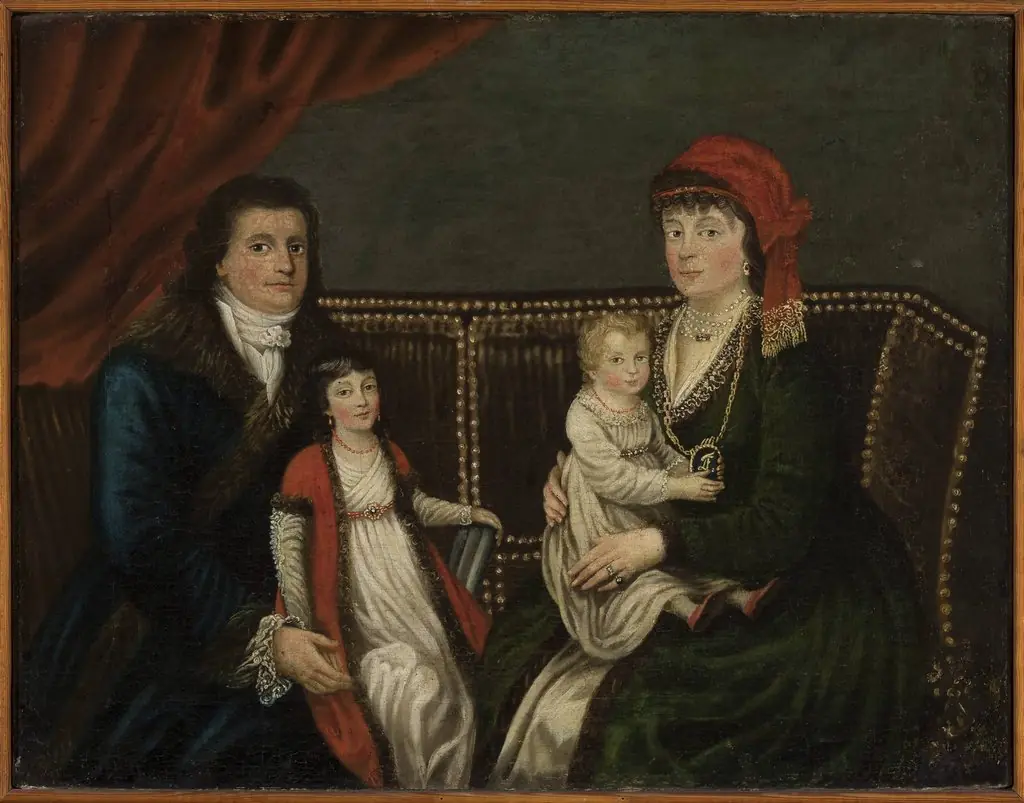 Portrait of the Lafontaine family, Leopold (1756–1812), surgeon, with his wife Teresa née Korneli (1768–1827) and daughters, Zofia (?–1831) and Wiktoria (1800–1849)
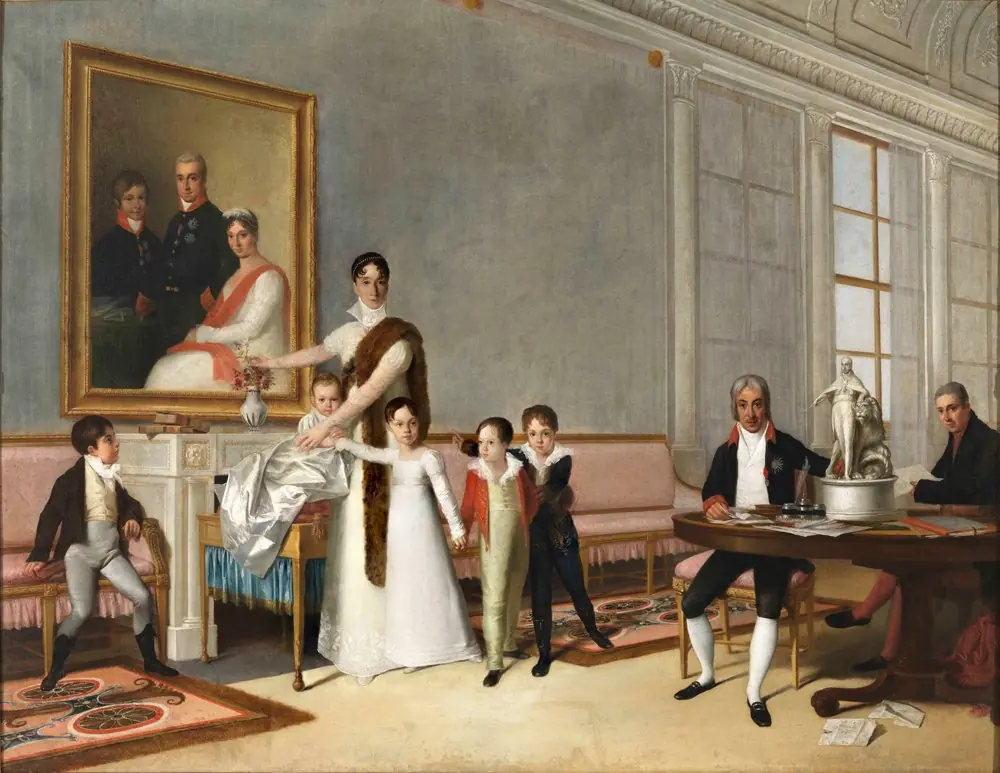 Portrait of the Family of the 1st Viscount of Santarém
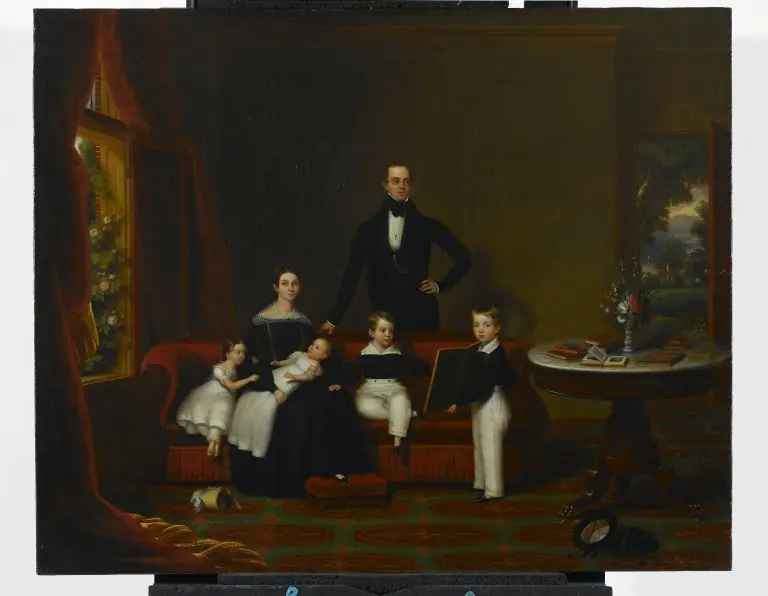 Family Group
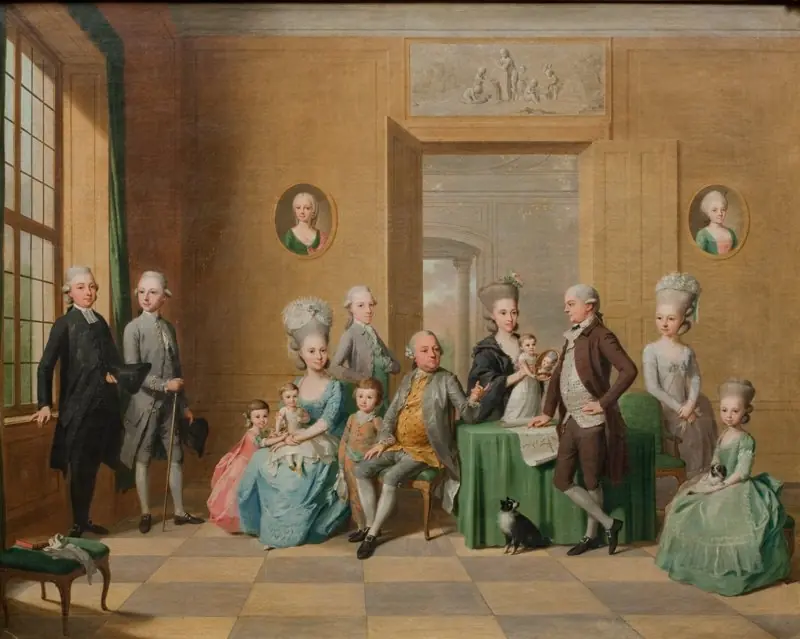 The Souchay Family
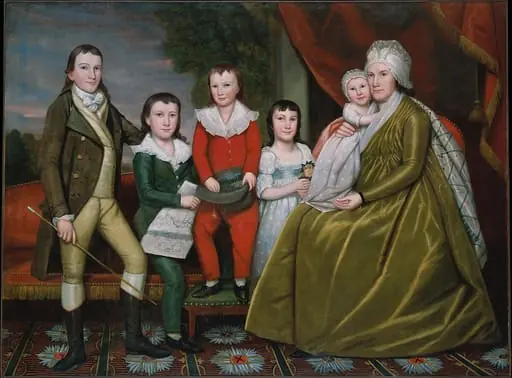 Mrs. Noah Smith and Her Children
 The Souchay Family