Artwork
Ruins of an Amphitheater
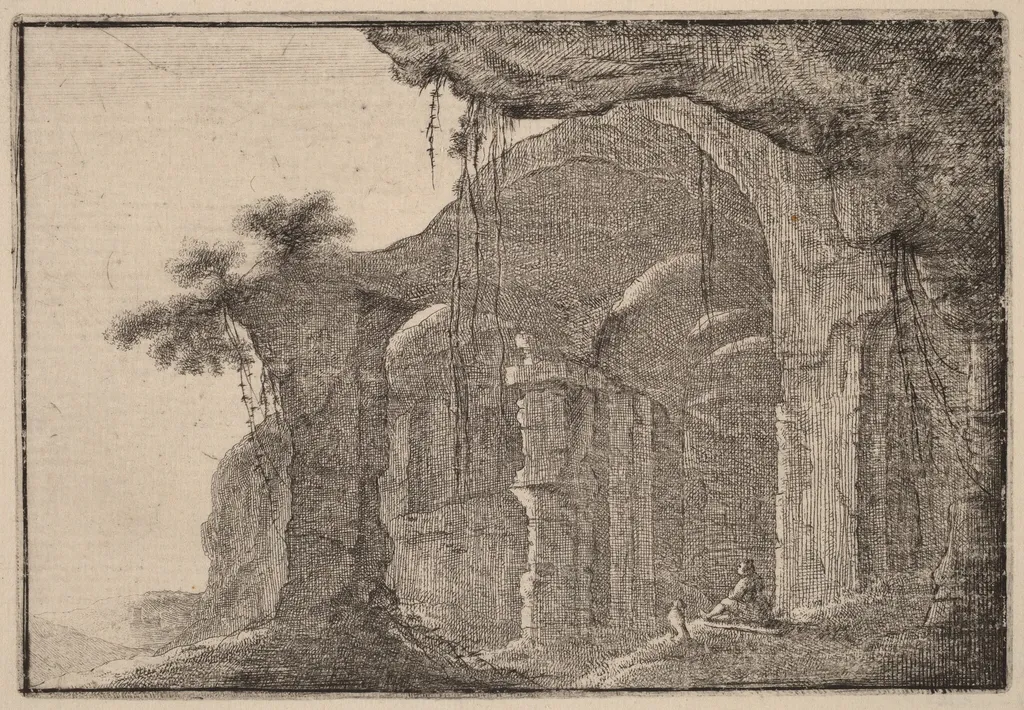
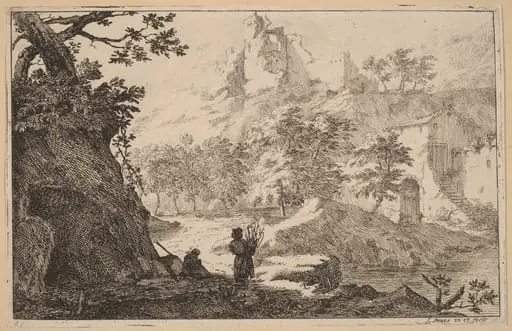
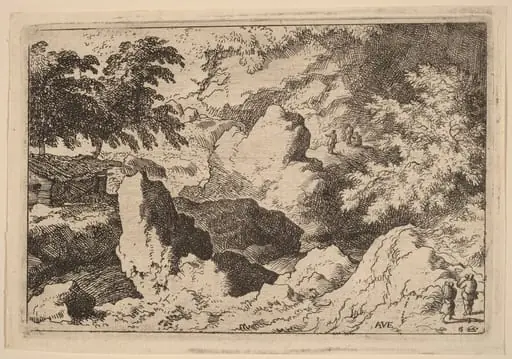
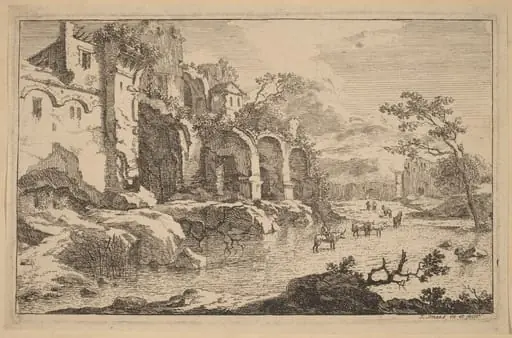
Ruins of an Amphitheater is an ink print by the Baroque artist Gilles Neyts. It dates from 1655 and is held in the collection of the National Gallery of Art.
About this work
Overview
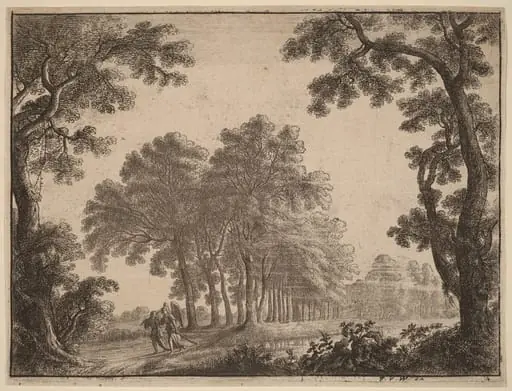
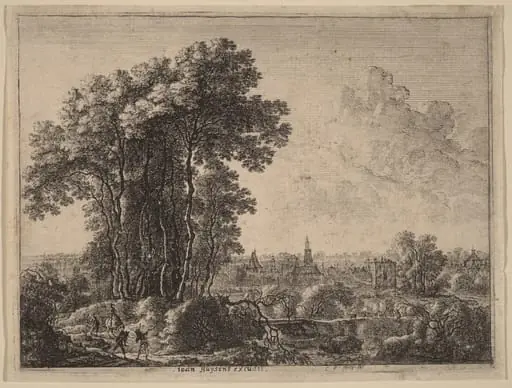
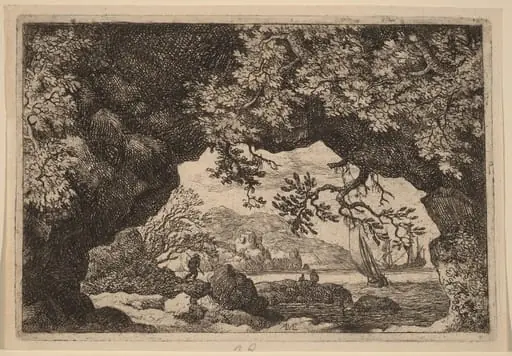
Created in 1655 by Gilles Neyts, this etching depicts the fragmented remains of a Roman amphitheater overtaken by time. Rendered on laid paper with dark, controlled lines, the work captures the quiet decay of monumental architecture. A solitary figure sits in shadow near the steps, emphasizing scale and solitude. The textured paper edge reflects traditional printmaking practices of the period.
Subject & Meaning
The scene portrays an amphitheater in advanced ruin, its arches and walls partially swallowed by earth and vegetation. The lone figure, small and indistinct, suggests contemplation amid abandonment. No narrative is offered; instead, the image evokes the passage of time and the erosion of human achievement, aligning with 17th-century interests in antiquity and impermanence.
Technique & Style
Neyts employed fine etching lines and cross-hatching to model form and depth, accentuating the weathered stone surfaces. Shading is deliberate but restrained, avoiding dramatic contrast in favor of muted tonal gradations. The precision of the lines and the paper’s laid texture reflect the technical discipline of Northern European printmakers of the era.
History & Provenance
The print originates from Neyts’s documented activity in the mid-17th century, likely produced during his time in the Southern Netherlands. Few impressions survive, and those that do are held in institutional collections, primarily in Belgium and the Netherlands. Its provenance traces back to private collections of antiquarian enthusiasts of the period.
Context
During the 1650s, interest in Roman ruins flourished among artists and scholars in the Low Countries, fueled by archaeological curiosity and humanist ideals. Neyts’s etching aligns with a broader trend of documenting ancient sites not as grand monuments but as quiet, overgrown remnants — a shift from idealized classical imagery toward more introspective observation.
Legacy
Though not widely reproduced, Neyts’s etching contributes to a modest but persistent tradition of topographical prints that record architectural decay. Its restrained aesthetic influenced later generations of draftsmen interested in the poetic potential of ruins, particularly in the Netherlands and Germany during the 18th century.
Own this work as a print
Artist & collection