Artwork
Painters and Sculptors
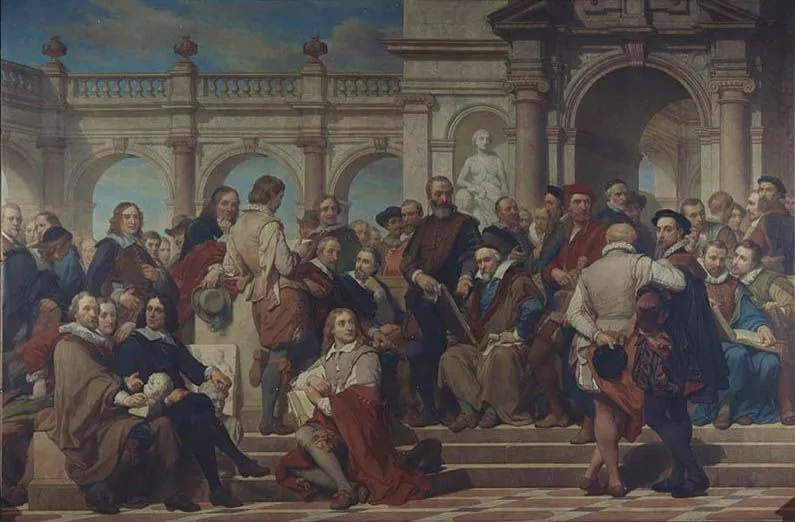
Painters and Sculptors is an oil painting by Nicaise De Keyser. It dates from 1866 and is held in the collection of the Royal Museum of Fine Arts Antwerp.
About this work
Overview
Painted in 1866 by Nicaise De Keyser, this oil on canvas work portrays a gathering of artists in a spacious, classical interior.
Painted in 1866 by Nicaise De Keyser, this oil on canvas work portrays a gathering of artists in a spacious, classical interior. De Keyser, a central figure in 19th-century Belgian art, focused on historical and genre scenes. The painting captures a moment of quiet industry among creatives, reflecting the era’s reverence for artistic labor. It resides in the Royal Museum of Fine Arts Antwerp, where it remains a testament to the institutional recognition of artistic identity during the Romantic period.
Subject & Meaning
The scene depicts a group of male artists—painters and sculptors—interacting within a grand architectural setting. Some are actively engaged in their crafts, while others converse or observe. The composition suggests a community bound by shared purpose, not merely a random assembly. The elevated space and classical architecture imply a dignified, almost ceremonial status for artistic practice, aligning with Romantic ideals that elevated the artist as a visionary rather than a mere artisan.
Technique & Style
De Keyser employs a controlled chiaroscuro to model forms and direct attention toward the central figure seated in the foreground. The lighting is soft yet deliberate, enhancing the texture of fabrics, tools, and surfaces without overwhelming the scene. Brushwork varies with intent: precise in facial features, looser in background elements. The architectural setting, rendered with careful perspective, frames the figures without competing for dominance, reinforcing the human focus of the composition.
History & Provenance
Commissioned and completed in 1866, the painting entered the collection of the Royal Museum of Fine Arts Antwerp shortly after its creation. De Keyser, a professor at the Antwerp Academy and a respected cultural figure, was well-connected within Belgium’s artistic institutions. The work’s early acquisition by the museum suggests its immediate significance as a representation of national artistic identity during a period of growing cultural self-awareness in Belgium.
Context
In mid-19th-century Belgium, the arts were increasingly institutionalized, with academies and museums shaping public perception of creativity. De Keyser’s painting responds to this climate by portraying artists not as isolated geniuses but as participants in a collective tradition. The classical architecture evokes continuity with Renaissance and Neoclassical ideals, while the contemporary dress anchors the scene in the present, bridging historical reverence with contemporary practice.
Legacy
Though less widely known outside Belgium, the painting remains a key example of Romantic-era genre painting focused on artistic life. It influenced later depictions of studio culture and contributed to the visual language of artistic identity in 19th-century Europe. Its preservation in a major national museum underscores its role as a document of professional self-representation, offering insight into how artists saw themselves within their own time.
Artist & collection
Artist
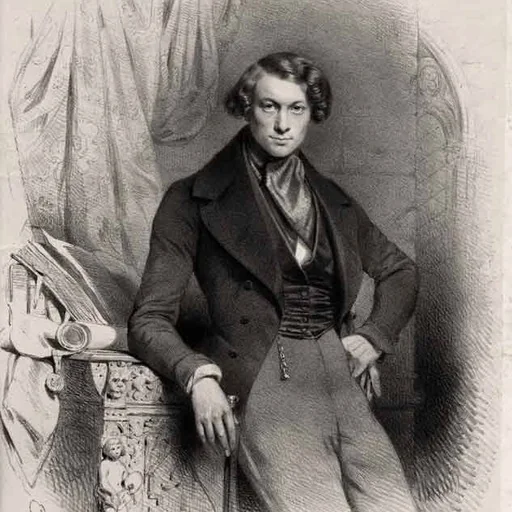
Nicaise de Keyser (alternative first names: Nicaas, Nikaas of Nicasius; 26 August 1813, Zandvliet – 17 July 1887, Antwerp) was a Belgian painter of mainly history paintings and portraits who was one of the key figures…

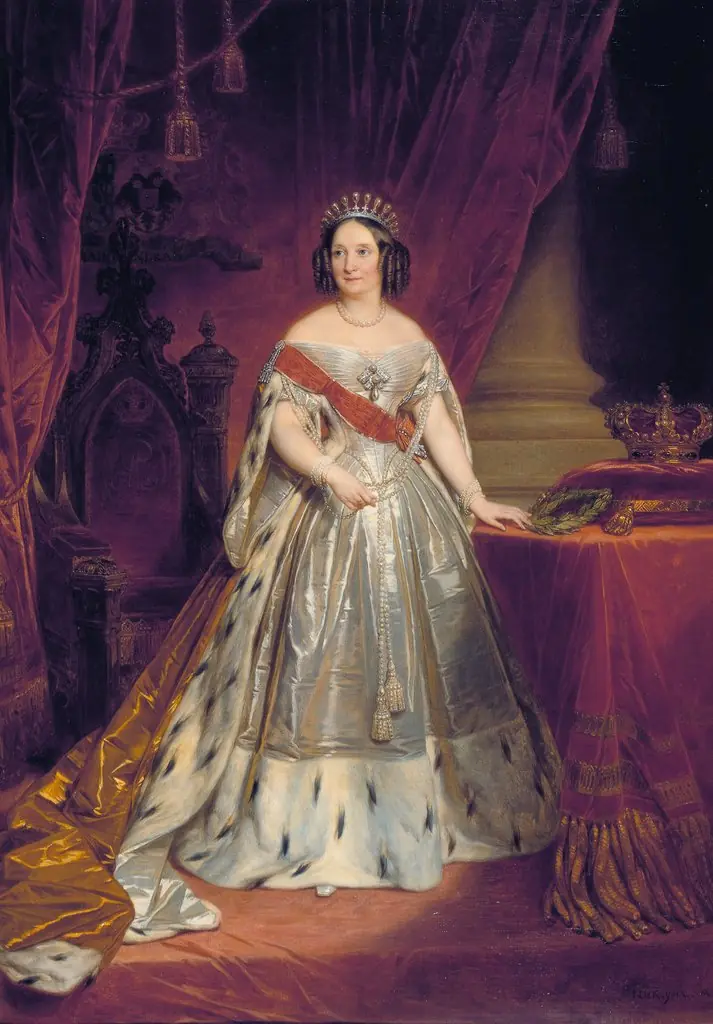 Portrait of Grand Princess Anna Pavlovna
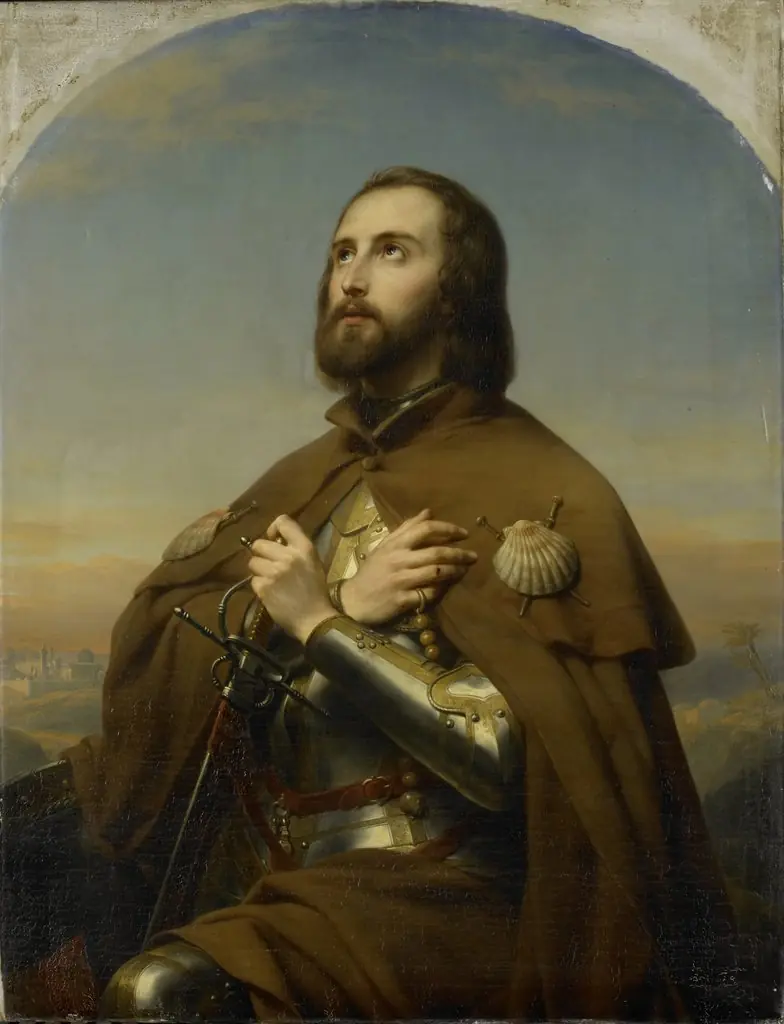 Eberhard (1445-96), Duke of Würtemberg, as a Pilgrim in the Holy Land
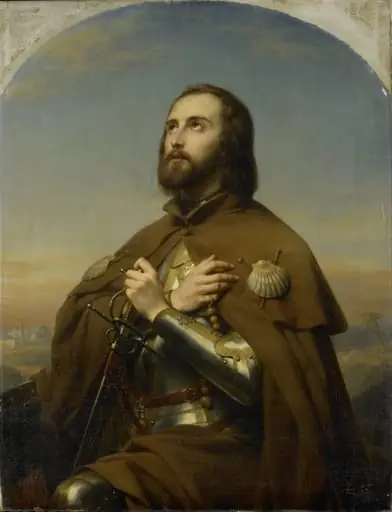 Eberhard (1445-96), Duke of Würtemberg, as a Pilgrim in the Holy Land
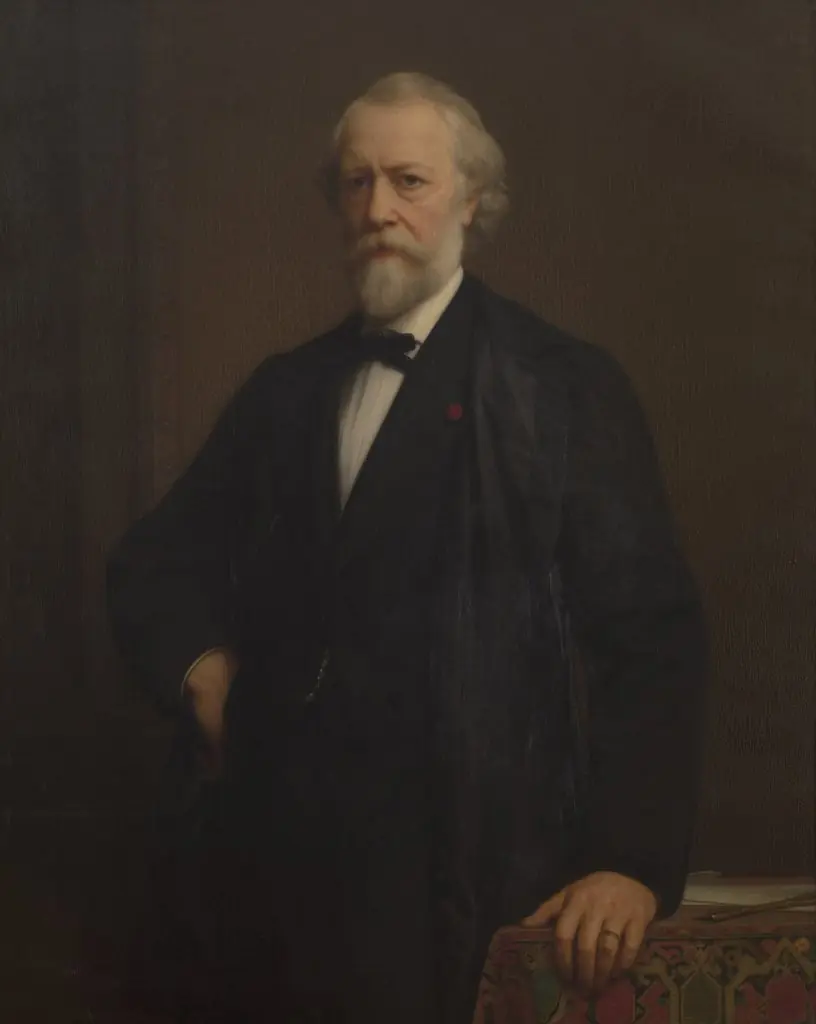 Self Portrait
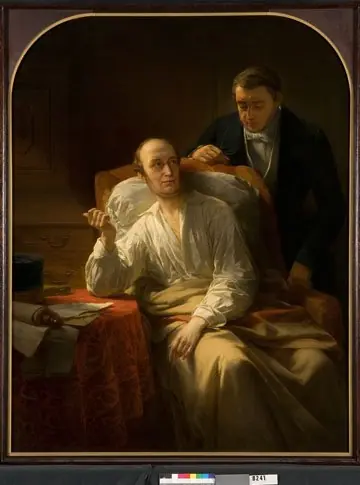 King Willem II Making his Last Will
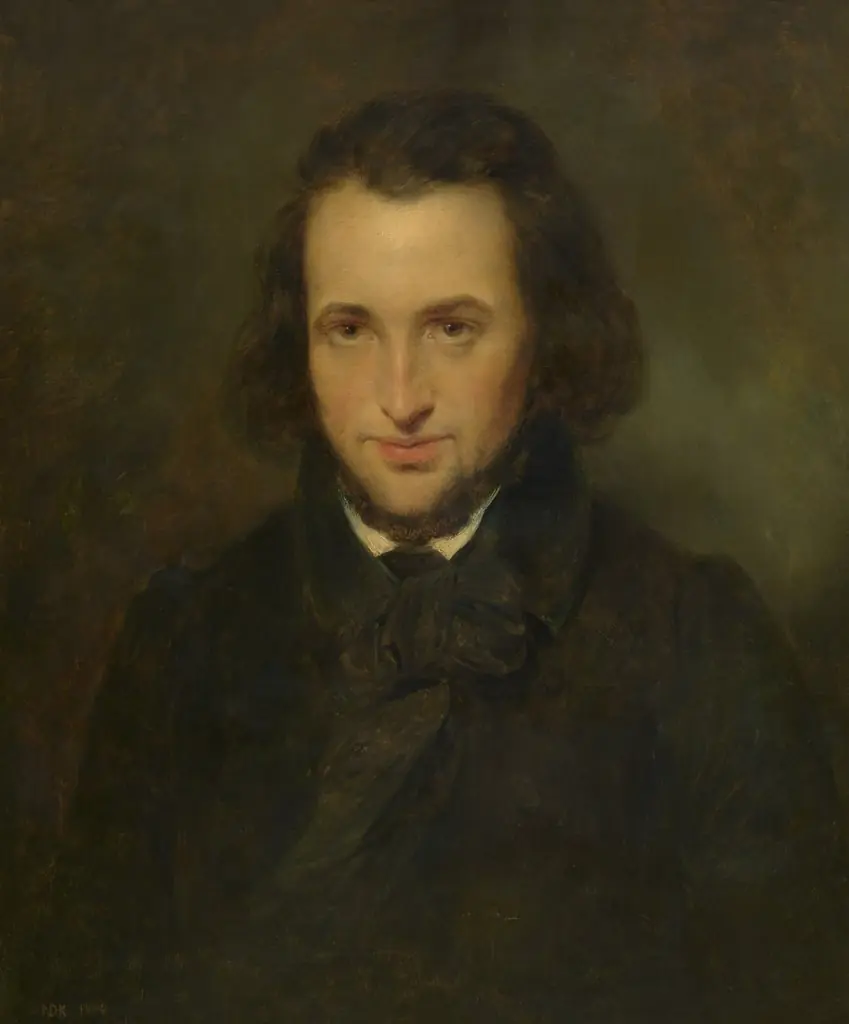 The Printer-Publisher Jozef-Ernest Buschmann
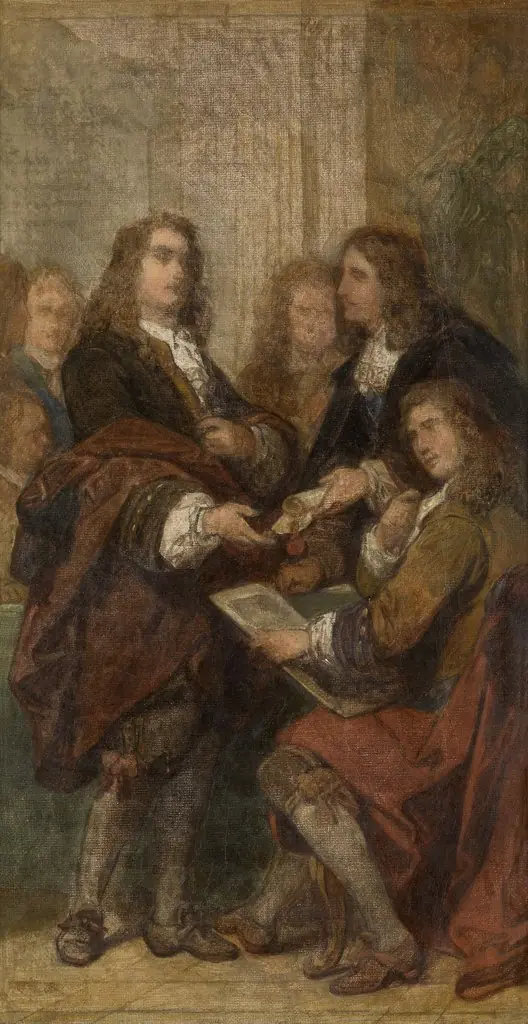 The Engraver Gerard Edelinck in Paris
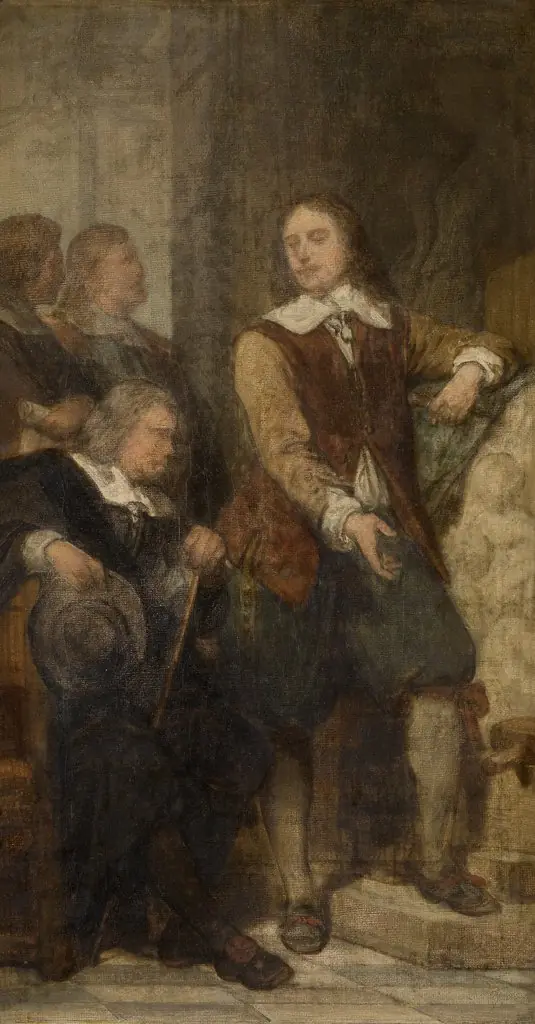 The Sculptor Artus Quellinus I in Amsterdam
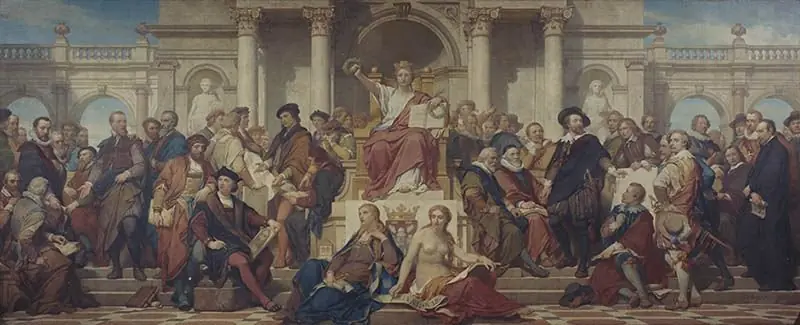 Antwerp crowns its artists: painters and master builders
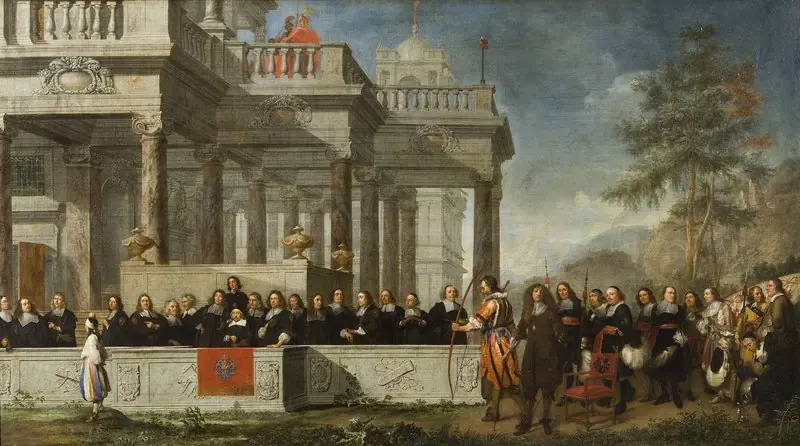 The Legend of William Tell shown to the Antwerp Guild of St Sebastian
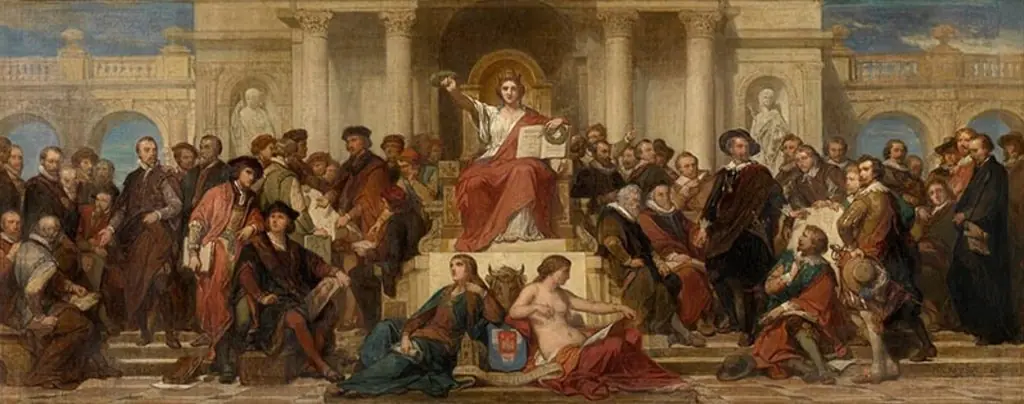 The city of Antwerp, the Gothic and the Renaissance, surrounded by artists
 Charles II Giving an Audience at Christ's Hospital
 The Senate-Conservative receives the flags taken during the Austrian campaign, January 1, 1806
 Regents of the Leper's house in Amsterdam
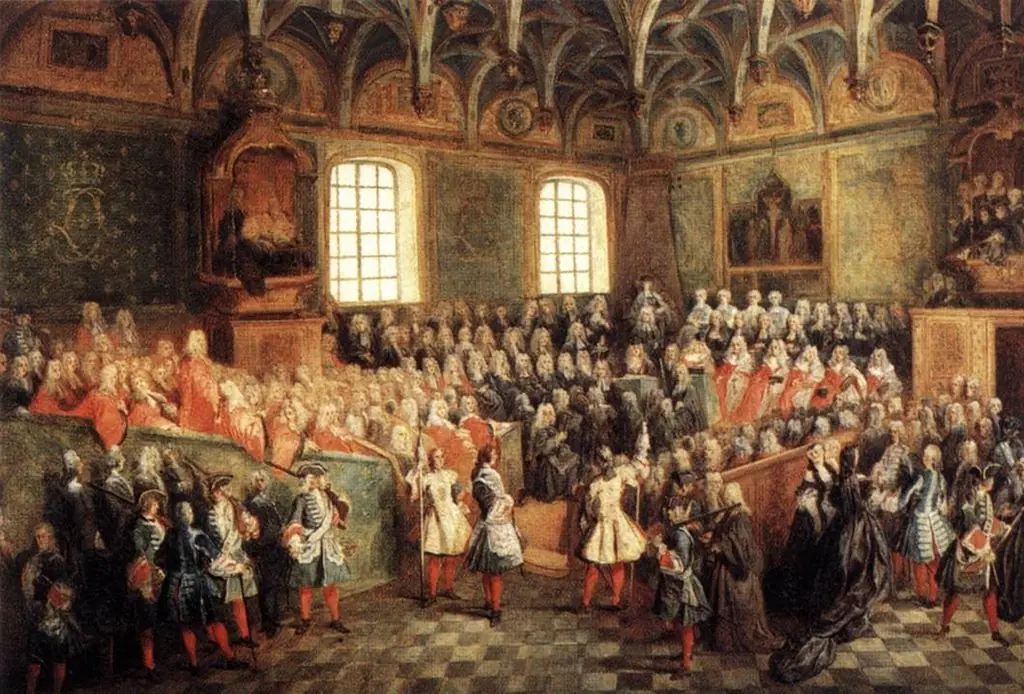 The Seat of Justice in the Parliament of Paris in 1723
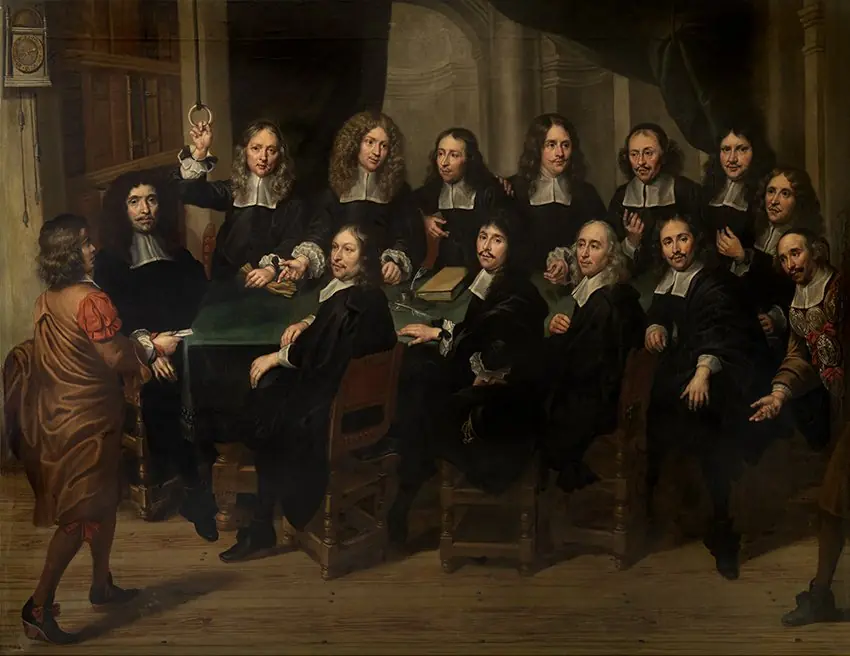 Het bestuur van het Brugse chirurgijnsambacht
 Council of war of eleven companies of the Dordrecht militia, ca 1675