Artwork
King Willem II Making his Last Will
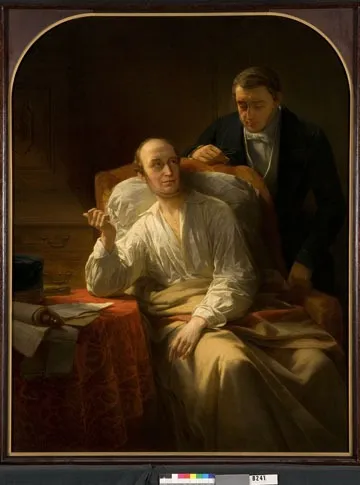
King Willem II Making his Last Will is an oil painting by Nicaise De Keyser. It dates from 1849 and is held in the collection of the Rijksmuseum.
About this work
Overview
Nicaise De Keyser, a prominent painter of the Belgian Romantic‑historical tradition, completed the oil on canvas titled *King Willem II Making his Last Will* in 1849. The work is part of the Rijksmuseum’s collection and exemplifies De Keyser’s focus on historical narrative and portraiture.
Subject & Meaning
The composition depicts the Dutch monarch, King Willem II, seated at a desk as he signs his testament. A second figure, dressed in a dark suit, stands behind him with clasped hands, suggesting a solemn consultation. The painting captures a moment of personal gravity, emphasizing the king’s final private act.
Technique & Style
De Keyser employs a restrained palette of muted browns, whites, and deep shadows to convey the dim interior. Careful modeling of the figures and meticulous rendering of the desk and papers reflect his academic training, while the overall mood aligns with the Romantic‑historical emphasis on drama and emotional depth.
History & Provenance
Created in 1849, the canvas entered the Rijksmuseum’s holdings at an unspecified date, where it remains on view. De Keyser, born in Zandvliet in 1813, worked primarily in Antwerp until his death in 1887, producing numerous history paintings and portraits that were widely exhibited across Europe.
Context
The painting belongs to a broader 19th‑century interest in national history, where artists documented pivotal moments from the past. By portraying Willem II’s last will, De Keyser contributes to the visual record of Dutch royal history, aligning with contemporary Belgian efforts to assert cultural identity through historic subjects.
Artist & collection
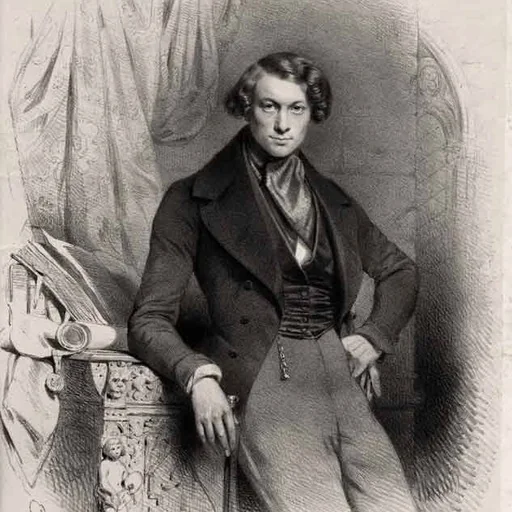
Artist
Nicaise de Keyser (alternative first names: Nicaas, Nikaas of Nicasius; 26 August 1813, Zandvliet – 17 July 1887, Antwerp) was a Belgian painter of mainly history paintings and portraits who was one of the key figures…

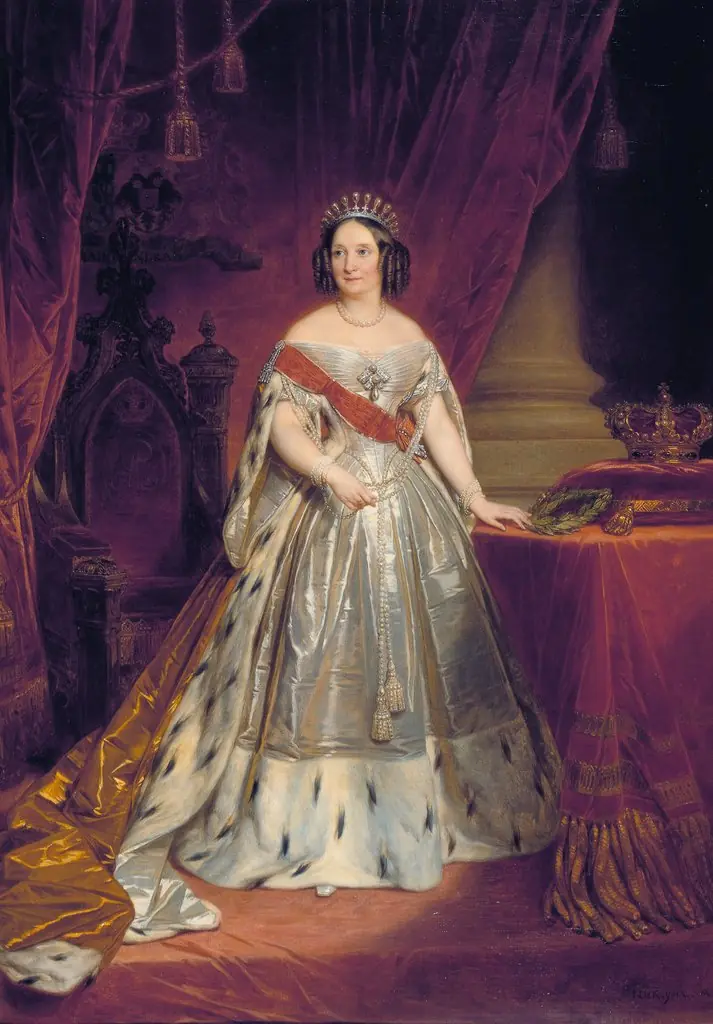 Portrait of Grand Princess Anna Pavlovna
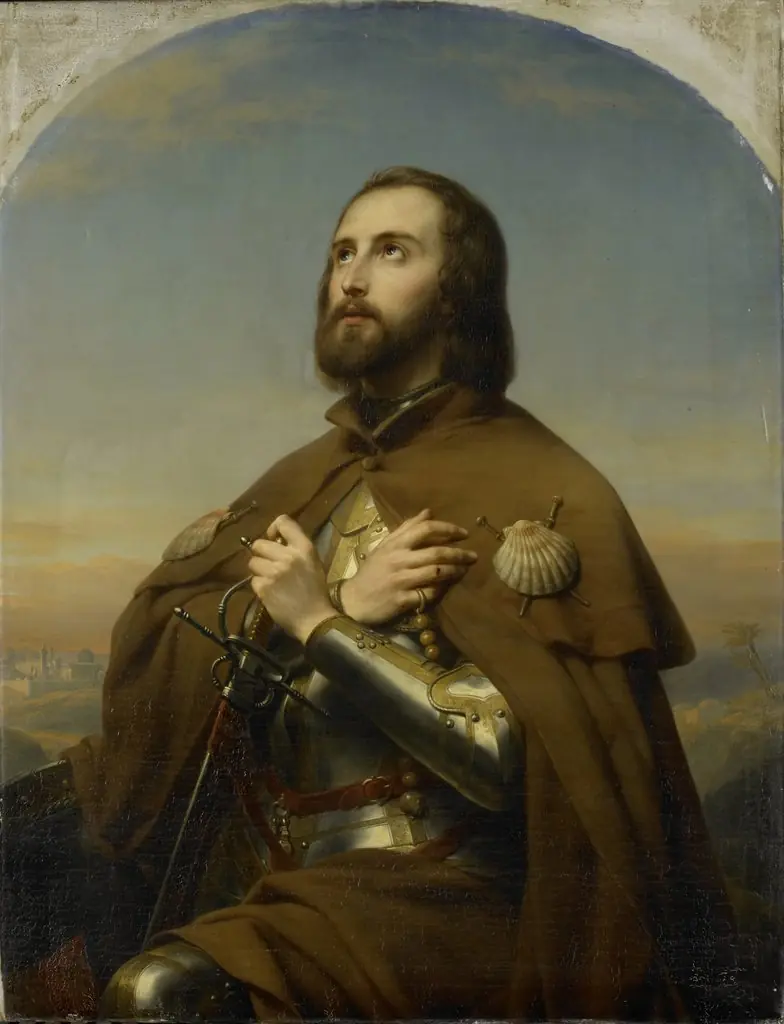 Eberhard (1445-96), Duke of Würtemberg, as a Pilgrim in the Holy Land
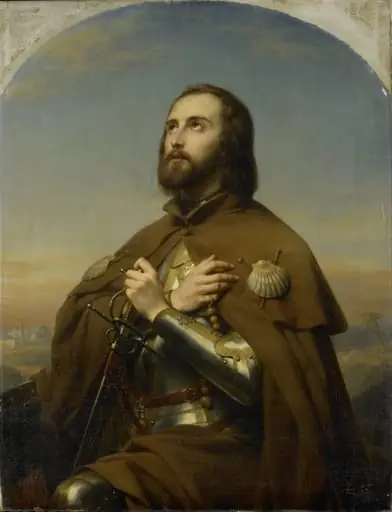 Eberhard (1445-96), Duke of Würtemberg, as a Pilgrim in the Holy Land
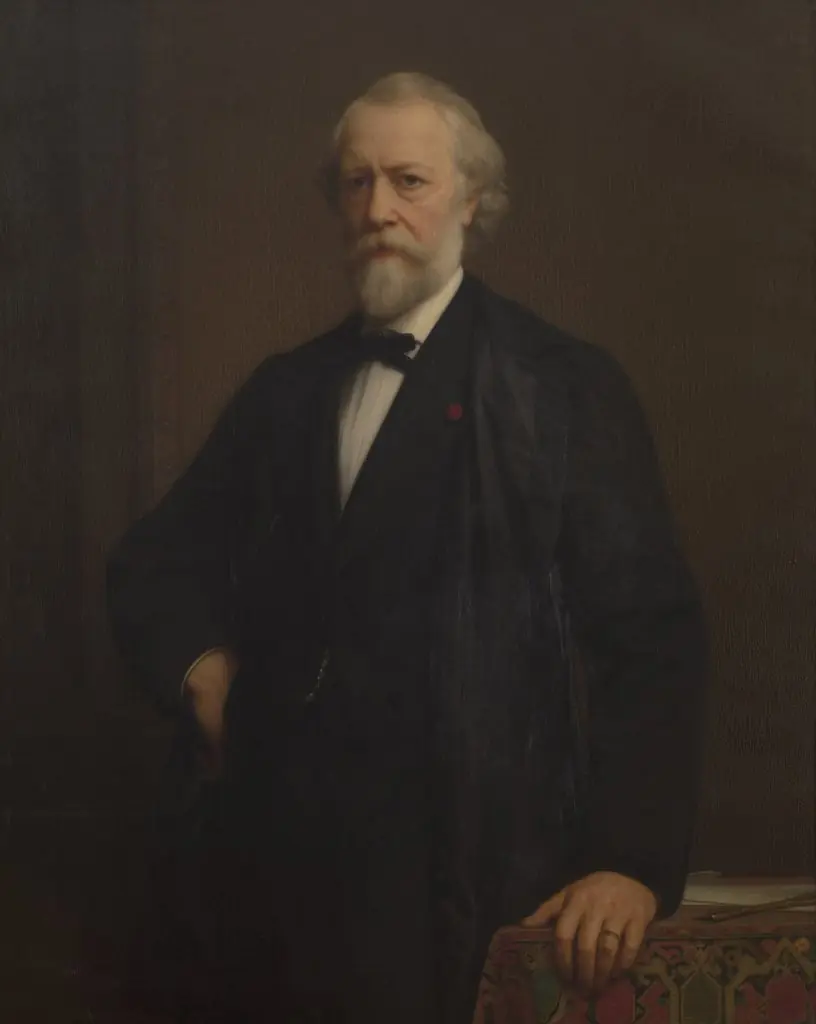 Self Portrait
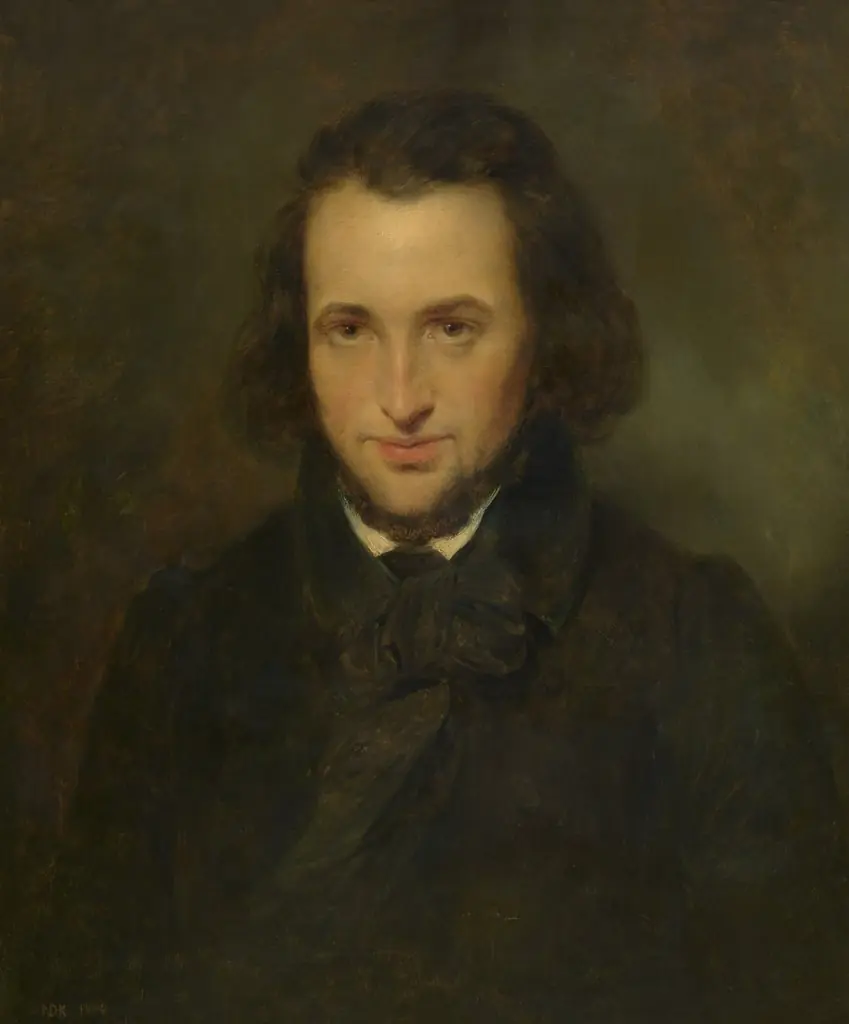 The Printer-Publisher Jozef-Ernest Buschmann
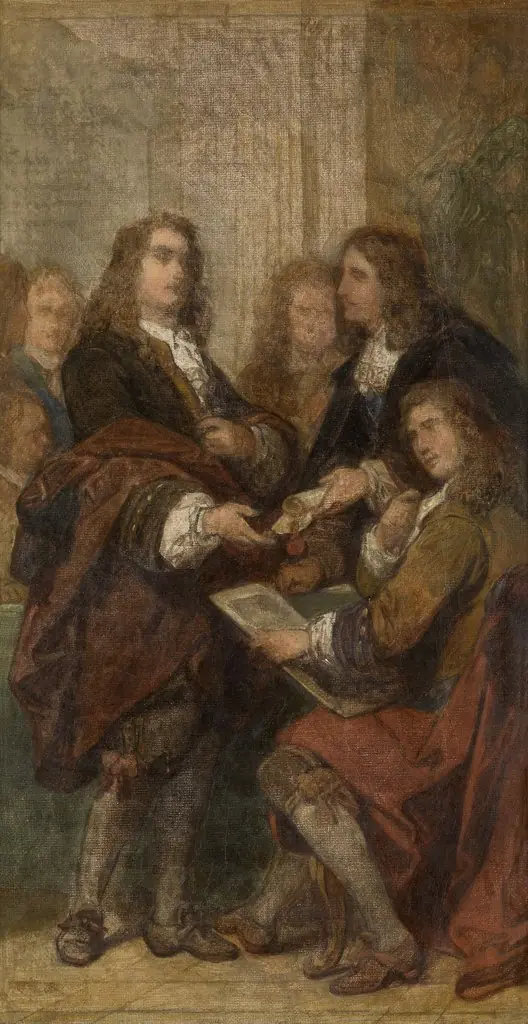 The Engraver Gerard Edelinck in Paris
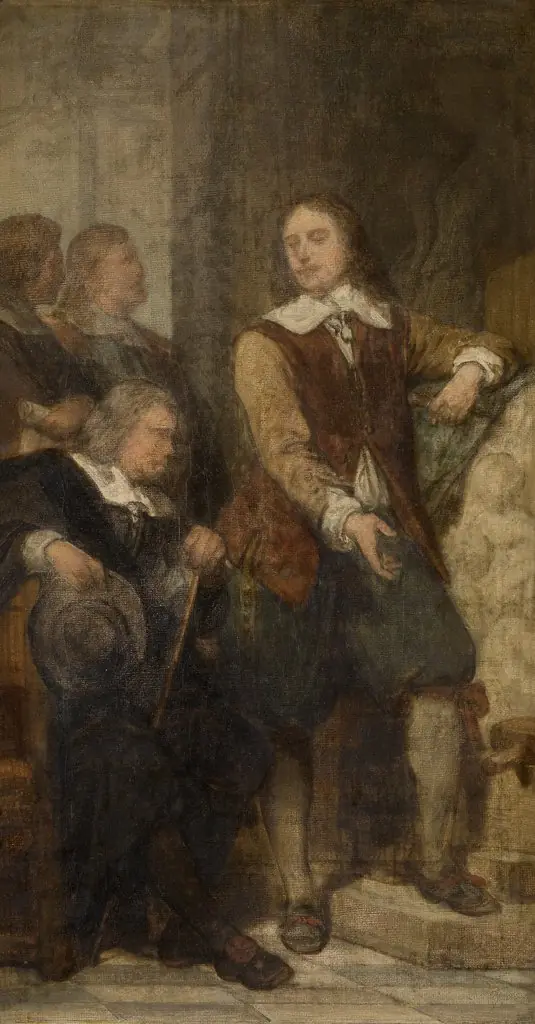 The Sculptor Artus Quellinus I in Amsterdam
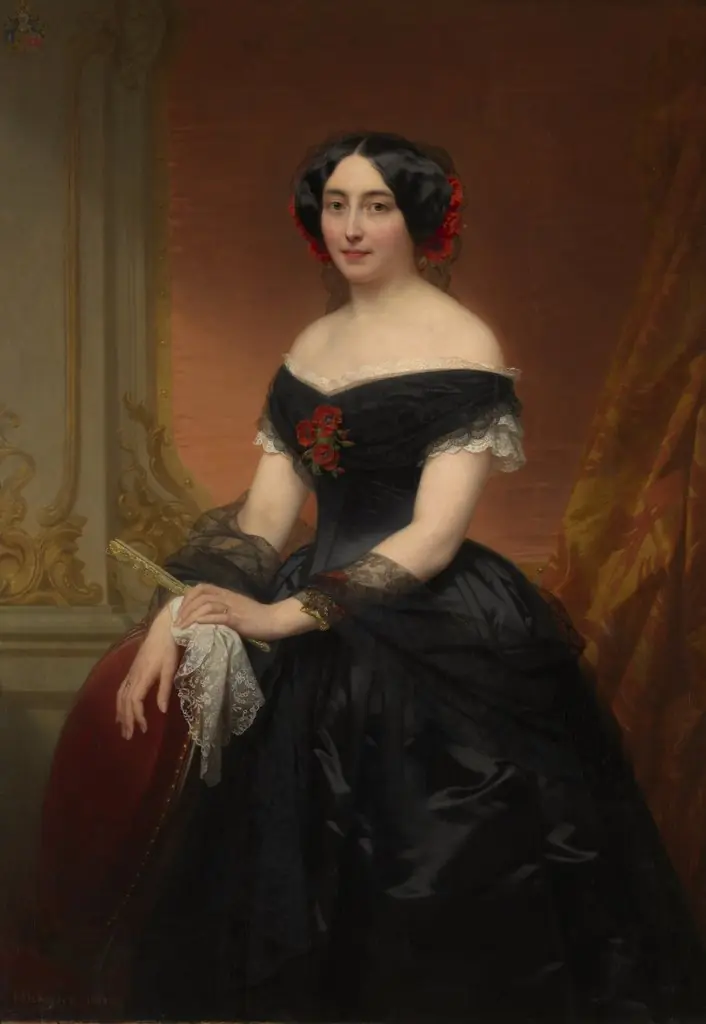 Madame Mols-de Brialmont
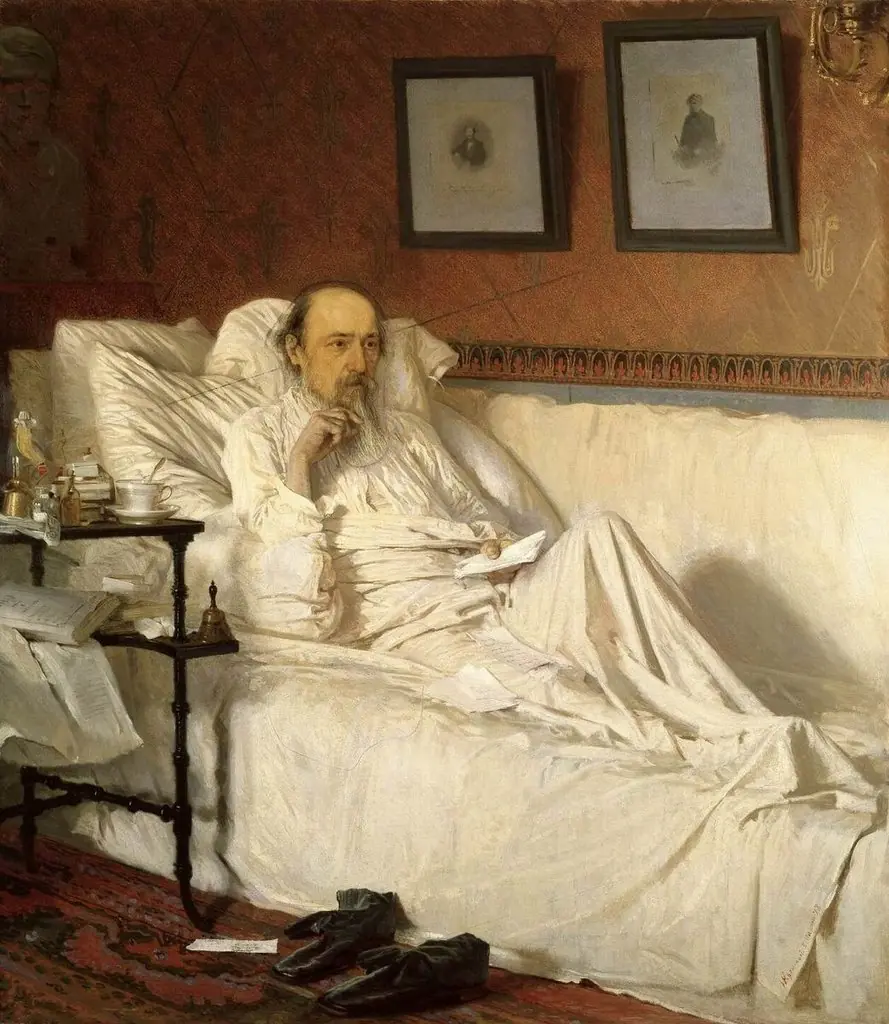 N. A. Nekrasov in the Period of "The Last Songs"
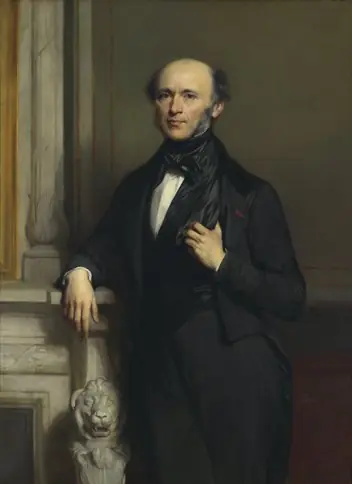 Portrait of Joseph-Gustave Allard (1803-1869)
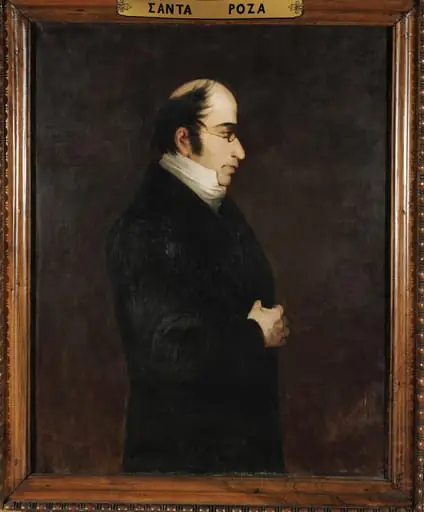 Προσωπογραφία του Σανταρόζα
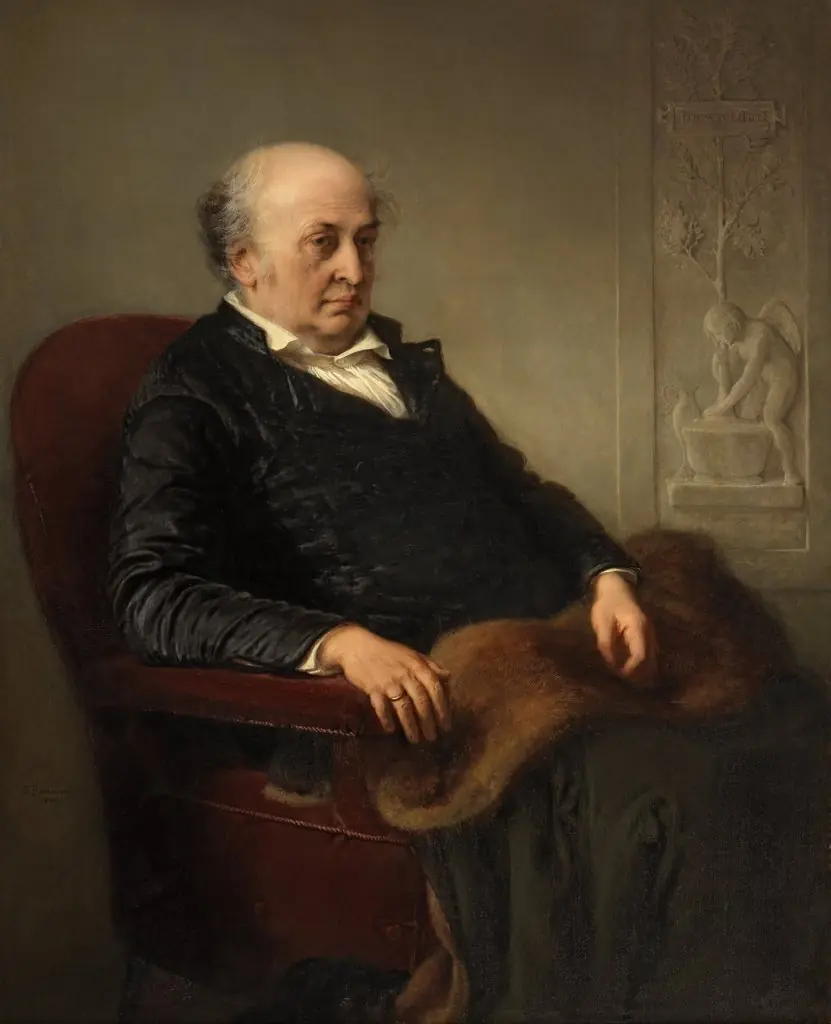 Painting of Wilhelm Schadow
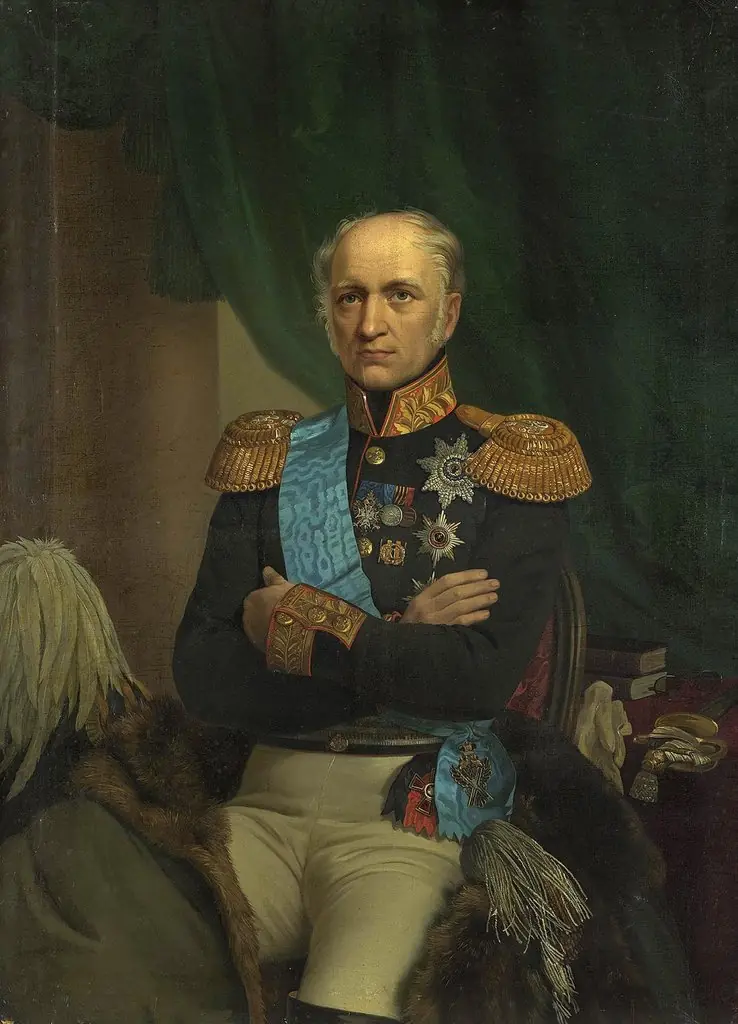 Portrait of Ye. F. Kankrin
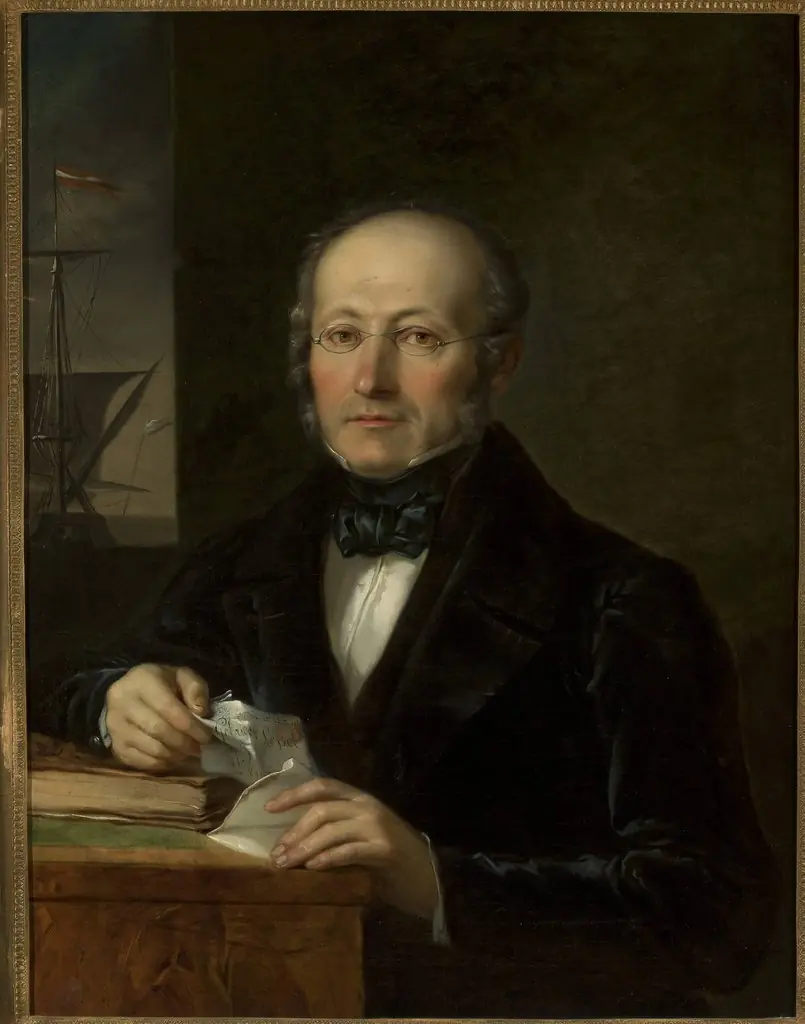 Portrait of the artist’s father, Levy Lesser
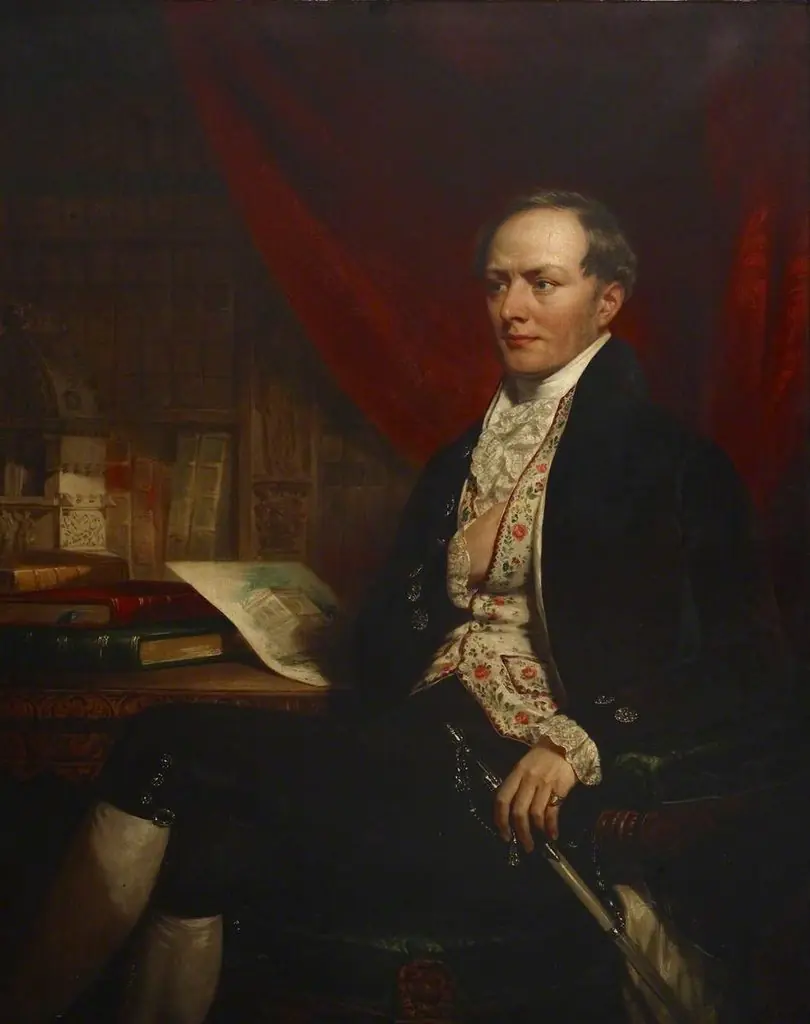 Sir Charles Fellows (1799–1860)
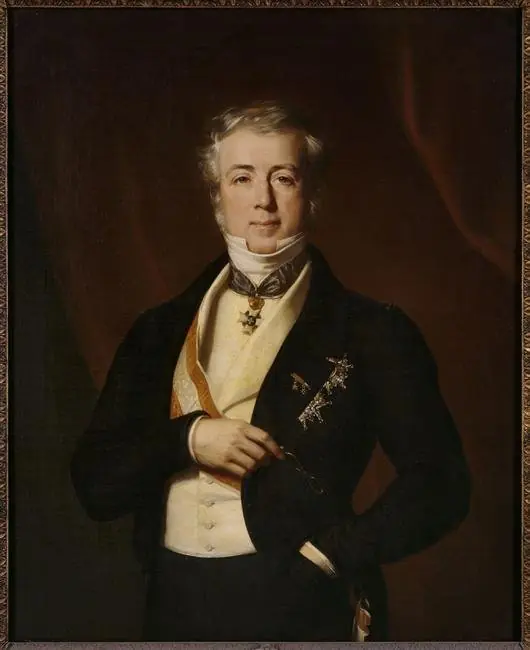 Alexandre Aguado, marquis de Las Marismas (1784-1842)
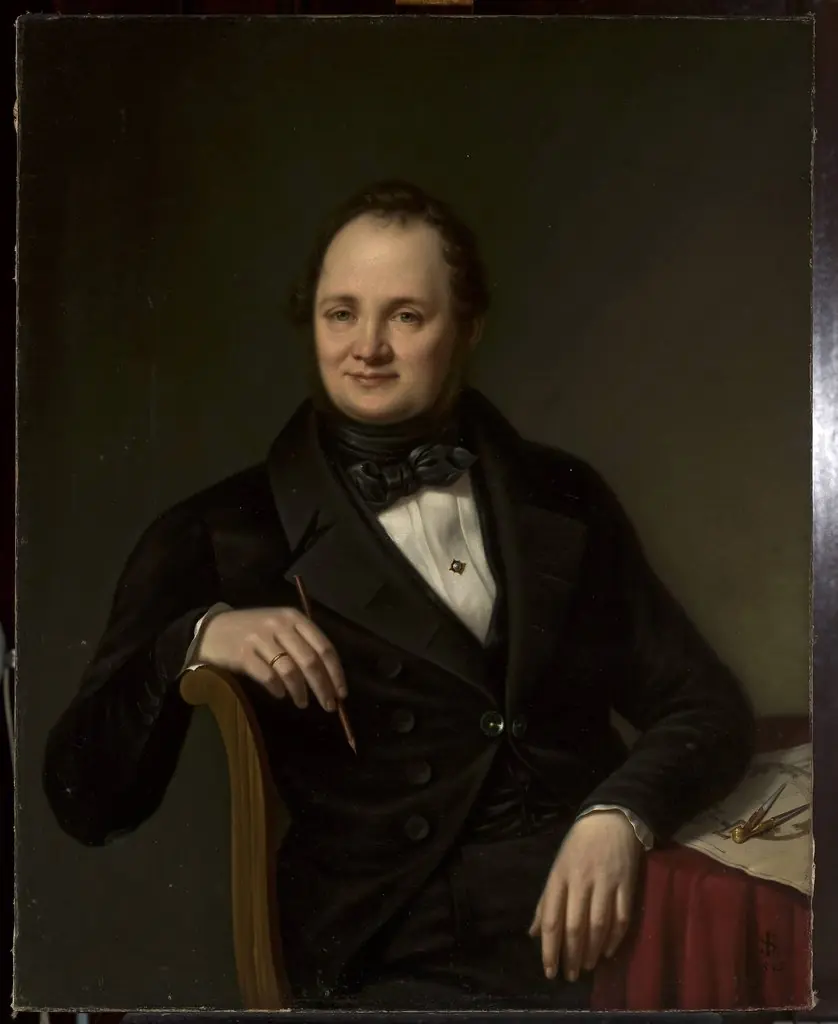 Portrait of Andrzej Gołoński, architect
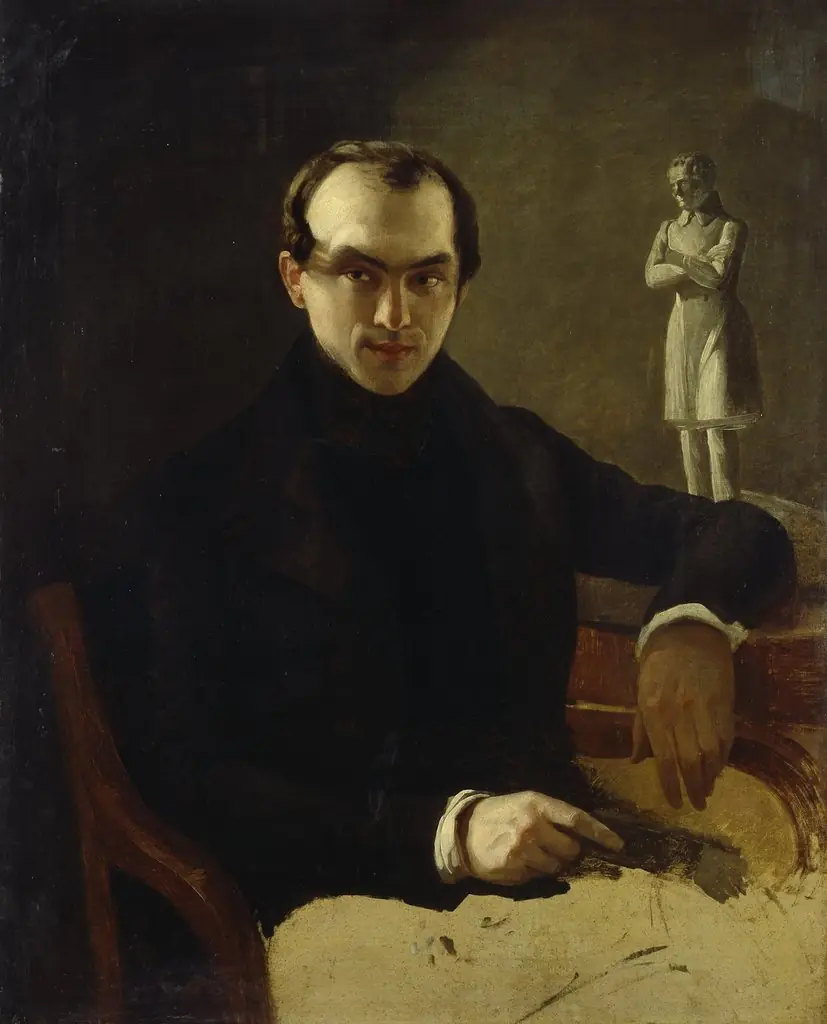 Portrait of Vasily Botkin
 Portrait of Julian Ursyn Niemcewicz
 Portrait of Walenty Sobolewski (1724–1800) or Maciej Leon Sobolewski (1724–1804)