Artwork
Die büßende Maria Magdalena (?)
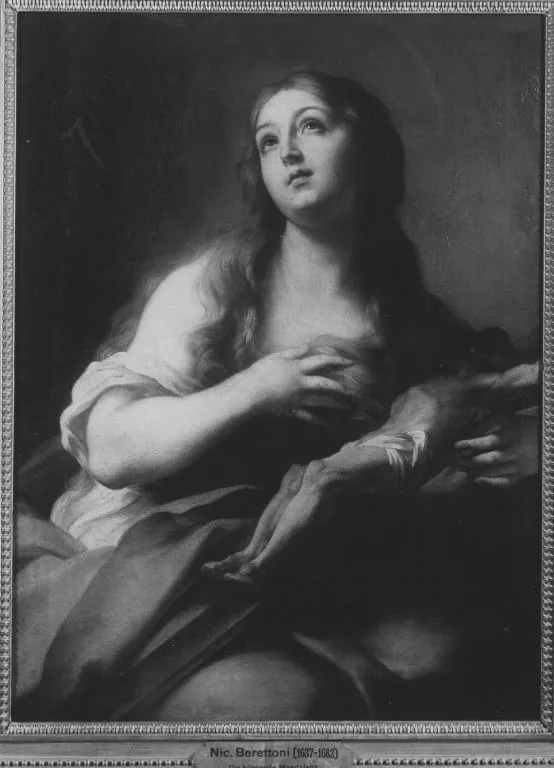
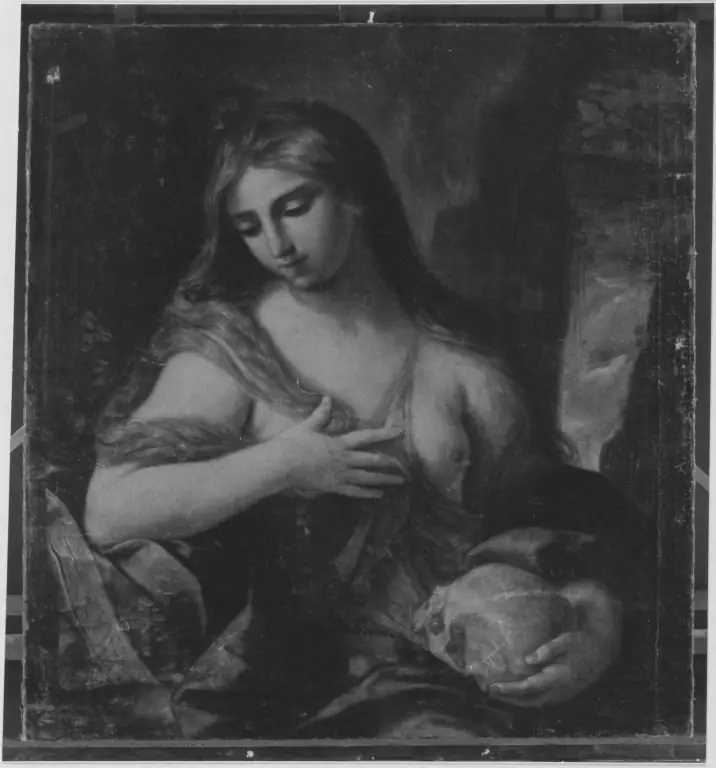
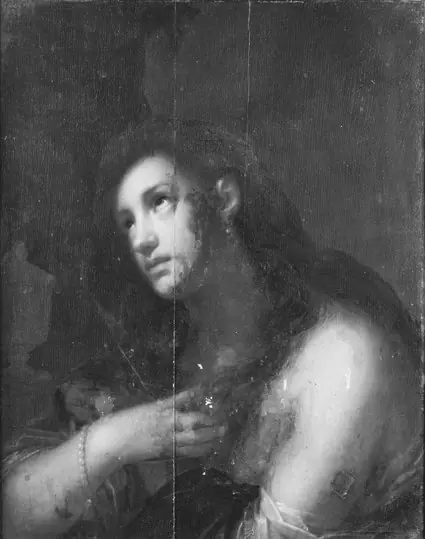
Die büßende Maria Magdalena (?) is an unspecified painting by the Early Baroque Italian artist Niccolò Berrettoni. It dates from 1659 and is held in the collection of the Bavarian State Painting Collections.
About this work
Overview
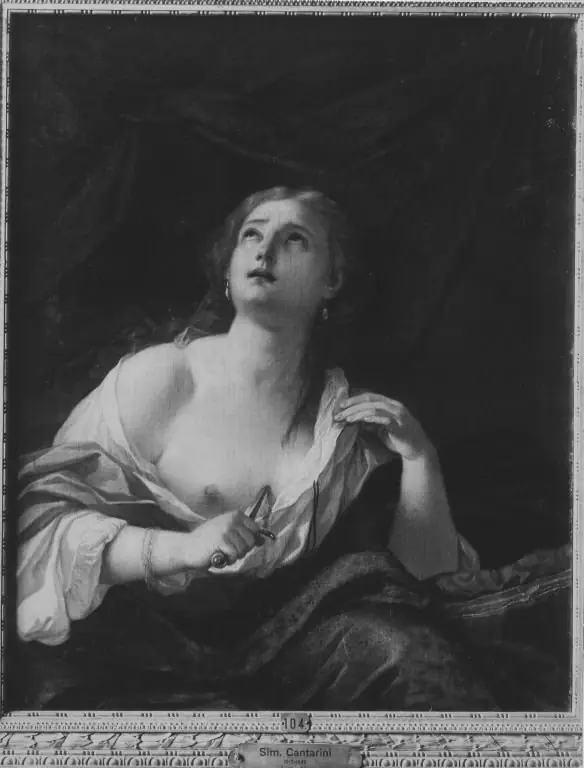
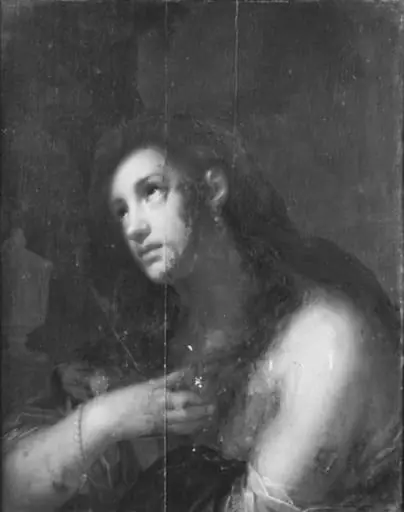
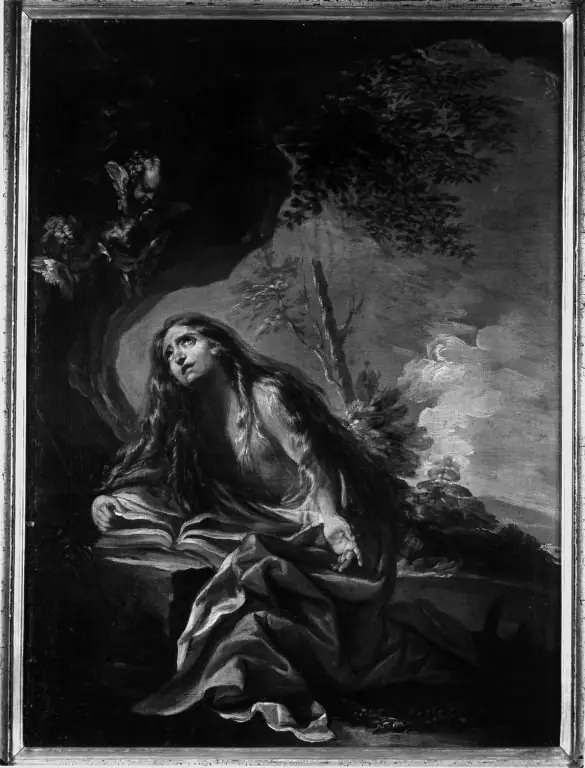
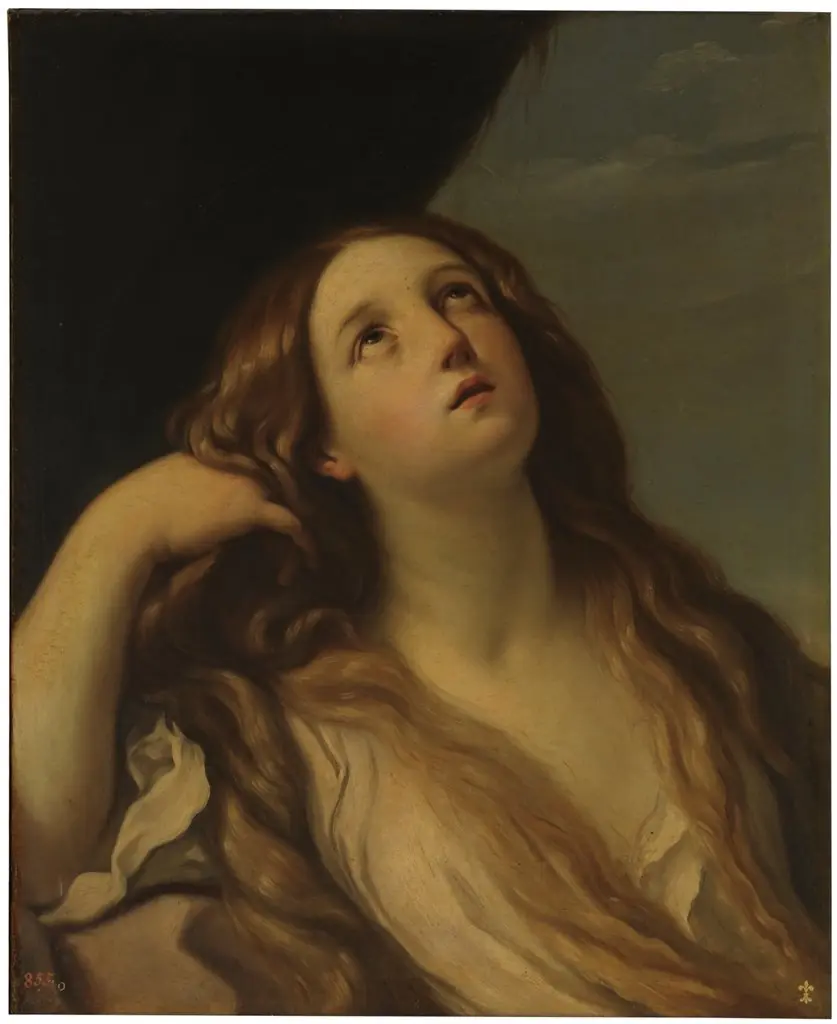
Niccolò Berrettoni’s 1659 oil on canvas, titled *Die büßende Maria Magdalena* (attributed), is part of the collection of the Alte Pinakothek in Munich. The work presents a solitary female figure illuminated against a deep, shadowed backdrop, emphasizing her solemn expression and the simplicity of her white mantle.
Subject & Meaning
The central figure is portrayed with long, loose hair and a contemplative gaze, attributes traditionally linked to Mary Magdalene in post‑Counter‑Reformation iconography. Her posture—one arm resting on the knee, the other adjusting the cloth—suggests penitence and introspection, reinforcing the theme of repentance.
Technique & Style
Berrettoni employs a pronounced chiaroscuro, allowing the light to fall on the woman’s face and hands while the surrounding space recedes into darkness. This contrast heightens the three‑dimensionality of the form and draws attention to the emotional intensity of the scene, a hallmark of mid‑Seventeenth‑century Baroque painting.
History & Provenance
Created in 1659, the painting entered the Alte Pinakothek’s holdings at an unspecified later date, becoming part of the museum’s Baroque collection. Its attribution to Berrettoni rests on stylistic analysis and archival records linking the work to the artist’s Roman period.
Context
The work reflects the Counter‑Reformation emphasis on personal piety and the visual dramatization of saintly virtues. By focusing on a single, contemplative figure, Berrettoni aligns with contemporary devotional practices that encouraged viewers to identify with the penitent saint’s inner transformation.
Artist & collection
Artist
Niccolò Berrettoni (1637–1682) was an artist, born in Province of Pesaro and Urbino.