Artwork
Portrait of a Woman
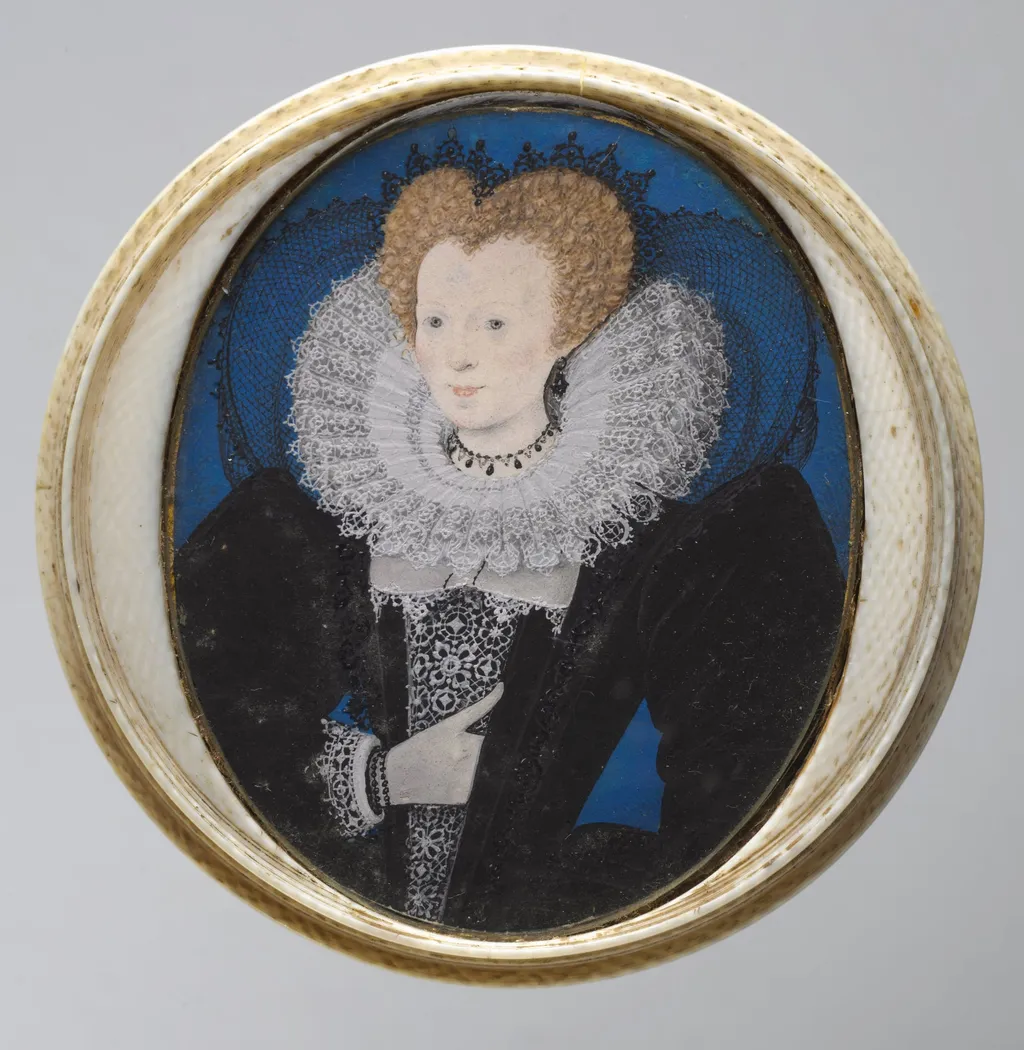
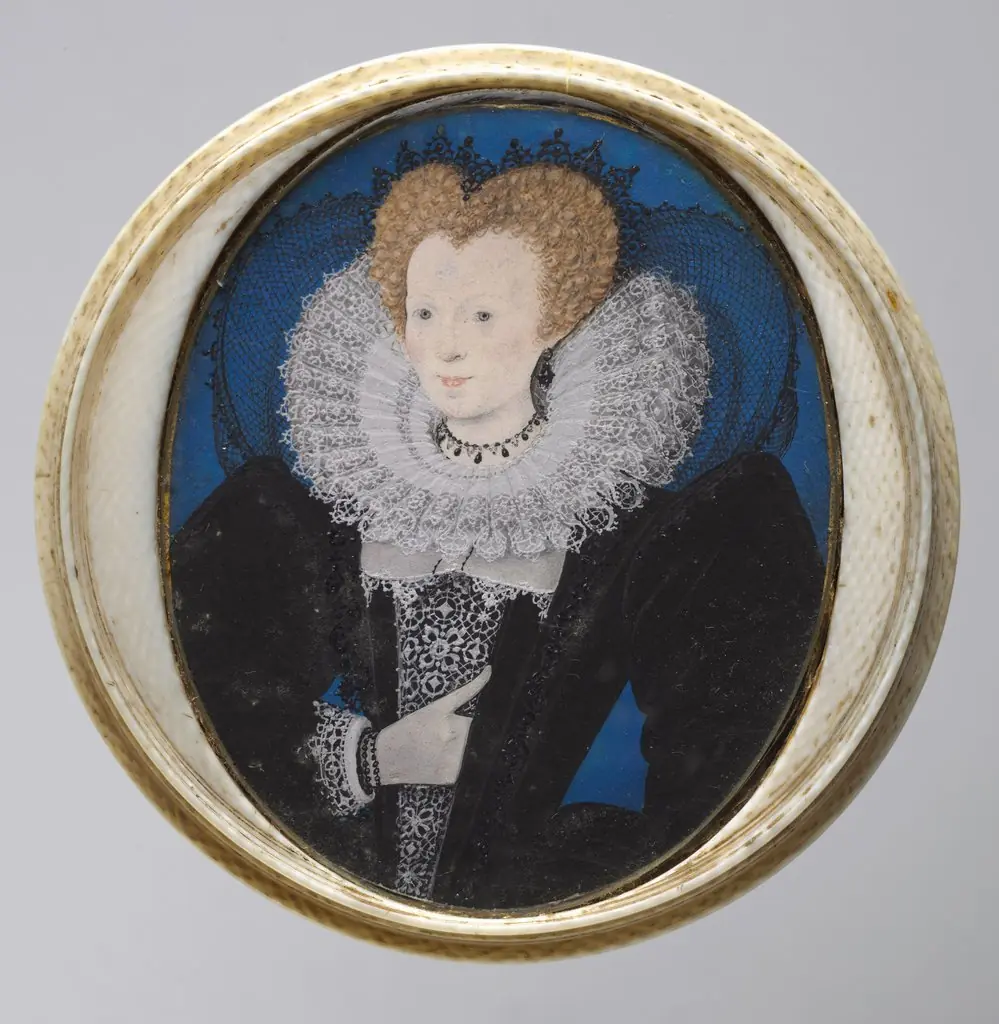
Portrait of a Woman is an unspecified portrait miniature by the Renaissance artist Nicholas Hilliard. It dates from 1594 and is held in the collection of the Cleveland Museum of Art.
About this work
Overview
Executed in watercolor on vellum, it reflects the refined aesthetic of late Elizabethan England.
Painted circa 1594, this portrait miniature by Nicholas Hilliard is a rare example of a larger cabinet-sized work, distinct from his more common small-scale portraits. Executed in watercolor on vellum, it reflects the refined aesthetic of late Elizabethan England. The piece is part of the Cleveland Museum of Art’s collection, where it stands as a testament to Hilliard’s mastery in capturing intimate likenesses with exceptional precision.
Subject & Meaning
The sitter is a woman of probable aristocratic standing, depicted with quiet dignity. Her clasped hands suggest composure and restraint, while her attire—black dress, high lace collar, and dark necklace—conveys modesty and status. The absence of overt symbols or elaborate settings directs focus to her presence, aligning with Elizabethan ideals of inner virtue and refined self-possession.
Technique & Style
Hilliard rendered the portrait in watercolor on vellum, applying fine brushwork to achieve intricate detail in the lace and fabric textures. The pale skin and red-gold curls are delicately modeled, contrasting with the deep, near-black background that enhances the subject’s luminosity. The circular format and intimate scale reflect the tradition of personal portraiture, while the precision of execution reveals the artist’s background as a goldsmith.
History & Provenance
The painting has remained in private hands until entering the Cleveland Museum of Art’s collection. Its survival in good condition is notable, given the fragility of watercolor on vellum. While its early ownership is undocumented, its style and technique firmly associate it with Hilliard’s known body of work from the 1590s, a period of peak activity for the artist.
Context
In late 16th-century England, portrait miniatures served as personal tokens of identity and affection, often exchanged among courtiers. Hilliard’s work diverged from the grander styles of continental Europe, favoring subtle expression and meticulous detail. This piece exemplifies how English portraiture cultivated an intimate, psychologically nuanced mode distinct from the theatricality common elsewhere.
Legacy
Hilliard’s approach influenced generations of English miniature painters and helped define a national style. This portrait, though not signed, bears the hallmarks of his technique and sensibility. Its preservation allows continued study of how elite identity was visually constructed in early modern England, beyond the more famous full-length royal portraits of the era.
Artist & collection
Artist
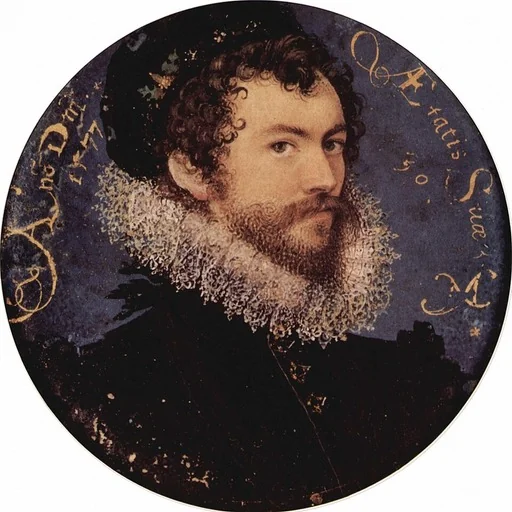
Nicholas Hilliard (c. 1547 – before 7 January 1619) was an English goldsmith and limner best known for his portrait miniatures of members of the courts of Elizabeth I and James I of England. He mostly painted small oval…

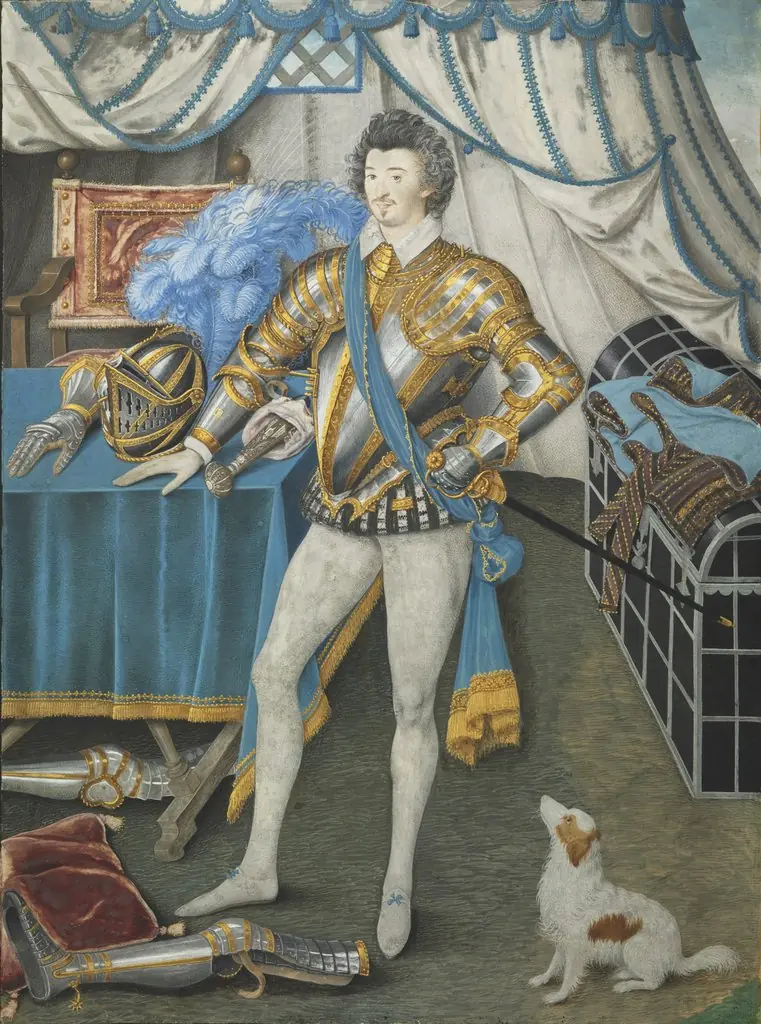 Sir Anthony Mildmay, Knight of Apethorpe, Northamptonshire
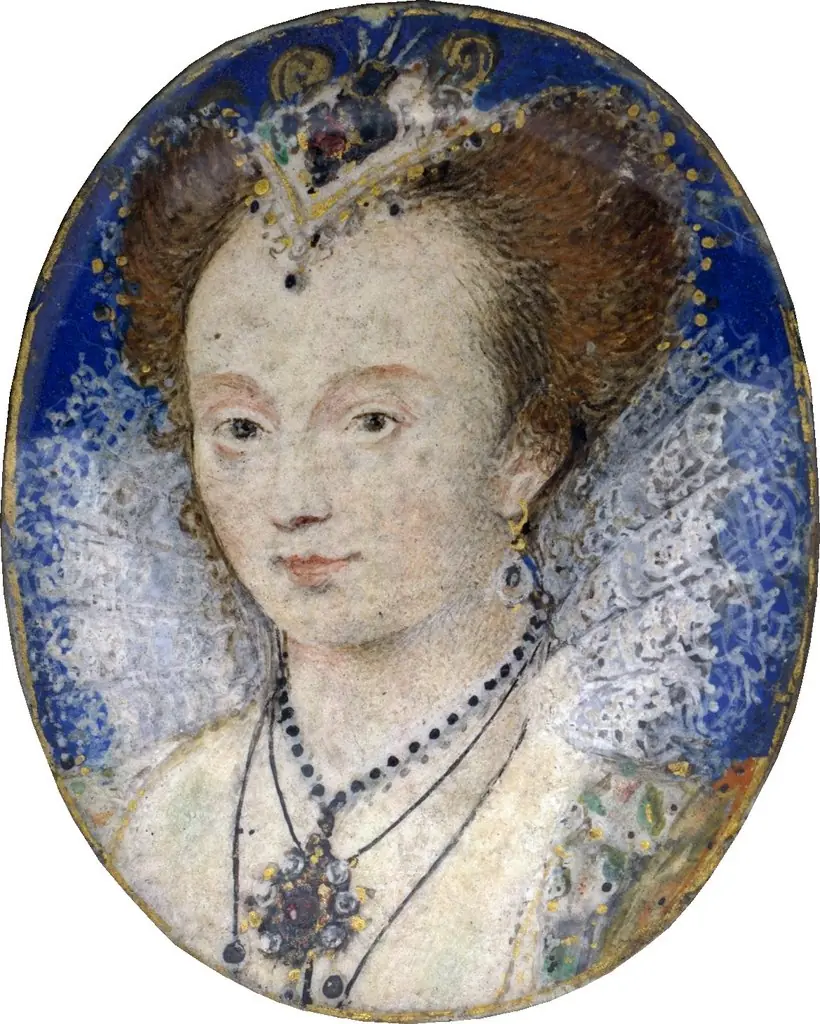 Portrait of a Woman
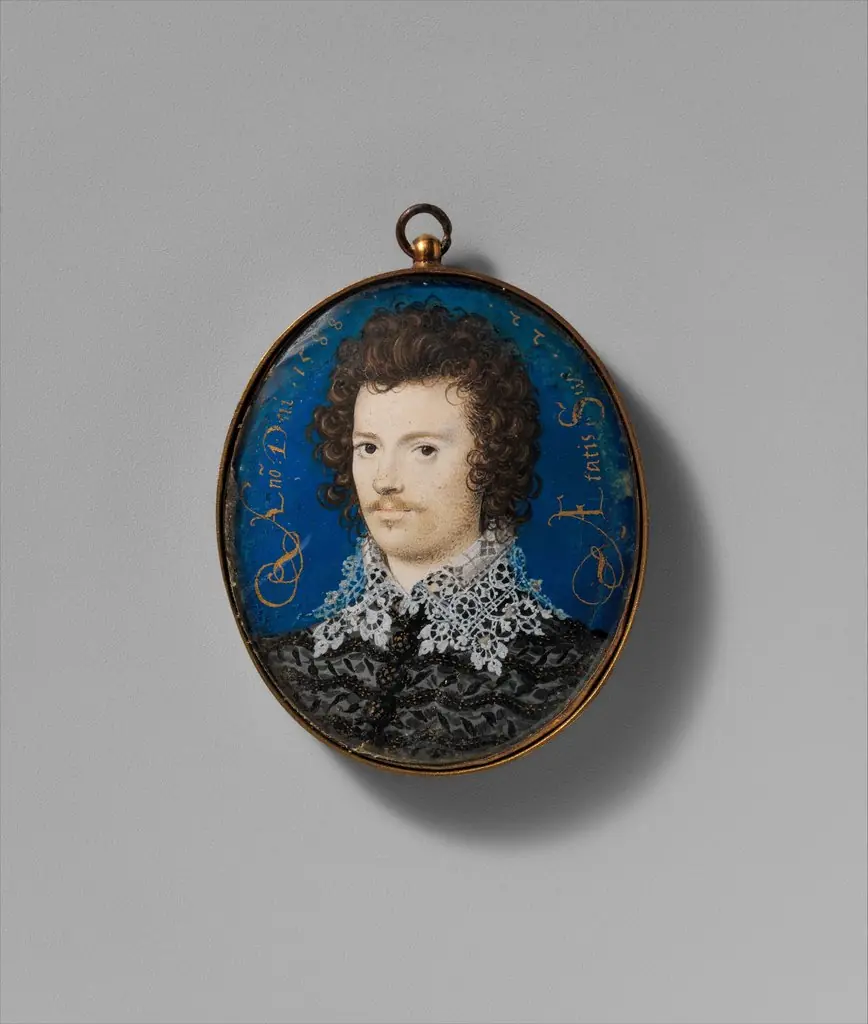 Portrait of a Young Man, Probably Robert Devereux (1566–1601), Second Earl of Essex
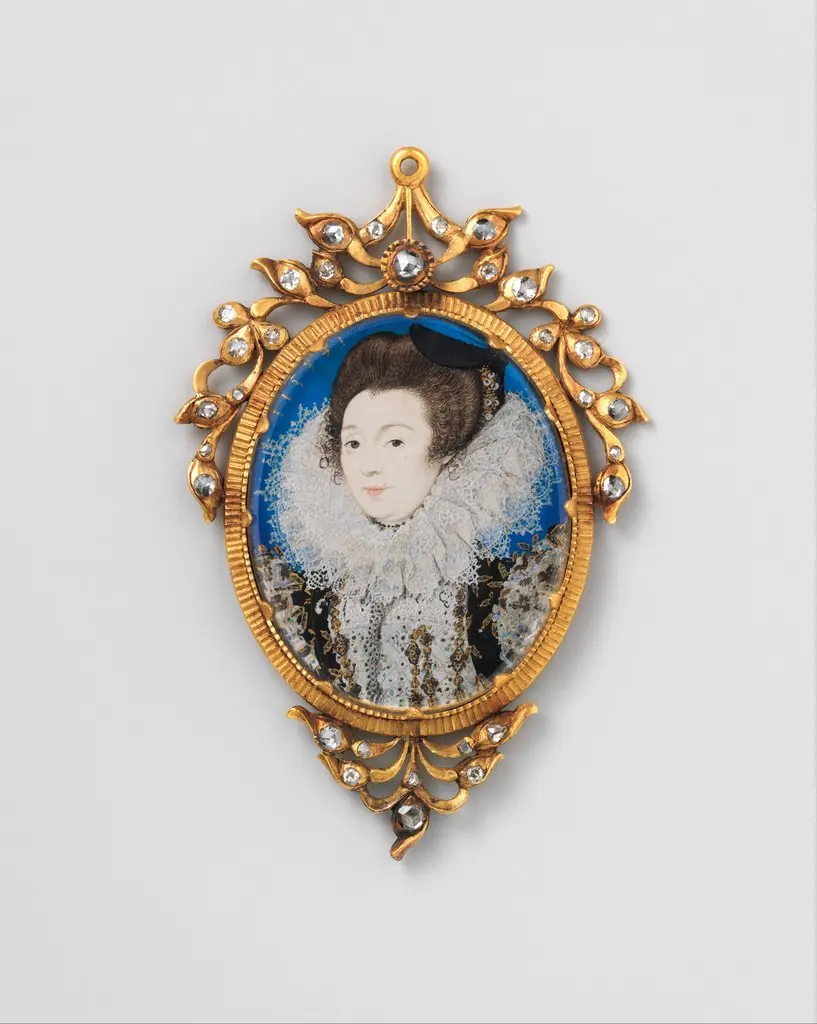 Portrait of a Woman
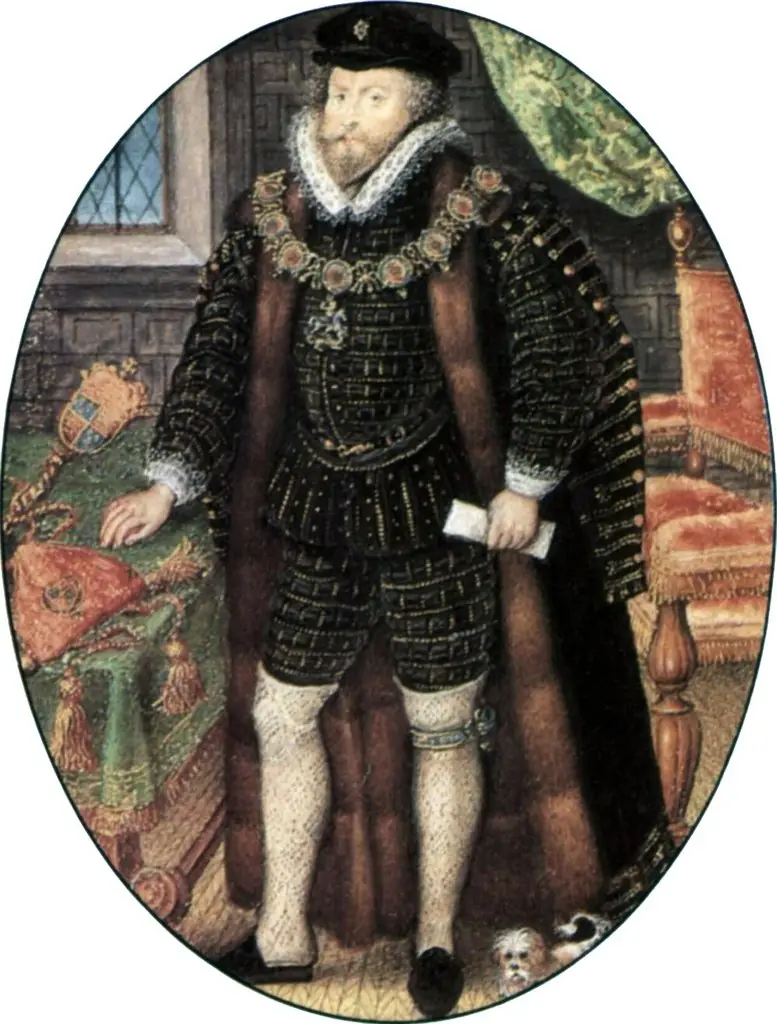 Sir Christopher Hatton
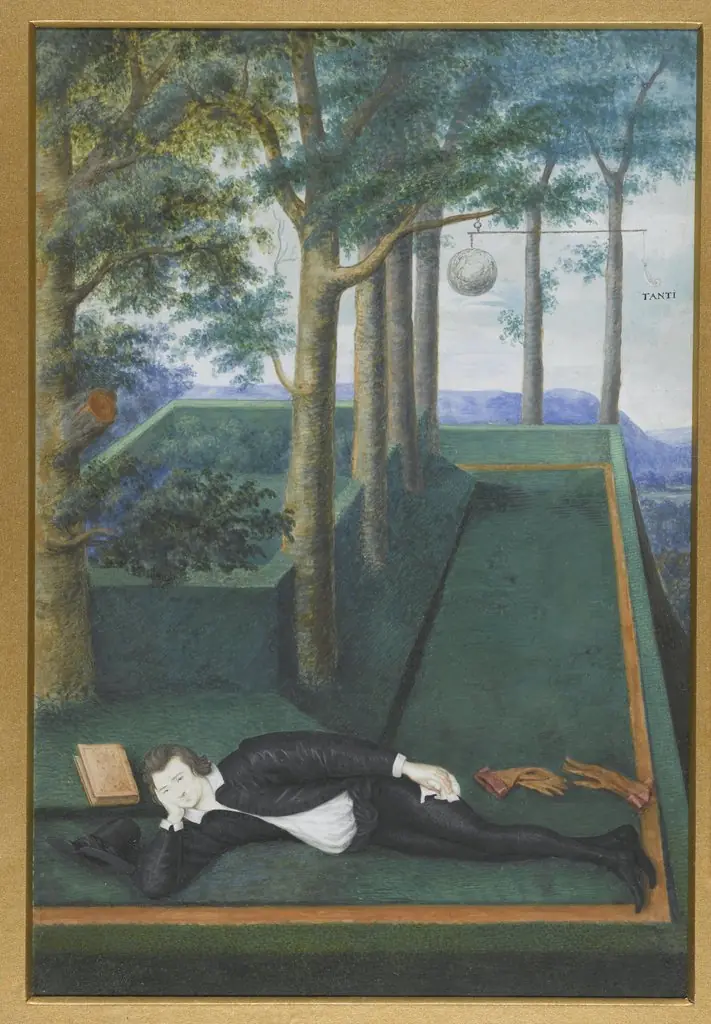 Henry Percy, 9th Earl of Northumberland
 Lady Margaret Douglas, Countess of Lennox
 Elizabeth I of England
 Portrait of a Woman
 Portrait of a Woman
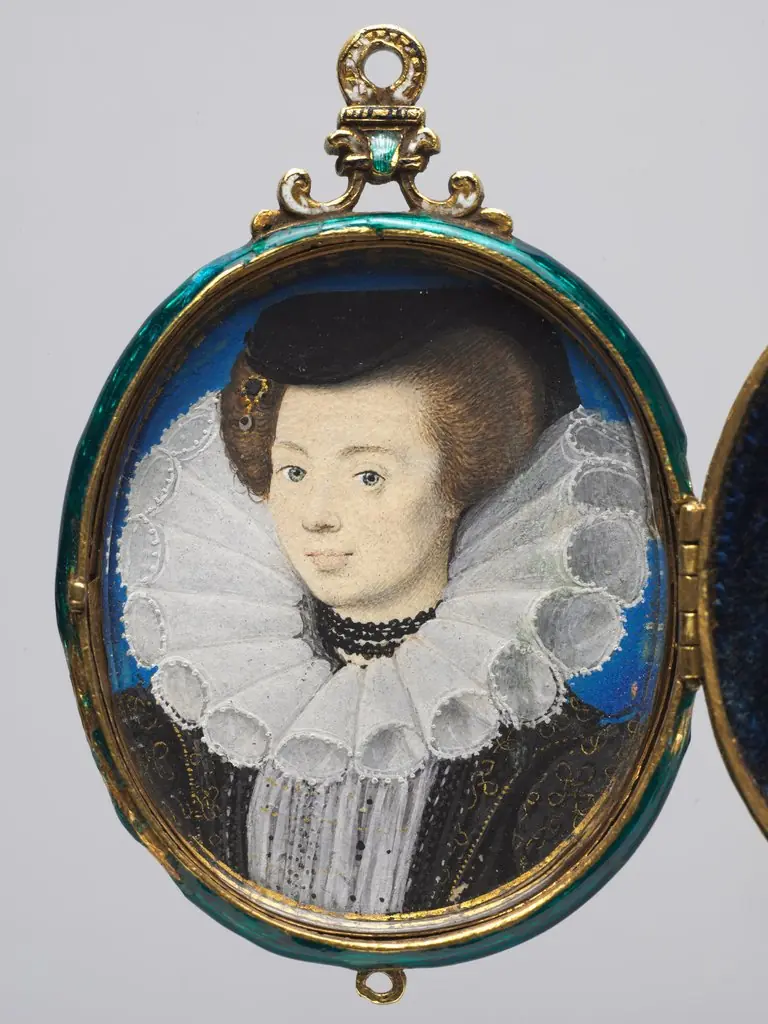 Portrait of a Woman
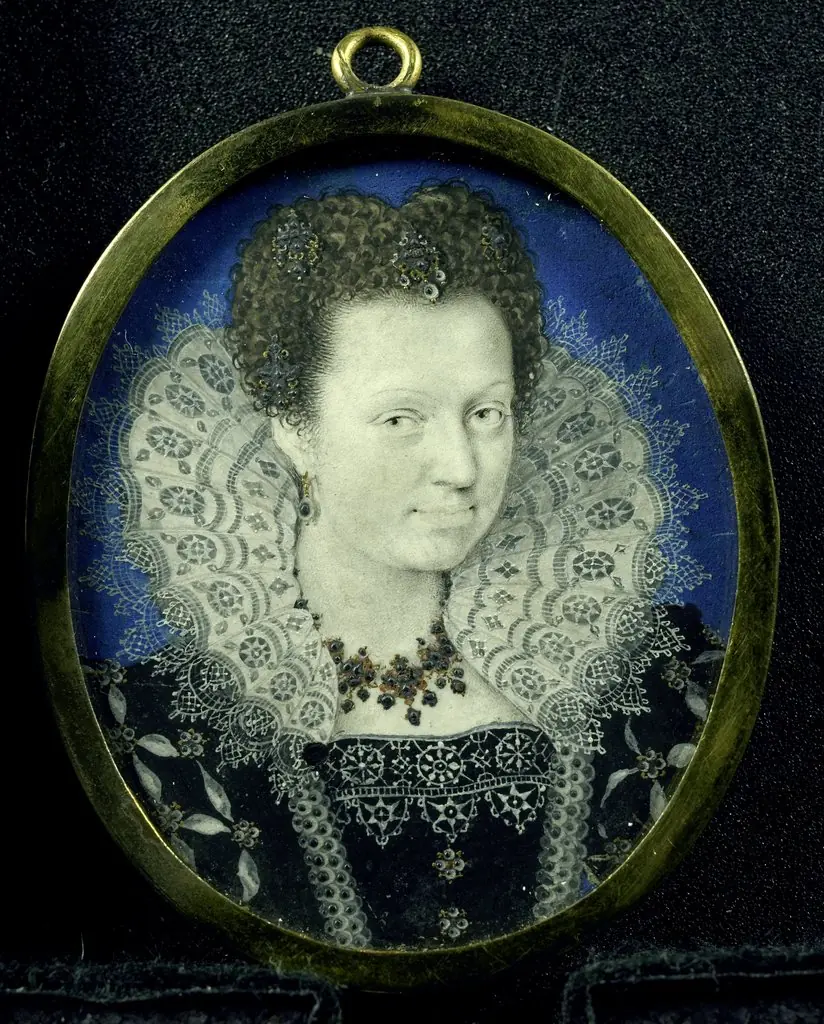 Portret van een vrouw
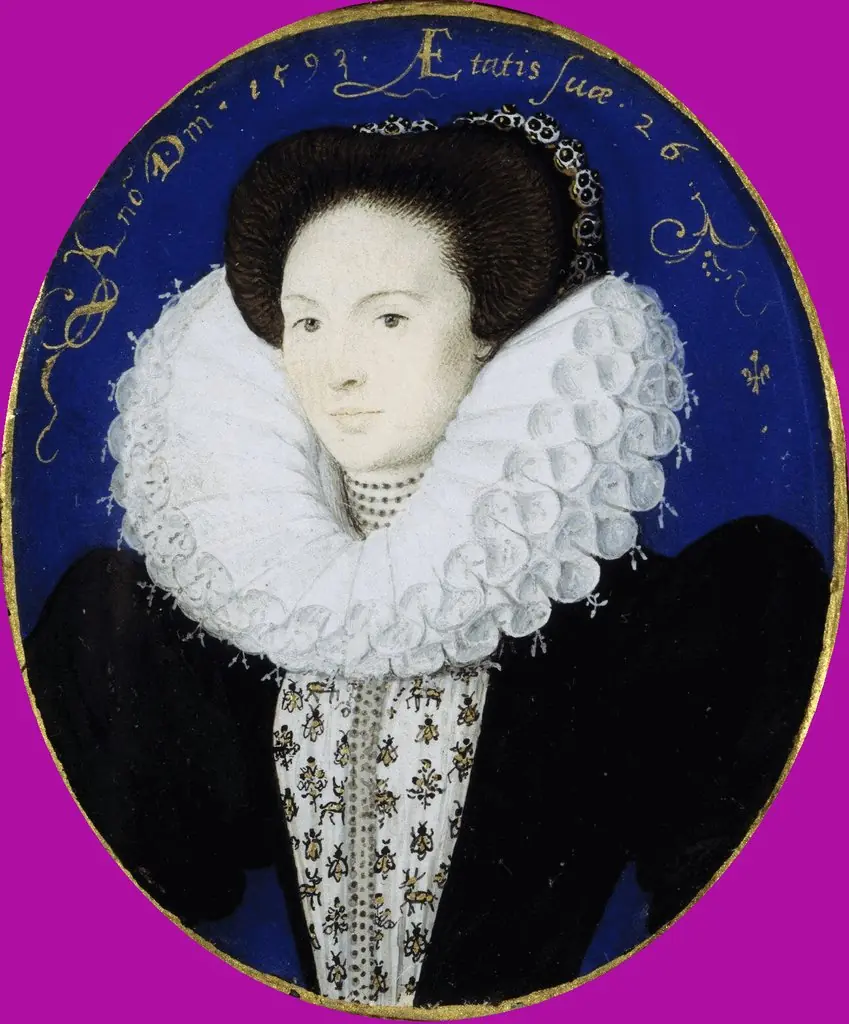 An Unknown Woman aged 26
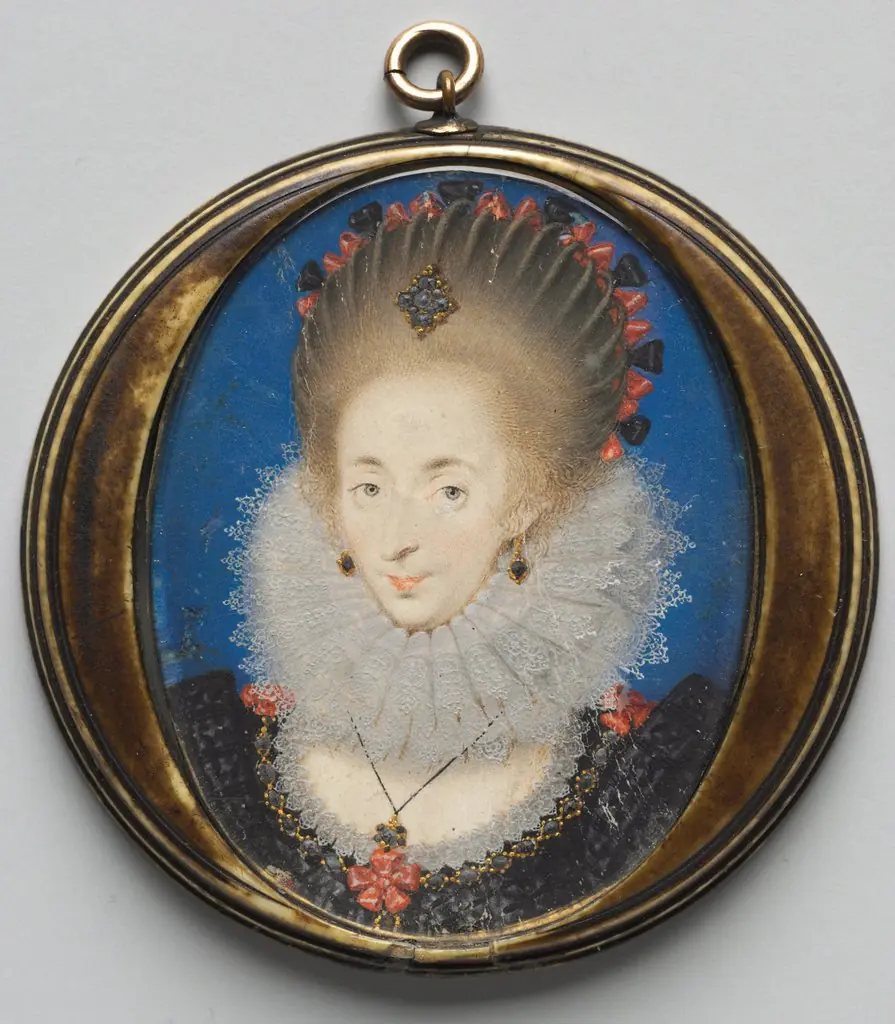 Portrait of Lucy Russell, Countess of Bedford, née Harrington
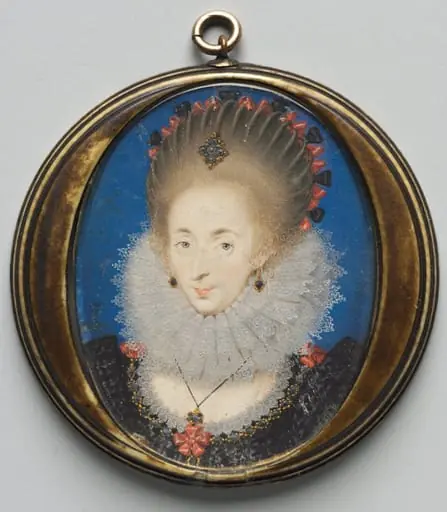 Portrait of Lucy Russell, Countess of Bedford, née Harrington
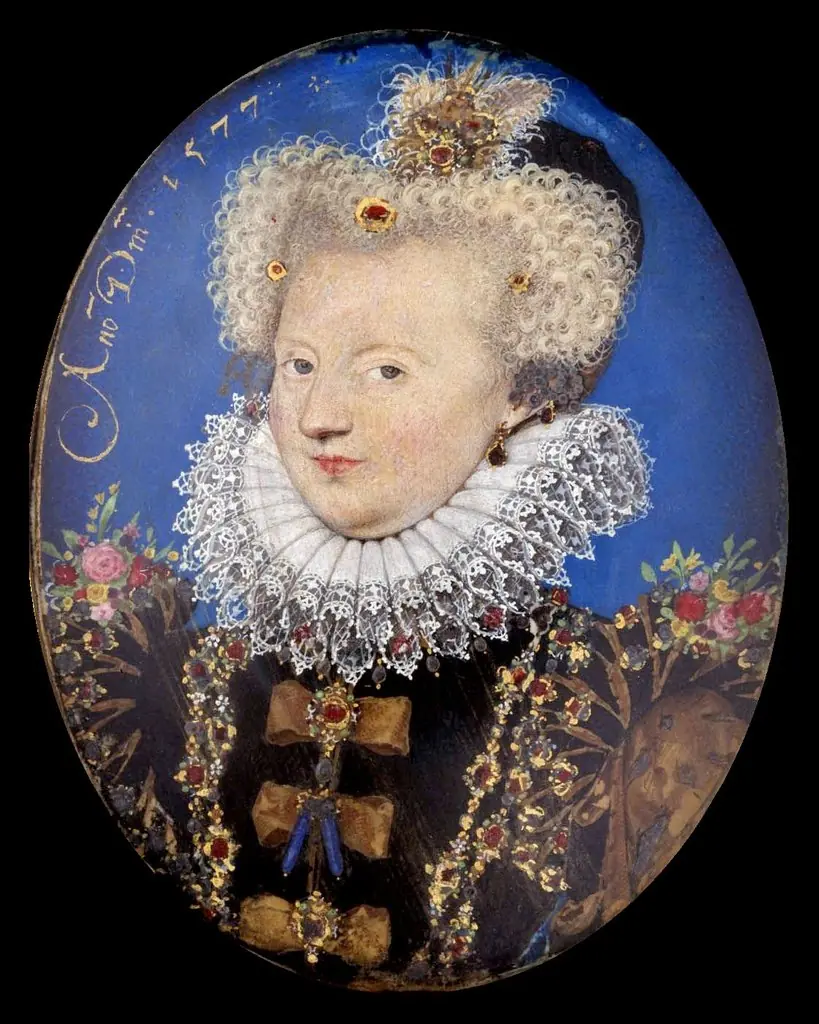 Marguerite of Valois, Queen of Navarre
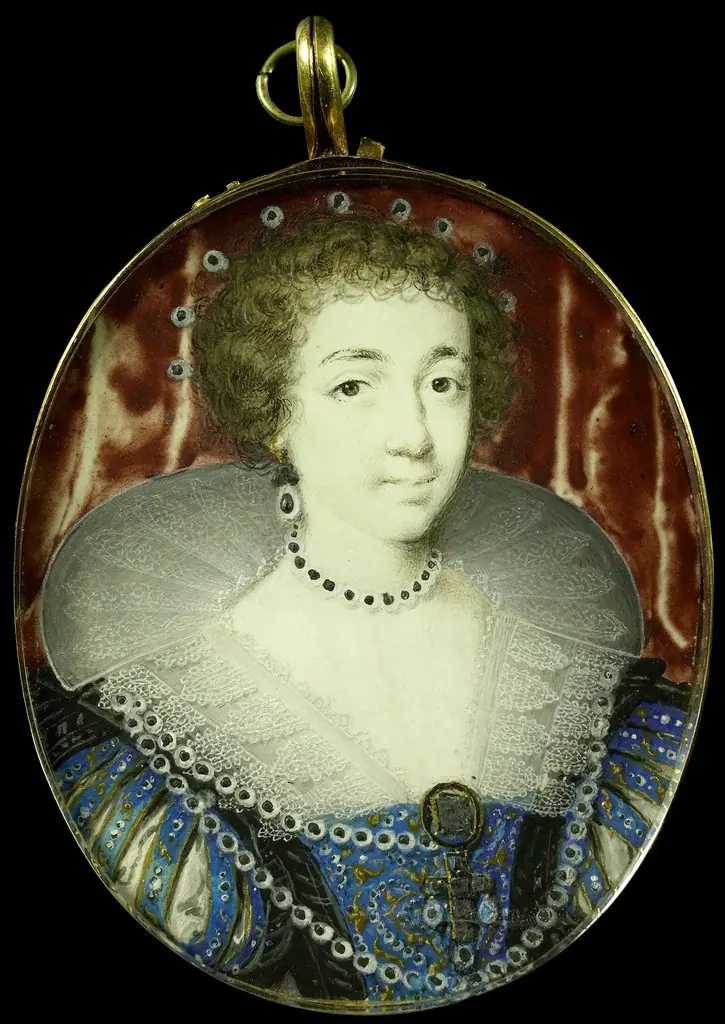 Portrait of Henriëtte Maria (1609-1669), wife of Charles I of England
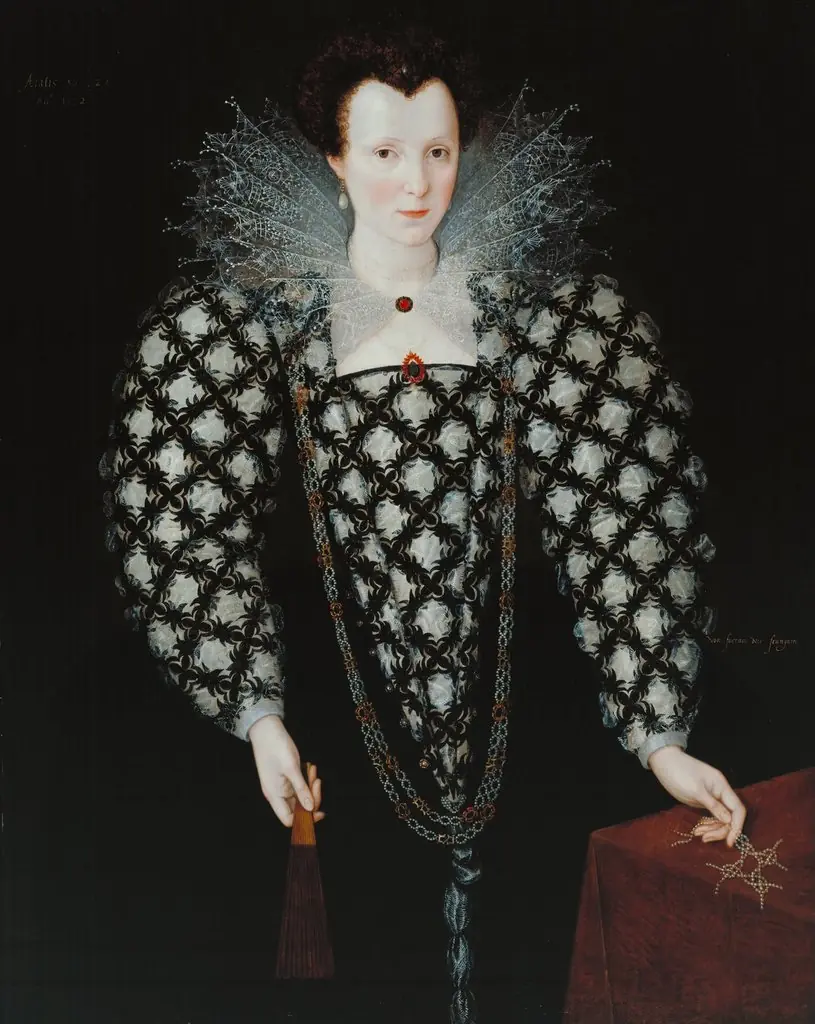 Mary Rogers, Lady Harington