Artwork
Lagoa Rodrigo de Freitas (Corcovado) (atribuído)
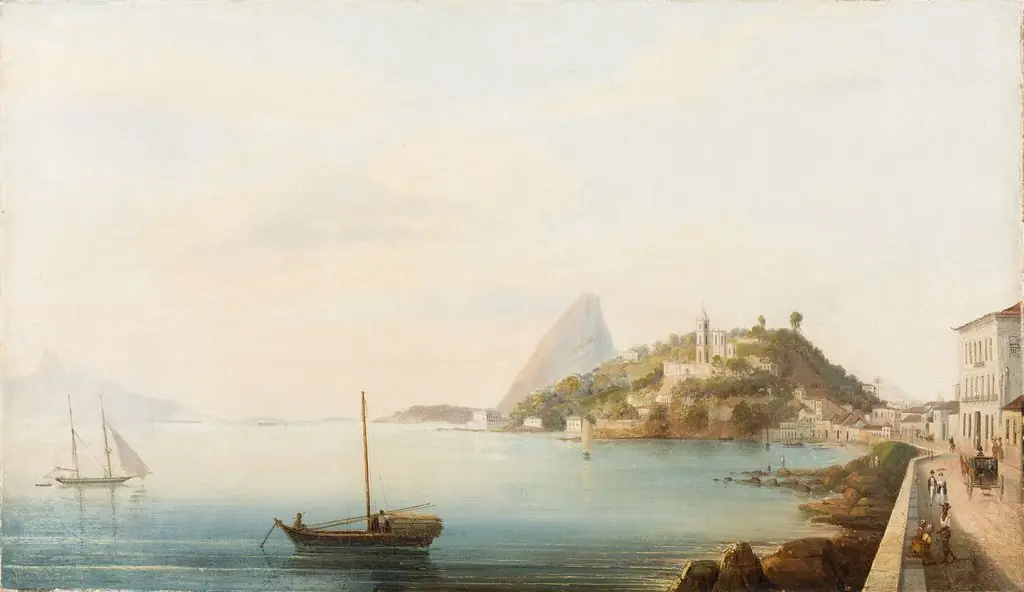
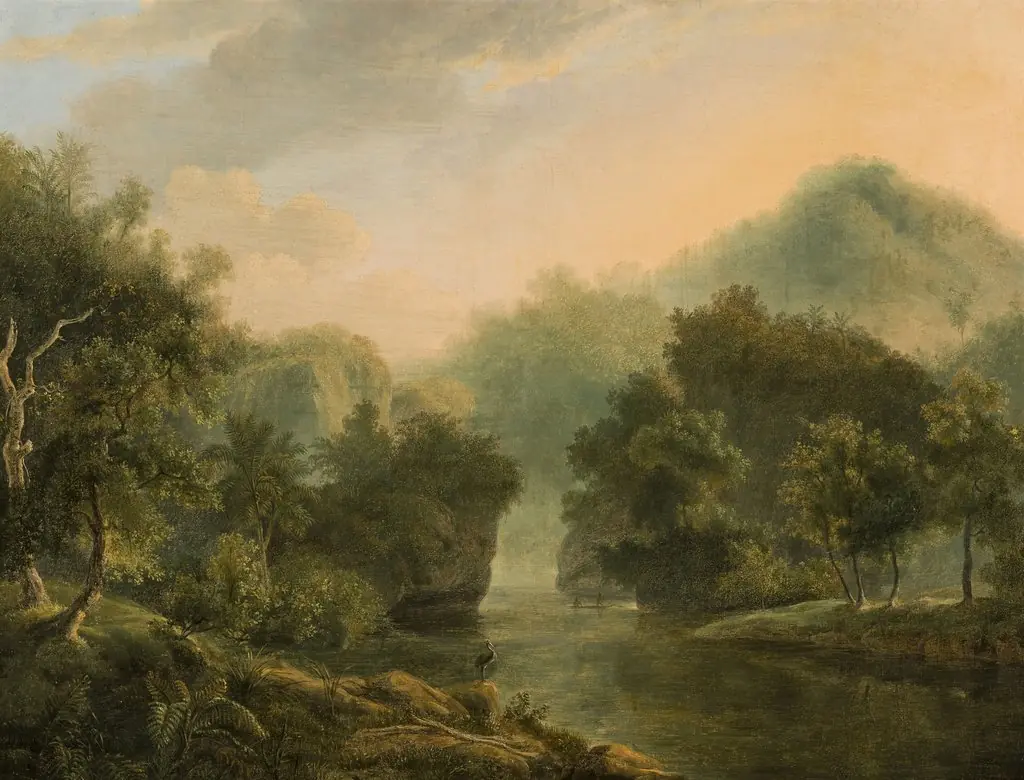
Lagoa Rodrigo de Freitas (Corcovado) (atribuído) is an oil painting by the Impressionist artist Nicola Antonio Facchinetti. It dates from 1872 and is held in the collection of the Pinacoteca de São Paulo.
About this work
Overview
Its composition emphasizes natural harmony over dramatic narrative.
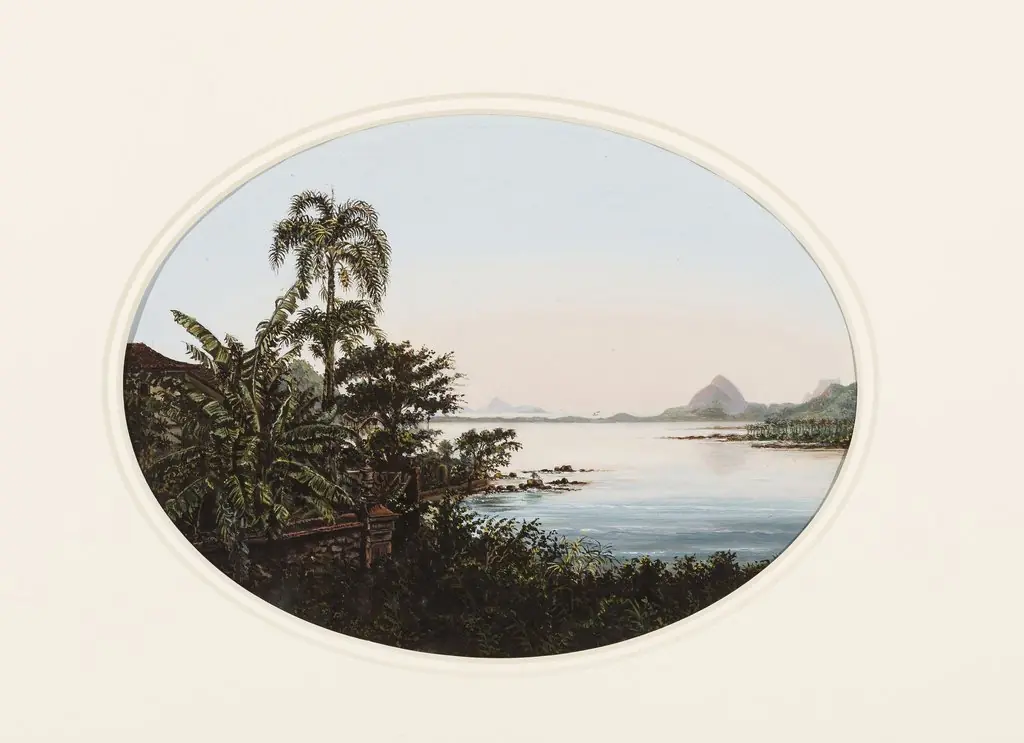
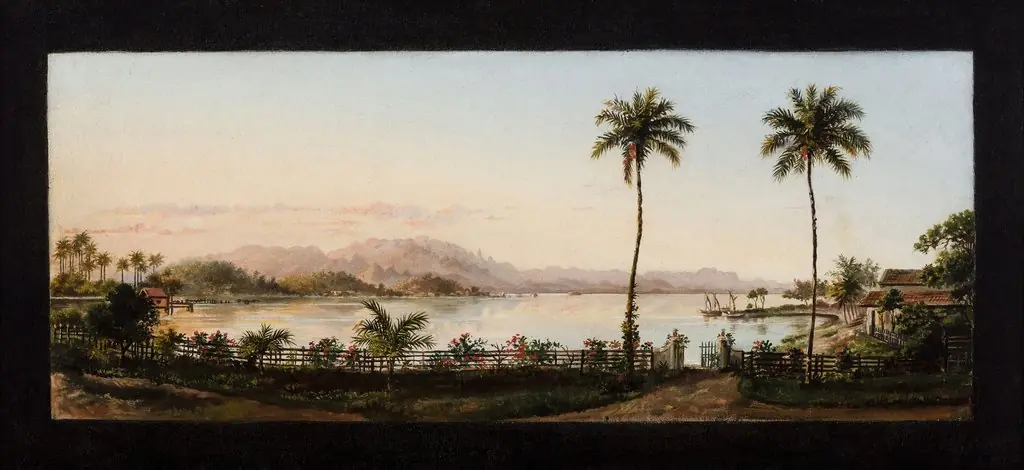
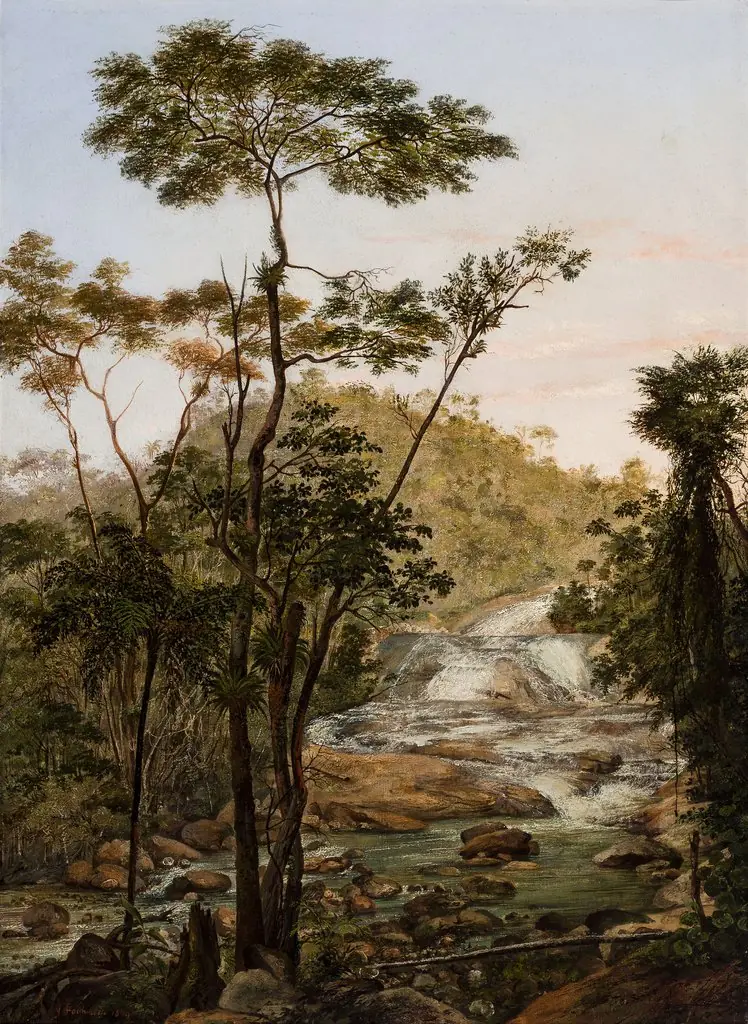
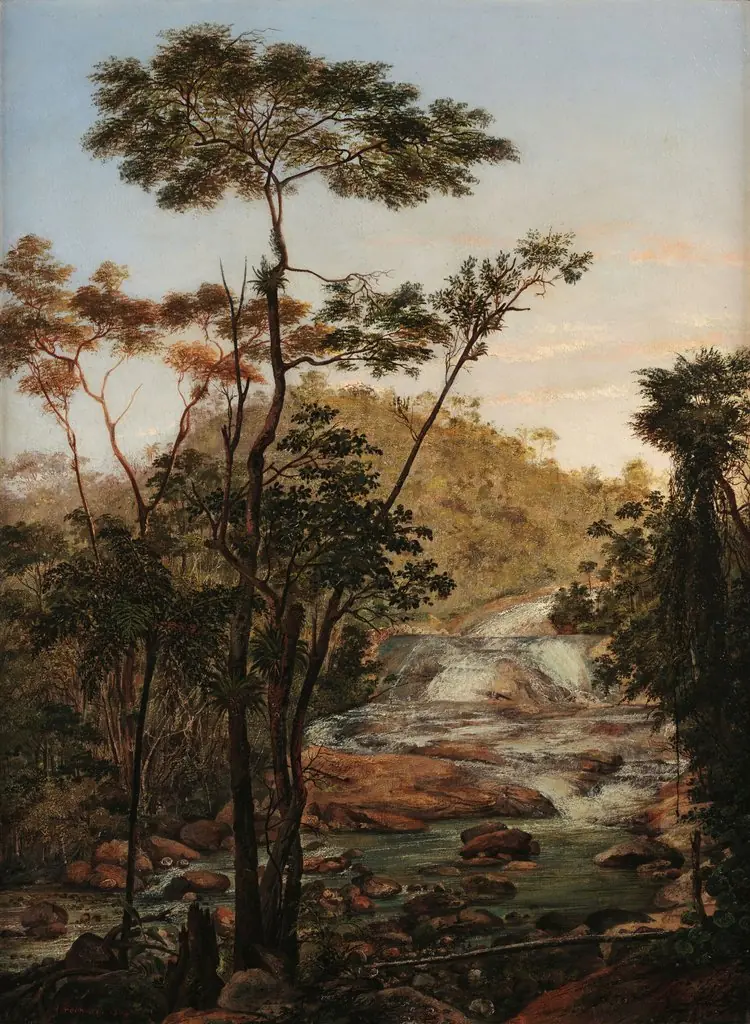
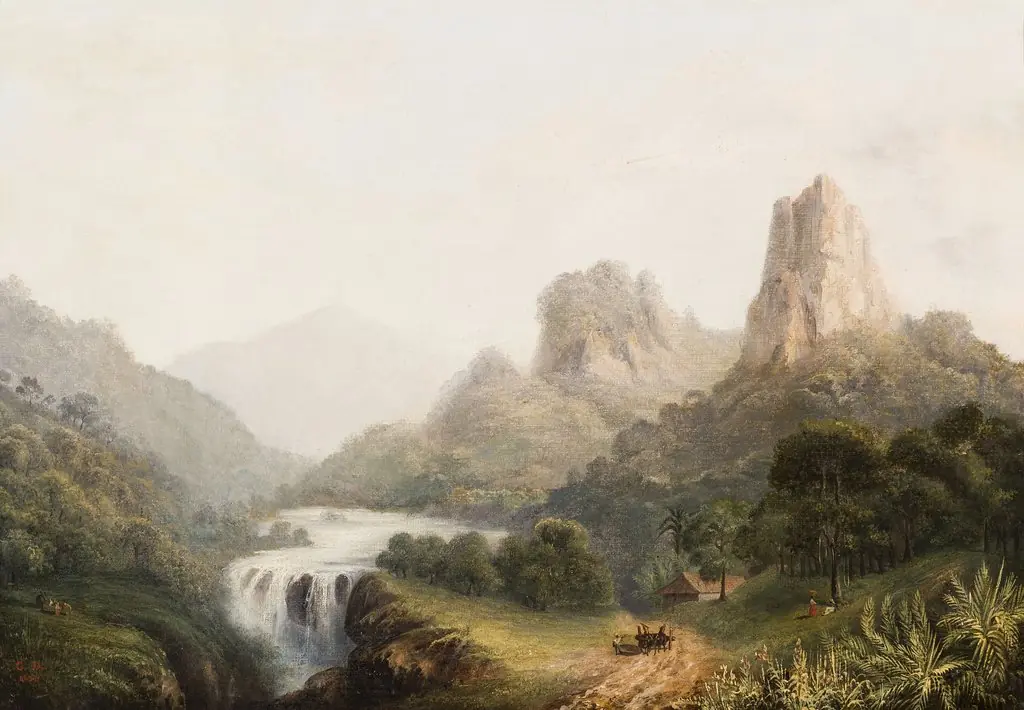
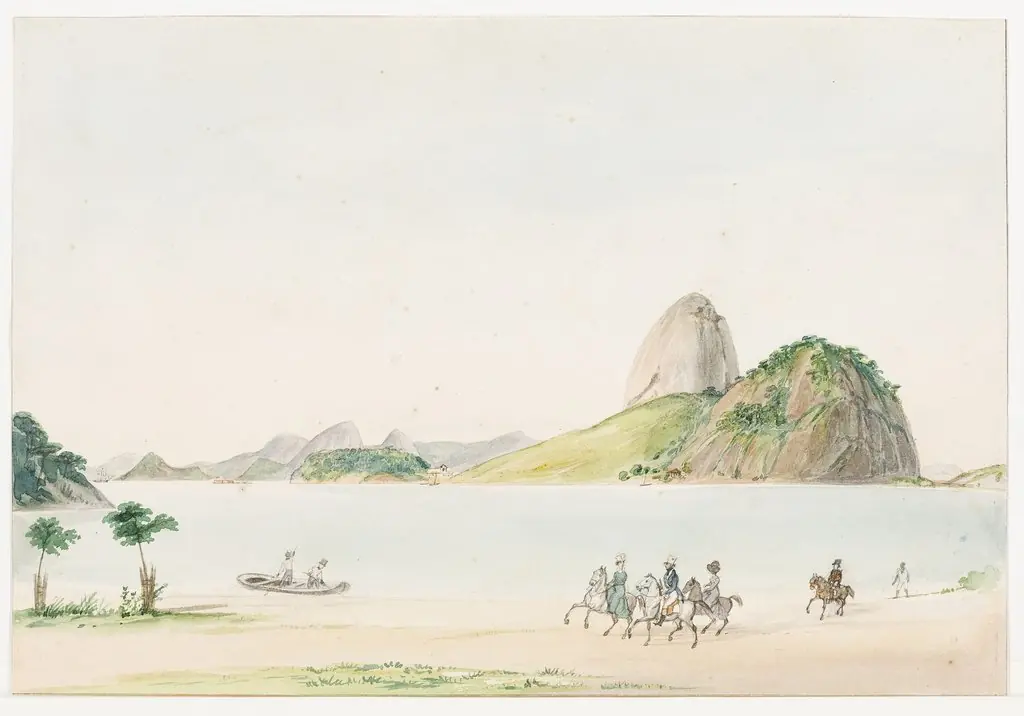
This oil painting, attributed to Nicola Antonio Facchinetti and dated around 1872, portrays the Lagoa Rodrigo de Freitas in Rio de Janeiro, with the Corcovado mountain visible in the distance. The work belongs to the collection of the Pinacoteca do Estado de São Paulo and represents a quiet, observational approach to Brazilian landscape during the late 19th century. Its composition emphasizes natural harmony over dramatic narrative.
Subject & Meaning
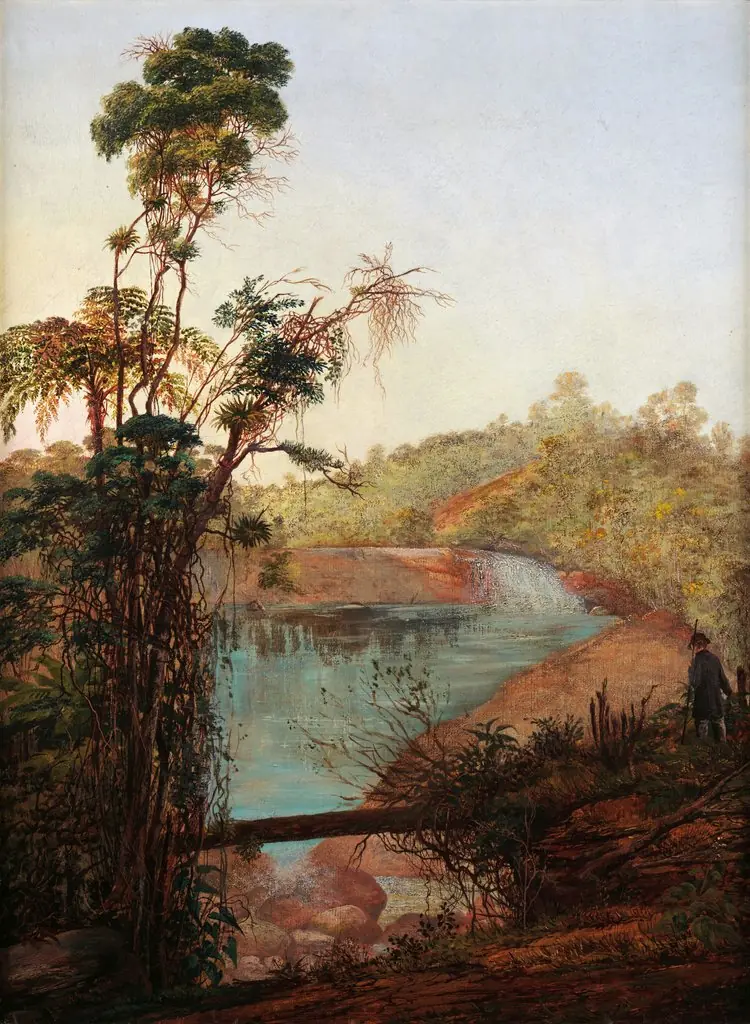
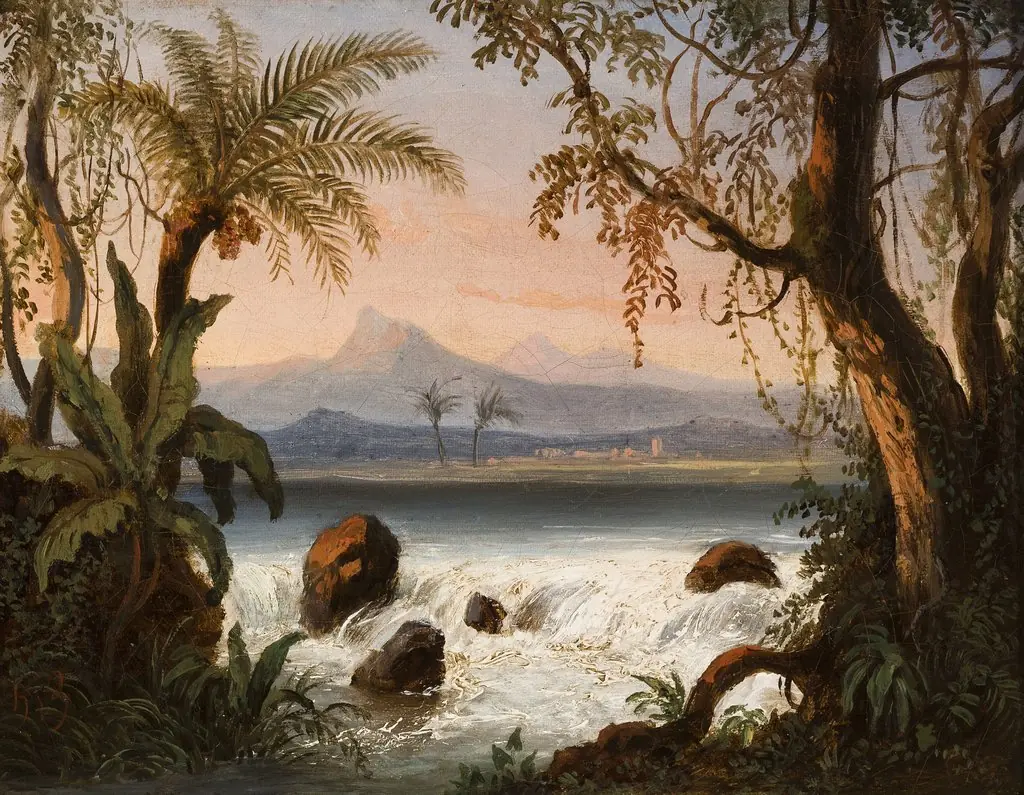
The scene captures a tranquil lakeside vista framed by dense vegetation and distant hills. The inclusion of the Corcovado, a defining landmark, anchors the view in a specific geographic identity. Rather than celebrating urban development, the painting conveys a sense of stillness and immersion in nature, reflecting a period when Brazilian artists began to turn their attention to local scenery with greater intimacy.
Technique & Style
Facchinetti employed oil paint to build subtle tonal gradations across the sky and water, using loose, visible brushwork to suggest texture in the rocks and foliage. The water’s surface is rendered with delicate ripples, while the palm trees and shrubs are defined by soft, rhythmic strokes. The overall effect is atmospheric, with a muted palette and hazy horizon that soften boundaries between land, water, and air.
History & Provenance
The painting entered the Pinacoteca do Estado de São Paulo’s collection in the 20th century, though its early ownership history remains undocumented. Attributed to Facchinetti based on stylistic comparison with his other known works, it was likely painted during his time in Rio de Janeiro. Its preservation reflects institutional interest in regional landscape traditions from the imperial period.
Context
Created during Brazil’s imperial era, the work aligns with a broader movement among artists to document the nation’s natural beauty beyond European models. While academic training influenced its technique, the subject matter—unadorned and local—signals a shift toward national identity in visual culture. Similar landscapes by contemporaries like Victor Meirelles and Pedro Américo were often more monumental; this piece stands out for its quietude.
Legacy
Though not widely exhibited or studied, the painting contributes to the understanding of 19th-century Brazilian landscape painting as a practice rooted in observation rather than idealization. It remains a quiet testament to artists who sought to record the country’s topography with sensitivity, laying groundwork for later generations focused on regional authenticity over grandeur.
Artist & collection
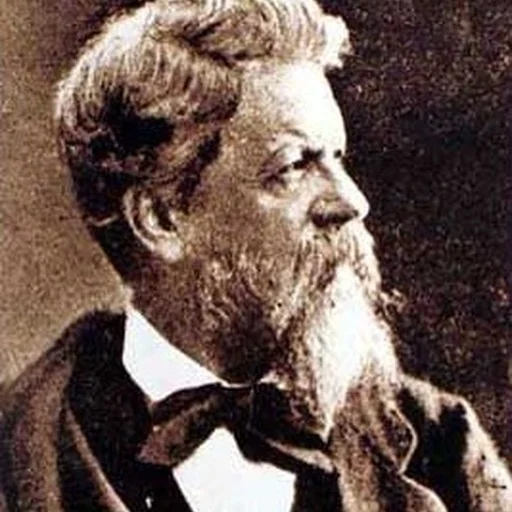
Artist
Nicola Antonio Facchinetti (1824–1900) was an artist, born in Treviso.