Artwork
Lagoa de Freitas
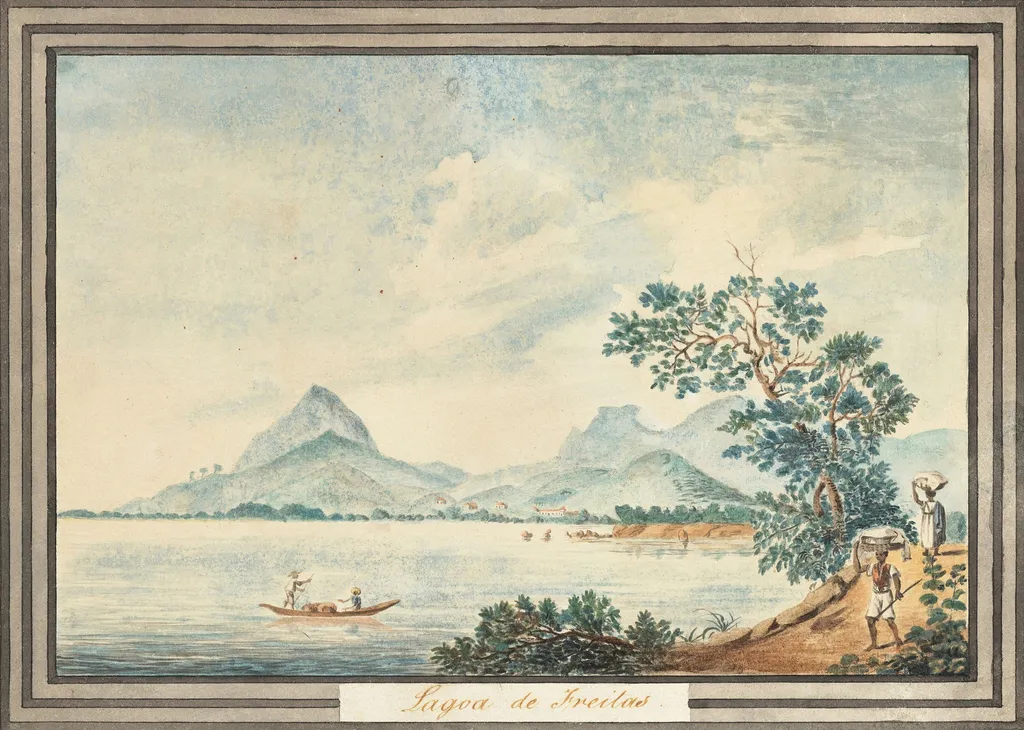
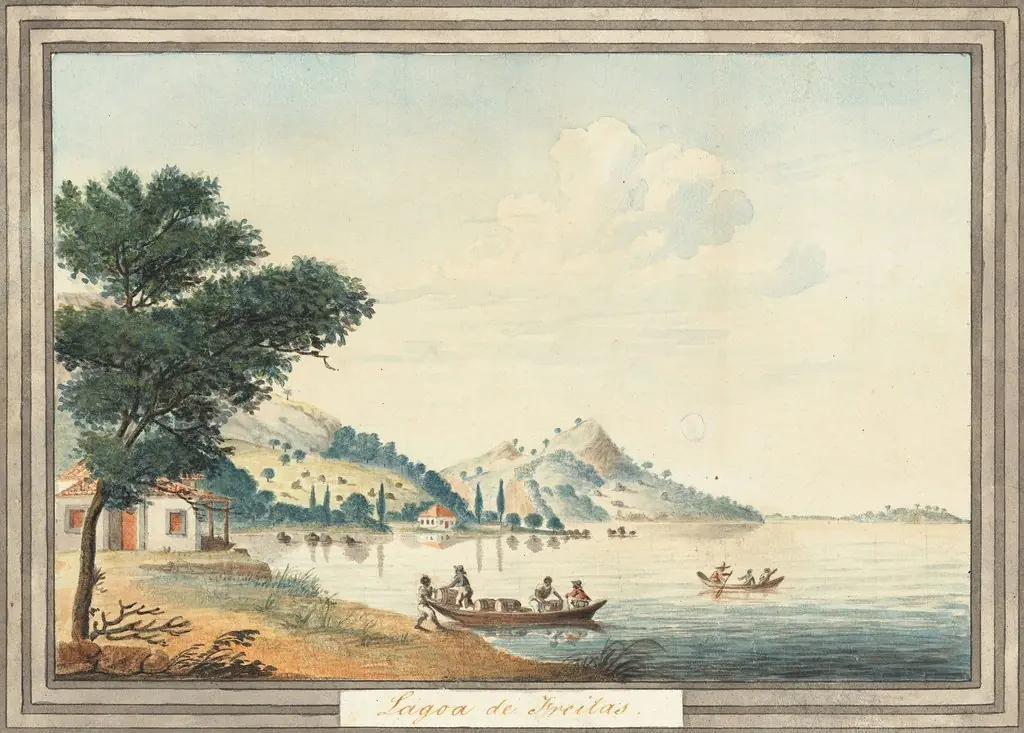
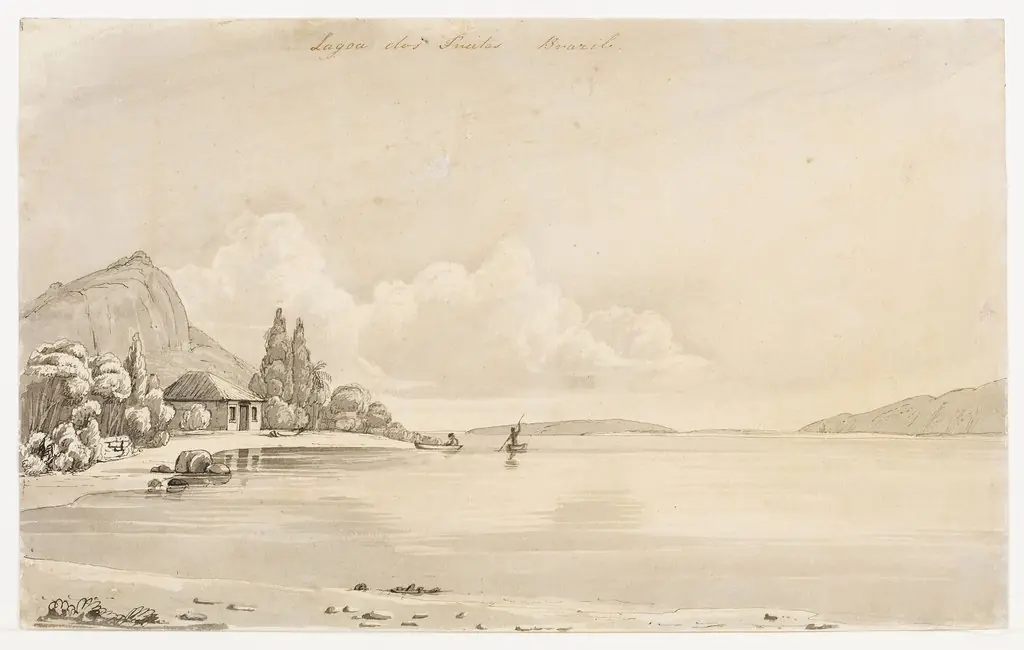
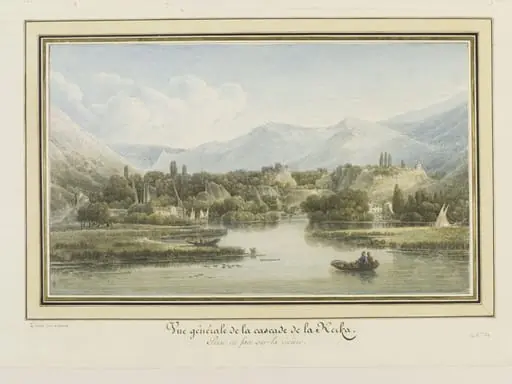
Lagoa de Freitas is a graphite painting by the British Romanticist artist Joseph Tully. It dates from 1820 and is held in the collection of the Pinacoteca de São Paulo.
About this work
Overview
Lagoa de Freitas, executed in graphite in 1820, presents a tranquil view of a Brazilian shoreline. The composition centers on a broad expanse of water that stretches toward distant hills, while modest structures line the near shore. The work resides in the collection of the Pinacoteca do Estado de São Paulo, where it is displayed as part of the institution’s early 19th‑century holdings.
Subject & Meaning
The scene captures a serene segment of the Rio de Janeiro coast, likely the lagoon after which the piece is named. By juxtaposing open water, low‑lying vegetation, and faint urban elements, the image conveys a balance between nature and settlement, suggesting a moment of quiet coexistence within a rapidly expanding region.
Technique & Style
Tully employs a subtle gradation of graphite tones to model depth, using softer, atmospheric strokes for the distant mountains and sharper, more defined lines for foreground foliage. The palette of blues, browns, and muted greens creates a layered effect, while varied hatching imparts texture to both water surface and terrain, enhancing the sense of calm.
History & Provenance
Created in 1820, the work reflects the early Romantic interest in exotic landscapes among European‑trained artists working in Brazil. It entered the Pinacoteca do Estado de São Paulo’s collection during the museum’s 20th‑century acquisitions of regional art, where it has remained a reference point for the period’s visual documentation of Rio’s coastal environment.
Artist & collection
Artist
Here’s a graphite sketch of a Brazilian lagoon, likely made in the early 1800s. Joseph Tully drew *Lagoa de Freitas* twice, both times in delicate lines that map the water’s edge. The work belongs to a broader tradition…

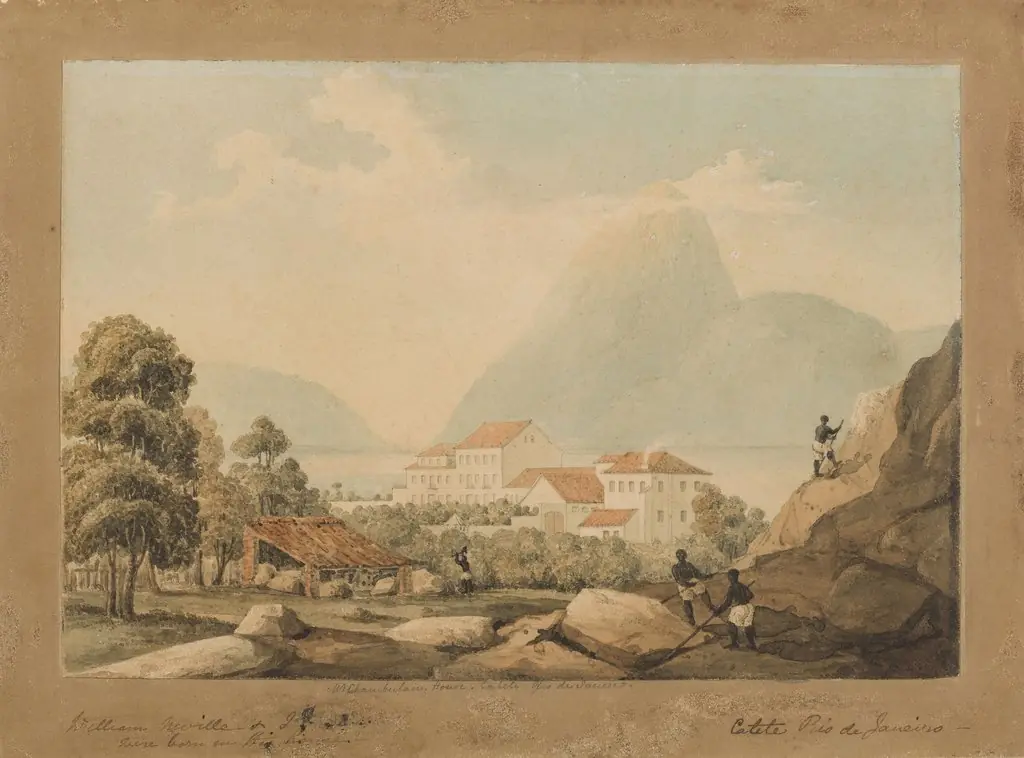 M. Chamberlains House. Catete. Rio de Janeiro
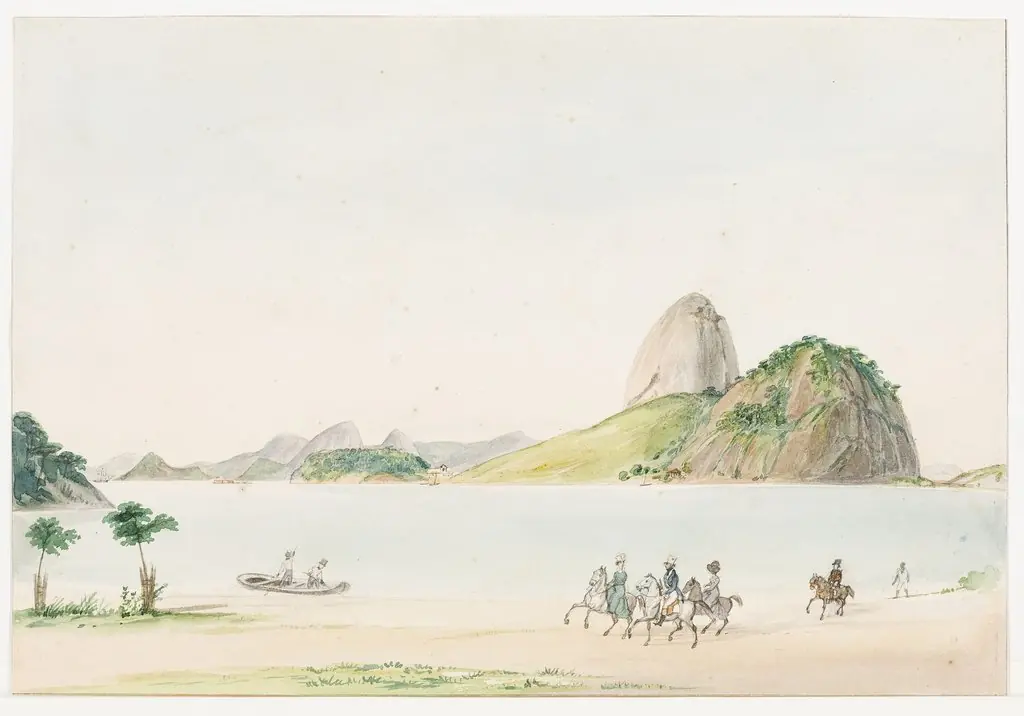 Praia de Botafogo com Pão de Açúcar (atribuído)
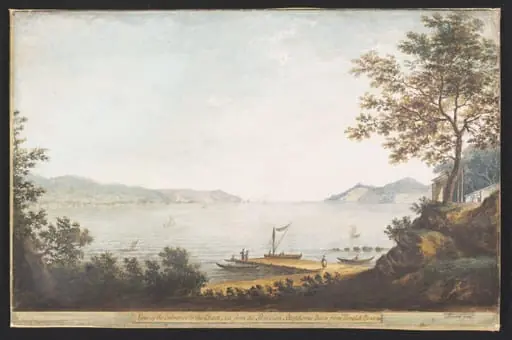 View of the Entrance to the Black Sea from the Thracian Bosphorus taken from Keretch Bournu
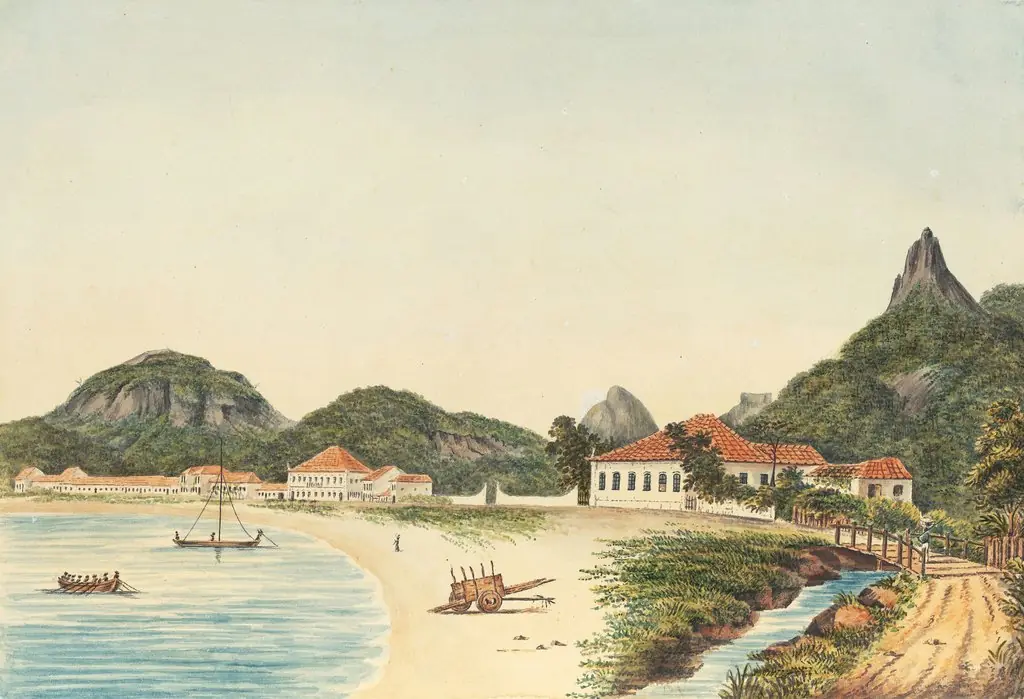 Praia de Botafogo com Dois Irmãos, Gávea e Corcovado ao fundo (atribuído)
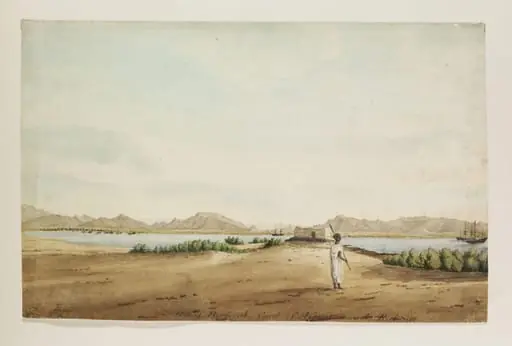 Port of Berberah. Coast of Africa near the Red Sea
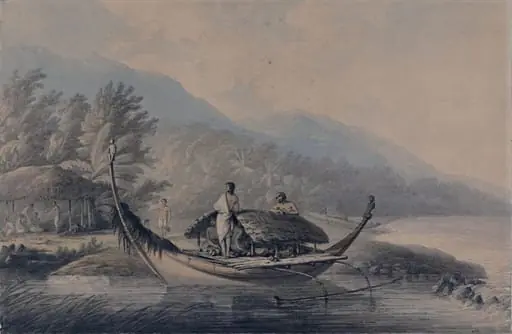 Canoe, Ulietea, Society Islands
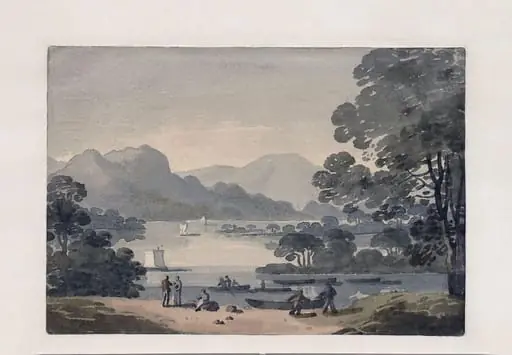 Loch Lomond
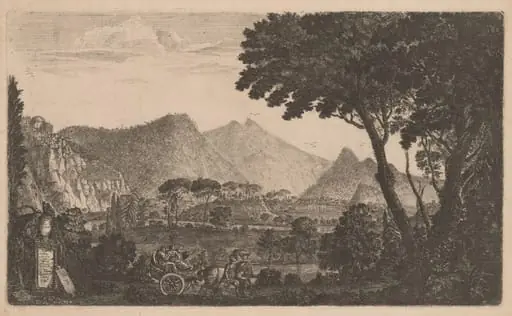 Horace's Sabine Villa
 Voyage Pittoresque et Historique de l'Istrie et de la Dalmatie