Artwork
Büßende Maria Magdalena
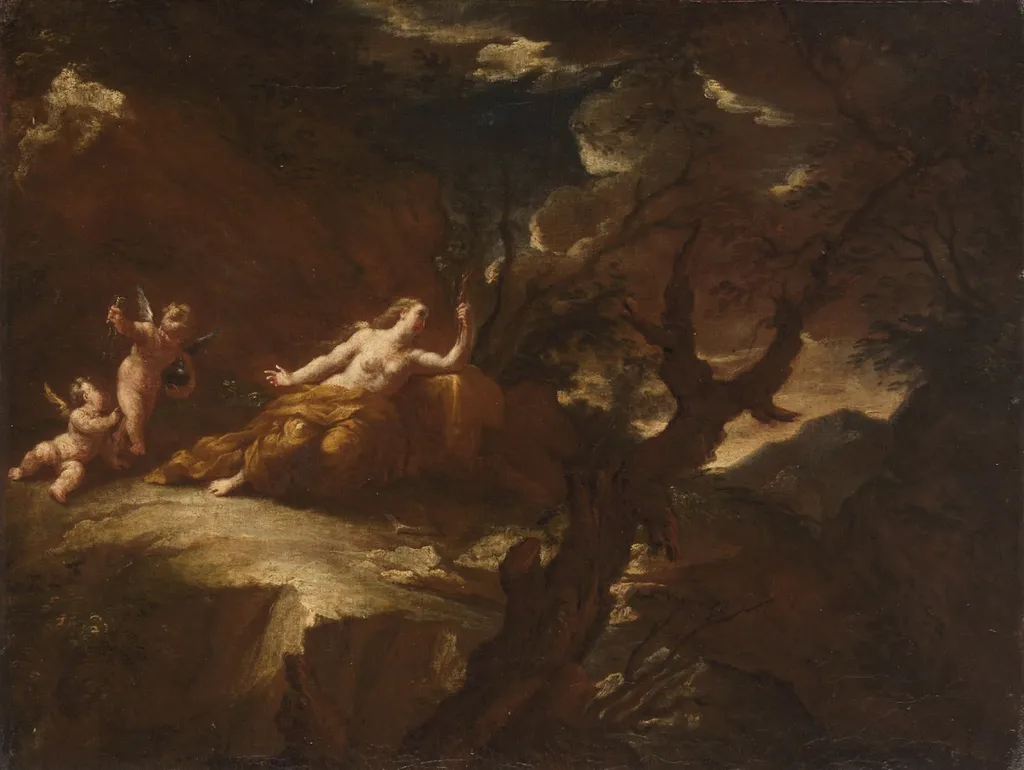
Büßende Maria Magdalena is an unspecified painting by Nicola Vaccaro. It dates from 1684 and is held in the collection of the Kunsthistorisches Museum.
About this work
Overview
Painted circa 1684 by Nicola Vaccaro, this work portrays Mary Magdalene in a moment of solitary penitence.
Painted circa 1684 by Nicola Vaccaro, this work portrays Mary Magdalene in a moment of solitary penitence. Vaccaro, a Neapolitan artist active in the late 17th century, combined religious subject matter with evolving stylistic currents of Classicism and Arcadian idealism. The painting resides in the Kunsthistorisches Museum, Vienna, and exemplifies his engagement with both local traditions and broader European trends in Baroque art.
Subject & Meaning
The figure of Mary Magdalene, reclining on a rocky outcrop, embodies contemplative repentance. Her posture and the ethereal presence of hovering celestial beings suggest divine judgment and mercy. The winged child, likely an angel, holds an object of symbolic significance, possibly a skull or cross, reinforcing themes of mortality and redemption. The composition invites quiet introspection rather than dramatic spectacle.
Technique & Style
Vaccaro employs strong chiaroscuro to isolate the figure’s pale form against a dark, turbulent background, enhancing her spiritual presence. The golden drapery contrasts with the muted tones of the surroundings, drawing focus to her vulnerability. The hazy, cloud-like figures above are rendered with soft edges, distinguishing them from the sharply defined human form below, creating a sense of otherworldliness.
History & Provenance
The painting entered the Kunsthistorisches Museum’s collection in the 19th century, likely through Habsburg acquisitions of Italian Baroque works. While little is documented about its early ownership, its presence in Vienna reflects the imperial court’s interest in Neapolitan religious art during the early modern period. Vaccaro’s multifaceted career as a painter and theatrical figure may have influenced the dramatic staging of this scene.
Context
In late 17th-century Naples, religious imagery remained central to artistic production, yet artists increasingly absorbed influences from Rome and Bologna, favoring restraint over exuberance. Vaccaro’s work bridges the emotional intensity of Neapolitan Baroque with the emerging Classical emphasis on harmony and idealized form, aligning with broader shifts in European taste toward Arcadian serenity.
Legacy
Though Vaccaro is less known today than his contemporaries, this painting illustrates a transitional moment in southern Italian art. His synthesis of local devotional traditions with Classicist ideals contributed to the evolution of religious painting in the decades before the rise of Rococo. The work remains a quiet testament to the nuanced spiritual aesthetics of its time.
Artist & collection
Artist
Nicola Vaccaro (Naples, 13 March 1640 – Naples, 25 May 1709) was an Italian painter, theatre director and opera librettist in Naples.

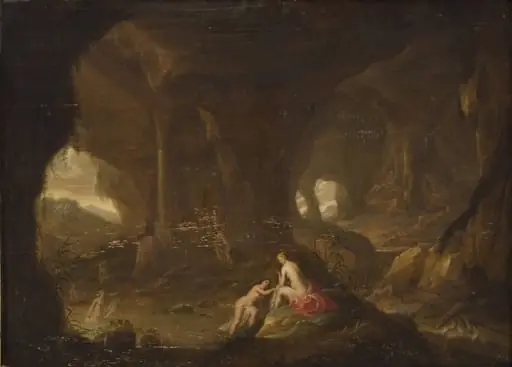 Bathing Nymphs in a Landscape
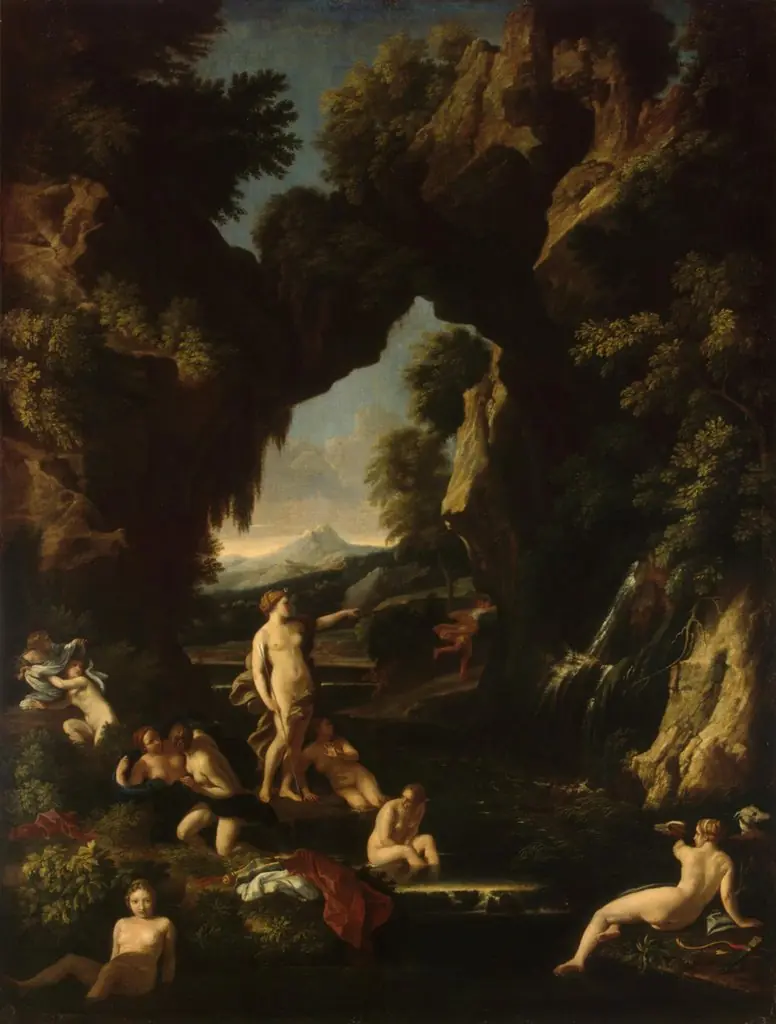 Landscape with Diana and Actaeon
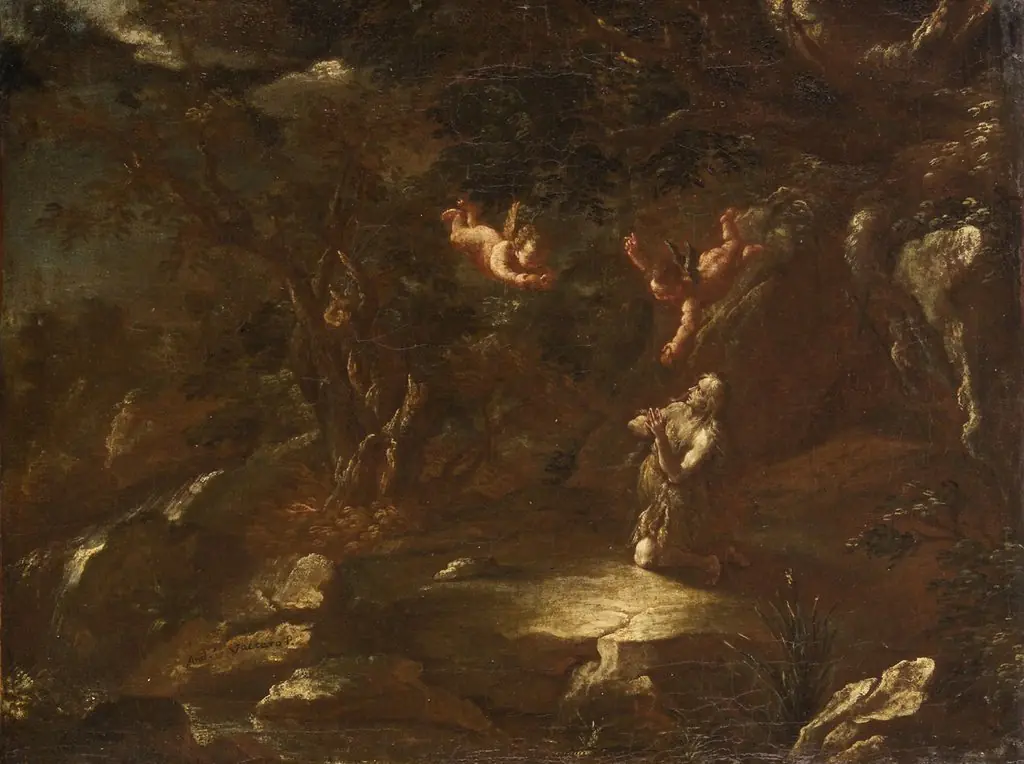 Hl. Maria Aegyptiaca
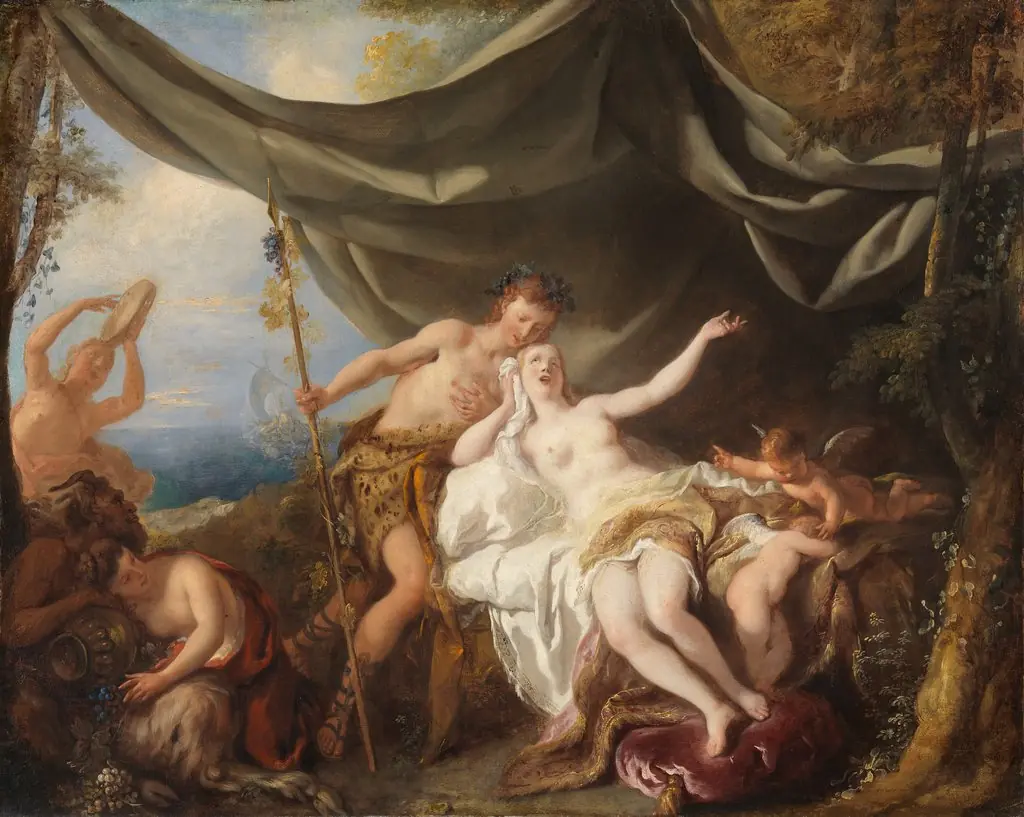 Bacchus and Ariadne
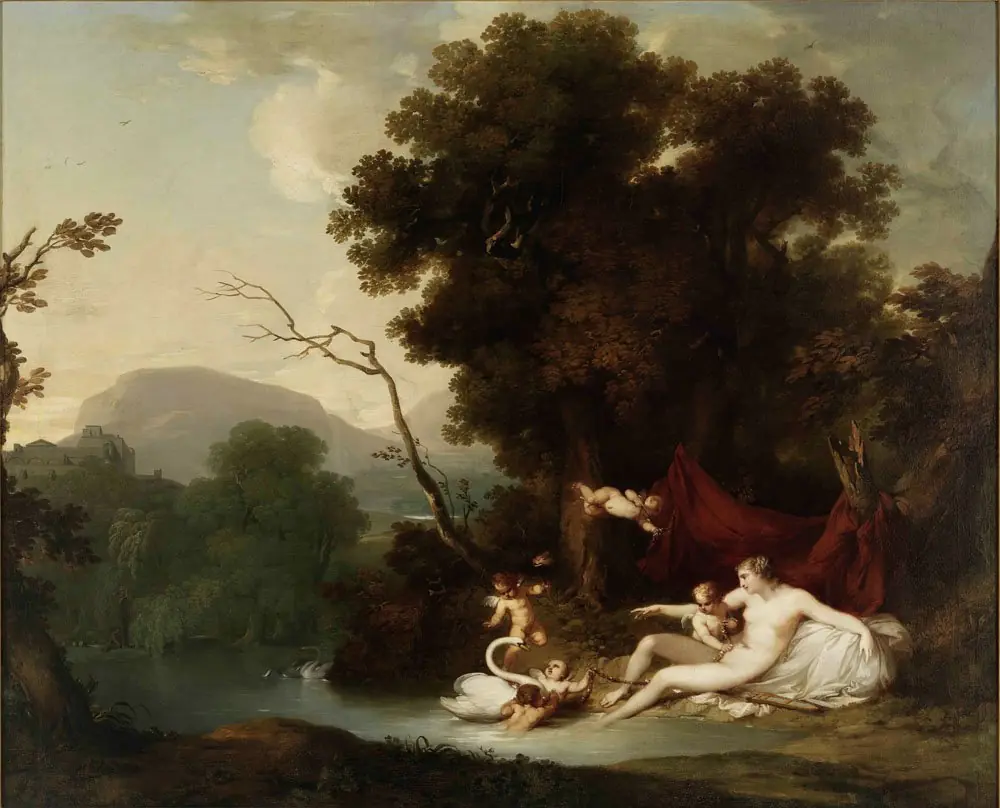 Leda and the Swan
 Sleeping Nymph
 Nymphs in a Grotto
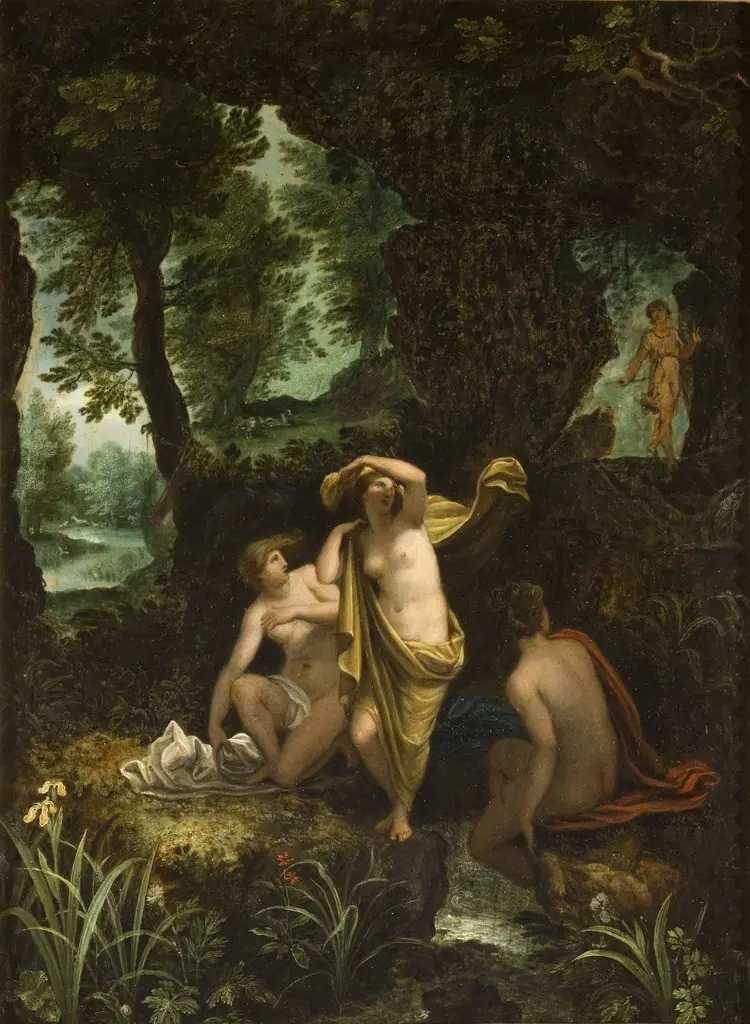 Landscape with Diana Surprised by Actaeon
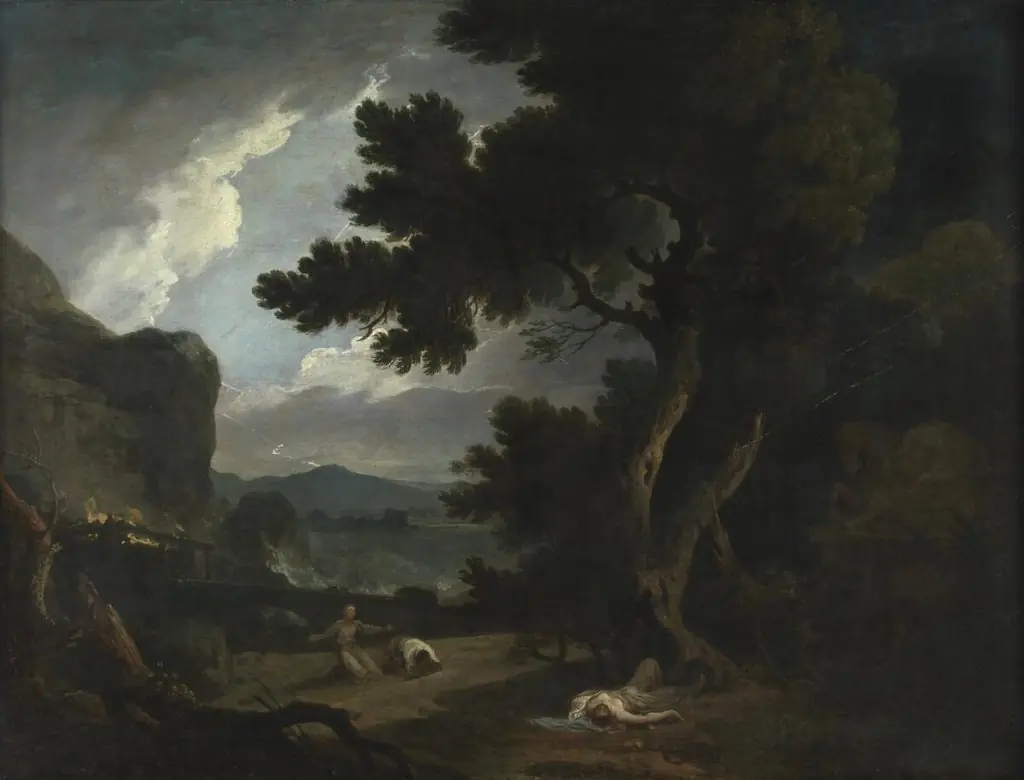 The Destruction of the Children of Niobe
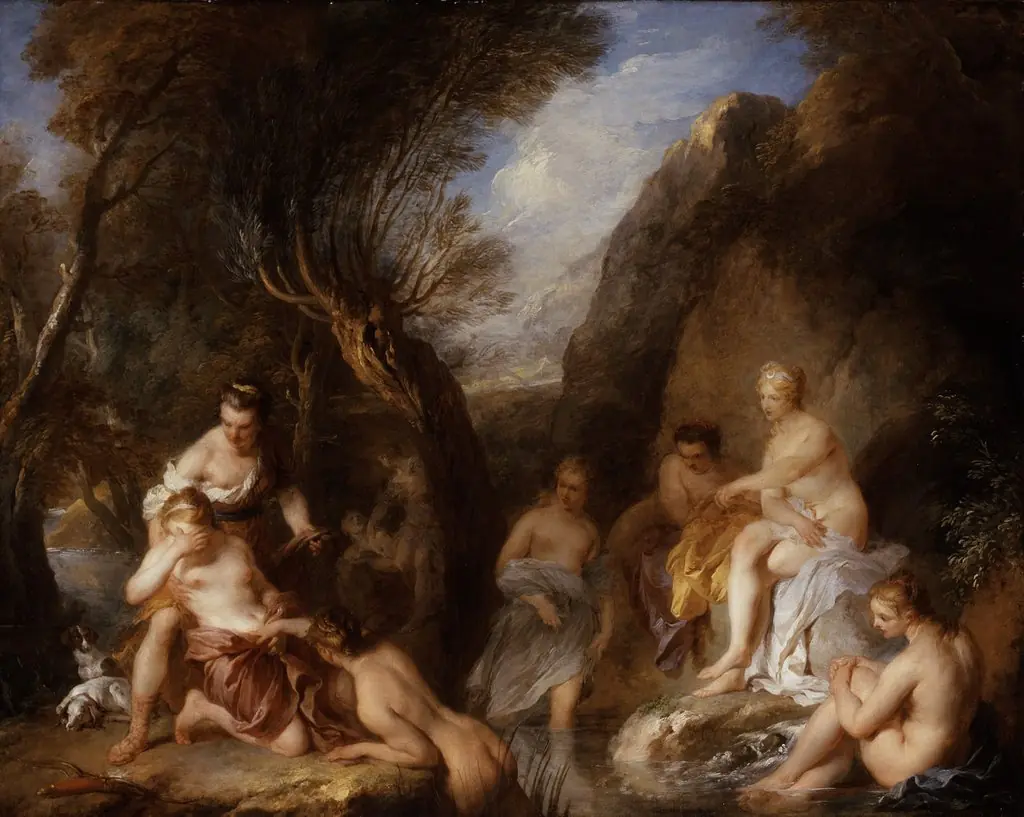 Diana and Callisto
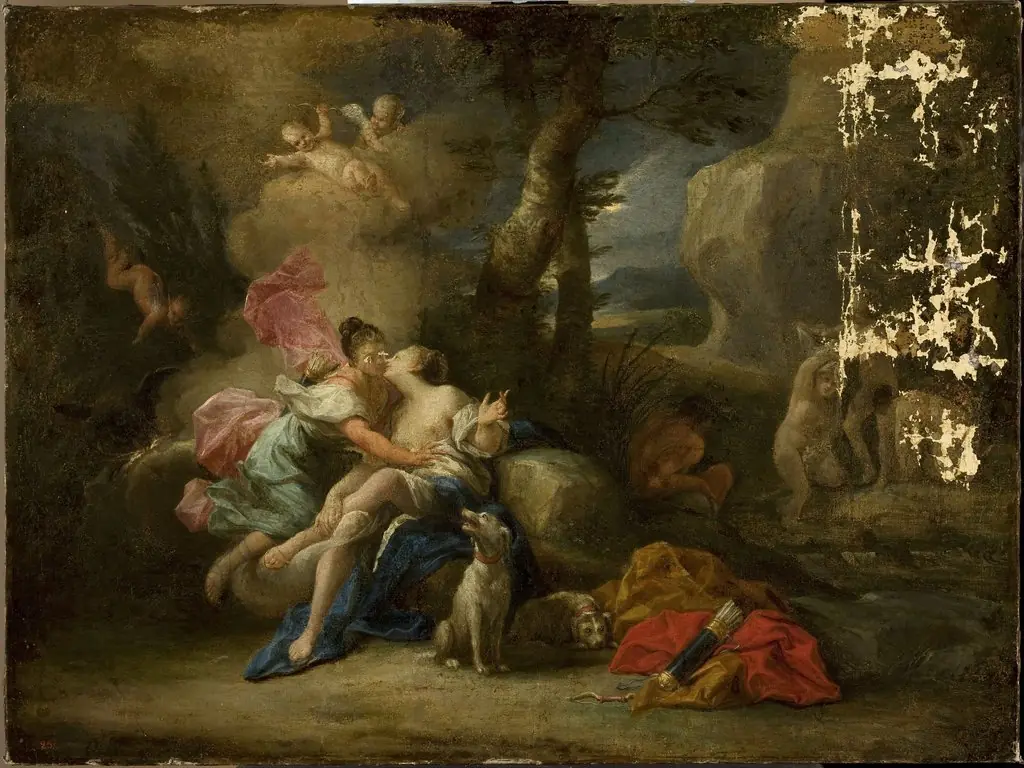 Jove disguised as Diana kisses nymph Callisto
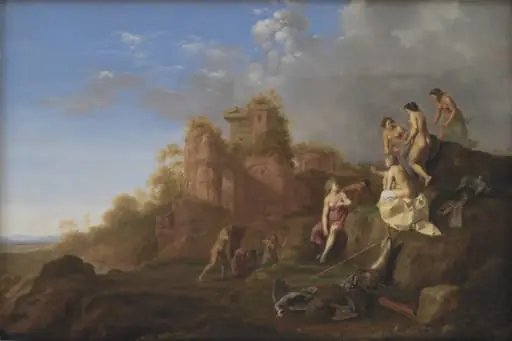 Diana and her Nymphs