Artwork
Bacchus and Ariadne
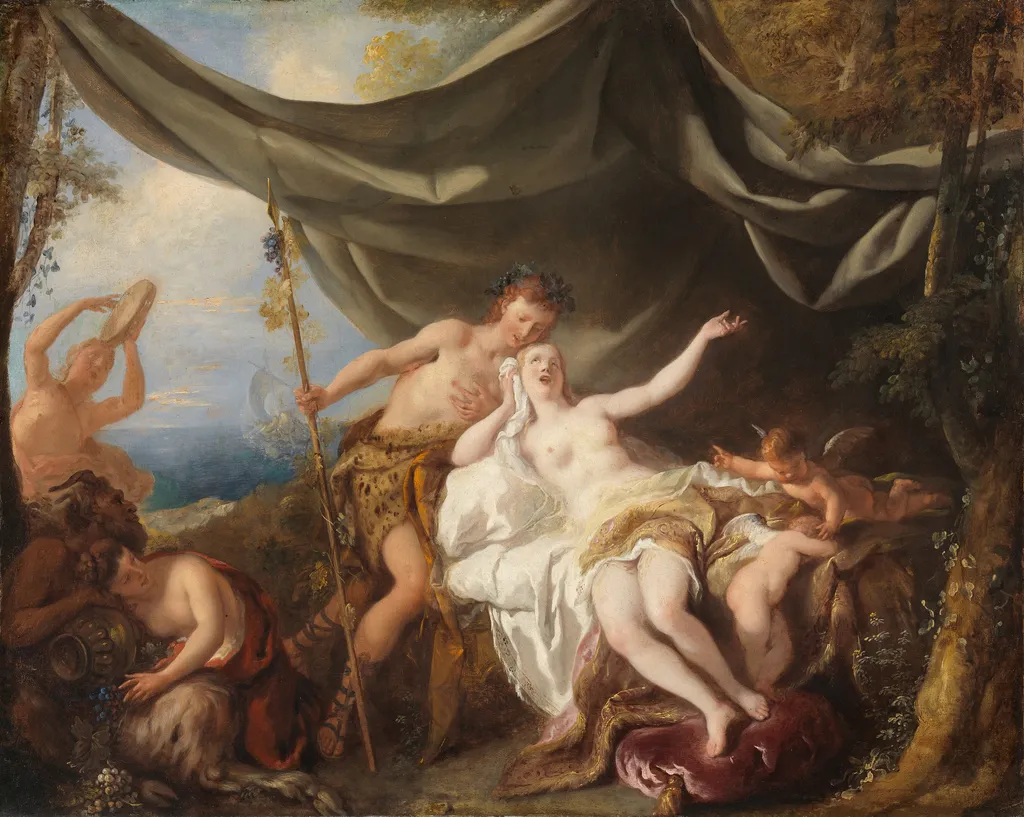
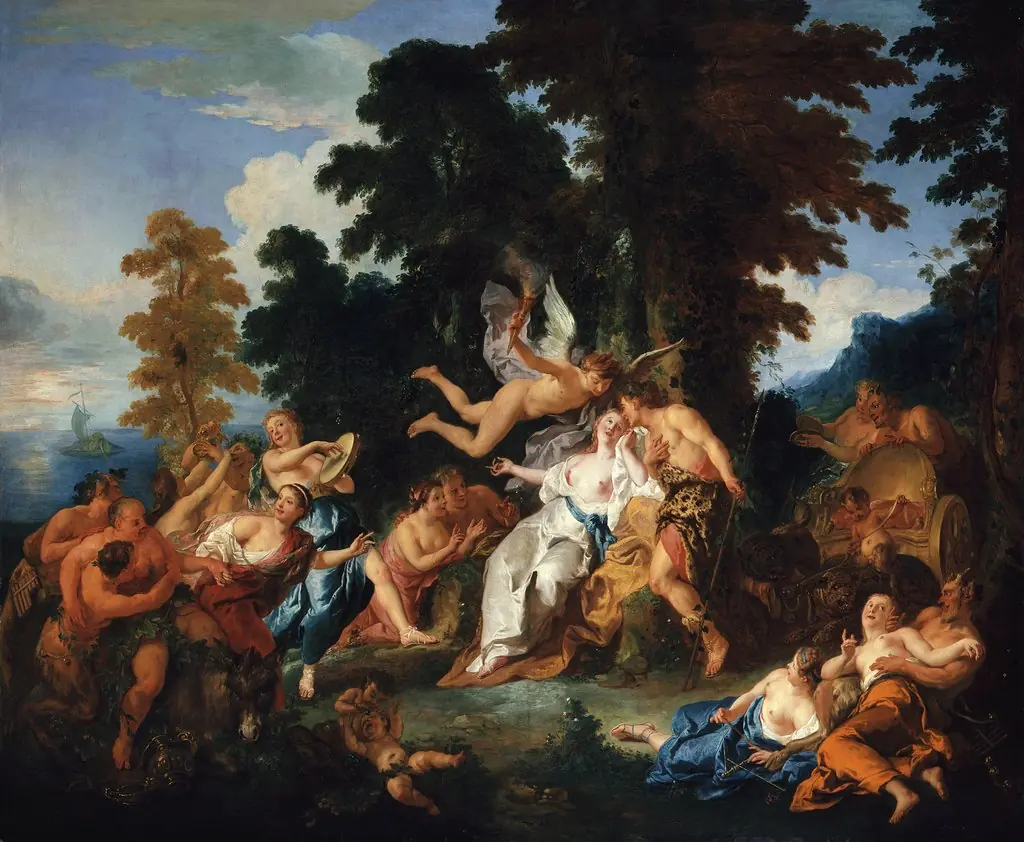
Bacchus and Ariadne is an oil painting by the Rococo painting artist Jean-François de Troy. It dates from 1725 and is held in the collection of the National Gallery of Ireland.
About this work
Overview
Jean-François de Troy painted *Bacchus and Ariadne* circa 1725 in oil on canvas, capturing a moment from classical myth within the Rococo aesthetic.
Jean-François de Troy painted *Bacchus and Ariadne* circa 1725 in oil on canvas, capturing a moment from classical myth within the Rococo aesthetic. As a prominent French artist of the era, de Troy specialized in narrative scenes that combined elegance with theatricality. The work is now part of the National Gallery of Ireland’s collection, reflecting its enduring place in 18th-century European art.
Subject & Meaning
The painting illustrates the moment Bacchus, god of wine and revelry, discovers Ariadne, left behind on Naxos after her abandonment by Theseus. Rather than sorrow, the scene emphasizes divine intervention and joyful transformation. Bacchus’s arrival signals her elevation to goddesshood, while the surrounding figures and symbols—grapevines, drums, and revelers—reinforce themes of ecstasy, renewal, and celestial union.
Technique & Style
De Troy employs soft, flowing brushwork and delicate color harmonies typical of Rococo sensibility. Figures are rendered with graceful contours and luminous skin tones, set against a lush, dappled landscape. The composition guides the eye diagonally from the reclining Ariadne to the standing Bacchus, while subtle contrasts in light and texture enhance the tactile richness of fabrics and foliage.
History & Provenance
Commissioned during de Troy’s peak years, the painting likely originated in a private French collection before entering institutional hands. It was acquired by the National Gallery of Ireland in the 19th century, where it has remained since. Its survival through centuries of collection shifts underscores its recognized artistic value within the French Rococo tradition.
Context
Created during the height of Rococo’s popularity in France, the work aligns with aristocratic tastes for mythological subjects rendered in intimate, decorative forms. De Troy’s approach diverged from grand Baroque drama, favoring lyrical storytelling and refined elegance. The painting reflects broader cultural interests in classical mythology as a vehicle for emotional and aesthetic pleasure.
Legacy
Though less widely known than some contemporaries, de Troy’s *Bacchus and Ariadne* exemplifies the nuanced narrative skill of French Rococo painting. Its preservation in a public collection ensures continued study of how myth was reimagined in 18th-century visual culture, offering insight into the period’s evolving ideals of beauty, emotion, and divine intervention.
Own this work as a print
Artist & collection
Artist
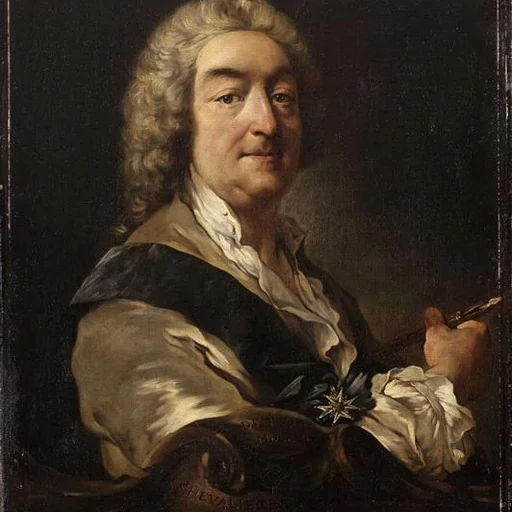
Jean-François de Troy (27 January 1679, Paris – 26 January 1752, Rome) was a French Rococo easel and fresco painter, draughtsman and tapestry designer.