Artwork
Lieutenant-General Frederik Knotzer in the Battle of Houthalen, during the 10 Days' Campaign, 1831
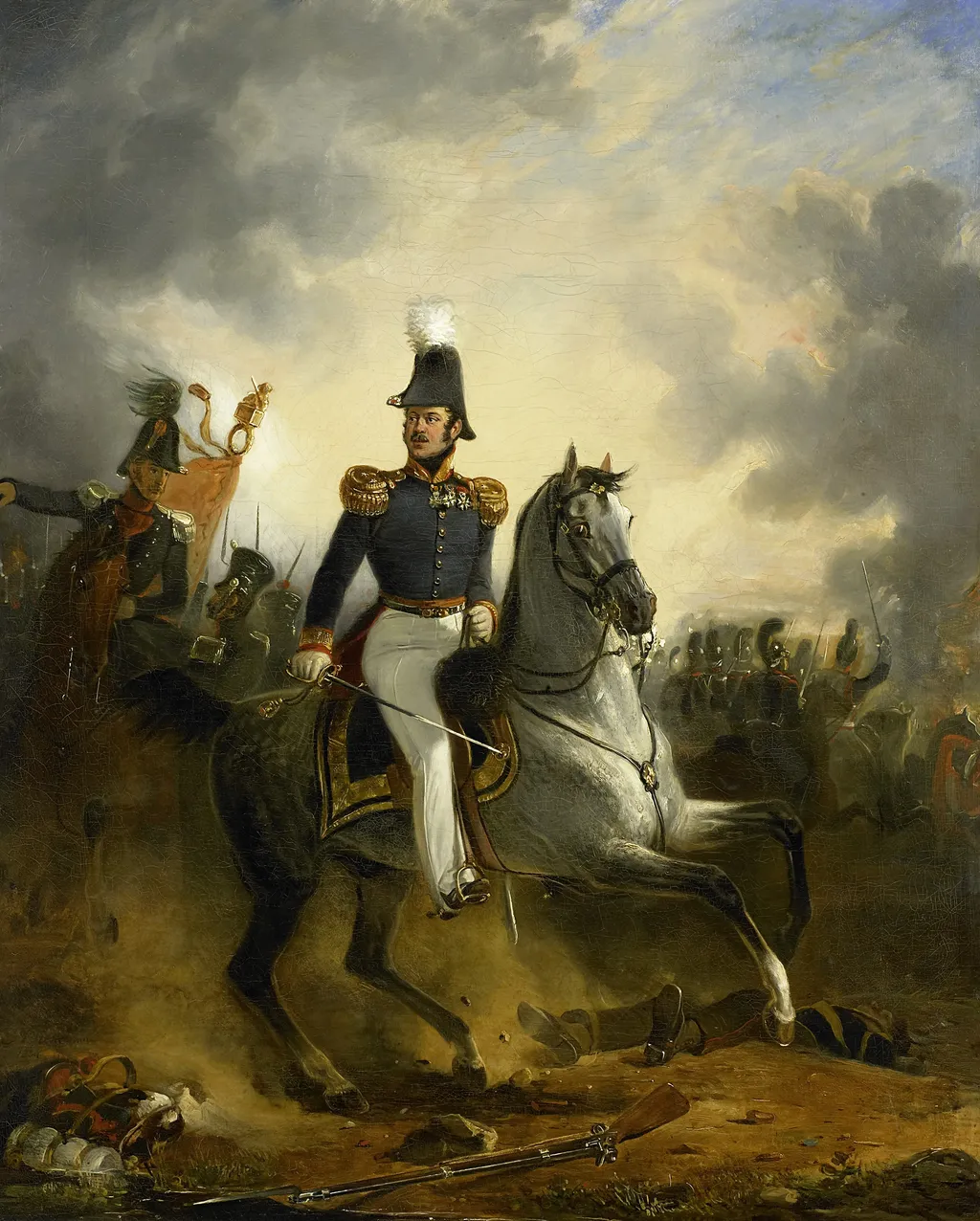
Lieutenant-General Frederik Knotzer in the Battle of Houthalen, during the 10 Days' Campaign, 1831 is an oil painting by Nicolaas Pieneman. It dates from 1834 and is held in the collection of the Rijksmuseum.
About this work
Overview
It belongs to the Rijksmuseum’s collection and exemplifies 19th-century Dutch historical painting, emphasizing military leadership amid chaos.
Painted in 1834 by Dutch artist Nicolaas Pieneman, this oil on canvas work captures a moment from the 10 Days' Campaign of 1831, a brief conflict between the Netherlands and the newly formed Belgium. The painting portrays Lieutenant-General Frederik Knotzer during the Battle of Houthalen, a key engagement in that campaign. It belongs to the Rijksmuseum’s collection and exemplifies 19th-century Dutch historical painting, emphasizing military leadership amid chaos.
Subject & Meaning
The central figure, Lieutenant-General Knotzer, is depicted on horseback, sword raised, commanding attention amid the turmoil of battle. His poised demeanor contrasts with the disorder surrounding him, suggesting resolve under pressure. The presence of a flag bearer and scattered combatants reinforces the scene’s urgency. The portrait serves not as propaganda but as a record of individual duty within a larger national conflict, reflecting the era’s reverence for military leadership.
Technique & Style
Pieneman employs dynamic composition and precise detail to convey motion and tension. The white horse anchors the foreground, its contrast drawing the eye to the general. Uniforms are rendered with careful attention to texture and fold, while facial expressions and scattered weapons suggest lived intensity. Brushwork remains controlled yet expressive, balancing realism with theatricality typical of historical painting in the early 19th century.
History & Provenance
Commissioned shortly after the events it depicts, the painting was likely intended to document a significant Dutch military action during the 10 Days' Campaign. It entered the Rijksmuseum’s holdings in the 19th century, where it remains part of the national collection. Its preservation reflects the Dutch state’s interest in commemorating its military past, even in the wake of political defeat in the Belgian independence struggle.
Context
The 10 Days' Campaign was a short-lived Dutch attempt to suppress Belgian secession following the 1830 revolution. Though militarily successful in several engagements, including Houthalen, the campaign ended in diplomatic failure under international pressure. Pieneman’s painting emerged during a period when European nations used art to assert national identity, even in defeat, preserving the image of valor amid shifting borders.
Legacy
The painting stands as a representative example of Dutch historical portraiture from the post-Napoleonic era. While not widely exhibited outside institutional settings, it contributes to the understanding of how military figures were visually framed in the 19th century. Its presence in the Rijksmuseum ensures continued access for scholars examining the intersection of art, memory, and national conflict in early modern Europe.
Own this work as a print
Artist & collection
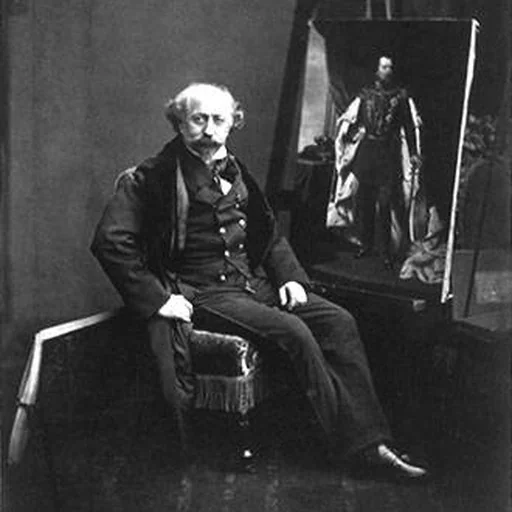
Artist
Nicolaas Pieneman (Dutch pronunciation: ; 1 January 1809 – 30 December 1860) was a Dutch painter, art collector, lithographer, and sculptor.

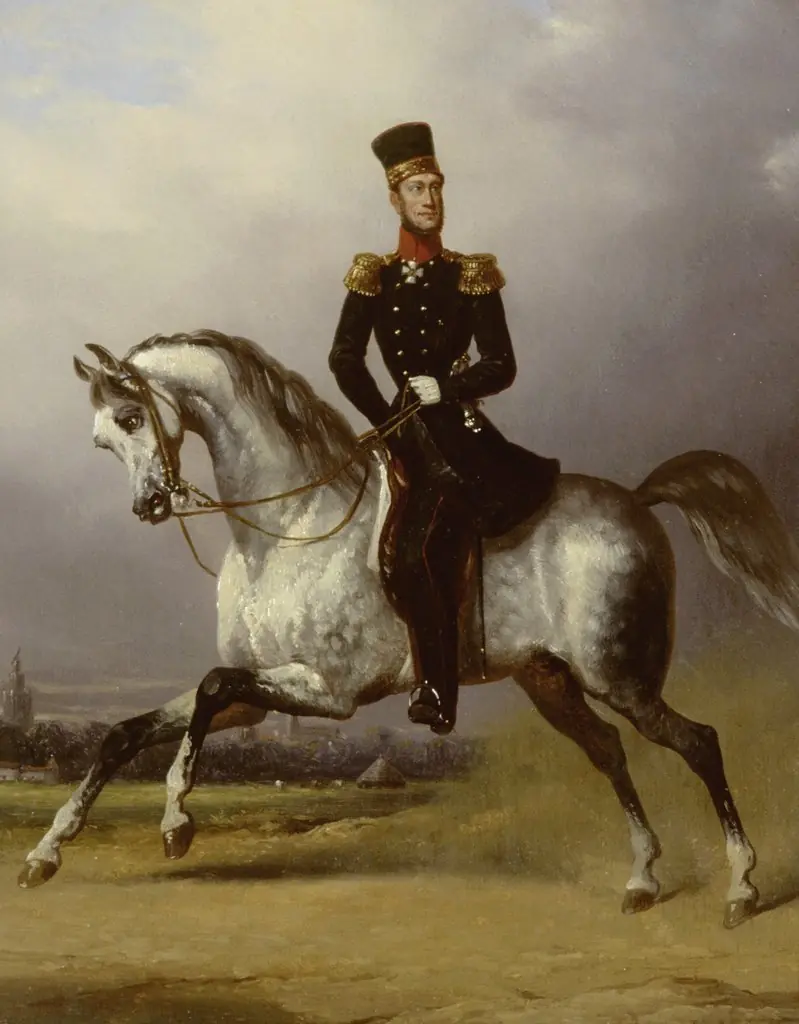 Equestrian Portrait of William II, King of the Netherlands
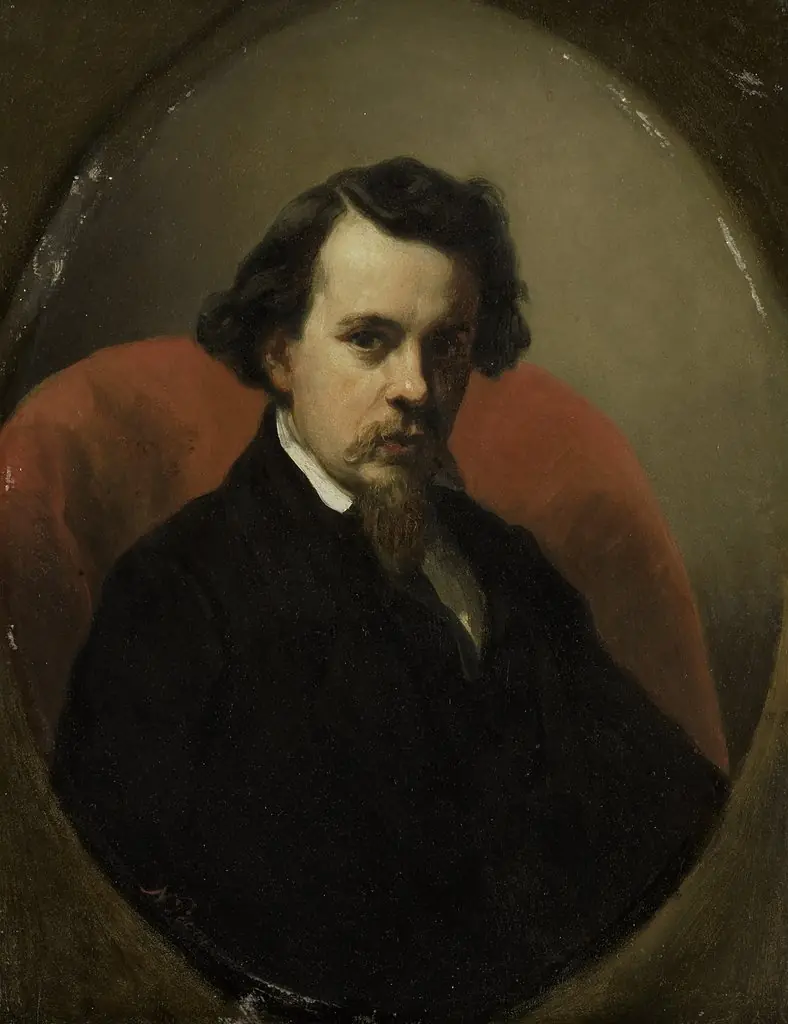 Portrait of Charles Henri Joseph Leicker, Painter
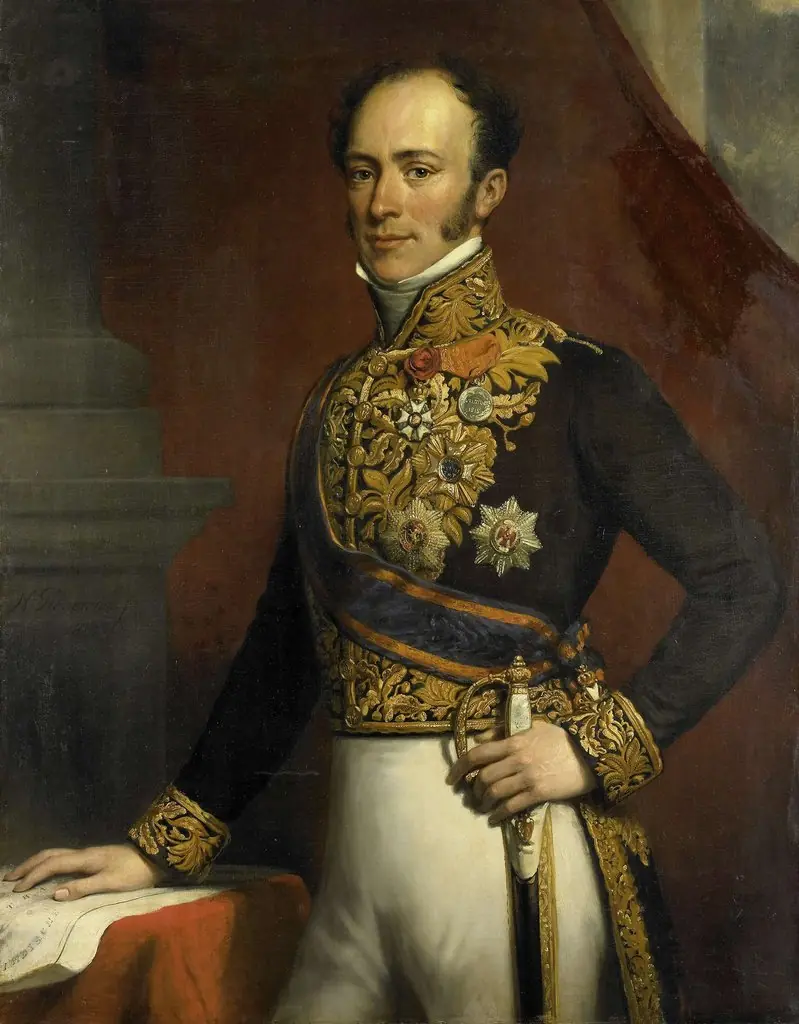 Portrait of Jan Jacob Rochussen, Governor-General of the Dutch East Indies
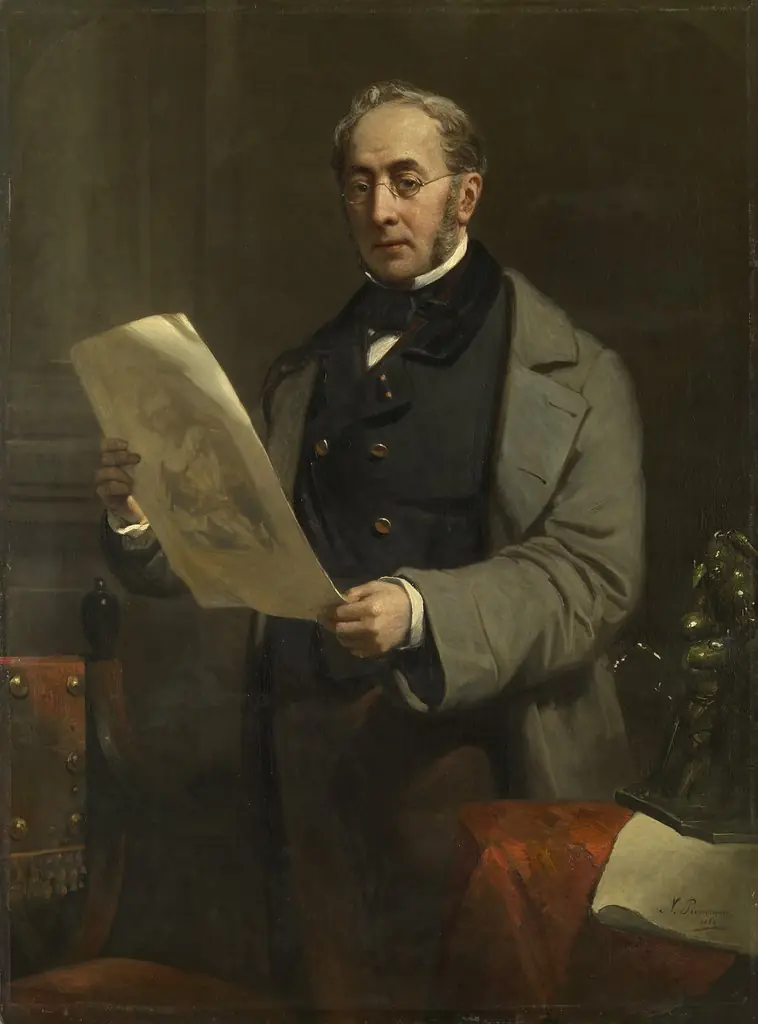 Portrait of Jacob de Vos Jacobszoon (1803-1878). Amsterdam Art Collector and Owner of the Historical Gallery De Vos
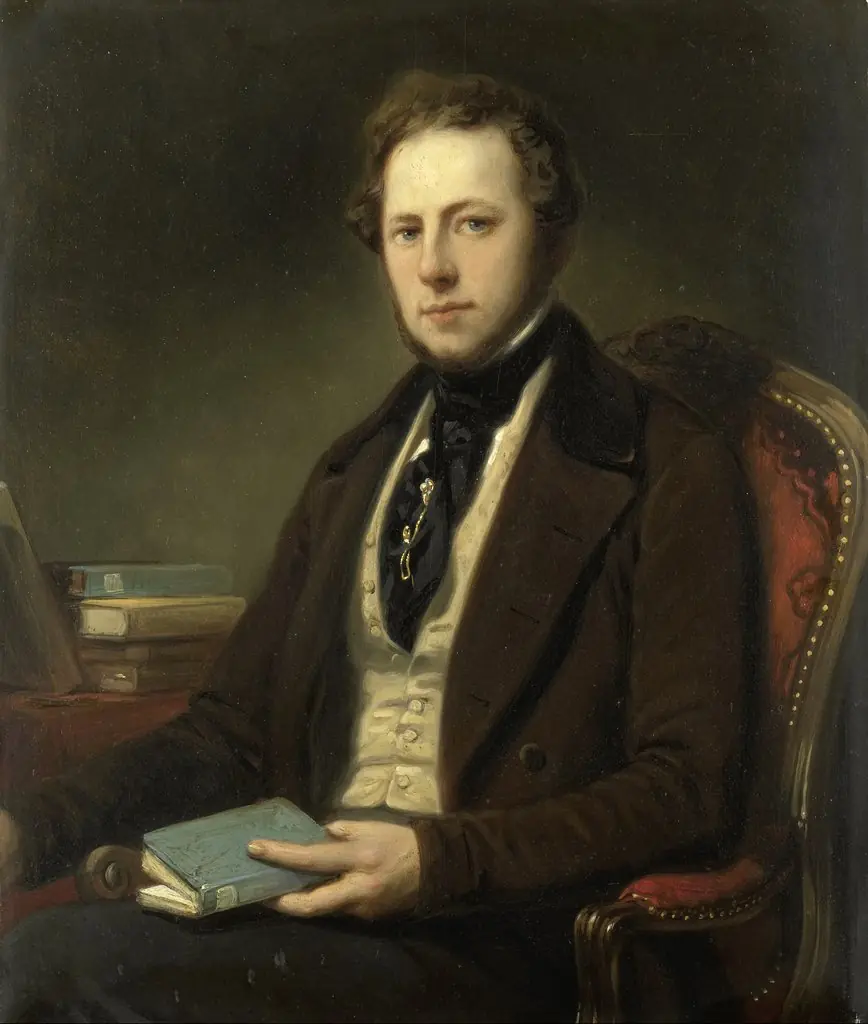 Portrait of a Man, perhaps the Poet Petrus Augustus de Genestet
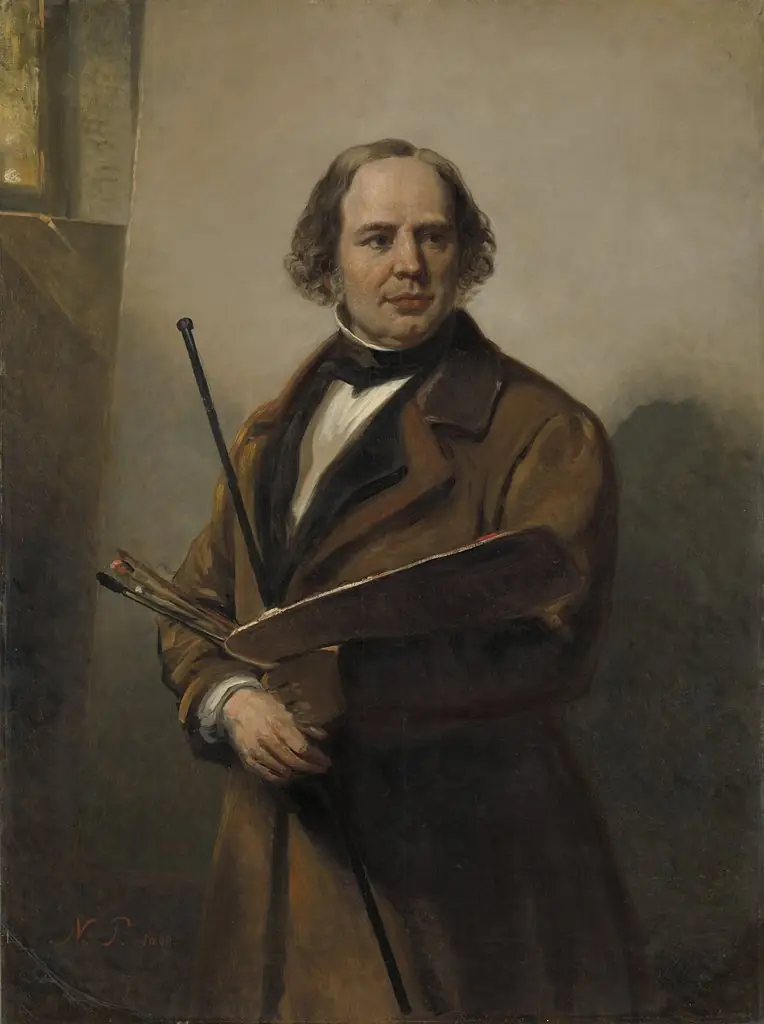 Jan Willem Pieneman, Painter, Father of Nicolaas Pieneman
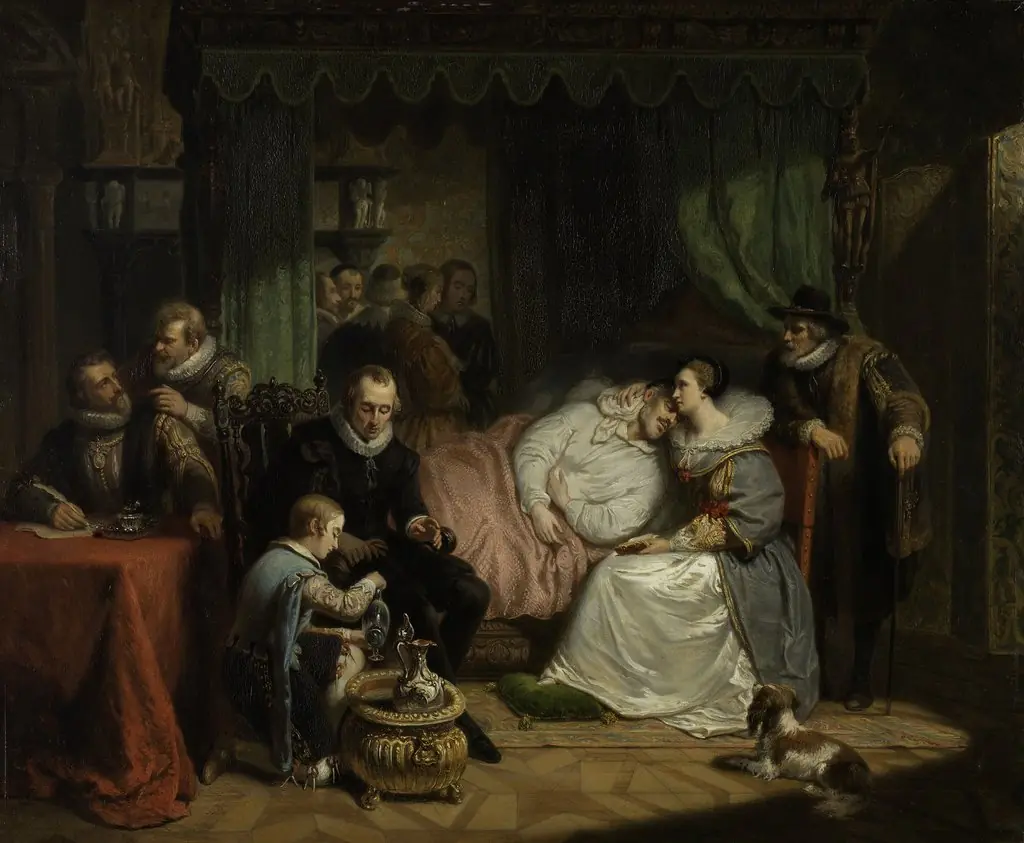 Prince William I after the failed Assassination Attempt by Jean Jaurequi in 1582, Nursed by Charlotte de Bourbon
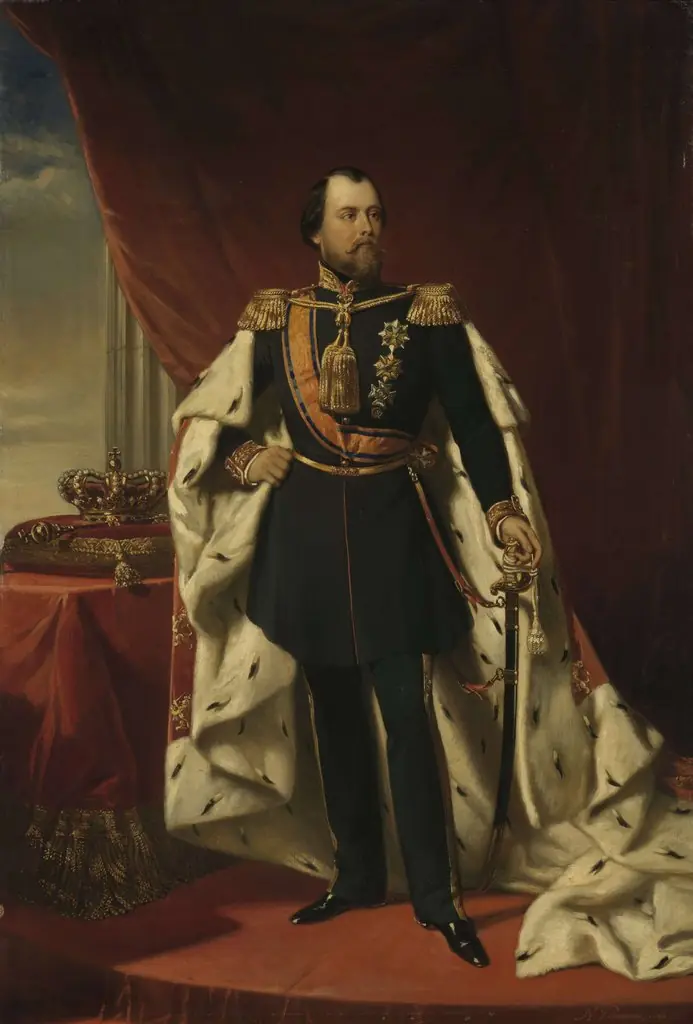 Portrait of William III, King of the Netherlands
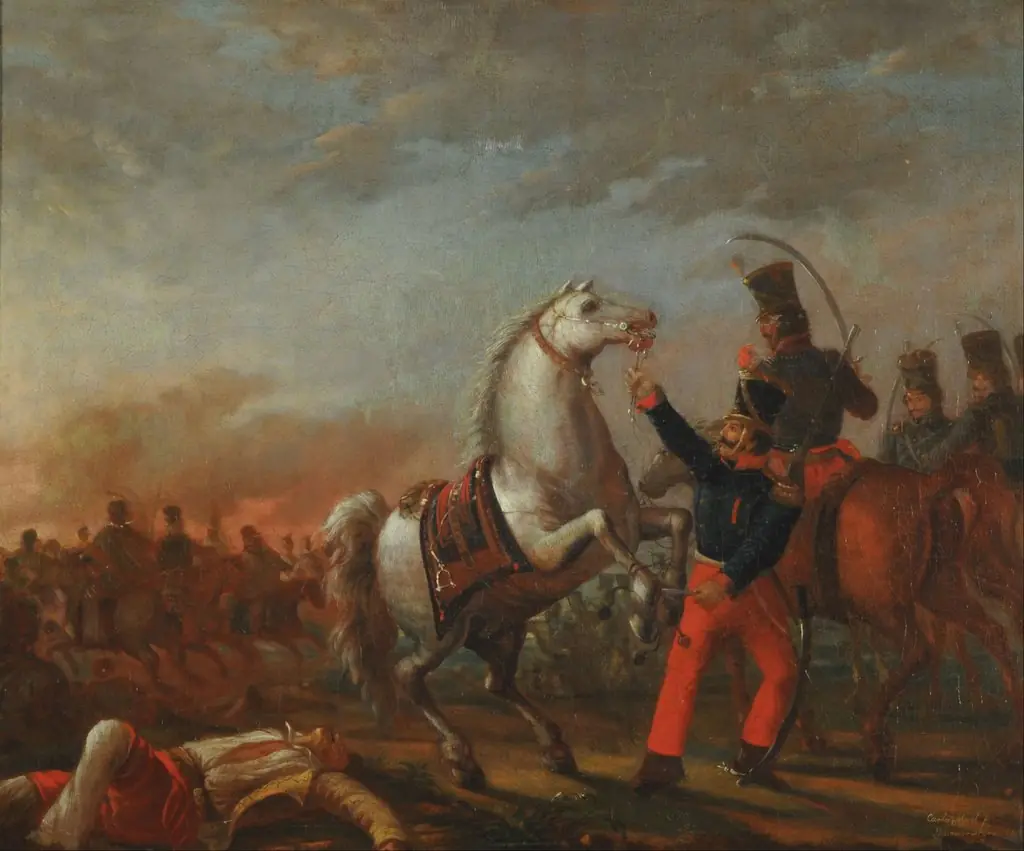 Carga de caballería - Serie Usos y Costumbres de Buenos Aires
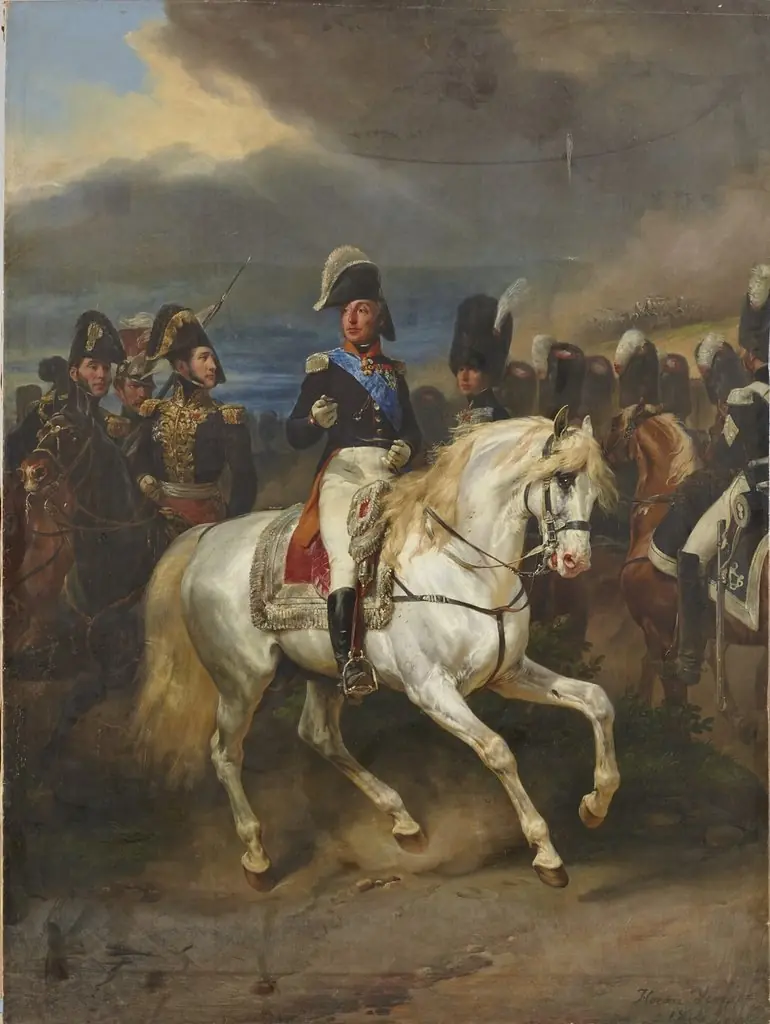 Portrait of the Duke of Angoulême
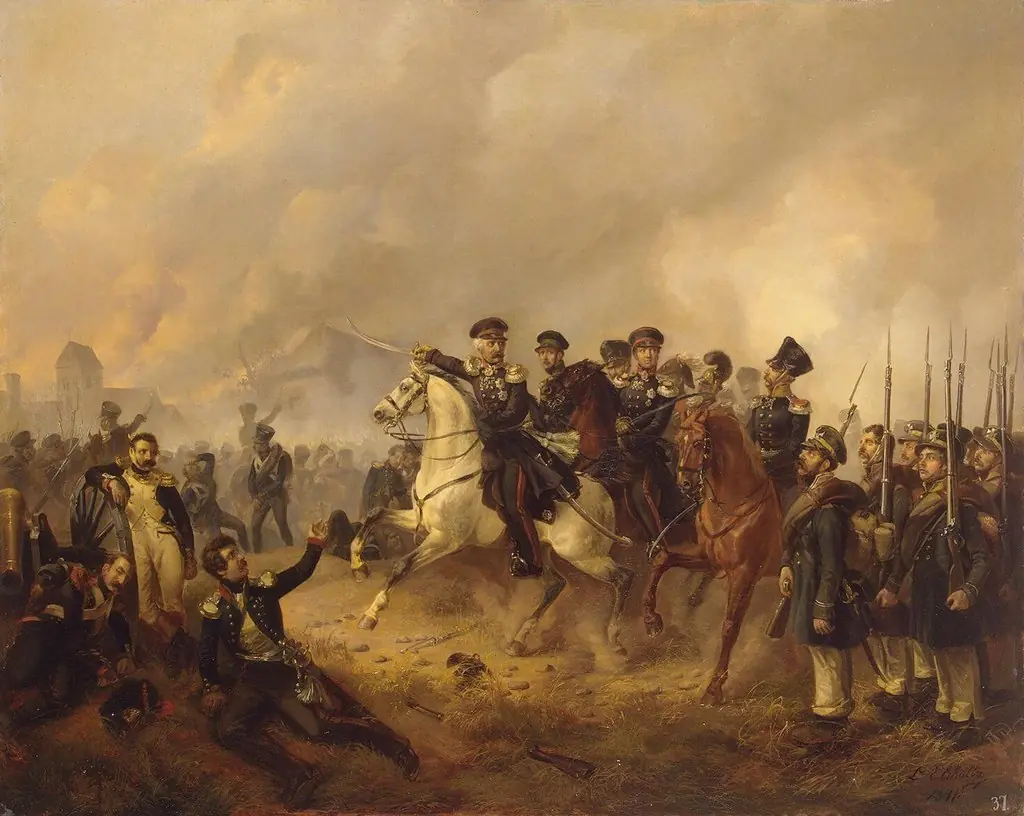 Marshal Blucher on the Battlefield
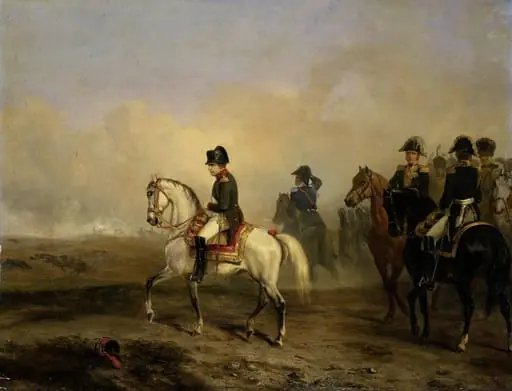 Untitled
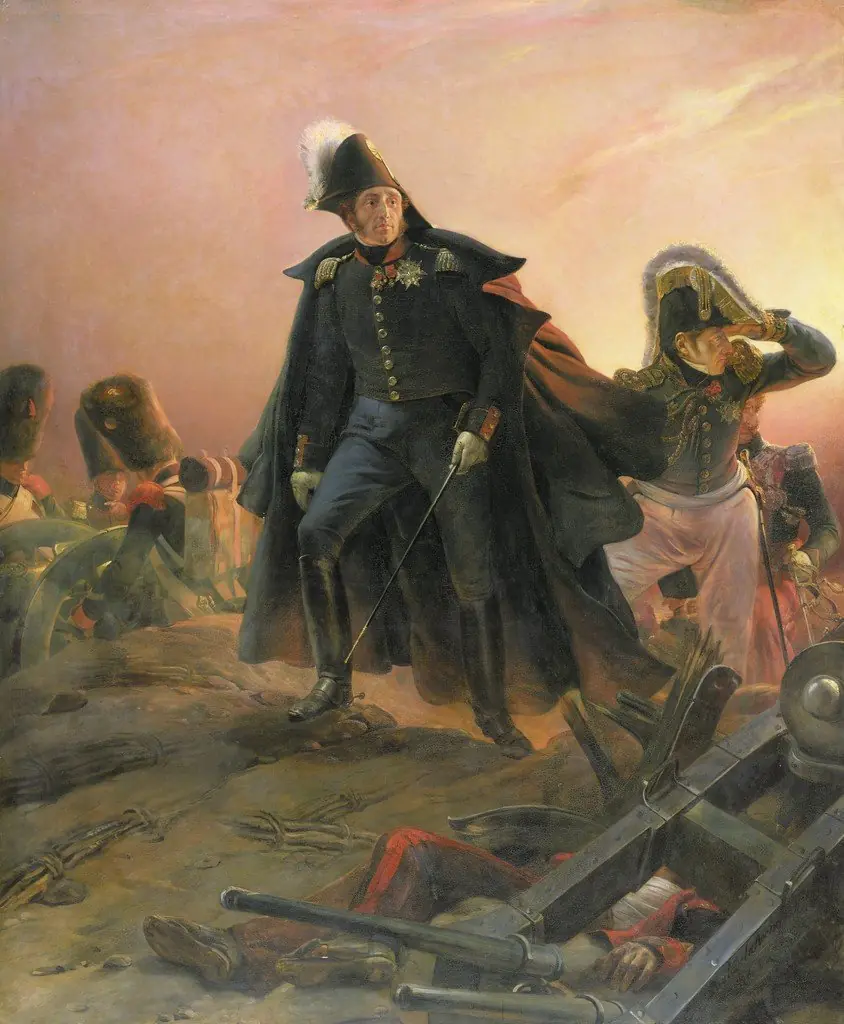 The Duke of Angoulême in the Battle of Trocadero
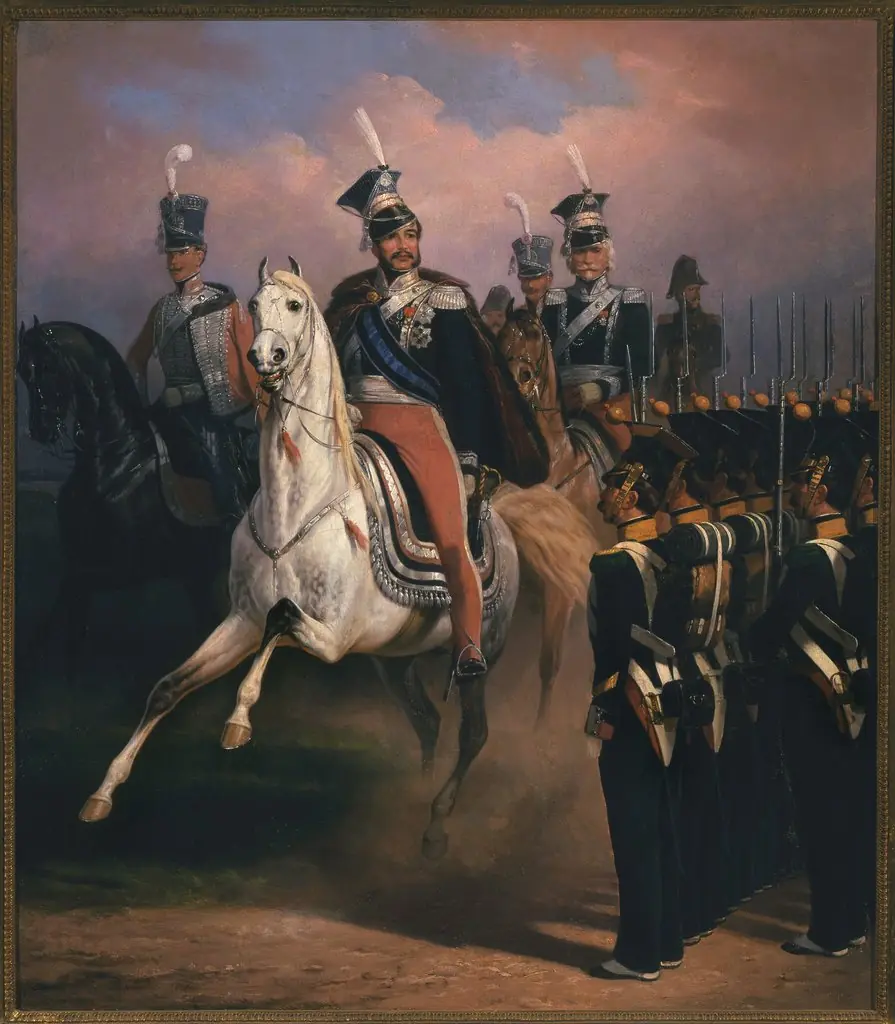 Prince Józef Poniatowski before the front of grenadiers
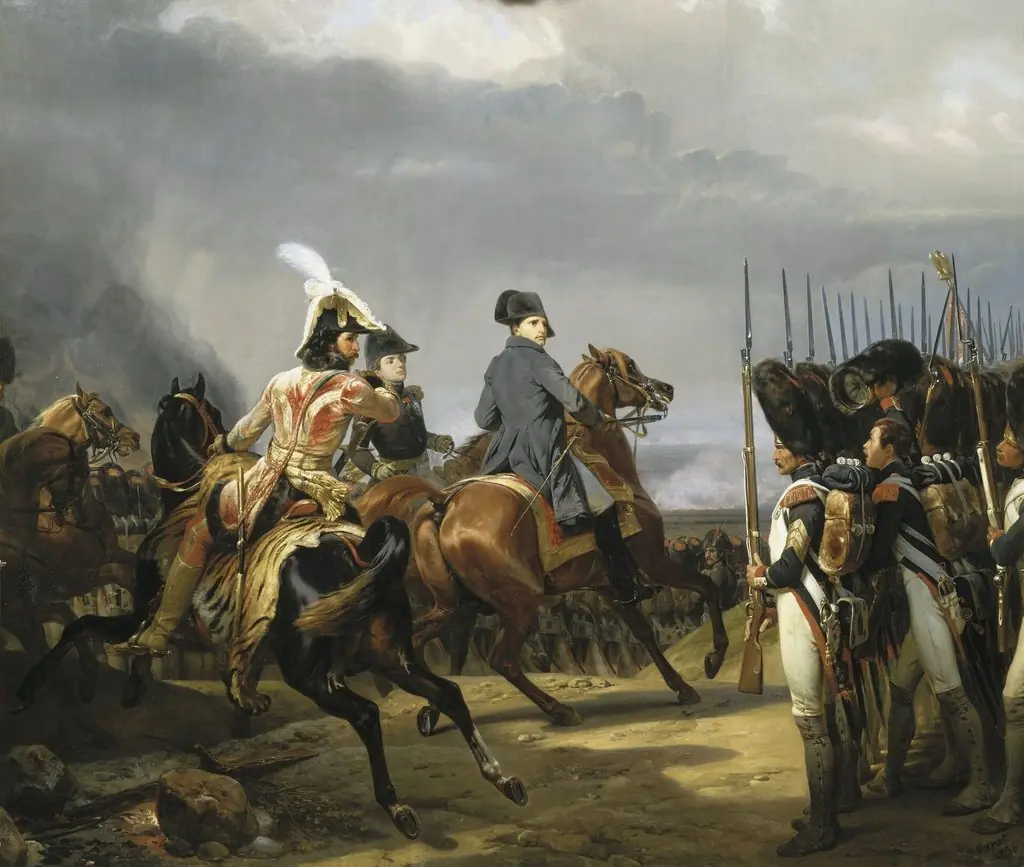 The battle of Jena, October 14, 1806
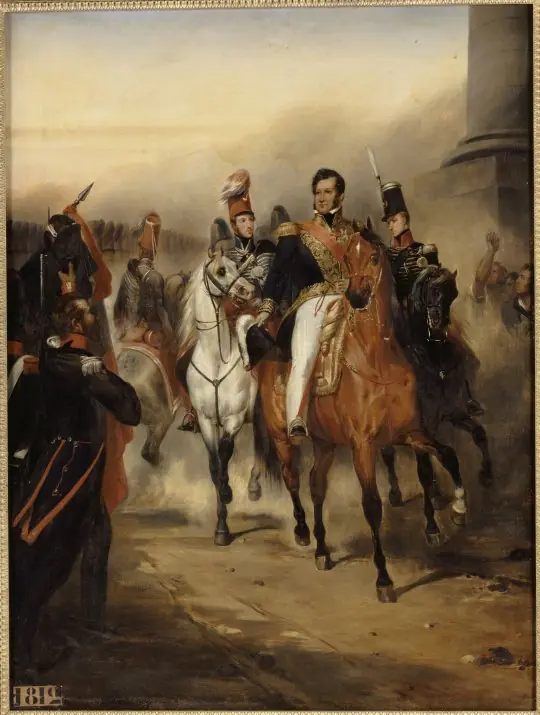 Le duc d'Orléans reçoit à la barrière du Trône le 1er régiment de hussards commandé par le duc de Chartres, 4 août 1830
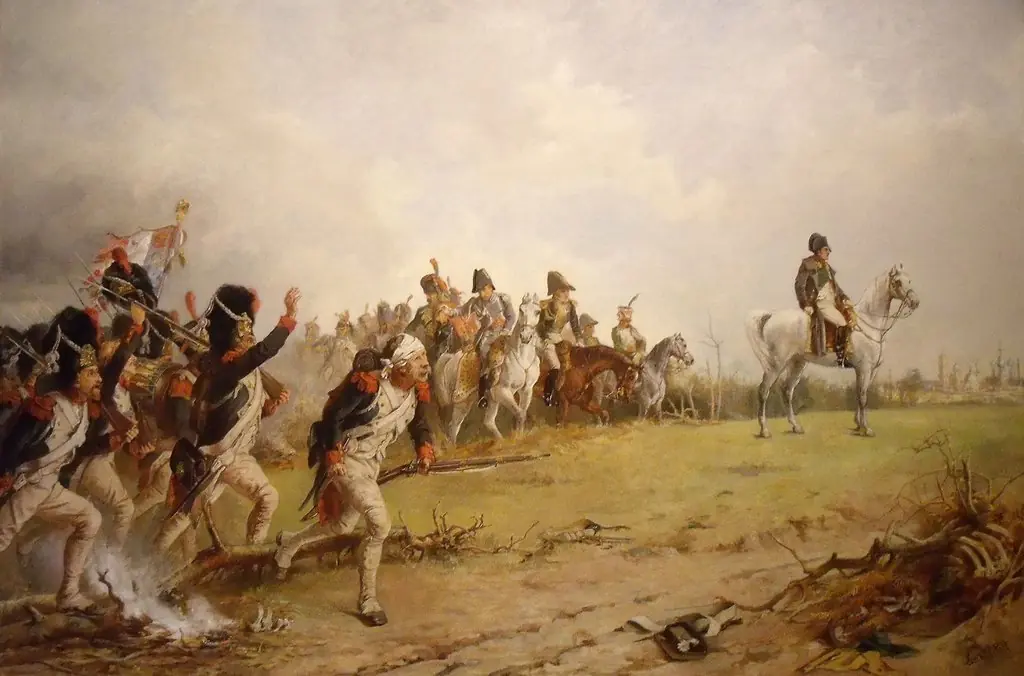 The First Sight of Moscow
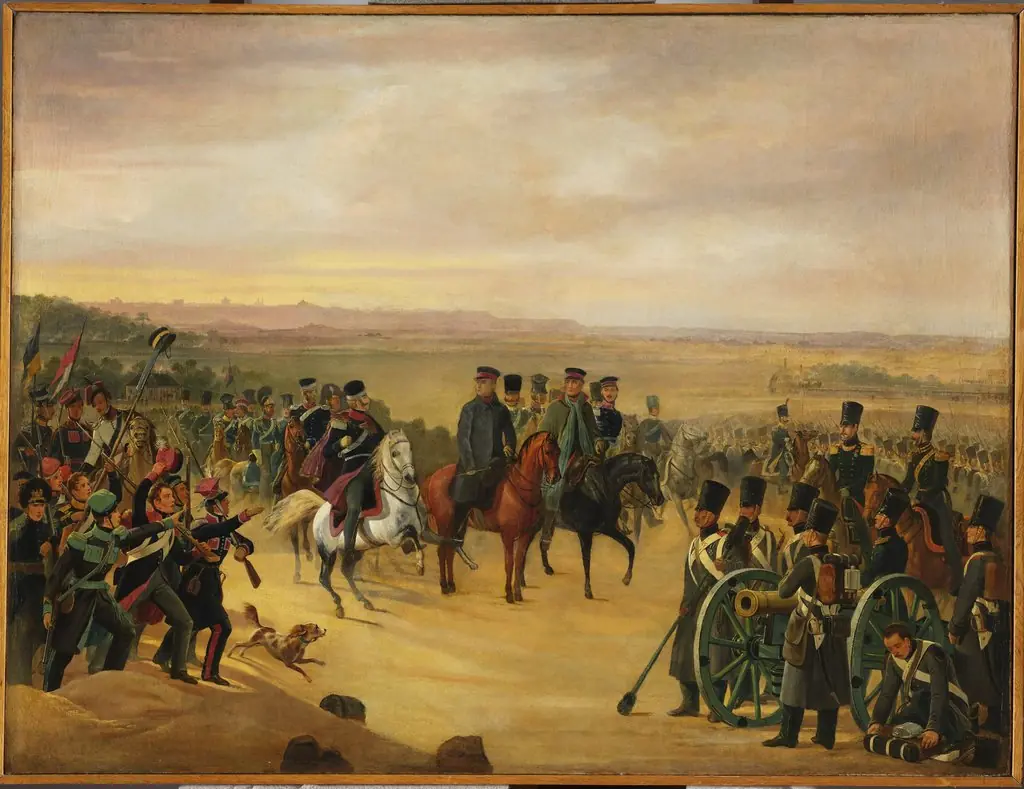 General Józef Chłopicki and Skrzynecki among soldiers
 Equestrian Portrait of Frederick William III
 Napoleón chargeant a Waterloo (Napoleón a la carga en Waterloo)