Artwork
Portrait of the Duke of Angoulême
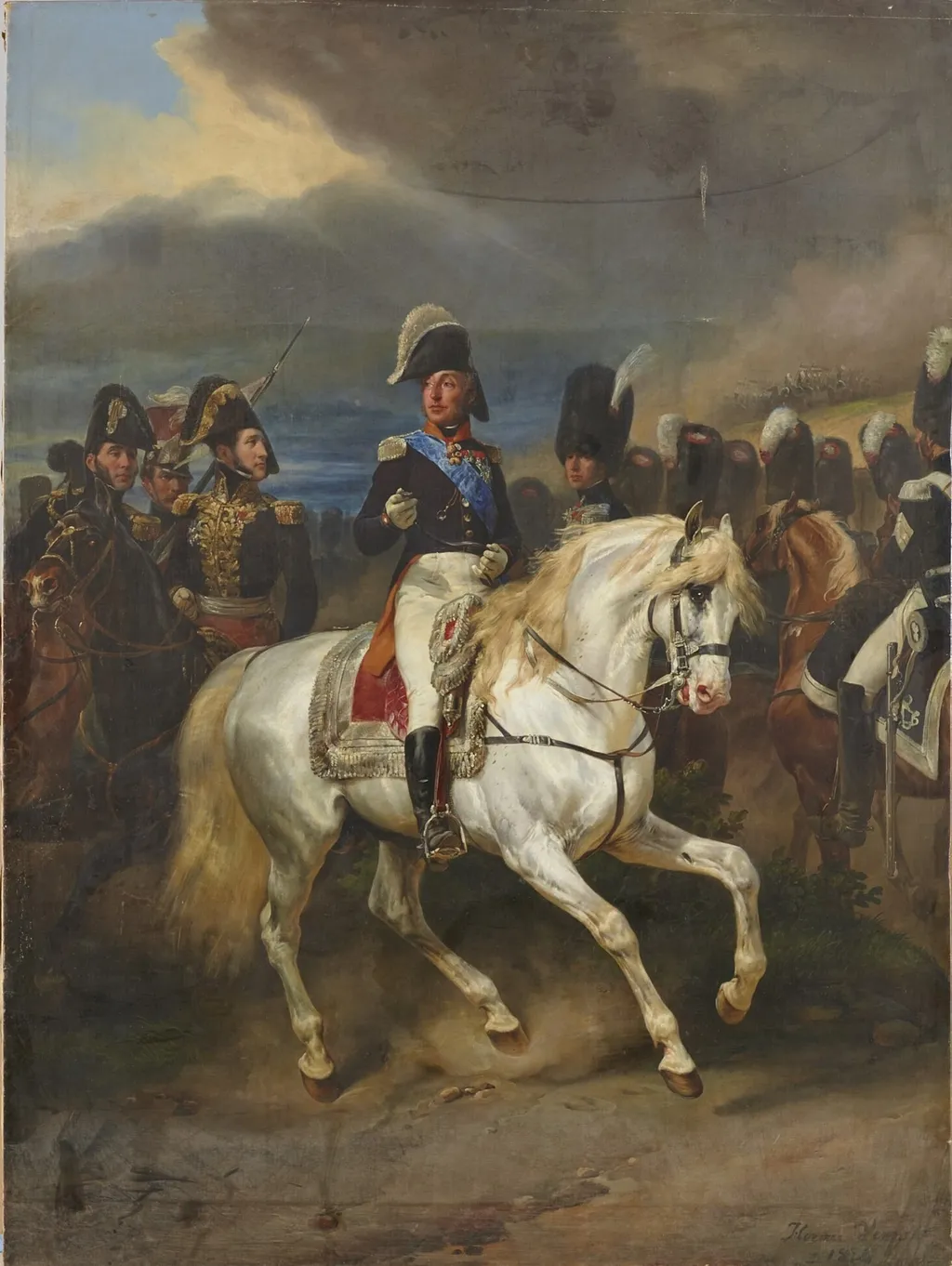
Portrait of the Duke of Angoulême is an oil painting by Horace Vernet. It dates from 1824 and is held in the collection of the Palace of Versailles.
About this work
This painting is a portrait of a French prince. It was created in 1824.
The portrait depicts Louis Antoine, Duke of Angoulême, in command of a French expedition to Spain. This expedition was led to aid Ferdinand VII in 1823, a significant event in the duke's military career.
To learn more about the artist behind this portrait, look up the artist: Horace Vernet.
Overview
The painting was completed shortly after his father, Charles X, ascended the French throne, elevating Angoulême to the position of Dauphin.
Painted in 1824 by Horace Vernet, this oil portrait captures Louis Antoine, Duke of Angoulême, on horseback. The work commemorates his leadership of the French military intervention in Spain the previous year, a campaign undertaken to restore King Ferdinand VII to absolute power. The painting was completed shortly after his father, Charles X, ascended the French throne, elevating Angoulême to the position of Dauphin.
Subject & Meaning
The Duke is portrayed as a disciplined military commander, mounted and clad in uniform, embodying the ideals of royal authority and martial duty. His presence in Spain was politically significant, as France intervened to suppress liberal reforms and reinstate Ferdinand VII’s autocratic rule. The portrait frames him not merely as a nobleman but as a defender of monarchical order during a turbulent era of European upheaval.
Technique & Style
Vernet employs a clear, controlled composition typical of early 19th-century French academic painting. The Duke is centered against a subdued landscape, with attention given to the precision of his uniform and the posture of his horse. Brushwork is restrained, emphasizing realism over drama, and lighting is even, reinforcing the dignified, formal tone of the image without theatrical embellishment.
History & Provenance
Commissioned shortly after the Spanish campaign, the portrait likely served to reinforce the Duke’s public image as a loyal servant of the Bourbon monarchy. It remained within royal collections following Charles X’s accession. After the July Revolution of 1830 and the family’s exile, the painting’s whereabouts became less documented, though it is now held in a public institution, preserving its historical record.
Context
The painting emerges from a period of intense political realignment in Europe, following the Napoleonic Wars. The French intervention in Spain was part of the Holy Alliance’s broader effort to suppress revolutionary movements. As a symbol of Bourbon legitimacy, Angoulême’s portrait reflects the monarchy’s attempt to align military success with dynastic continuity amid rising liberal pressures across the continent.
Legacy
Though not widely exhibited today, the portrait remains a documented example of how French royalty used visual culture to assert political narratives. Vernet’s depiction contributes to a genre of equestrian portraiture that linked aristocratic identity with military command. It offers insight into the visual rhetoric of legitimacy during the final years of Bourbon rule before the 1830 revolution.
Own this work as a print
Artist & collection
Artist
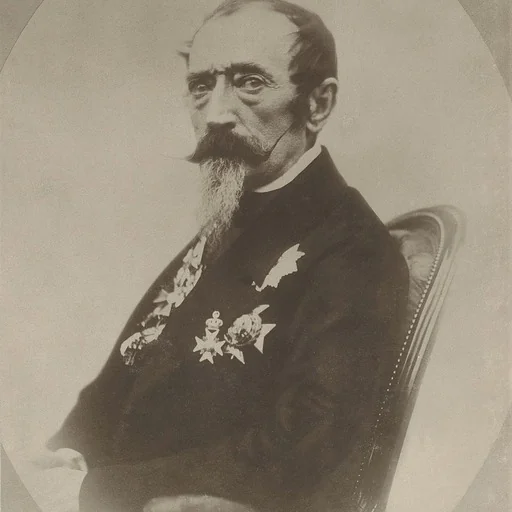
Émile Jean-Horace Vernet (French pronunciation: ; 30 June 1789 – 17 January 1863), better known as Horace Vernet, was a French painter of battles, portraits, and Orientalist subjects.

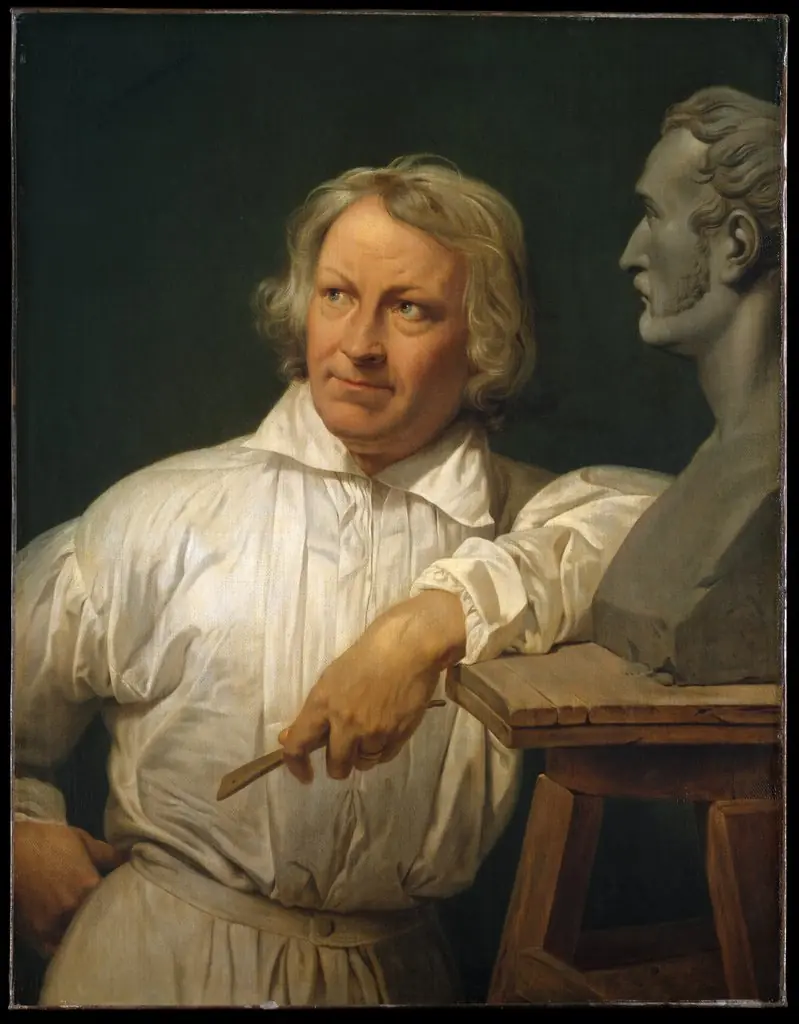 Bertel Thorvaldsen (1768–1844) with the Bust of Horace Vernet
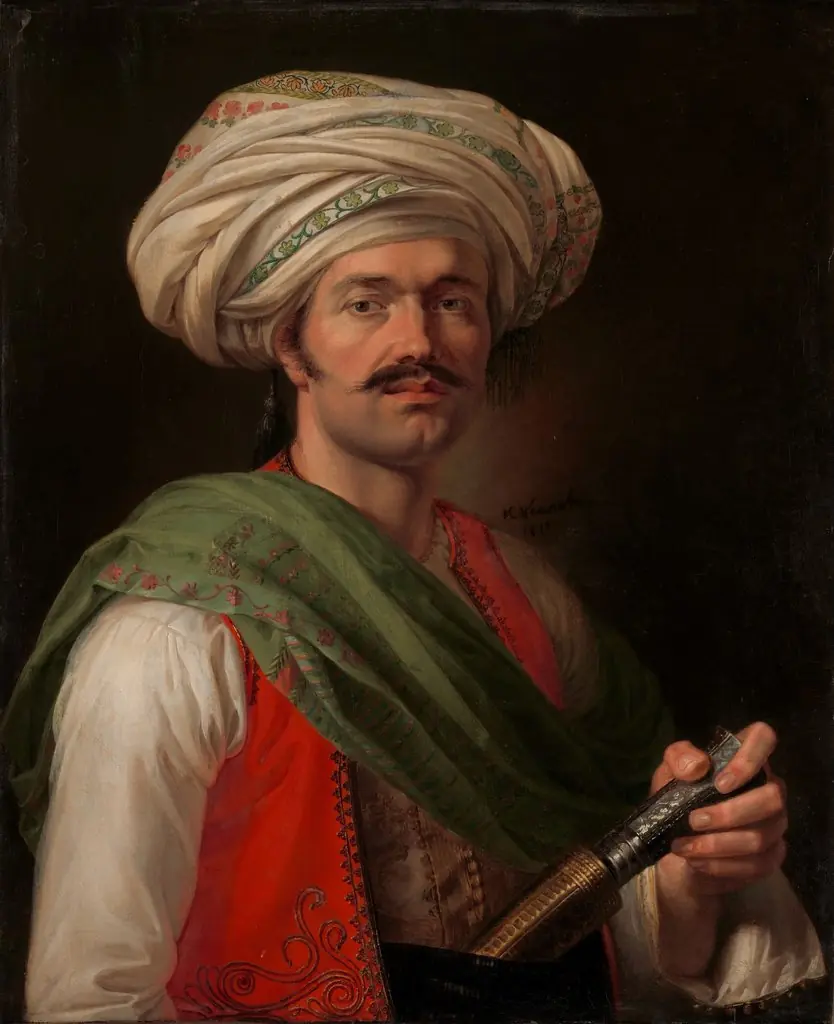 Portrait of a Mameluke, said to be Roustam Raza
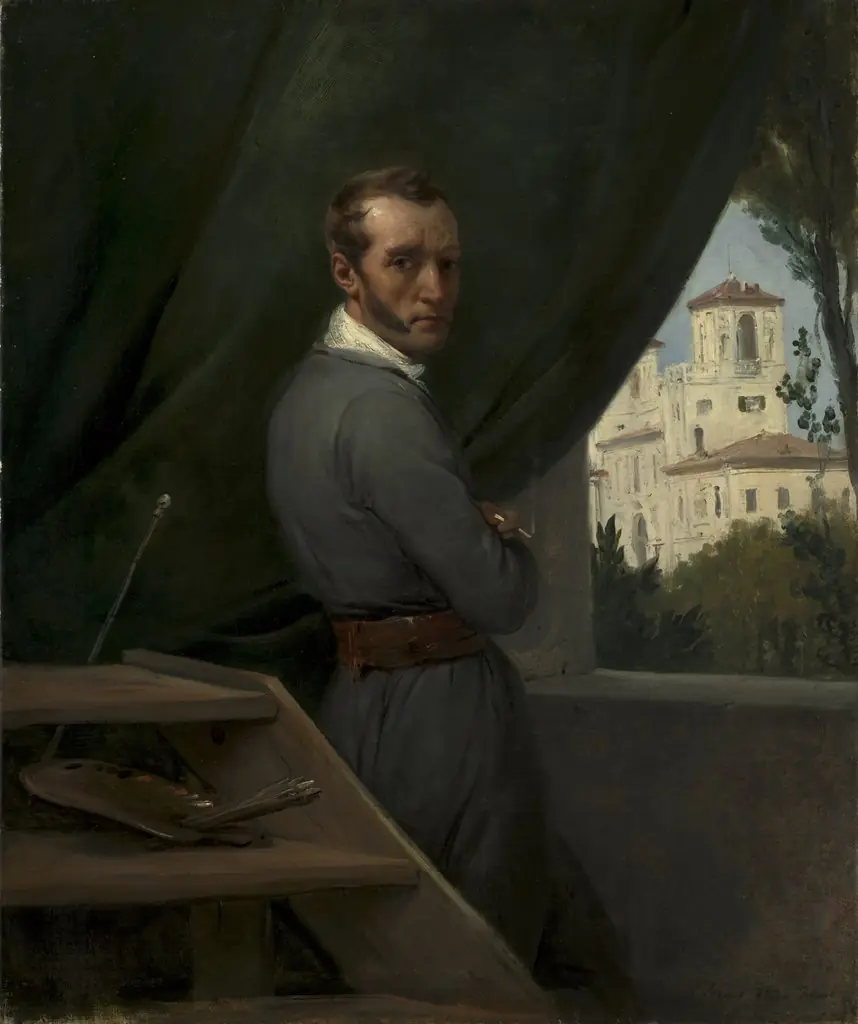 Self-Portrait in Rome
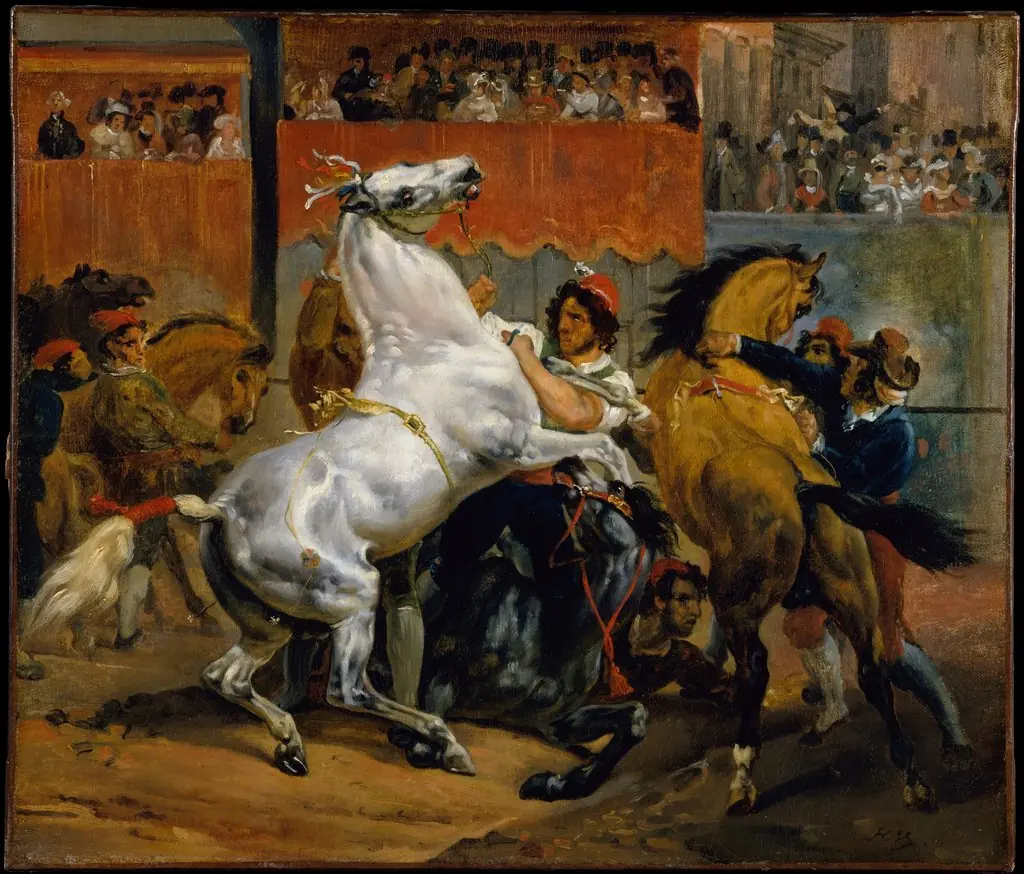 The Start of the Race of the Riderless Horses
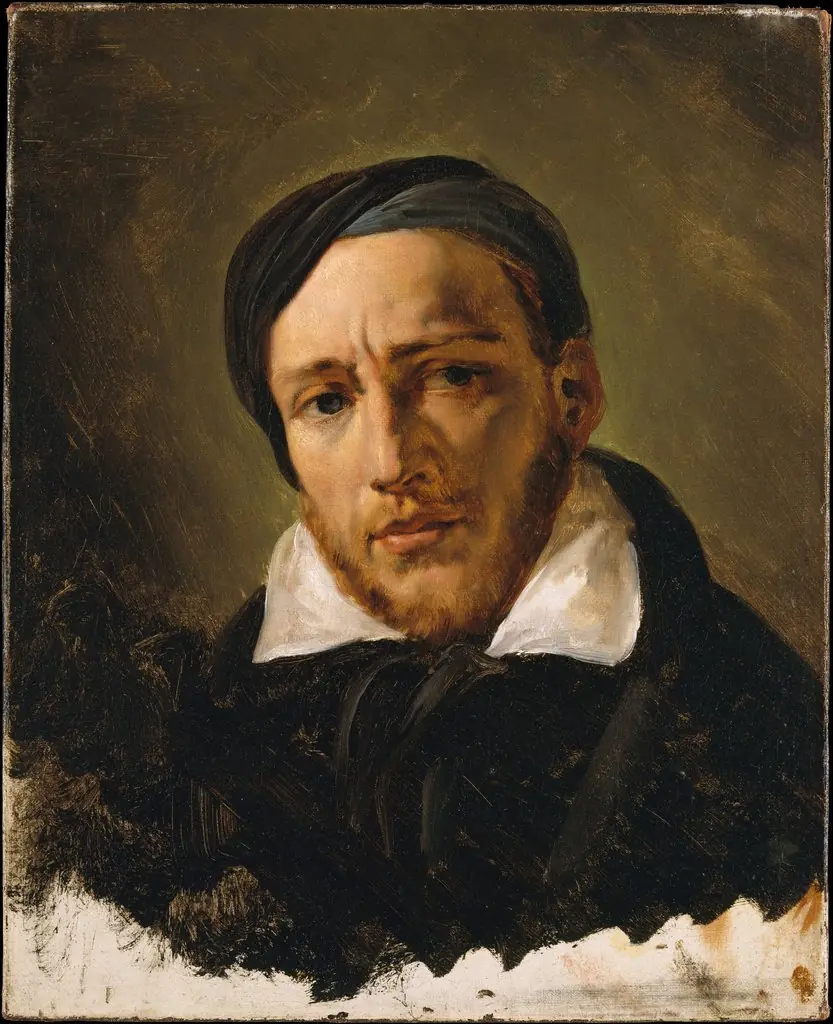 Jean-Louis-André-Théodore Gericault (1791–1824)
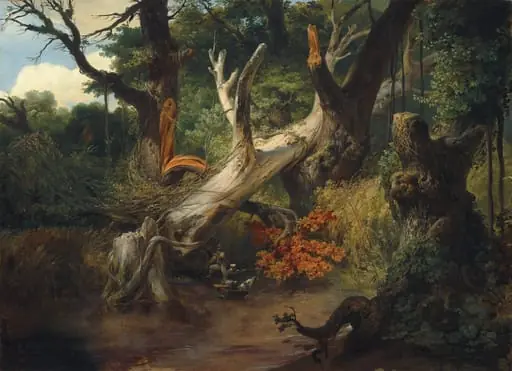 Hunting in the Pontine Marshes
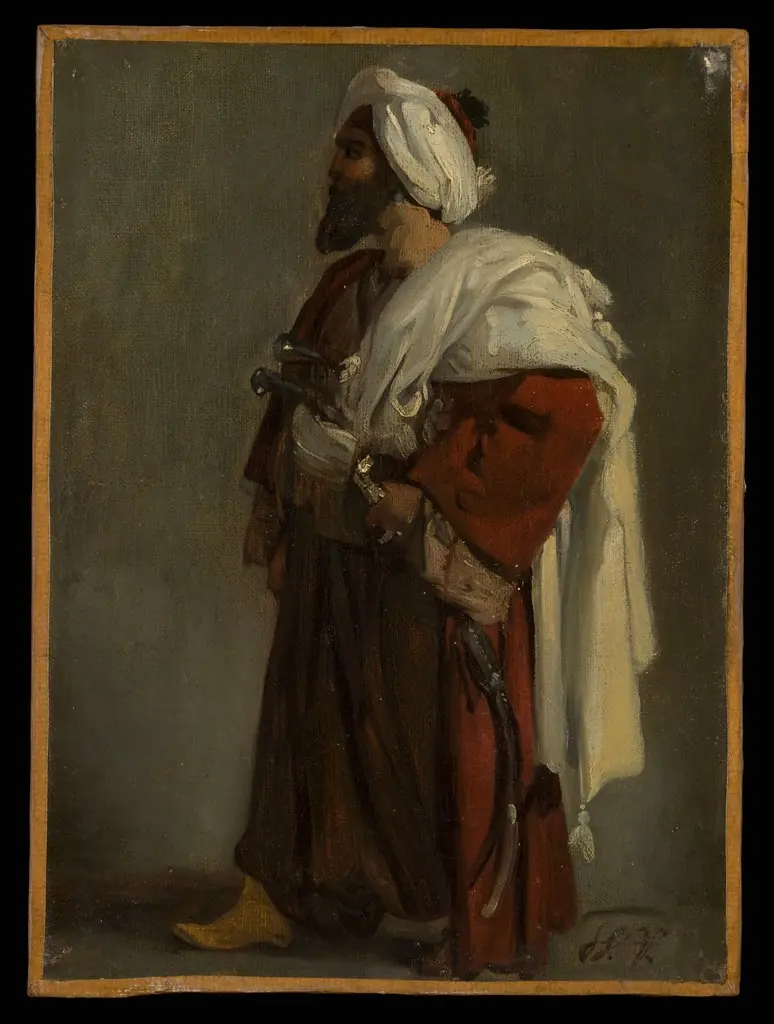 Arab Warrior
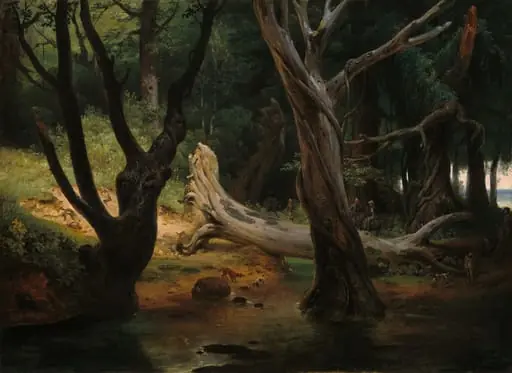 Departure for the Hunt in the Pontine Marshes
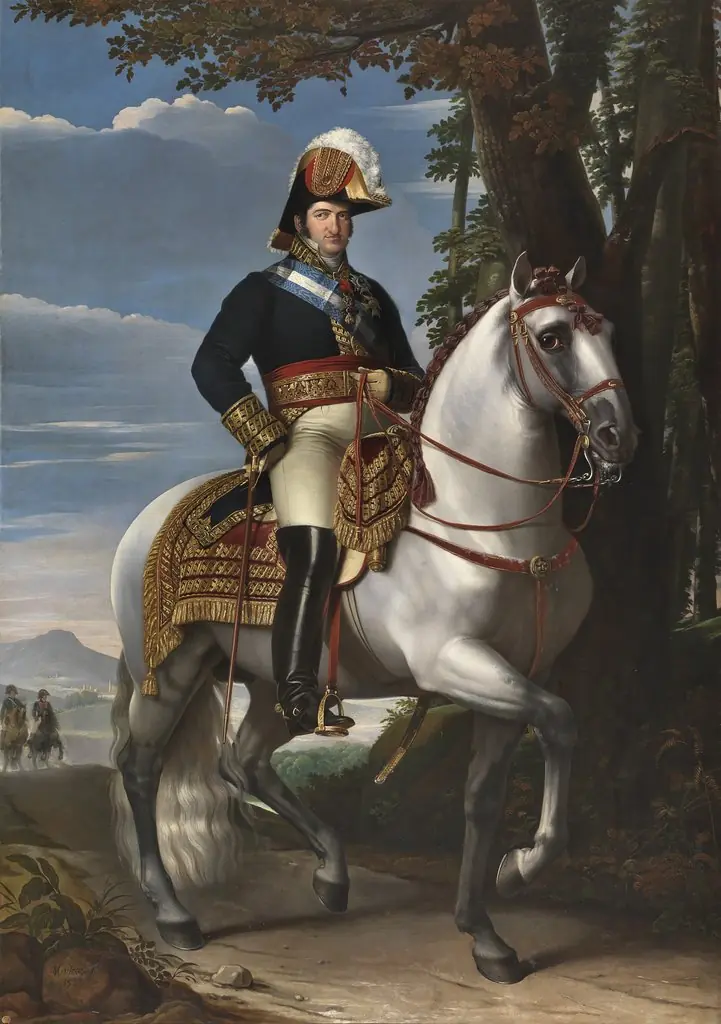 Ferdinand VII of Spain on Horseback
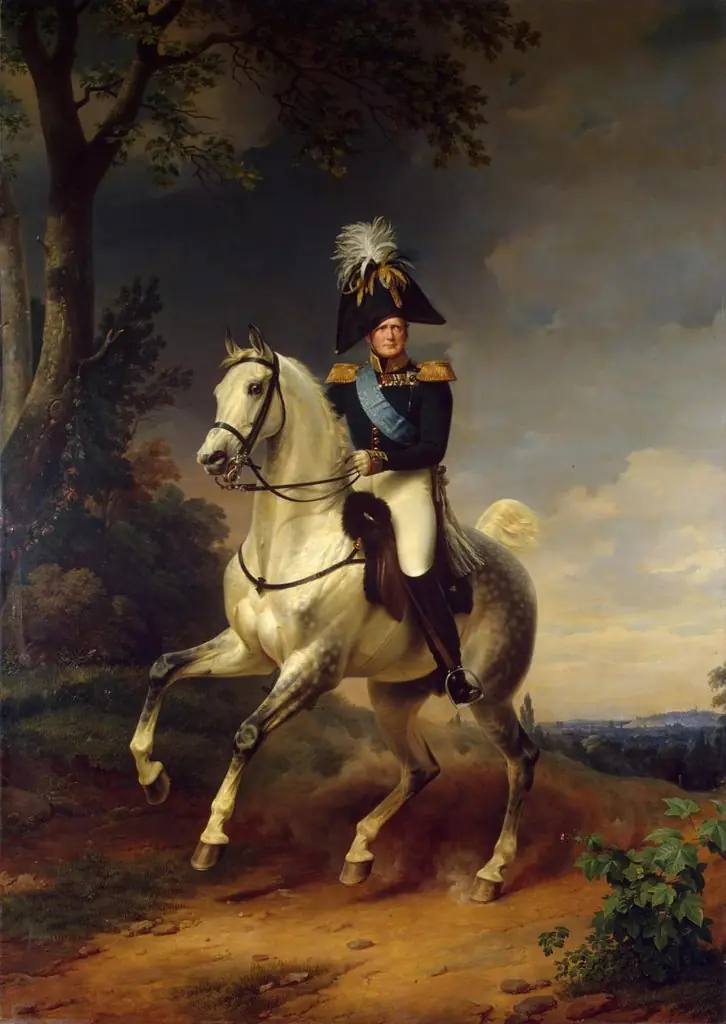 Equestrian Portrait of Alexander I (1777–1825)
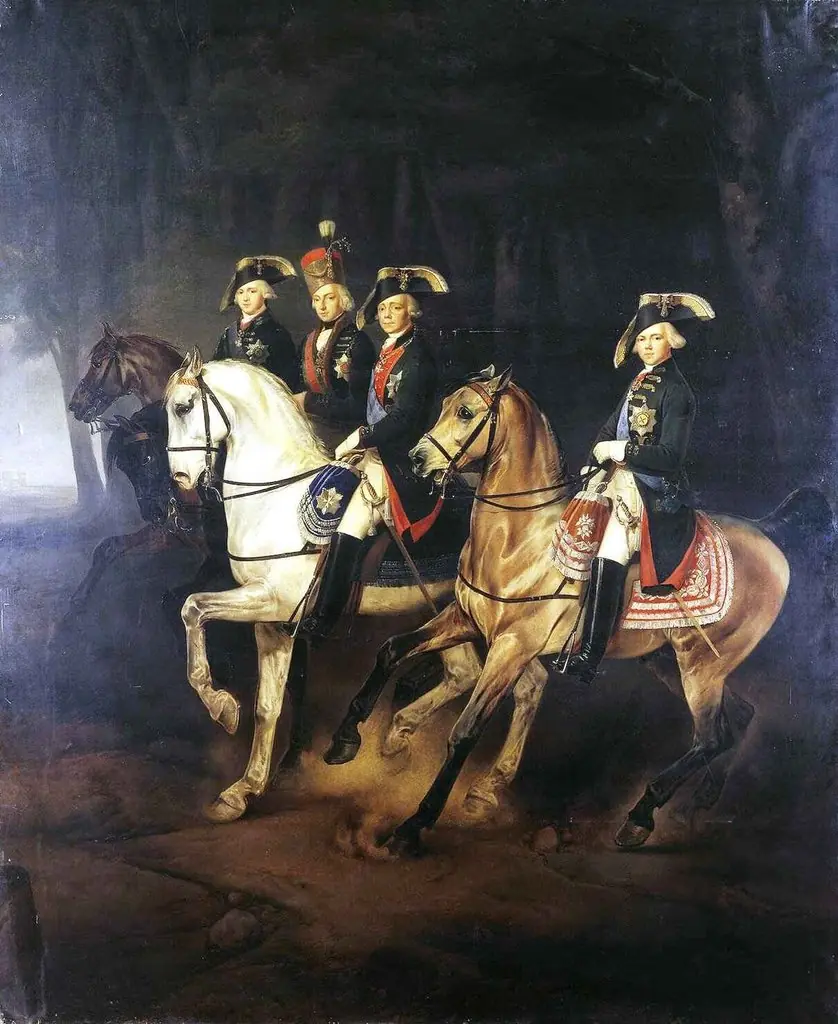 Equestrian Portrait of Emperor Paul I with his Sons and Joseph I, King of Hungary
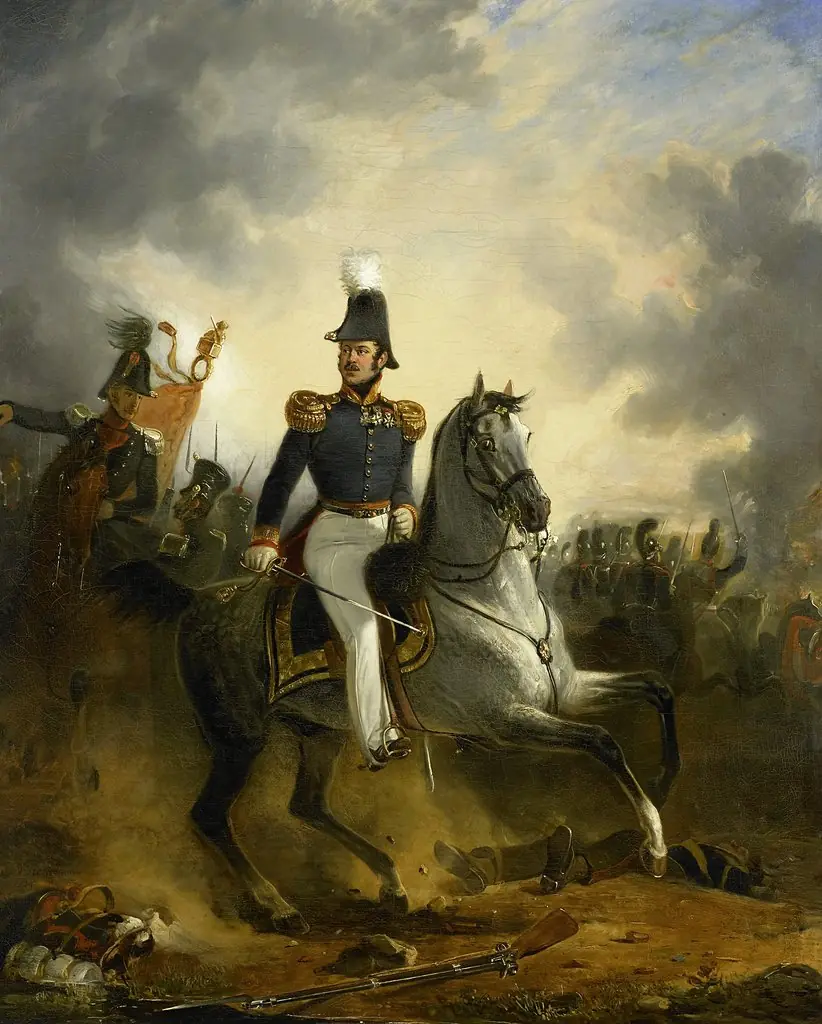 Lieutenant-General Frederik Knotzer in the Battle of Houthalen, during the 10 Days' Campaign, 1831
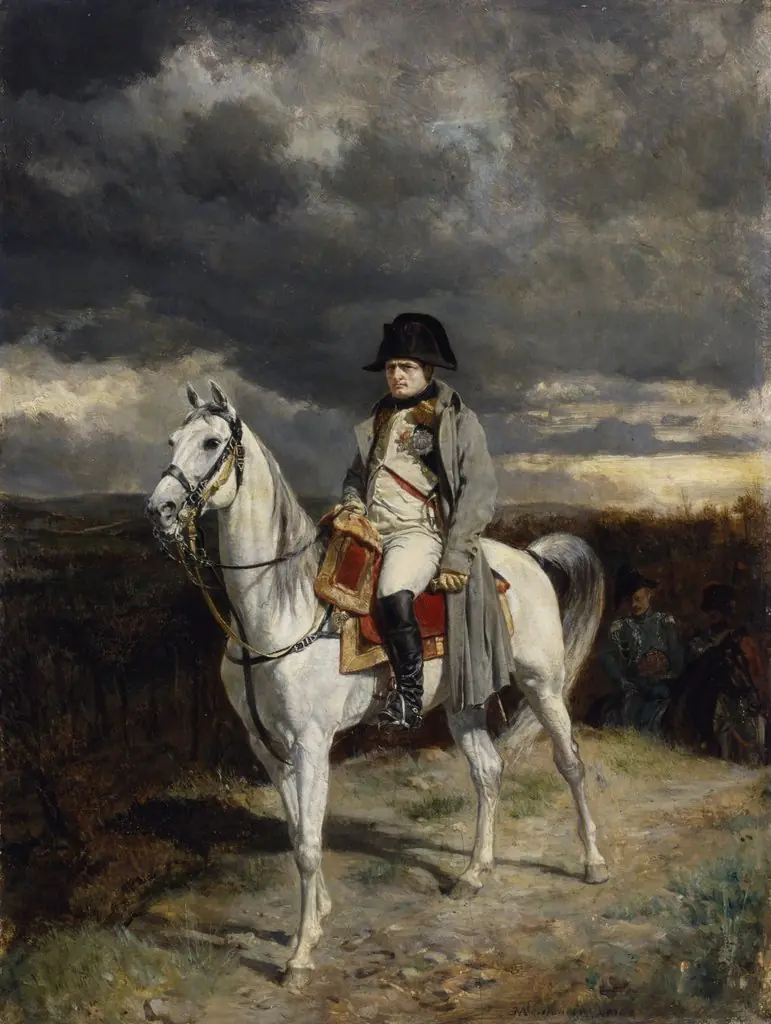 1814
1814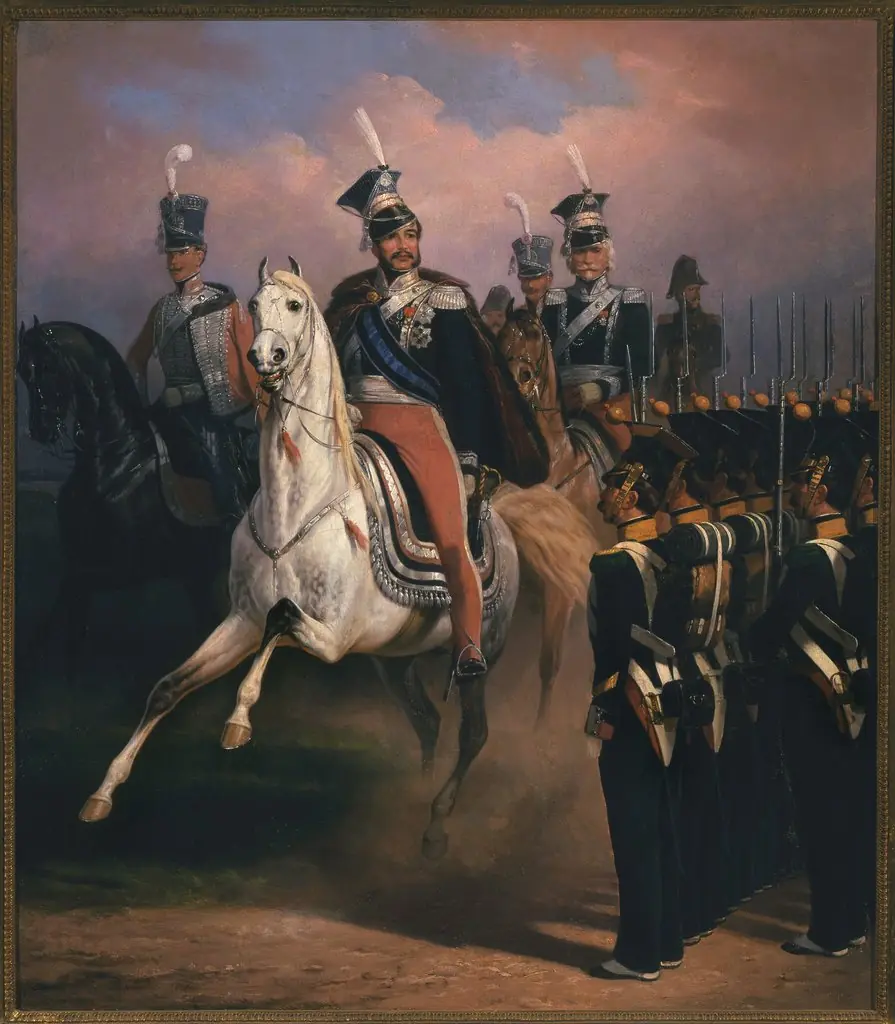 Prince Józef Poniatowski before the front of grenadiers
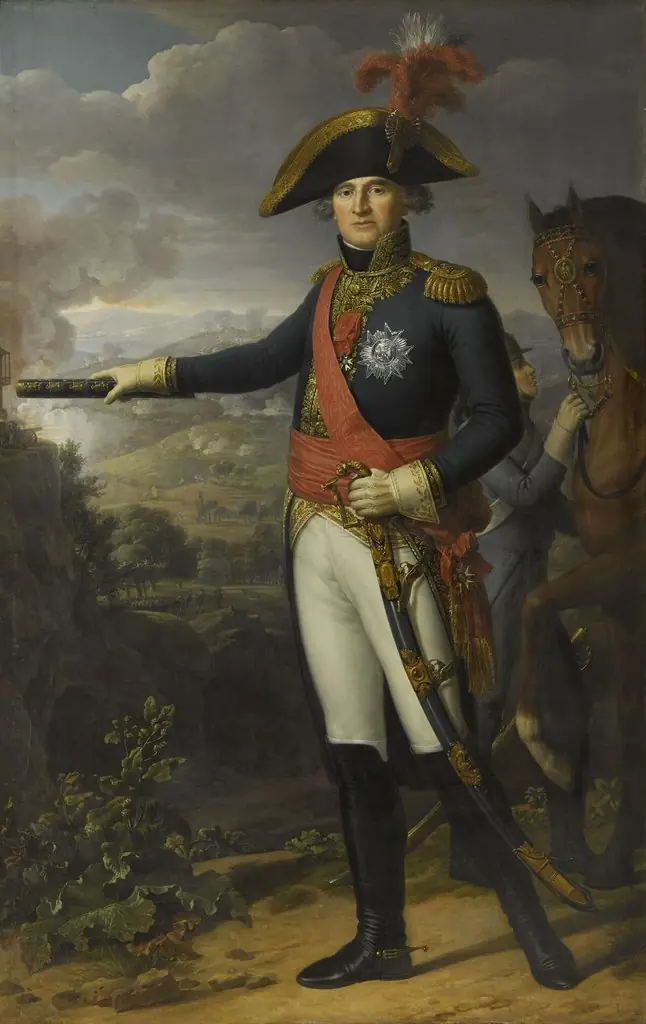 Jean Mathieu Philibert Serurier (1742-1819)
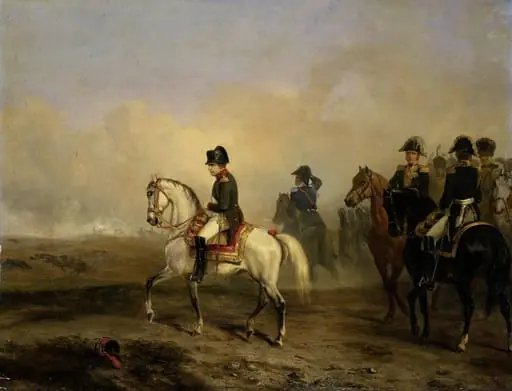 Untitled
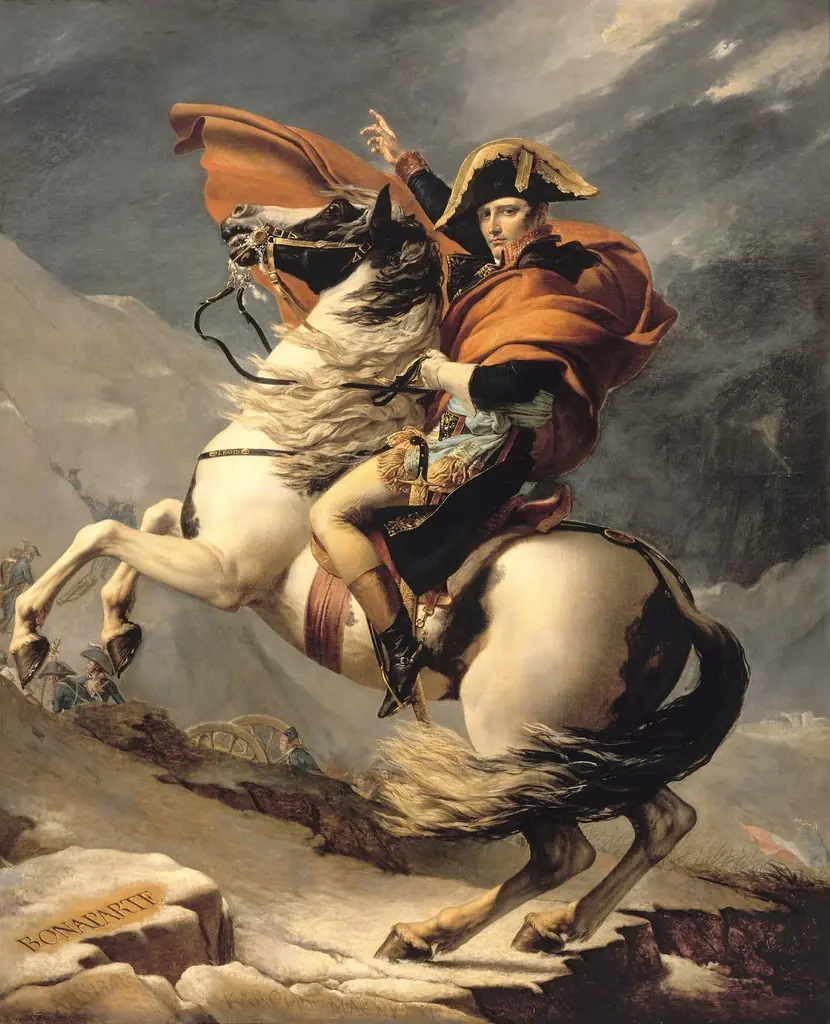 Napoleon Crossing the Alps
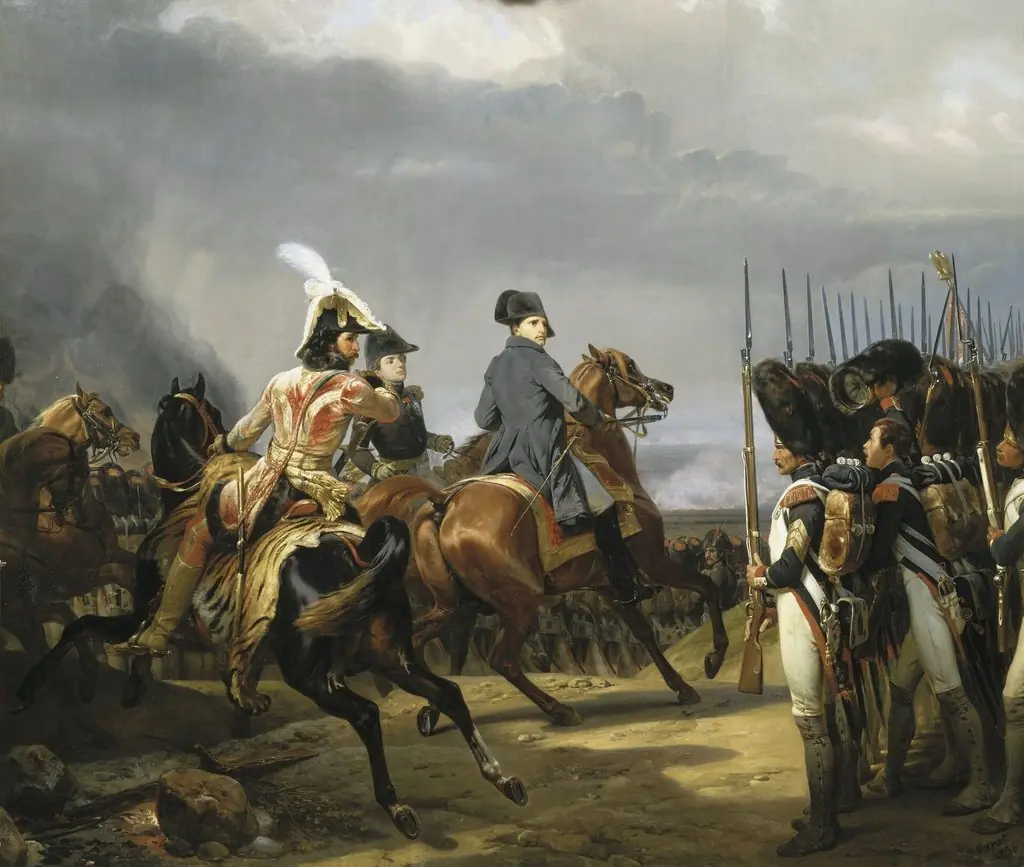 The battle of Jena, October 14, 1806