Artwork
A Stag Hunt
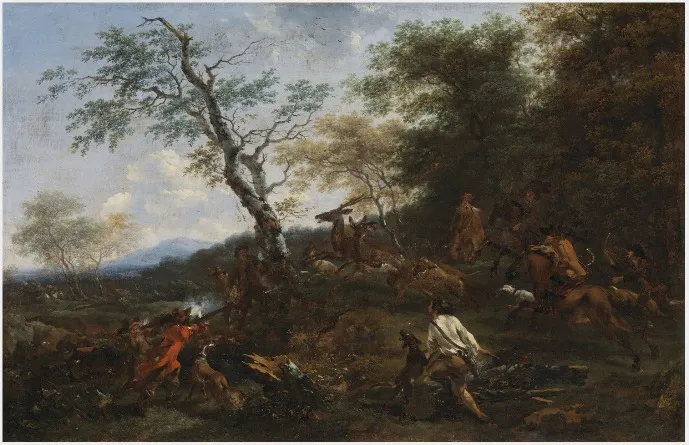
A Stag Hunt is an oil painting by the Dutch Golden Age artist Nicolaes Pieterszoon Berchem. It dates from 1657 and is held in the collection of the National Gallery of Ireland.
About this work
Overview
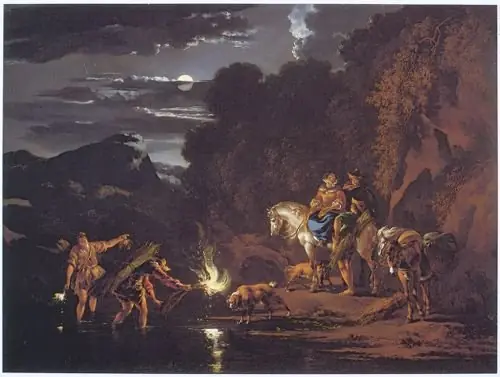
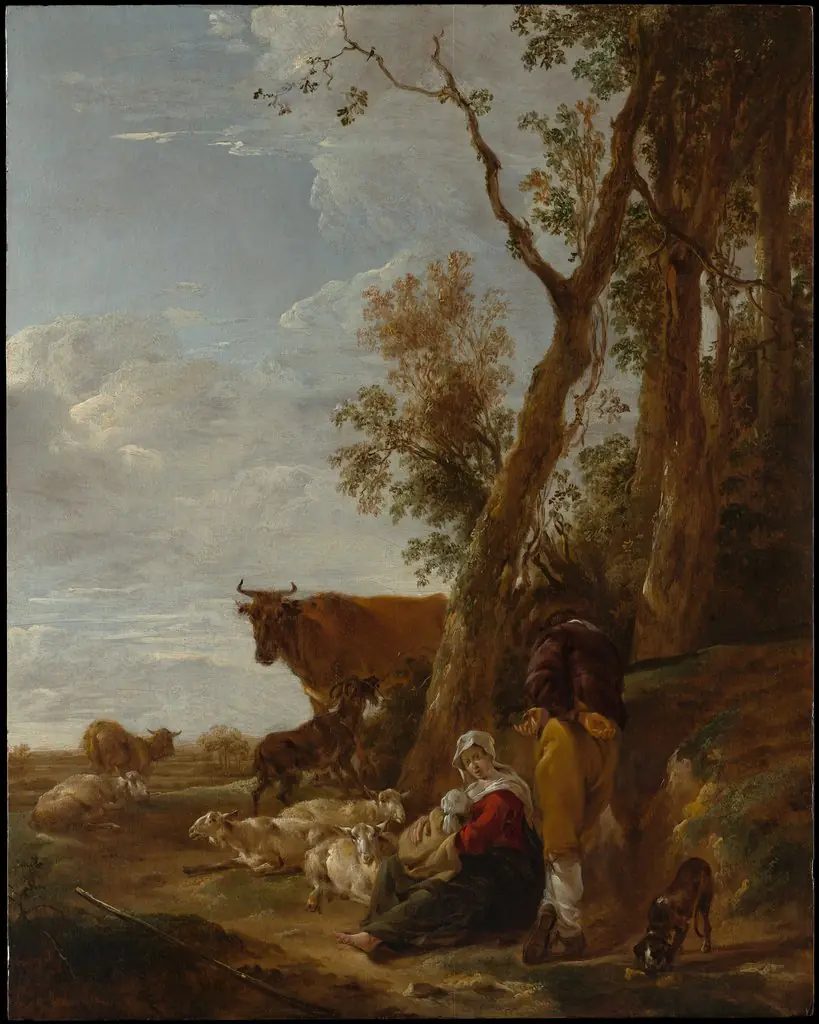
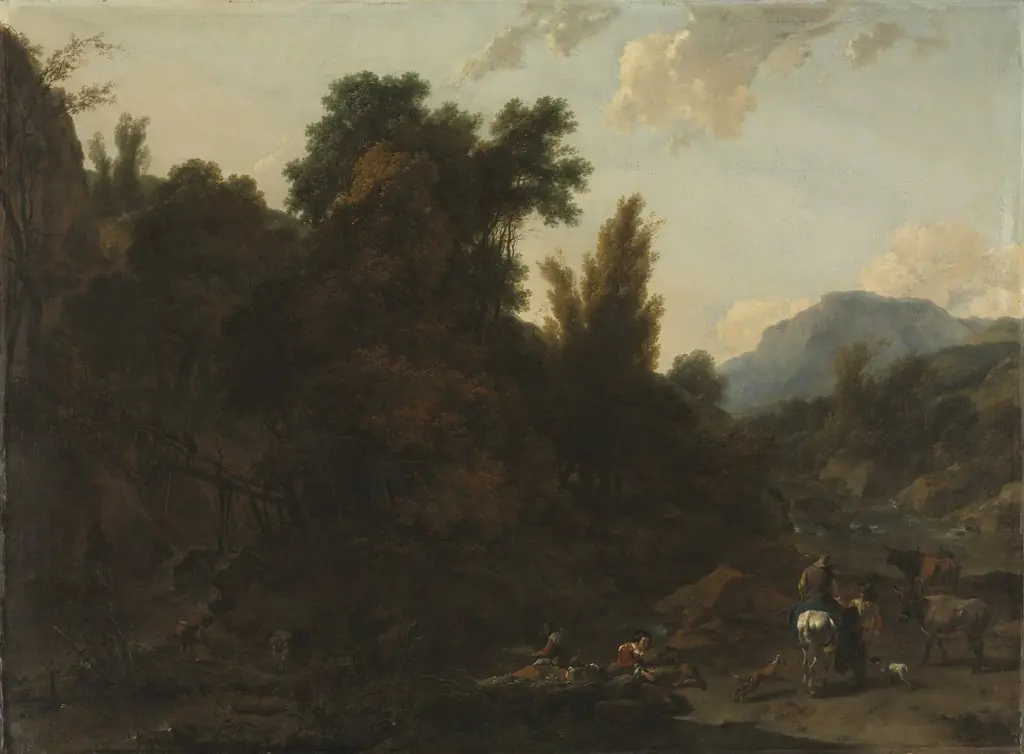
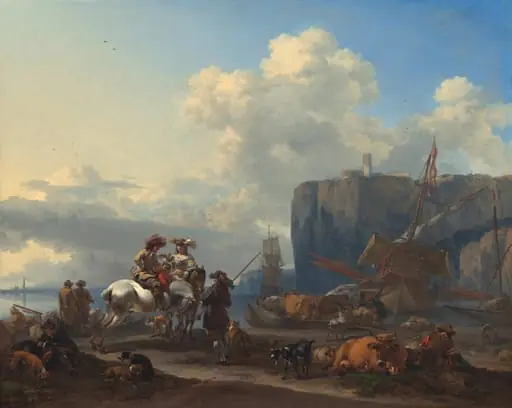
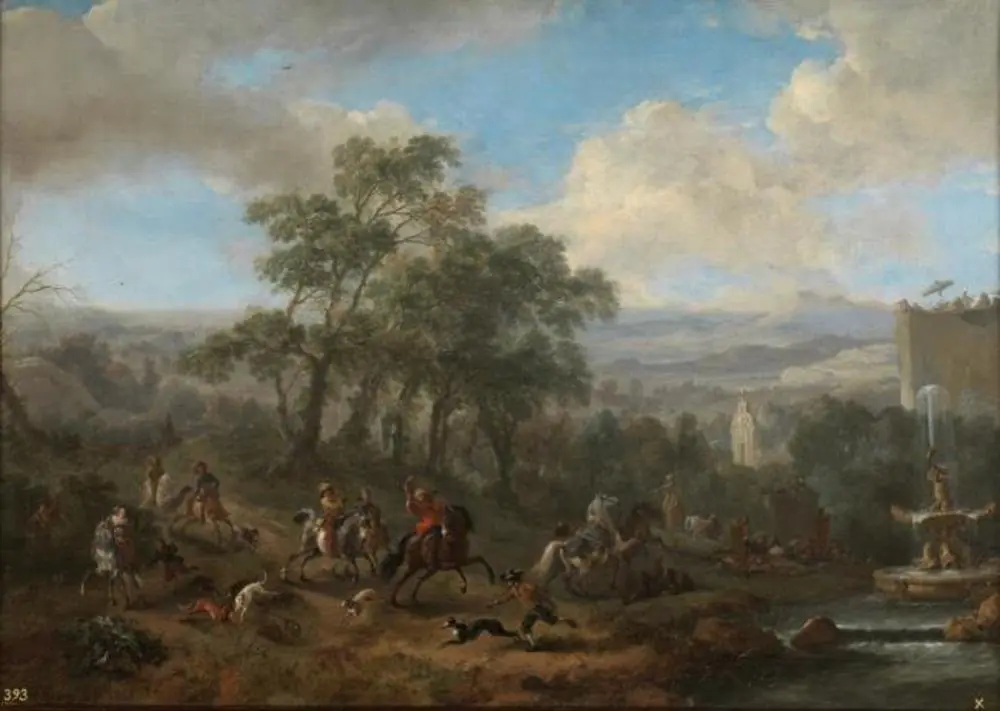
Painted in 1657 by Nicolaes Pieterszoon Berchem, this oil-on-canvas work depicts a dynamic scene of stag hunting in an idealized Italianate landscape.
Painted in 1657 by Nicolaes Pieterszoon Berchem, this oil-on-canvas work depicts a dynamic scene of stag hunting in an idealized Italianate landscape. Berchem, a prominent figure in the Dutch Golden Age, specialized in pastoral scenes infused with classical allusions. Though Dutch by birth, his style was shaped by Italian topography and light, reflecting a broader trend among Northern European artists who sought to merge local traditions with southern motifs.
Subject & Meaning
The painting portrays a group of hunters on horseback pursuing deer through a wooded terrain. While ostensibly a depiction of sport, the scene evokes classical themes of nobility and harmony with nature, common in Renaissance-inspired art. The hunters, dressed in 17th-century attire, are rendered with attention to movement and detail, suggesting both action and order. The stag, a symbol of vitality and wildness, contrasts with the controlled energy of the riders, hinting at the tension between human endeavor and natural forces.
Technique & Style
Berchem employed warm earth tones—browns, olives, and ochres—to convey depth and motion within the forested landscape. Brushwork is fluid, capturing the galloping horses and fleeing deer with a sense of immediacy. The sky, rendered in soft blues and whites, provides a luminous backdrop that enhances the atmospheric perspective. His technique reflects the Italianate tradition: idealized architecture is absent, but the composition balances naturalism with poetic structure, typical of his mature style.
History & Provenance
Created in the mid-17th century, the painting entered the collection of the National Gallery of Ireland at an unknown date, likely through private acquisition or bequest. Berchem’s works were widely collected in the Netherlands and beyond during his lifetime, and this piece aligns with the tastes of affluent patrons who favored pastoral scenes with mythological undertones. Its survival in good condition reflects its enduring appeal among collectors of Dutch landscape painting.
Context
Berchem belonged to a generation of Dutch artists who, after traveling to Italy, returned home to paint imagined Italianate vistas. These works catered to a market that prized exoticism and classical elegance. While real hunting was a privilege of the elite, such paintings transformed it into a refined, almost ceremonial act. The absence of violence and the emphasis on movement and landscape underscore the genre’s shift from documentation to aesthetic idealization.
Legacy
Berchem’s influence extended to later landscape painters in both the Netherlands and France, who adopted his compositional balance and atmospheric lighting. Though less celebrated today than contemporaries like Rembrandt, his ability to fuse natural observation with romanticized narrative helped define the Dutch Italianate style. This painting remains a representative example of how Northern European artists reimagined southern landscapes to suit domestic tastes and cultural aspirations.
Artist & collection
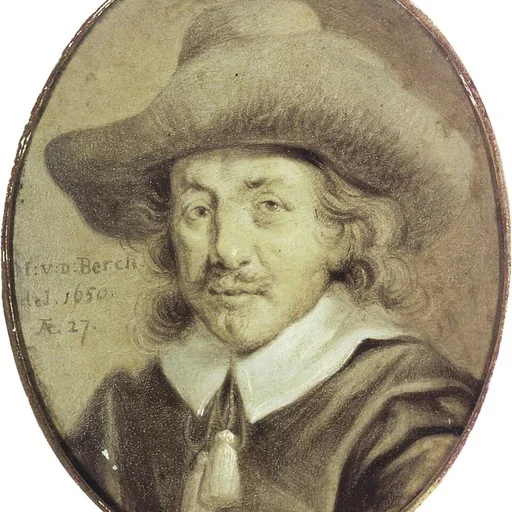
Artist
Nicolaes Pieterszoon Berchem (1 October 1620 – 18 February 1683) was a highly esteemed and prolific Dutch Golden Age painter of pastoral landscapes, populated with mythological or biblical figures, but also of a number of allegories and…