Artwork
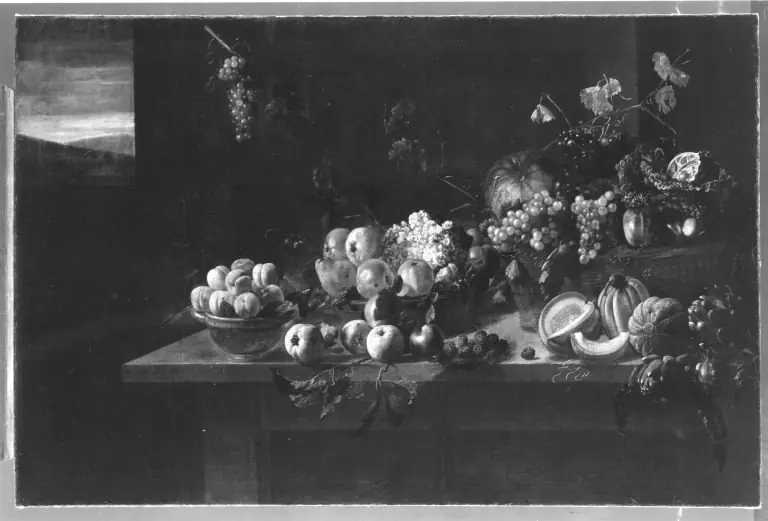
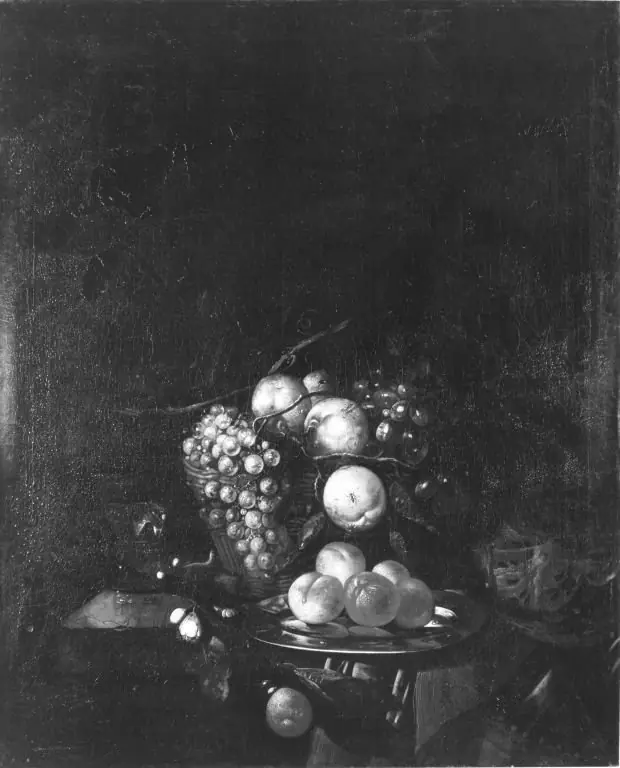
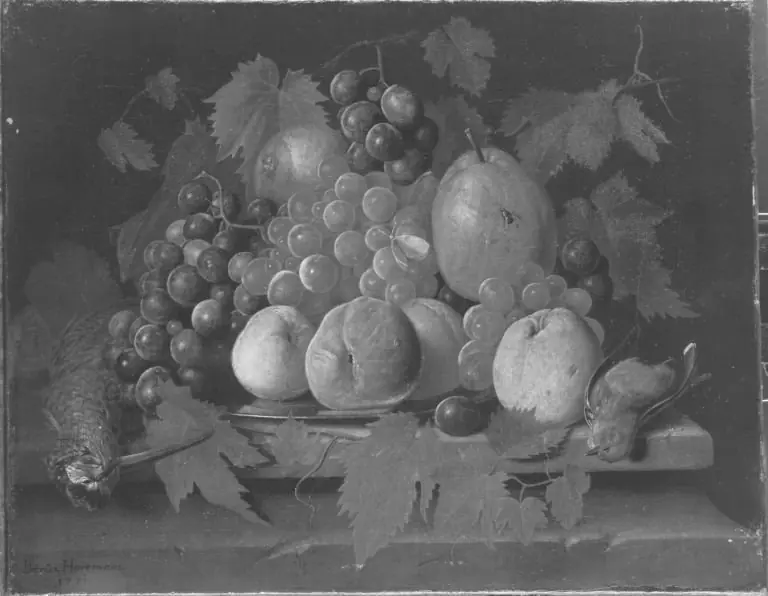
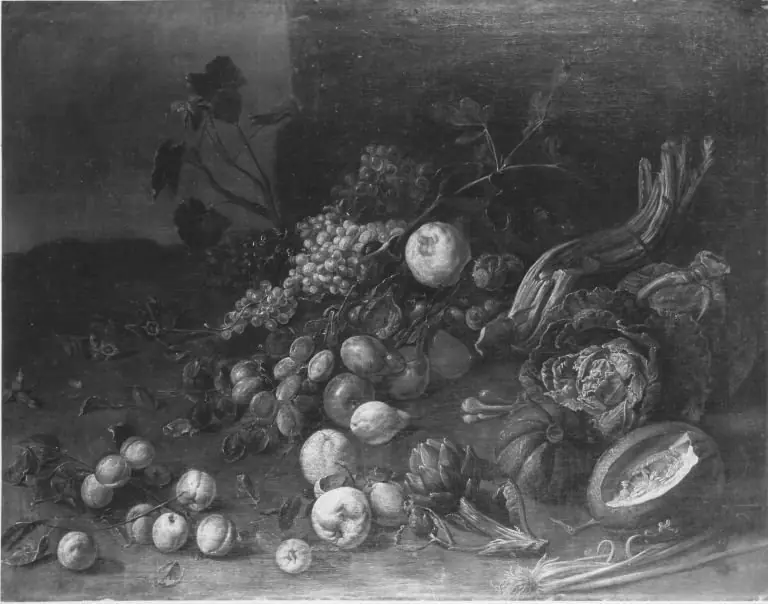
Früchtegirlande
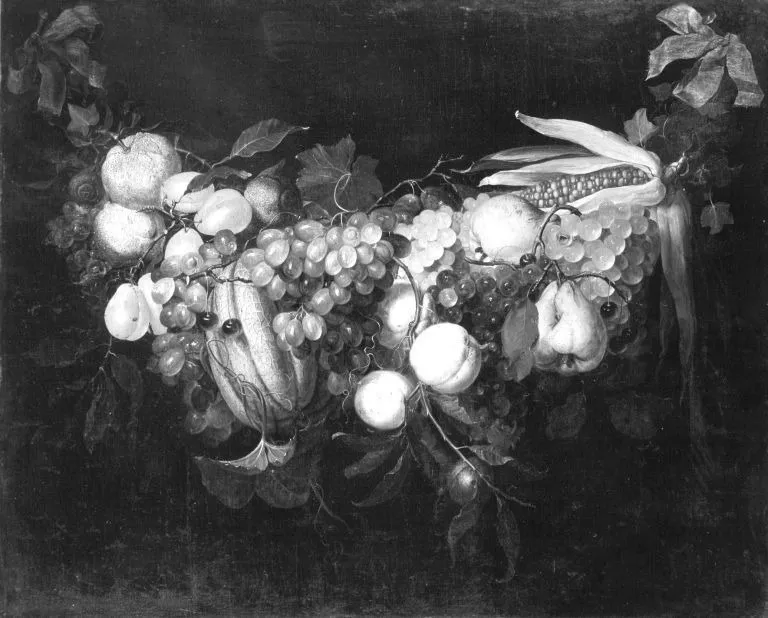
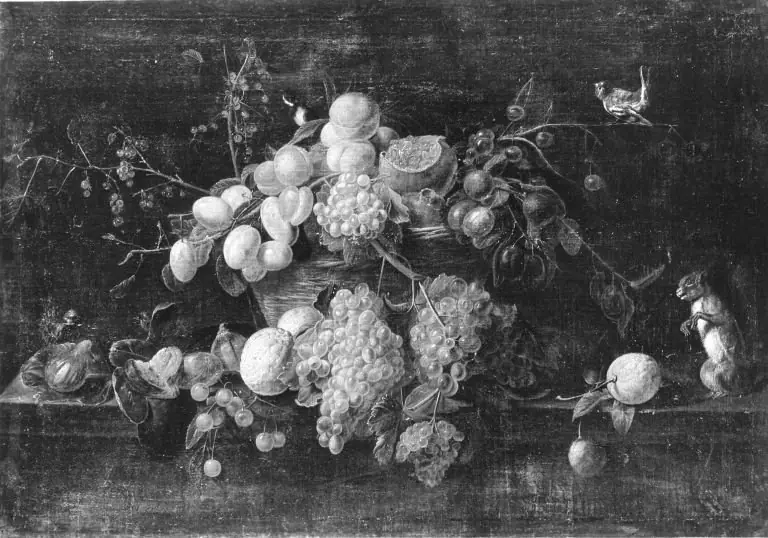
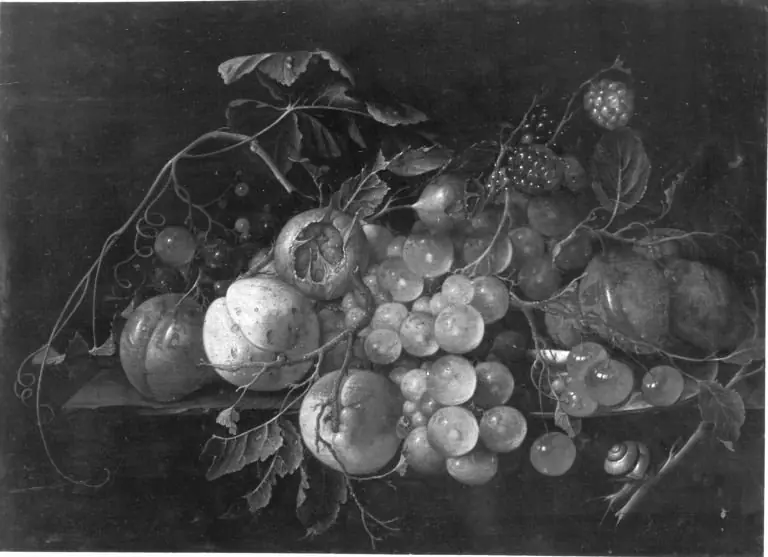
Früchtegirlande is an unspecified painting by the Dutch Golden Age artist Nicolaes van Gelder. It dates from 1661 and is held in the collection of the Bavarian State Painting Collections.
About this work
Overview
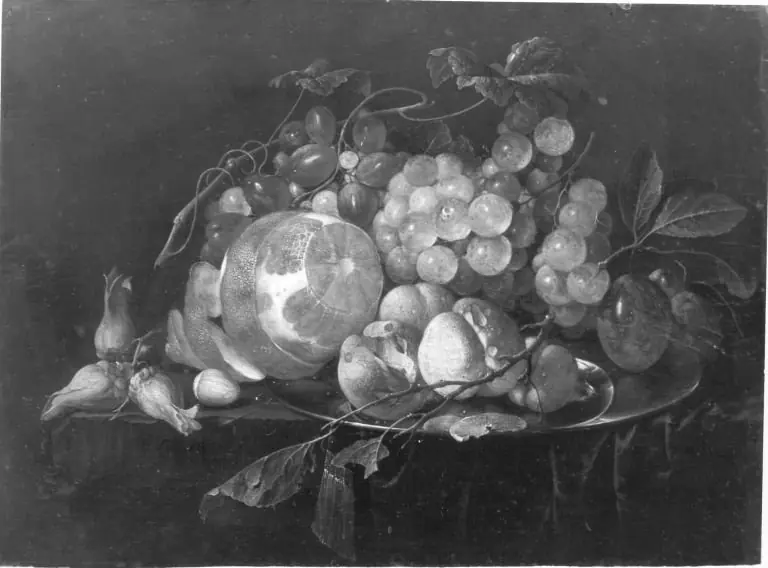
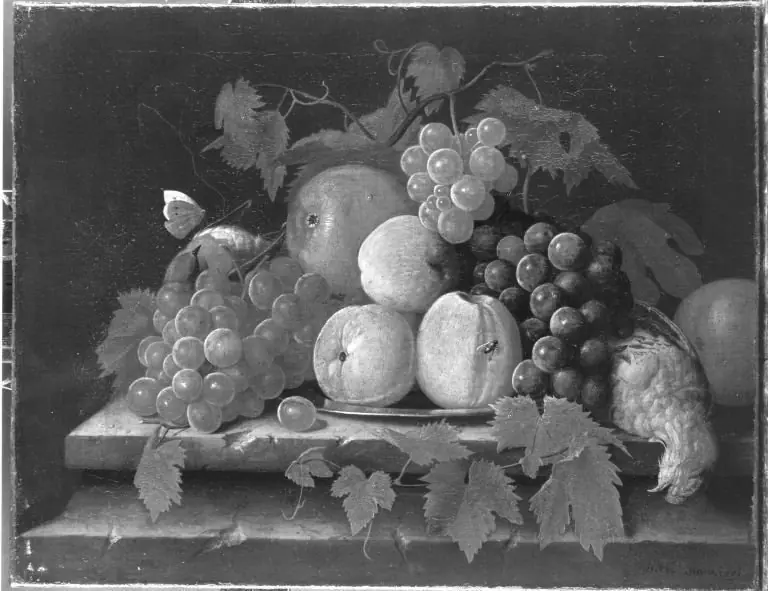
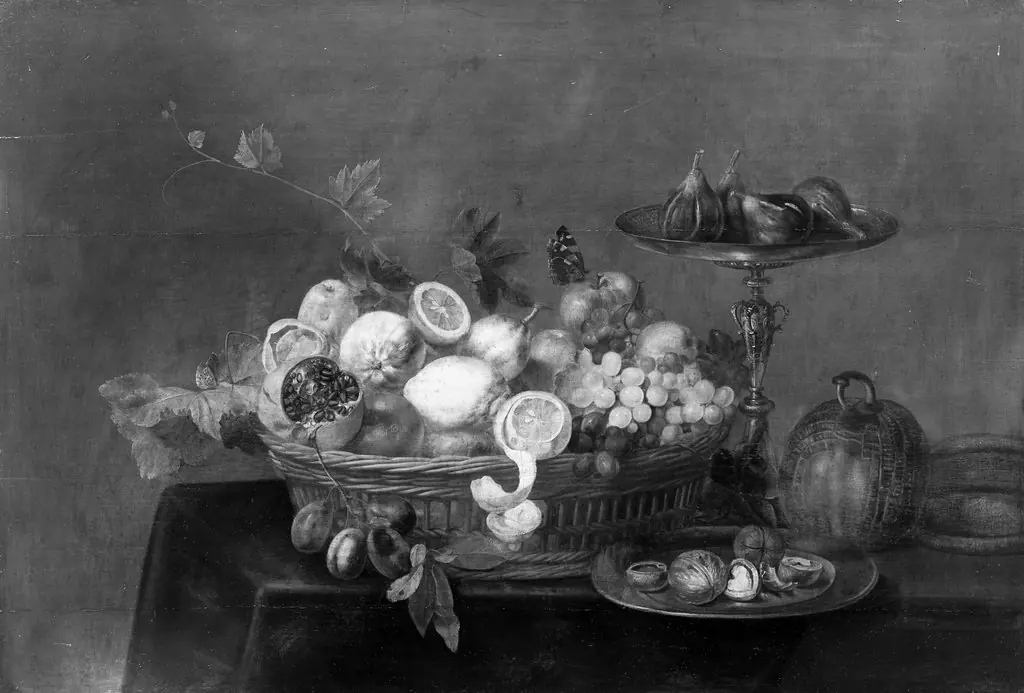
Created in 1661, *Früchtegirlande* is a Dutch still‑life painting that presents an abundant assortment of fruit and vegetables intertwined with leafy vines. The composition is dominated by vivid hues and a dense arrangement that draws the eye across the canvas, emphasizing the richness of the produce and the painter’s skill in rendering varied surfaces.
Subject & Meaning
The work depicts a celebratory garland of seasonal bounty, a common motif in 17th‑century Dutch art that alludes to abundance, the transience of material pleasures, and the careful observation of nature. By grouping diverse items—ripe fruits, fresh vegetables, and curling foliage—the artist invites contemplation of the sensory pleasures and the fleeting nature of harvest.
Technique & Style
Executed with meticulous brushwork, the painting showcases a keen attention to texture: the glossy skin of apples, the roughness of gourds, and the delicate sheen of leaves are rendered with subtle chiaroscuro. Van Gelder employs a balanced palette of saturated reds, yellows, and greens, while the interplay of light and shadow creates a three‑dimensional effect typical of Dutch Golden Age realism.
History & Provenance
Nicolaes van Gelder, a Leiden‑born painter trained under Pieter de Ring, produced the piece during a period of travel that included a stay in Stockholm in 1661, before later working in Copenhagen and Amsterdam. *Früchtegirlande* entered the collection of the Alte Pinakothek, where it remains part of the museum’s holdings of 17th‑century Dutch still lifes.
Artist & collection
Artist
Nicolaes van Gelder or Claes Gelder (1636 – 1676) was a Dutch Golden Age painter.