Artwork
Stillleben (?)
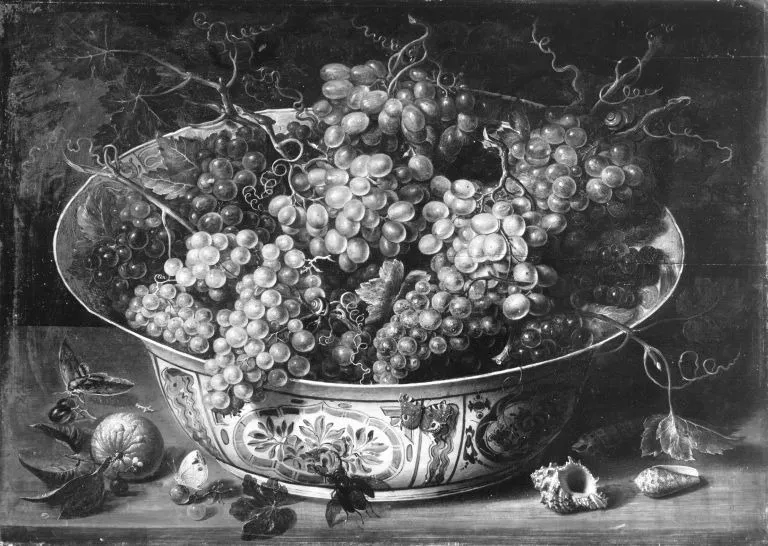
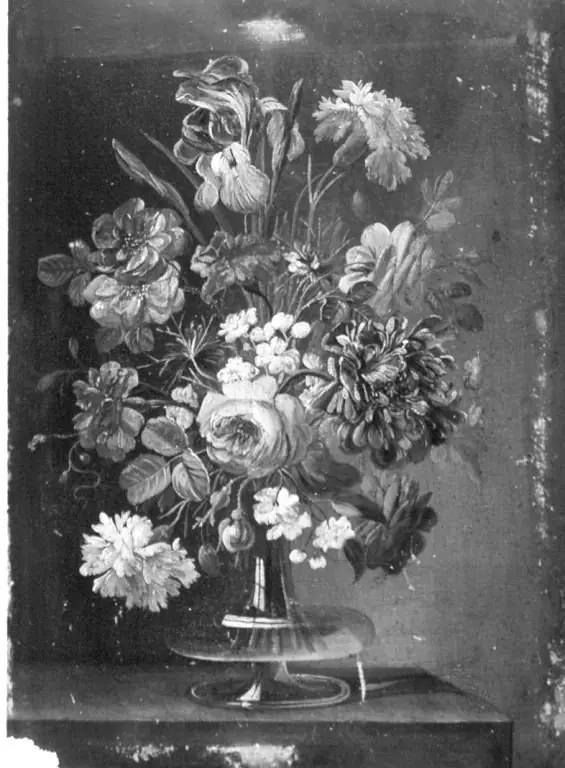
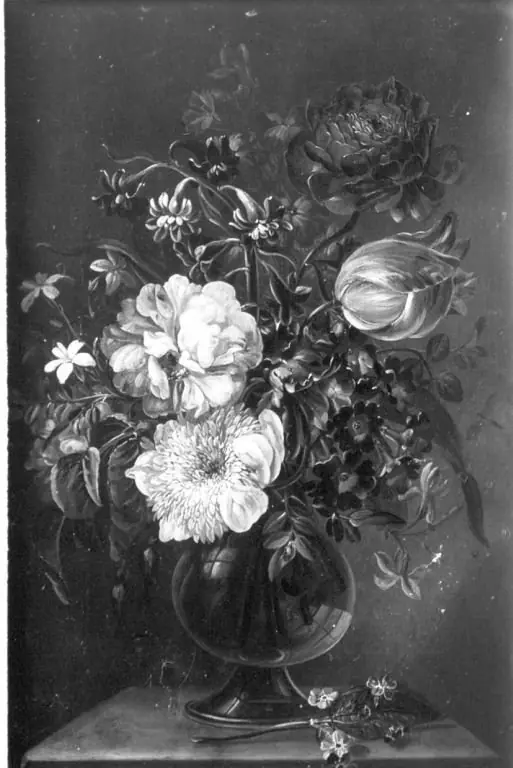
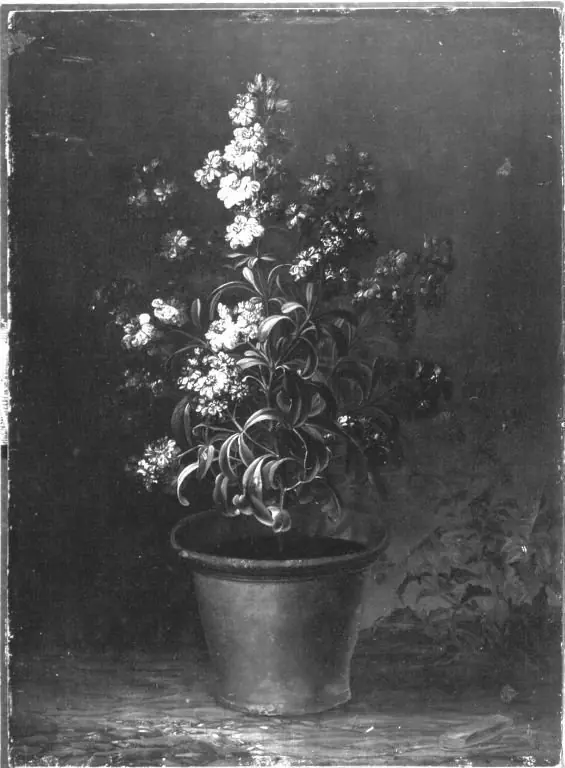
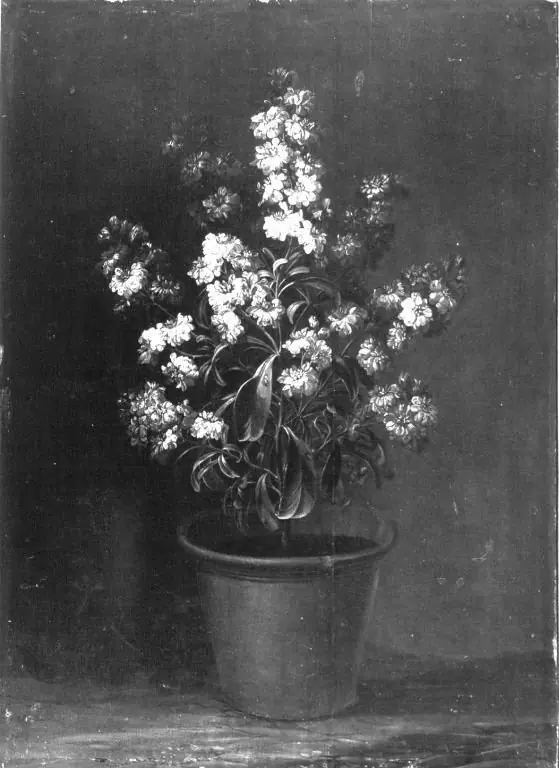
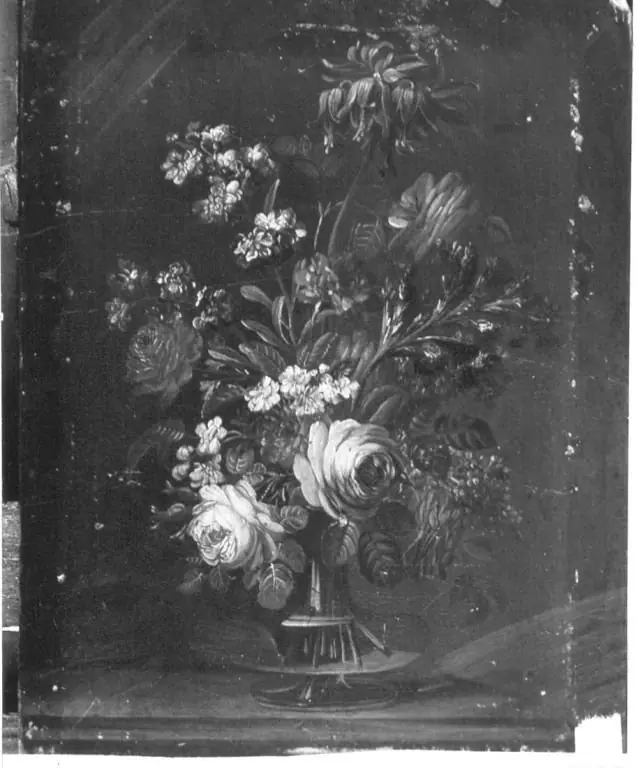
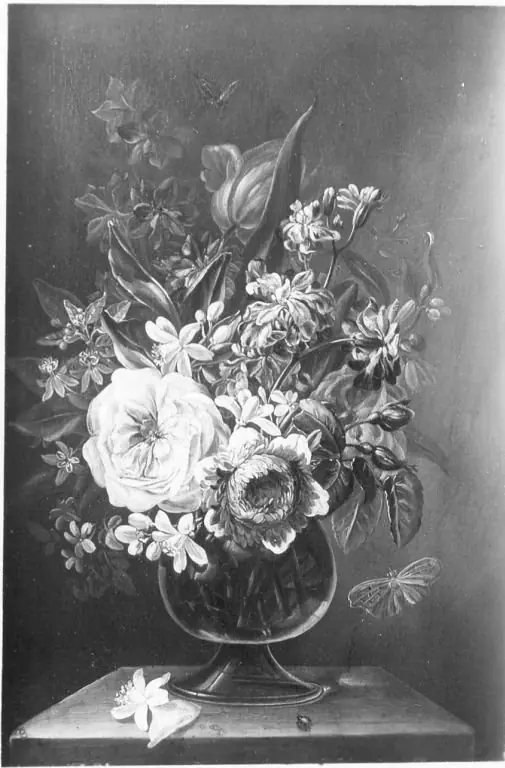
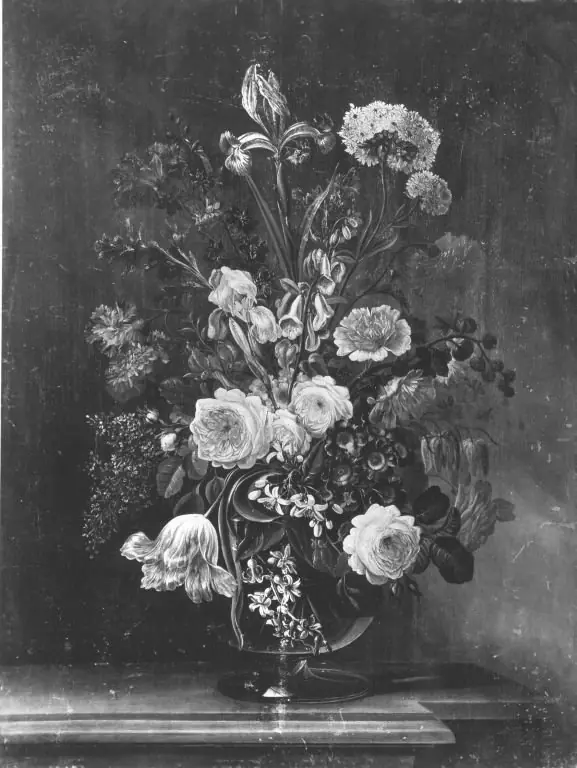
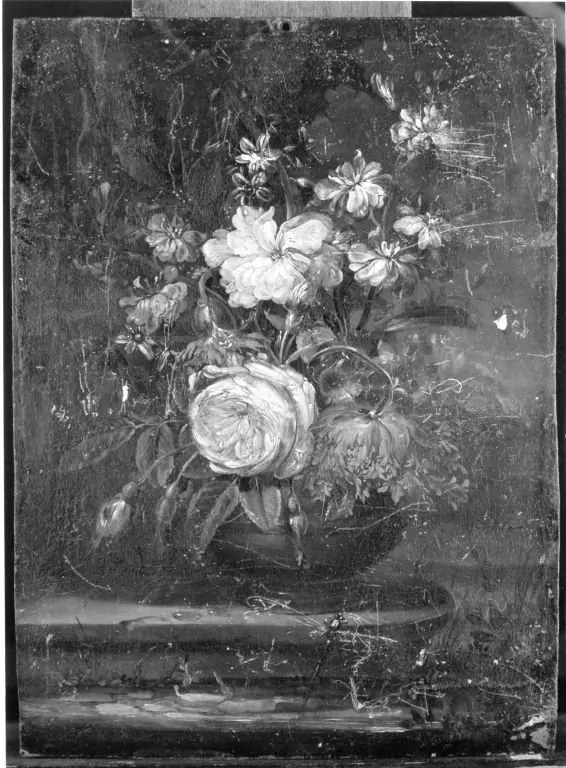
Stillleben (?) is an oil painting by the Rococo painting artist Jan Kašpar Hirschely. It dates from 1719 and is held in the collection of the Bavarian State Painting Collections.
About this work
Overview
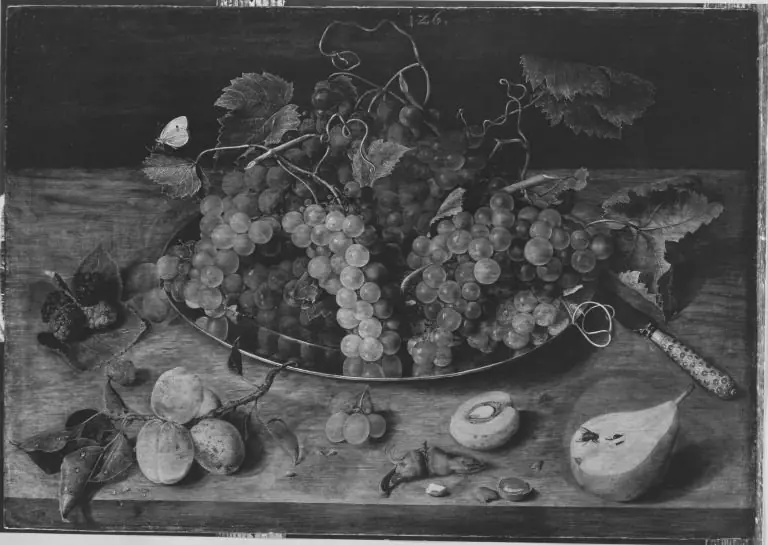
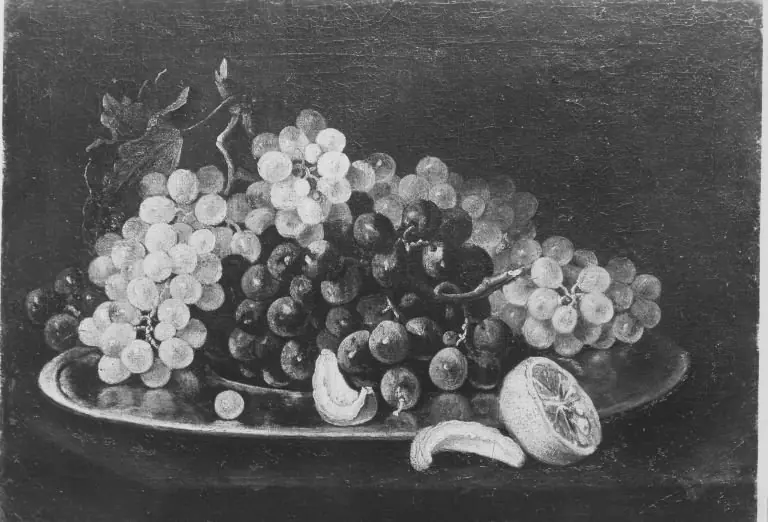
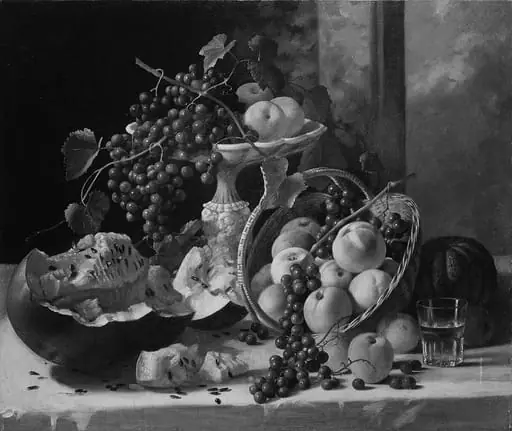
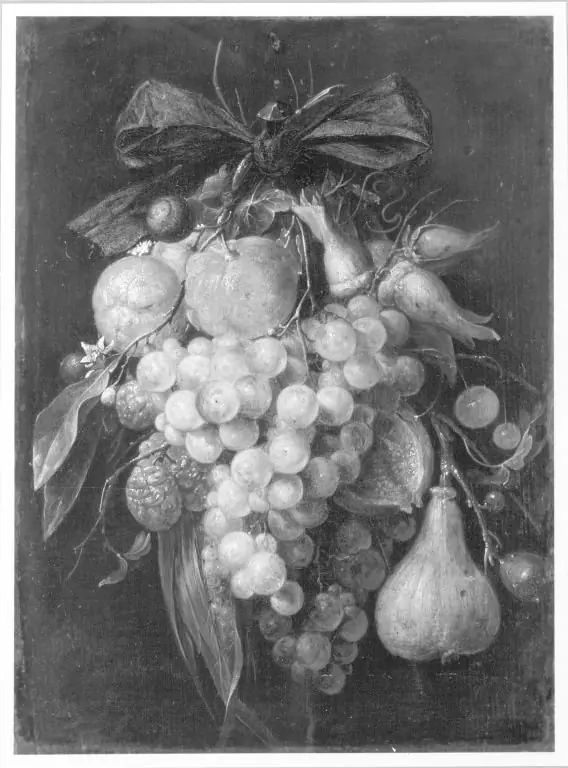
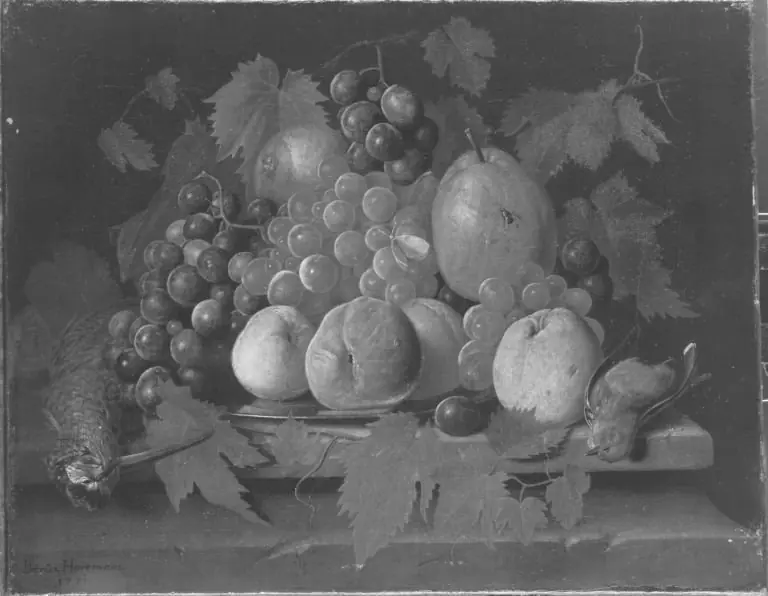
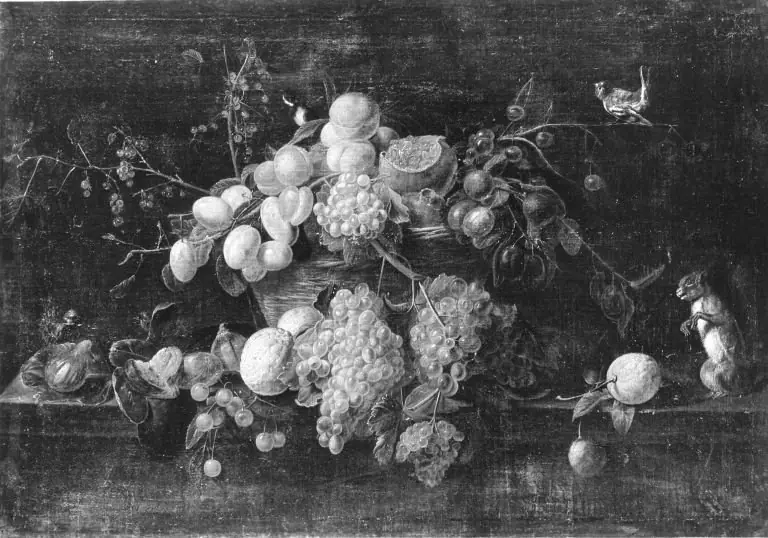
Central to the work is an oversized bowl brimming with ripe grapes, its surface adorned with elaborate ornamental motifs.
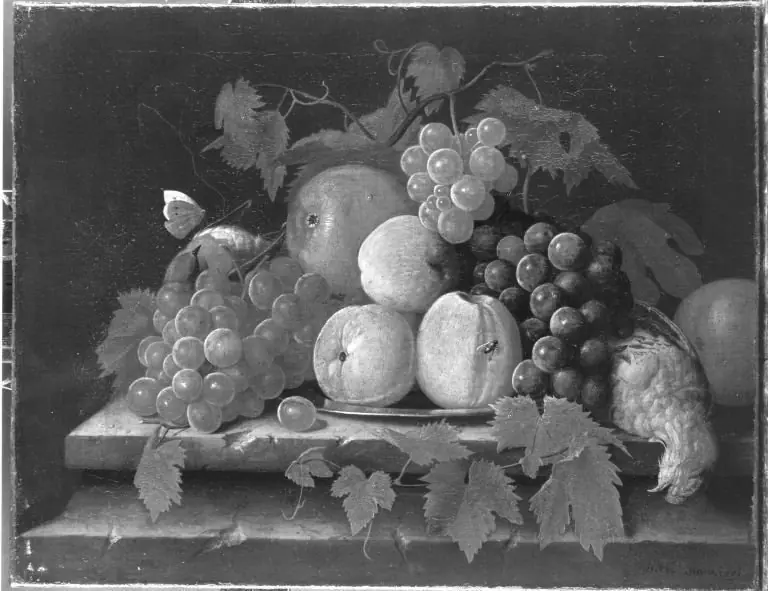
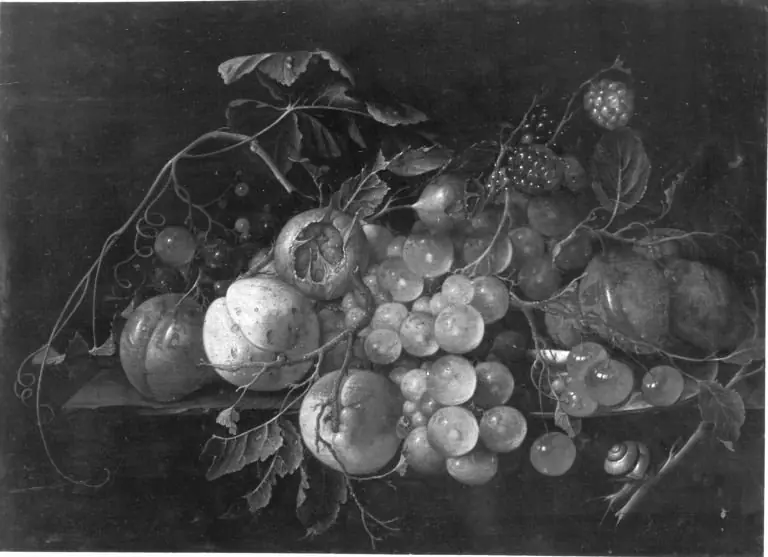
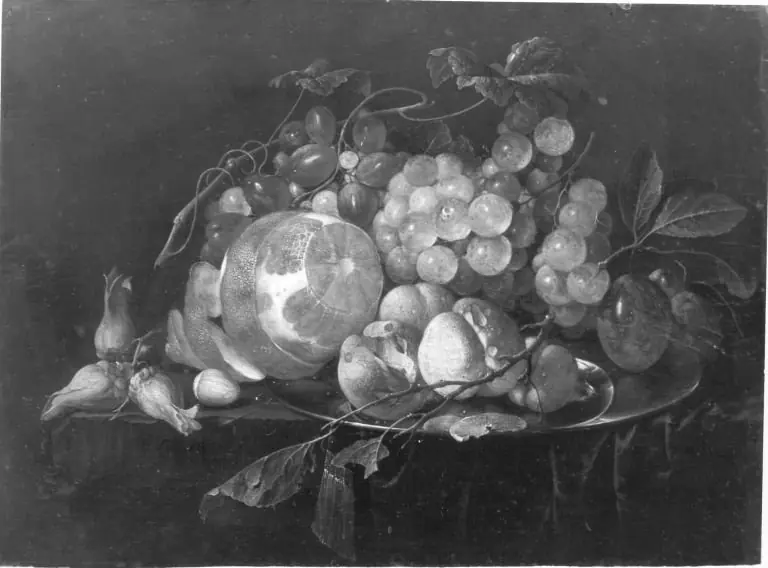
Jan Kašpar Hirschely’s 1719 oil painting presents a meticulously arranged still‑life composition. Central to the work is an oversized bowl brimming with ripe grapes, its surface adorned with elaborate ornamental motifs. The scene unfolds on a plain wooden tabletop, surrounded by an assortment of natural elements such as foliage, shells and additional fruit, all rendered with precise attention to texture and form.
Subject & Meaning
The arrangement emphasizes abundance and the tactile qualities of everyday objects, inviting contemplation of the fleeting nature of fruit and the sensory pleasure of material richness. The inclusion of shells and leaves alongside the grapes suggests a broader study of natural diversity, while the overflowing bowl may allude to themes of generosity or the transitory bounty of harvest.
Technique & Style
Hirschely employs a nuanced handling of light and shadow that creates a subtle chiaroscuro effect, giving the grapes and decorative bowl a three‑dimensional presence. A restrained yet varied palette enhances the sense of depth, while fine brushwork captures the glossy skin of the grapes and the intricate patterns on the vessel, demonstrating the artist’s skill in rendering surface detail.
History & Provenance
Created in the early eighteenth century, the work entered the collection of the Alte Pinakothek, where it remains on display. Its attribution to Hirschely, a Bohemian painter active in the Baroque period, is supported by stylistic analysis and archival records linking the piece to his known oeuvre.
Context
The painting belongs to the broader tradition of Central European still‑life painting, which often combined meticulous natural observation with decorative ornamentation. In the early 1700s, such works served both as displays of technical virtuosity and as didactic reminders of the impermanence of material wealth, reflecting contemporary artistic and cultural concerns.
Artist & collection