Artwork
Still life
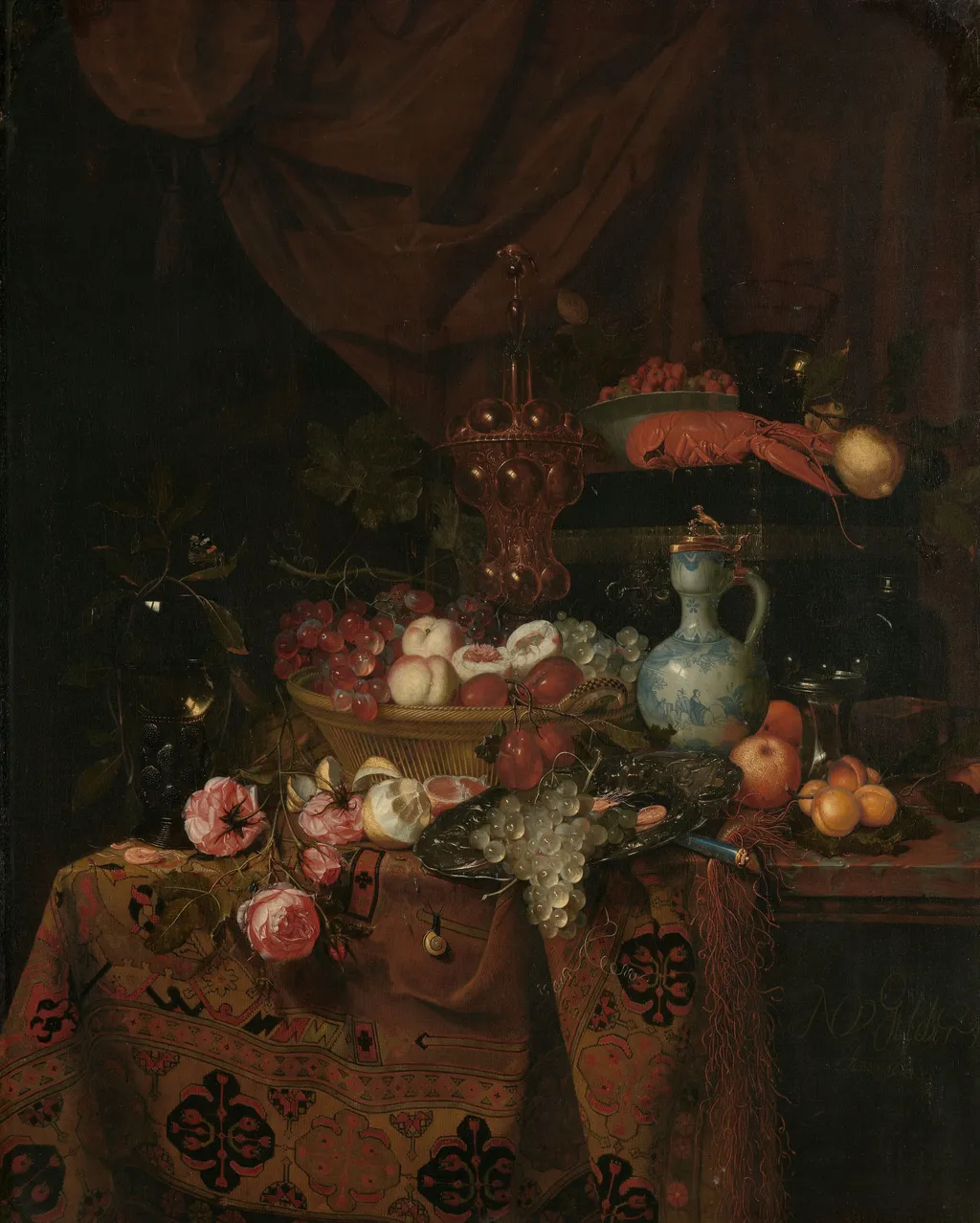
Still life is an oil painting by the Dutch Golden Age artist Nicolaes van Gelder. It dates from 1664 and is held in the collection of the Rijksmuseum.
About this work
Overview
Nicolaes van Gelder’s *Still life* (1664) is an oil painting that exemplifies the Dutch Golden Age’s fascination with domestic abundance. Executed on canvas, the work presents a modest banquet scene arranged on a patterned tablecloth, inviting viewers to observe everyday luxury through a carefully composed tableau.
Subject & Meaning
The composition gathers a selection of ripe fruit—peaches, plums, grapes, and apples—alongside a blue‑and‑white vase, a metal pitcher, a lobster on a plate, and a few pink roses. The assortment reflects the period’s interest in the transience of nature and the wealth of trade, while the subdued lighting suggests an intimate, interior moment.
Technique & Style
Van Gelder employs a refined chiaroscuro, allowing light to strike certain surfaces while casting deep shadows elsewhere. This contrast enhances the tactile quality of the objects, rendering the skin of the fruit, the sheen of metal, and the softness of petals with a near‑photographic realism characteristic of his training under Pieter de Ring.
History & Provenance
Born in Leiden, van Gelder studied with de Ring before establishing his own reputation for still‑life paintings. *Still life* entered the Rijksmuseum’s collection, where it remains part of the institution’s representation of mid‑17th‑century Dutch art, illustrating the artist’s contribution to the genre.
Context
The painting belongs to a broader Dutch tradition that celebrated material prosperity through detailed renderings of food and tableware. Such works often served both decorative and moral purposes, reminding viewers of the fleeting nature of earthly pleasures amidst the prosperity of the Golden Age.
Own this work as a print
Artist & collection
Artist
Nicolaes van Gelder or Claes Gelder (1636 – 1676) was a Dutch Golden Age painter.

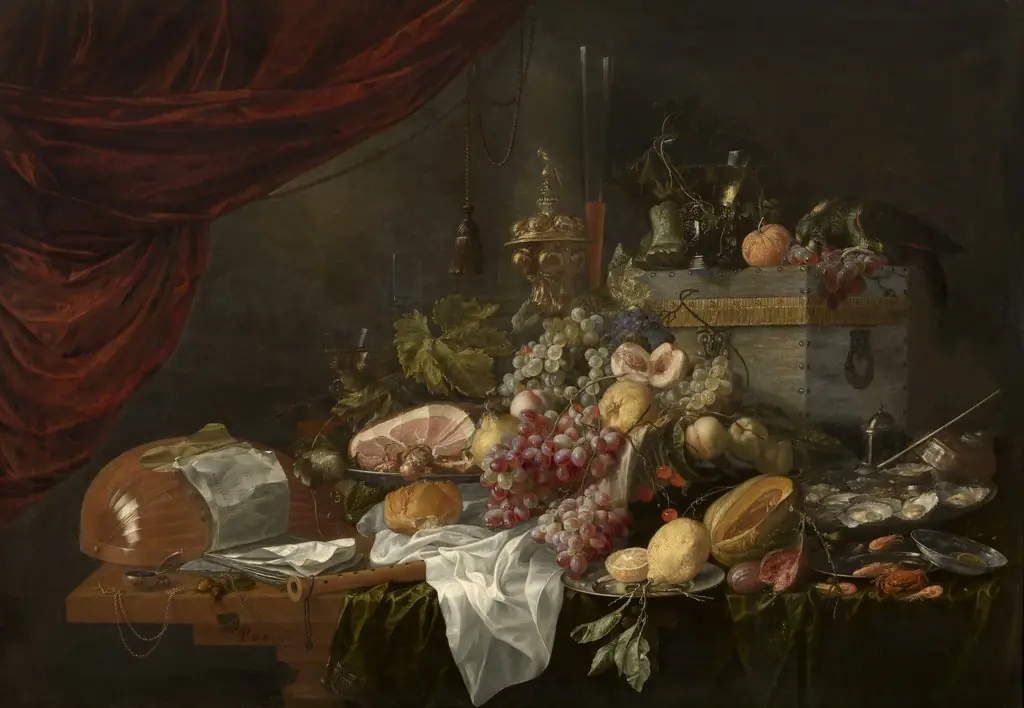 Still Life
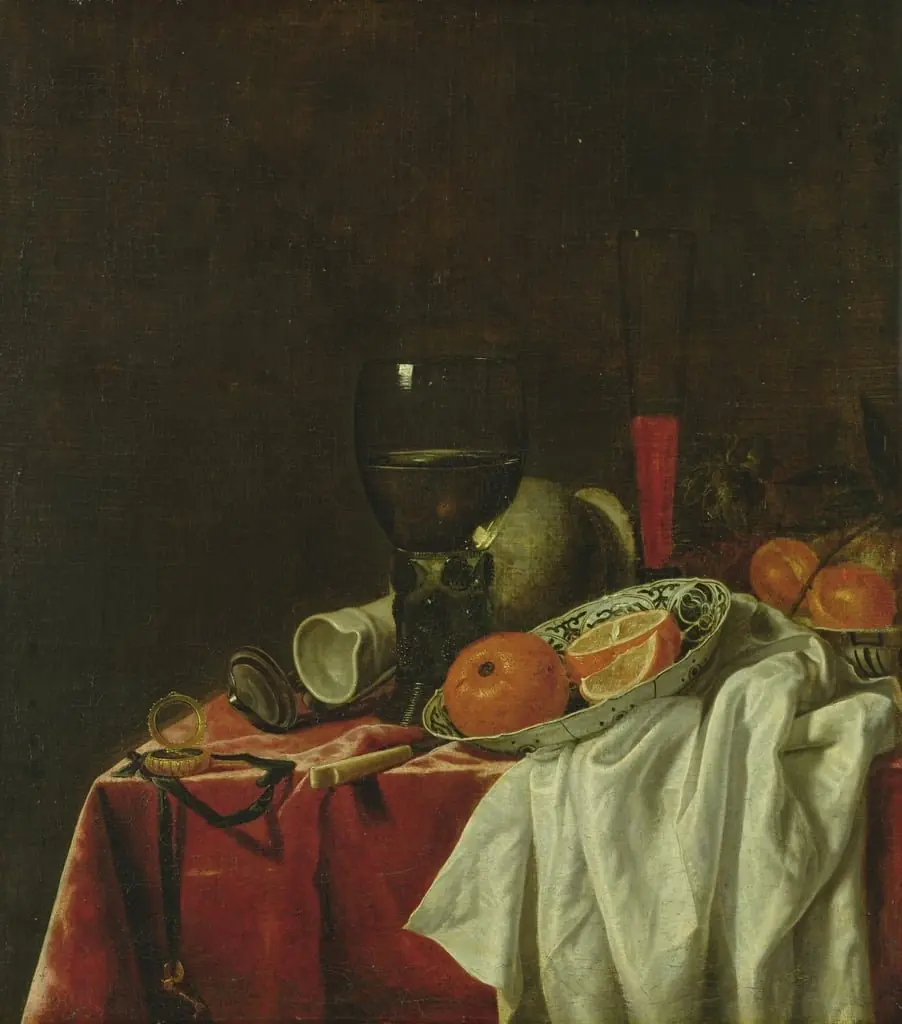 Still Life
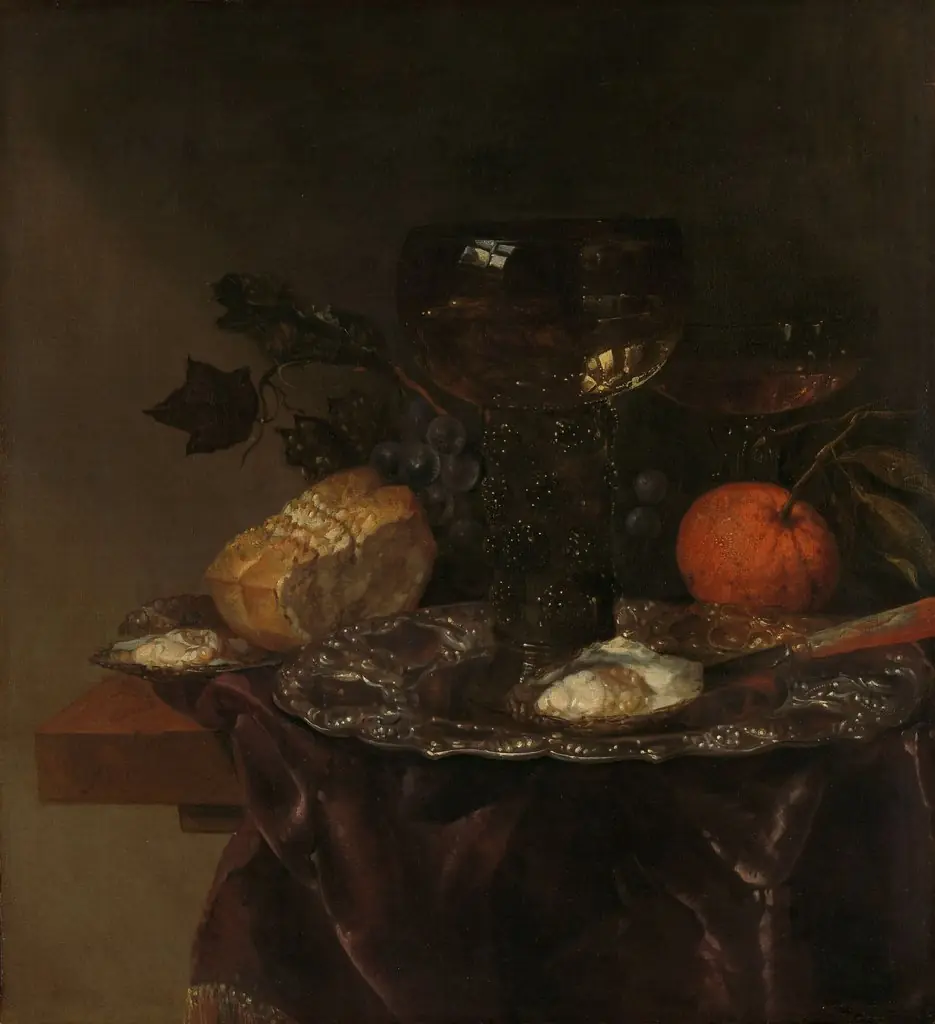 Still life
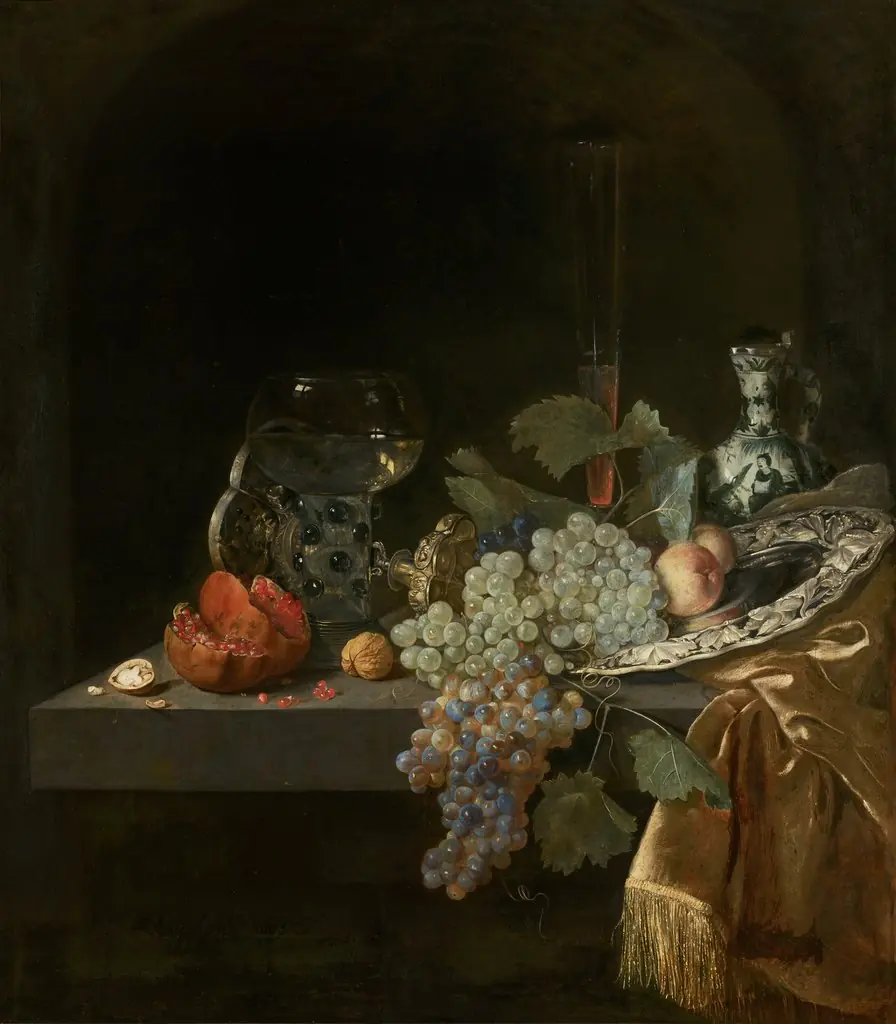 Still life
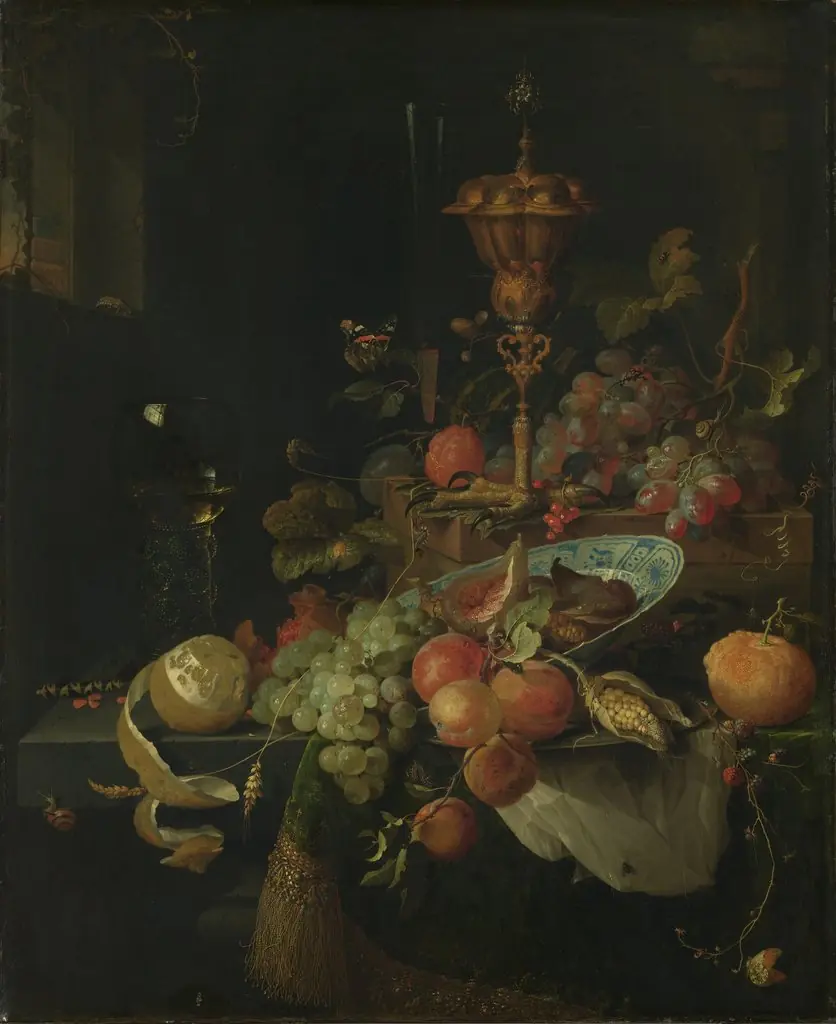 Still life with fruit and a beaker on a cock's foot
 Still Life with Fruit and a Beaker on a Cock's Foot
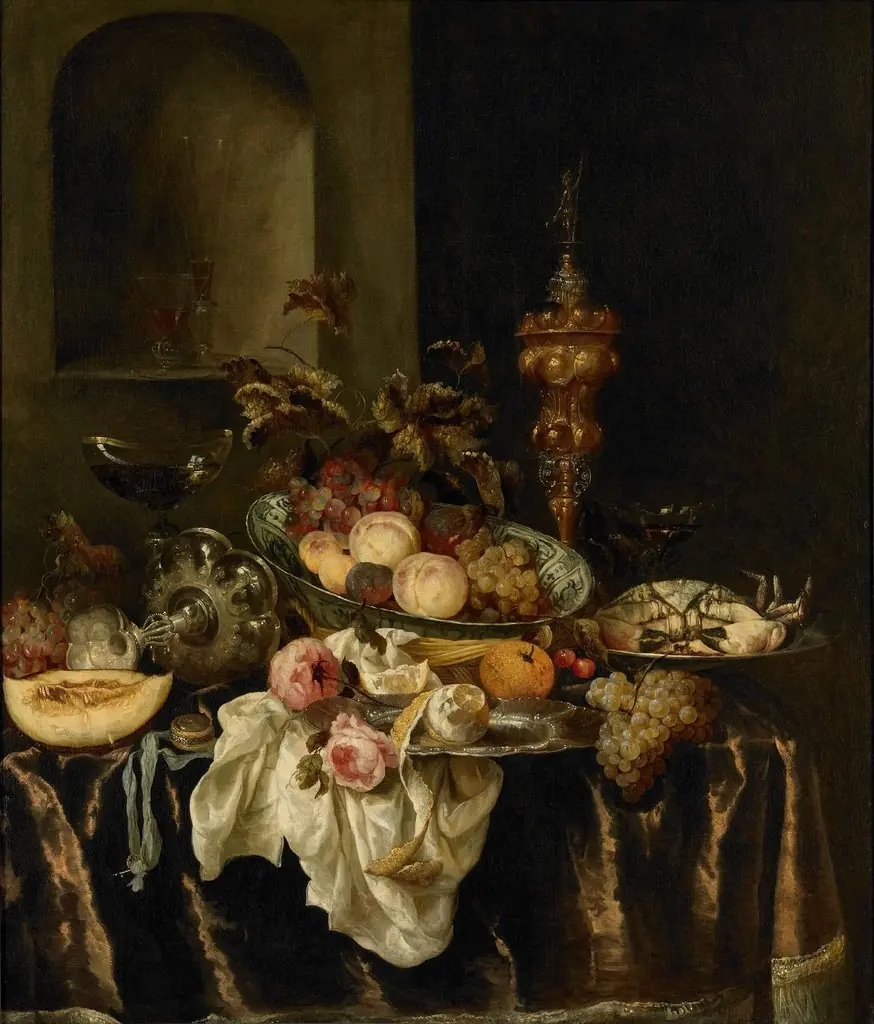 Stille life
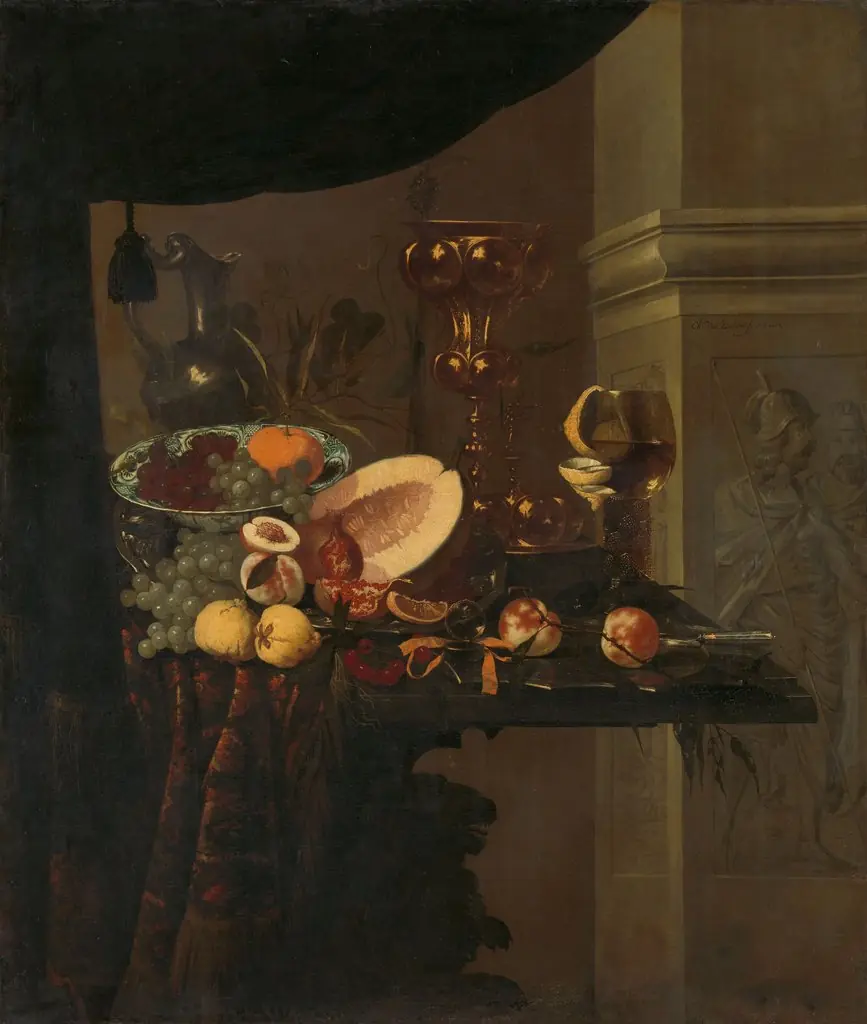 Still Life
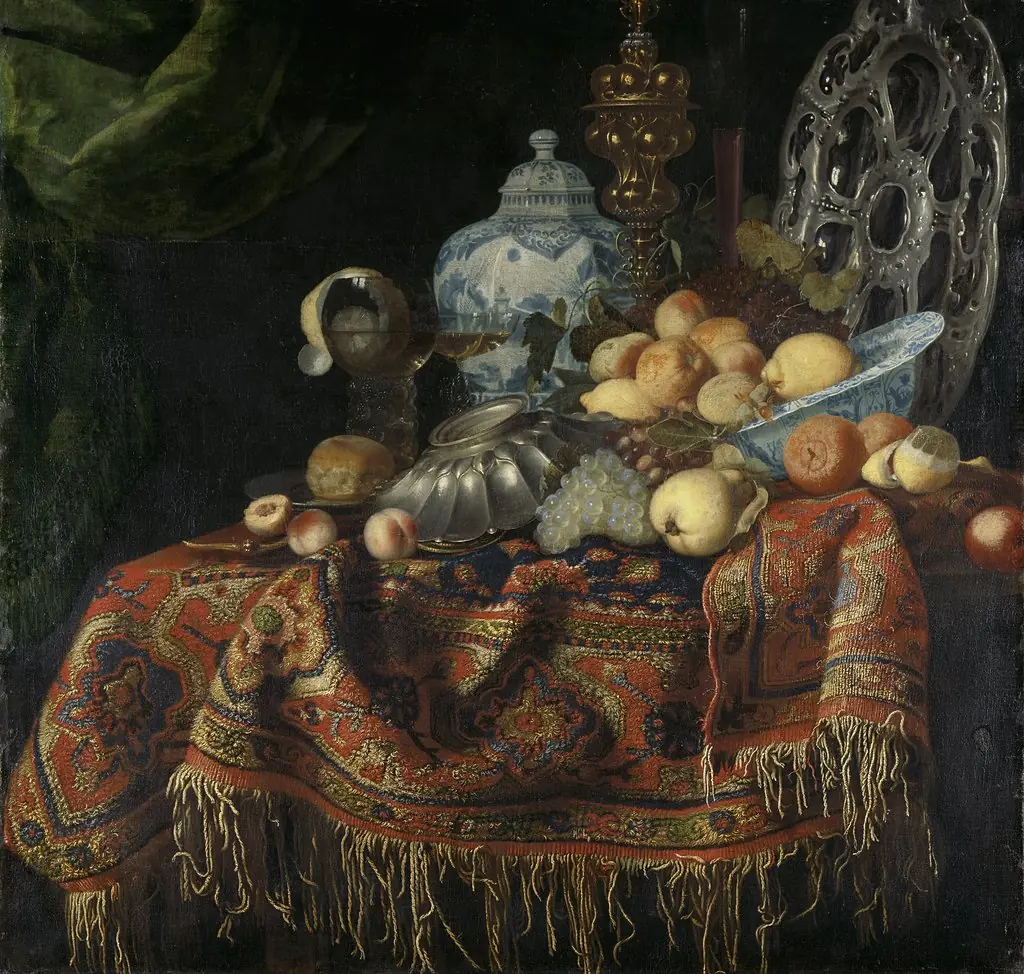 Still Life with Fruit, Plates and Dishes on a Turkey Carpet
 Still Life with Fruit, Plates and Dishes on a Turkey Carpet
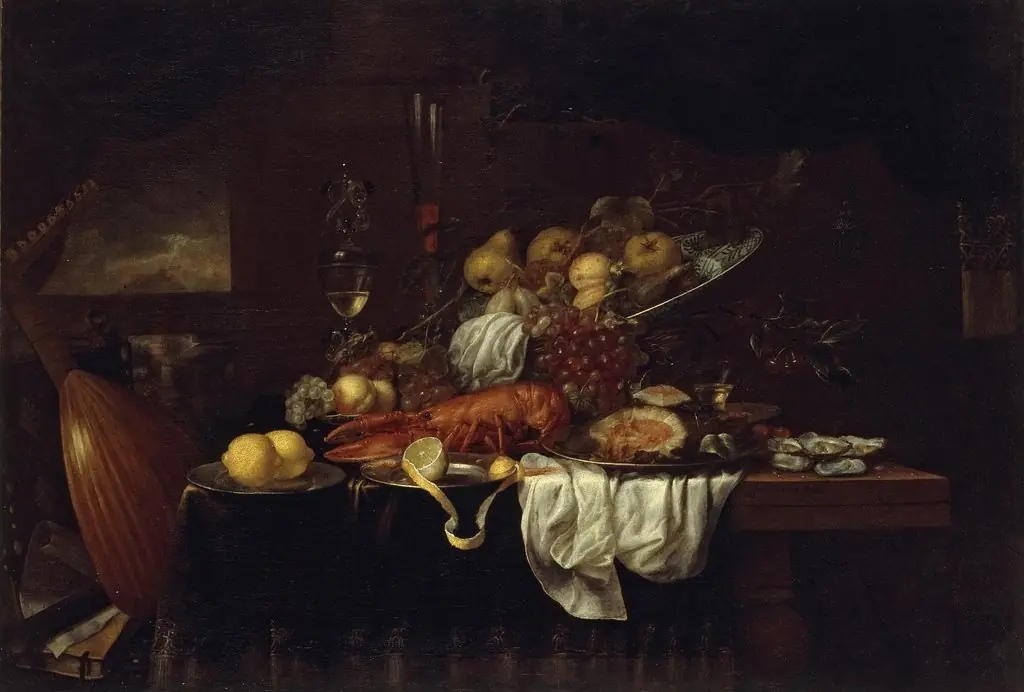 Lobster, Oysters and Fruits on the Table
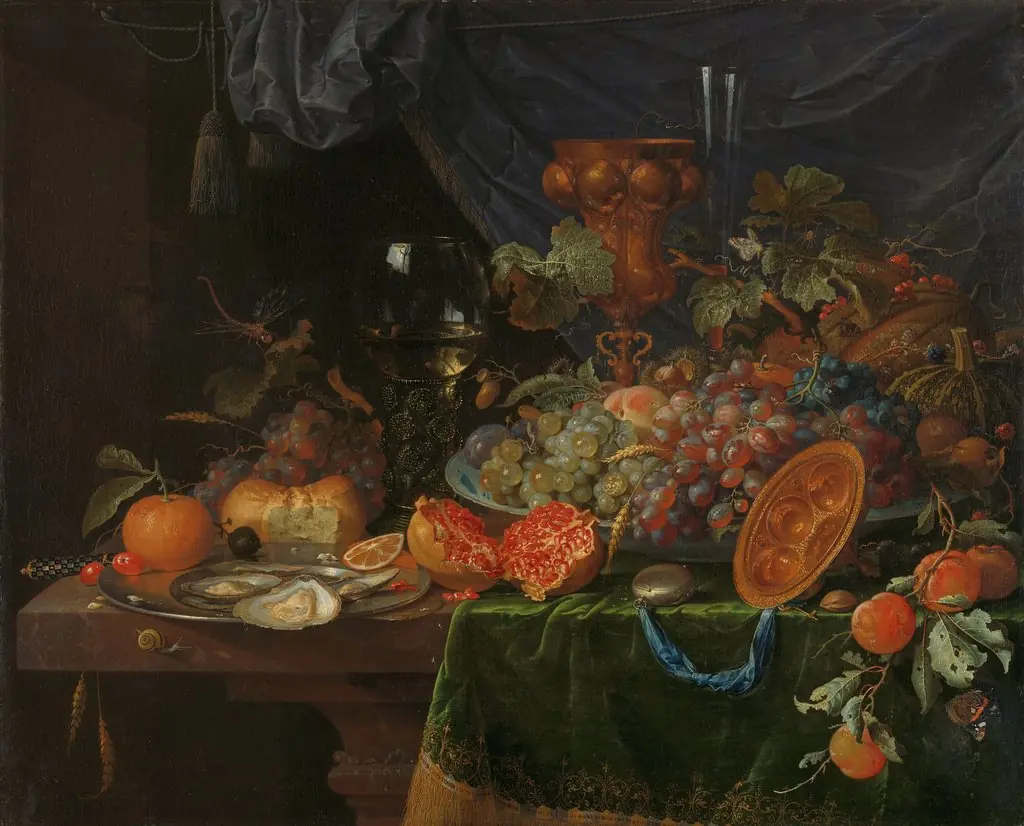 Still life with fruit and oysters