Artwork
Portrait of Pierre Cadeau de Mongazon (1687–1763)
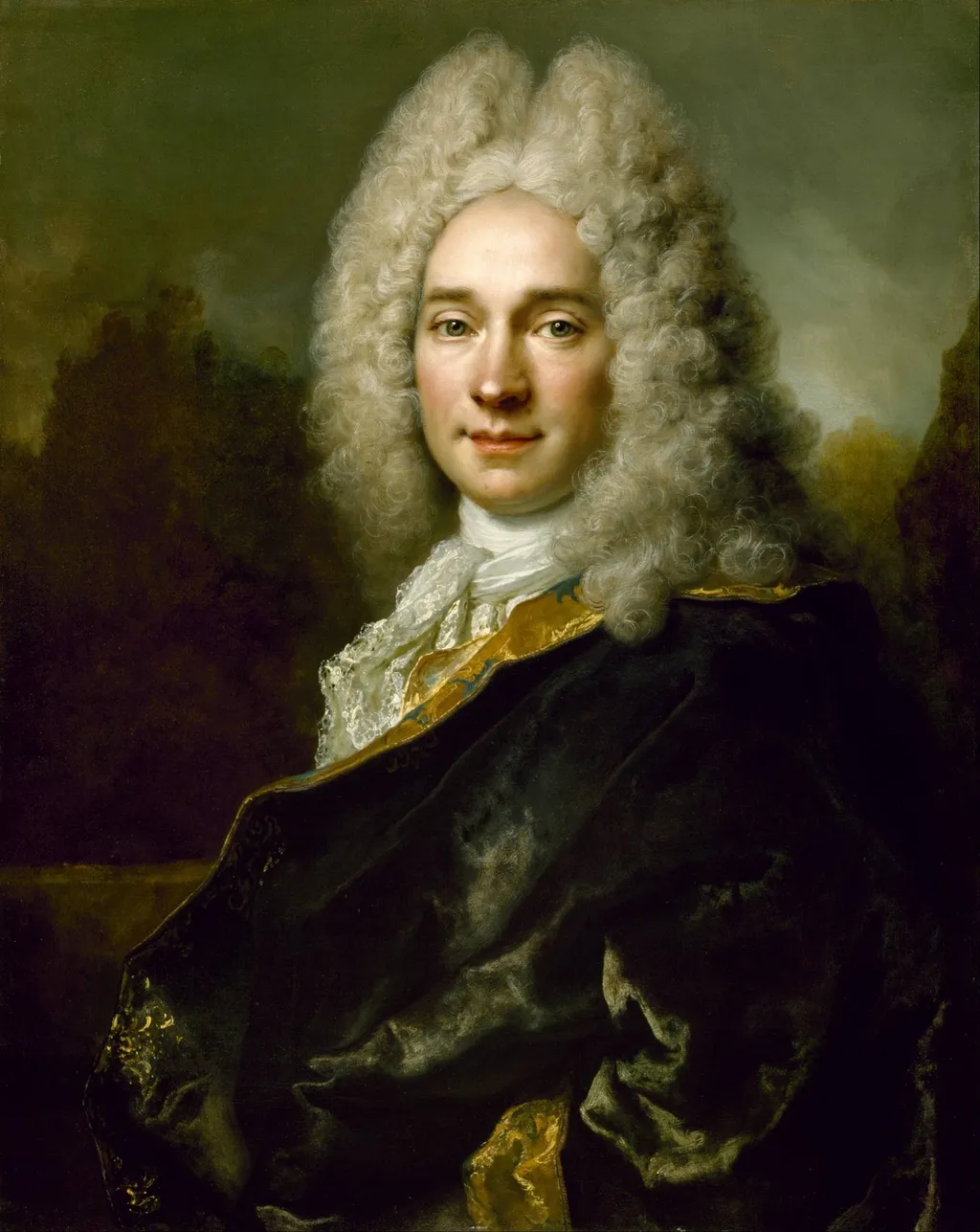
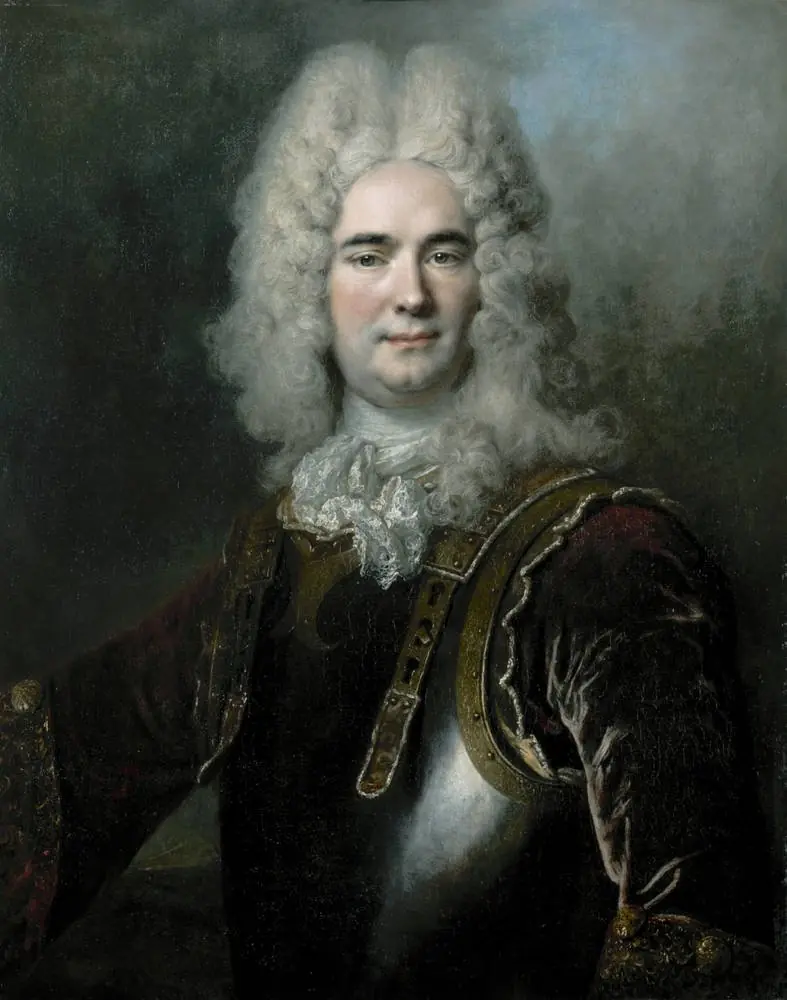
Portrait of Pierre Cadeau de Mongazon (1687–1763) is an oil painting by the Rococo painting artist Nicolas de Largillière. It dates from 1720 and is held in the collection of the Museum of Fine Arts, Houston.
About this work
Overview
Painted in 1720 by Nicolas de Largillière, this oil portrait captures Pierre Cadeau de Mongazon, a French nobleman of the early 18th century.
Painted in 1720 by Nicolas de Largillière, this oil portrait captures Pierre Cadeau de Mongazon, a French nobleman of the early 18th century. The work reflects the refined portraiture style of the period, blending naturalism with the elegance favored by the French aristocracy. It is part of the Museum of Fine Arts, Houston’s collection, where it remains a representative example of Largillière’s skill in rendering character through subtle expression and controlled lighting.
Subject & Meaning
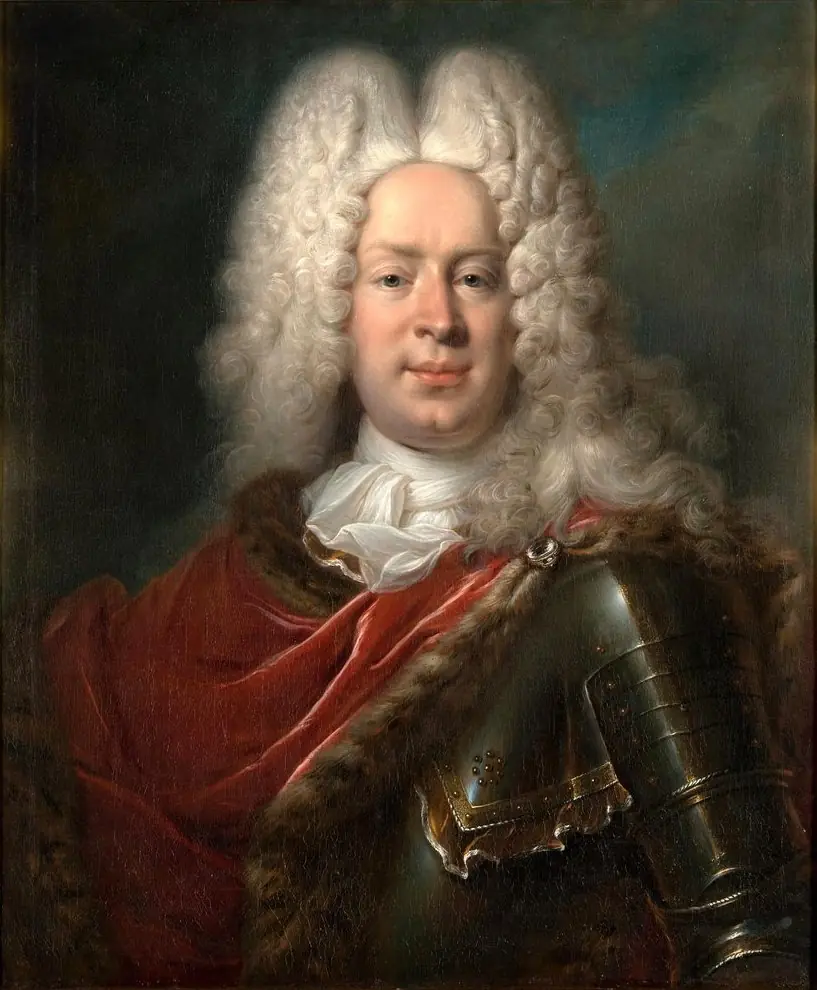
Pierre Cadeau de Mongazon is depicted with quiet dignity, his expression neither overly formal nor relaxed. The slight smile and direct gaze suggest a composed individual aware of his social standing, yet approachable. His attire—black coat with gold trim, lace collar, and cravat—signals wealth and refinement without ostentation. The portrait functions less as a display of power and more as an intimate record of personal presence within the context of aristocratic identity.
Technique & Style
Largillière employs chiaroscuro to model the sitter’s face and garments, giving them tangible volume against a muted, dark background. The contrast between the rich textures of the coat and the delicate transparency of the lace highlights his command of material detail. Brushwork is precise yet fluid, avoiding the theatricality of Baroque portraiture while retaining a sense of lifelike presence. The restrained palette and soft transitions reflect Rococo tendencies toward subtlety over grandeur.
History & Provenance
Commissioned during Largillière’s mature period, the portrait was likely created for private display within Mongazon’s household. It remained in French private collections until entering the Museum of Fine Arts, Houston’s holdings in the 20th century. Documentation of its early ownership is limited, but its condition and stylistic coherence suggest it was well cared for and never significantly altered after its completion.
Context
In early 18th-century France, portraiture served as both personal commemoration and social affirmation. Largillière, a leading portraitist of his time, catered to the nobility and bourgeoisie who sought to project cultivated refinement. This work aligns with broader trends in French painting that favored naturalism over idealization, reflecting a shift toward psychological nuance and quiet elegance in aristocratic representation.
Legacy
Though not among Largillière’s most widely reproduced works, this portrait exemplifies his ability to convey individuality through restrained means. It contributes to the understanding of how French portraiture evolved from the formality of Louis XIV’s court toward the more personal expressions of the Rococo era. Its preservation in a major American museum ensures continued study of 18th-century French visual culture beyond Parisian centers.
Own this work as a print
Artist & collection
Artist
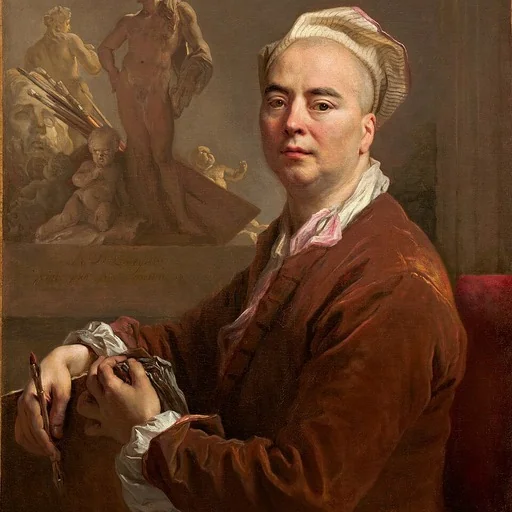
Nicolas de Largillière (French: ; baptised 10 October 1656 – 20 March 1746) was a French painter and draughtsman. From 1733 until 1735, he was director of the Académie de Peinture et de Sculpture.

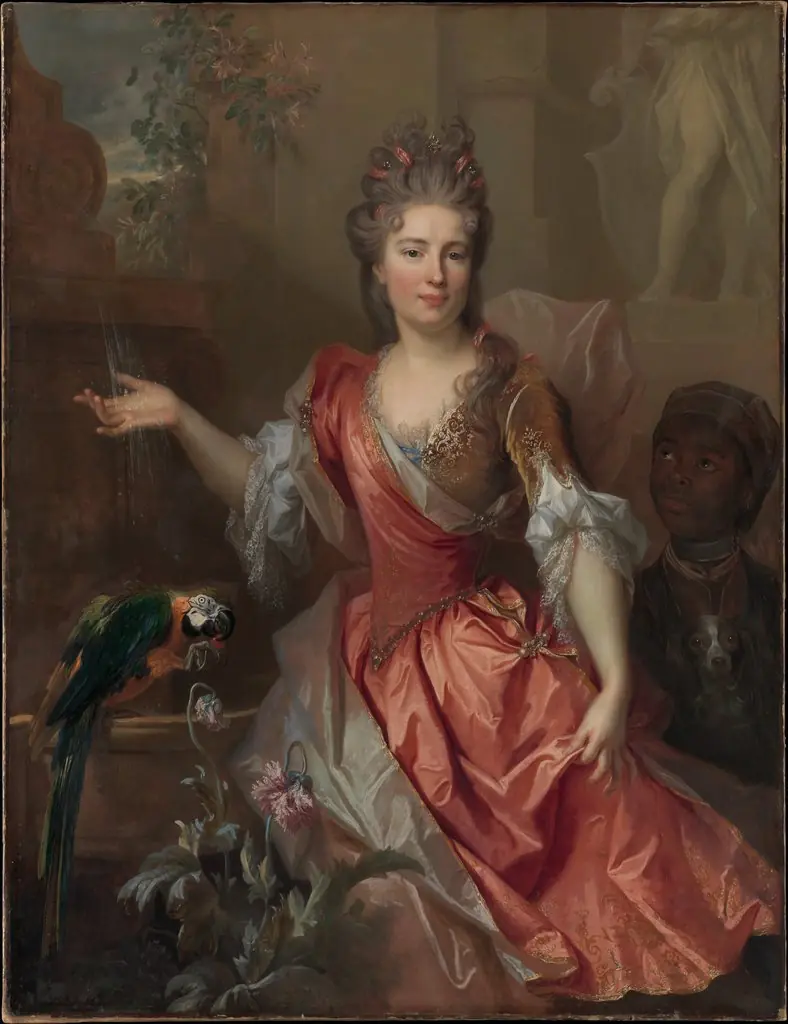 Portrait of a Woman, Possibly Madame Claude Lambert de Thorigny (Marie Marguerite Bontemps, 1668–1701)
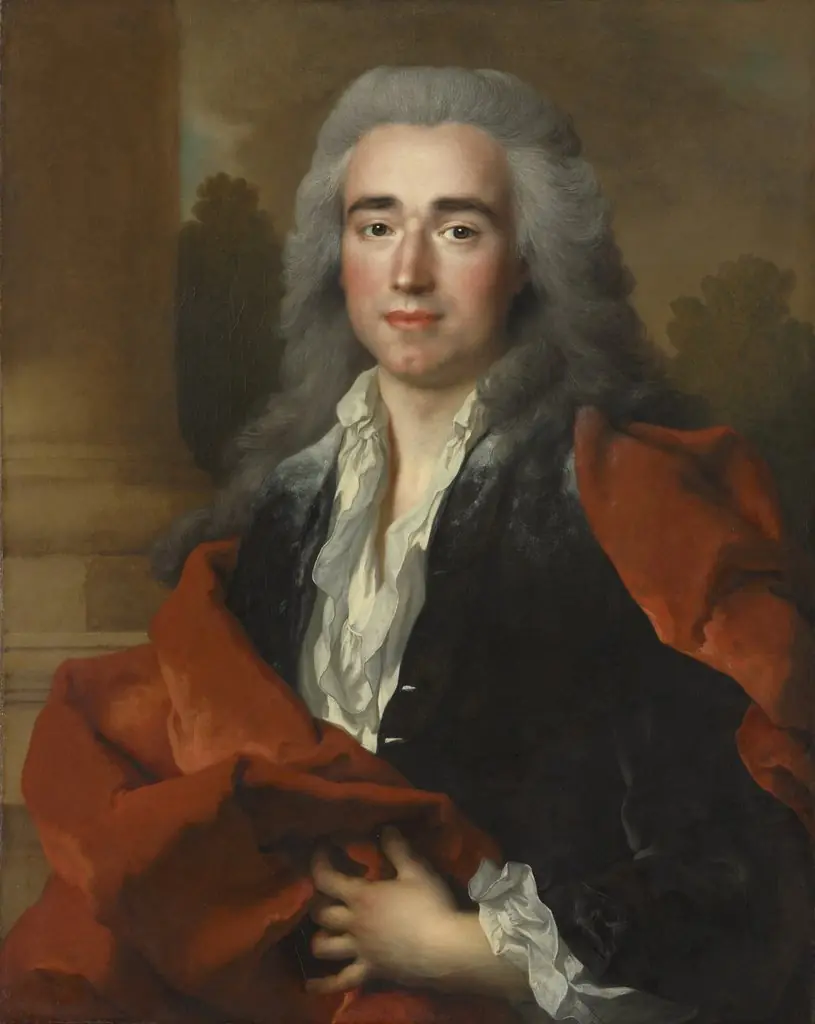 Portrait of Anne Louis Goislard de Montsabert, Comte de Richbourg-le-Toureil
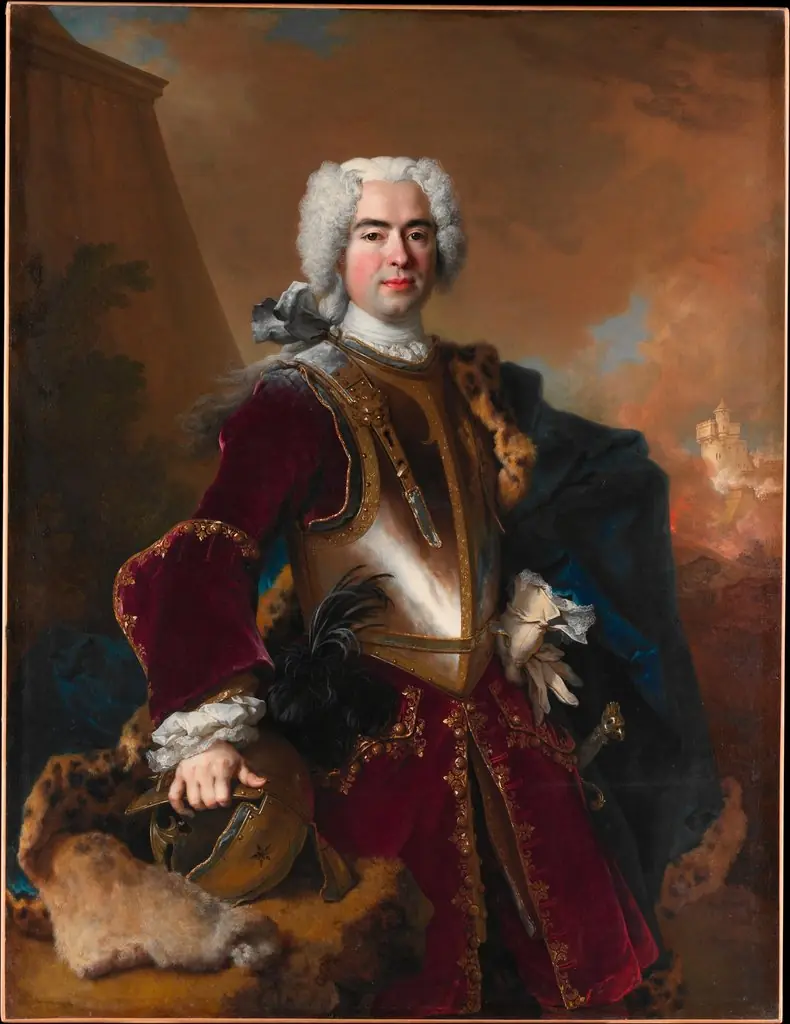 André François Alloys de Theys d'Herculais (1692–1779)
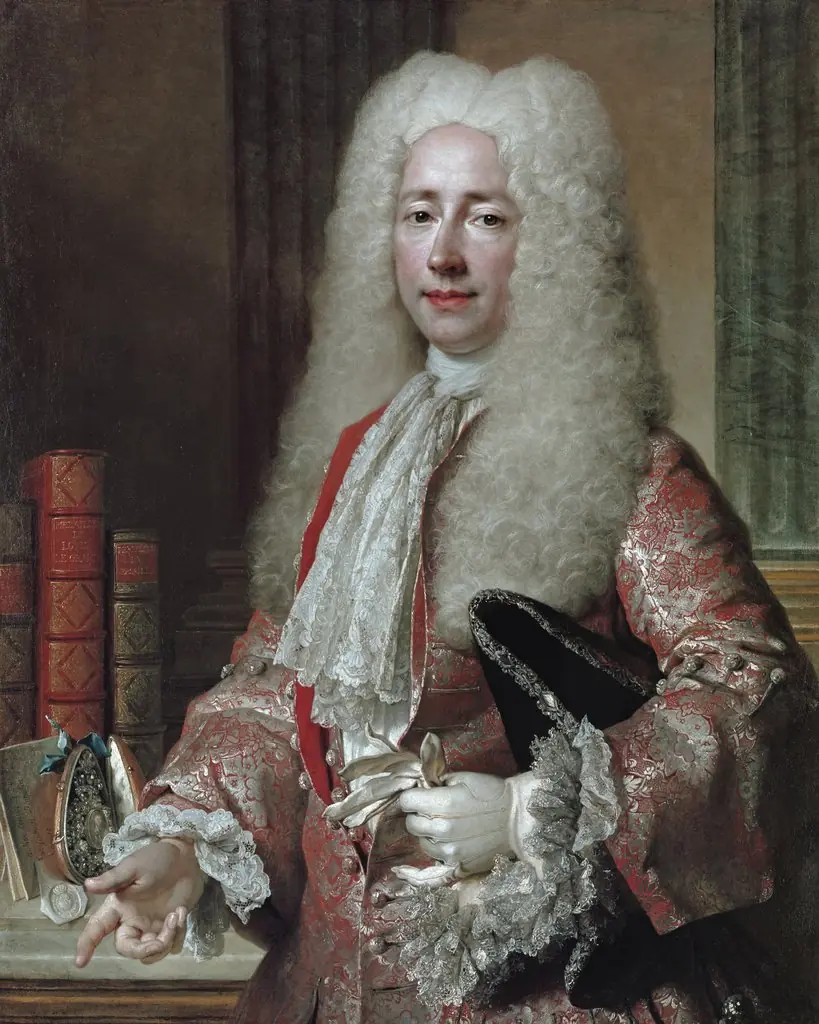 Portrait de Conrad Detlef, comte de Dehn
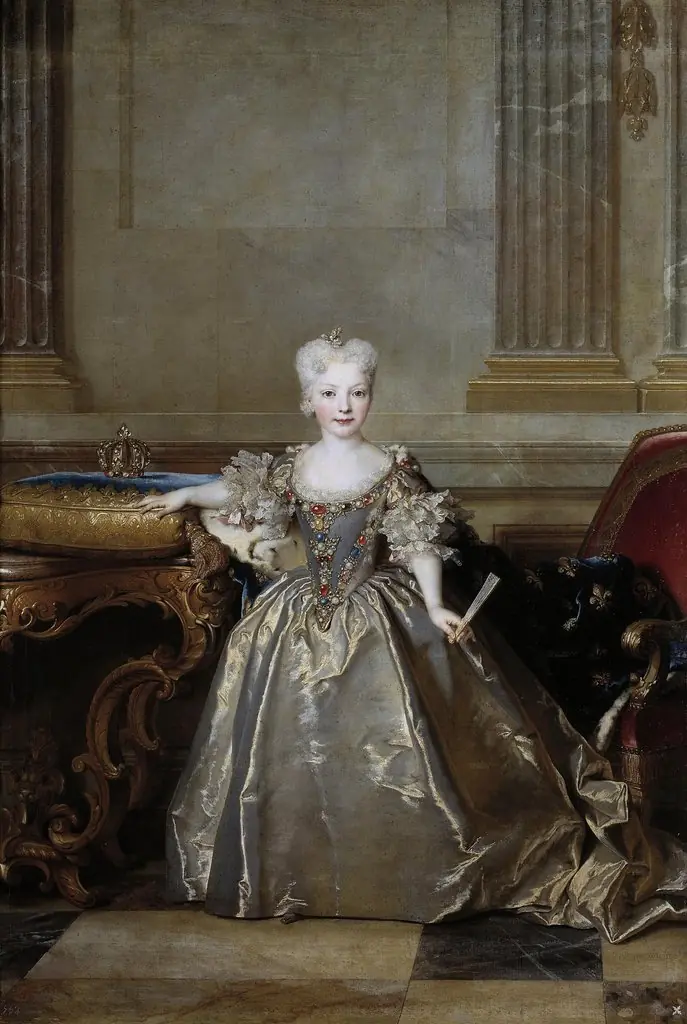 María Ana Victoria de Borbón y Farnesio
 Portrait of a Man
 Charles of France, Duke of Berry
 Charles Boucher, Herr von Orsay