Artwork
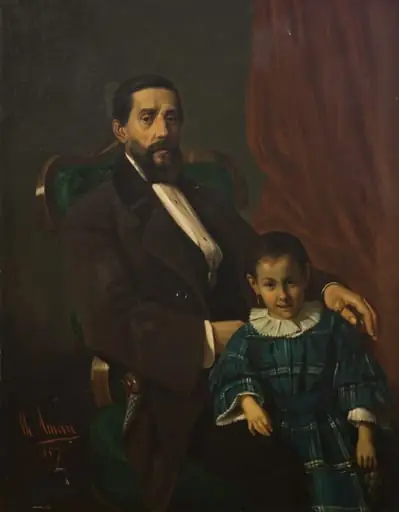
Portret de bărbat
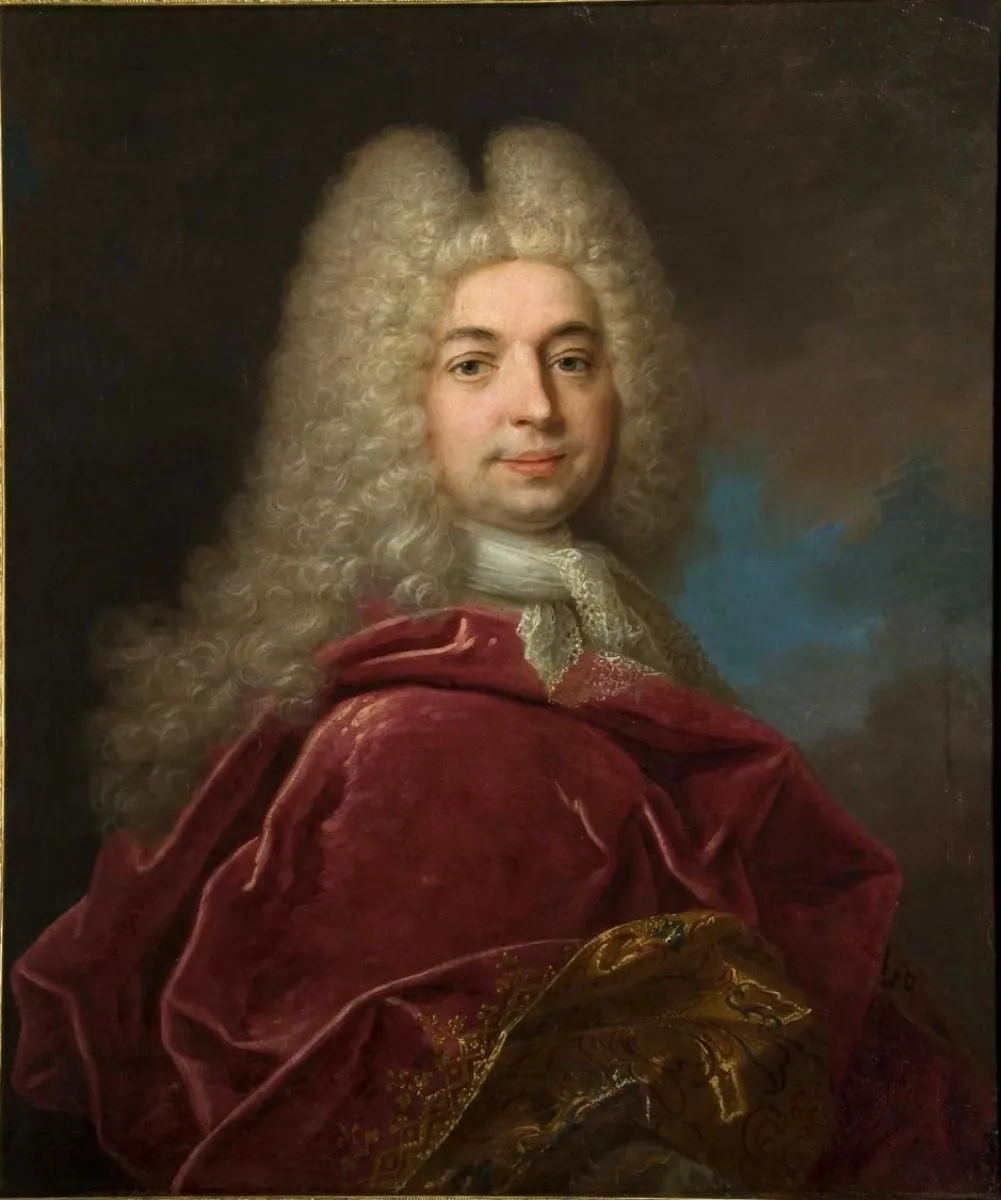
Portret de bărbat is a print by Jean-Baptiste Oudry. It dates from 1737 and is held in the collection of the National Museum of Art of Romania.
About this work
Overview
Though best known for his detailed depictions of animals and hunting scenes, this work belongs to his lesser-known portraiture output.
Jean-Baptiste Oudry, a French artist active in the early 18th century, produced this portrait around 1737. Though best known for his detailed depictions of animals and hunting scenes, this work belongs to his lesser-known portraiture output. Executed as a print, it likely derives from a painted original, reflecting Oudry’s engagement with reproductive techniques to extend the reach of his imagery beyond elite patrons.
Subject & Meaning
The subject is a man rendered with unidealized realism—his aged features, stubble, and furrowed brow suggest a life of experience rather than social pretense. Dressed in a dark, plain coat, he faces the viewer directly, with no attributes or setting to indicate status or profession. The absence of symbolism shifts focus entirely to the psychological presence of the individual, emphasizing quiet dignity over narrative.
Technique & Style
Oudry employed chiaroscuro to model the face with precision, using stark contrasts between light and shadow to define texture—wrinkles, pores, and coarse facial hair emerge with tactile clarity. The background is deliberately neutral, isolating the figure and enhancing the focus on facial expression. The print’s fine lines and tonal gradations suggest mastery of engraving or etching, techniques Oudry used extensively in his reproductive work.
History & Provenance
Created during Oudry’s tenure as a designer for the Gobelins tapestry factory, this portrait aligns with his broader output in printmaking. While the original painting’s location is unrecorded, the print circulated as a means of disseminating his artistic skill beyond court commissions. His son Jacques-Charles continued the family’s artistic legacy, though this particular work remains an outlier in Oudry’s oeuvre for its lack of animal subjects.
Context
In the 1730s, portraiture in France was increasingly valued for its capacity to convey individuality, even among non-noble subjects. Oudry’s approach here reflects a shift away from formal grandeur toward intimate observation, paralleling emerging Enlightenment interests in human character. His use of printmaking allowed such studies to reach a broader, middle-class audience beyond aristocratic circles.
Legacy
Though overshadowed by his animal paintings and tapestry designs, this portrait exemplifies Oudry’s technical versatility and commitment to naturalism. It stands as a quiet testament to his ability to adapt his observational skills across genres. The print’s survival underscores the role of reproductive art in shaping public access to artistic expression during the Rococo period.
Artist & collection

Artist
Jean-Baptiste Oudry was a French Rococo painter, engraver, and tapestry designer. He is particularly well known for his naturalistic pictures of animals and his hunt pieces depicting game. His son, Jacques-Charles Oudry, was also a painter.

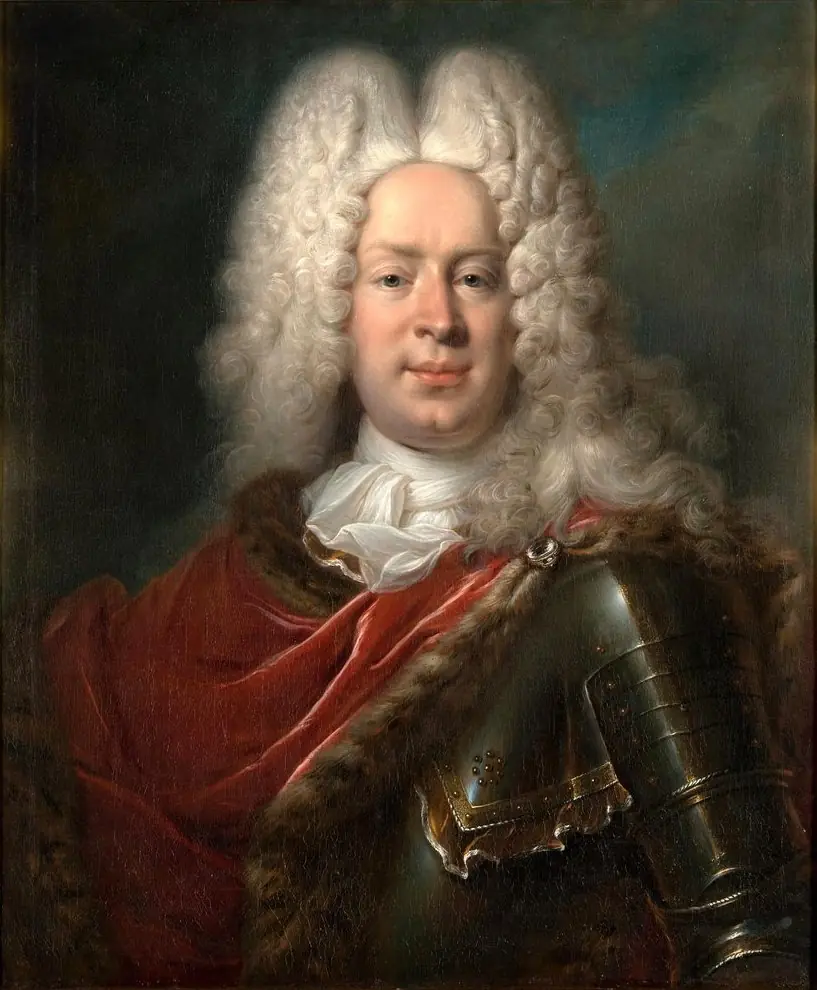 Portrait of Count Georg Wilhelm Werthern
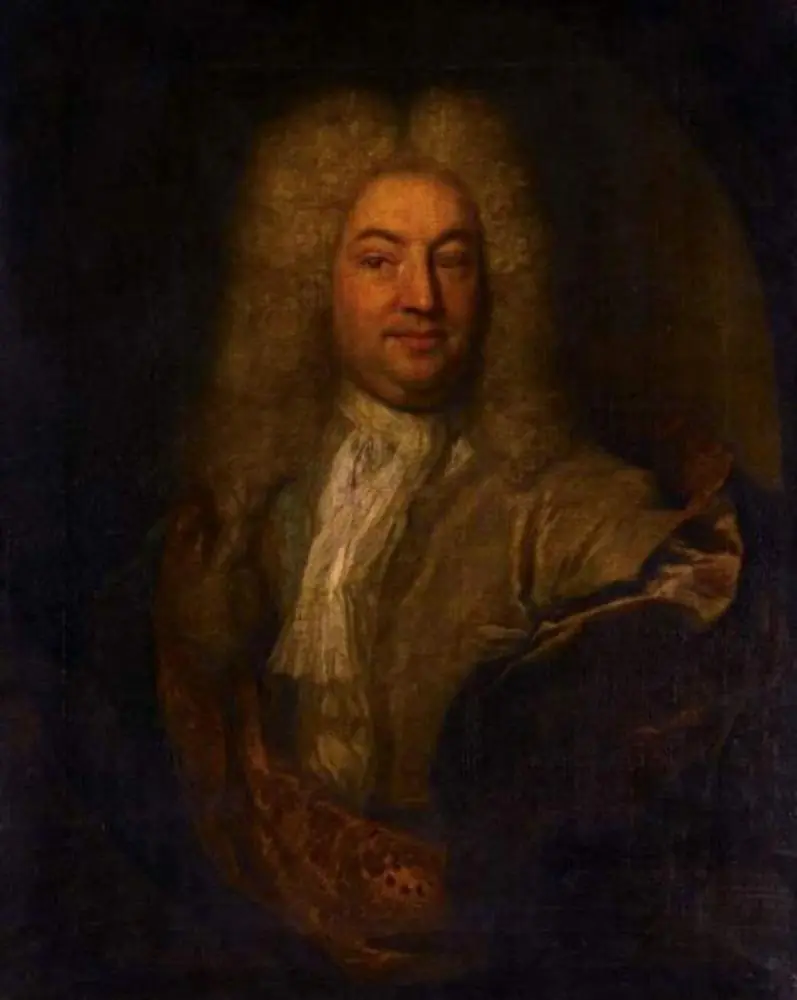 Portrait of Sir Matthew Decker, Bart
 Bildnis eines Herrn, angeblich des Kammerherrn von Montargu
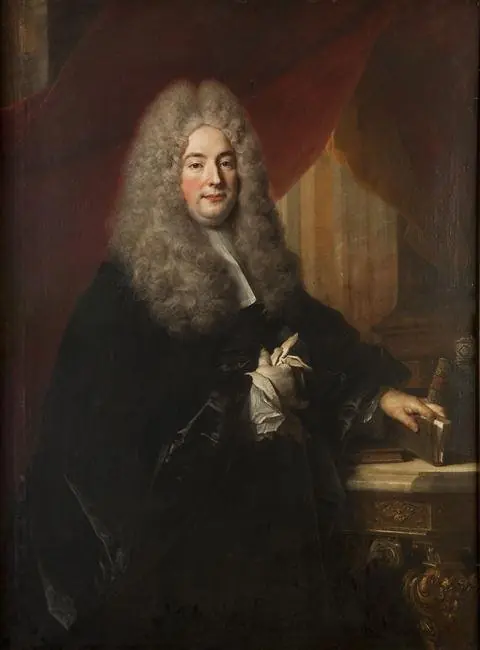 Thomas Morant, conseiller d'Etat
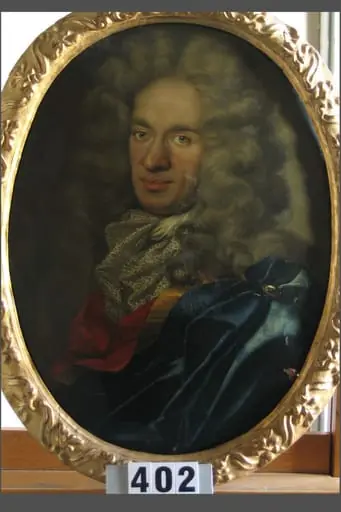 Bărbat cu mantie albastră. Pandant: Bărbat cu mantie roșie
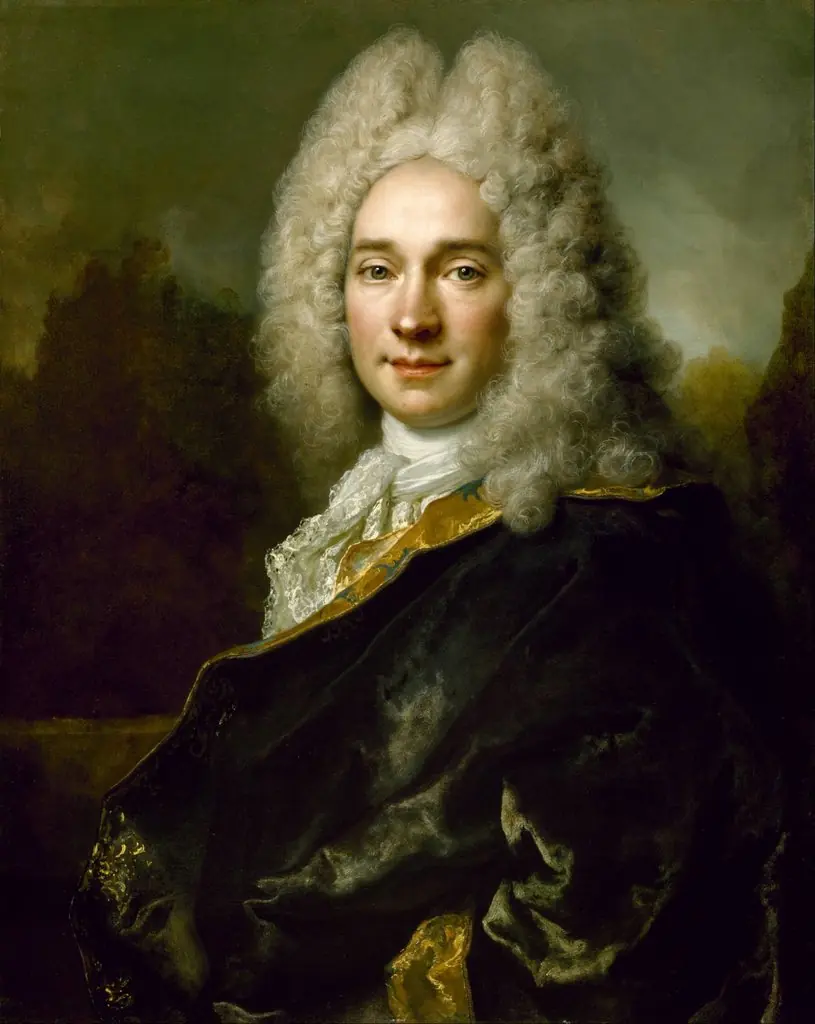 Portrait of Pierre Cadeau de Mongazon (1687–1763)
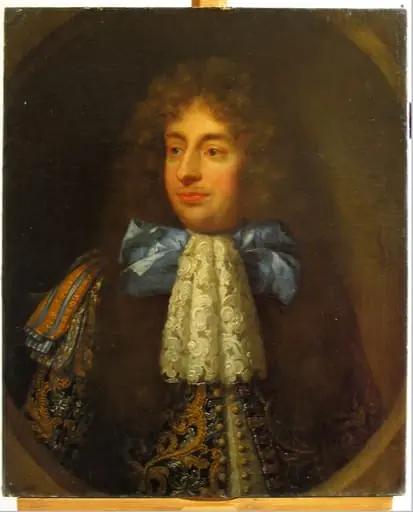 Portretul unui necunoscut
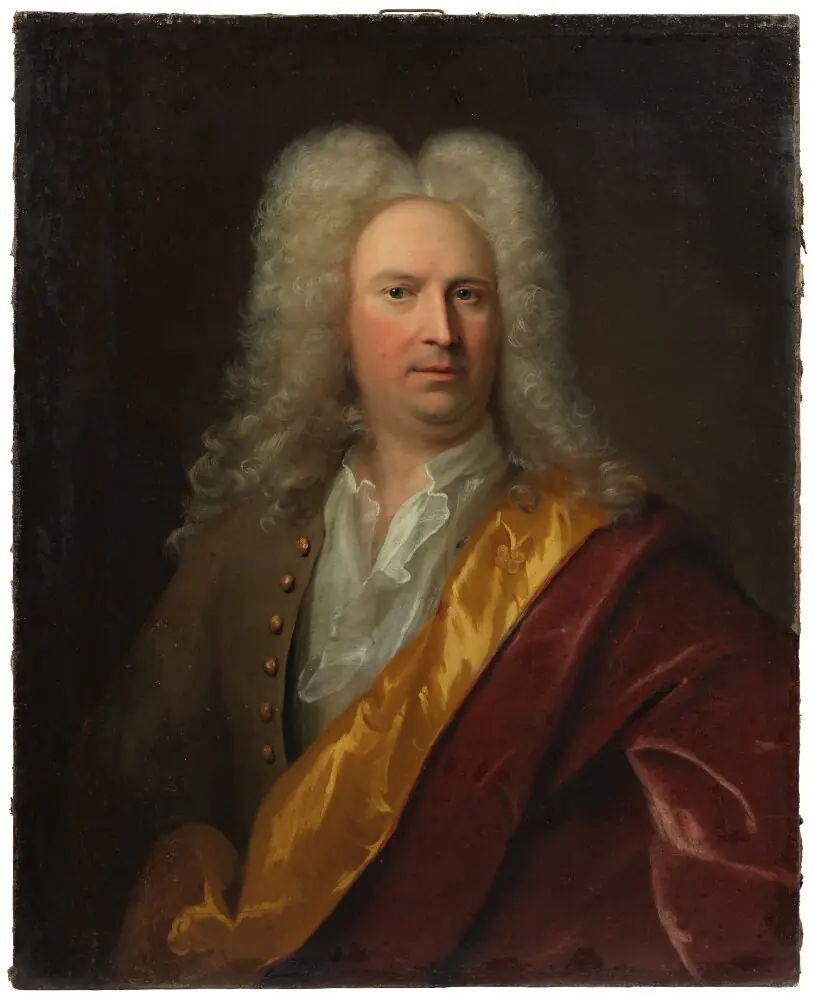 Abraham Grill the Older
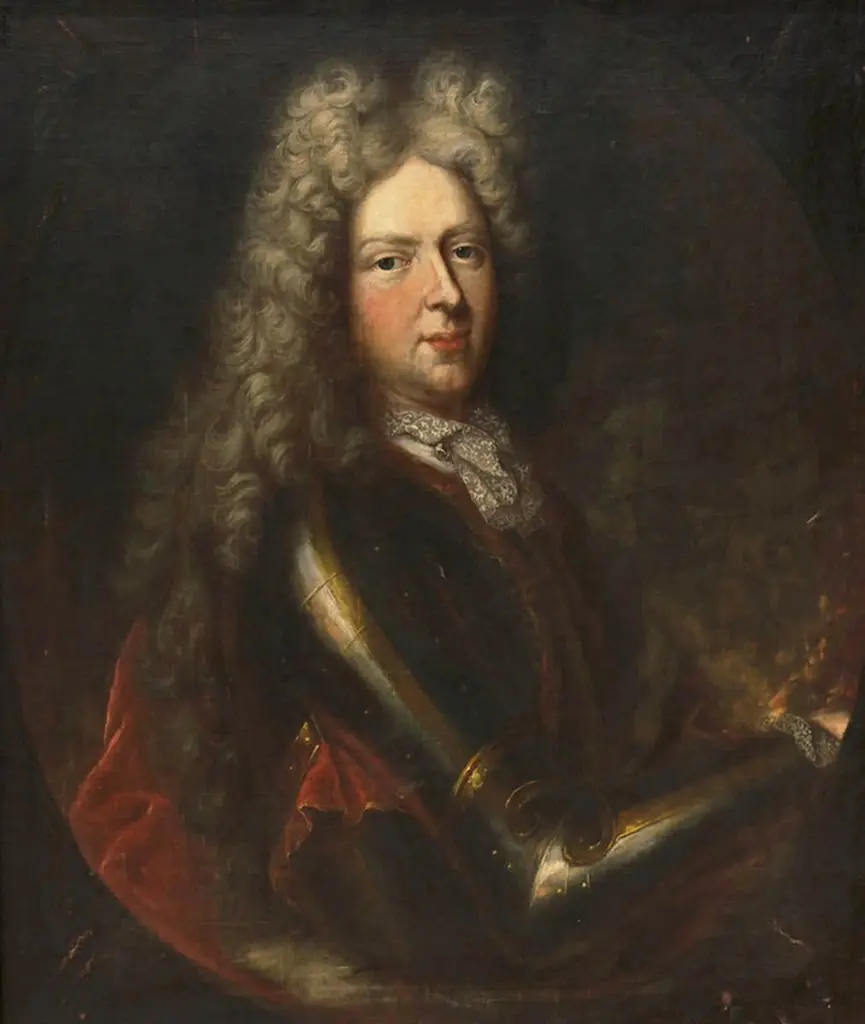 Markgraf Georg Friedrich II von Brandenburg Ansbach
 Portrait Münchhausen Kopie
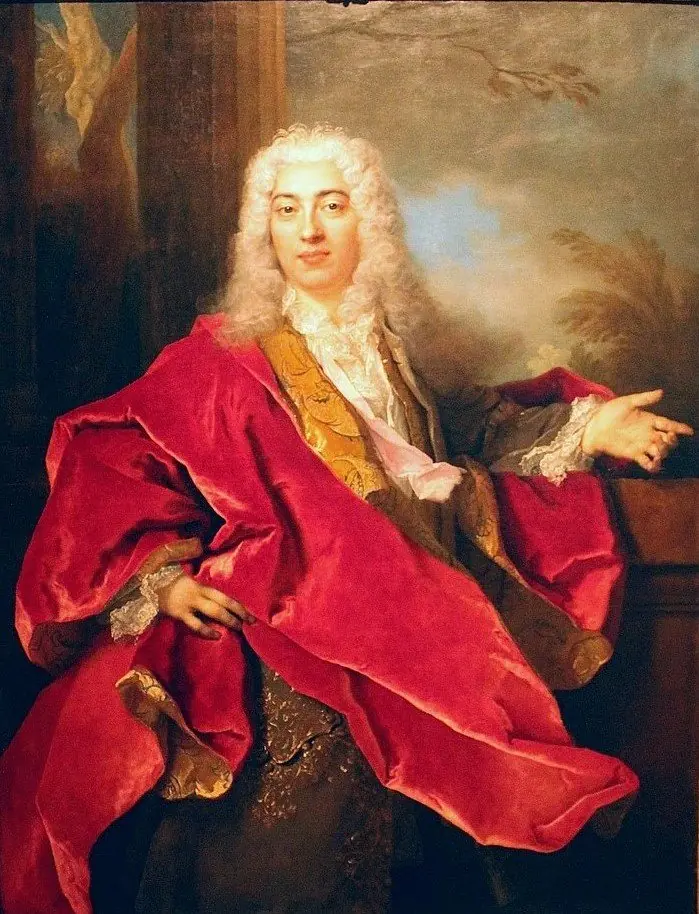 Portrait of Monsieur de Noirmont
 Portret de bărbat (Scarlat Paris?)