Artwork
Portrait of Count Georg Wilhelm Werthern
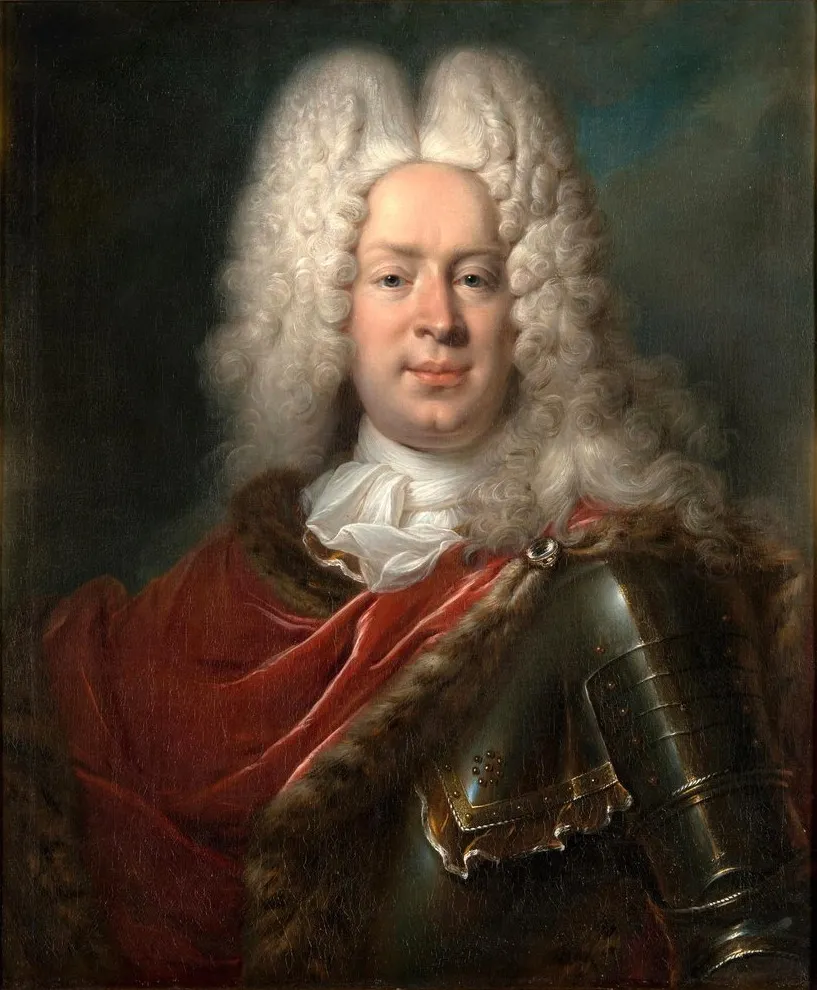
Portrait of Count Georg Wilhelm Werthern is an oil painting by the Rococo painting artist Ádám Mányoki. It dates from 1719 and is held in the collection of the Hungarian National Gallery.
About this work
The artist's use of oil paint and the level of detail in the subject's clothing and accessories indicate a high level of skill and attention to detail.
This portrait depicts a man with a serious expression, dressed in a red robe with a fur-trimmed collar. He wears a white wig and has a metal breastplate on his left shoulder. The background is dark, with a hint of blue in the upper right corner.
The man's attire and the style of the painting suggest a formal portrait from the early 18th century. The artist's use of oil paint and the level of detail in the subject's clothing and accessories indicate a high level of skill and attention to detail.
If you're interested in learning more about the artist behind this portrait, you might want to look up Ádám Mányoki.
Overview
Ádám Mányoki’s oil portrait of Count Georg Wilhelm Werthern dates from 1719 and is part of the collection of the Museum of Fine Arts in Budapest. The work presents the count in a formal pose, set against a dark backdrop that is subtly illuminated in the upper right corner.
Subject & Meaning
The sitter is shown with a solemn expression, dressed in a red robe trimmed with fur and a white wig, while a metal breastplate rests on his left shoulder. The attire and accessories convey his aristocratic status and possibly a military affiliation, reflecting the conventions of early‑18th‑century portraiture.
Technique & Style
Executed in oil on canvas, the painting demonstrates Mányoki’s meticulous handling of texture, from the sheen of the fabric to the reflective metal of the breastplate. The chiaroscuro lighting creates a three‑dimensional effect, emphasizing the figure against the muted background.
History & Provenance
Created in 1719, the portrait entered the Museum of Fine Arts, Budapest, where it remains on display. Its provenance traces back to the count’s family collection before being acquired by the museum, though specific acquisition details are not recorded in the available sources.
Artist & collection

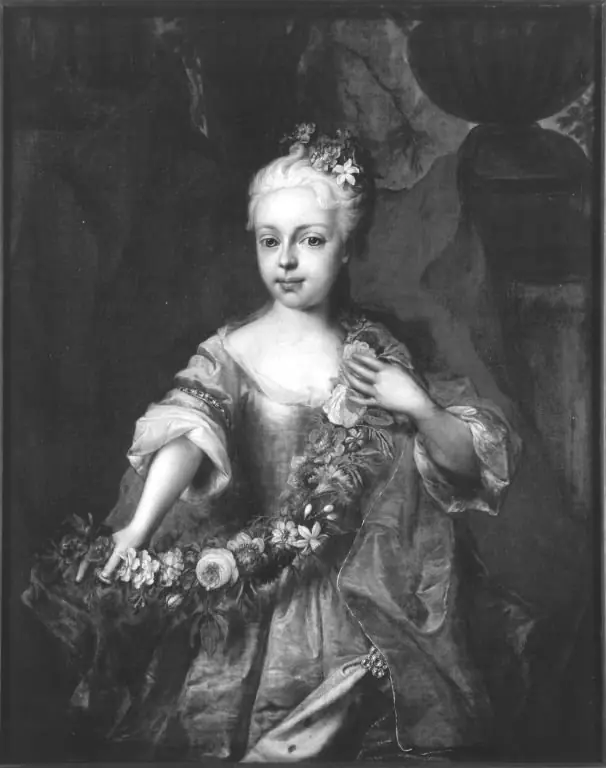 Portrait of Archduchess Maria Theresa of Austria, later Empress (1717-1780)
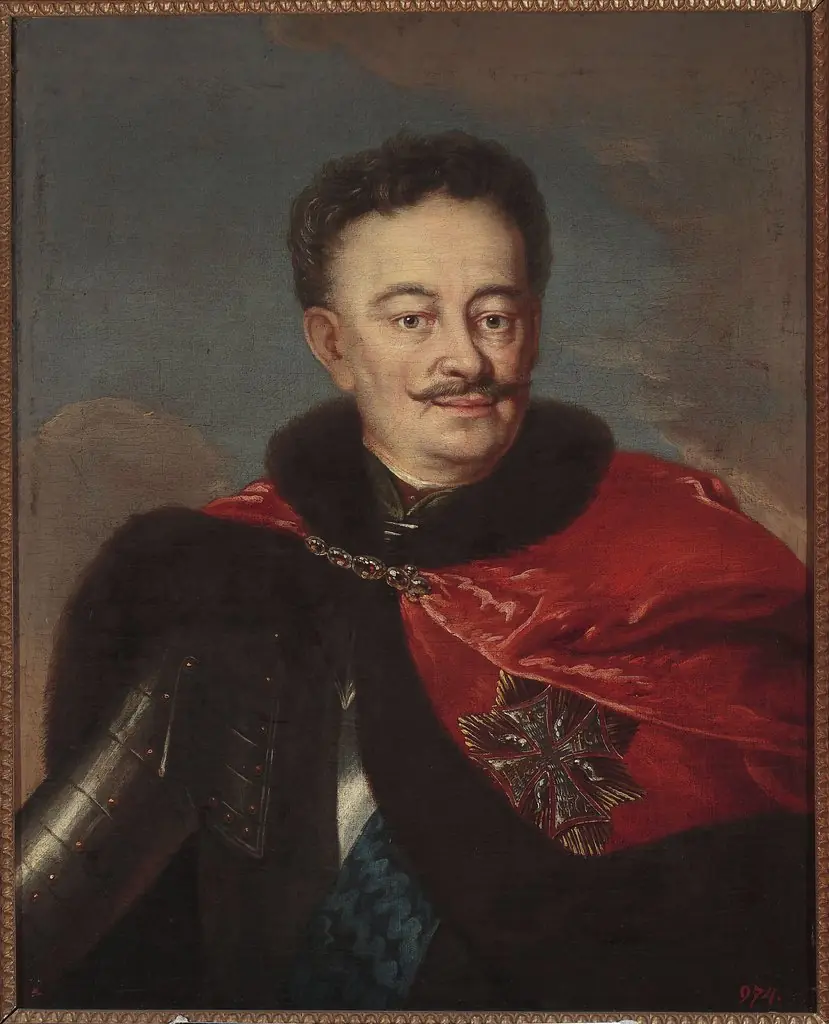 Portrait of Józef Potocki
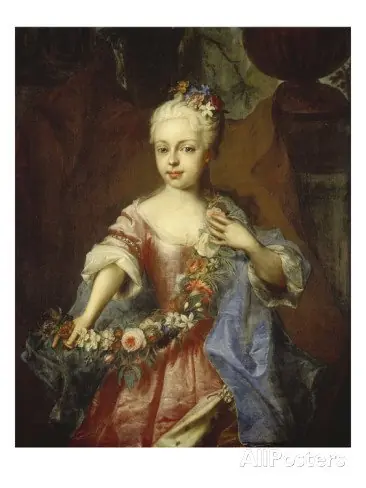 Portrait of Maria Theresia at the age of six.
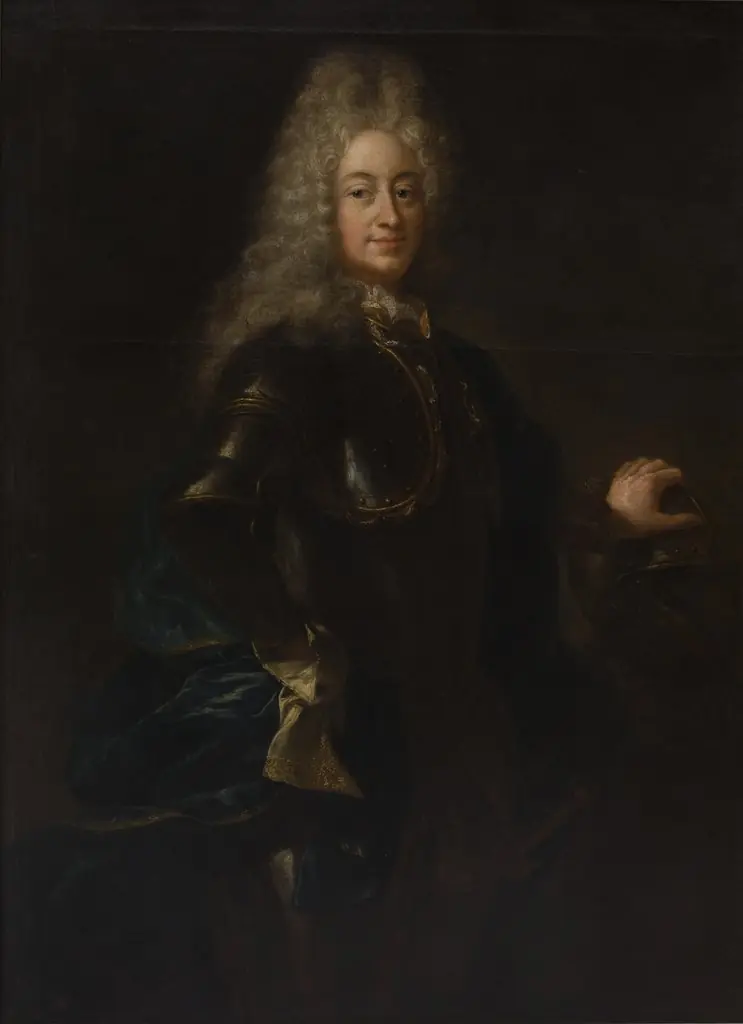 Portrait of a Nobleman in Armour
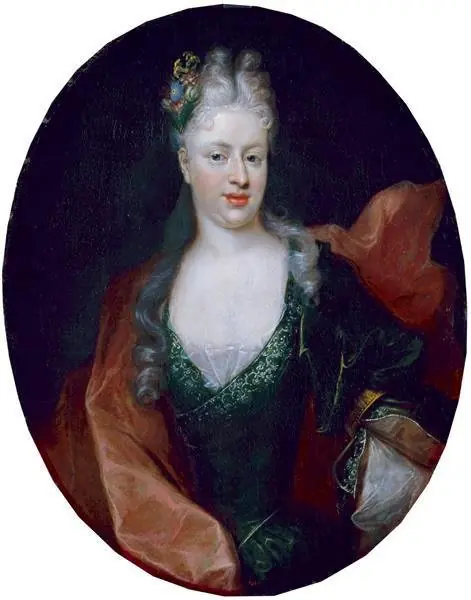 Baronesse Katarzyna de Besenval, geb. Gräfin Bielinska
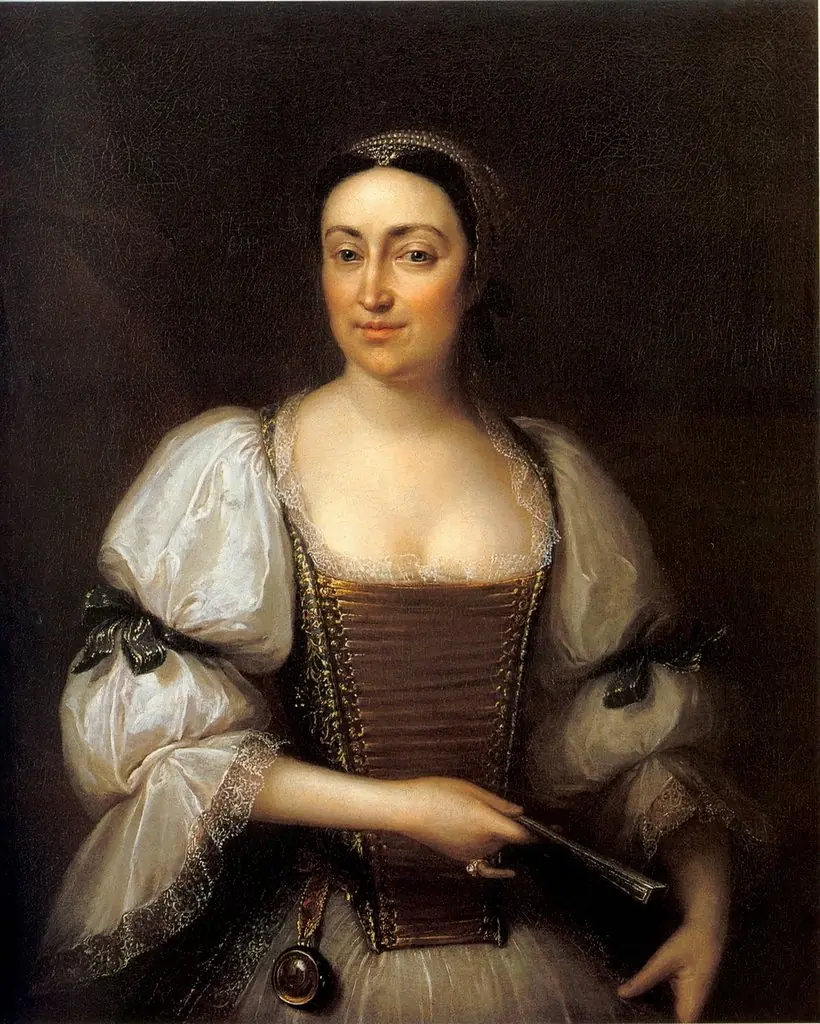 Portrait of Baroness János Podmaniczky née Judit Osztroluczky
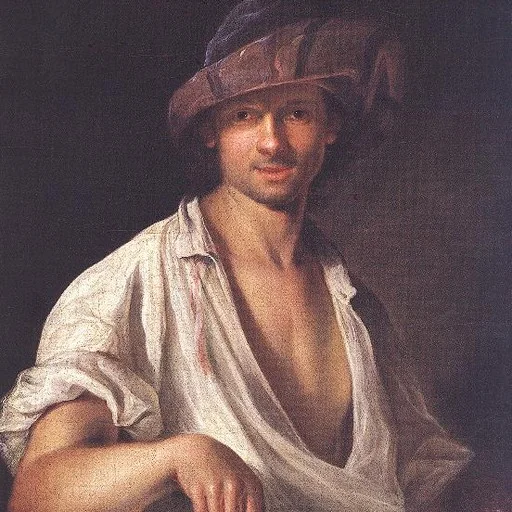
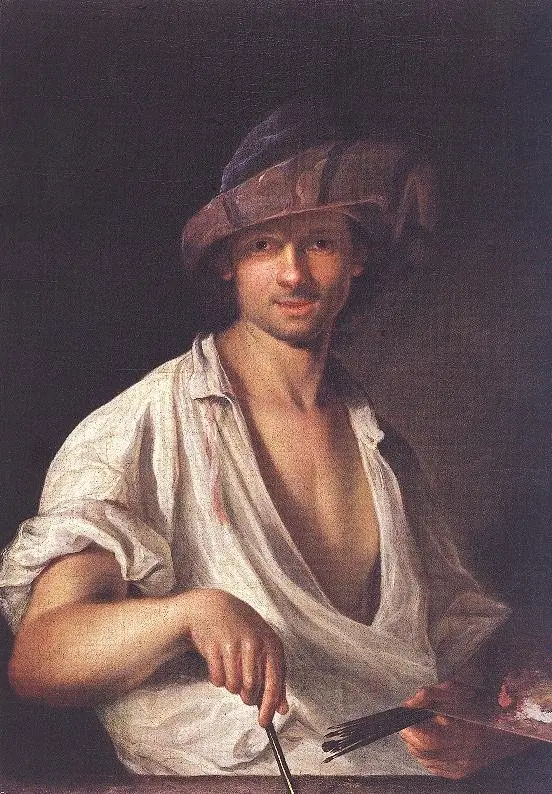 Self-portrait
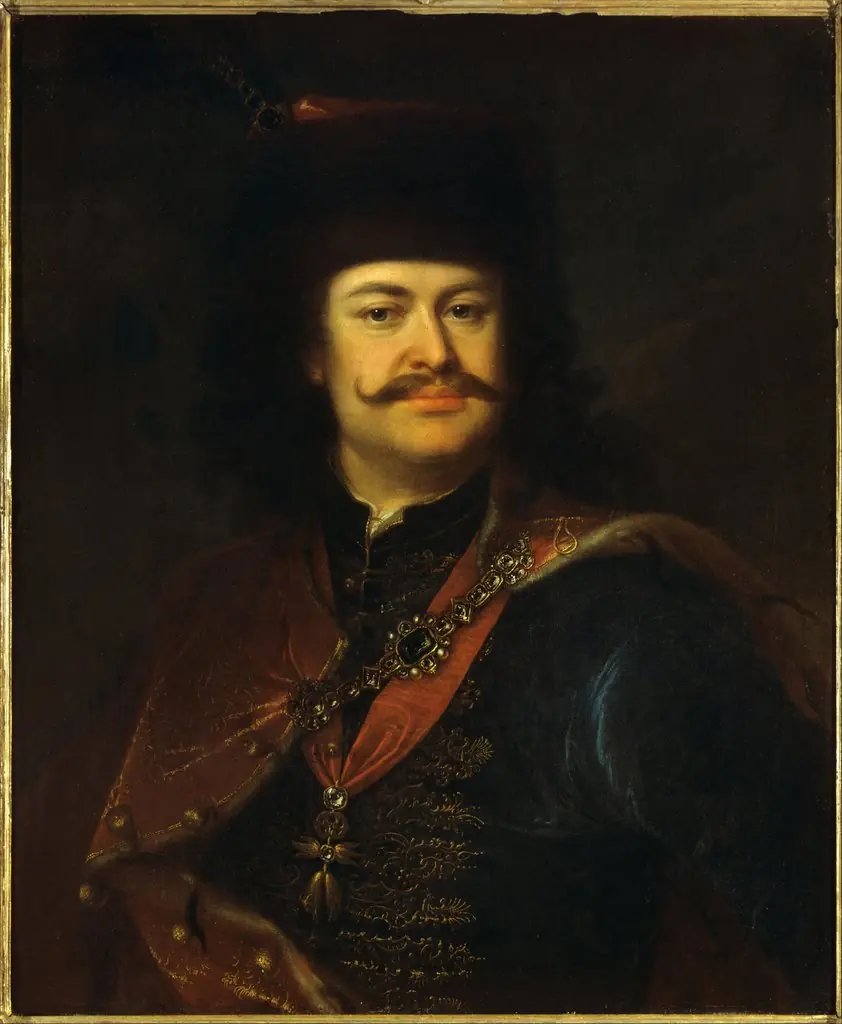 Portrait of Prince Ferenc Rákóczi II
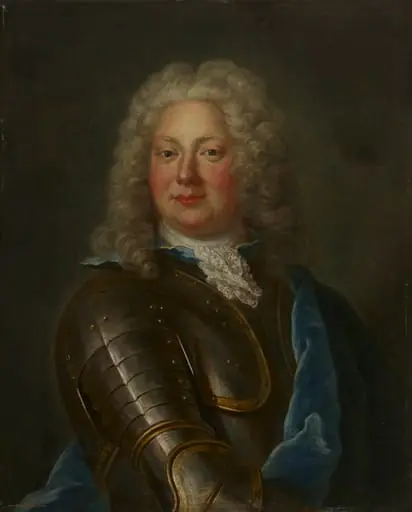 Hovimarsalkka Gustaf Jakob Horn af Rantzien
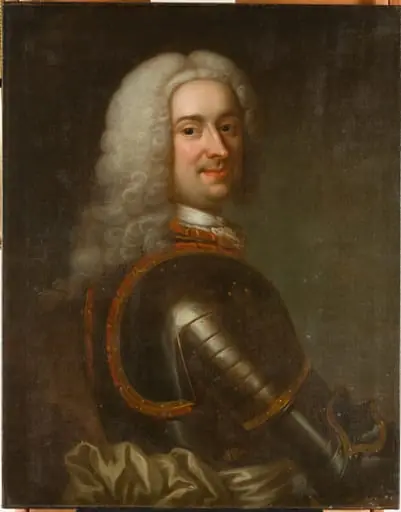 Portrait Münchhausen Kopie
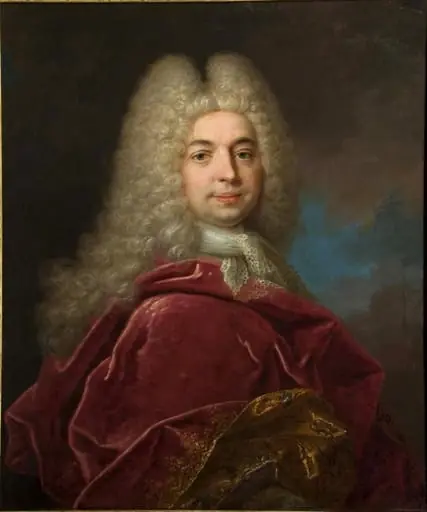 Portret de bărbat
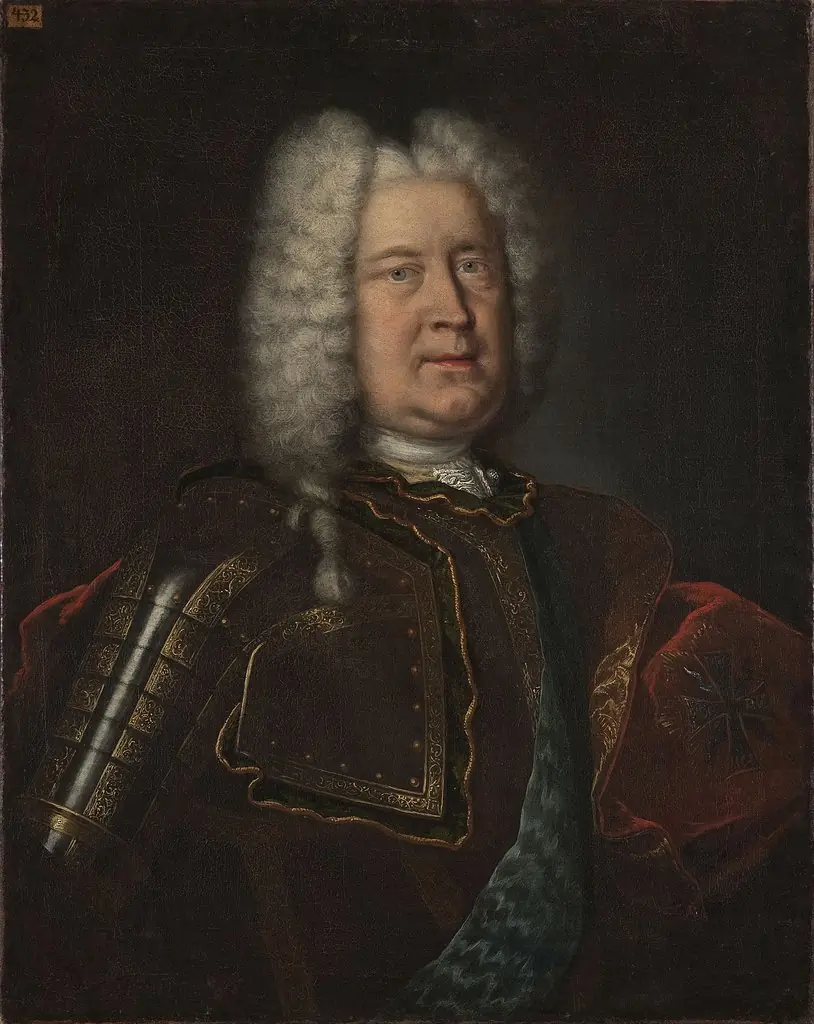 Portrait of a man
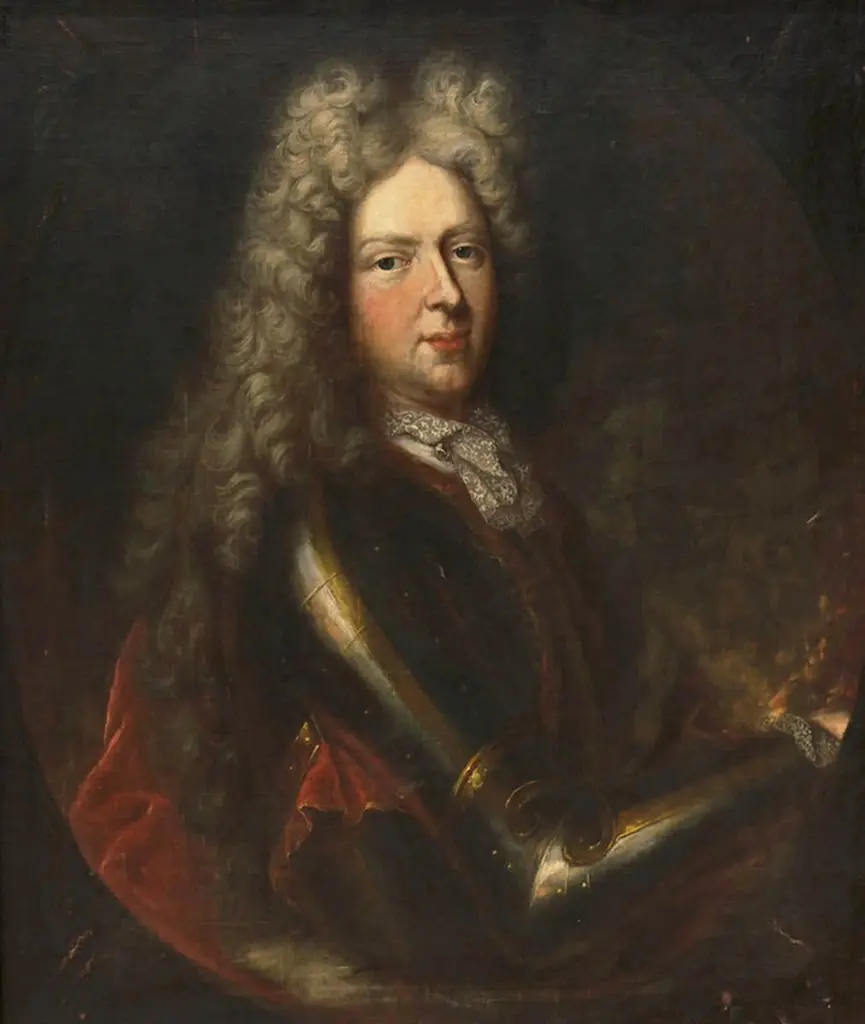 Markgraf Georg Friedrich II von Brandenburg Ansbach
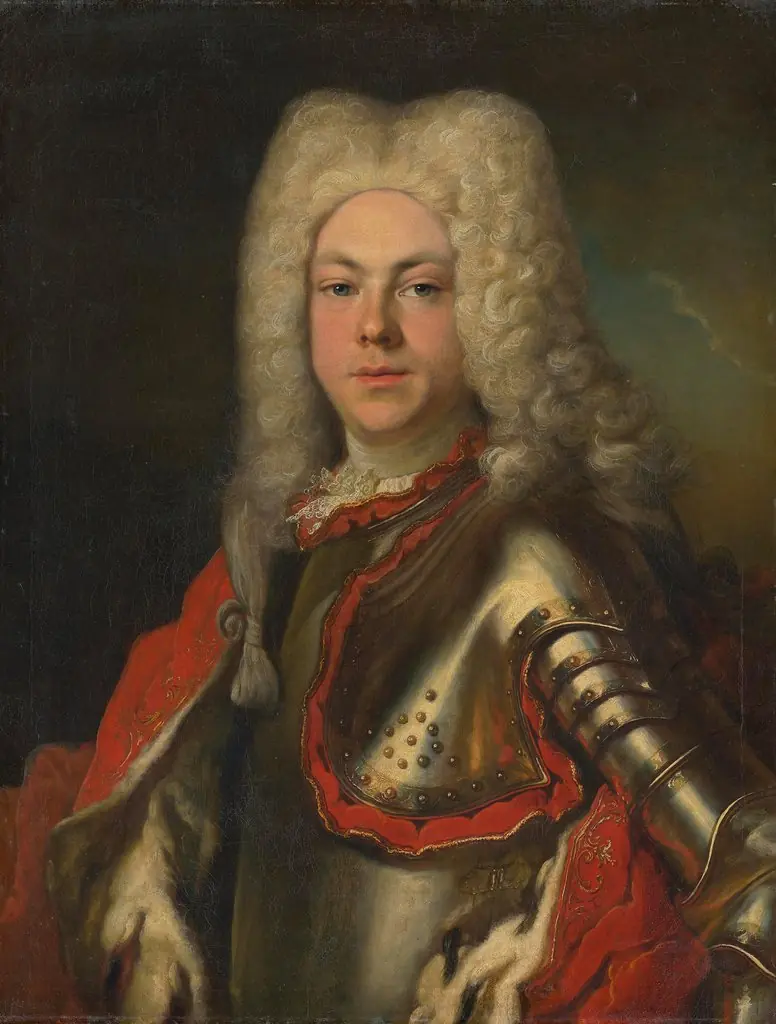 Bildnis des Pfalzgrafen Johann Christian von Sulzbach (?)
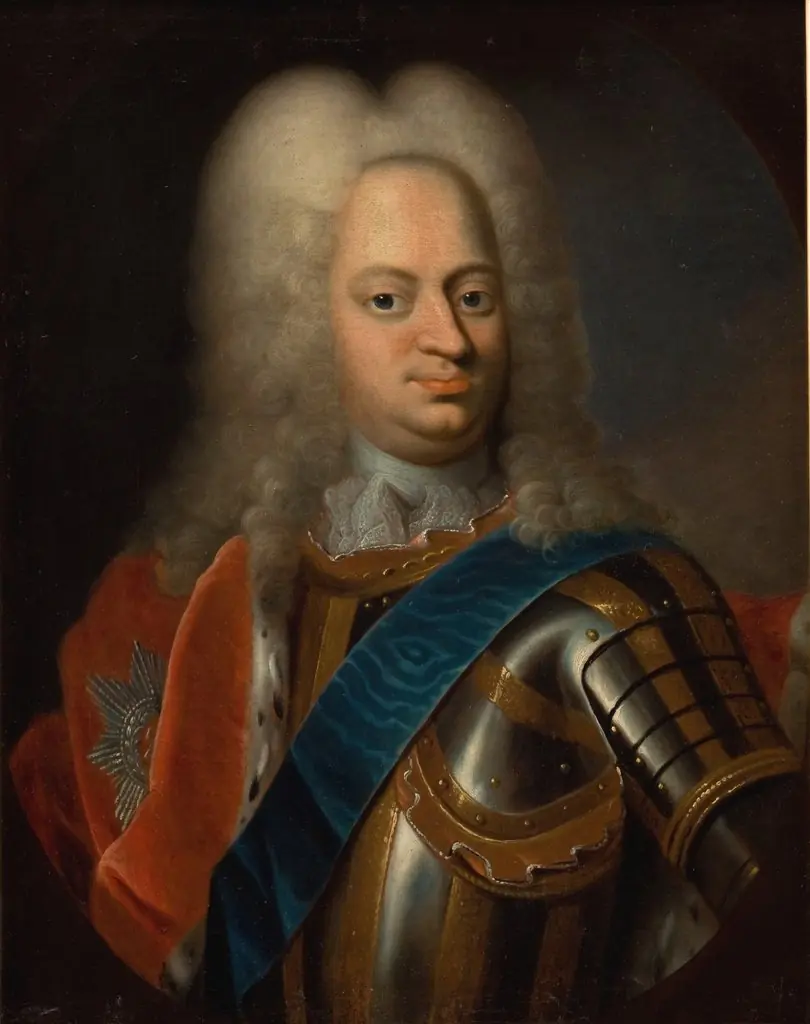 Prins Carl. Frederik IV's broder
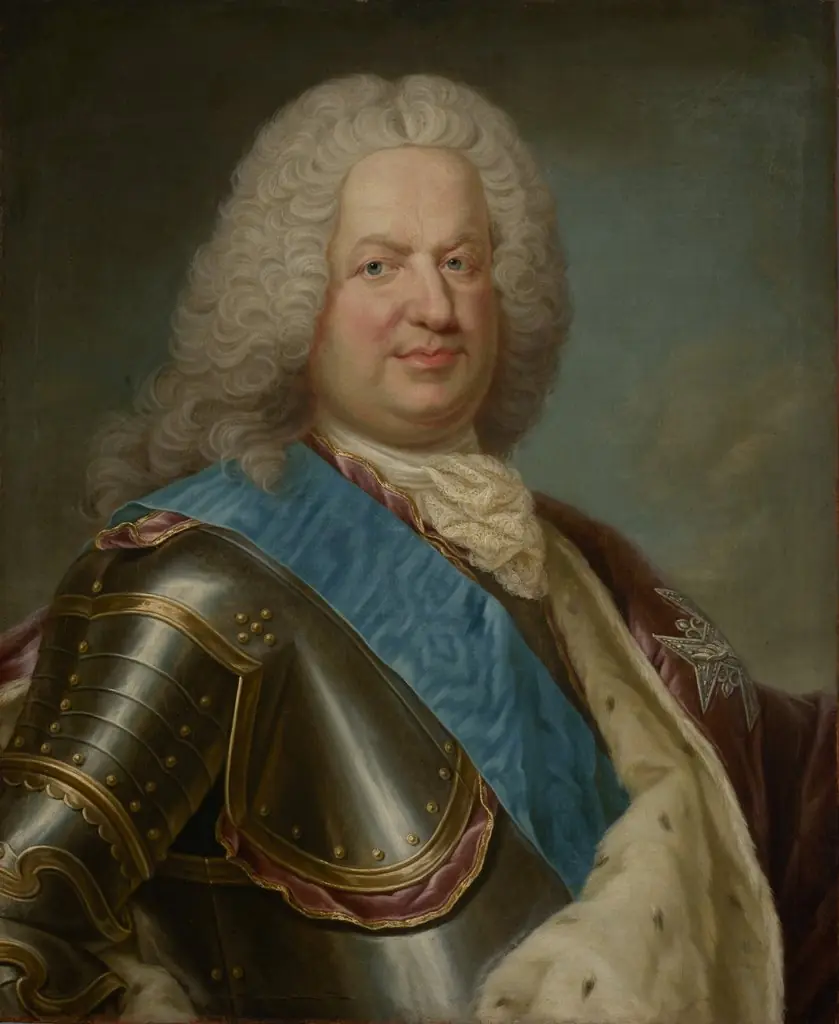 Portrait of Stanislaus Leszczyński (1677–1766))
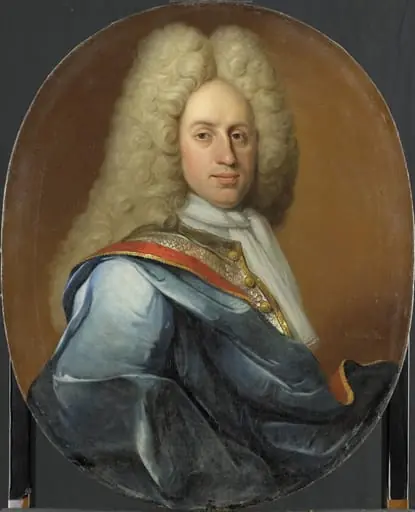 Hieronymus Josephus Boudaen, Lord of St Laurens and Popkensburg
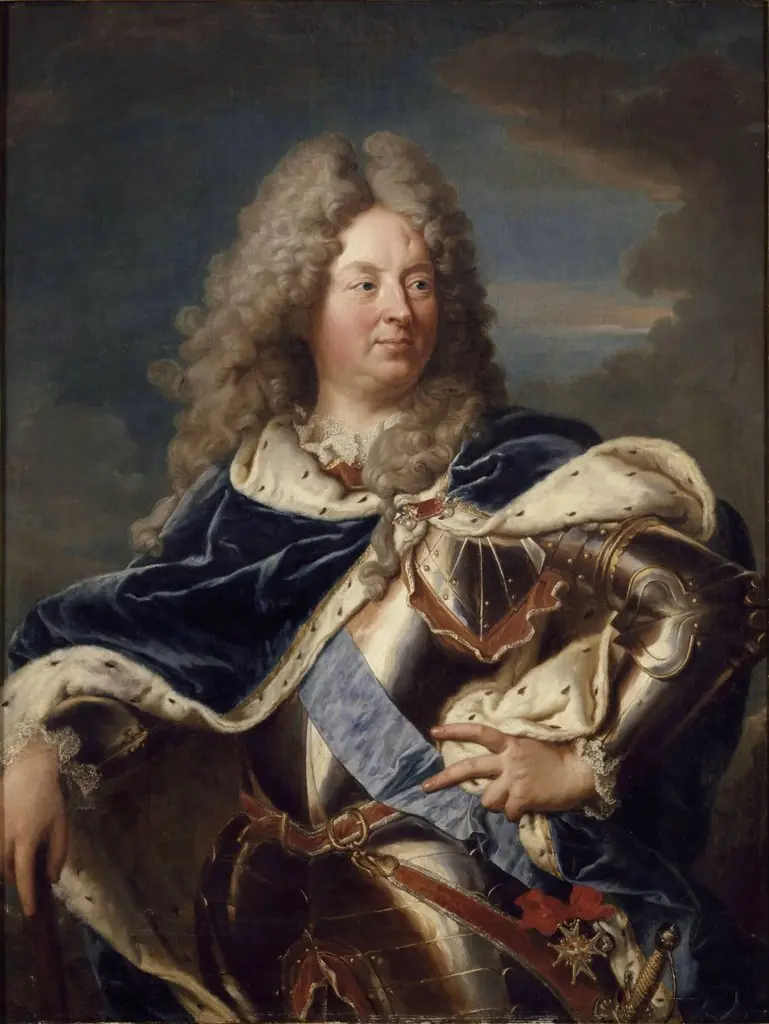 Portrait of the Duke of Antin
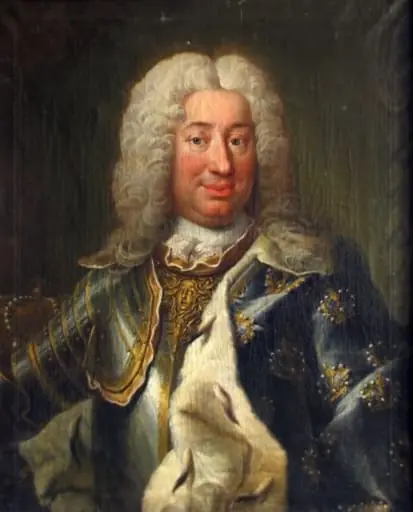 Fredrik I, regele Suediei
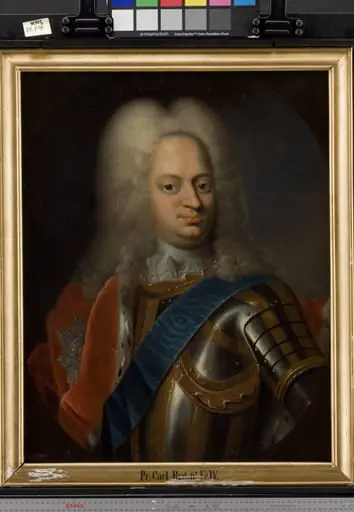 Prins Carl. Frederik IV's broder