Artwork
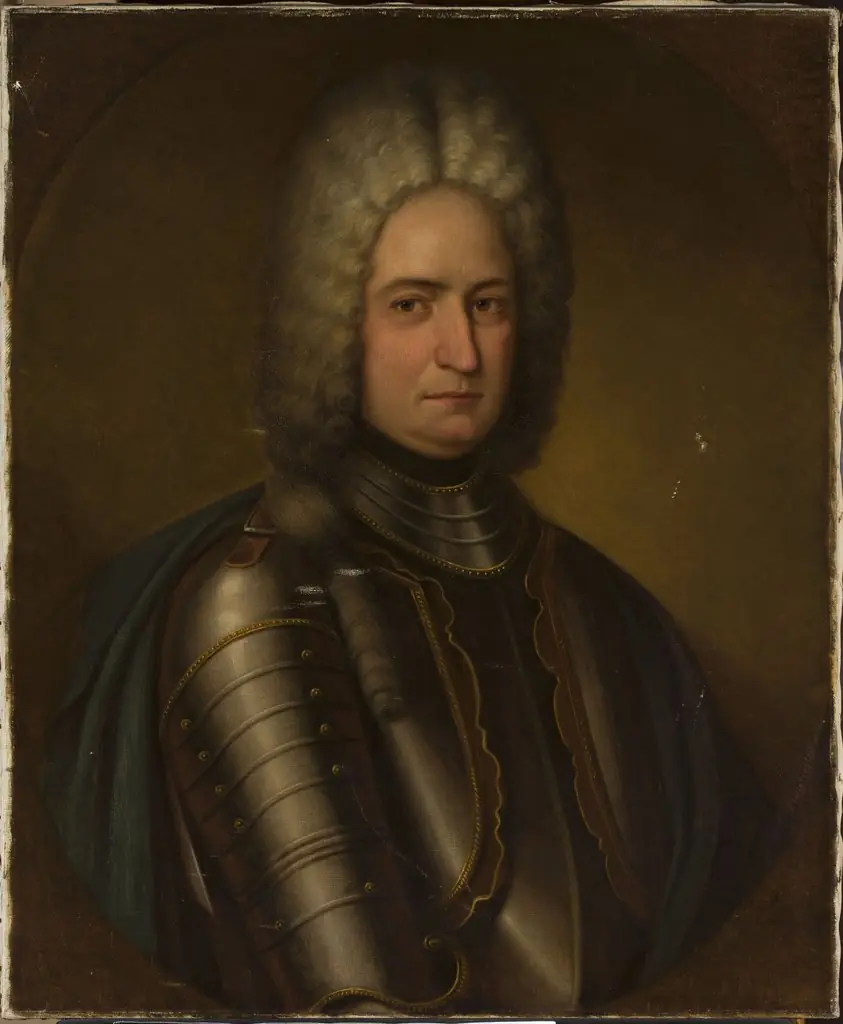
Portrait of a Nobleman in Armour
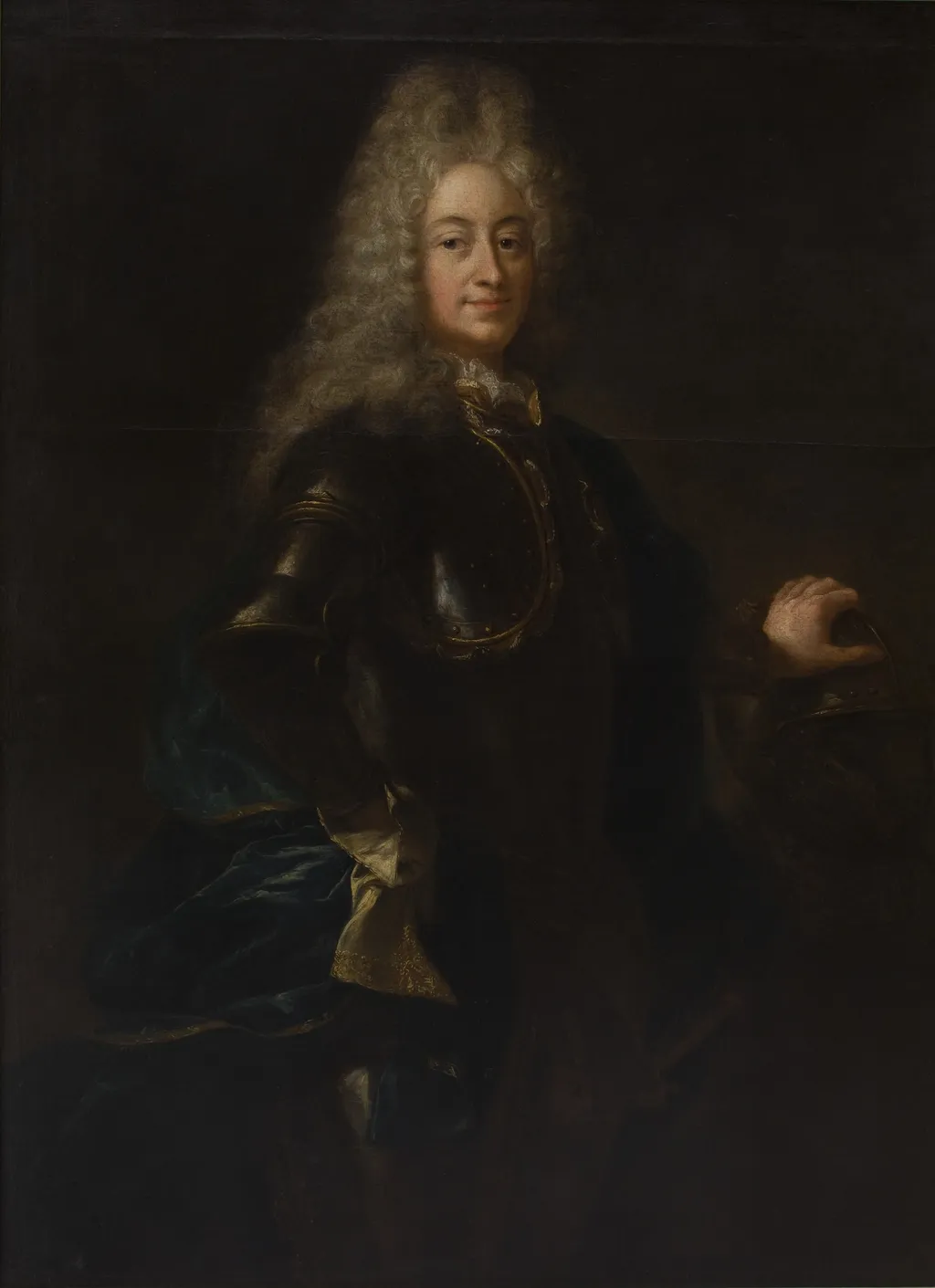
Portrait of a Nobleman in Armour is an oil painting by Ádám Mányoki. It dates from 1718 and is held in the collection of the National Museum in Kraków.
About this work
Overview
The work resides in the National Museum in Kraków, where it is recognized as a representative example of early 18th-century Hungarian portraiture.
Painted in 1718 by Ádám Mányoki, this oil portrait depicts a nobleman dressed in military attire. The work resides in the National Museum in Kraków, where it is recognized as a representative example of early 18th-century Hungarian portraiture. The composition emphasizes the sitter’s presence through stark contrast against a shadowed background, a common feature in Mányoki’s approach to capturing aristocratic identity.
Subject & Meaning
The subject is a man of high social standing, identified by his armor-like garments and formal posture. His direct gaze and composed expression suggest authority and self-possession. The attire, blending elements of civilian and military dress, implies a nobleman who balances civic duty with martial tradition. The ambiguity of the object beneath his left hand leaves room for interpretation, possibly a symbol of rank or personal significance.
Technique & Style
Mányoki employed oil paint with careful attention to texture, particularly in the rendering of leather, gold trim, and the sheen of fabric. The dark background isolates the figure, heightening the focus on his attire and facial expression. Brushwork is precise yet restrained, avoiding theatricality in favor of quiet realism. The lighting is even, avoiding dramatic chiaroscuro, which reinforces the portrait’s dignified tone.
History & Provenance
The painting entered the collection of the National Museum in Kraków in the 19th century, though its earlier ownership remains undocumented. It was likely commissioned by the sitter’s family or court, as was customary for aristocratic portraits of the period. Mányoki’s reputation as a portraitist to Central European nobility supports the likelihood of a direct patronage connection, though no archival records confirm the identity of the sitter.
Context
Created during the height of the Habsburg monarchy’s influence in Central Europe, the portrait reflects the cultural blending of Hungarian aristocratic identity with broader European military fashion. Portraits like this served not only as personal likenesses but as assertions of status within a hierarchical society. Mányoki, trained in Vienna and active across the region, was well positioned to capture this hybrid aesthetic.
Legacy
Though not widely exhibited outside Poland, the portrait remains a key example of Mányoki’s mature style and his role in shaping Hungarian portraiture. It contributes to scholarly understanding of how nobility presented themselves in the early 18th century, particularly in regions under Habsburg rule. The work’s preservation in Kraków underscores its significance within the broader Central European artistic heritage.
Own this work as a print
Artist & collection

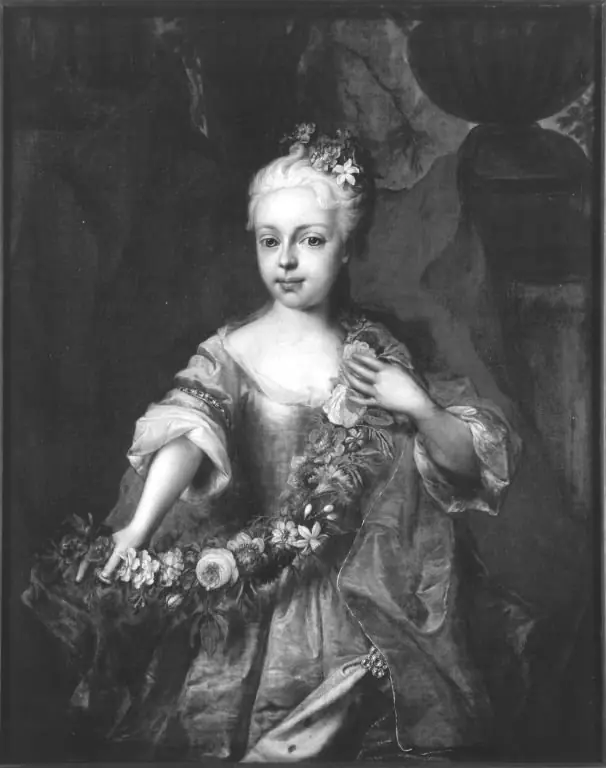 Portrait of Archduchess Maria Theresa of Austria, later Empress (1717-1780)
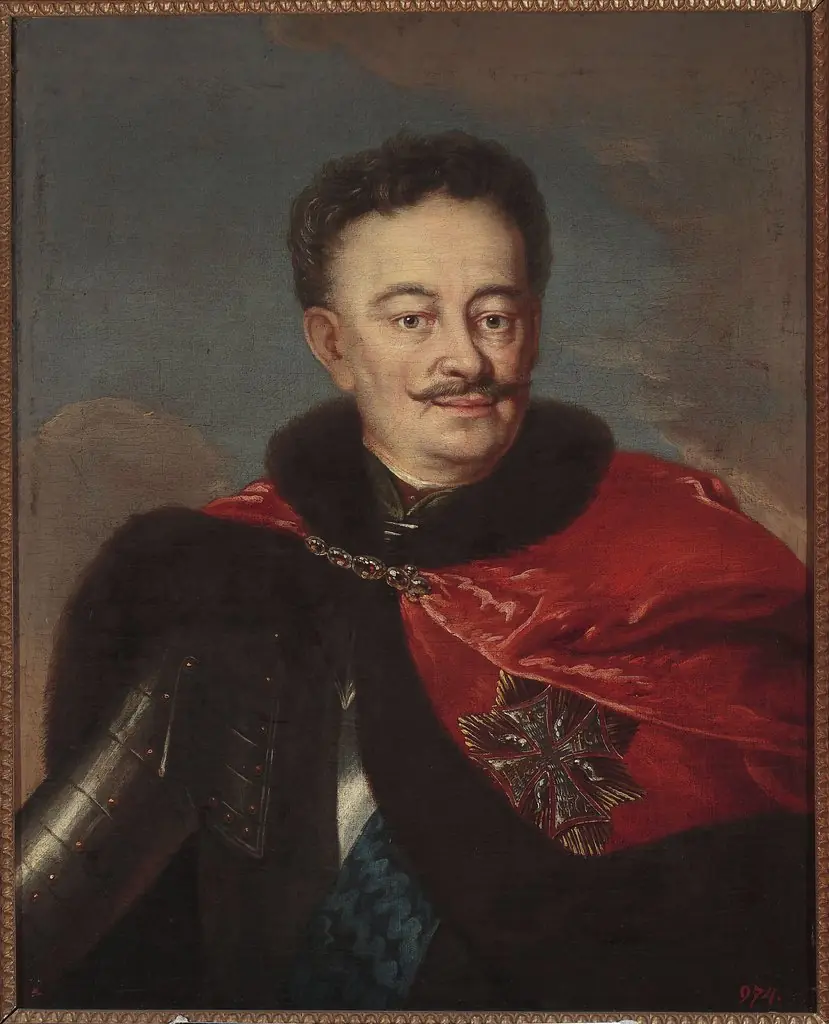 Portrait of Józef Potocki
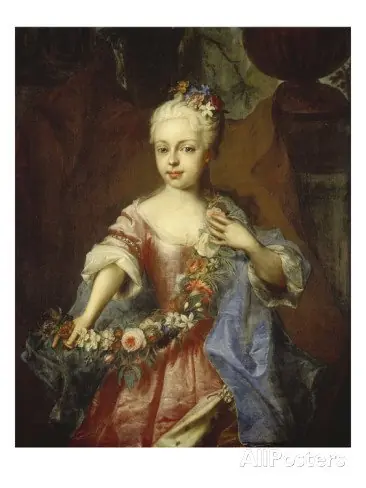 Portrait of Maria Theresia at the age of six.
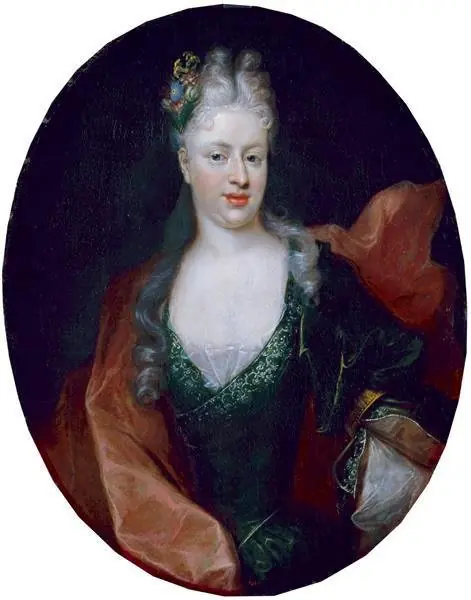 Baronesse Katarzyna de Besenval, geb. Gräfin Bielinska
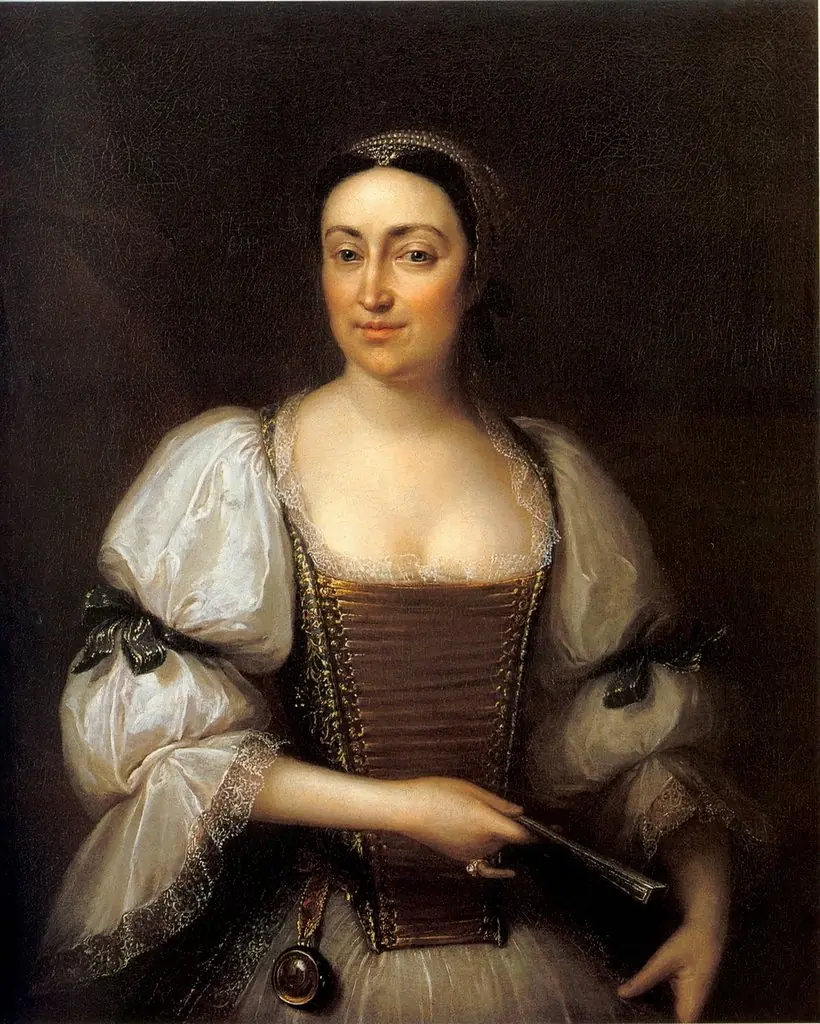 Portrait of Baroness János Podmaniczky née Judit Osztroluczky
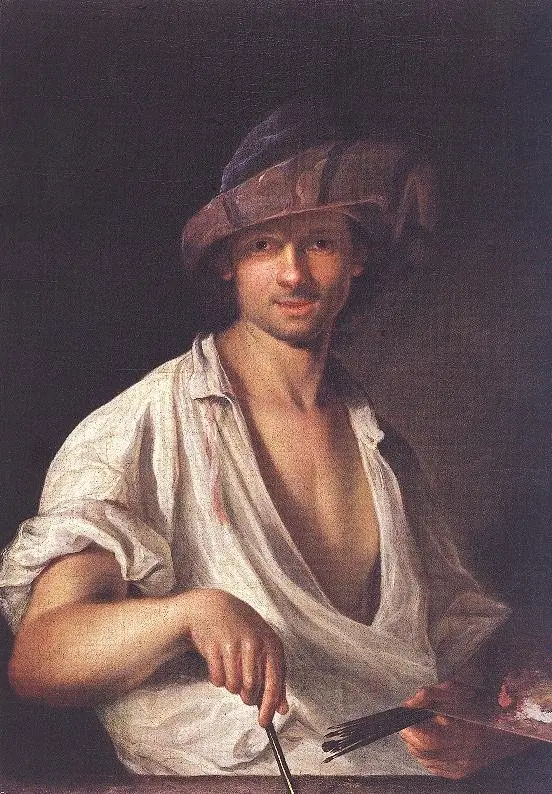 Self-portrait
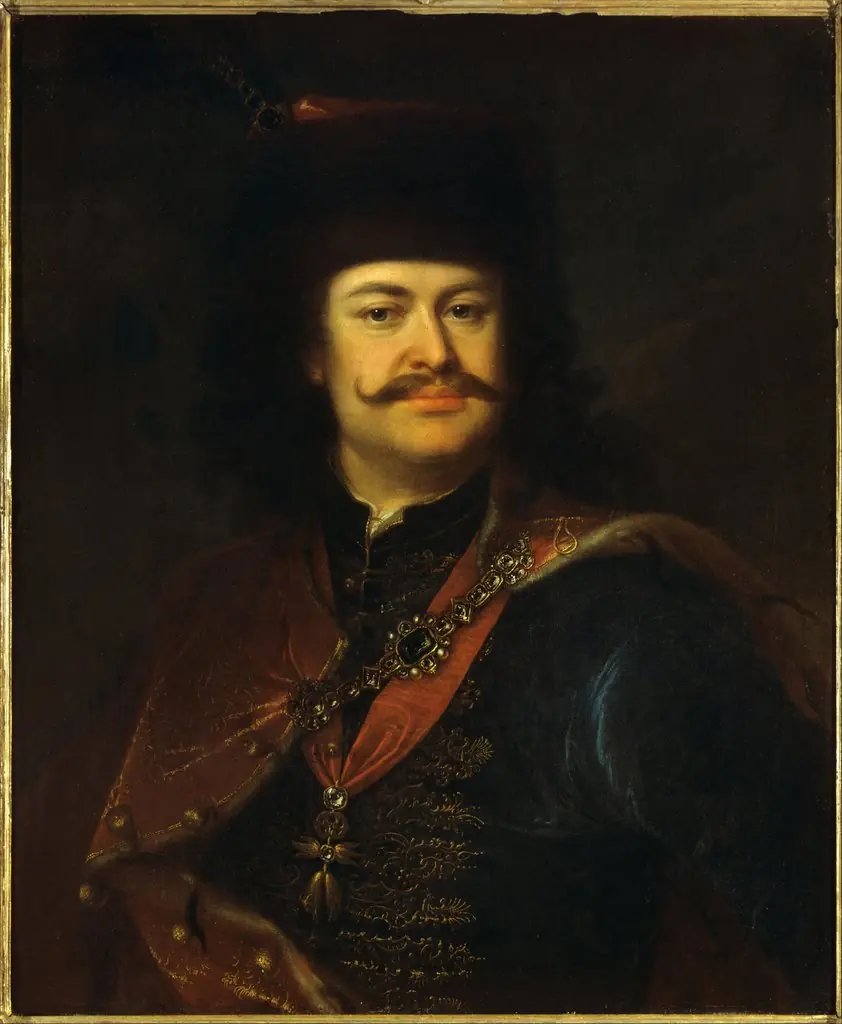 Portrait of Prince Ferenc Rákóczi II
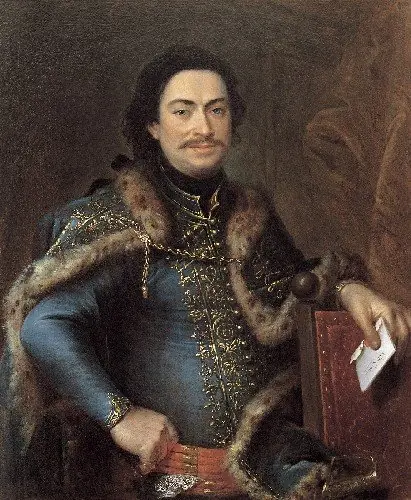 Portrait of János Podmaniczky
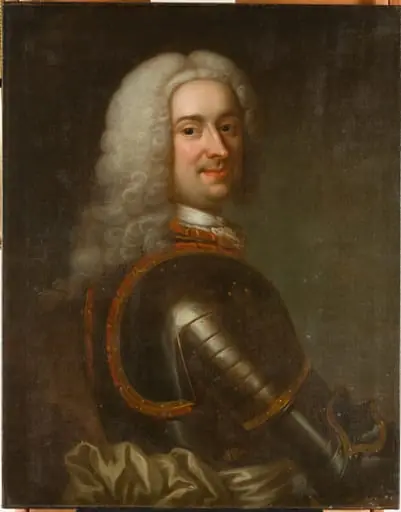 Portrait Münchhausen Kopie
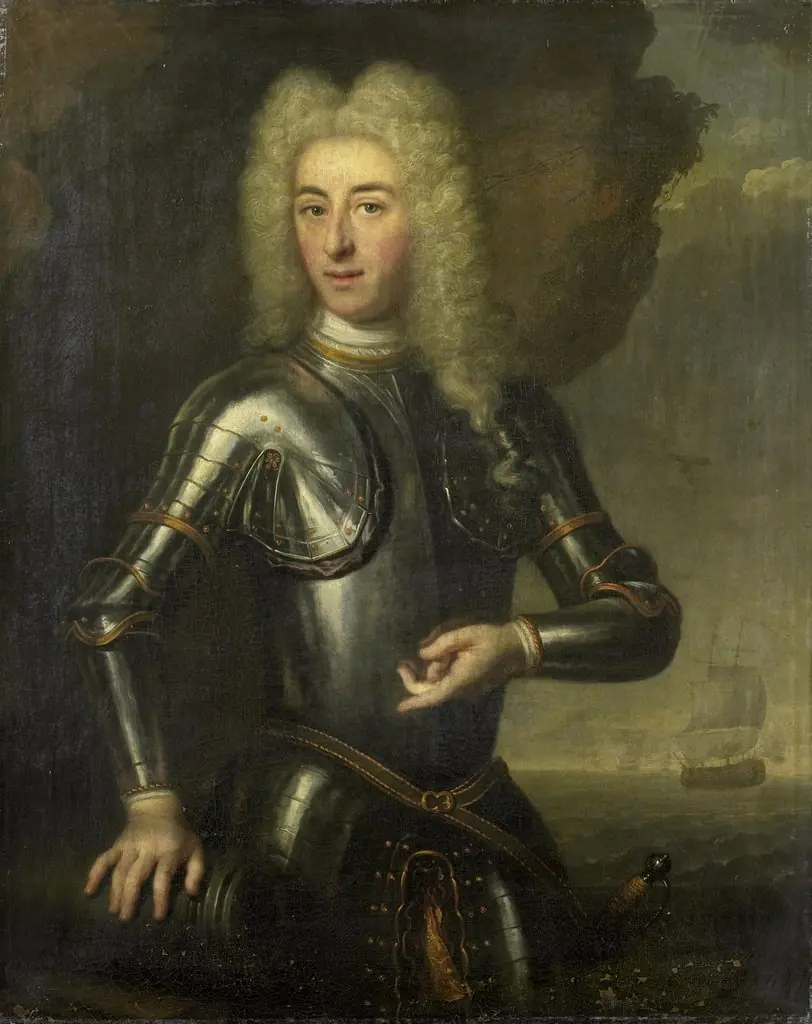 Portrait of Hendrik Lijnslager, Sea Captain with the Admiralty of Amsterdam
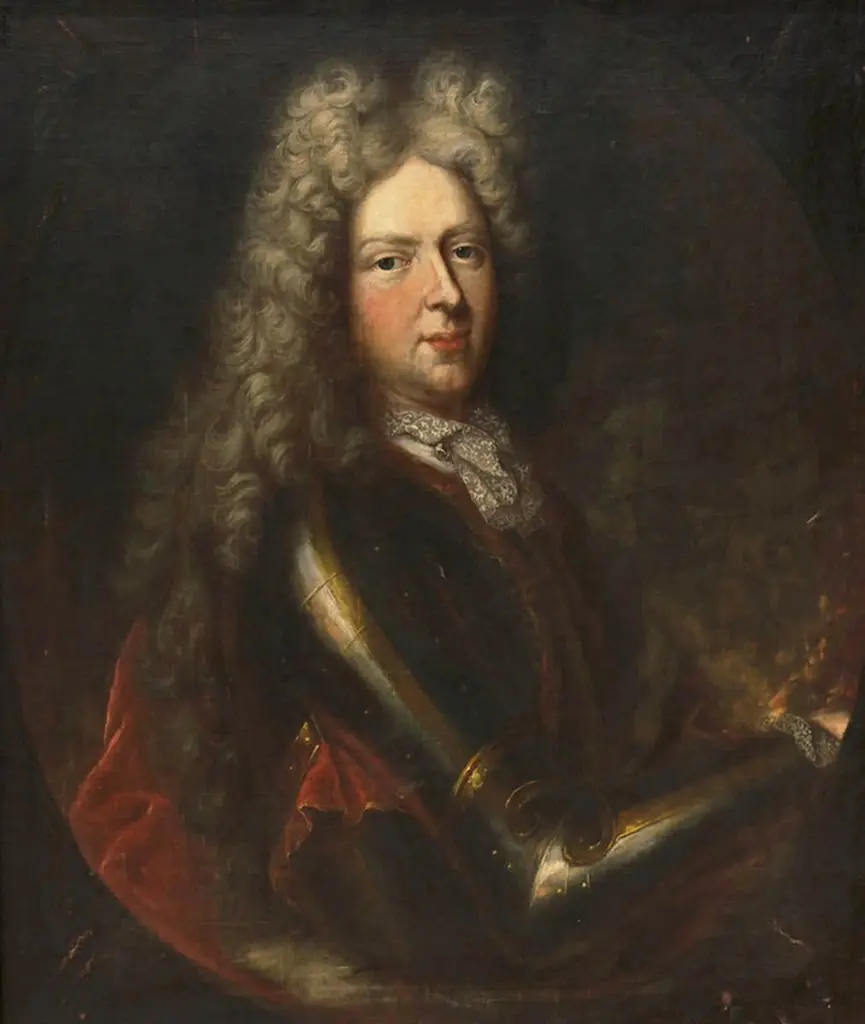 Markgraf Georg Friedrich II von Brandenburg Ansbach
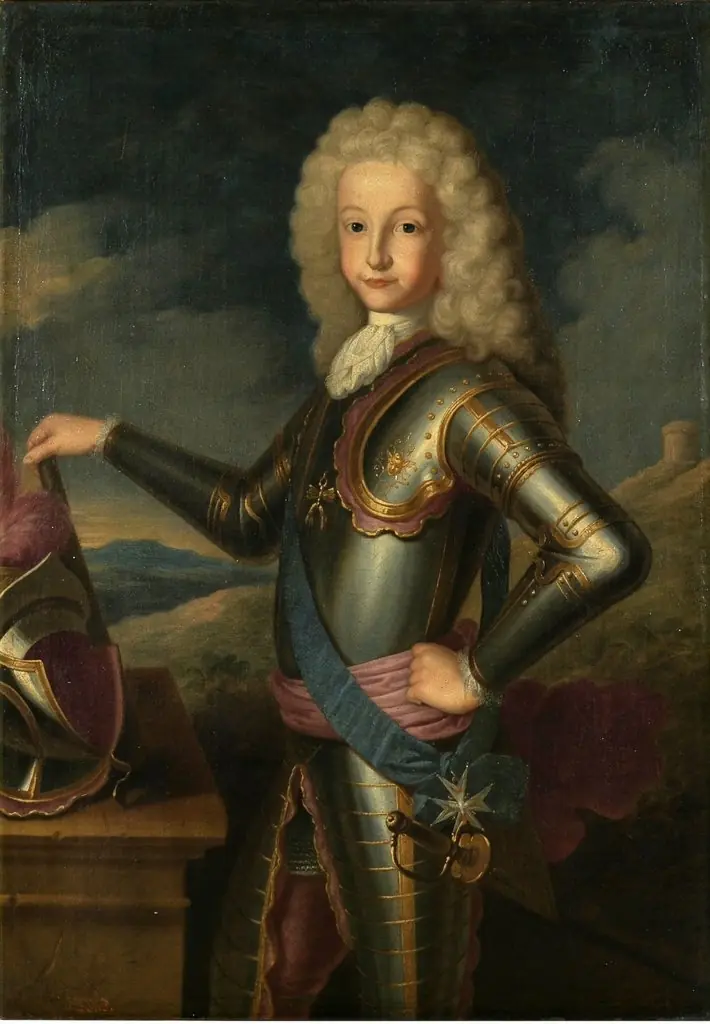 Luis I con armadura a los 10 años
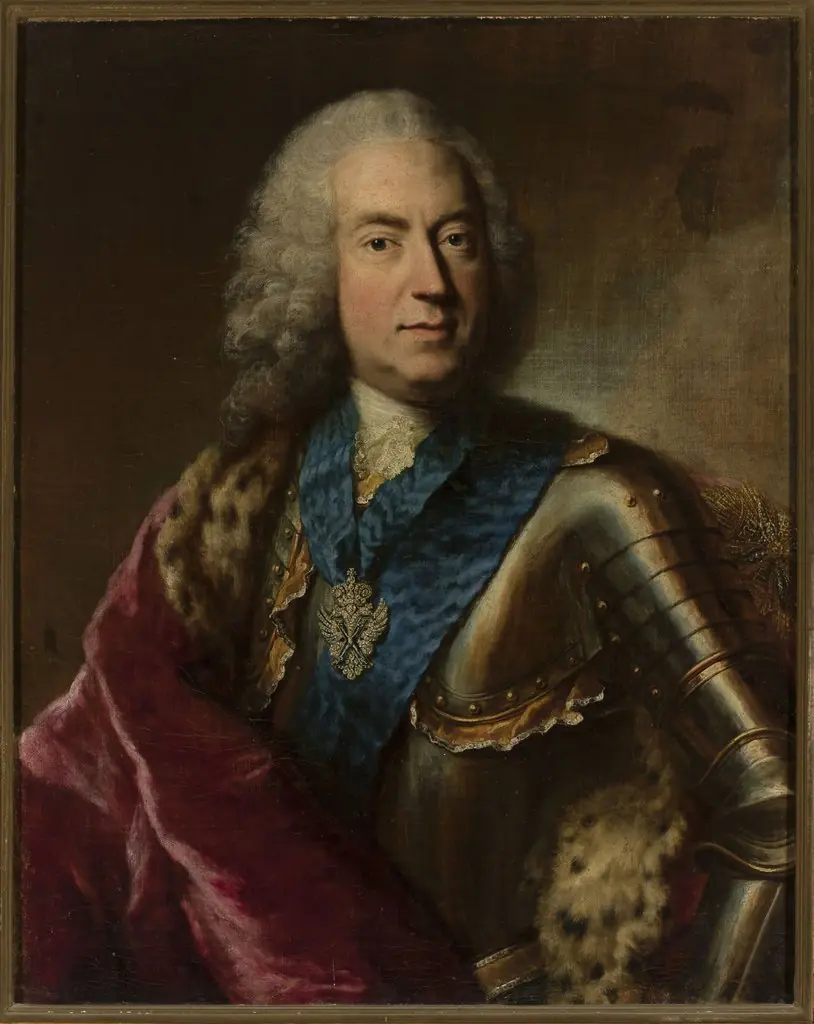 Portrait of Karl August Rex, Saxon minister
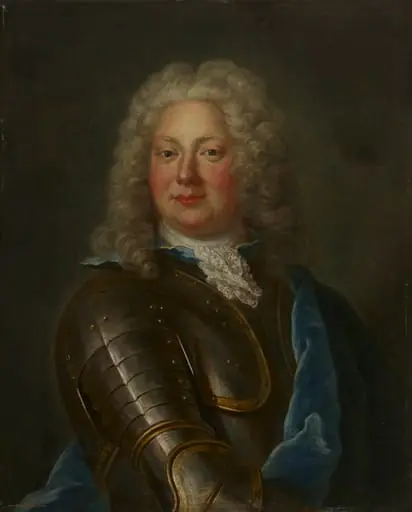 Hovimarsalkka Gustaf Jakob Horn af Rantzien
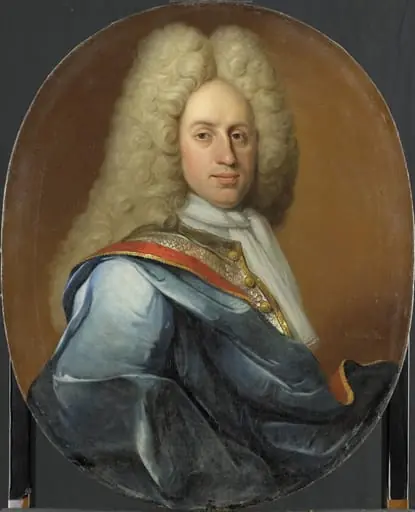 Hieronymus Josephus Boudaen, Lord of St Laurens and Popkensburg
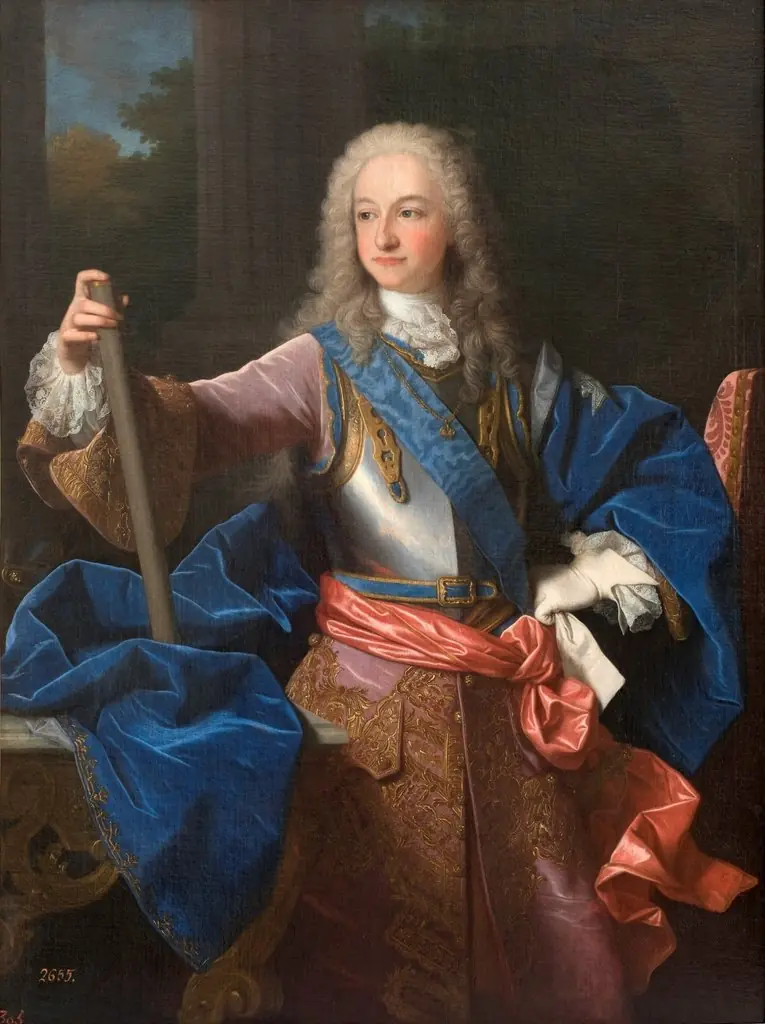 Portrait of Prince Louis of Spain
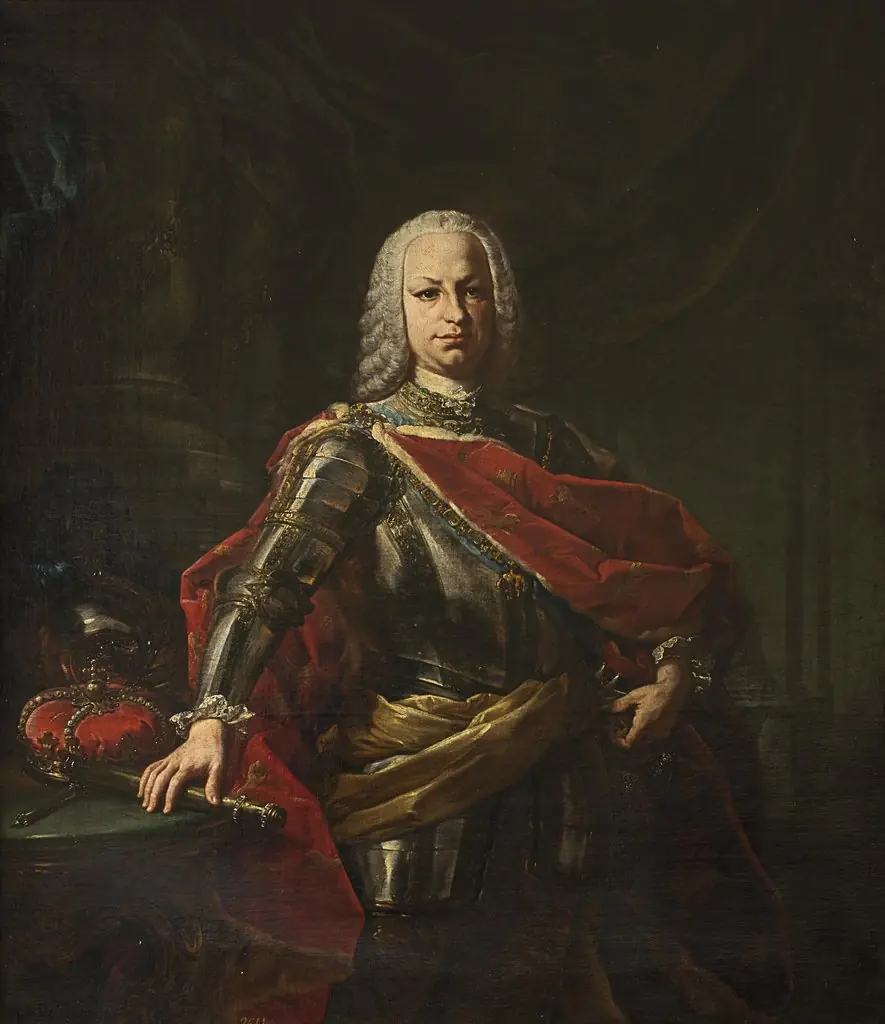 Fernando VI rey de España
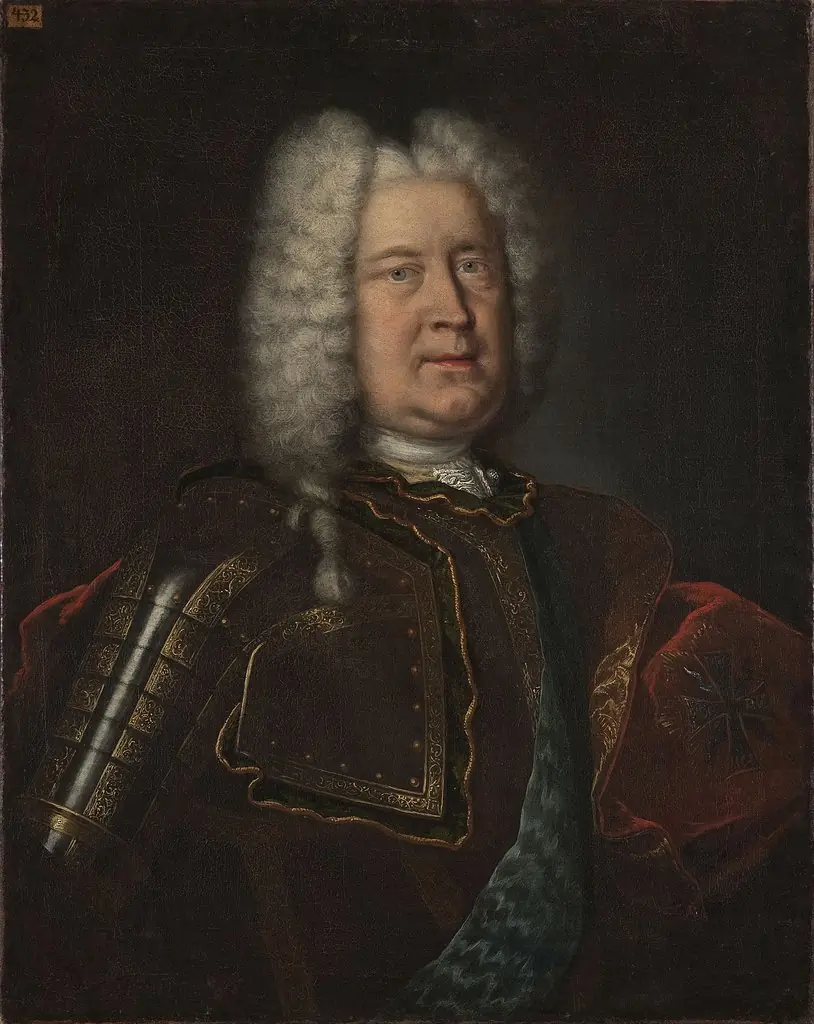 Portrait of a man
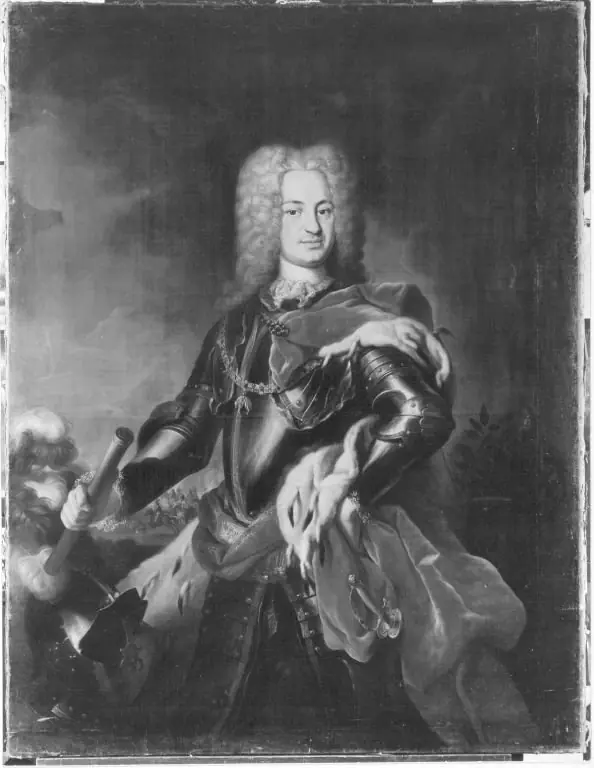 Bildnis des Joseph Karl Emanuel von Sulzbach als Feldherr (1694-1729)
 Portrait of a man in armour