Artwork
Extreme Unction (recto)
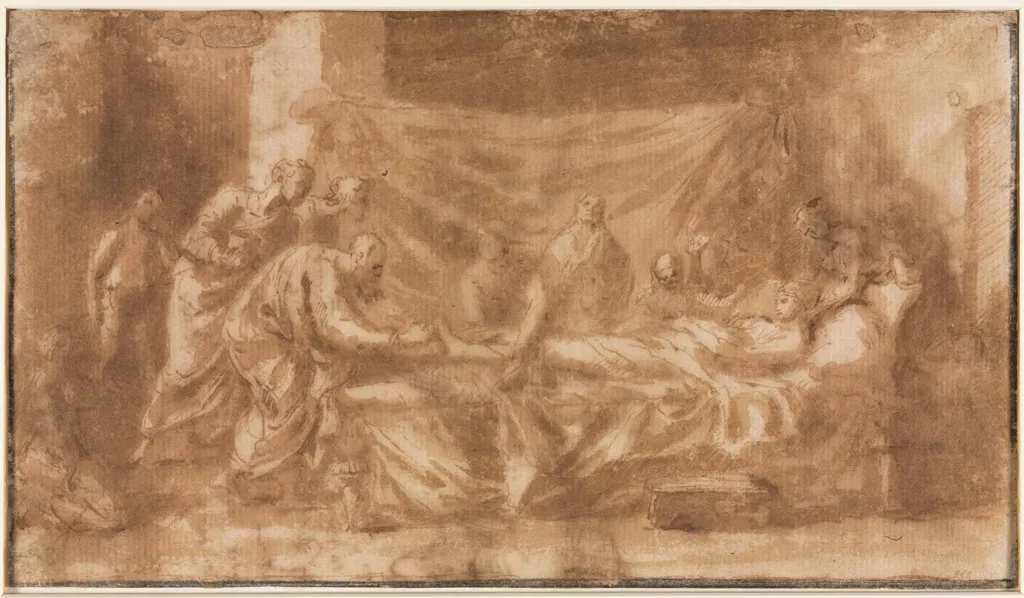
Extreme Unction (recto) is a drawing by the Baroque artist Nicolas Poussin. It dates from 1644 and is held in the collection of the Cleveland Museum of Art.
About this work
Overview
Created in 1644, this drawing by Nicolas Poussin depicts a moment of religious ritual, likely the sacrament of Extreme Unction.
Created in 1644, this drawing by Nicolas Poussin depicts a moment of religious ritual, likely the sacrament of Extreme Unction. Executed in a muted palette with delicate tonal transitions, it is part of the collection at The Cleveland Museum of Art. The work is rendered on paper with subtle shading, emphasizing emotional gravity over decorative detail. Its fragile state reflects age and handling, yet the composition retains its quiet intensity.
Subject & Meaning
The scene portrays a dying individual surrounded by mourners and clergy, engaged in the final sacrament of the Catholic Church. Figures lean inward with expressions of sorrow and reverence, their gestures—clasped hands, lowered heads, and taut sheets—convey physical and spiritual vulnerability. The focus on the bed and the faces suggests a meditation on mortality, faith, and communal support in the face of death.
Technique & Style
Poussin employed soft chalk or pencil to build form through gradual gradations of tone, avoiding sharp outlines. Light falls from the upper left, illuminating key faces and hands while leaving the background in diffuse shadow. This controlled use of chiaroscuro enhances the three-dimensionality of the figures and directs attention to their emotional states, reflecting his classical approach to narrative clarity and psychological depth.
History & Provenance
The drawing entered The Cleveland Museum of Art’s collection in the 20th century, though its earlier ownership remains undocumented. Likely made as a preparatory study for a larger painting, it was preserved for its compositional strength rather than as a finished work. Its faded condition suggests it was handled frequently, possibly during the artist’s studio practice or by later collectors.
Context
Poussin created this work during his mature period in Rome, where he engaged deeply with religious themes and classical ideals. The composition aligns with Counter-Reformation interests in sacramental imagery, emphasizing solemnity and human emotion. While many of his contemporaries favored theatricality, Poussin’s restraint here reflects his belief in art as a vehicle for contemplative truth.
Legacy
This drawing exemplifies Poussin’s influence on later academic traditions, particularly in the use of restrained emotion and structured composition to convey spiritual themes. Though less known than his paintings, such studies reveal his methodical approach to human expression and lighting. It remains a key reference for understanding how Renaissance ideals were adapted into 17th-century drawing practice.
Artist & collection
Artist
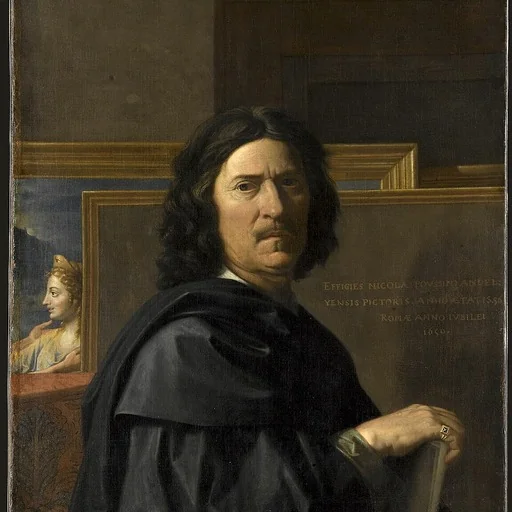
Nicolas Poussin (UK: , US: , French: ; June 1594 – 19 November 1665) was a leading painter of the classical French Baroque style, although he spent most of his working life in Rome.

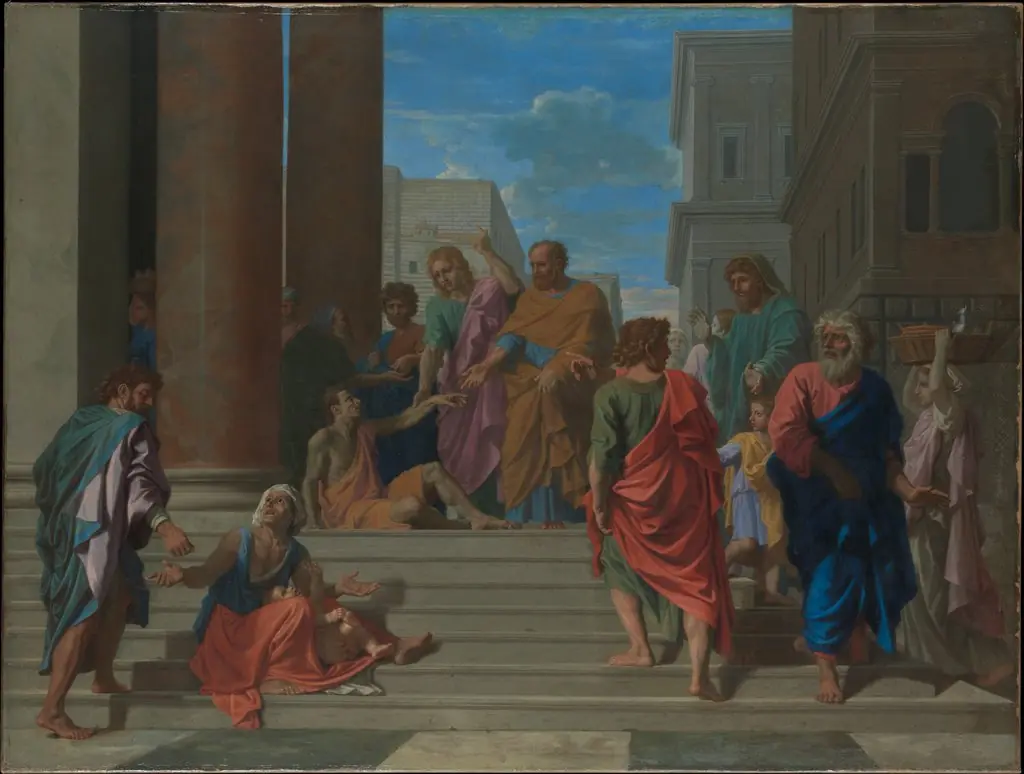
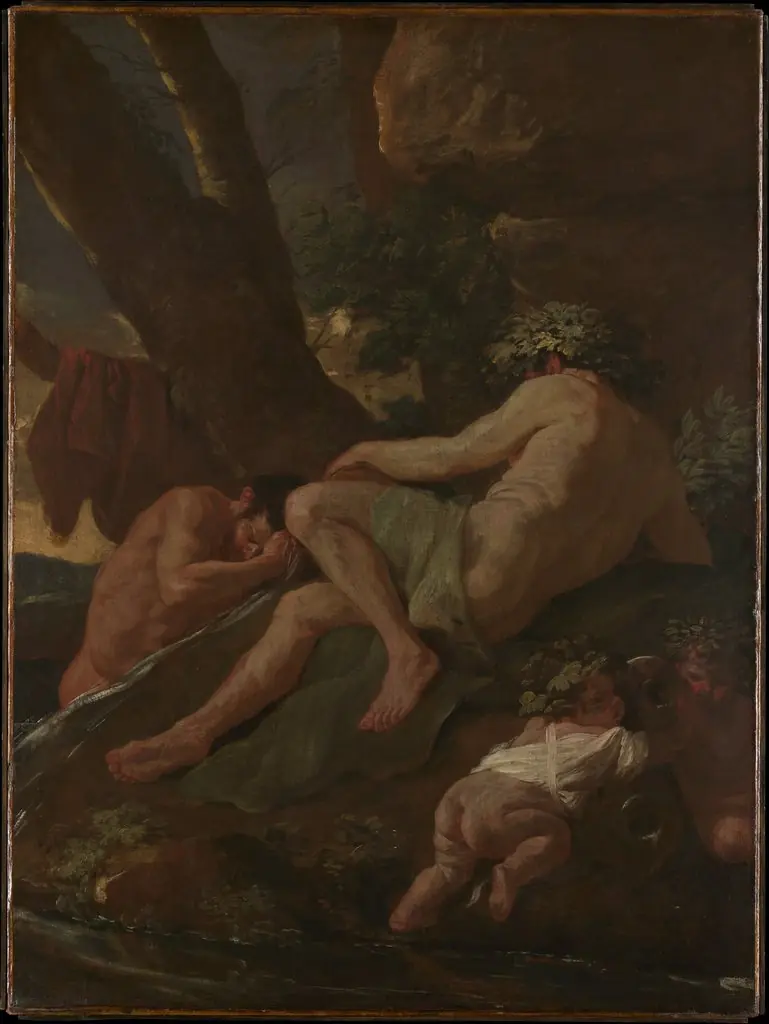
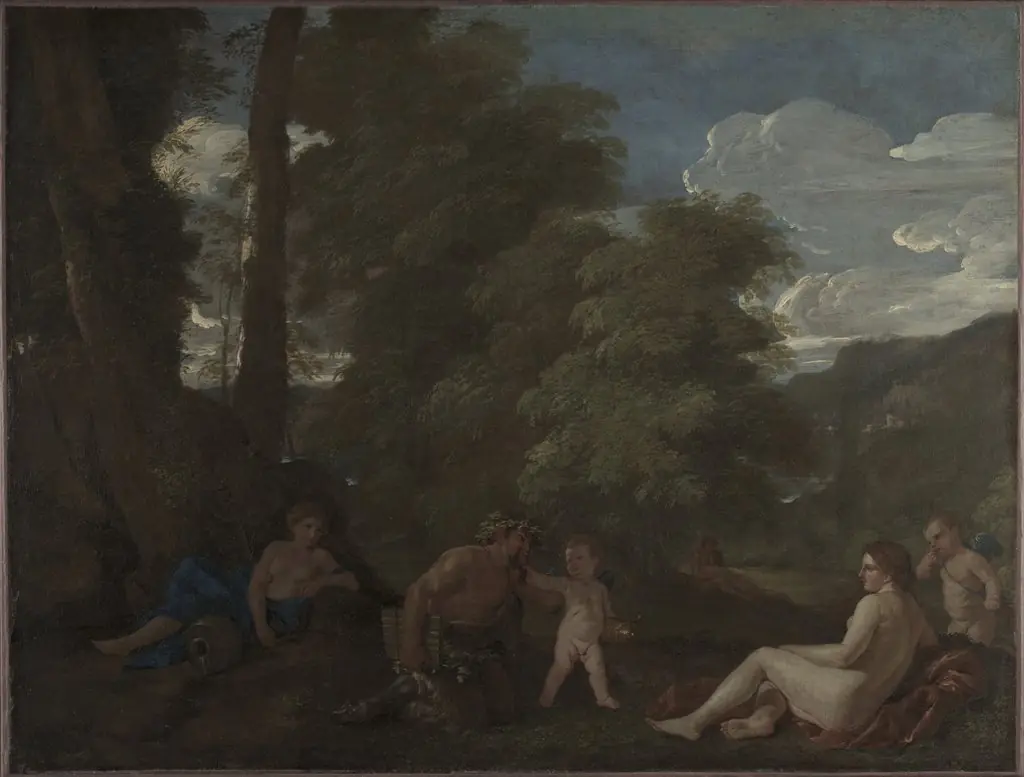
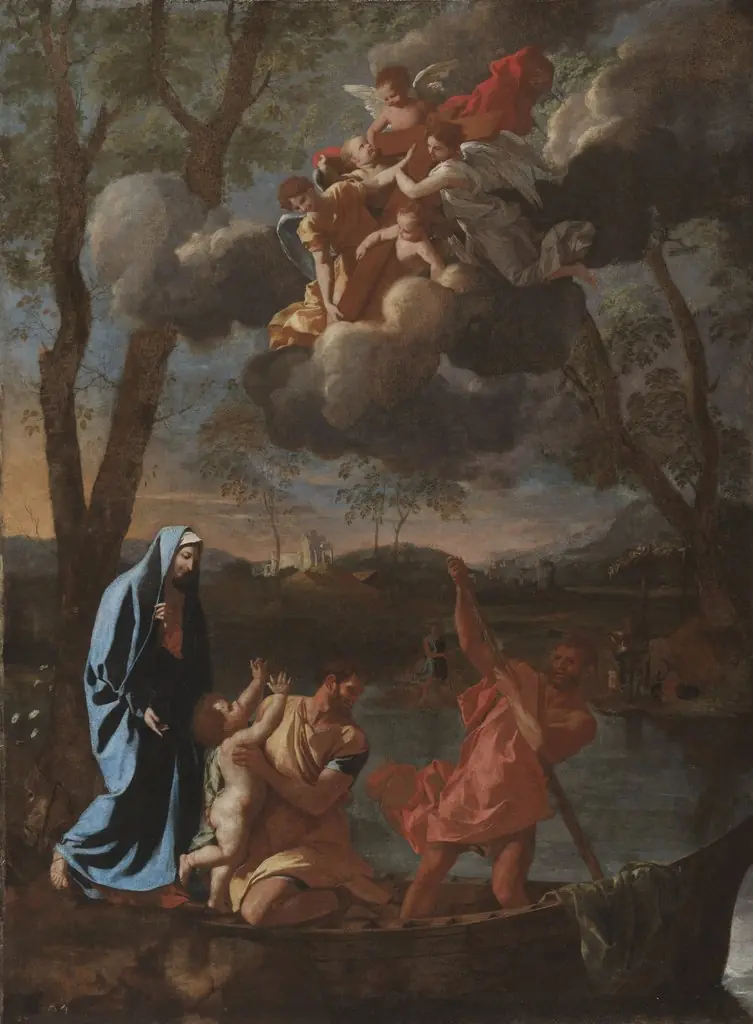
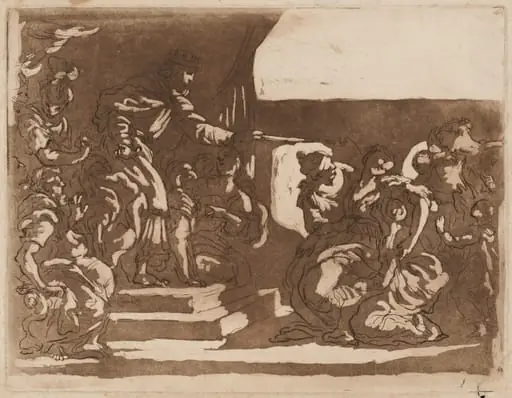 Esther before Ahasuerus
![Jacob and Rebecca before Isaac [recto], by French 18th Century](https://artifactworldgallery.com/img/french-18th-century--jacob-and-rebecca-before-isaac-recto--5393ee8d0dceb48c-w320.webp) Jacob and Rebecca before Isaac [recto]
Jacob and Rebecca before Isaac [recto]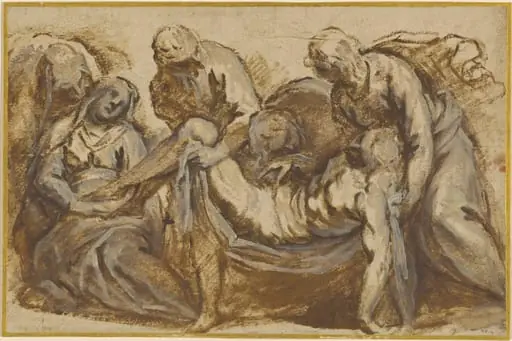 Christ Carried to the Tomb
 The Adoration of the Shepherds
![A Young Woman Overcome by Love [recto], by Jean-Baptiste Deshays](https://artifactworldgallery.com/img/jean-baptiste-deshays--a-young-woman-overcome-by-love-recto--8f8b1d64ee16ec55-w320.webp) A Young Woman Overcome by Love [recto]
A Young Woman Overcome by Love [recto] Adoration of the Shepherds (study)
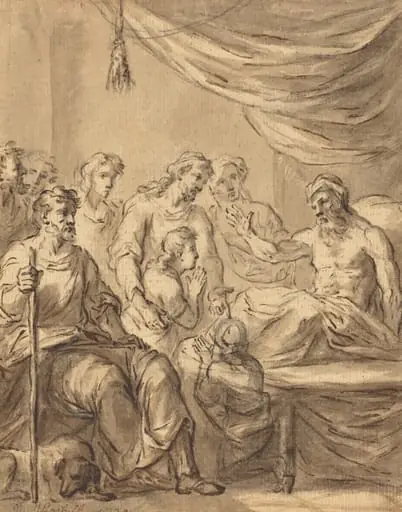 Jacob Allowing Benjamin to Go to Egypt with His Brothers
 The Death of the Virgin
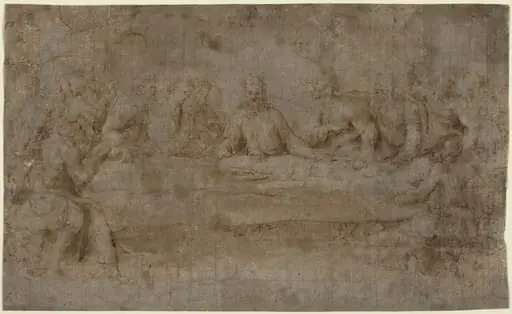 The Last Supper
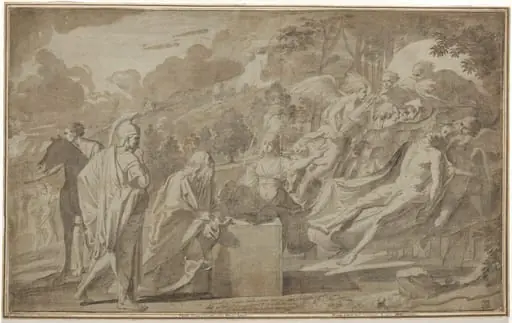 The Prophecy of Basilides
![A Deathbed Scene [recto], by Polidoro da Caravaggio](https://artifactworldgallery.com/img/polidoro-da-caravaggio--a-deathbed-scene-recto--003a0ab85138063d-w320.webp) A Deathbed Scene [recto]
A Deathbed Scene [recto]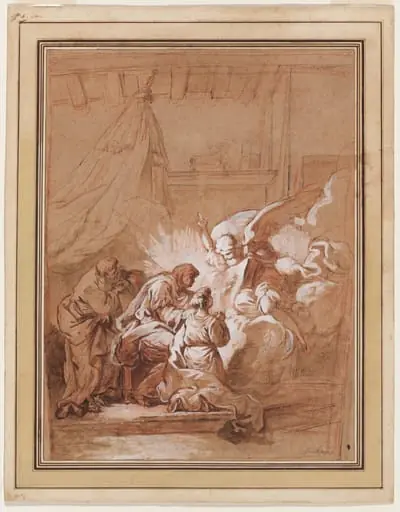 The Education of the Virgin