Artwork
Esther before Ahasuerus
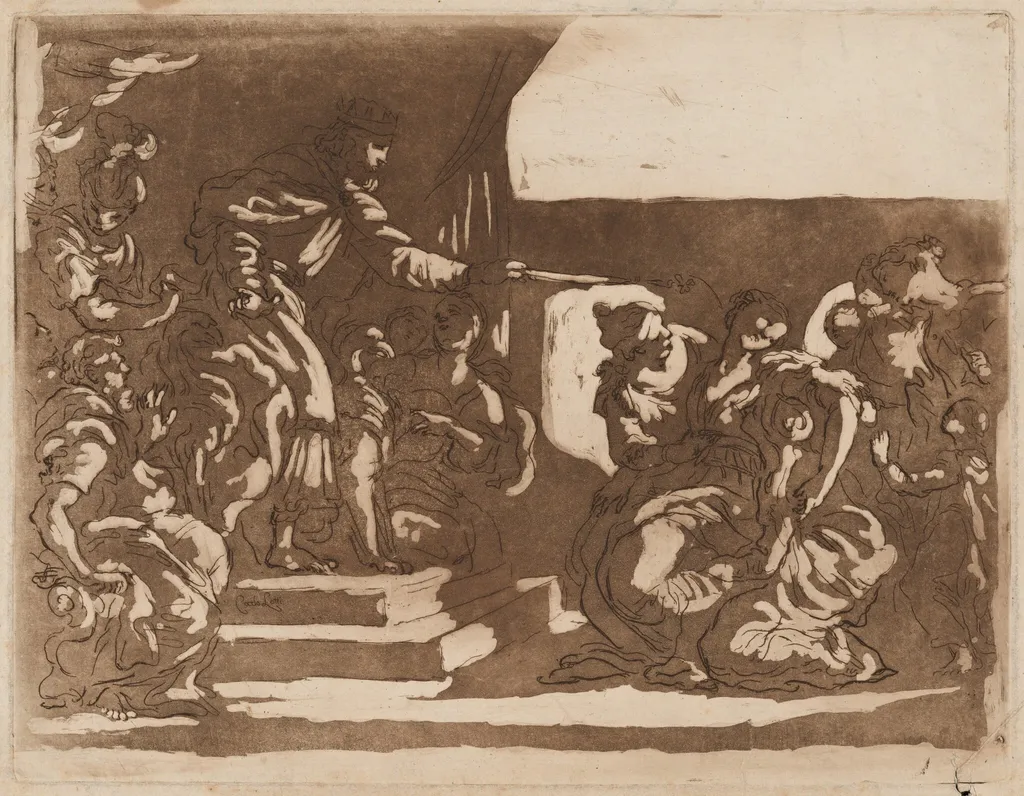
Esther before Ahasuerus is an ink print by the Romanticist artist Charles-Paul-Jean-Baptiste de Bourgevin Vialart de Saint-Morys. It dates from 1775 and is held in the collection of the National Gallery of Art.
About this work
Overview
Created in 1775 by Charles-Paul-Jean-Baptiste de Bourgevin Vialart de Saint-Morys, this print depicts a moment from the biblical Book of Esther.
Created in 1775 by Charles-Paul-Jean-Baptiste de Bourgevin Vialart de Saint-Morys, this print depicts a moment from the biblical Book of Esther. Executed in etching and aquatint on laid paper, the work is rendered in gray-brown tones and is part of the National Gallery of Art’s collection in Washington, D.C. It belongs to a series of historical and literary subjects that Saint-Morys produced during the late 18th century, reflecting an interest in narrative drama through graphic media.
Subject & Meaning
The scene captures Esther, queen of Persia, approaching King Ahasuerus uninvited—a perilous act that could result in death. Her outstretched arms signal supplication, while the king’s reaction conveys hesitation and recognition of her courage. The moment is charged with moral weight: Esther risks her life to plead for her people’s safety. The composition emphasizes her vulnerability and the king’s ambiguous authority, underscoring themes of intercession and divine providence.
Technique & Style
Saint-Morys employed etching and aquatint to achieve subtle gradations of tone, enhancing the emotional intensity of the scene. The figures are illuminated against a deep, shadowed background, with Esther’s face and garments catching the light while the king remains partially obscured. This chiaroscuro effect heightens psychological tension and directs focus to the interaction between the two central figures, aligning with contemporary interest in theatrical, emotionally charged compositions.
History & Provenance
The print was produced in 1775 during Saint-Morys’s active period as a printmaker and collector. It entered the National Gallery of Art’s collection through the A.W. Mellon Educational and Charitable Trust in 1937, alongside other works from the Mellon bequest. Its preservation reflects its status as a representative example of French graphic art from the pre-Revolutionary era, valued for its technical refinement and narrative clarity.
Context
Saint-Morys worked in a period when historical and biblical subjects were frequently adapted for print, catering to an educated public interested in moral and literary themes. While his style predates Romanticism, the emphasis on emotional expression and dramatic lighting anticipates its concerns. The print aligns with broader European trends in illustrating sacred texts through visual narrative, particularly in print culture that emphasized accessibility and emotional resonance.
Legacy
Though Saint-Morys is less widely known today, this print remains a notable example of late 18th-century French graphic art. It contributes to the understanding of how biblical stories were visually interpreted in the decades before the French Revolution, bridging classical narrative traditions with emerging sensibilities in light, gesture, and psychological depth. Its presence in a major public collection ensures continued scholarly attention.
Artist & collection
Artist
Charles-Paul-Jean-Baptiste de Bourgevin Vialart de Saint-Morys
Charles-Paul-Jean-Baptiste de Bourgevin Vialart de Saint-Morys (1743–1795) was an artist.

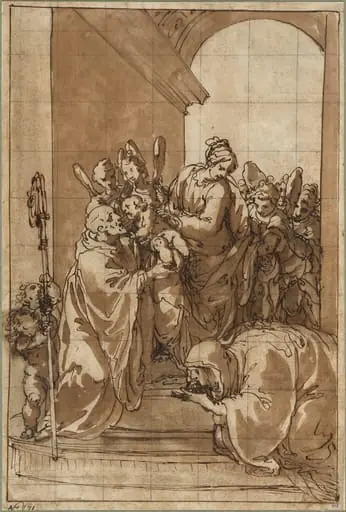 Madonna and Child with Angels, Saint Benedict, and Saint Scholastica
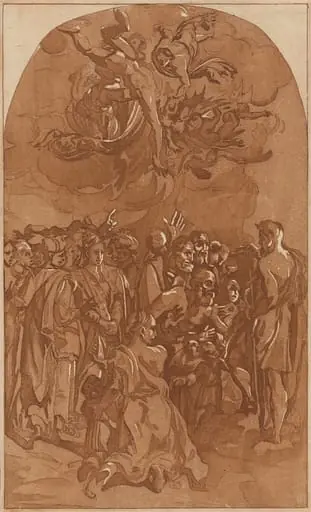 Saint John Preaching
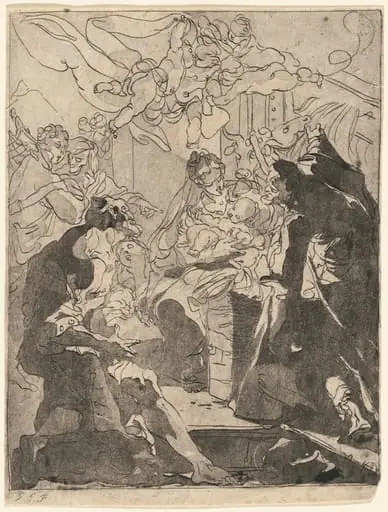 Adoration of the Shepherds
![The Adoration of the Magi [recto], by Donato Creti](https://artifactworldgallery.com/img/donato-creti--the-adoration-of-the-magi-recto--2cfd5d76b55e821e-w320.webp) The Adoration of the Magi [recto]
The Adoration of the Magi [recto]![Presentation of the Virgin in the Temple [verso], by Antonio Zanchi](https://artifactworldgallery.com/img/antonio-zanchi--presentation-of-the-virgin-in-the-temple-verso--450080eaf8685583-w320.webp) Presentation of the Virgin in the Temple [verso]
Presentation of the Virgin in the Temple [verso]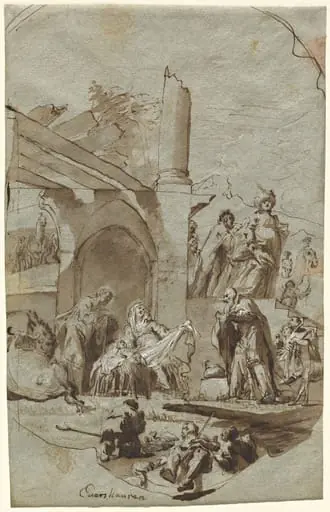 The Adoration of the Magi
![Joseph and His Brother in Egypt [verso], by Italian 17th Century](https://artifactworldgallery.com/img/italian-17th-century--joseph-and-his-brother-in-egypt-verso--86cfb4fbb2662a76-w320.webp) Joseph and His Brother in Egypt [verso]
Joseph and His Brother in Egypt [verso]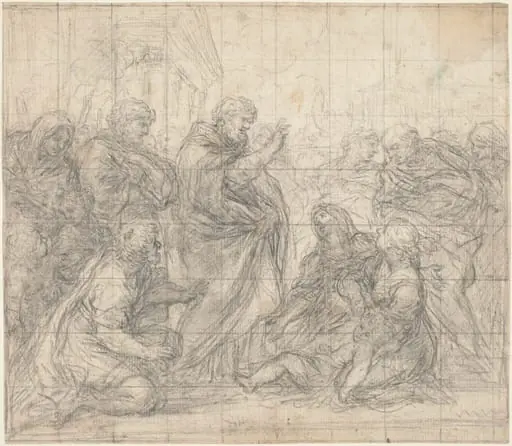 Saint Zenobius Resuscitating a Child
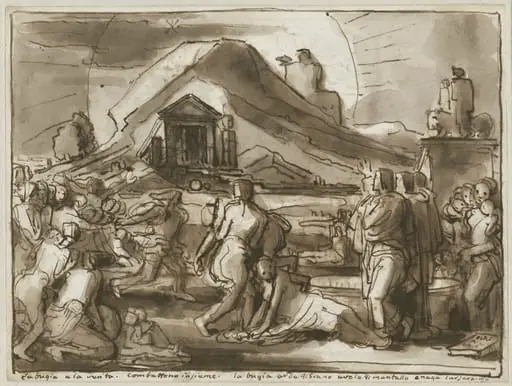 An Allegory of Truth and Falsehood (verso)