Artwork
Männliches Bildnis
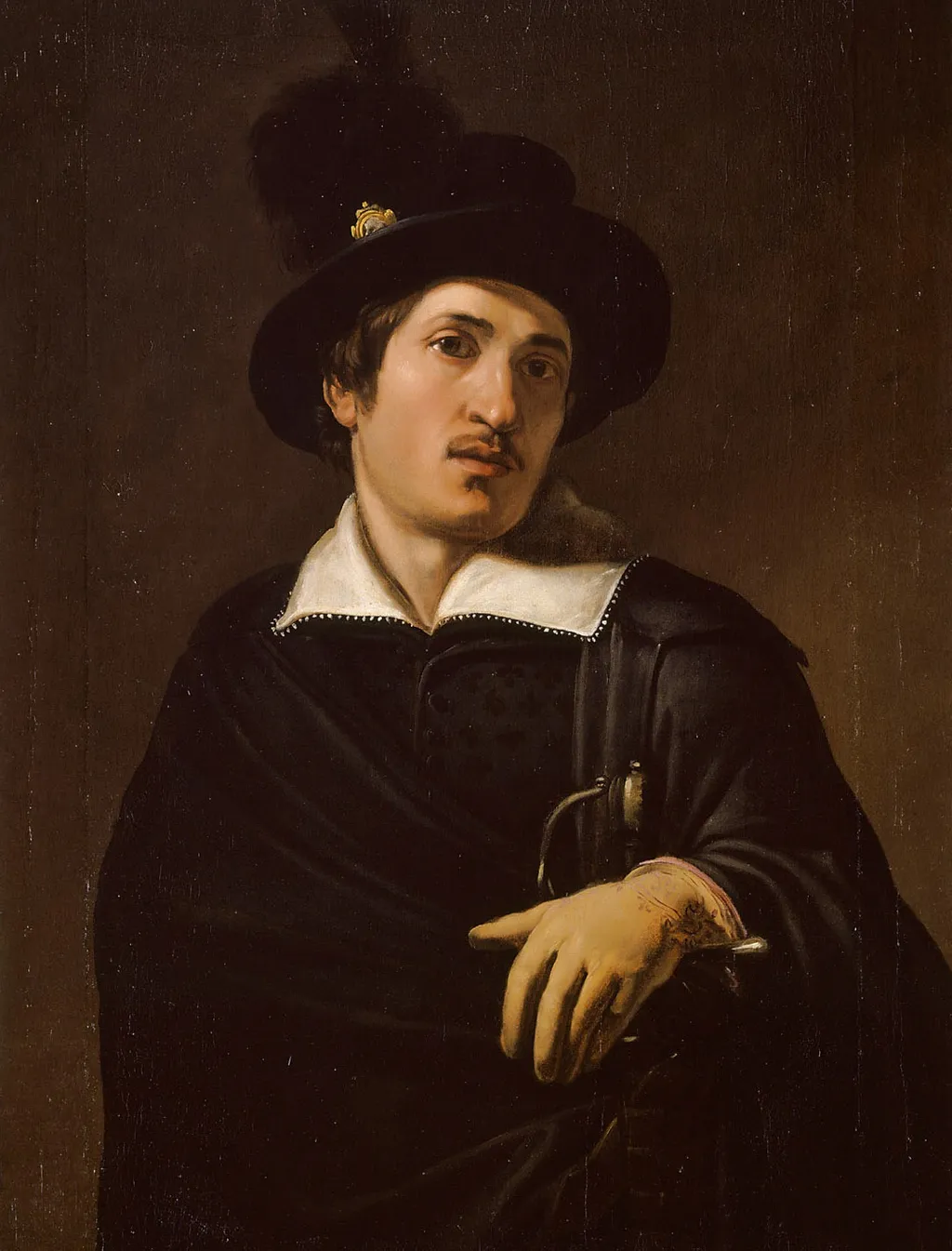
Männliches Bildnis is an unspecified painting by the Flemish Baroque painting artist Nicolas Régnier. It dates from 1625 and is held in the collection of the Kunsthistorisches Museum.
About this work
Overview
This painting, part of the Kunsthistorisches Museum’s holdings, presents an unidentified male subject rendered with precise attention to costume and expression.
Nicolas Régnier’s *Männliches Bildnis* (1625) exemplifies Flemish Baroque portraiture, a genre the artist explored alongside religious and genre scenes. Active during the early 17th century, Régnier worked between Antwerp and Italy, where he absorbed Caravaggesque influences. This painting, part of the Kunsthistorisches Museum’s holdings, presents an unidentified male subject rendered with precise attention to costume and expression.
Subject & Meaning
The portrait depicts a man in three-quarter view, his gaze directed outward with a composed, serious demeanor. His attire—a black hat adorned with a gold pin, a dark overcoat, and a crisp white collar—suggests status, possibly that of a merchant or professional. A chain, likely a symbol of affiliation or rank, extends from his sleeve, reinforcing the painting’s function as a record of identity and social standing.
Technique & Style
Régnier employs *chiaroscuro*, a hallmark of Caravaggesque painting, to model the figure through stark contrasts of light and shadow. The illumination isolates the subject’s face and hands, while the surrounding darkness accentuates their volumetric presence. Brushwork remains controlled, particularly in the meticulous rendering of textiles and metallic details, reflecting the artist’s training in Antwerp’s tradition of refined naturalism.
History & Provenance
Executed in 1625, *Männliches Bildnis* entered the Kunsthistorisches Museum’s collection through channels typical of Baroque-era acquisitions, though specific early owners remain undocumented. Régnier’s itinerant career—spanning the Spanish Netherlands and Italy—may account for the painting’s dispersal, as works from this period often circulated among patrons in both regions before entering institutional collections.
Context
The portrait emerges from a period of artistic exchange between Northern and Southern European traditions. Régnier’s synthesis of Flemish precision and Caravaggesque drama reflects broader trends in early 17th-century painting, where artists adapted Italian innovations to local tastes. Portraits like this served both private and public functions, documenting individuals while adhering to conventions of representation that emphasized dignity and presence.
Artist & collection
Artist
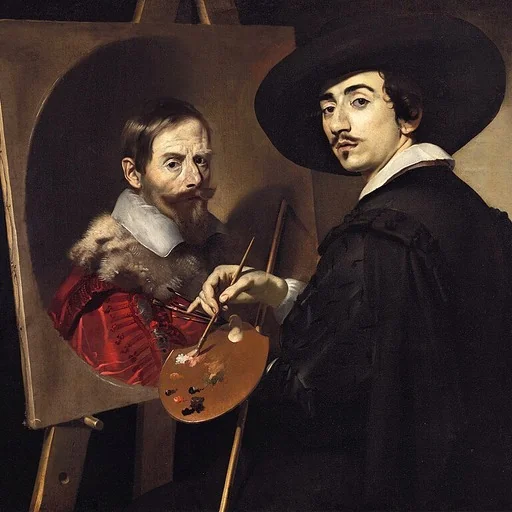
Nicolas Régnier (1591–1667), known in Italy as Niccolò Renieri, was a painter, art dealer and art collector from the County of Hainaut, a French-speaking part of the Spanish Netherlands.

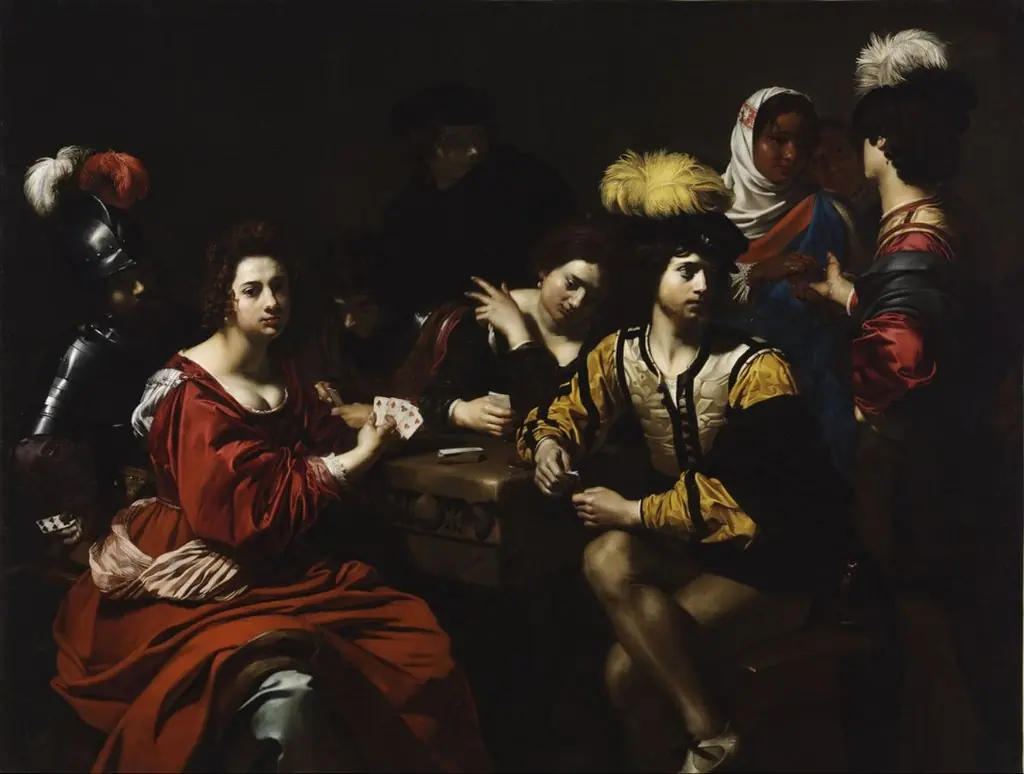
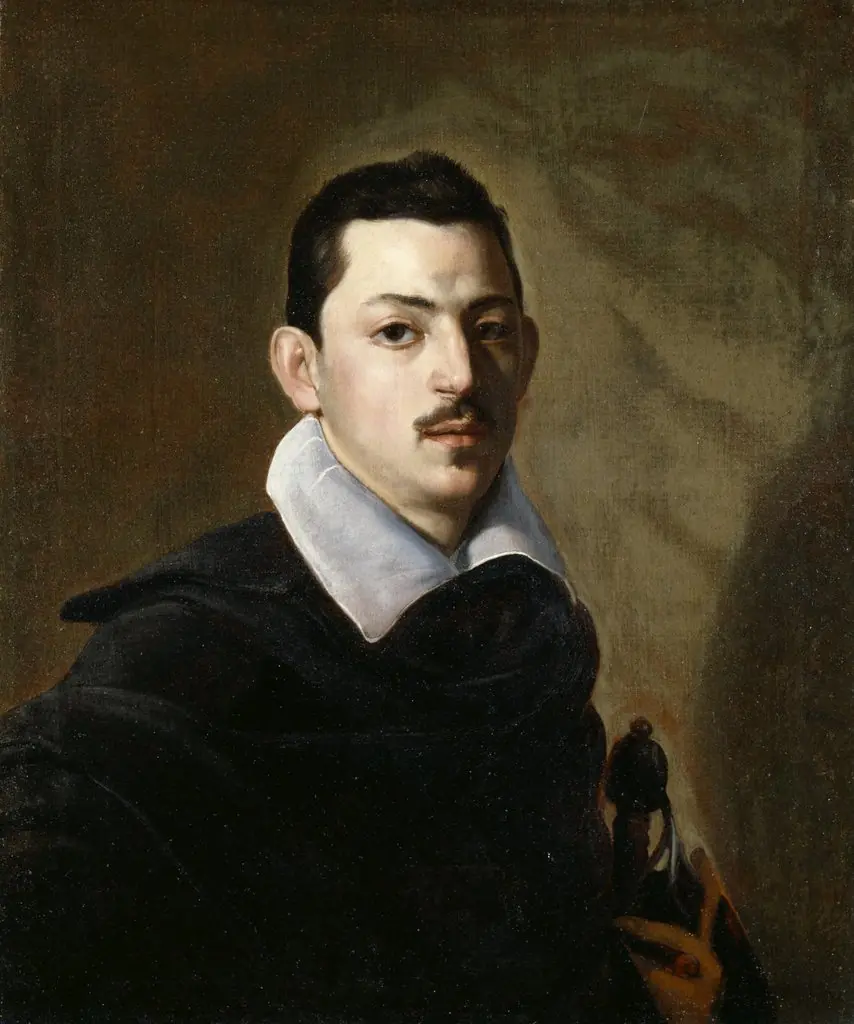
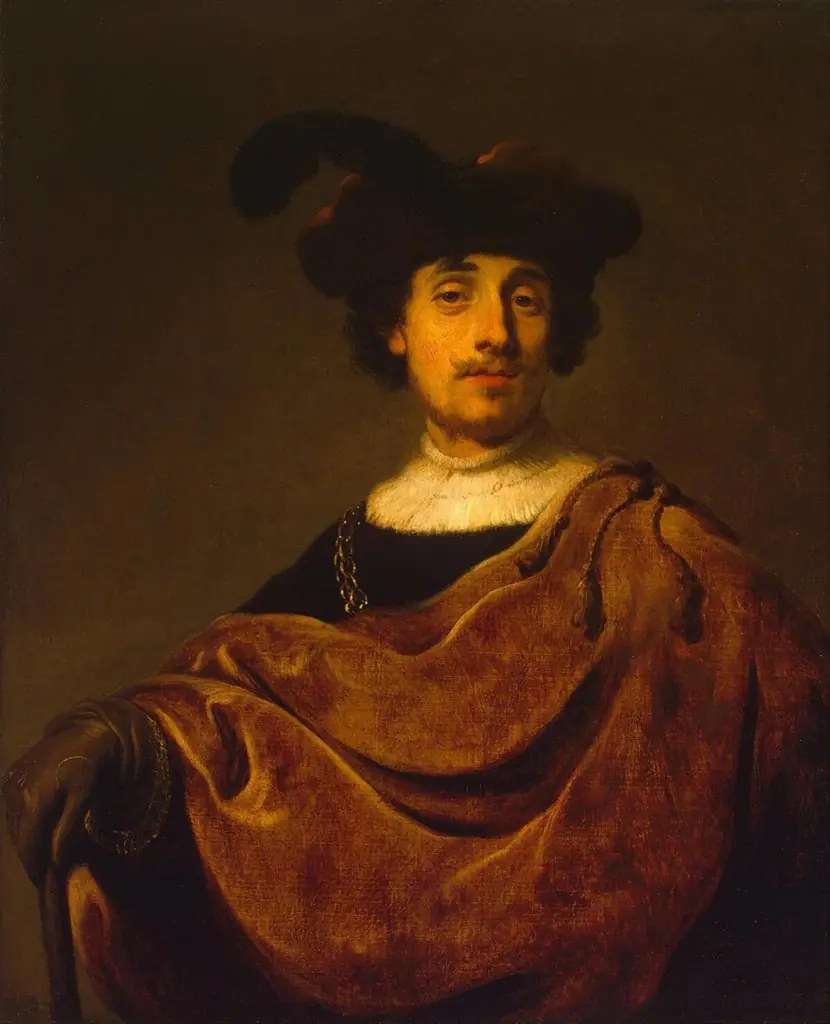 Portrait of a Young Man in a Fancy Dress
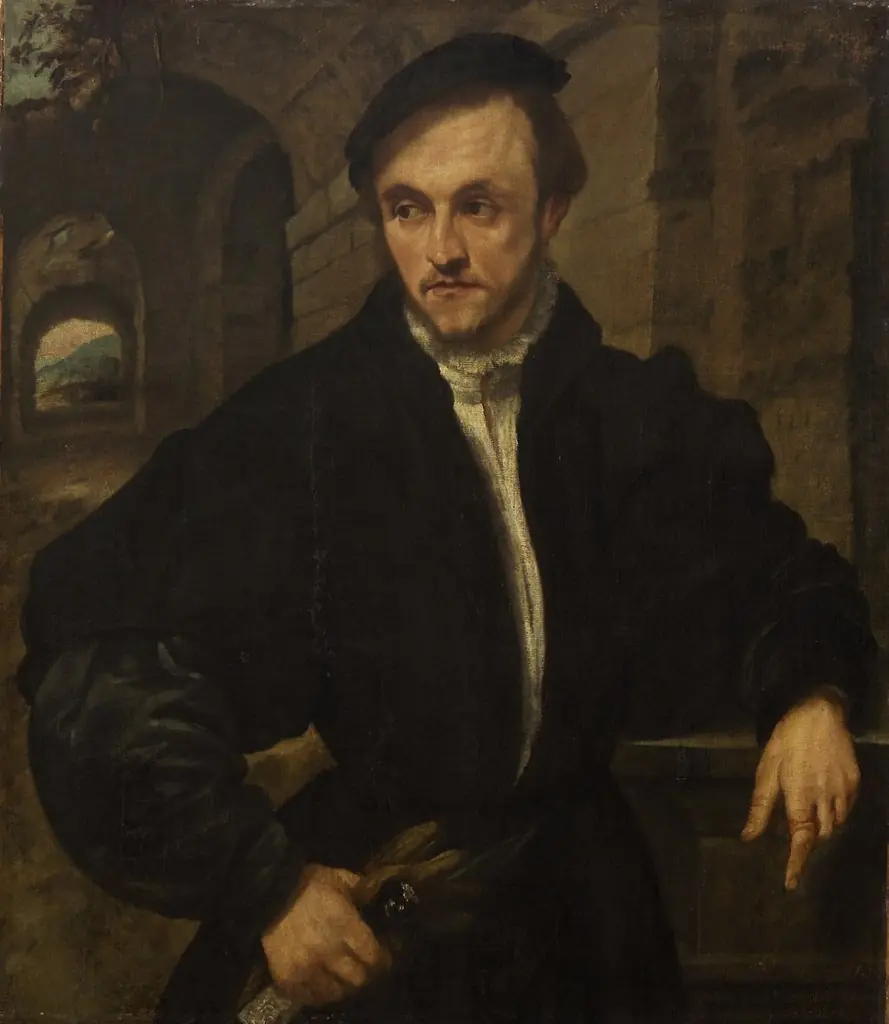 Bildnis eines Mannes vor antiker Gewölbearchitektur
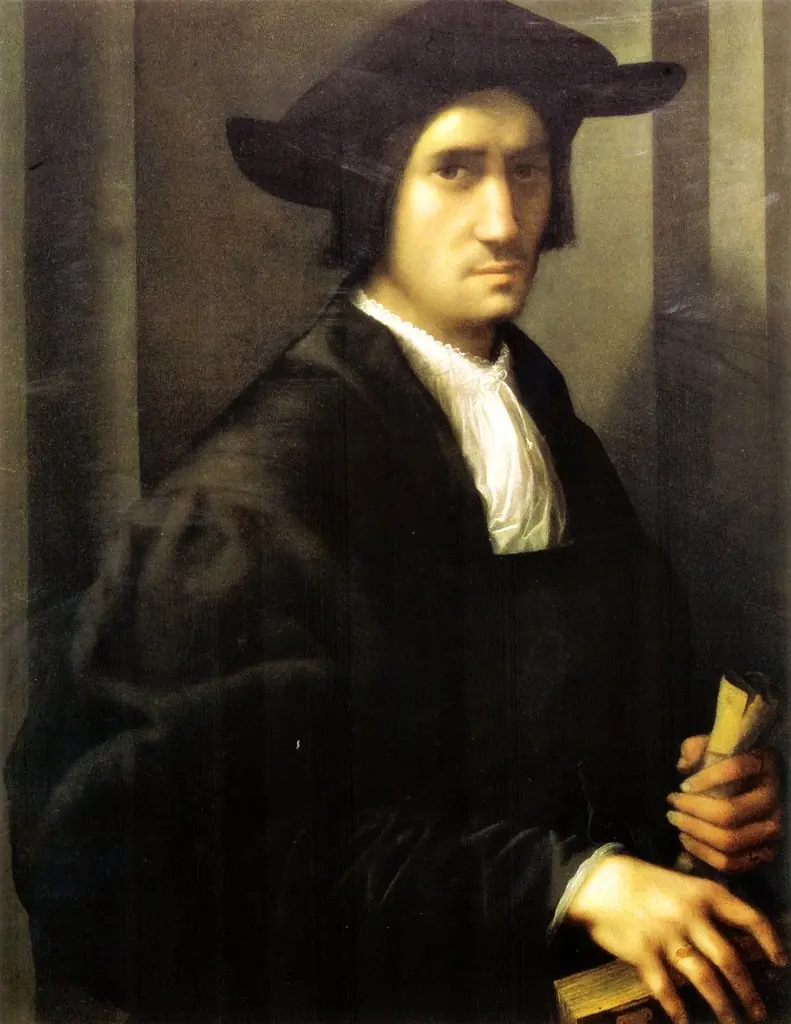 Portrait of a Young Man in Black
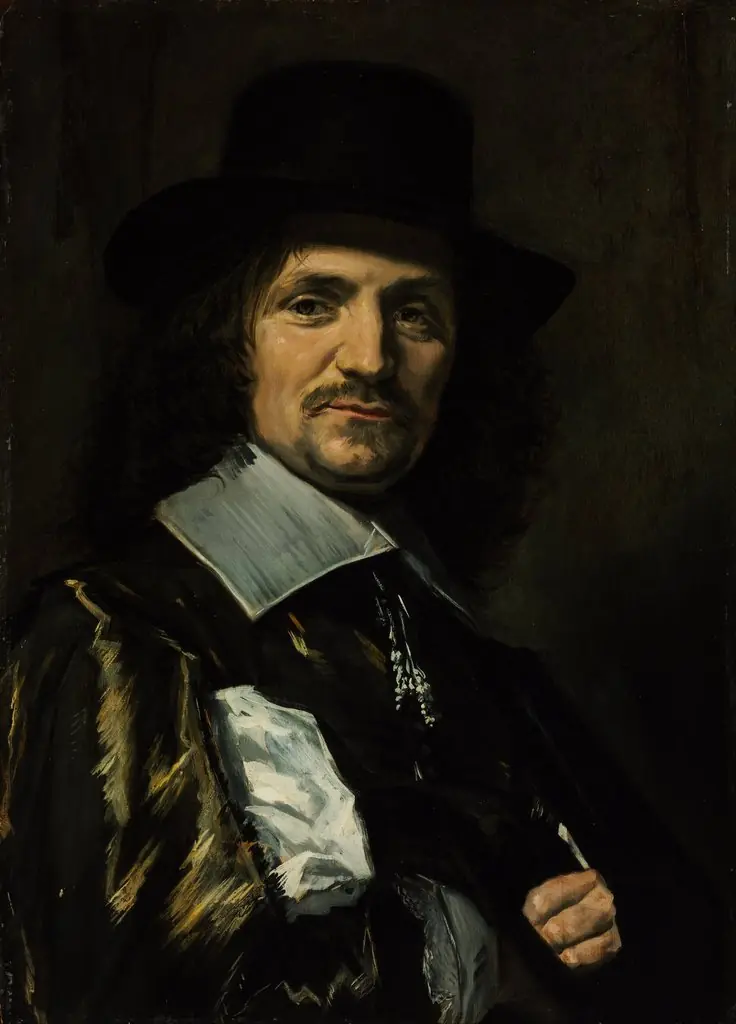 Portrait of a man
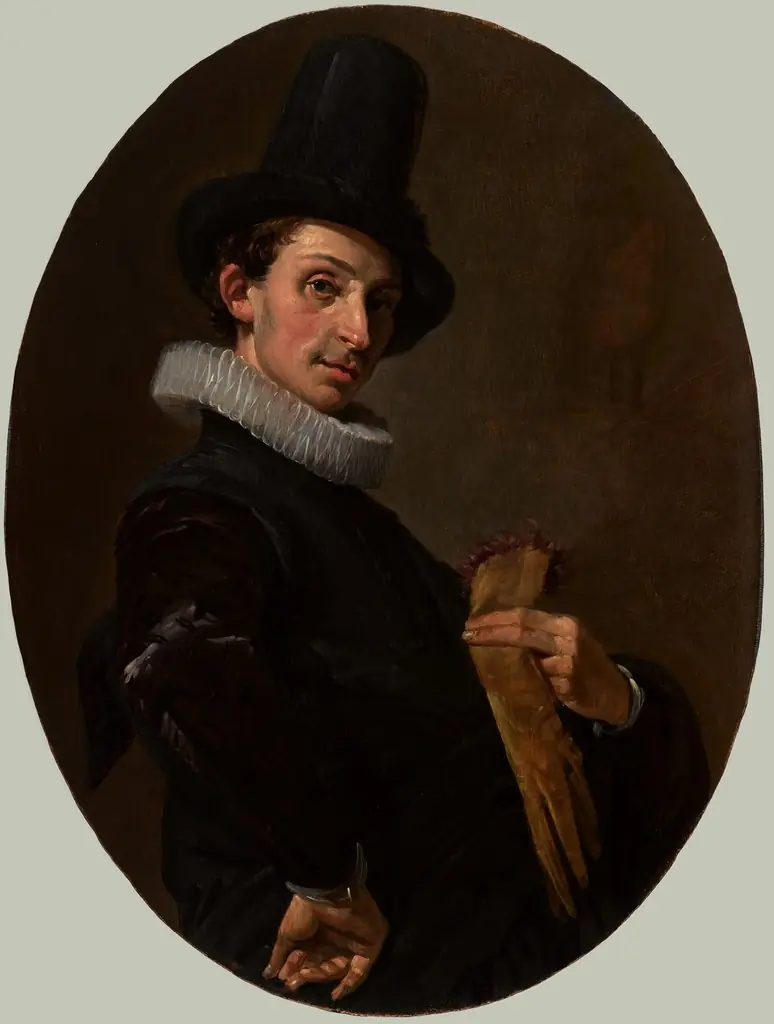 Portrait of a Young Man with gloves
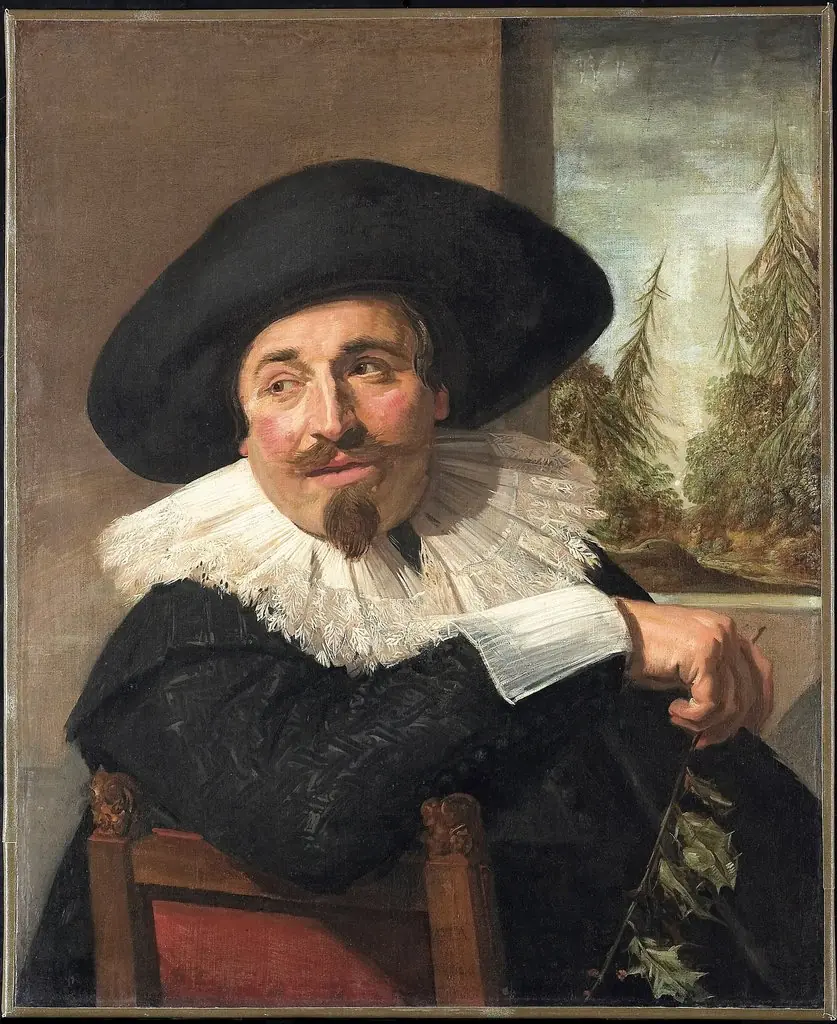 Portrait of Isaak Abrahamsz. Massa
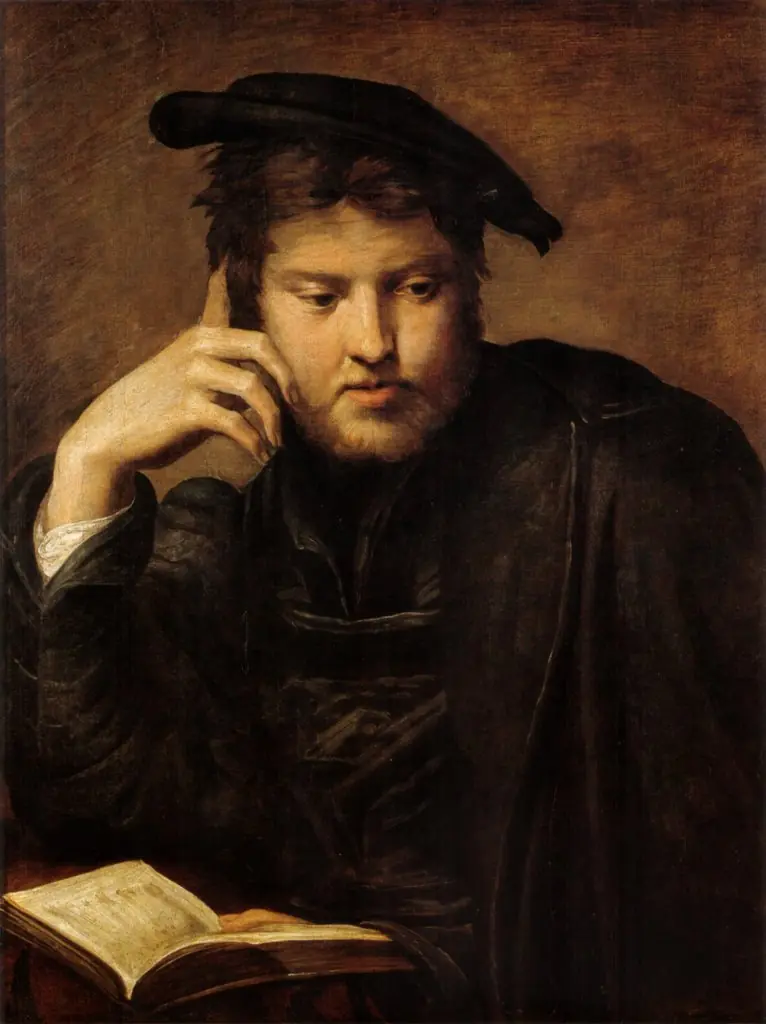 Man Holding a Book
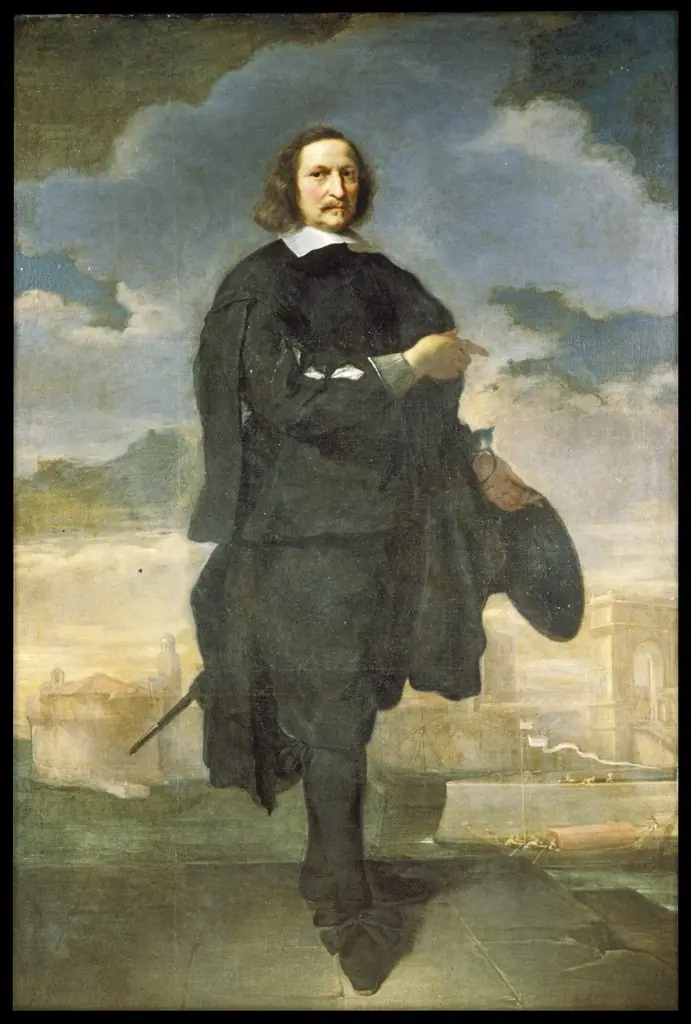 Portrait of Balthasar van der Goes
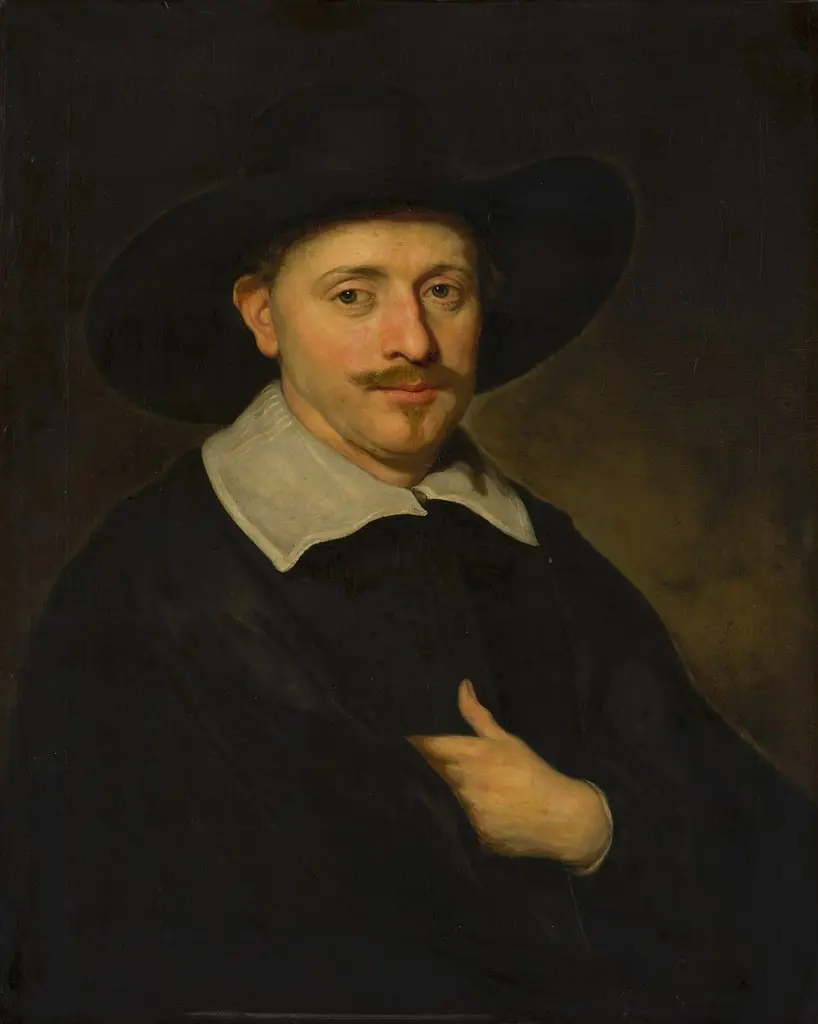 Portrait of a man
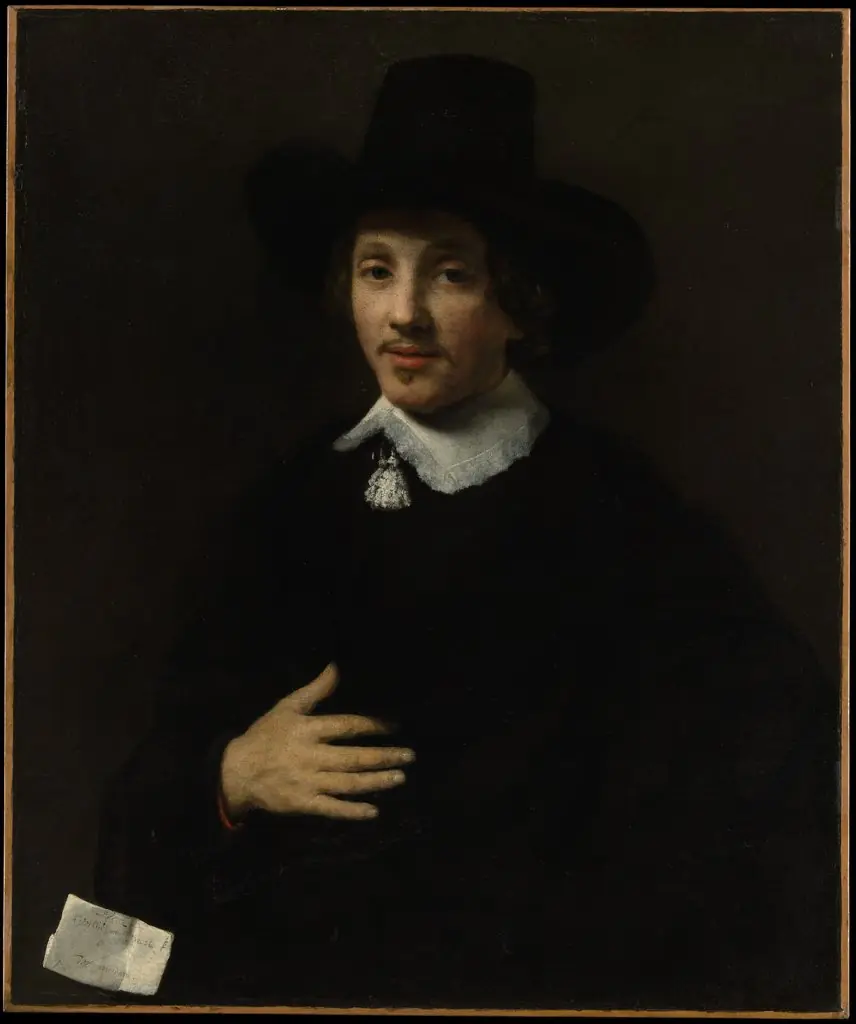 Portrait of a Man (Self-Portrait?)
 Portrait of a Man
 Self Portrait of Gianlorenzo Bernini as young man (1623)