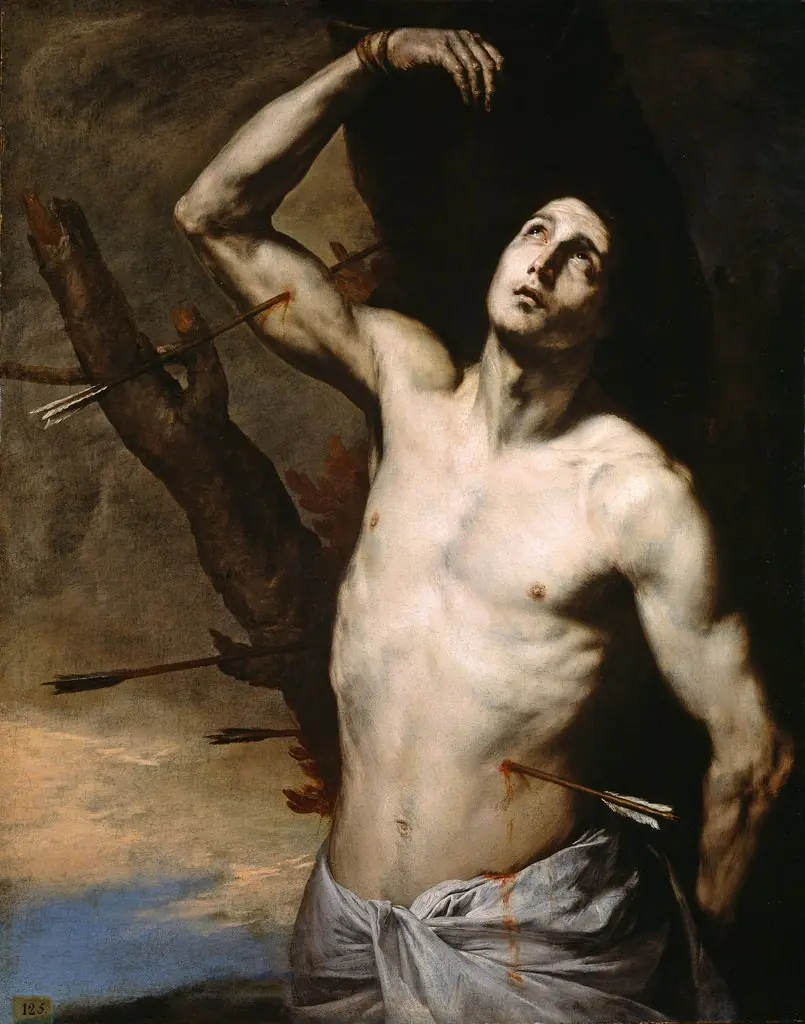
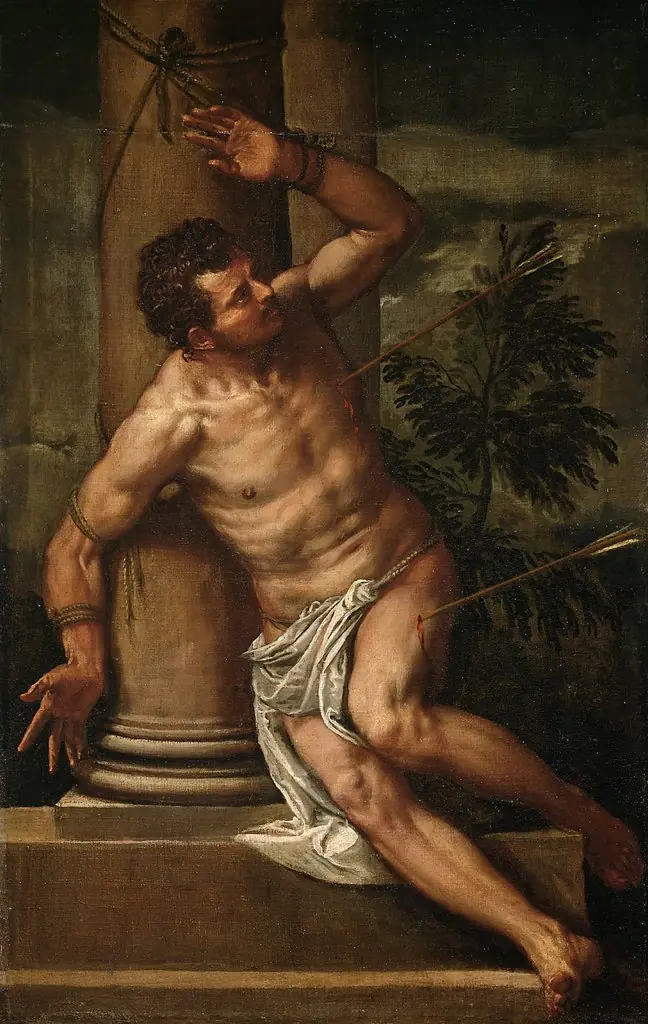
Artwork
St Sebastian
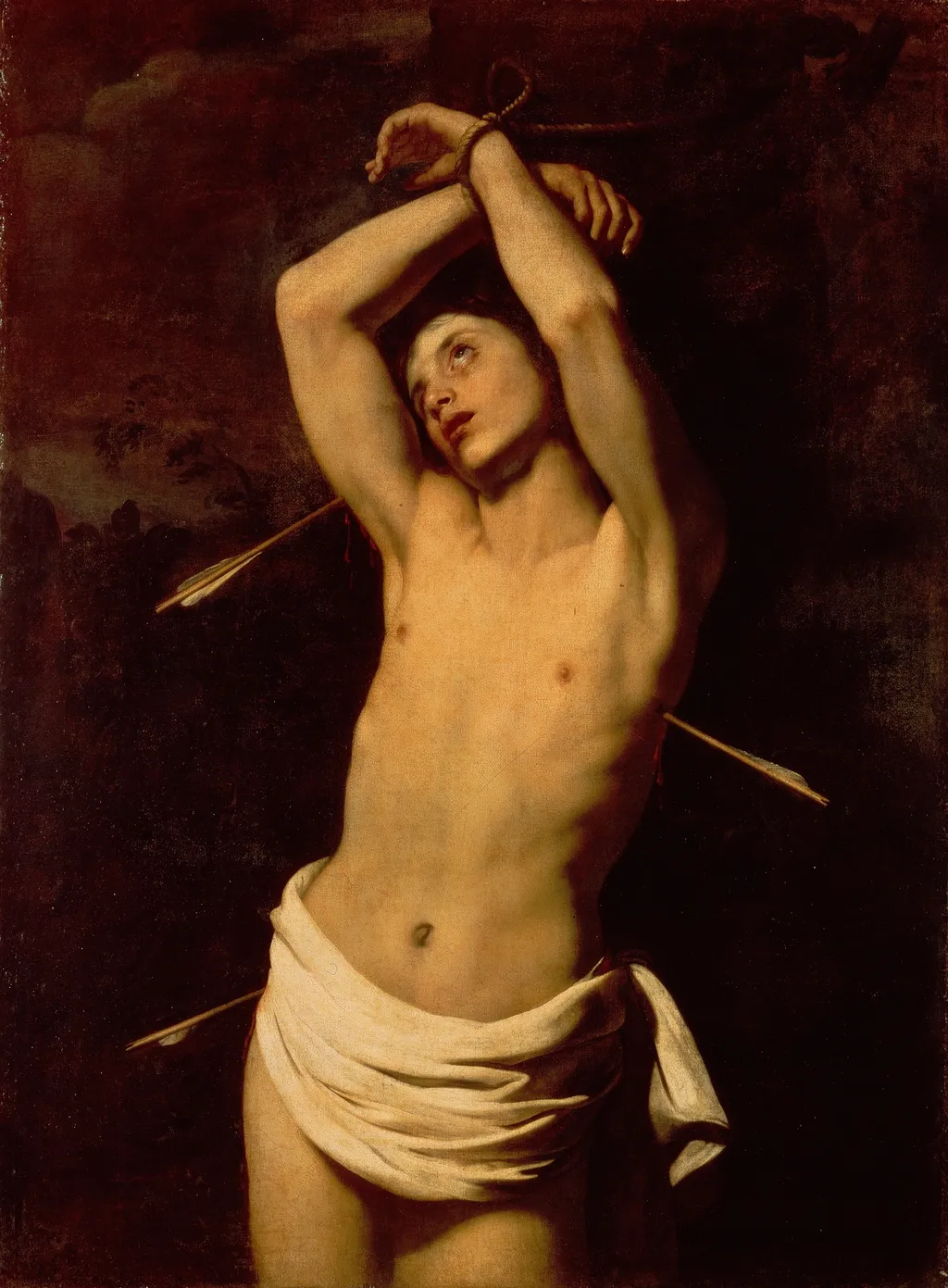
St Sebastian is an oil painting by the Early Baroque Italian artist Nicolas Régnier. It dates from 1620 and is held in the collection of the Hermitage Museum.
About this work
Overview
St Sebastian is a 1620 oil painting by Nicolas Régnier, a Flemish artist active in Italy. The work exemplifies the early Baroque Italian period and is part of the State Hermitage Museum's collection.
Subject & Meaning
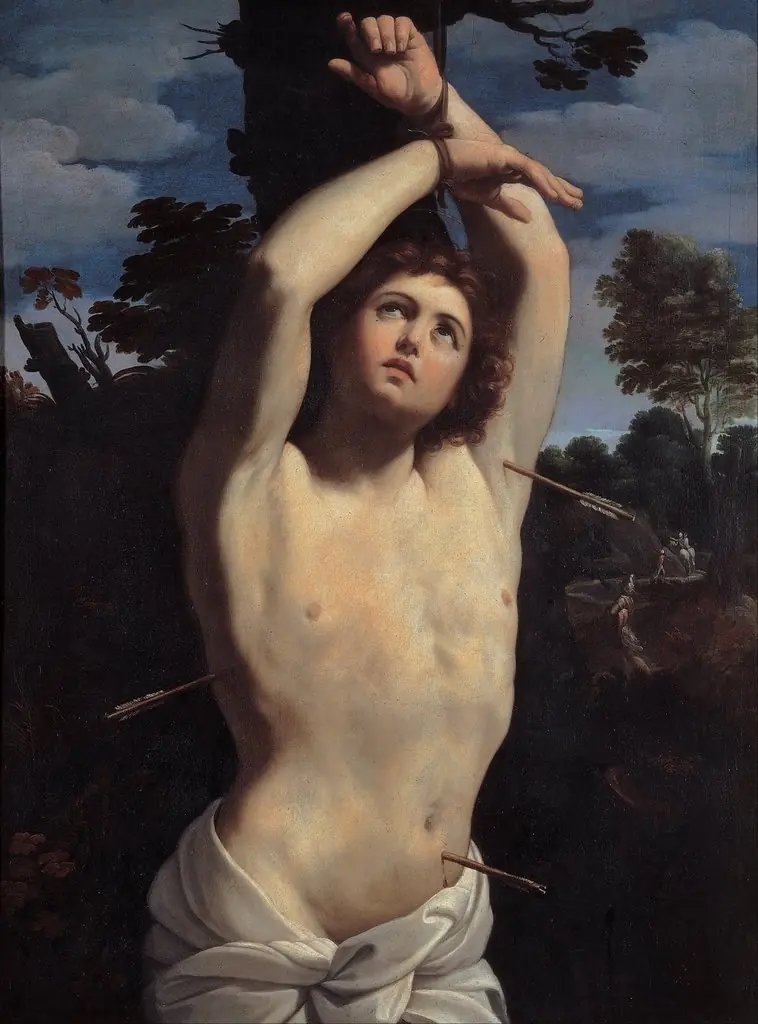
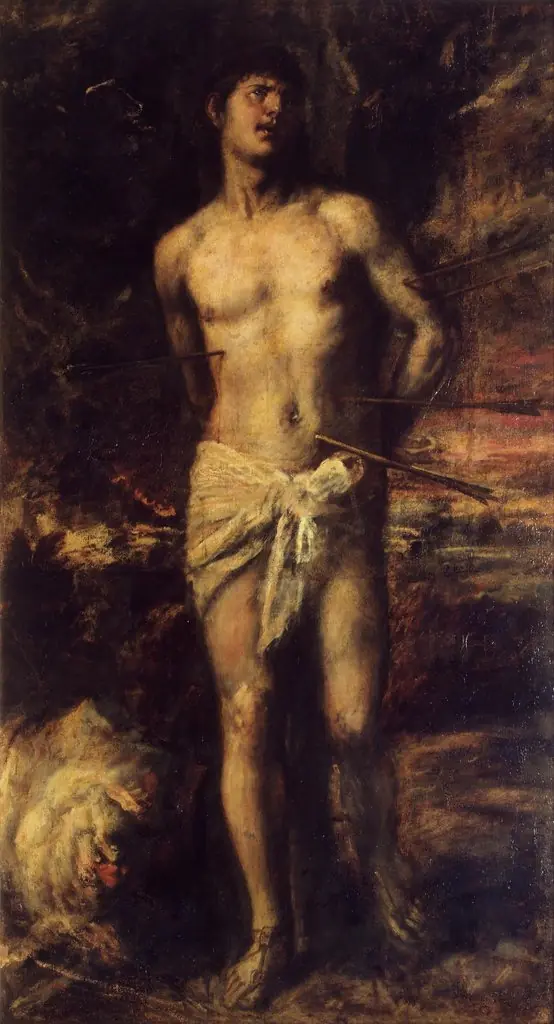
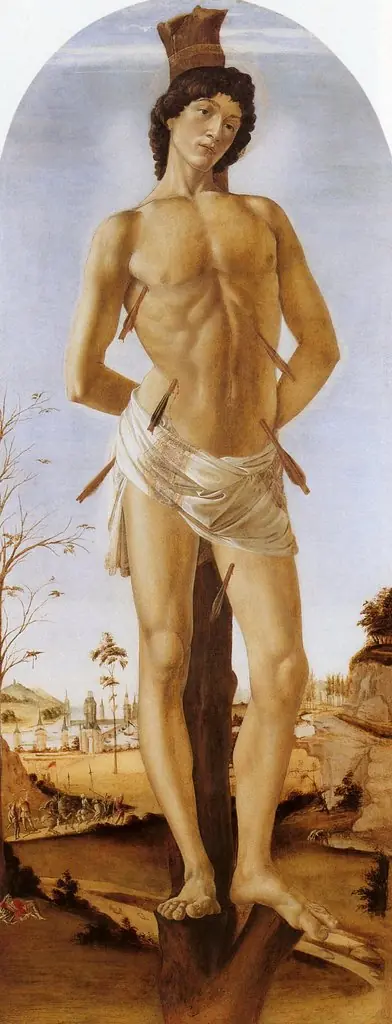
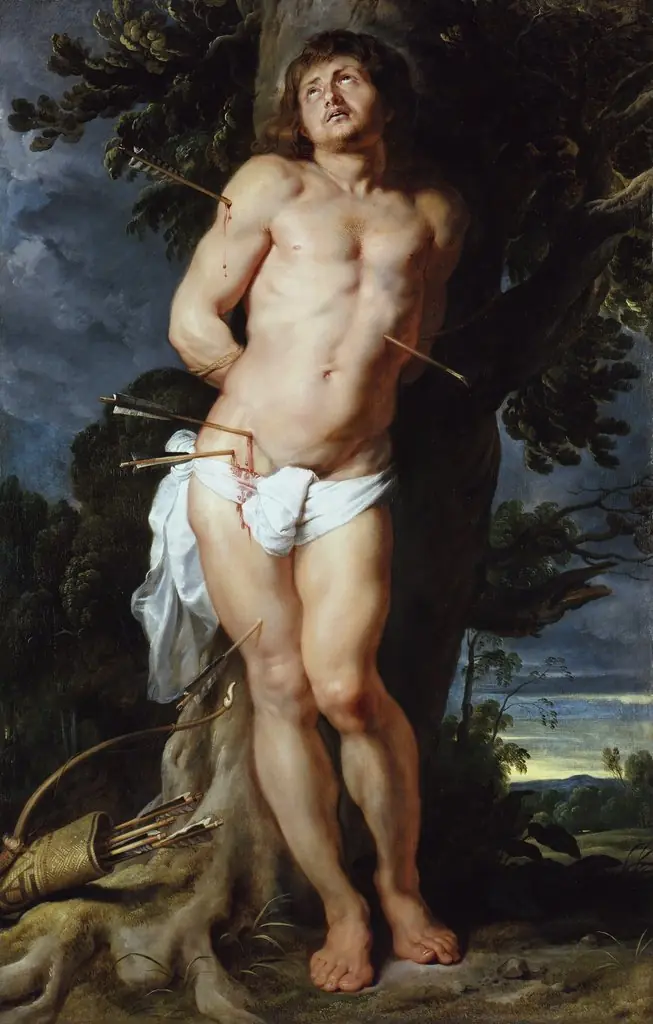
The painting depicts Saint Sebastian, a Christian martyr, tied up with arrows piercing his chest and side. Despite the brutal depiction, Sebastian's face remains calm and peaceful, conveying spiritual resilience.
Technique & Style
Régnier employs chiaroscuro, a strong contrast between light and dark, to accentuate Sebastian's physique and wounds. The dark, blurry background focuses attention on the subject, highlighting the realism of his skin and the dramatic lighting.
History & Provenance
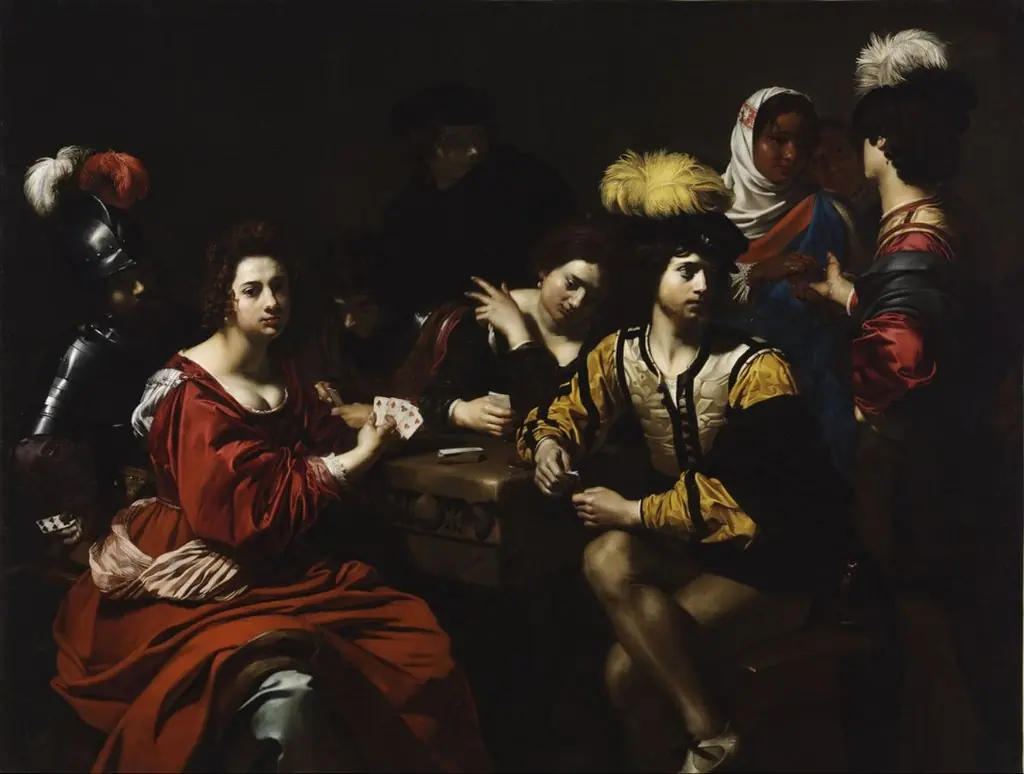
Created in 1620, the painting reflects Régnier's association with the Caravaggesque movement, following his training in Antwerp. His diverse oeuvre includes religious, genre, portrait, and mythological works.
Context
As a Caravaggesque piece, St Sebastian situates Régnier within a broader artistic trend in early 17th-century Italy, characterized by dramatic lighting and emotionally charged religious subjects.
Legacy
While specific legacy details of this work are not highlighted, its style and technique contribute to the broader influence of the Caravaggesque movement on European Baroque art.
Own this work as a print
Artist & collection
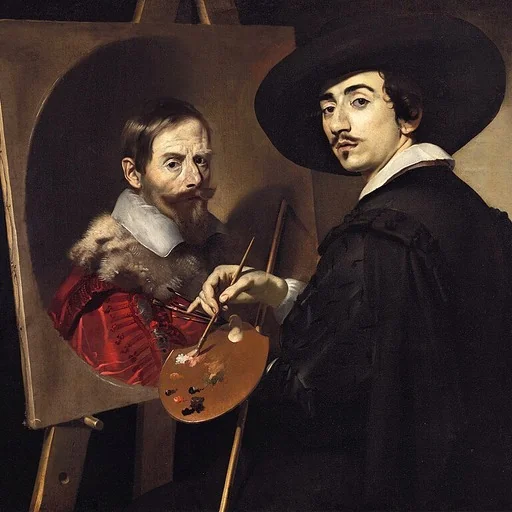
Artist
Nicolas Régnier (1591–1667), known in Italy as Niccolò Renieri, was a painter, art dealer and art collector from the County of Hainaut, a French-speaking part of the Spanish Netherlands.