Artwork
"What is truth?" Christ and Pilate
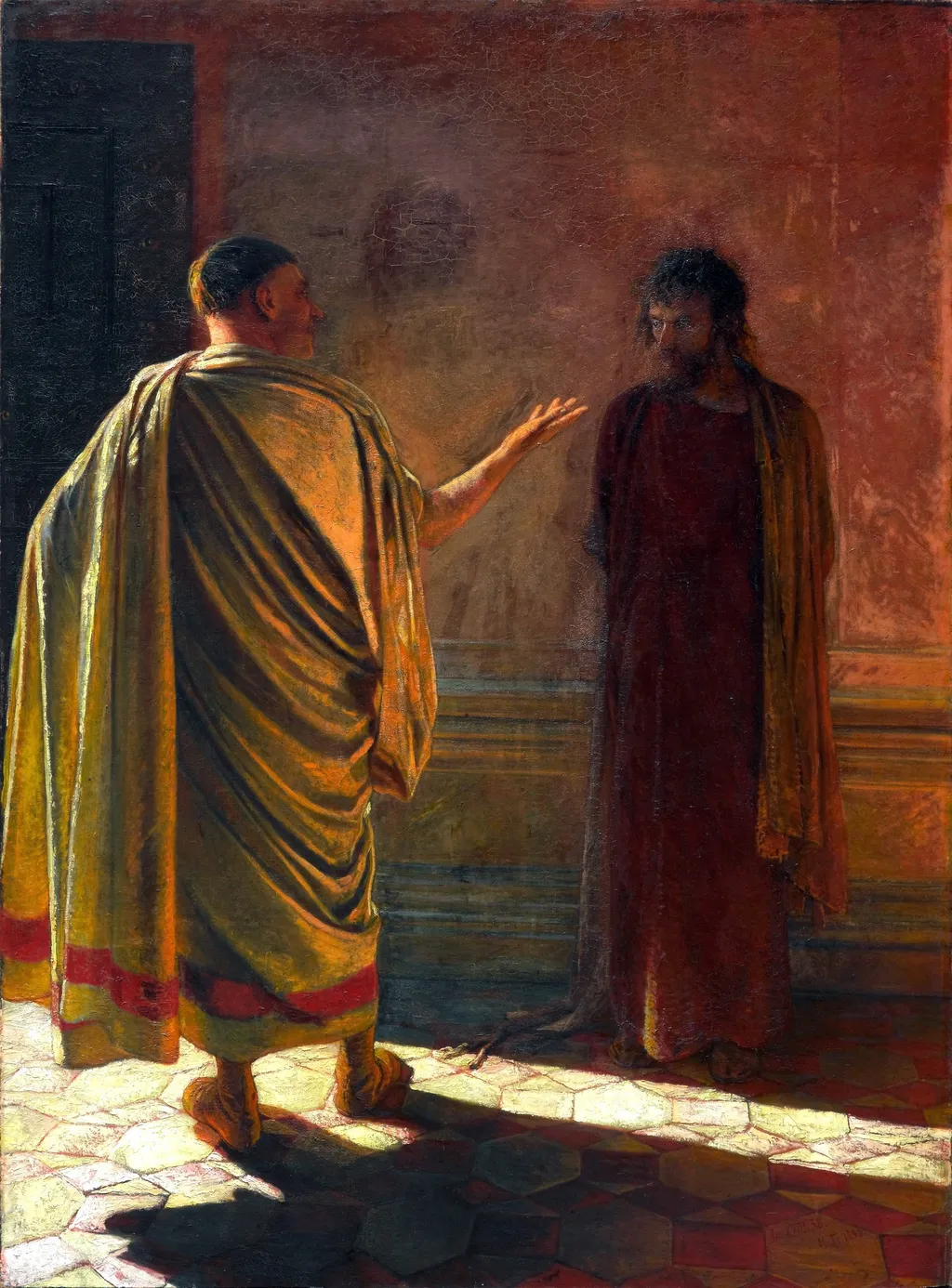
"What is truth?" Christ and Pilate is an oil painting by the Realist artist Nikolai Ge. It is held in the collection of the Tretyakov Gallery.
About this work
Overview
Painted in 1896 by Russian artist Nikolai Ge, this oil work portrays a moment from the Gospel of John in which Pontius Pilate questions Jesus.
Painted in 1896 by Russian artist Nikolai Ge, this oil work portrays a moment from the Gospel of John in which Pontius Pilate questions Jesus. Rendered in the realist tradition, the scene strips away ornamental detail to focus on psychological tension. The composition centers on two figures in a sparse interior, illuminated by a single source of light that heightens emotional contrast. The painting resides in the Tretyakov Gallery in Moscow, where it remains a key example of 19th-century Russian religious art.
Subject & Meaning
The painting captures the moment Pilate asks, 'What is truth?' after Jesus declares he came to bear witness to it. Ge presents the encounter not as a grand spectacle but as an intimate, almost private confrontation. Christ, calm and direct, faces Pilate, whose posture suggests doubt and detachment. The absence of crowds or symbols of authority shifts focus to the moral weight of the dialogue, emphasizing the personal nature of truth and conviction.
Technique & Style
Ge employs chiaroscuro to model the figures with dramatic precision, using a strong left-side light to carve depth from shadow. The rough stone walls and wooden frame ground the scene in tangible reality, while the textured brushwork in the garments adds tactile weight. Facial expressions are rendered with subtle nuance—Christ’s quiet resolve contrasts with Pilate’s obscured, brooding gaze. The lighting isolates their faces and gestures, making body language the primary vehicle of narrative.
History & Provenance
Completed in 1896, the painting was acquired by Pavel Tretyakov for his collection shortly after its completion. It remained in the gallery’s holdings through the Soviet era and continues to be displayed as part of its core 19th-century Russian art program. Ge’s reputation as a painter of biblical scenes with psychological depth contributed to the work’s early recognition, though it was never widely reproduced or exhibited abroad.
Context
Ge painted this during a period of intense religious and philosophical questioning in late imperial Russia. Intellectuals debated faith, authority, and truth amid political unrest. By focusing on a quiet, unadorned moment between two men, Ge avoided overt political allegory but invited viewers to reflect on personal responsibility and moral clarity—themes resonant in a society undergoing rapid change.
Legacy
Though not as widely known outside Russia as some Western religious paintings, this work is regarded as one of Ge’s most psychologically acute compositions. It influenced later Russian realists who sought to portray spiritual themes without sentimentality. Its restrained palette and emphasis on inner conflict continue to be studied for their ability to convey profound questions through minimal means.
Own this work as a print
Artist & collection
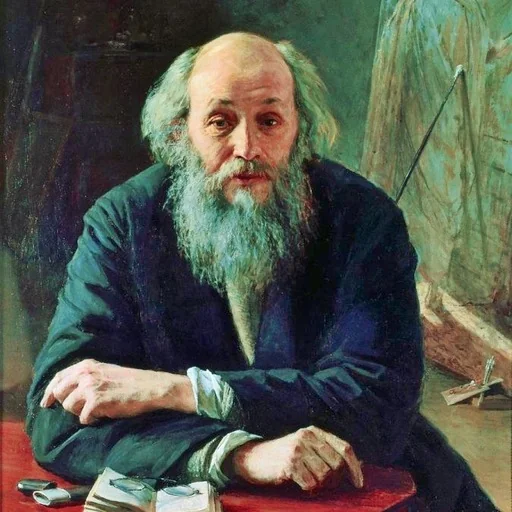
Artist
Nikolai Nikolaevich Ge (Russian: Николай Николаевич Ге; 27 February 1831 – 13 June 1894) was a Russian painter who was influential in the development of Russian symbolism. He was famous for his works on historical and religious subjects.

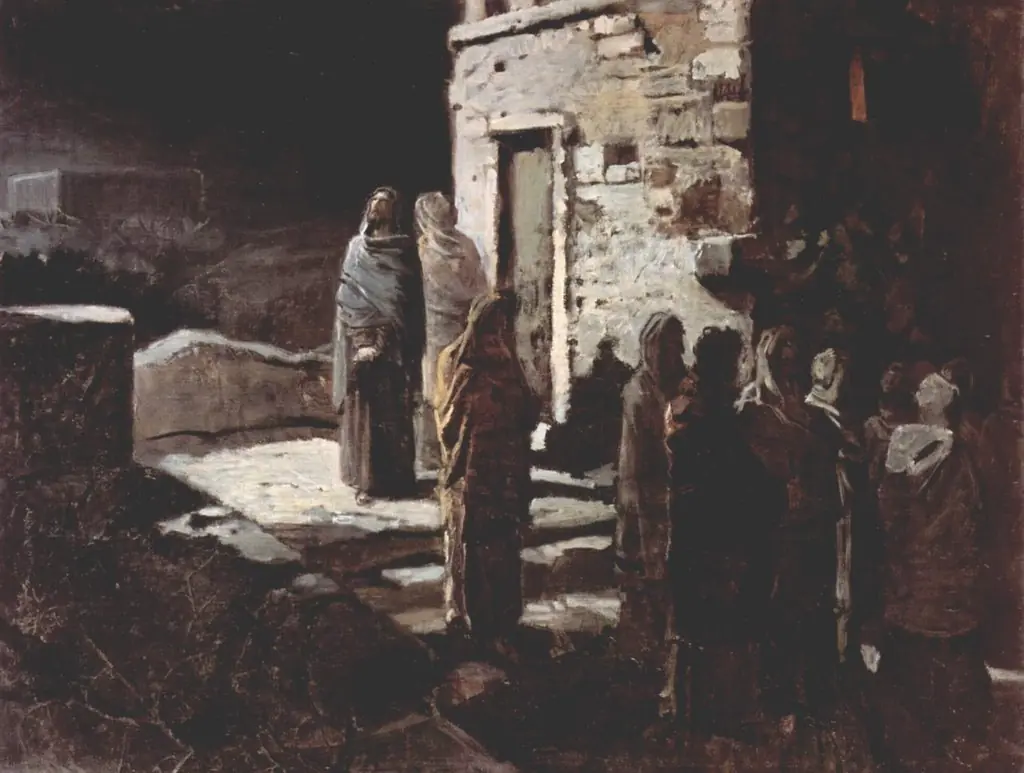 Le Départ du Christ avec ses disciples pour le jardin de Gethsémani
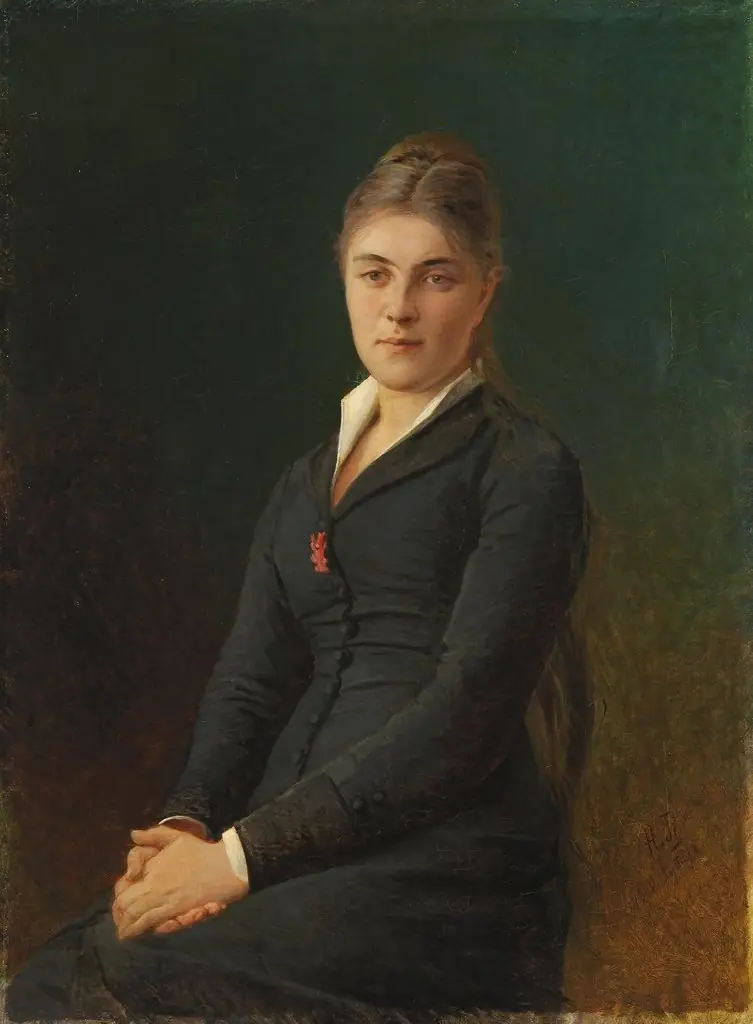 Portrait of Yekaterina Ge, the Artist's Daughter-in-Law
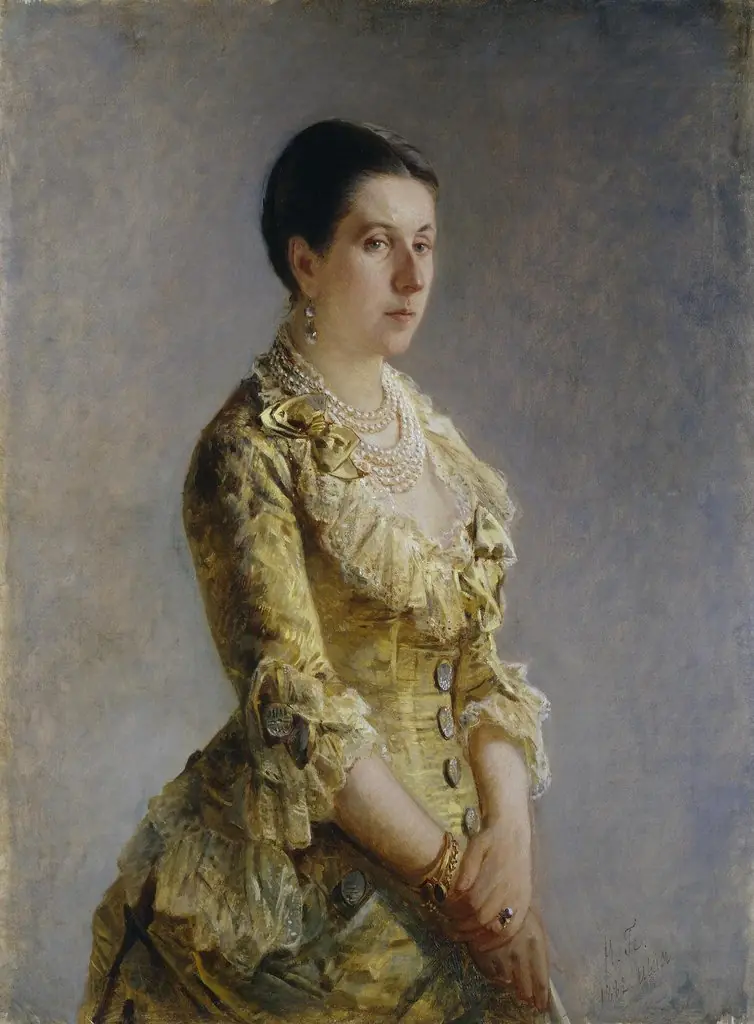 Portrait of Princess Olga Volkonskaya (nee Kleinmichel)
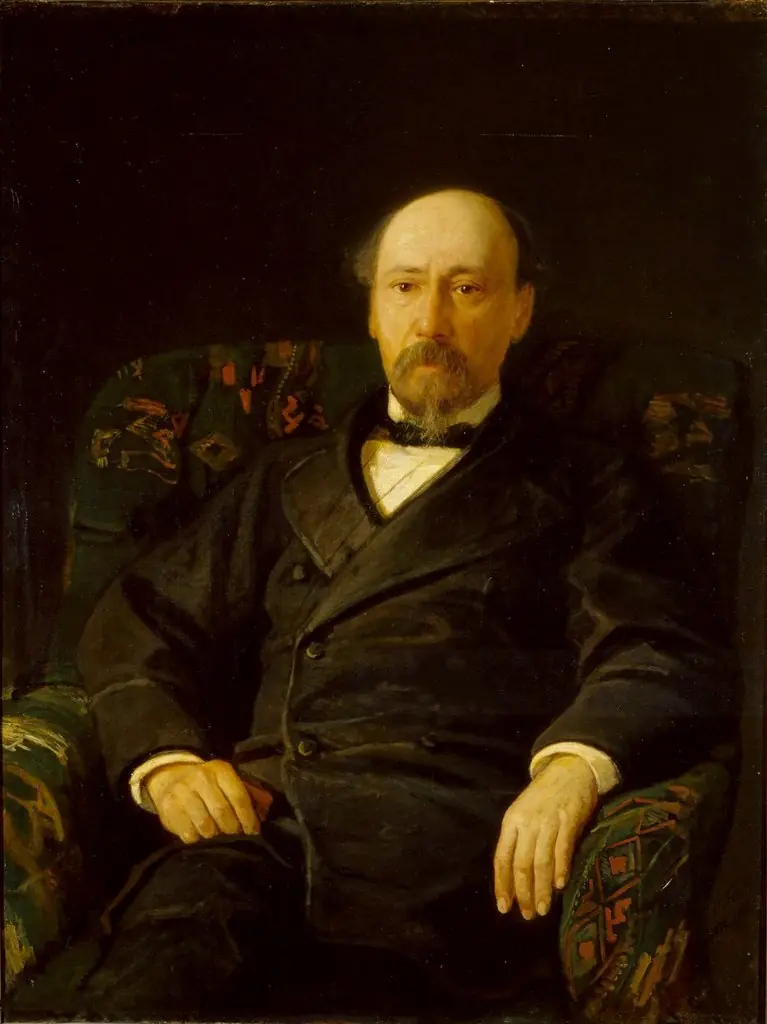 Portrait of Nikolai Nekrasov
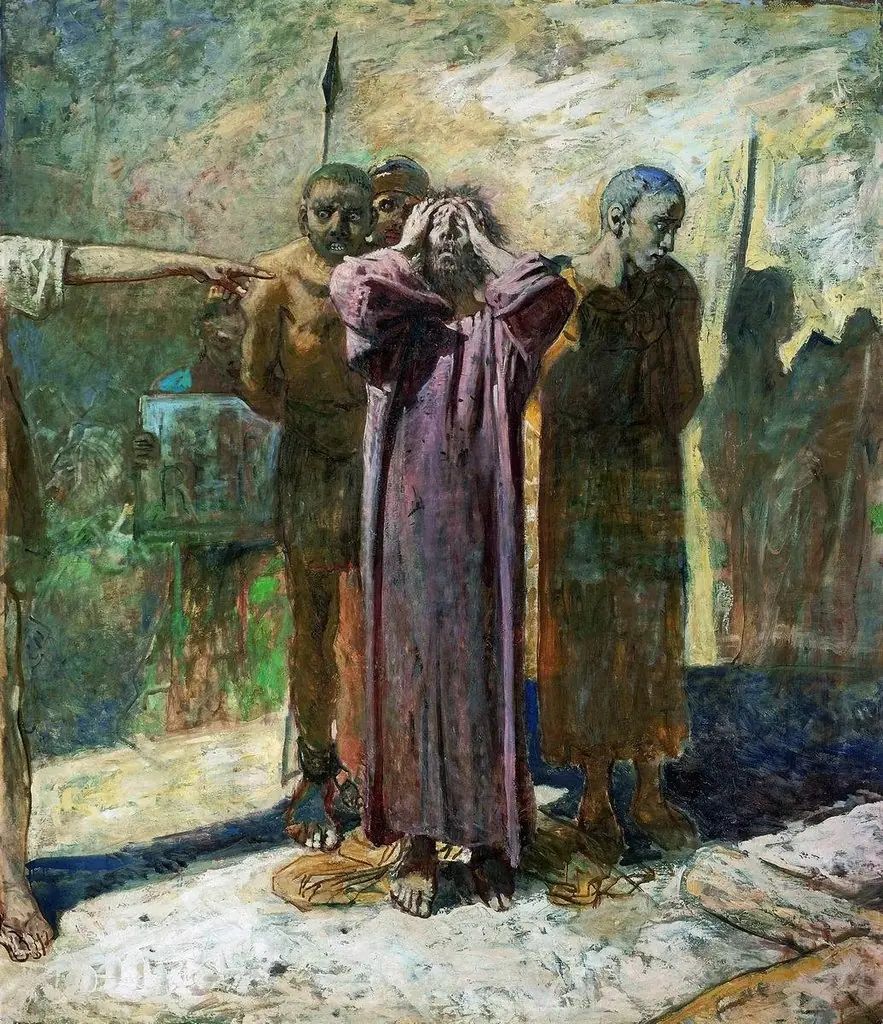 Golgotha
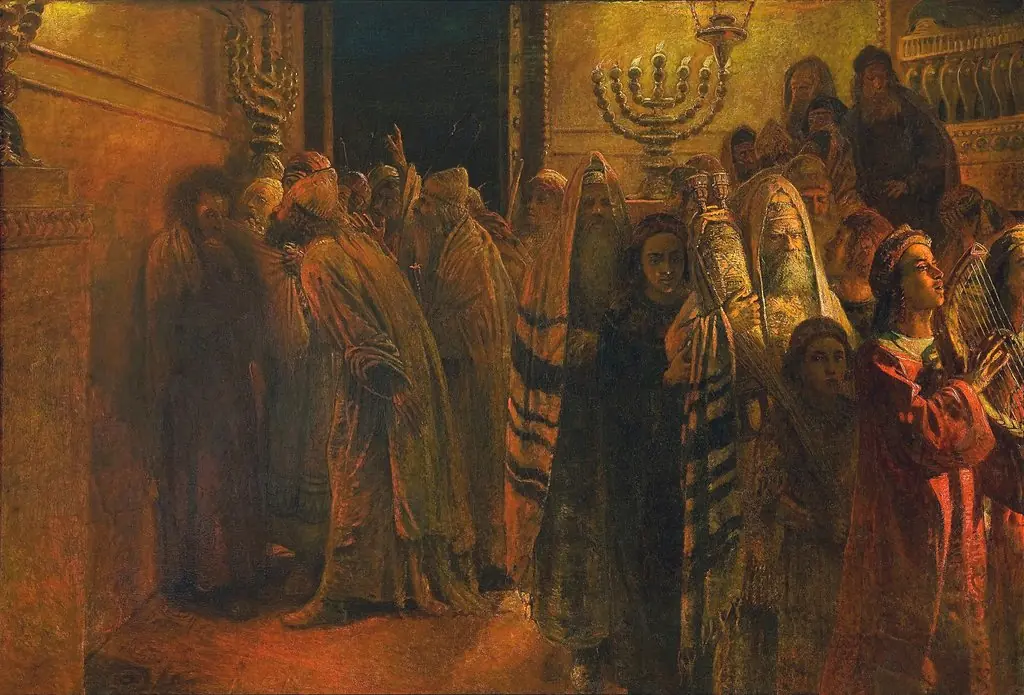 The Judgment of the Sanhedrin: He is Guilty!
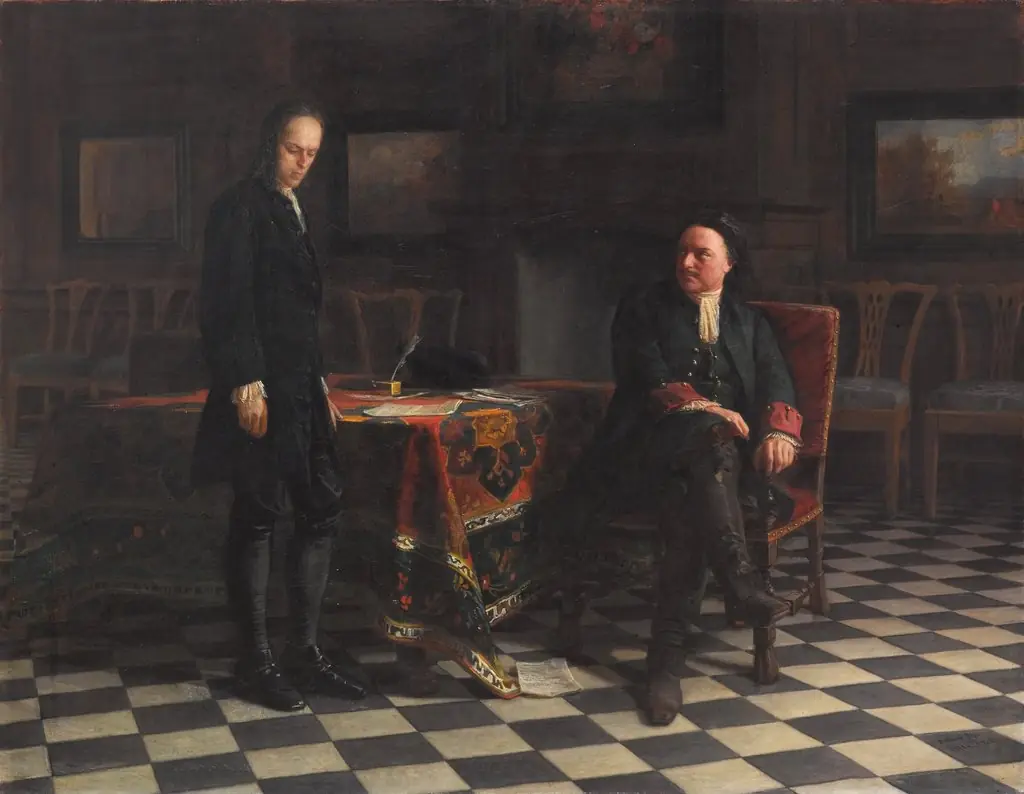 Peter the Great Interrogating the Tsarevich Alexei Petrovich at Peterhof
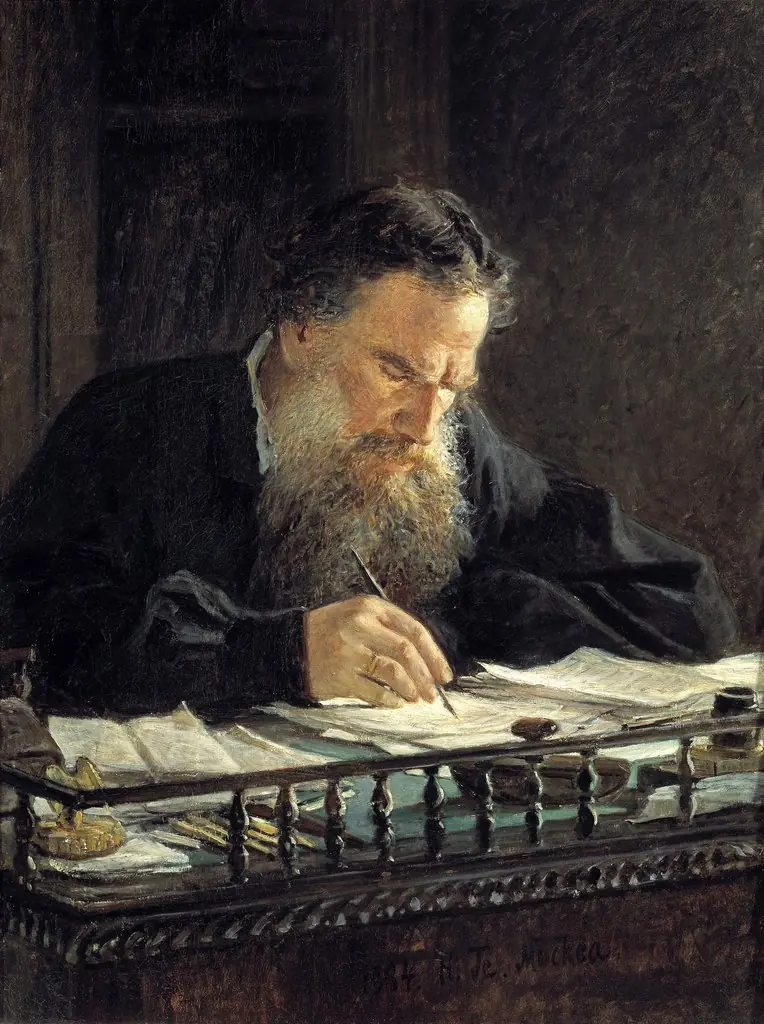 Porträt des Leo Tolstoy
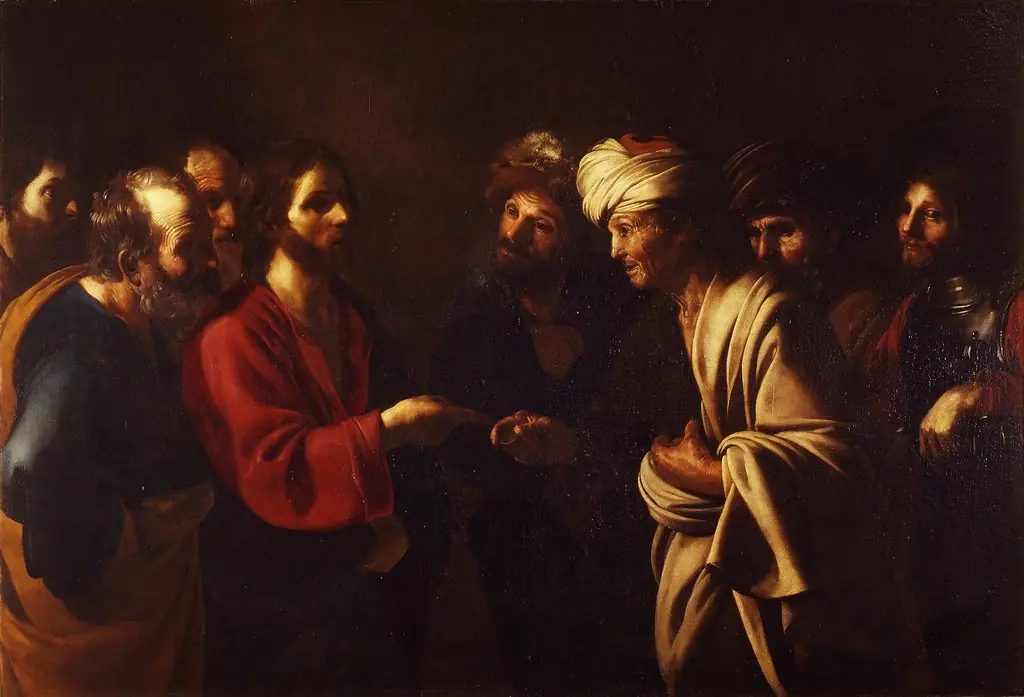 Tribute to Caesar
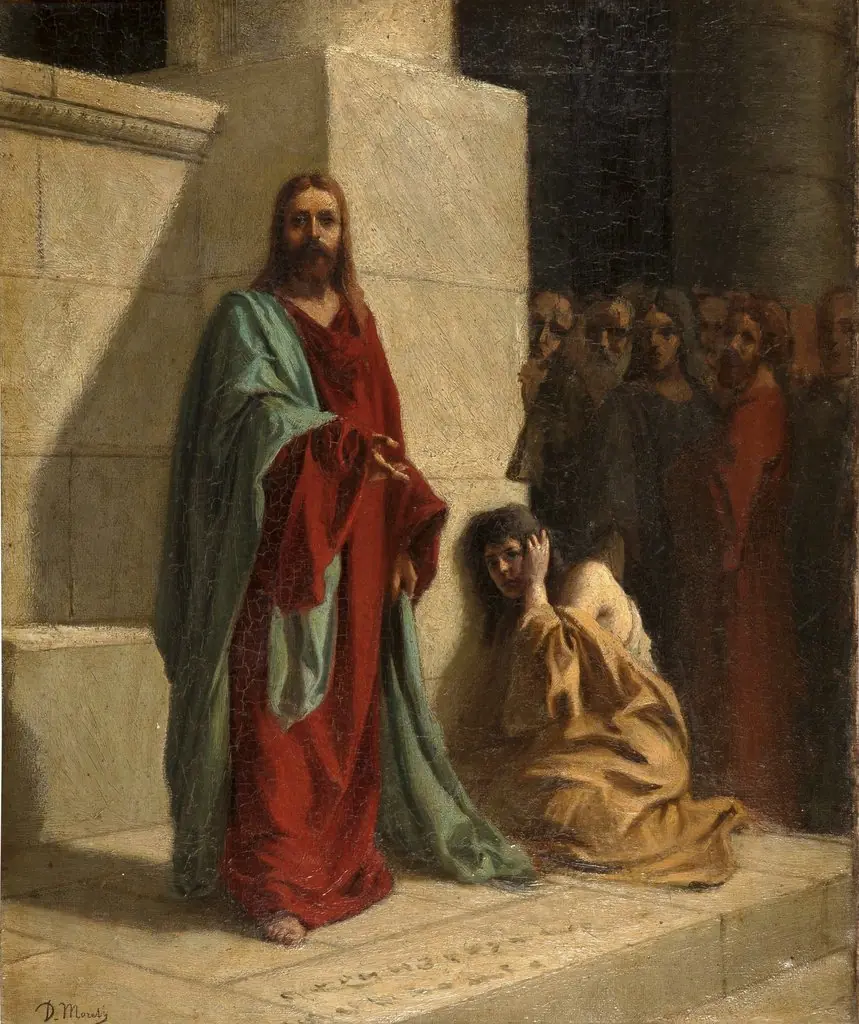 Cristo y la mujer adúltera
 Christ and the Centurion
 The Tribute Money
 The Gladiators
 San Hermenegildo en la prisión
 Christ instructing Nicodemus
 Jesus in the House of Annas
 Iov Credinciosul
 The snake charmer
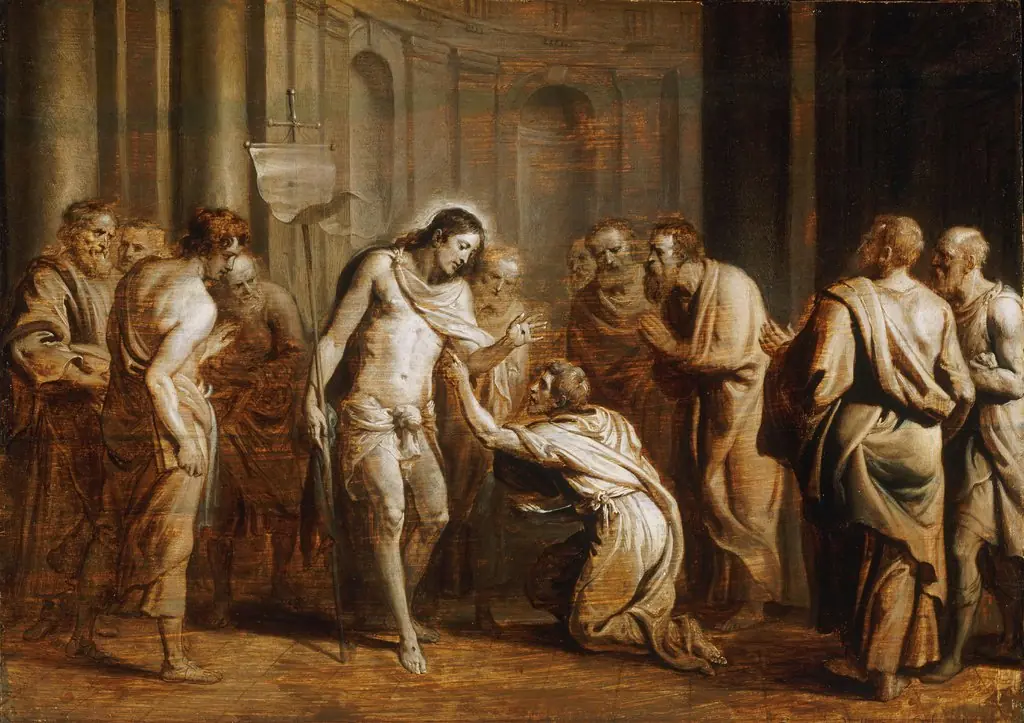 Saint Thomas Touching Christ's Wounds
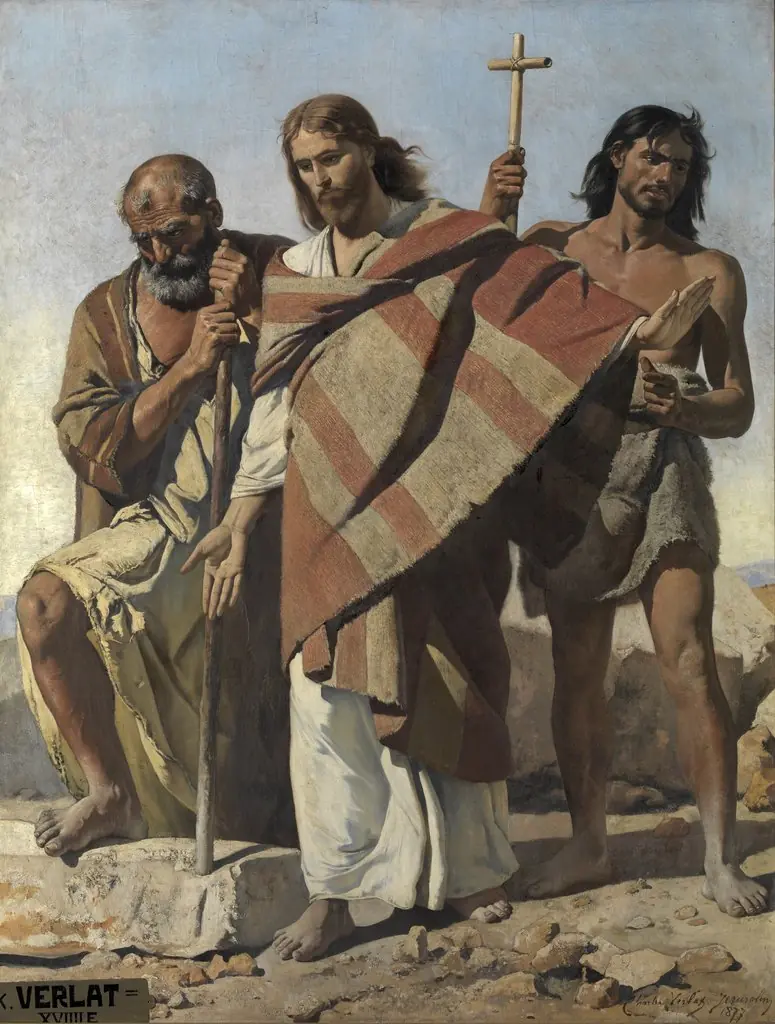 Jesus between Saint Peter and Saint John Baptist