Artwork
Cristo y la mujer adúltera
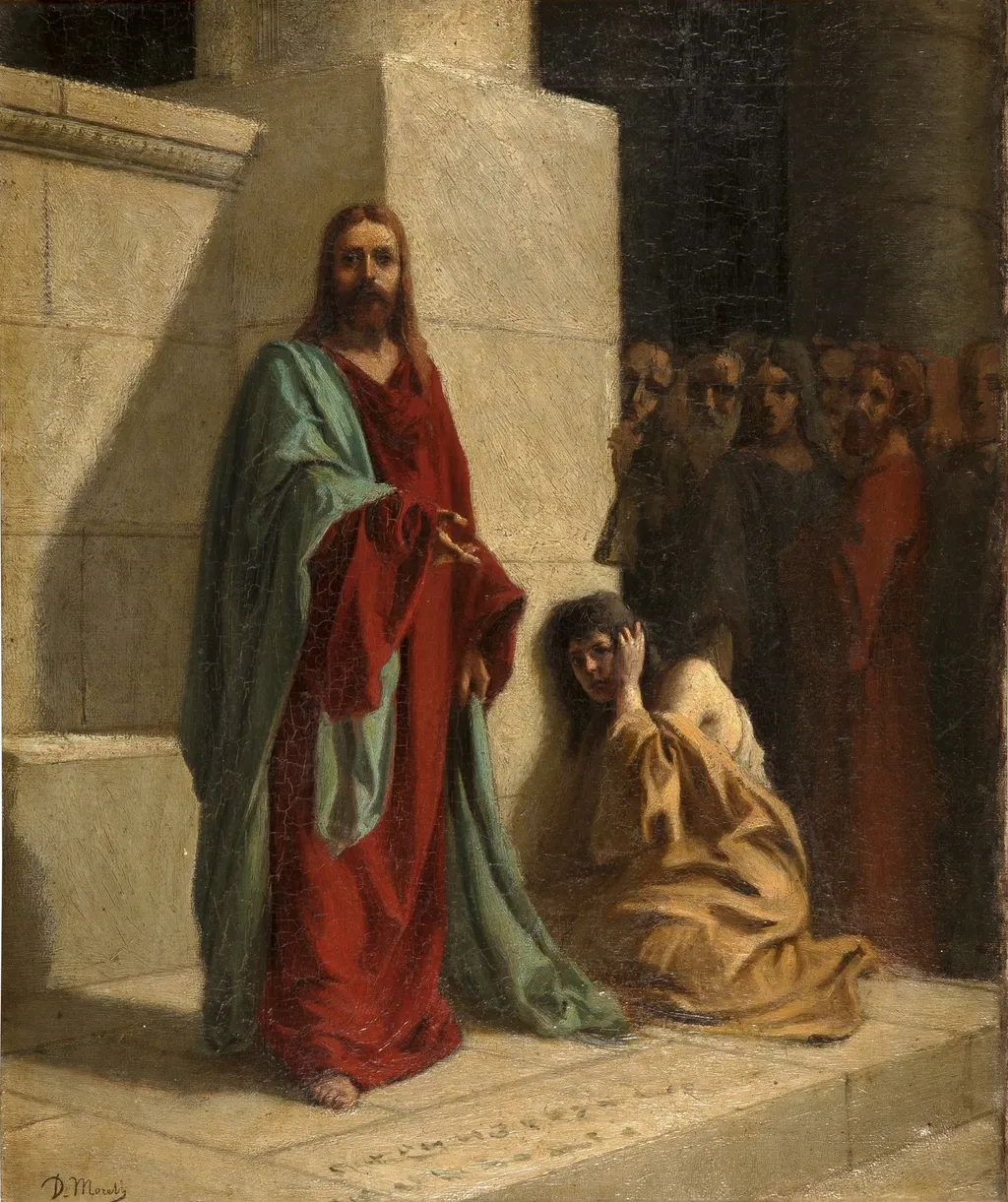
Cristo y la mujer adúltera is an oil painting by Domenico Morelli. It dates from 1869 and is held in the collection of the Museo del Prado.
About this work
Overview
The work is now held in the Museo del Prado’s collection, reflecting its recognition within major European institutions of the time.
Domenico Morelli painted *Cristo y la mujer adúltera* in 1869, a biblical scene rendered in oil on canvas. A significant figure in 19th-century Italian art, Morelli was known for emotionally intense compositions that merged Romantic sensibility with emerging Symbolist tendencies. The work is now held in the Museo del Prado’s collection, reflecting its recognition within major European institutions of the time.
Subject & Meaning
The painting illustrates the moment from the Gospel of John when Christ confronts those seeking to stone an adulterous woman. He stands calmly at the center, while the woman, seated and shielding her face, embodies vulnerability. The surrounding figures, silent and rigid, suggest moral judgment. The scene emphasizes mercy over condemnation, inviting quiet reflection rather than dramatic spectacle.
Technique & Style
Morelli employs a restrained palette of warm earth tones against cool stone grays to heighten emotional contrast. Chiaroscuro defines the figures, drawing focus to Christ’s red robe and the woman’s yellow garment. Brushwork is precise yet atmospheric, with soft transitions between light and shadow. The composition isolates the central figures against a sparse architectural backdrop, reinforcing psychological depth over narrative detail.
History & Provenance
Completed in 1869, the painting entered the Museo del Prado’s collection through official acquisition, likely during a period when Spanish institutions expanded their holdings of contemporary European religious art. Morelli’s reputation as a teacher and painter of moral themes contributed to the work’s institutional appeal. Its journey to Madrid reflects broader 19th-century cultural exchanges between Italy and Spain.
Context
In mid-19th-century Italy, religious subjects remained vital in academic painting, even as realism and naturalism gained ground. Morelli’s approach diverged from strict historicism, favoring psychological nuance and symbolic weight. His work resonated with audiences seeking spiritual resonance amid political upheaval, aligning with a broader European trend toward introspective religious imagery.
Legacy
Though less widely known today than some of his contemporaries, Morelli’s influence endured through his students and his commitment to emotional depth in religious painting. *Cristo y la mujer adúltera* stands as a testament to his ability to translate biblical narrative into a quiet, human moment—bridging academic tradition and emerging modern sensibilities without overt sentimentality.
Own this work as a print
Artist & collection
Artist
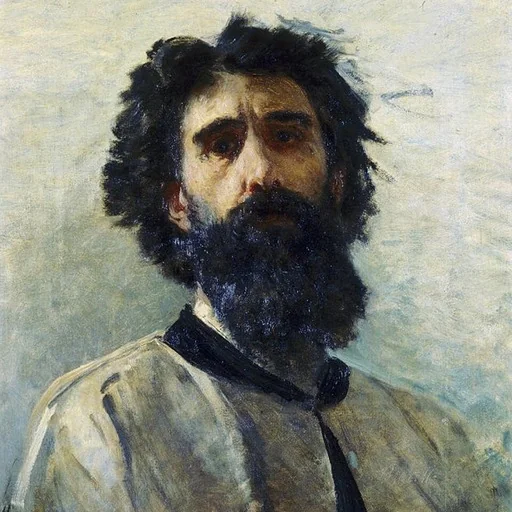
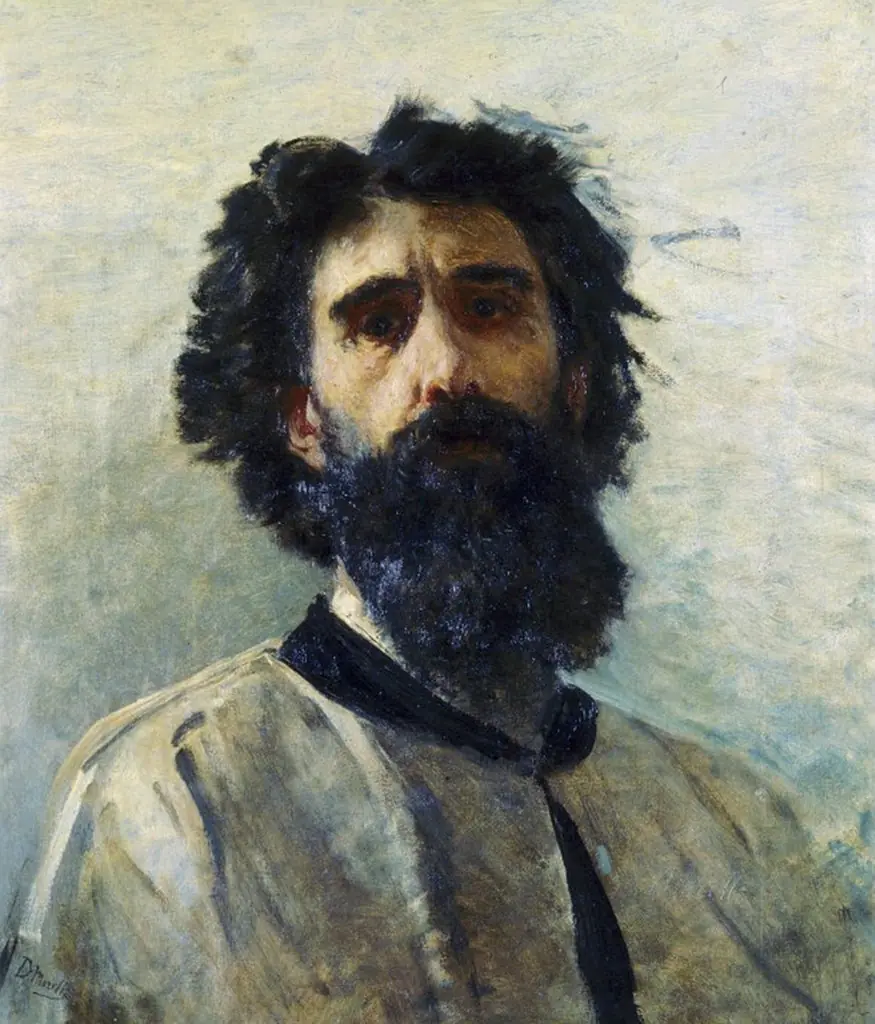
Domenico Morelli (4 August 1823 – 13 August 1901) was an Italian painter, who mainly produced historical and religious works.

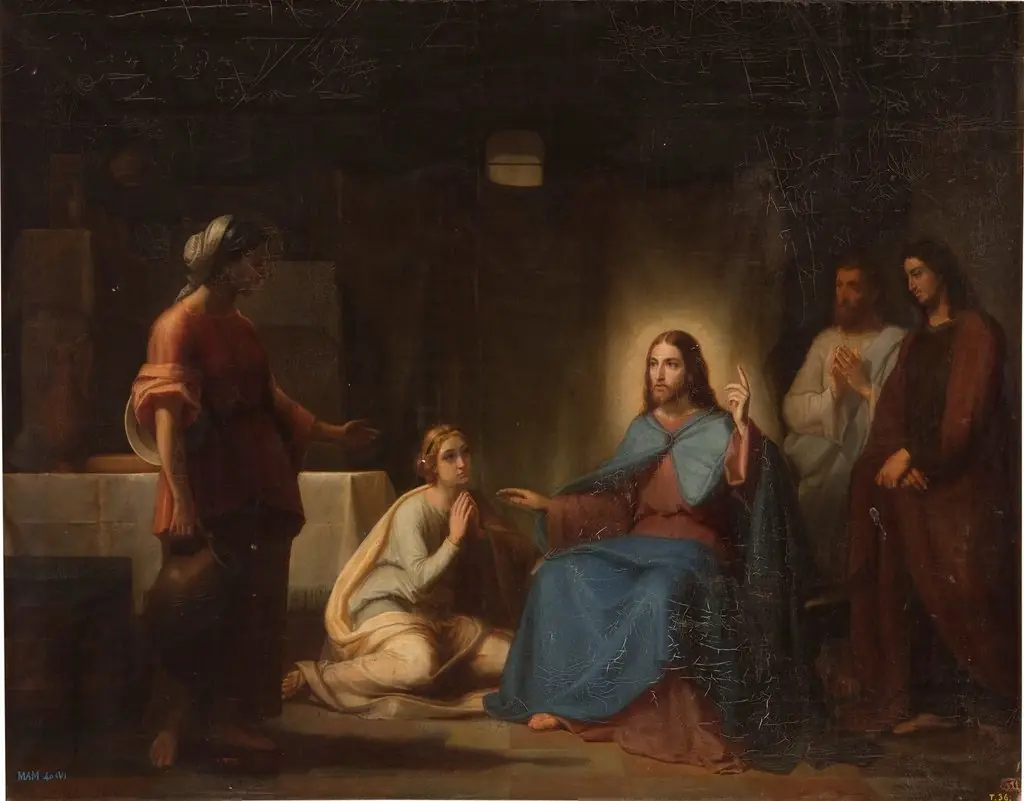 Jesús en casa de Marta y María
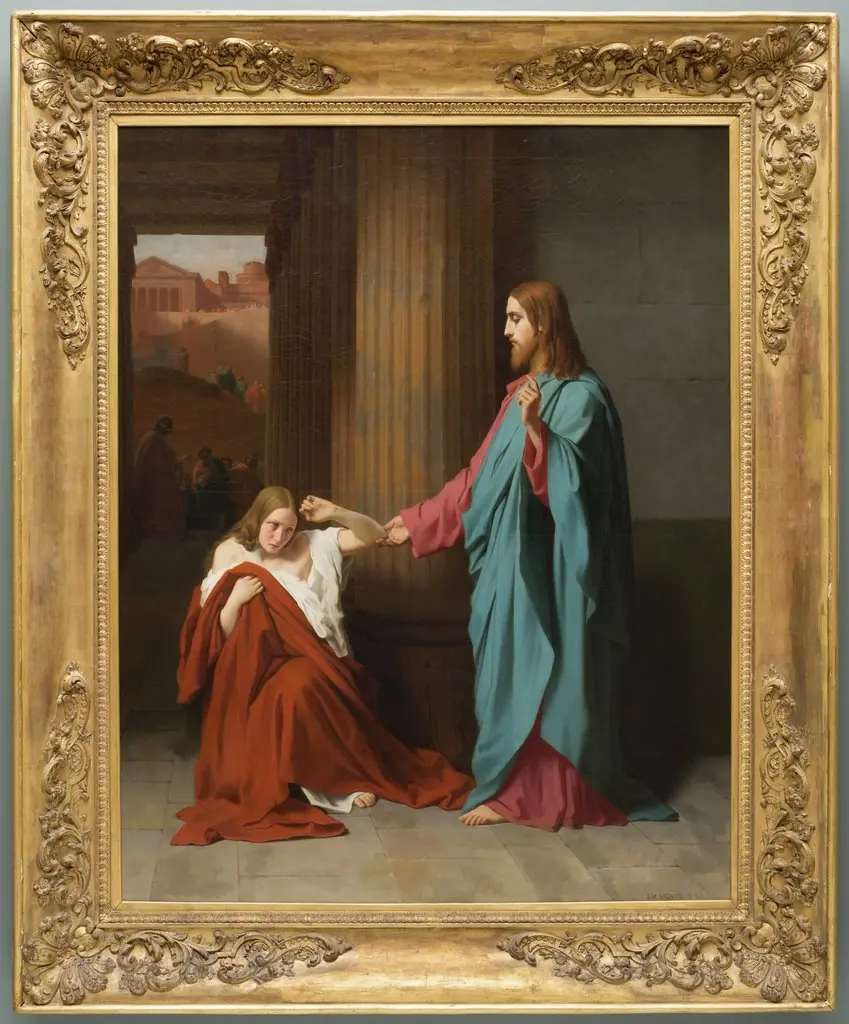 Christ and the Woman Taken in Adultery
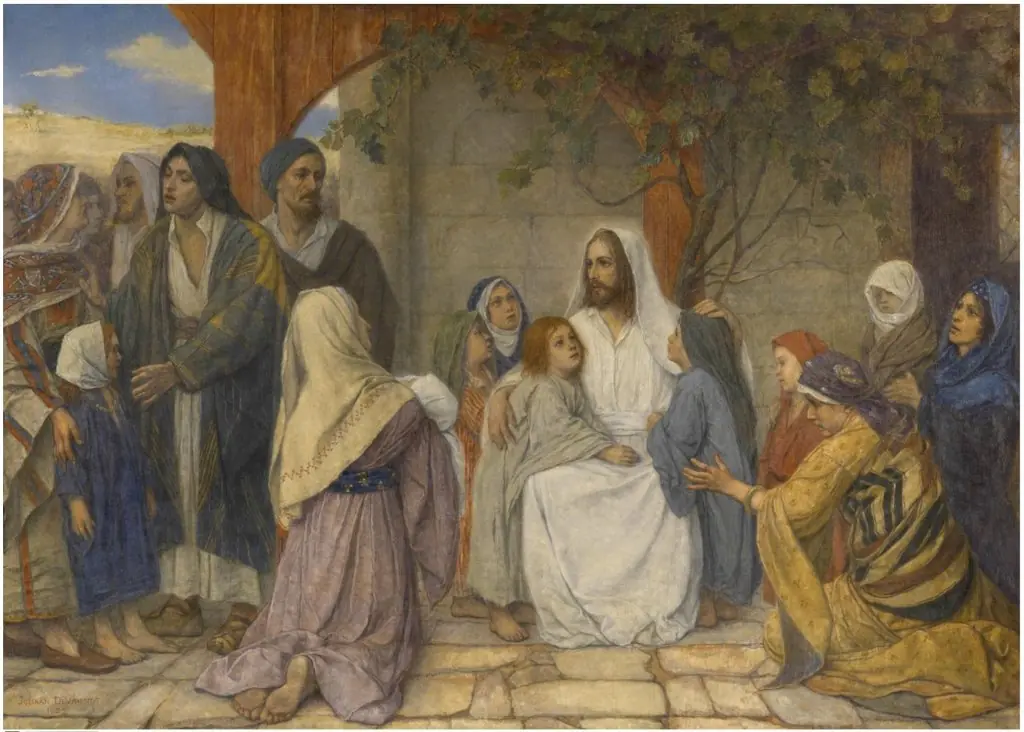 Suffer the Little Children come to Me
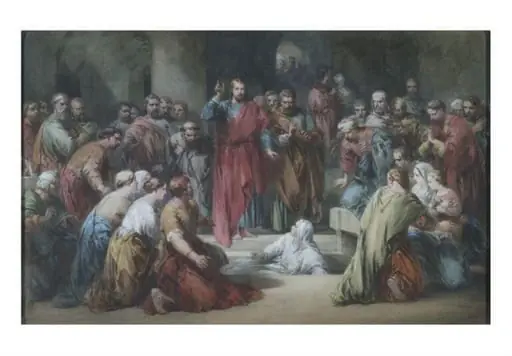 The Raising of Lazarus
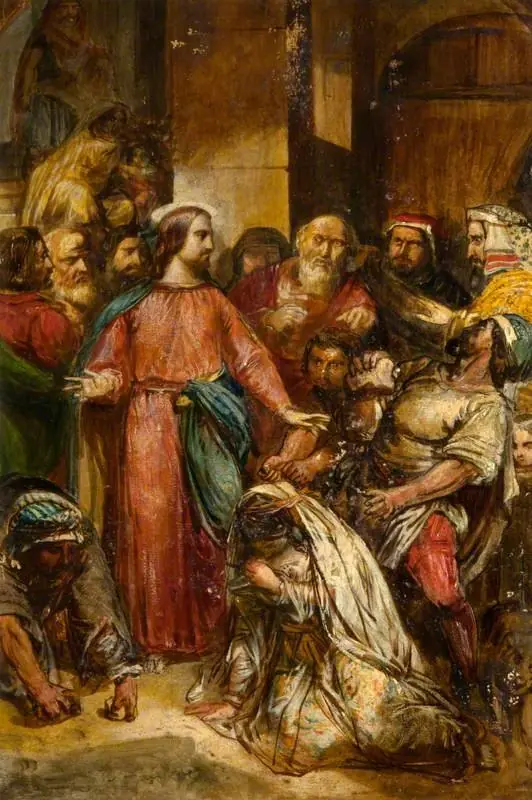 Christ and the Woman Taken in Adultery
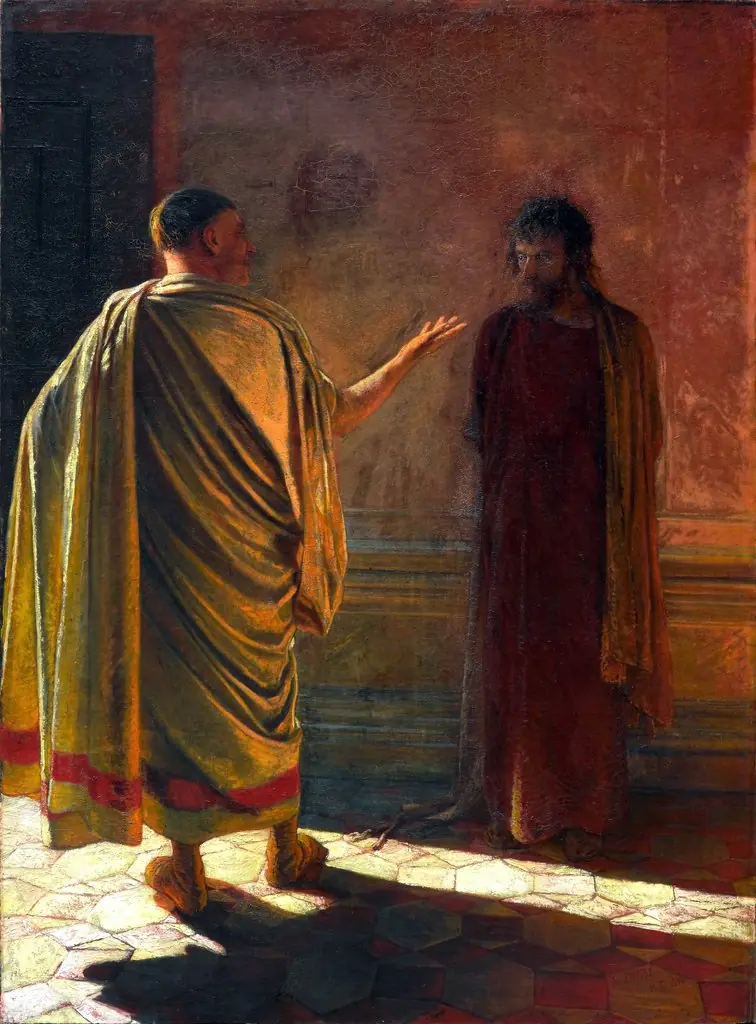 "What is truth?" Christ and Pilate
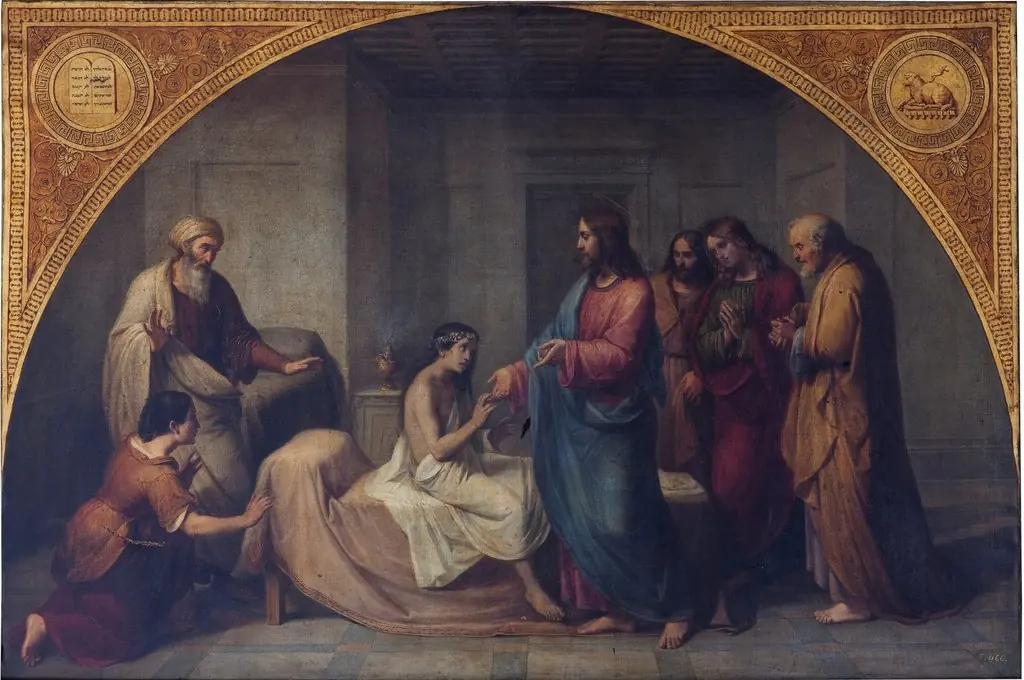 La resurrección de la hija de Jairo
 Iisus în templu
 Study for "Jesus in Capernaum"
 Esther before Ahasuerus
 Tribute to Caesar
 Adulteress