Artwork
São Teotónio
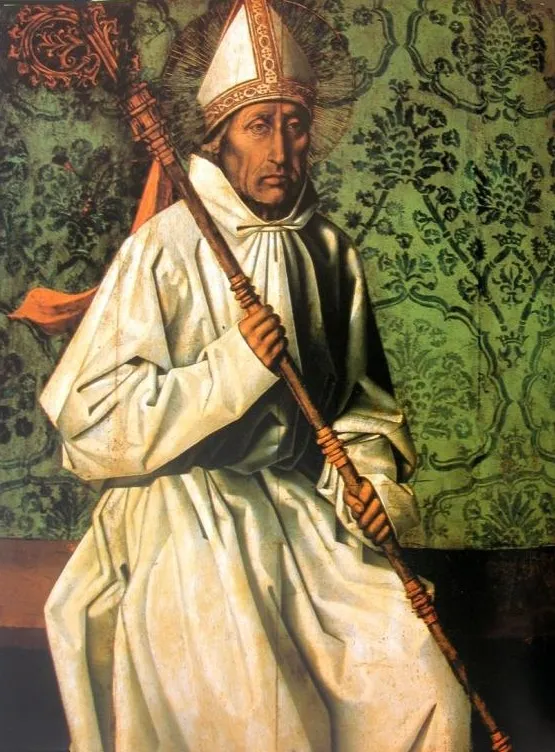
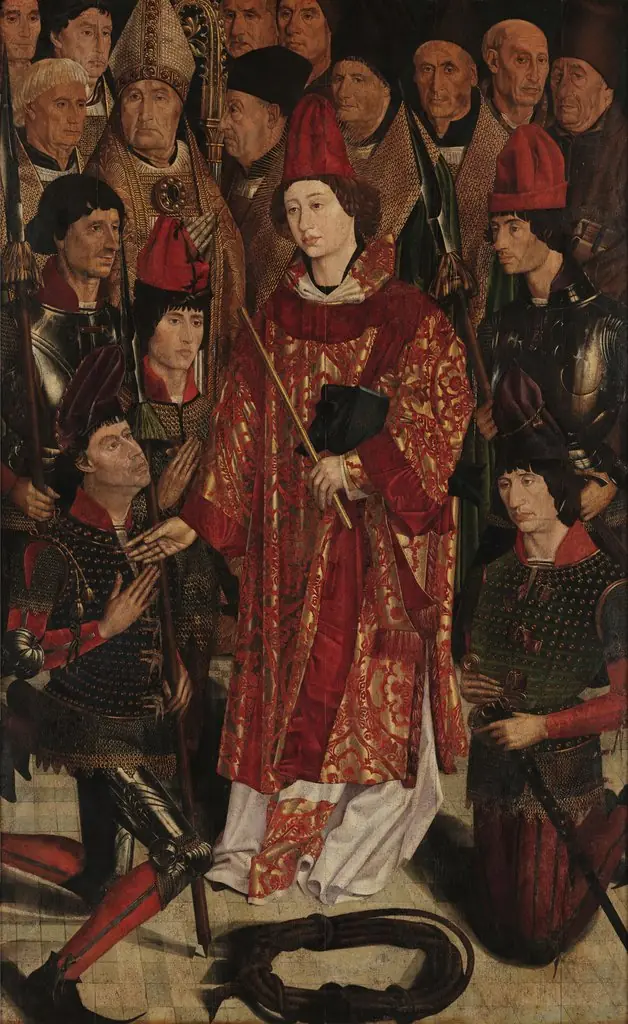
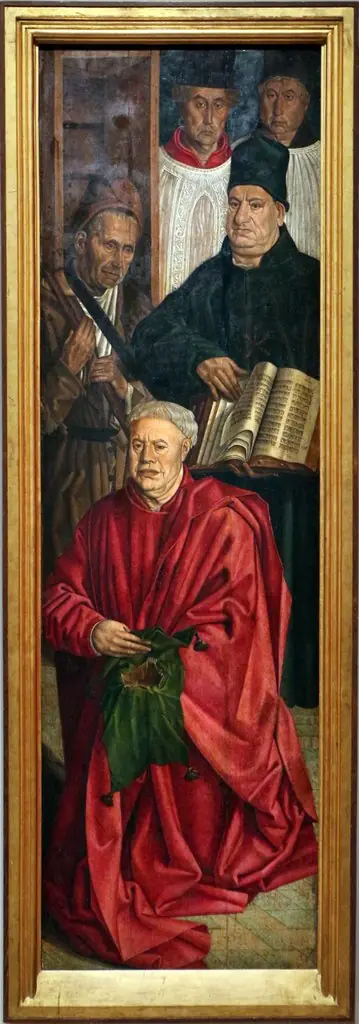
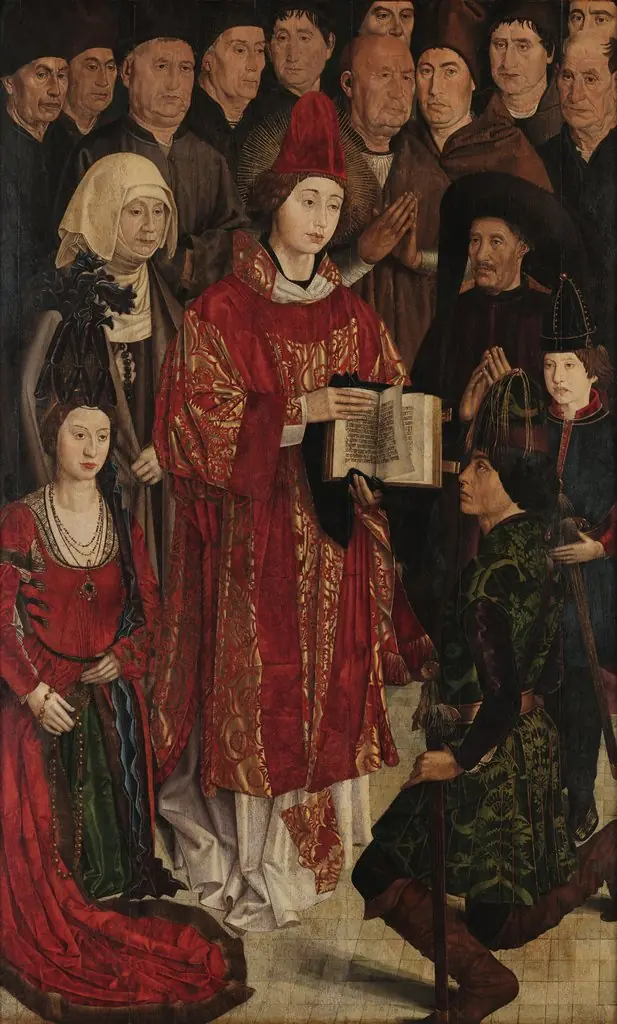
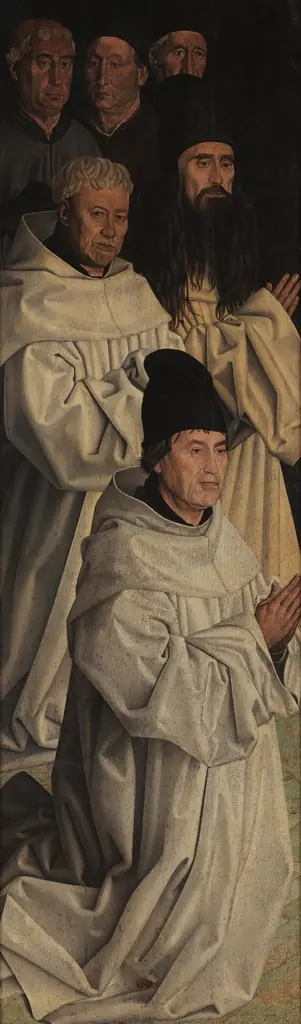
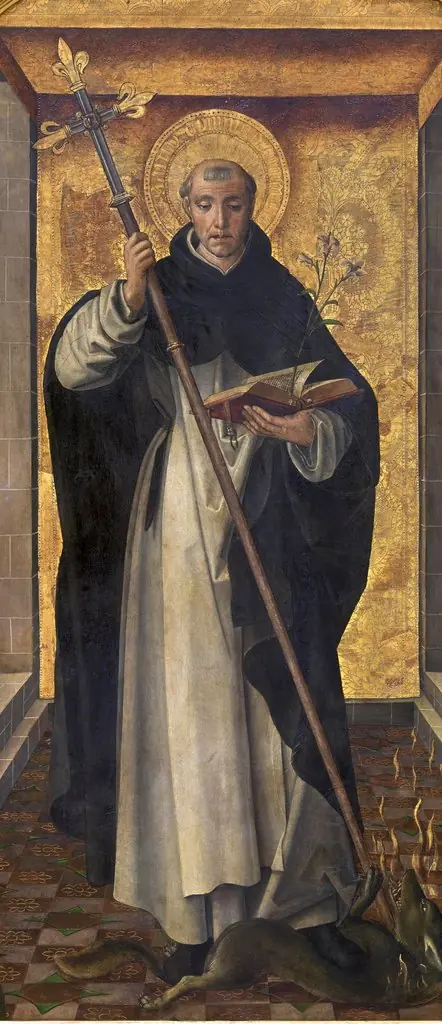
São Teotónio is an unspecified painting by the Northern Renaissance artist Nuno Gonçalves. It dates from 1470 and is held in the collection of the National Museum of Ancient Art.
About this work
Overview
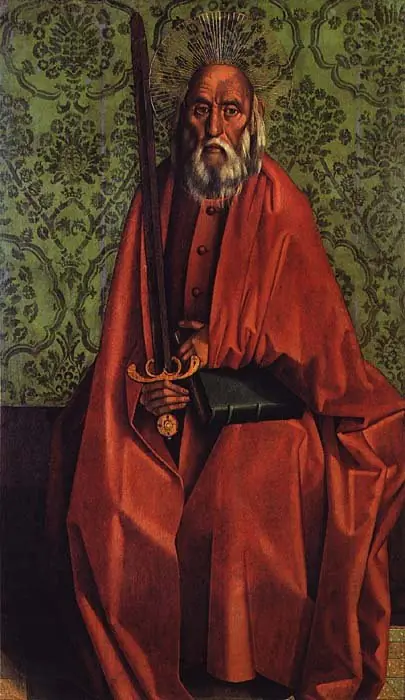
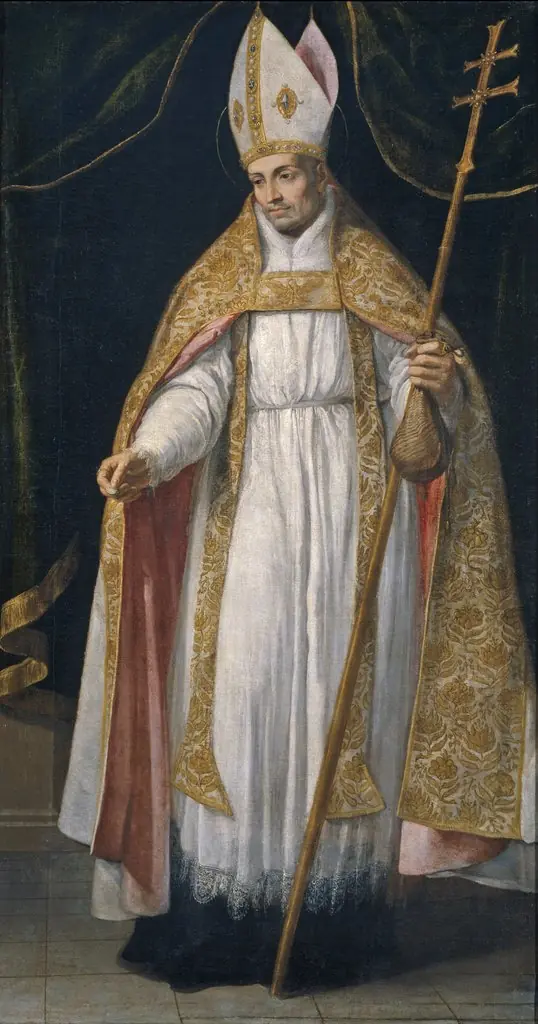
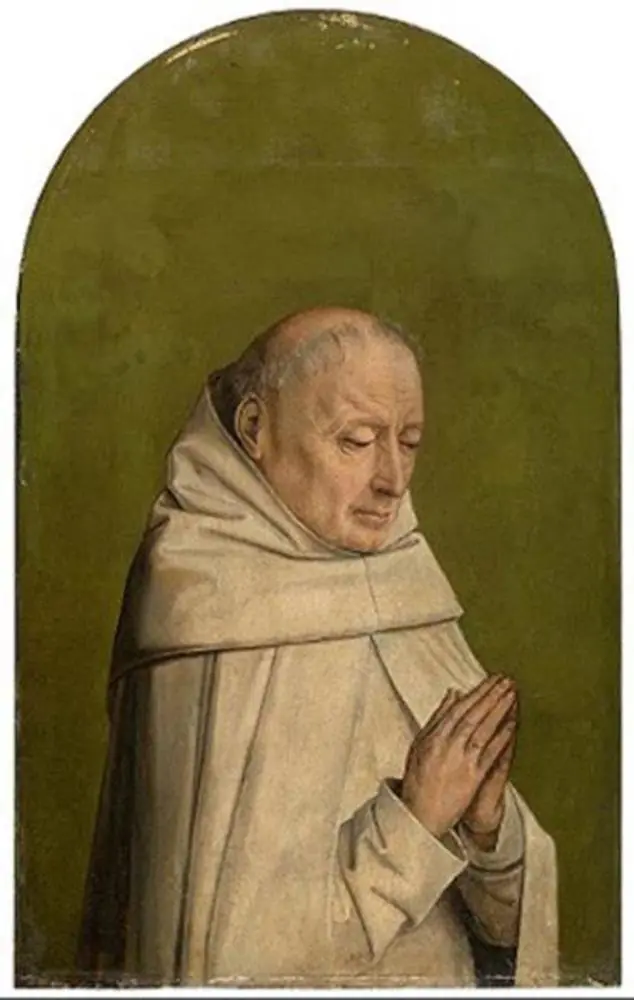
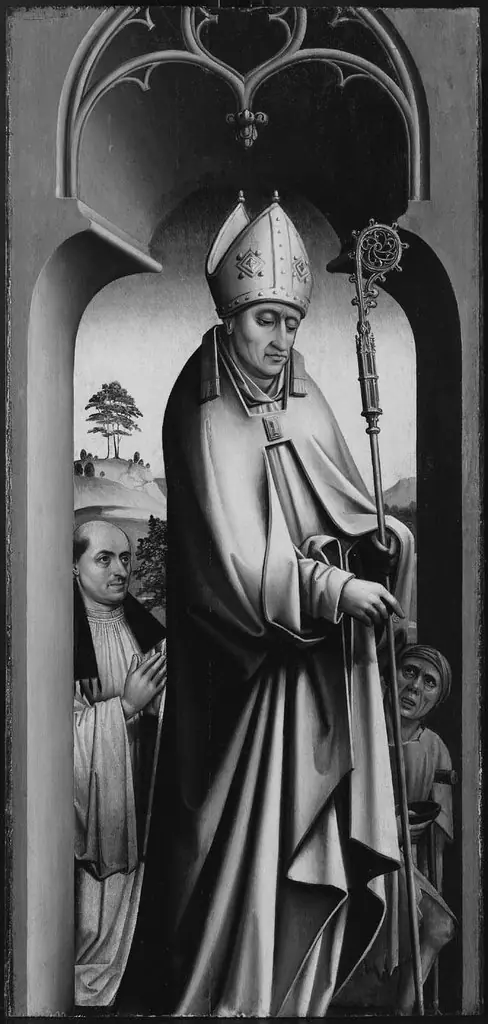
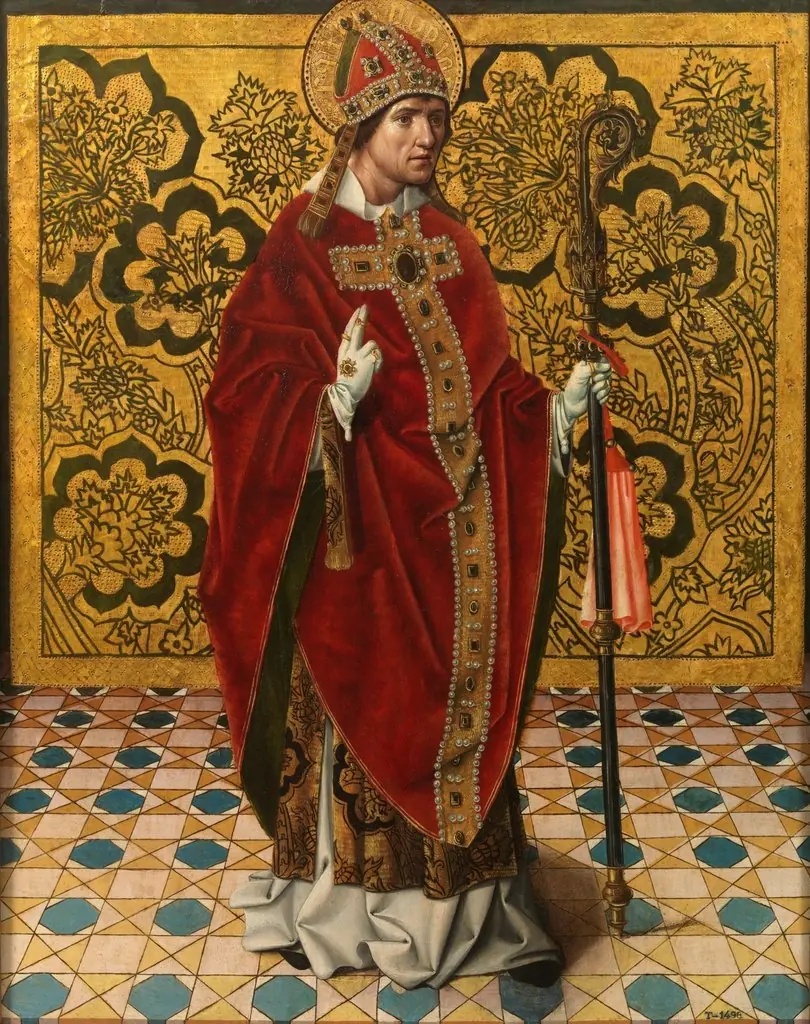
Created around 1470 by Nuno Gonçalves, the court painter of King Afonso V, this panel portrays a solitary figure in a white habit and hat, seated before a green, patterned wall. The subject holds a staff and looks directly at the viewer, giving the composition a quiet, confrontational presence. The work belongs to the National Museum of Ancient Art in Lisbon.
Subject & Meaning
The figure represented is Saint Theotonius, a Portuguese religious reformer of the 12th century. His white robe and staff identify him as a cleric, while his direct gaze suggests a didactic role, inviting contemplation of his spiritual authority. The painting emphasizes the saint’s humility and steadfastness, qualities associated with his historical reputation.
Technique & Style
Executed in the Northern Renaissance idiom, the panel displays careful modeling of forms and a subtle handling of light that creates a sense of three‑dimensional space. Gonçalves employs a restrained palette, contrasting the bright white of the habit with the muted green of the background, and uses fine brushwork to render the texture of the fabric and the intricate wall pattern.
History & Provenance
The painting has remained in Portugal since its creation, eventually entering the collection of the National Museum of Ancient Art. Gonçalves, whose oeuvre also includes the celebrated Saint Vincent Panels and possibly the Pastrana Tapestries, is regarded as the pre‑eminent Portuguese painter of the 15th century, and this work reflects his mature style.
Artist & collection
Artist
Nuno Gonçalves (c. 1425 – c. 1491, fl. 1450–71) was court painter to Afonso V of Portugal from 1450 to 1471. Gonçalves is widely considered the most accomplished Portuguese painter of the 15th century. His surviving…