Artwork
Self-Portrait of the Artist Drawing on a Lithographic Stone
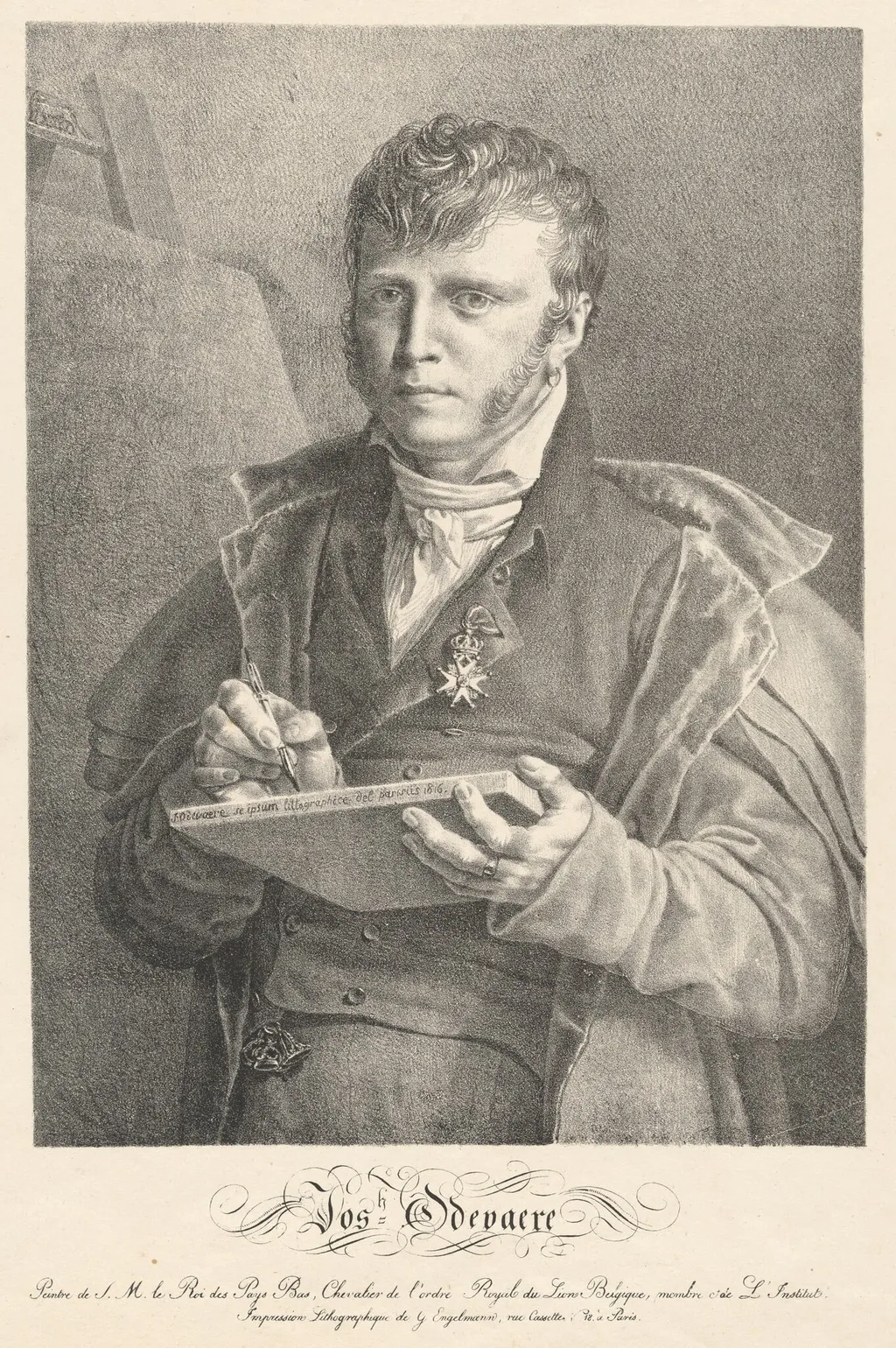
Self-Portrait of the Artist Drawing on a Lithographic Stone is an ink print by the Romanticist artist Joseph-Denis Odevaere. It dates from 1816 and is held in the collection of the National Gallery of Art. Created in 1816, this lithograph by Joseph Denis Odevaere depicts the artist at work, engaged in the process of lithographic drawing.
About this work
Overview
Created in 1816, this lithograph by Joseph Denis Odevaere depicts the artist at work, engaged in the process of lithographic drawing. Executed in black ink on wove paper, the image captures him in profile, focused on the stone beneath his hands. Unlike traditional portraits, this work was produced directly from the lithographic stone, making it both subject and object of the printmaking process.
Subject & Meaning
Odevaere portrays himself in a quiet, introspective moment, holding a lithographic crayon and a stone inscribed with text.
Odevaere portrays himself in a quiet, introspective moment, holding a lithographic crayon and a stone inscribed with text. His serious gaze and formal attire, including a star-shaped insignia, suggest professional pride and intellectual rigor. The image functions as both personal representation and a declaration of his mastery over a relatively new medium, positioning the artist as an active creator rather than a passive subject.
Technique & Style
The image was drawn directly onto a limestone surface using lithographic crayon, then printed in monochrome. The fine lines and subtle tonal gradations reflect the precision required by the technique. Odevaere’s controlled draftsmanship and attention to texture—particularly in the fabric of his coat and the grain of the stone—demonstrate his technical command and the medium’s capacity for nuanced expression.
History & Provenance
The print was made in 1816, during a period when lithography was gaining traction among European artists as a viable alternative to engraving. It entered the collection of the National Gallery of Art in Washington, D.C., where it remains today. Its survival and preservation reflect its significance as an early example of an artist using lithography to document his own practice.
Context
In the early 19th century, lithography was emerging as a democratizing print technology, allowing artists to bypass traditional engravers. Odevaere, a Belgian painter trained in the Neoclassical tradition, embraced this innovation to assert autonomy over reproduction. His self-portrait aligns with broader trends in which artists used the medium to explore identity and craft simultaneously.
Legacy
This work stands as an early testament to the integration of self-representation and technical innovation in printmaking. It influenced later artists who adopted lithography not only for reproduction but as a vehicle for personal expression. Odevaere’s image helped establish the artist’s studio as a legitimate subject for artistic inquiry within the print medium.
Artist & collection
Artist
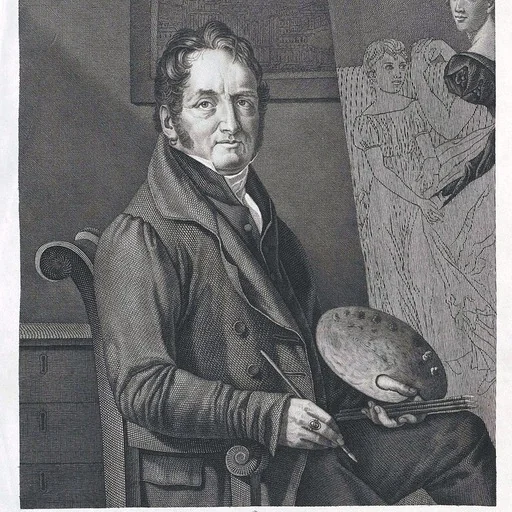
Joseph Denis Odevaere, or Joseph-Désiré Odevaere (2 December 1775, in Bruges – 26 February 1830, in Brussels), was a Neo-Classical painter from the Southern Netherlands (now Belgium). He served as court painter to King William I.

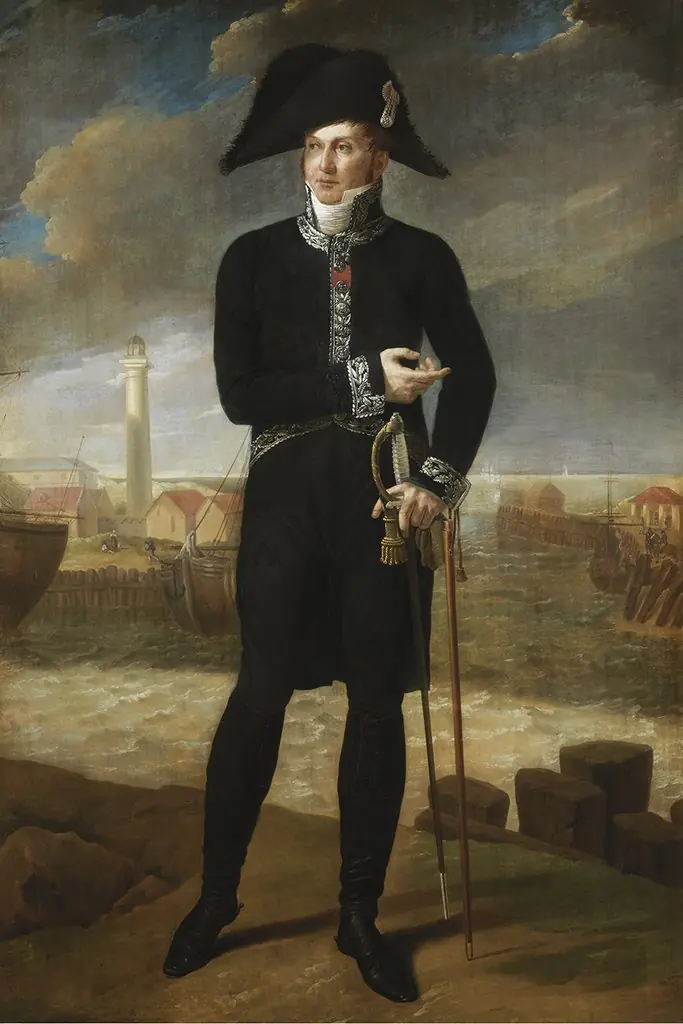 Portrait of Marquis Bernard-François de Chauvelin
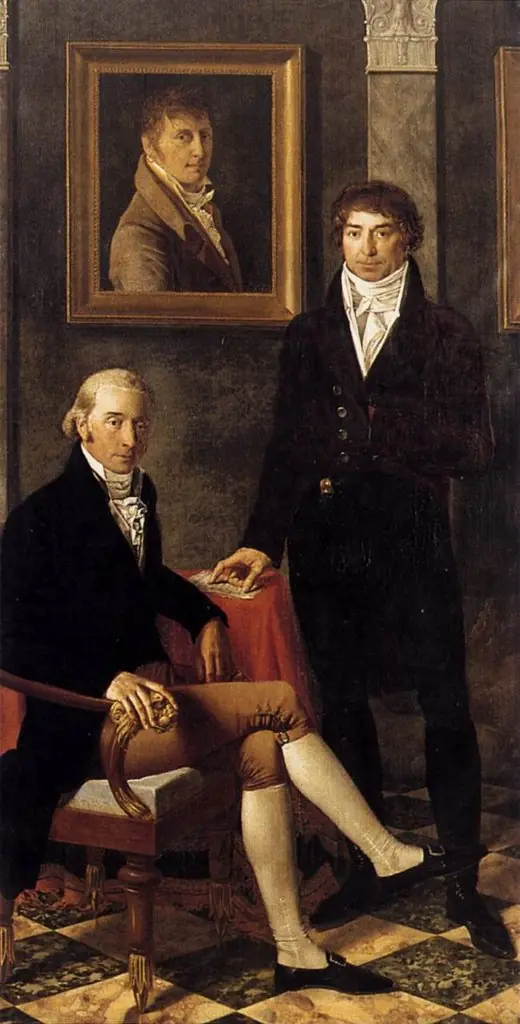 Friendship portrait of the artists François Wynckelman, François van der Donckt and Joseph Odevaere
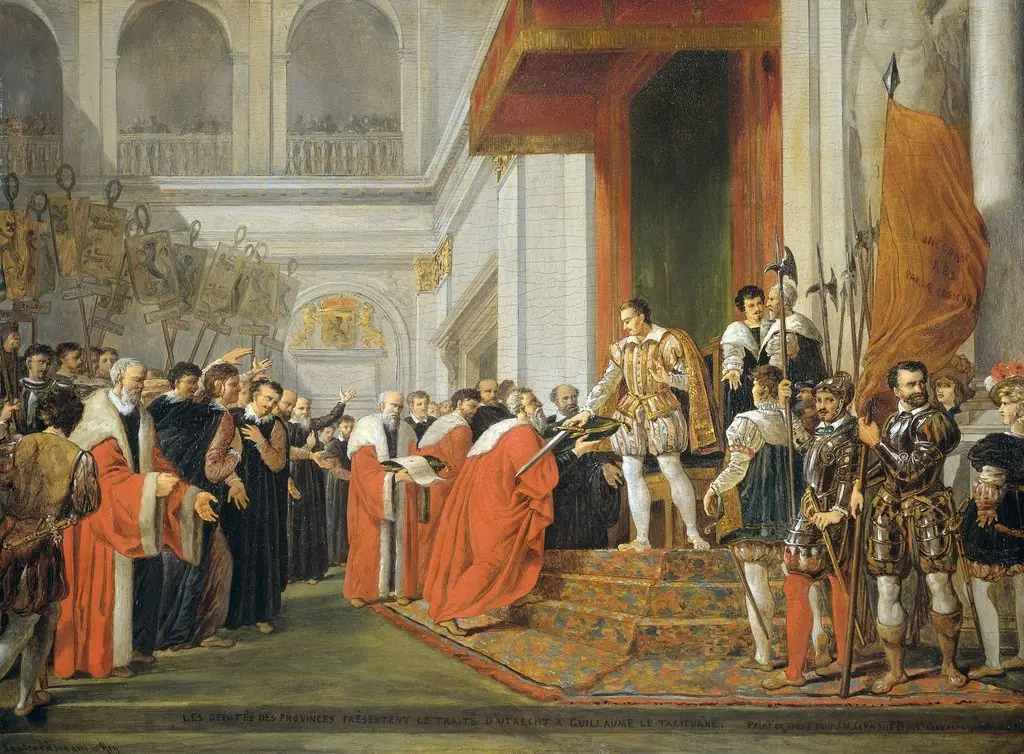 The Union of Utrecht
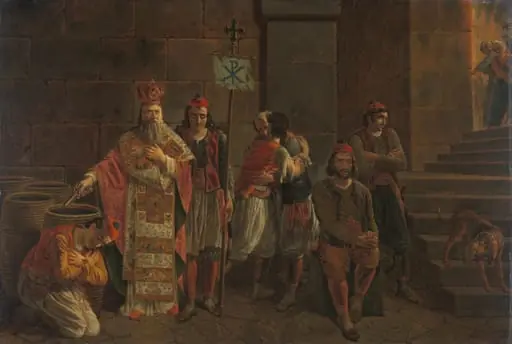 The Last Defenders of Missolonghi, 22 April 1826: an episode from the Greek War of Independence
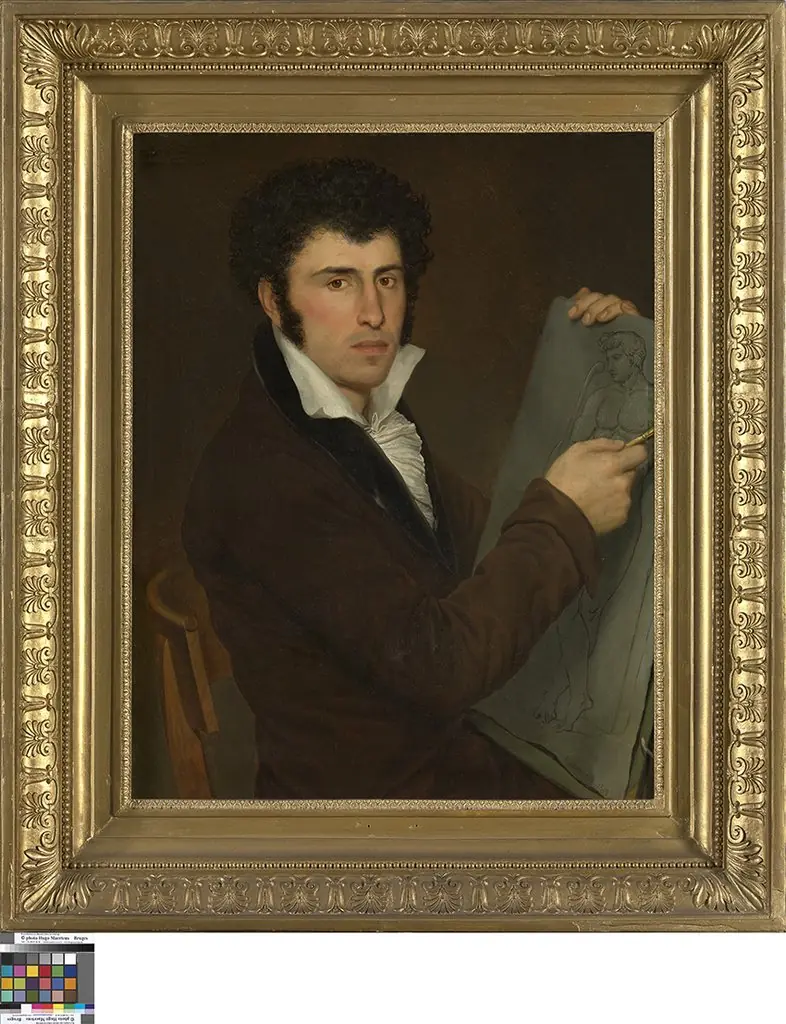 Portret van Filips Jacob Van Houtte
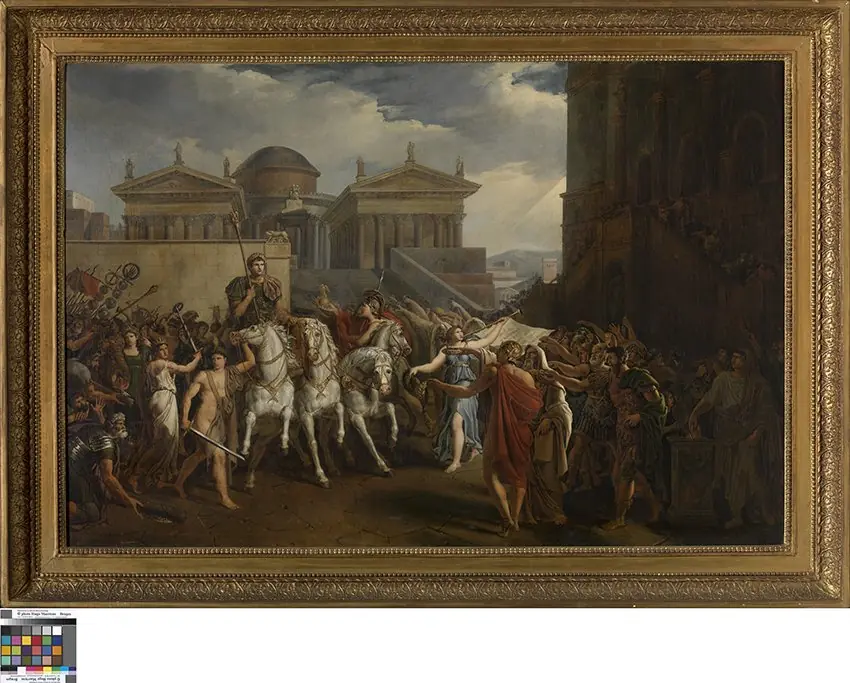 Triomftocht van keizer Trajanus
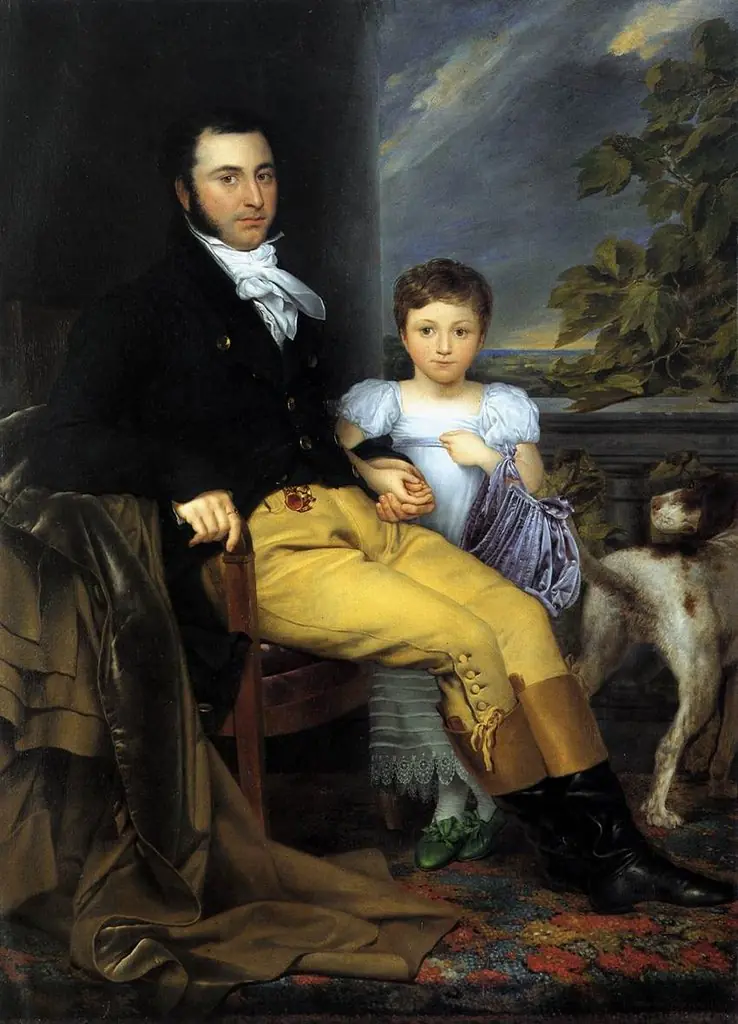 Portret van een voornaam man met zijn dochter en een jachthond
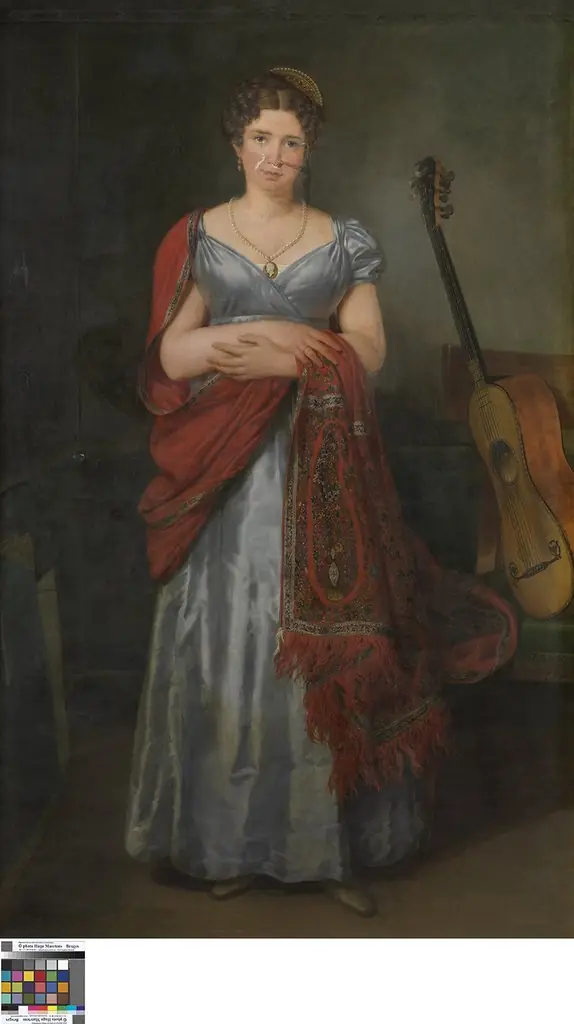 Portret van Sylvie de la Rue