Artwork
Unidentified Man
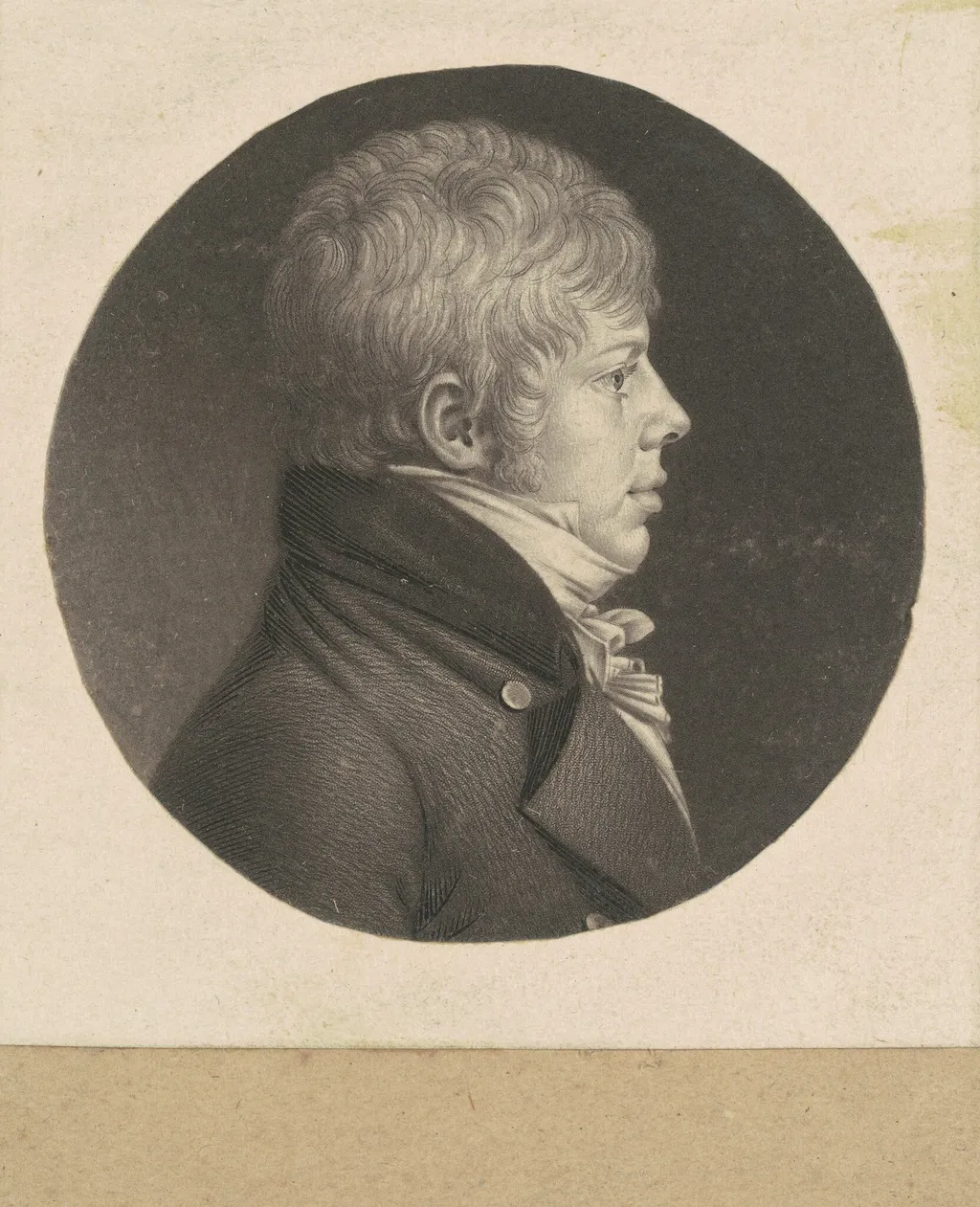
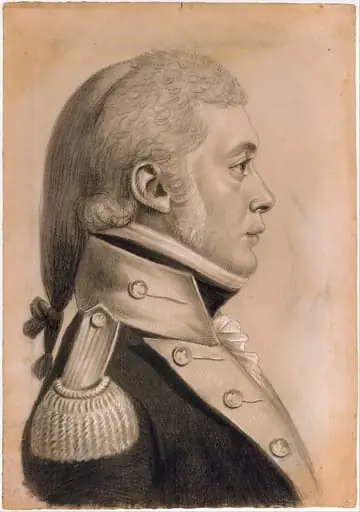
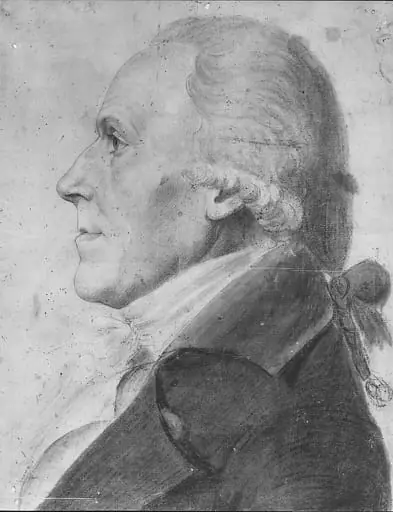
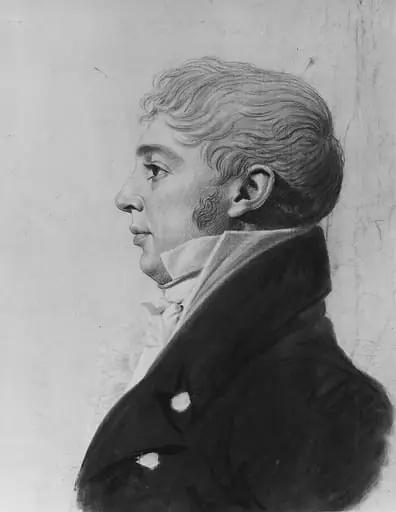
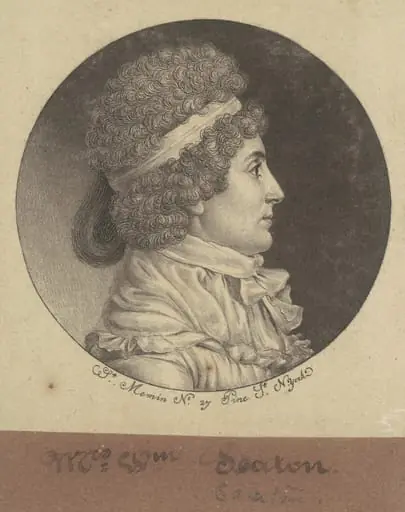
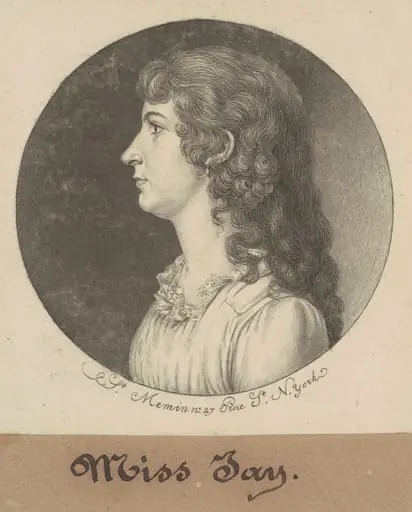
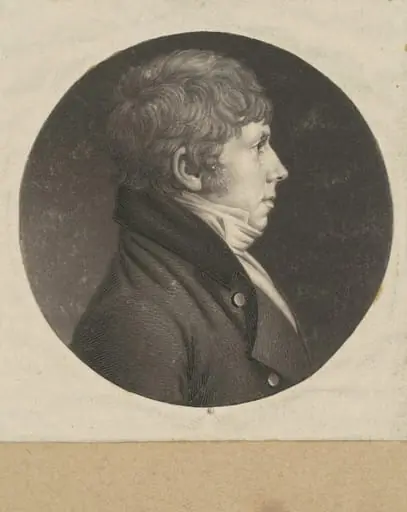
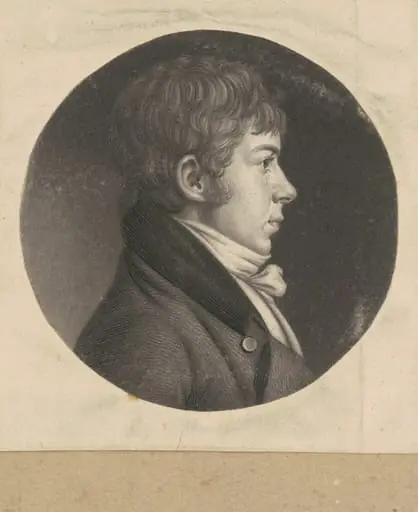
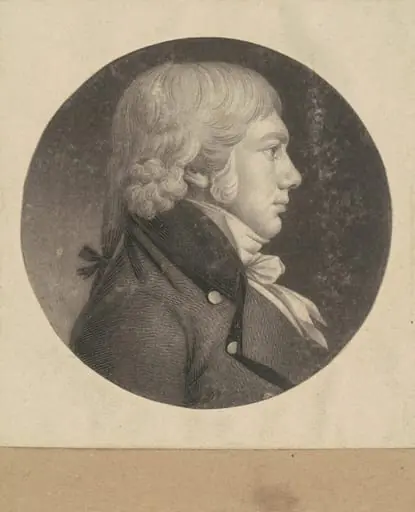
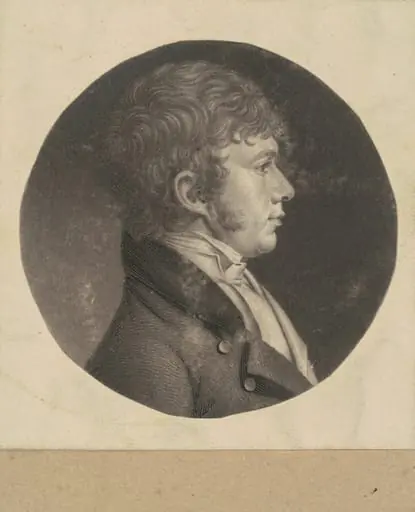
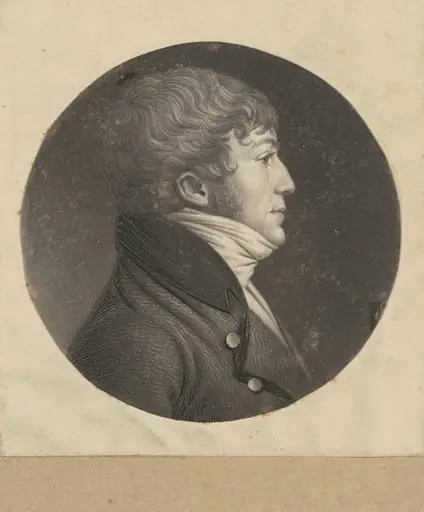
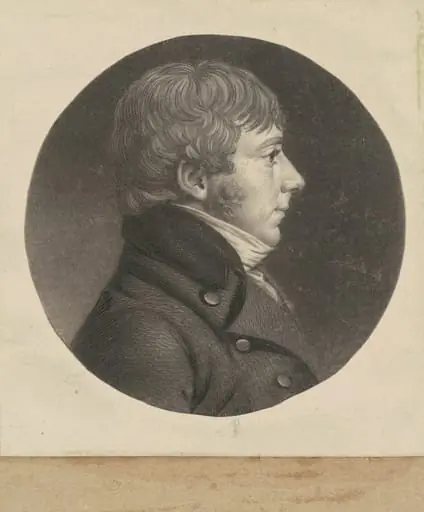
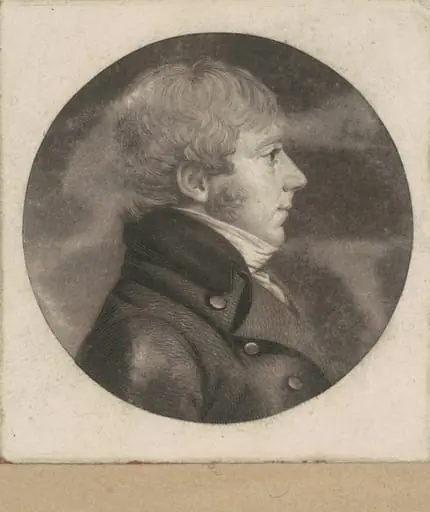
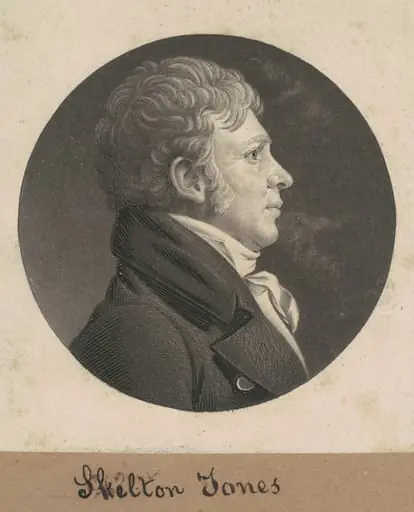
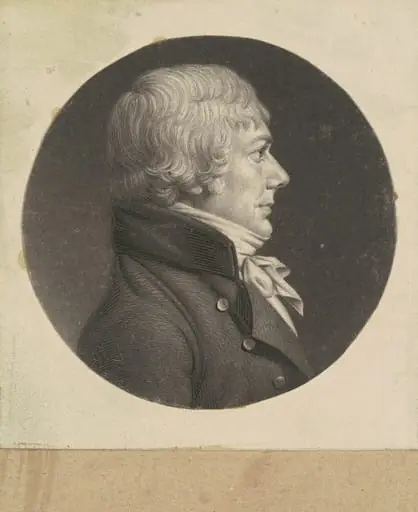
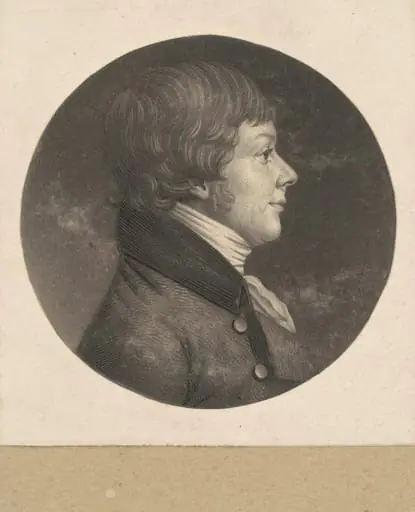
Unidentified Man is an ink print by the Romanticist artist Charles Balthazar Julien Févret de Saint-Mémin. It dates from 1800 and is held in the collection of the National Gallery of Art. This print portrays a man’s head and upper torso in profile, rendered in mezzotint and engraving on wove paper.
About this work
Overview
This print portrays a man’s head and upper torso in profile, rendered in mezzotint and engraving on wove paper. Mounted on brown wove paper, it belongs to a series of small, circular portraits produced around 1800 by Charles B. J. Févret de Saint-Mémin. The format and precision suggest a deliberate focus on likeness and detail, typical of his portraiture practice during this period.
Subject & Meaning
The profile view emphasizes clarity of form over emotional expression, aligning with the era’s preference for objective representation in portraiture.
The sitter remains unidentified, consistent with the artist’s practice of documenting individuals of modest social standing. The restrained attire—a dark coat and light cravat—indicates neither prominence nor poverty, suggesting a middle-class subject. The profile view emphasizes clarity of form over emotional expression, aligning with the era’s preference for objective representation in portraiture.
Technique & Style
Saint-Mémin employed mezzotint and engraving to achieve fine gradations of tone and crisp linear detail. The technique allowed for subtle modeling of the face and texture in fabric, particularly in the cravat’s folds. The circular format constrained composition, requiring careful arrangement to maintain balance within a limited space, reflecting technical discipline.
History & Provenance
Created circa 1800, this print is one of many in a series produced by Saint-Mémin during his time in the United States. These portraits were often commissioned by individuals seeking affordable, portable likenesses. The work entered institutional collections in the 19th or early 20th century, preserving its condition and historical context.
Context
In early 19th-century America, portrait prints were popular alternatives to oil paintings, especially among those without access to formal artists. Saint-Mémin, a French émigré, adapted European engraving methods to meet this demand. His circular portraits reflect a blend of French technique and American practicality, serving both documentary and personal functions.
Legacy
Saint-Mémin’s series of small profile portraits contributed to the development of American print portraiture. His use of mezzotint helped elevate the medium beyond mere reproduction, influencing later artists who sought precision and tonal nuance. These works remain valuable records of everyday individuals from a formative period in U.S. visual culture.
Artist & collection

Artist
Charles Balthazar Julien Févret de Saint-Mémin
Charles Balthazar Julien Févret de Saint-Mémin (French pronunciation: ; 1770–1852) was a French portrait painter and museum director.