Artwork
The Withered Tree
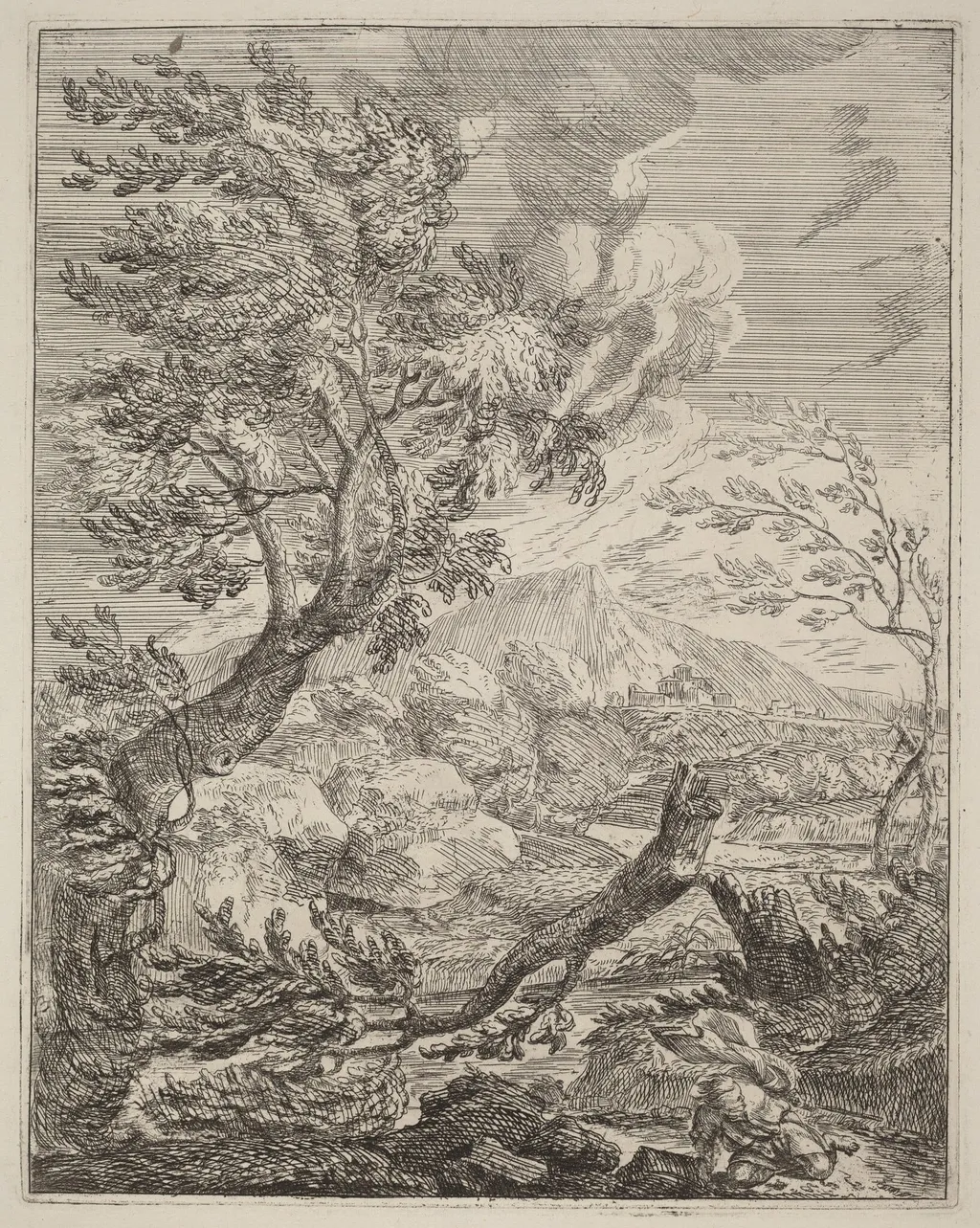
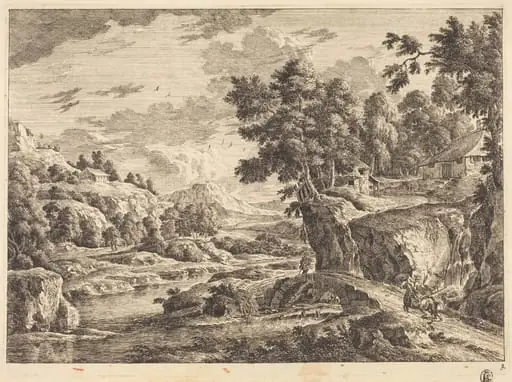
The Withered Tree is an ink print by the Baroque artist Crescenzio Onofri. It dates from 1696 and is held in the collection of the National Gallery of Art.
About this work
Overview
Crescenzio Onofri’s etching titled The Withered Tree dates from 1696. Executed in black ink on paper, the print presents a solitary, gnarled tree against a stark landscape. The composition is dominated by the skeletal trunk and its spindly branches, which reach upward amid a cracked ground and sparse vegetation, while a faint horizon suggests distant hills or structures.
Subject & Meaning
The image centers on a lone, lifeless tree, its twisted limbs evoking a sense of desolation and the passage of time. The barren setting and the tree’s stark silhouette convey themes of decay and mortality, reflecting the Baroque period’s fascination with the transience of life and the visual dramatization of nature’s decline.
Technique & Style
Onofri employed the etching process, incising fine lines into a copper plate before printing onto paper. The work’s sharp, precise lines delineate the bark’s texture and the fissured earth, while the contrast of deep blacks and delicate hatching creates depth. This meticulous handling of line aligns with Baroque printmaking’s emphasis on dramatic chiaroscuro and detailed realism.
History & Provenance
Created at the close of the 17th century, The Withered Tree is documented as part of Onofri’s output during his mature period. While specific ownership records are scarce, the print has appeared in several collections of Baroque prints, indicating its circulation among connoisseurs of the era’s graphic art.
Context
In the late 1600s, European artists frequently used solitary trees as symbols of impermanence, often set within barren landscapes to underscore moral or philosophical reflections. Onofri’s choice of a withered tree aligns with this visual vocabulary, situating the work within broader Baroque themes of vanitas and the fleeting nature of earthly existence.
Own this work as a print
Artist & collection


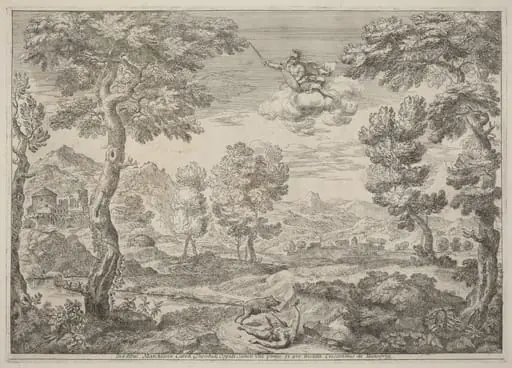
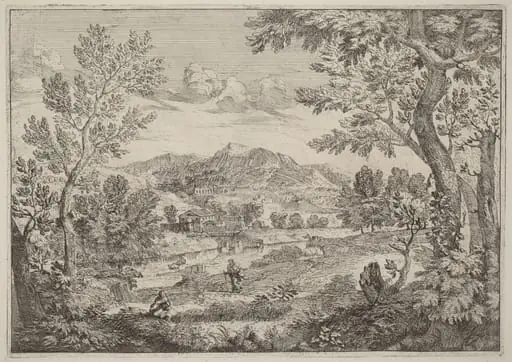
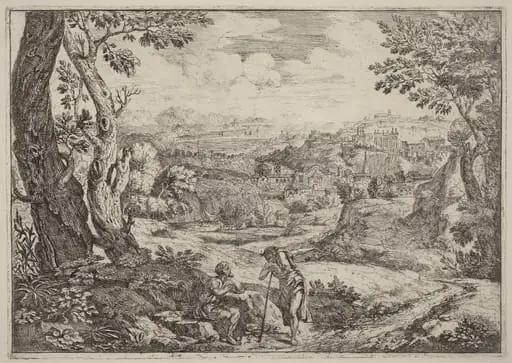
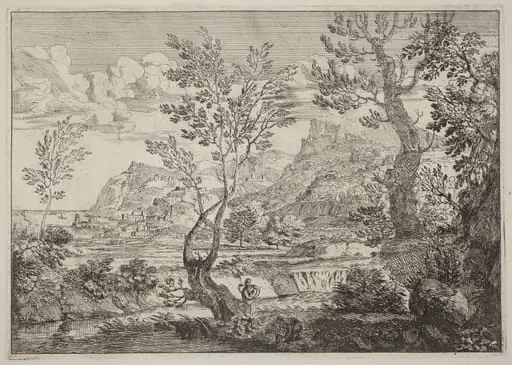
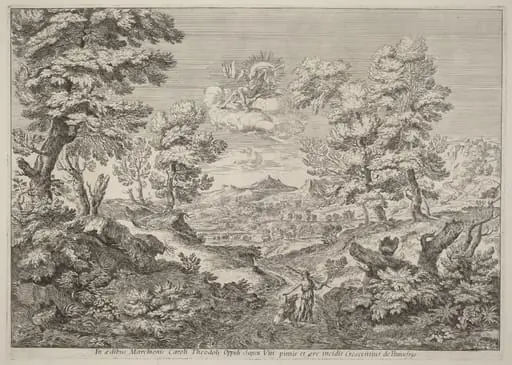 Apollo and a Nymph Leading a Lion
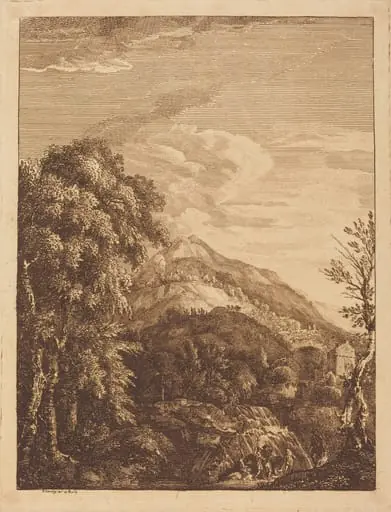 Mountainous Landscape with a Waterfall, Round Tower, Castle, and Banditti
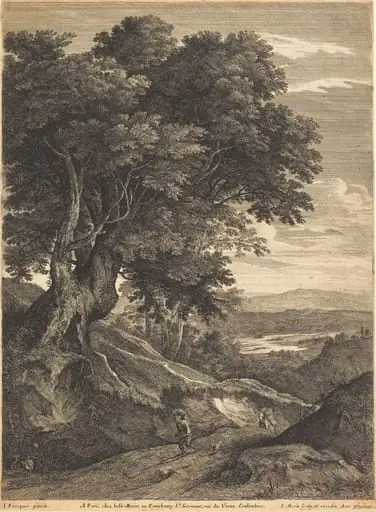 Hilly Landscape with Travelers on Foot
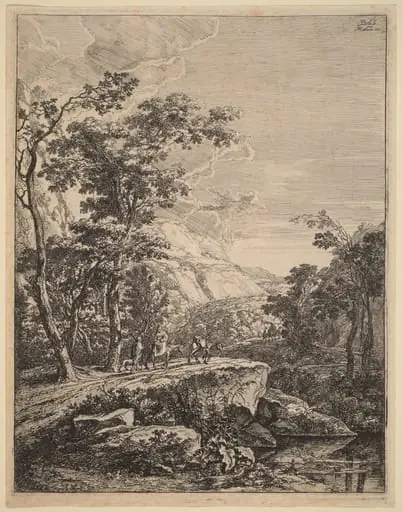 The Woman on the Hinny
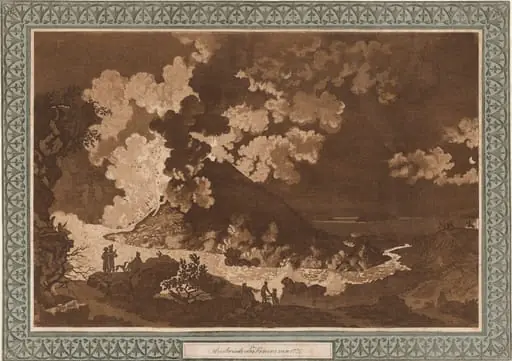 Vesuvausbruch von 1771 (The Eruption of Mount Vesuvius in 1771)
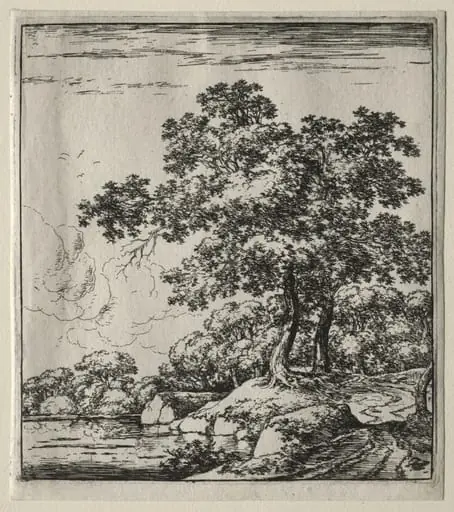 Les deux grands arbres près de la rivière
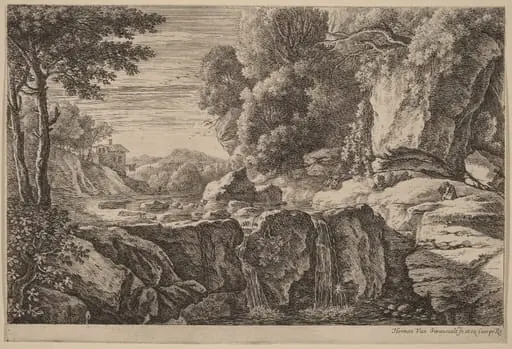 The Small Waterfall
 Landscape with a Bridge and Three Farm Buildings