Artwork
Untitled
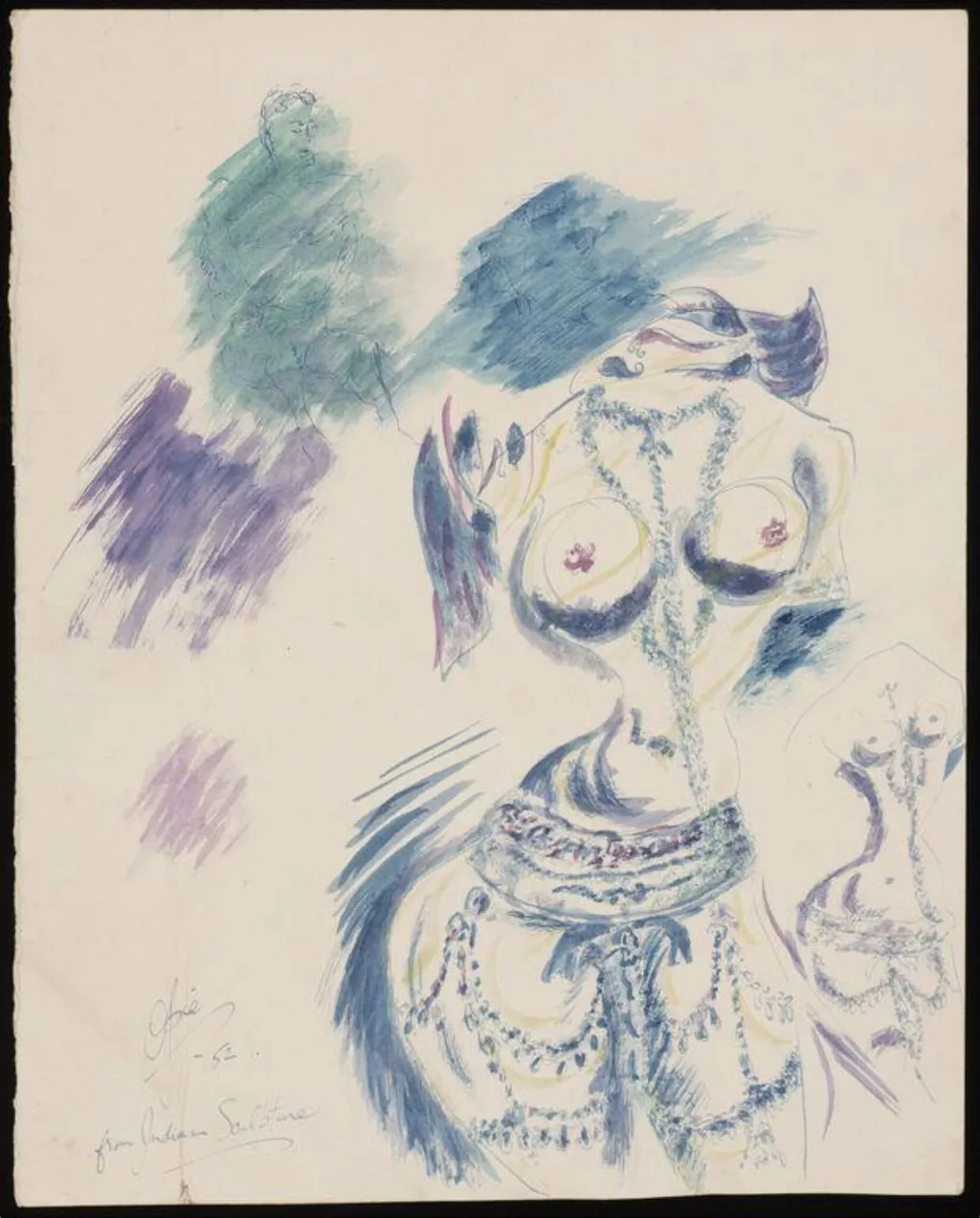
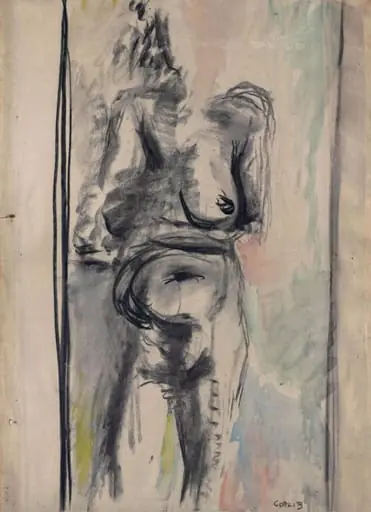
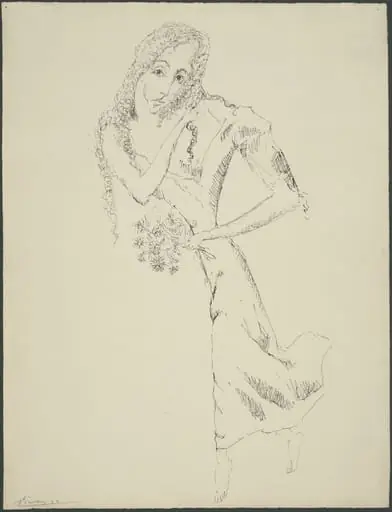
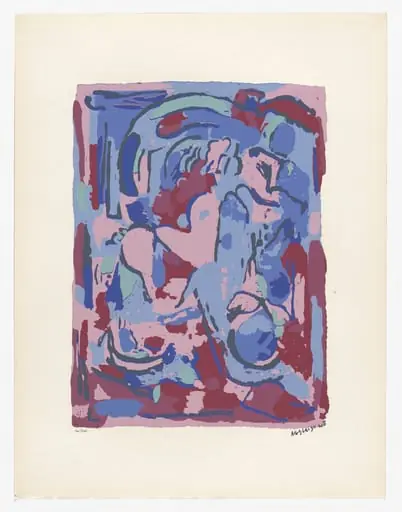
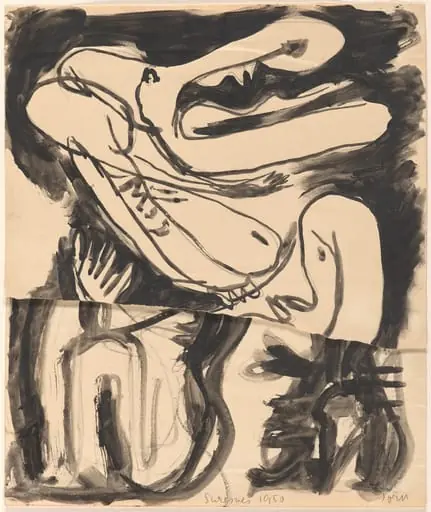
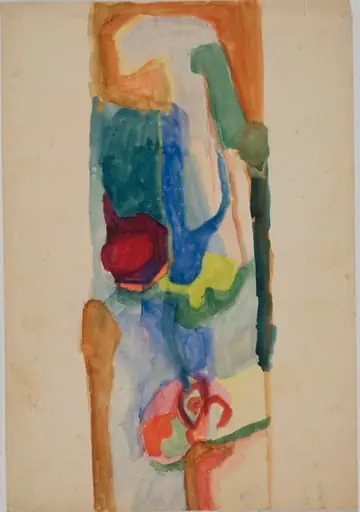
Untitled is a drawing by Roy Opie. It dates from 1952 and is held in the collection of the Victoria and Albert Museum.
About this work
Overview
The overall impression is of an artist engaged in rapid, exploratory mark-making, with many forms appearing incomplete or partially erased.
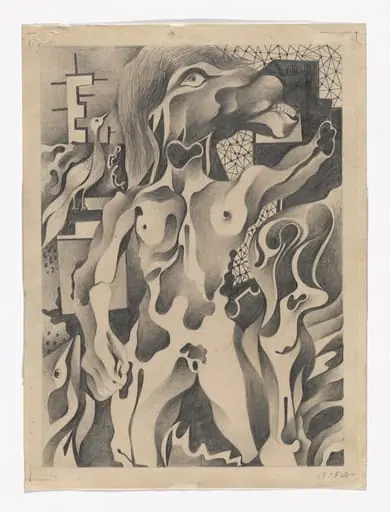
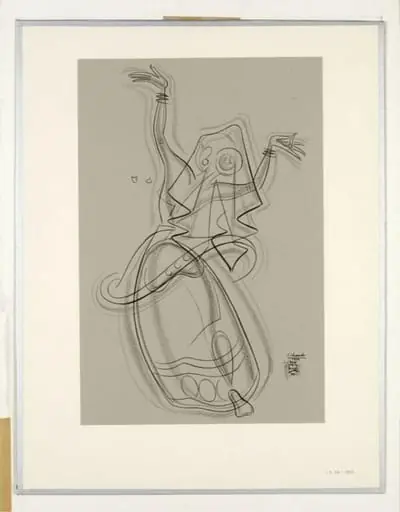
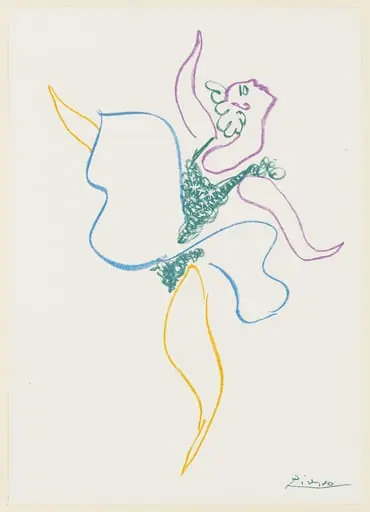
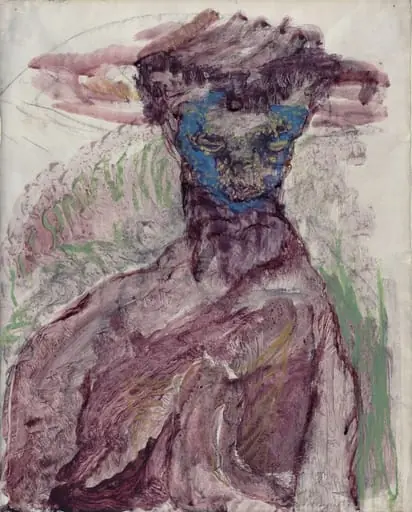
This untitled drawing is a working study composed of multiple figure sketches on a single sheet. It includes two interpretations of an Indian sculpture, alongside a Pan figure and a male nude. The compositions are layered with translucent color washes in blue, purple, and faint yellow, partially obscuring underlying pencil lines. The overall impression is of an artist engaged in rapid, exploratory mark-making, with many forms appearing incomplete or partially erased.
Subject & Meaning
The figures derive from non-Western and classical sources—an Indian sculpture and Greco-Roman mythological motifs—suggesting the artist’s interest in cross-cultural forms. The Pan figure and nude suggest a preoccupation with the human body in motion or repose, possibly as a study of anatomy or symbolic expression. The obscured outlines imply these were not intended as finished images, but as visual notes in a broader inquiry into form and gesture.
Technique & Style
Loose, uneven pencil strokes define the figures, conveying immediacy rather than precision. Color washes are applied thinly, allowing underlying lines to show through or fade into the paper’s texture. Some areas appear deliberately faded or scraped, creating ghosted traces of earlier marks. The technique prioritizes process over polish, emphasizing the physical act of drawing and the impermanence of early ideas.
History & Provenance
The drawing is held in the collection of the Victoria and Albert Museum, where it is cataloged as part of a larger body of working drawings. Its origins trace to an artist’s sketchbook or study series, likely created during a period of intensive visual research. No definitive record of its creation date or artist exists, but its materials and style align with early 20th-century European drawing practices.
Context
In the early 20th century, European artists increasingly turned to non-Western art for formal inspiration, often through museum collections and reproductions. This drawing reflects that trend, blending Indian sculptural forms with classical mythology. Its unfinished state mirrors a broader shift away from polished academic drawing toward experimental, process-driven approaches in modern art.
Legacy
The drawing exemplifies how artists used sketchbooks as laboratories for visual ideas, valuing spontaneity over completion. Its preservation in a major museum underscores its significance as a document of artistic inquiry rather than a polished result. It contributes to understanding how modern artists engaged with global traditions through direct, tactile observation.
Artist & collection
Artist
Roy Opie’s 1952 Untitled drawing sits in the quiet afterglow of mid-century abstraction, where line and paper become equal partners.