Artwork
Untitled
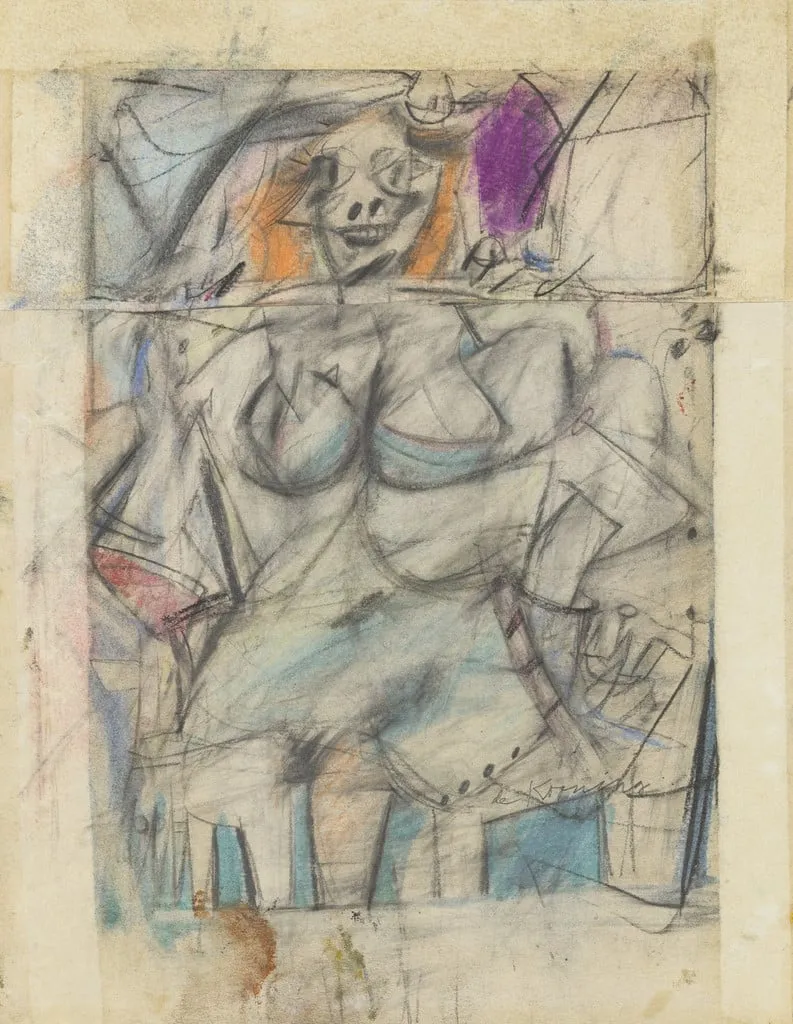
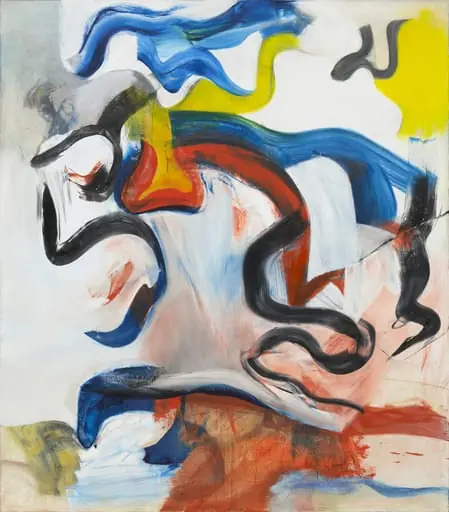
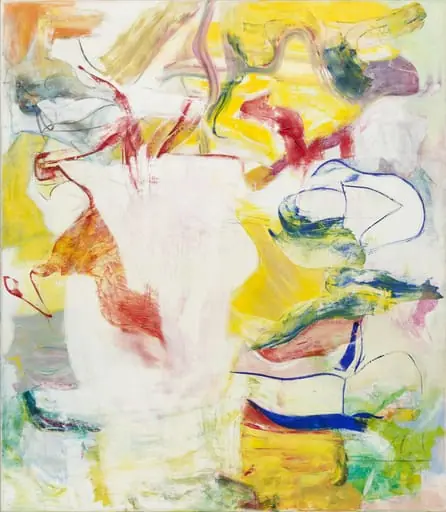
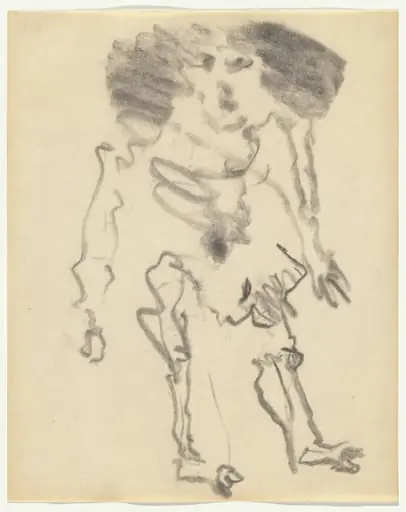
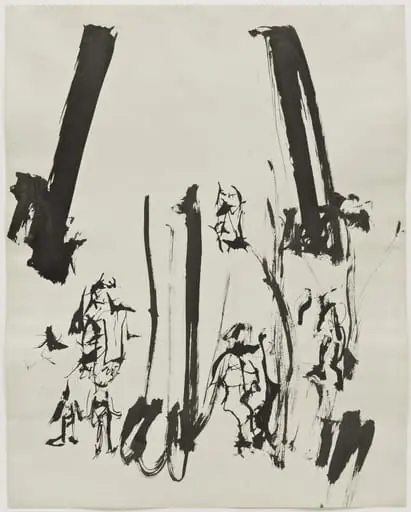
Untitled is an oil drawing by Willem de Kooning. It dates from 1952 and is held in the collection of the Museum of Modern Art.
About this work
Overview
Created in 1952, this drawing by Willem de Kooning combines pencil, pastel, and oil on two joined sheets of paper. It belongs to a series of works from the early 1950s in which he explored the human form through abstraction. The piece is held in the collection of The Museum of Modern Art and exemplifies his engagement with the energetic, improvisational methods of the New York School.
Subject & Meaning
It conveys psychological intensity rather than narrative, reflecting de Kooning’s interest in the body as a site of emotional force.
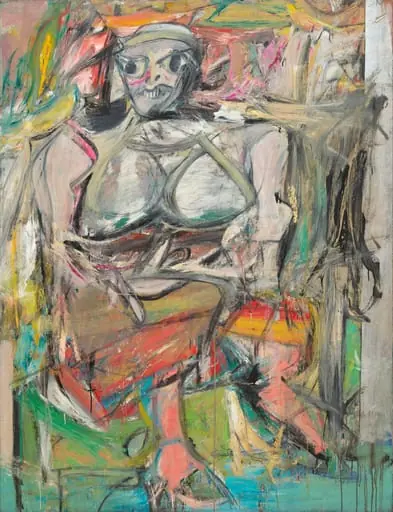
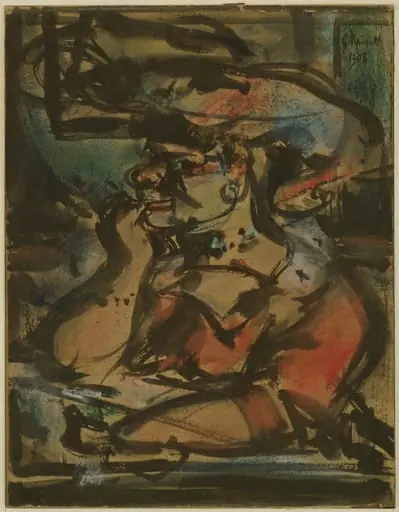
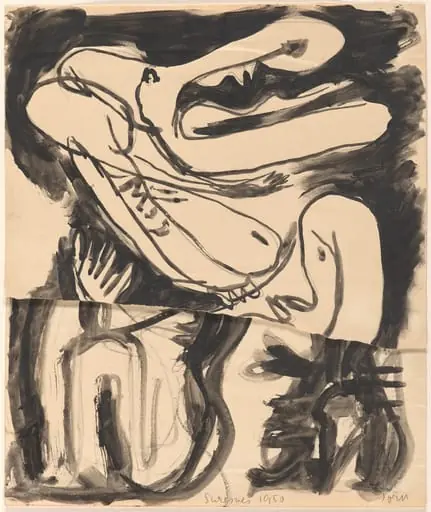
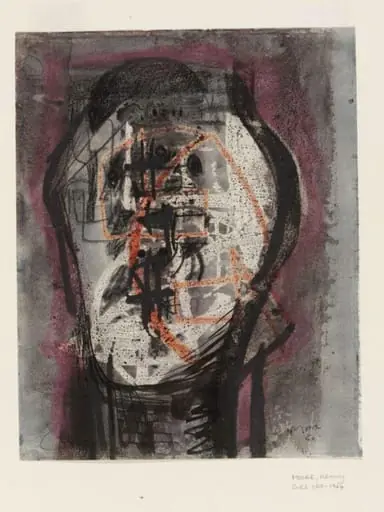
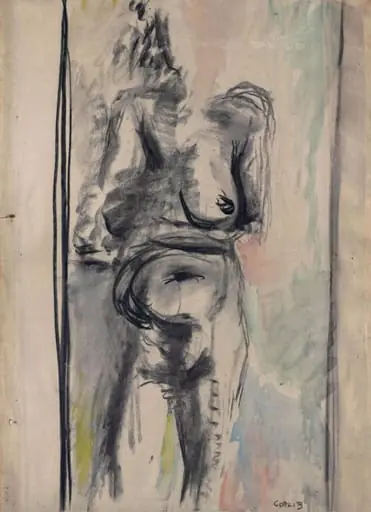
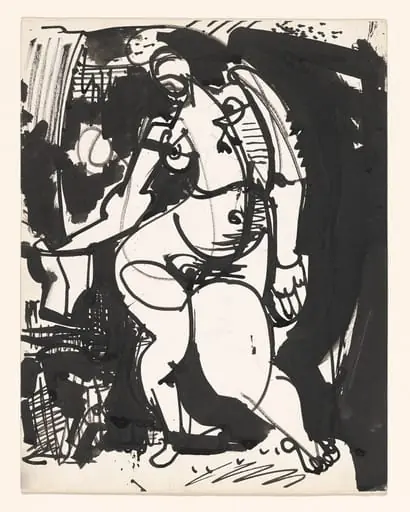
The figure is a fragmented, abstracted woman, rendered with distorted anatomy and exaggerated contours. Her face, composed of warm orange and violet tones, contrasts with the cooler blues and grays of her body. Clenched fists and bent arms suggest tension or motion, but the work resists literal interpretation. It conveys psychological intensity rather than narrative, reflecting de Kooning’s interest in the body as a site of emotional force.
Technique & Style
De Kooning layered pencil underdrawings with bold pastel strokes and thick oil pigment, creating a tactile surface rich in texture. The application is rapid and physical, emphasizing gesture over precision. Visible marks and smudges reveal the process of revision and movement across the paper. This method aligns with action painting, where the act of making becomes inseparable from the final image.
History & Provenance
The work entered The Museum of Modern Art’s collection in the decades following its creation, as part of the institution’s broader effort to document postwar American abstraction. It was produced during a period when de Kooning was deeply engaged with the female figure, a recurring theme in his work from the late 1940s through the 1950s. No earlier ownership records are publicly documented beyond its acquisition by the museum.
Context
This piece emerged amid the rise of Abstract Expressionism in New York, a movement that rejected traditional representation in favor of emotional immediacy. De Kooning, alongside peers like Pollock and Krasner, challenged conventions of composition and subject. His treatment of the female form during this time sparked debate, blending figuration with abstraction in ways that unsettled both critics and audiences.
Legacy
The work stands as a key example of de Kooning’s ability to merge figuration with abstraction, influencing later generations of artists who sought to reconcile the human form with expressive mark-making. Its inclusion in MoMA’s collection cemented its role in the canon of mid-century American art, representing a pivotal moment when drawing and painting converged in radical new forms.
Artist & collection

Artist
Willem de Kooning ( də KOO-ning, Dutch: ; April 24, 1904 – March 19, 1997) was a Dutch-American abstract expressionist artist.