Artwork
Max Slevogt
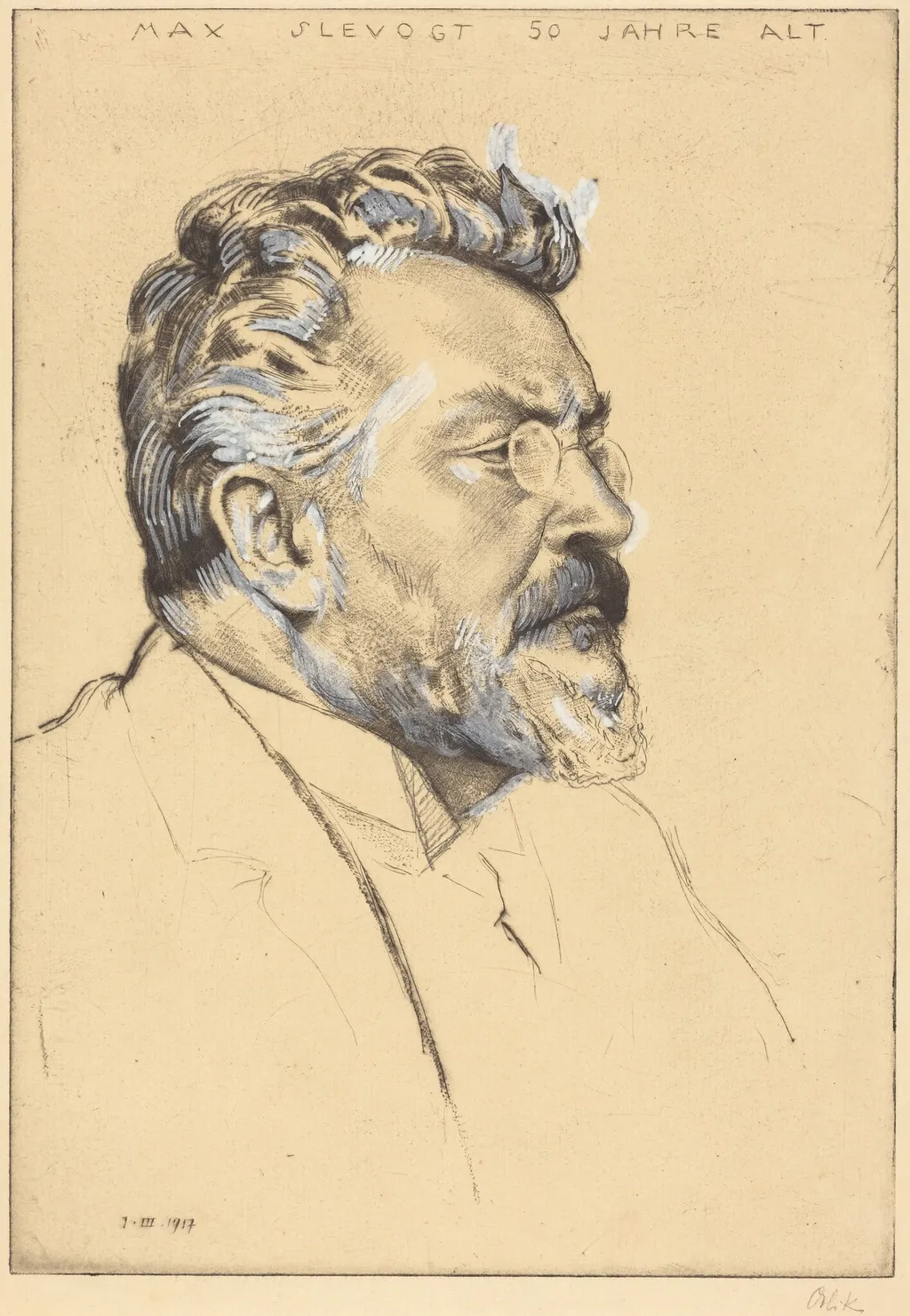
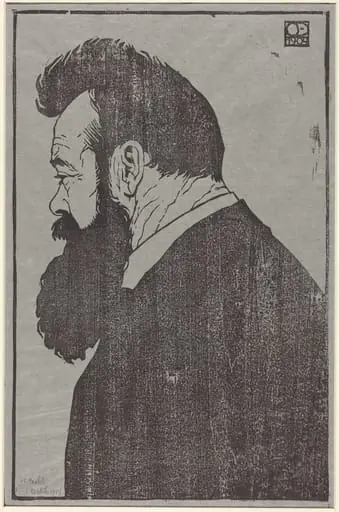
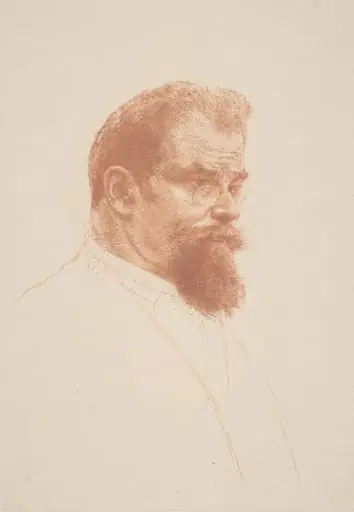
Max Slevogt is a graphite print by Emil Orlik. It dates from 1917 and is held in the collection of the National Gallery of Art.
About this work
" The sketch was made in 1917 and looks like a working proof, meaning the artist might have used it to practice before finishing a final version.
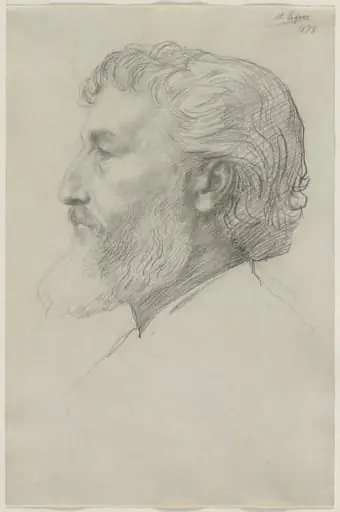
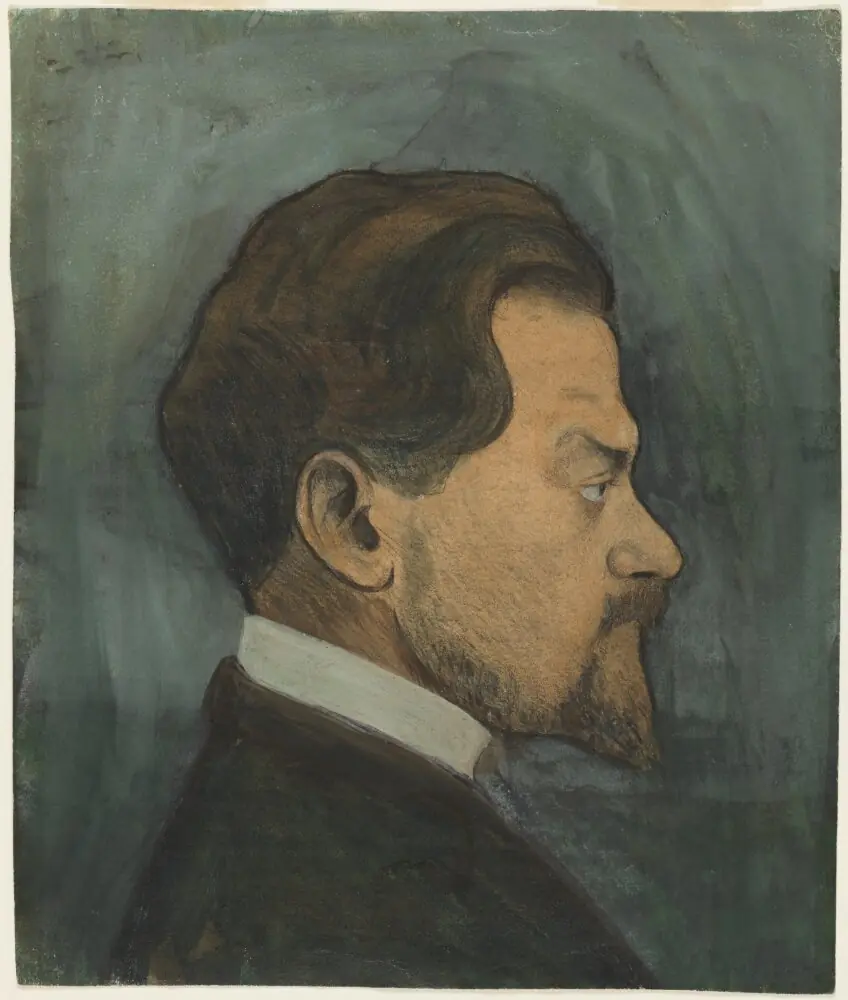
This sketch shows a side view of a man with a full beard and glasses. His hair is curly and graying, and he’s wearing a high-collared shirt. The drawing is loose and quick, with lots of shading and some white highlights on his face and hair.
The top of the image reads *"Max Slevogt, 50 Jahre Alt"*—meaning "Max Slevogt, 50 years old." The sketch was made in 1917 and looks like a working proof, meaning the artist might have used it to practice before finishing a final version.
If you like this style, check out technique: drypoint next to see how artists create similar sketches.
Overview
Created in 1917, this working proof by Emil Orlik presents a side portrait of the German painter Max Slevogt at the age of fifty. Executed on laid paper, the image combines drypoint and rocker lines with graphite shading and selective white heightening, yielding a loose, rapidly rendered study that captures the sitter’s facial features and attire.
Subject & Meaning
The composition depicts Slevogt in profile, his full beard, glasses, and curly, greying hair rendered with careful shading. He wears a high‑collared shirt, suggesting a formal yet unembellished presentation. The inscription “Max Slevogt, 50 Jahre Alt” identifies the sitter and his age, emphasizing the work’s function as a personal study rather than a narrative scene.
Technique & Style
Orlik employed drypoint to incise fine lines directly into the paper, while the rocker tool produced broader, textured strokes. Graphite fills the deeper shadows, and white heightening applied with a brush accentuates highlights on hair and face. The combination of these media on laid paper creates a tonal richness characteristic of early‑twentieth‑century printmaking experiments.
History & Provenance
The piece originates from Orlik’s printmaking practice in the latter years of World War I, a period when he frequently produced portrait studies of fellow artists. As a working proof, it likely served as a preparatory stage before a final edition could be struck, illustrating Orlik’s methodical approach to portraiture in print form.
Artist & collection
Artist
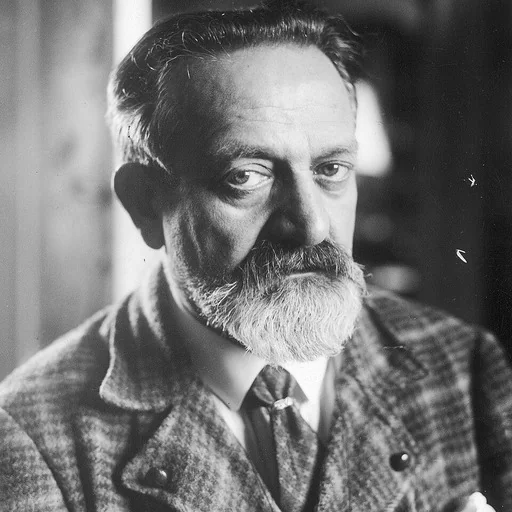
Emil Orlik (21 July 1870 – 28 September 1932) was a Czech-German painter, etcher and lithographer. He lived and worked in Prague, Austria and Germany.