Artwork
Self-portrait
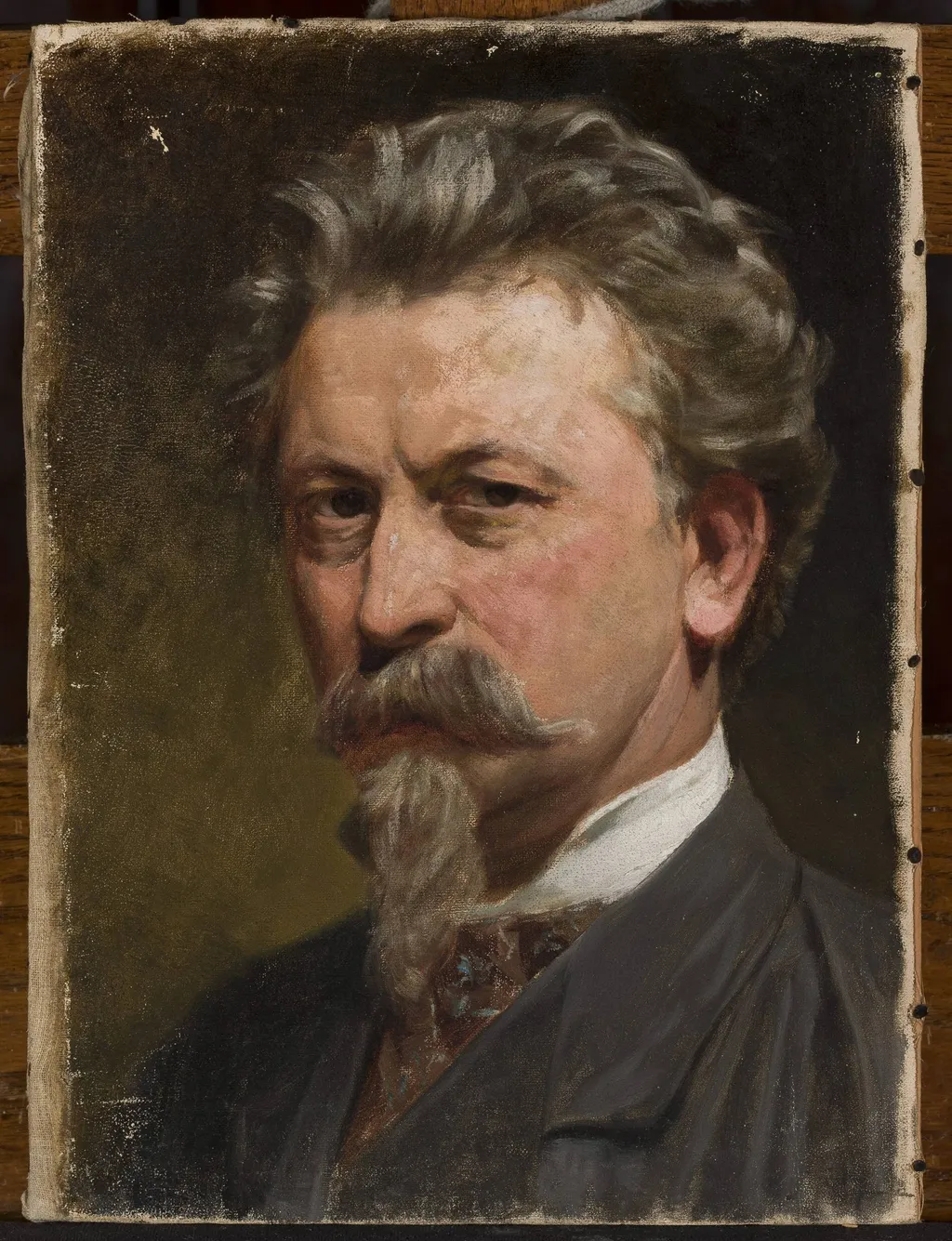
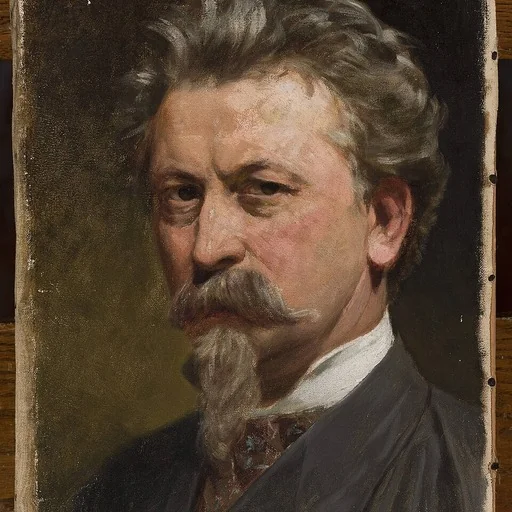
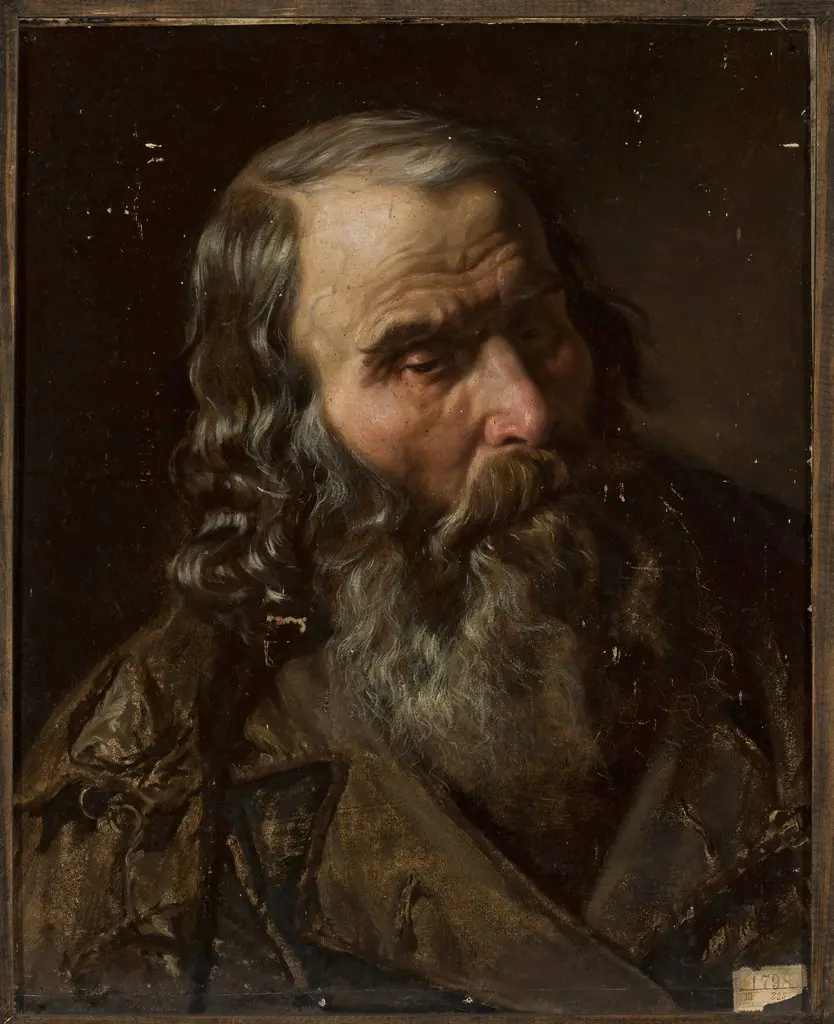
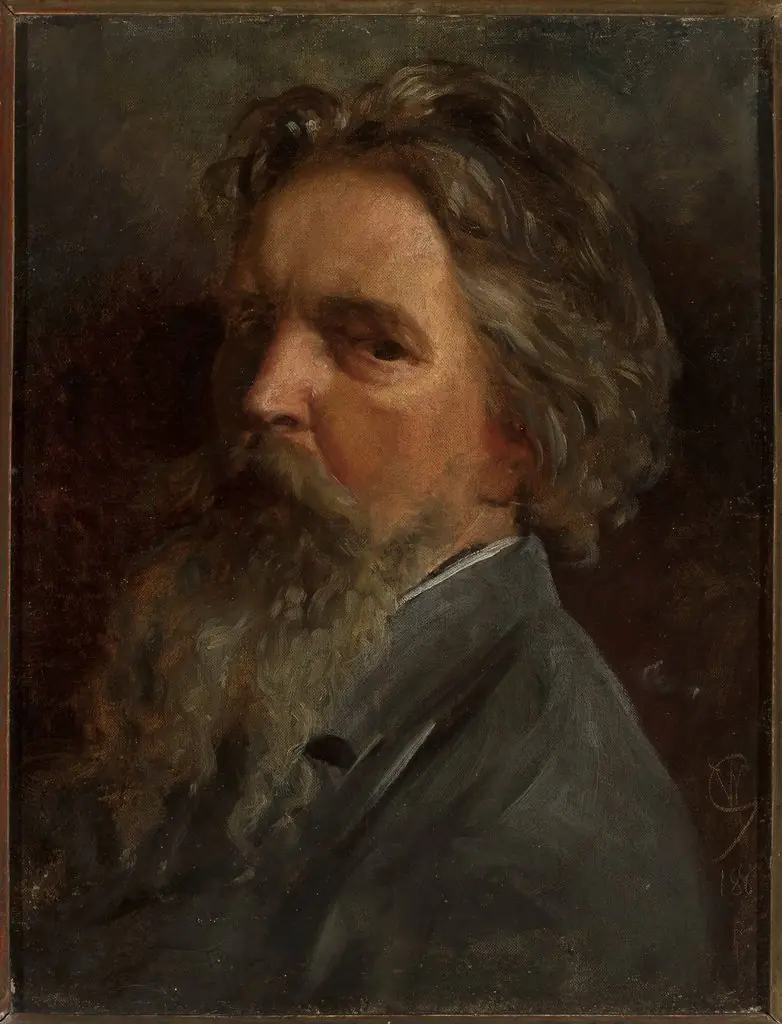
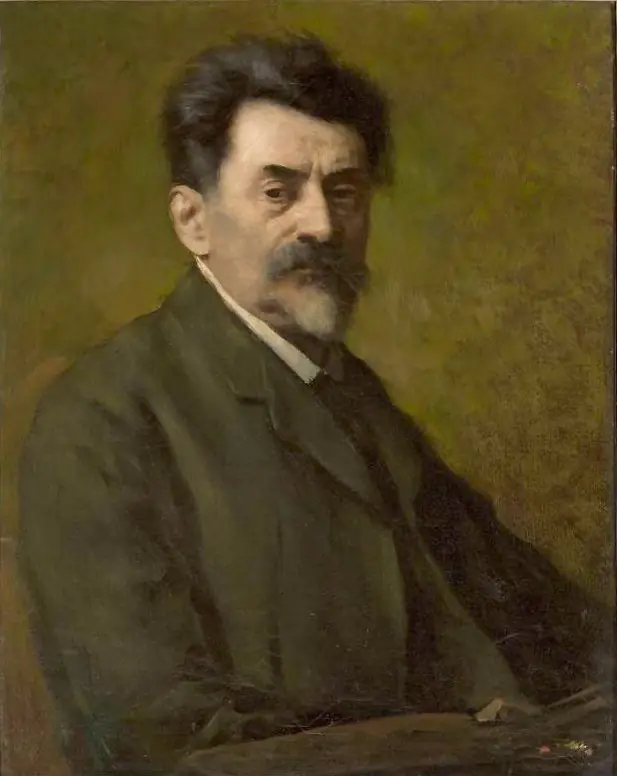
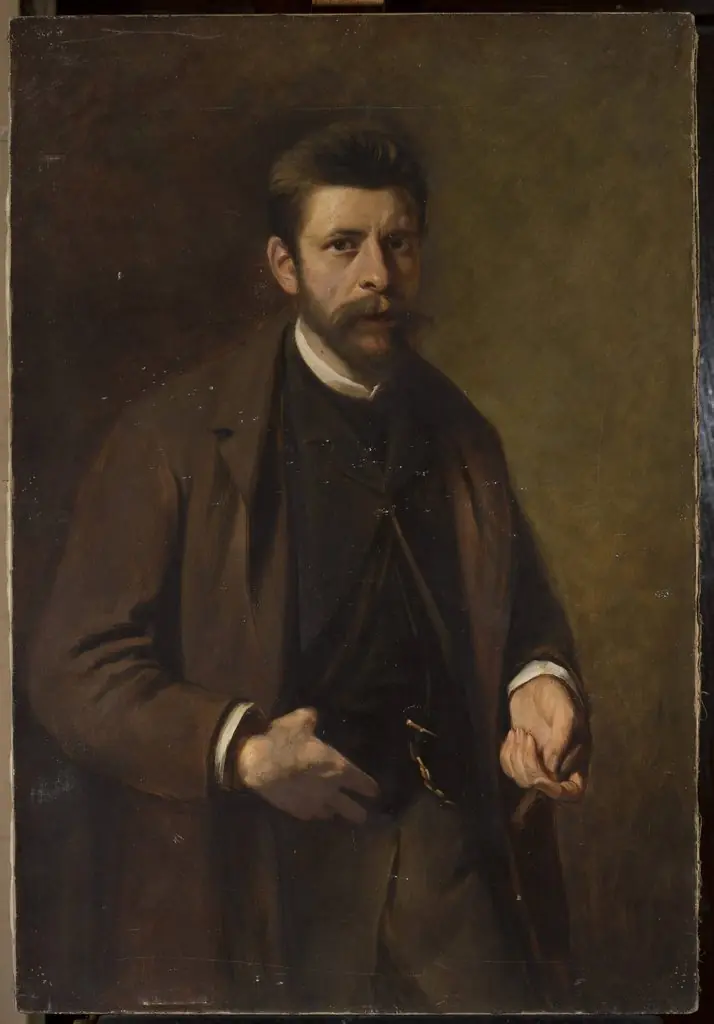
Self-portrait is an oil painting by the Realist artist Tytus Pilecki. It dates from 1892 and is held in the collection of the National Museum in Warsaw.
About this work
Overview
Executed with a focus on psychological presence rather than formal elegance, the work belongs to the collection of the National Museum in Warsaw.
Painted in 1892, this oil portrait by Tytus Pilecki presents the artist himself in a direct, unadorned manner. Executed with a focus on psychological presence rather than formal elegance, the work belongs to the collection of the National Museum in Warsaw. Its restrained palette and emphasis on facial expression reflect a personal, introspective approach common among late 19th-century Polish artists exploring identity through portraiture.
Subject & Meaning
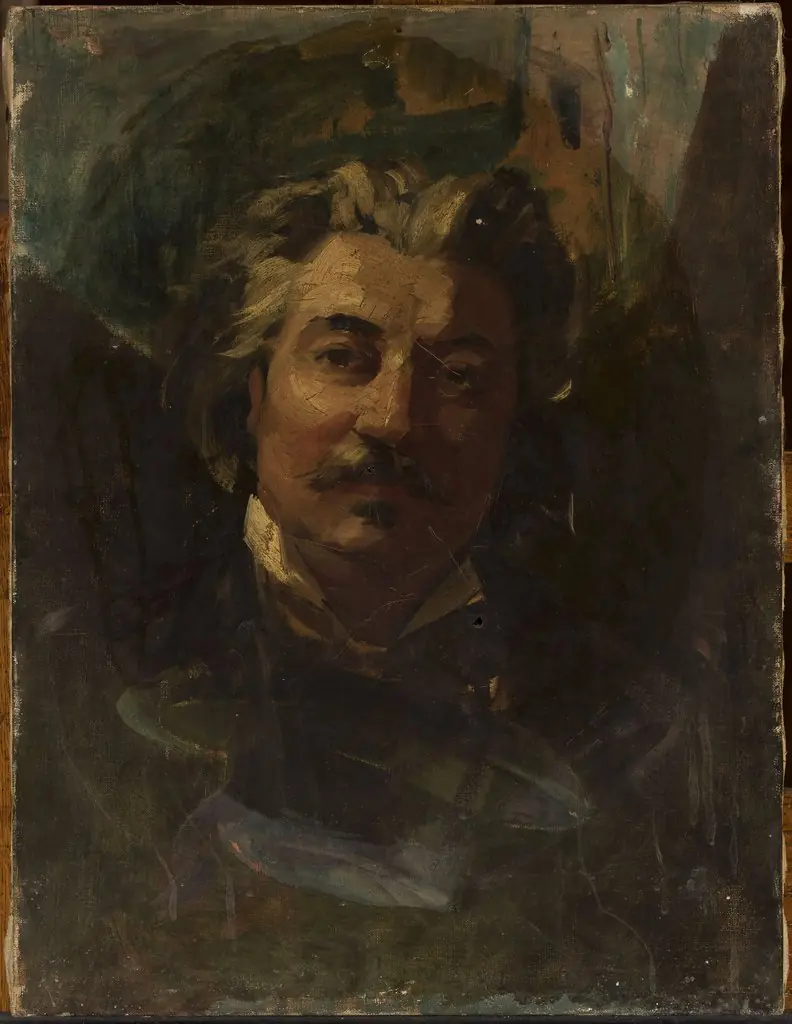
The subject is the artist’s own likeness, rendered without idealization. His thick beard and mustache, tousled hair, and sidelong gaze suggest a moment of quiet contemplation rather than performance. The absence of props or symbolic elements directs attention to the man’s demeanor, implying an interest in inner character over external status. The serious expression conveys introspection, aligning with broader cultural trends of self-examination in art during this period.
Technique & Style
Pilecki employs loose, visible brushwork, particularly in the rendering of hair and facial features, creating a tactile, textured surface. The dark, unmodeled background isolates the figure, enhancing focus on the face. Strong contrasts between light and shadow—chiaroscuro—are used to model the contours of the forehead and cheekbones, lending volume and emotional weight. The technique avoids smooth blending, favoring a raw, immediate quality that underscores the portrait’s authenticity.
History & Provenance
The painting has remained in Poland since its creation, entering the collection of the National Museum in Warsaw in the early 20th century. Its preservation within a national institution reflects its recognition as a significant example of Polish artistic self-representation. No major alterations or restorations are documented, and it has been consistently displayed as part of the museum’s 19th-century holdings, affirming its enduring place in the national art narrative.
Context
Created during a period of heightened national consciousness in partitioned Poland, the portrait aligns with a broader movement among artists to assert cultural identity through personal expression. While not overtly political, its unembellished realism resonated with contemporaries seeking authenticity amid foreign domination. Similar self-portraits by Polish and Central European artists of the era reflect a shared interest in the individual as a vessel of national spirit.
Legacy
Pilecki’s self-portrait is regarded as a key example of Polish realist portraiture from the late 19th century. It has been referenced in scholarly studies on Polish artistic identity and is frequently included in exhibitions examining self-representation in Eastern European art. Its unidealized approach influenced later generations of artists who prioritized psychological depth over conventional beauty, securing its role as a quiet but enduring reference point in the country’s visual heritage.
Artist & collection