Artwork
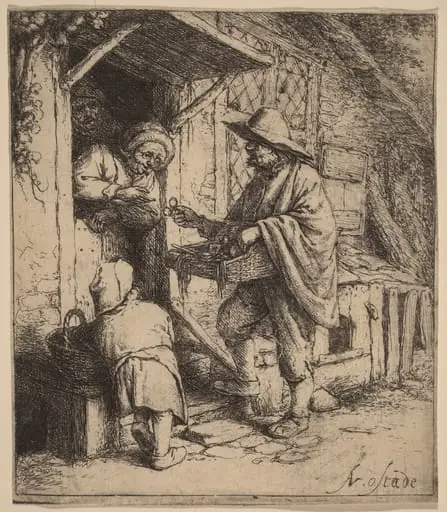
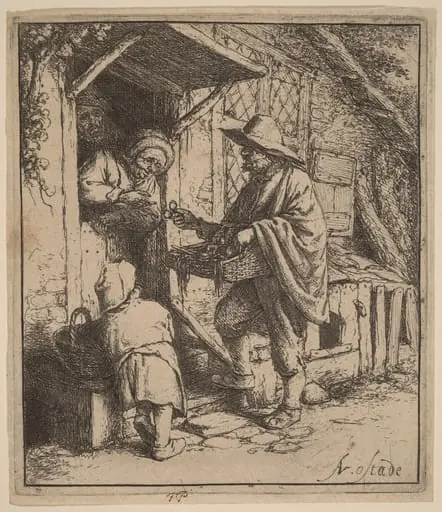
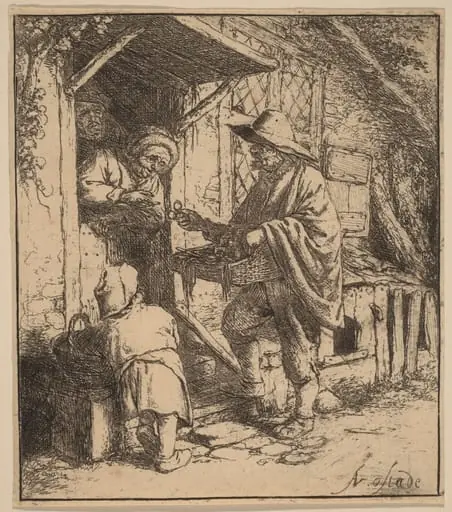
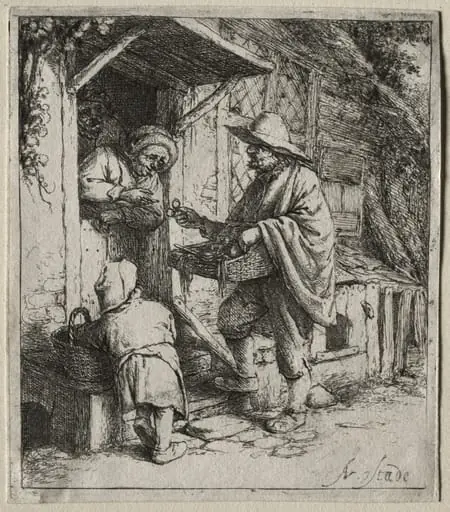
Street Vendor Selling Spectacles at the Door
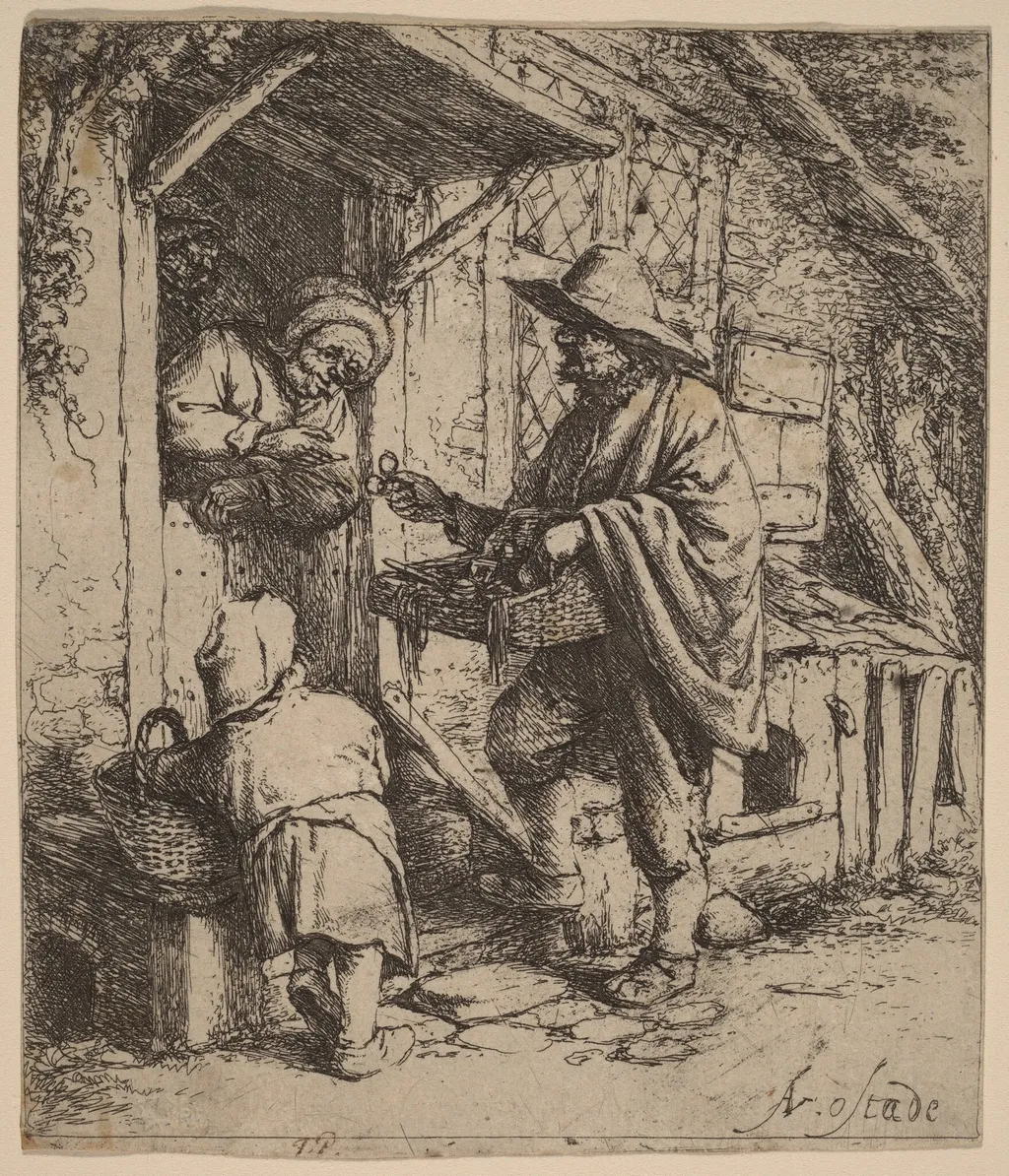
Street Vendor Selling Spectacles at the Door is an ink print by the Baroque artist Adriaen van Ostade. It dates from 1647 and is held in the collection of the National Gallery of Art.
About this work
Overview
Created around 1647, this etching with drypoint by Adriaen van Ostade captures a fleeting moment of urban commerce in the Dutch Republic.
Created around 1647, this etching with drypoint by Adriaen van Ostade captures a fleeting moment of urban commerce in the Dutch Republic. Rendered on laid paper, the work belongs to a broader tradition of printmaking that documented daily life with immediacy and detail. The artist’s use of incised lines and subtle tonal variations gives the scene a spontaneous, almost sketchlike quality, characteristic of his approach to printmaking.
Subject & Meaning
The scene portrays a street vendor at a doorway, offering spectacles to a potential buyer, while two other figures observe nearby—one kneeling beside a basket, another balancing a box on their head. The man in the long coat, leaning on a cane, appears to be examining the spectacles, suggesting themes of aging, perception, and the practical needs of ordinary citizens. The composition reflects a quiet dignity in mundane transactions, typical of van Ostade’s humanist focus.
Technique & Style
Van Ostade employed etching, with selective drypoint for richer, darker lines, to create a textured surface that mimics the roughness of urban life. The lines are loose and gestural, avoiding polished finish in favor of immediacy. The background is suggested with minimal, sketchy strokes for buildings and foliage, emphasizing the foreground figures. This technique allowed for rapid production and a sense of motion, aligning with the transient nature of street commerce.
History & Provenance
The print was produced during van Ostade’s mature period, when he increasingly turned to etching as a medium for genre scenes. While its early ownership is undocumented, it entered institutional collections in the 19th century, likely through European private holdings. Its survival in good condition reflects its appeal to collectors interested in Dutch graphic arts and social realism of the 17th century.
Context
In mid-17th-century Holland, rising literacy and urbanization fostered demand for prints depicting everyday life. Van Ostade’s work responded to this market, portraying laborers, tradespeople, and domestic moments with observational precision. Spectacles, then a relatively new and practical item, symbolized the growing value placed on vision and self-improvement among the middle class, making this scene both topical and culturally resonant.
Legacy
Van Ostade’s etchings, including this one, helped establish printmaking as a legitimate vehicle for genre narrative, influencing later artists who sought to capture the rhythms of common life. Though less celebrated than his paintings, these works remain important for their unidealized portrayal of urban labor and their technical economy, offering insight into the visual culture of the Dutch Republic beyond grand historical themes.
Artist & collection
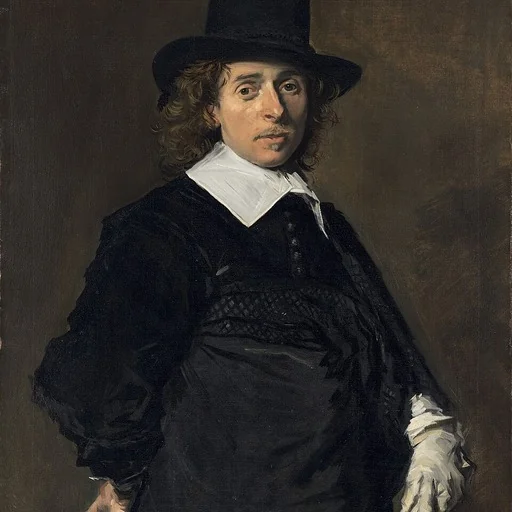
Artist
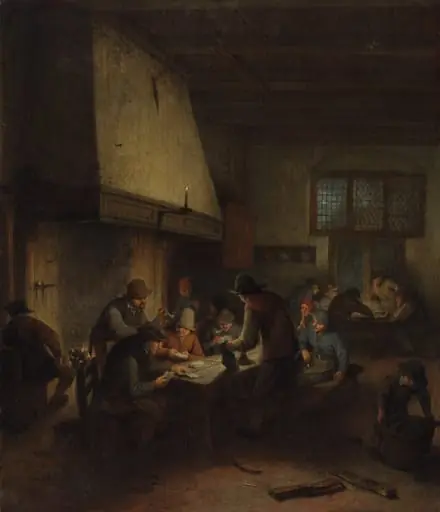
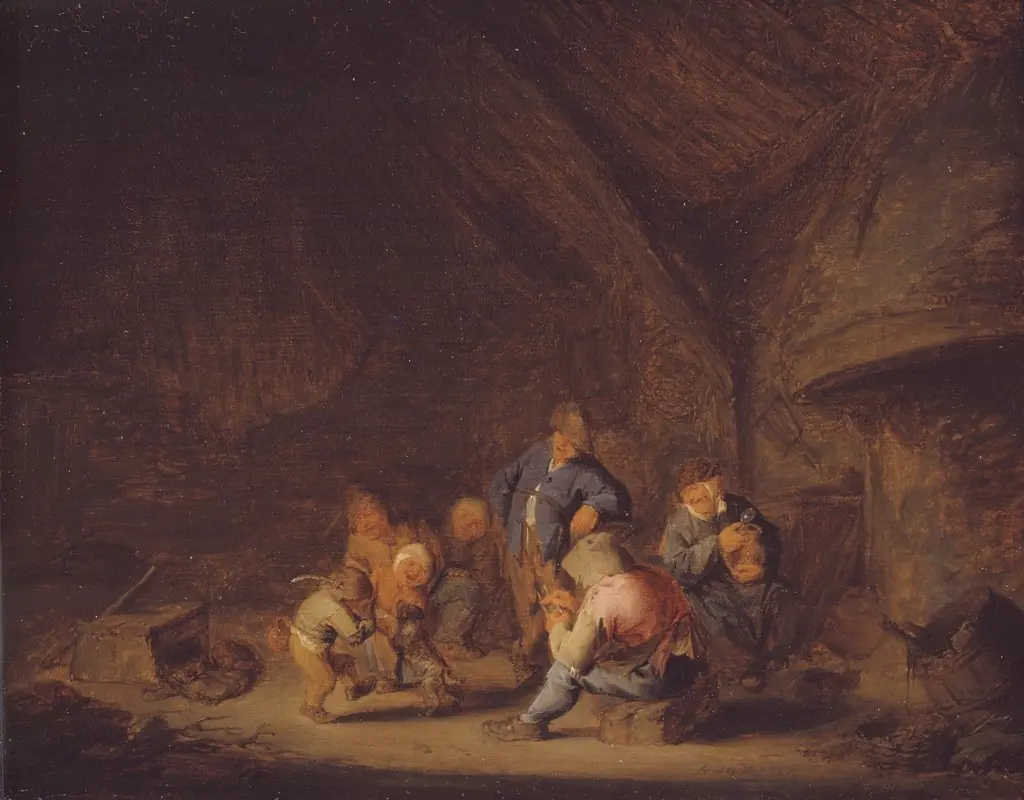
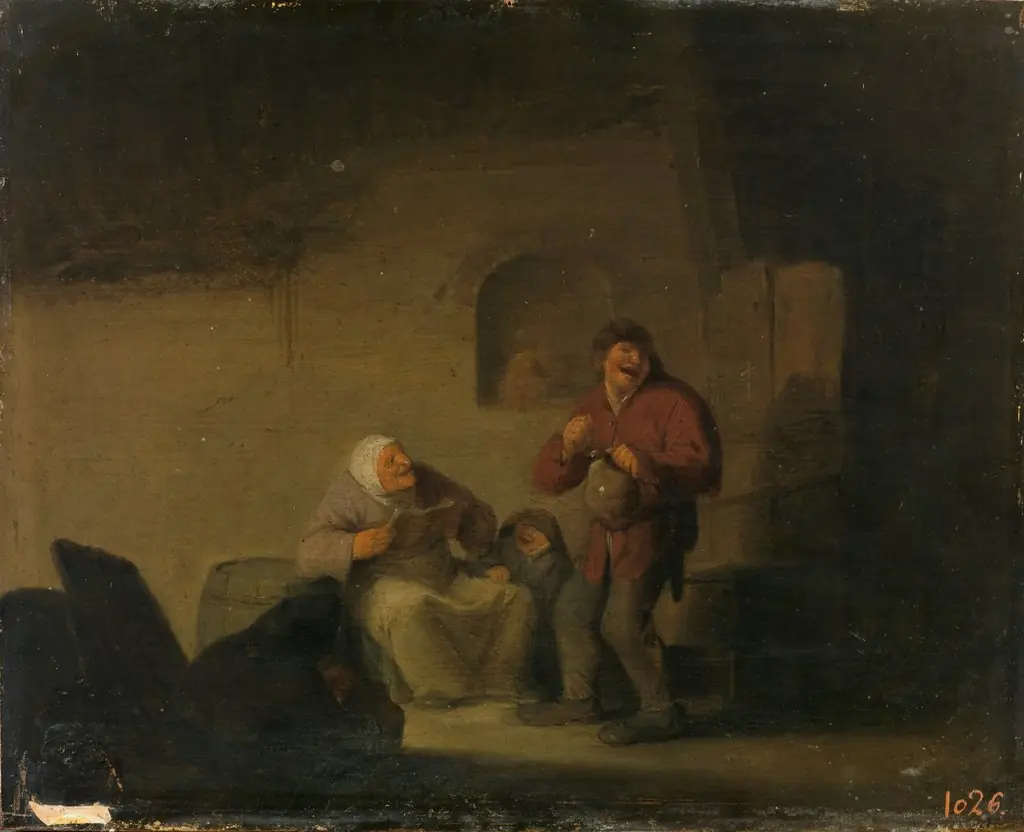
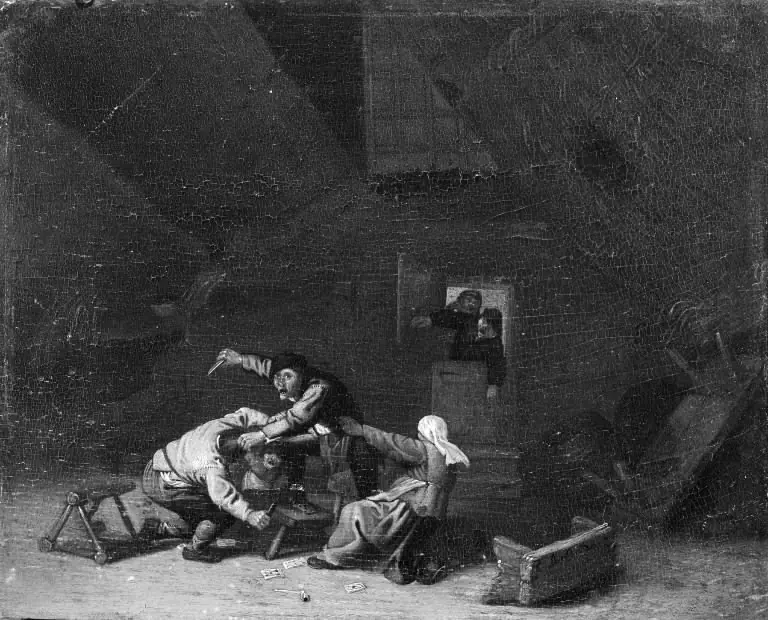
Adriaen van Ostade (baptized as Adriaen Jansz Hendricx 10 December 1610 – buried 2 May 1685) was a Dutch Golden Age painter of genre works, showing the everyday life of ordinary men and women.