Artwork
Beggars Receiving Alms at the Door of a House
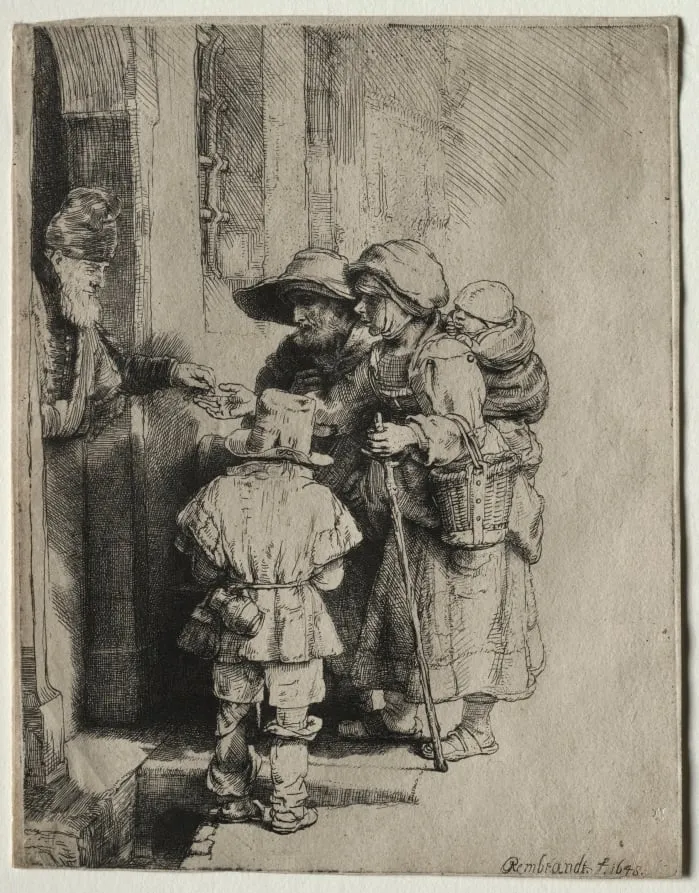
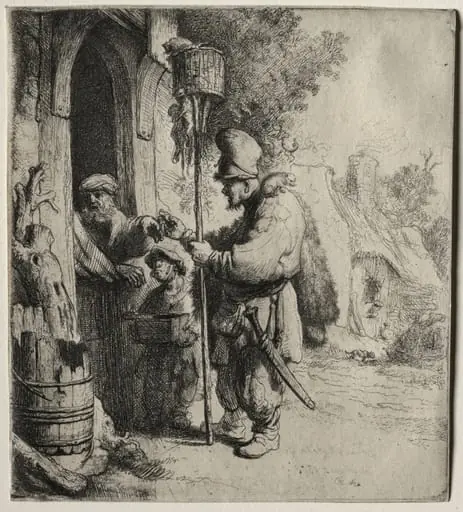
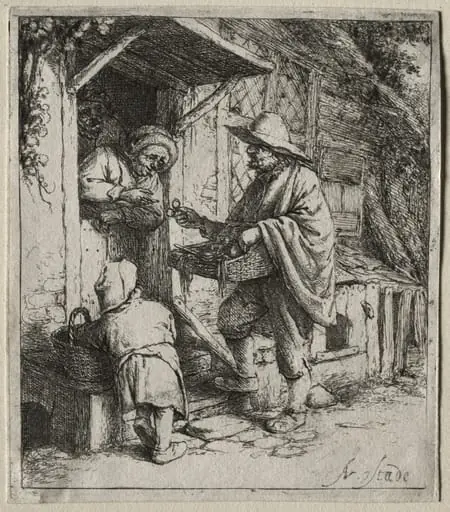
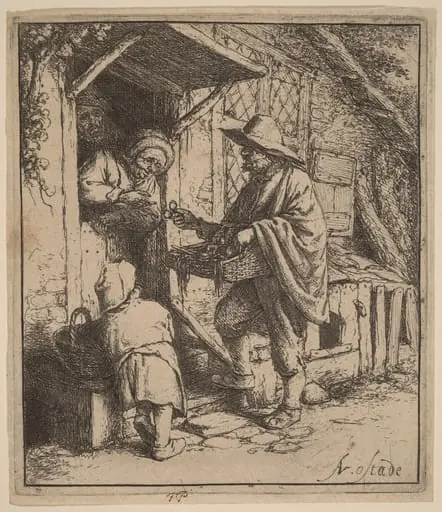
Beggars Receiving Alms at the Door of a House is a print by the Baroque artist Rembrandt. It dates from 1648 and is held in the collection of the Cleveland Museum of Art.
About this work
Overview
Beggars Receiving Alms at the Door of a House is a 1648 print by Rembrandt van Rijn, currently in the collection of The Cleveland Museum of Art.
Subject & Meaning
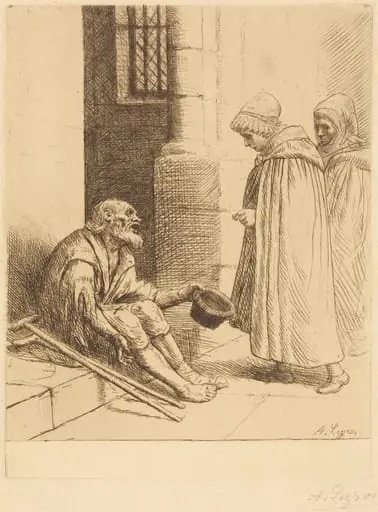
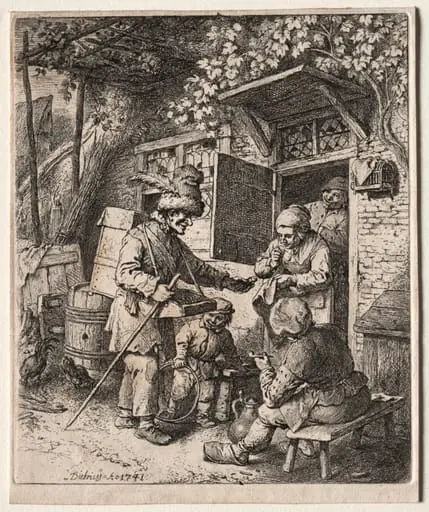
The print depicts a scene of charity: a figure at a doorway offers alms to three beggars (two adults and a child) standing outside, highlighting a moment of transaction between comfort and need.
Technique & Style
Rembrandt employed quick, expressive lines to convey movement and texture, particularly in the beggars' attire. The composition utilizes chiaroscuro, with light emanating from the doorway to accentuate the faces and hands of the figures against a dark, plain background.
History & Provenance
Created in 1648, the work's provenance is documented up to its current holding at The Cleveland Museum of Art, though specific ownership details before its acquisition by the museum are not provided here.
Context
This work reflects 17th-century Dutch societal realities, where poverty and charity were commonplace. Rembrandt's focus on the emotional and textual details of the scene aligns with the period's artistic interests in everyday life and moral themes.
Legacy
While specific influence or notable exhibitions of this piece are not highlighted, it contributes to Rembrandt's broader legacy of exploring light, shadow, and human interaction in his prints, influencing subsequent artists in the depiction of chiaroscuro and everyday scenes.
Artist & collection
Artist
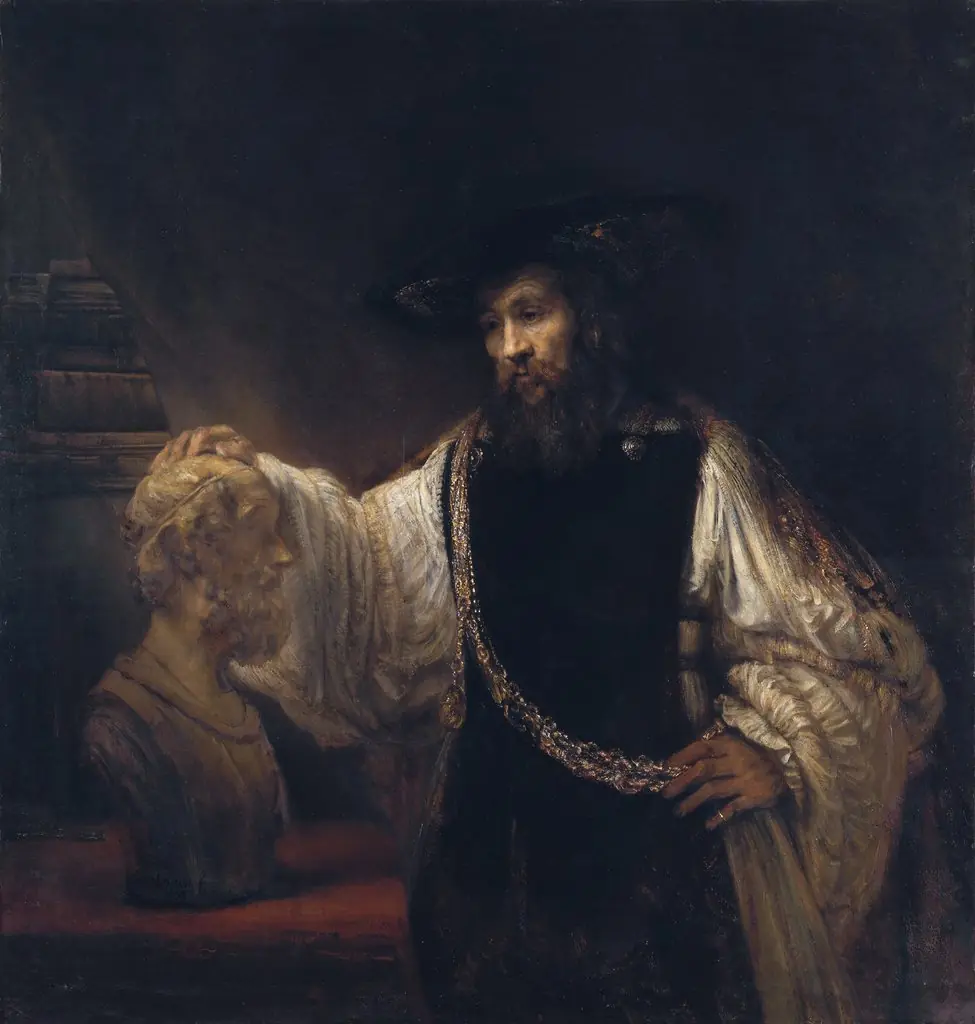
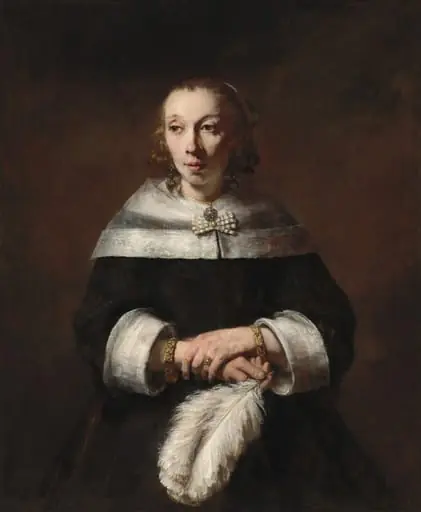
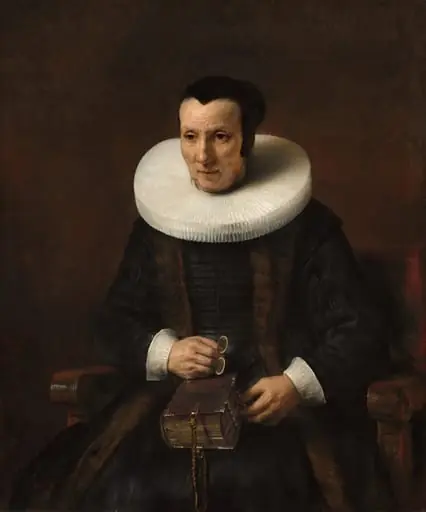
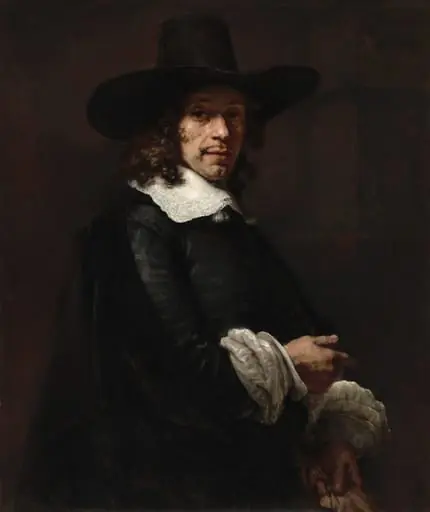
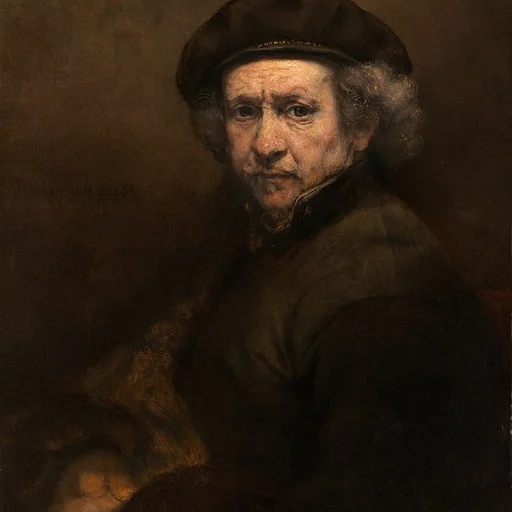
Rembrandt Harmenszoon van Rijn (15 July 1606 – 4 October 1669), known mononymously as Rembrandt, was a Dutch Golden Age painter, printmaker, and draughtsman.