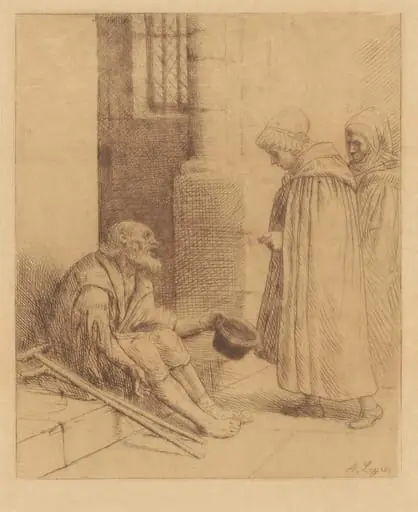
Artwork
Beggars Receiving Alms at the Door of a House
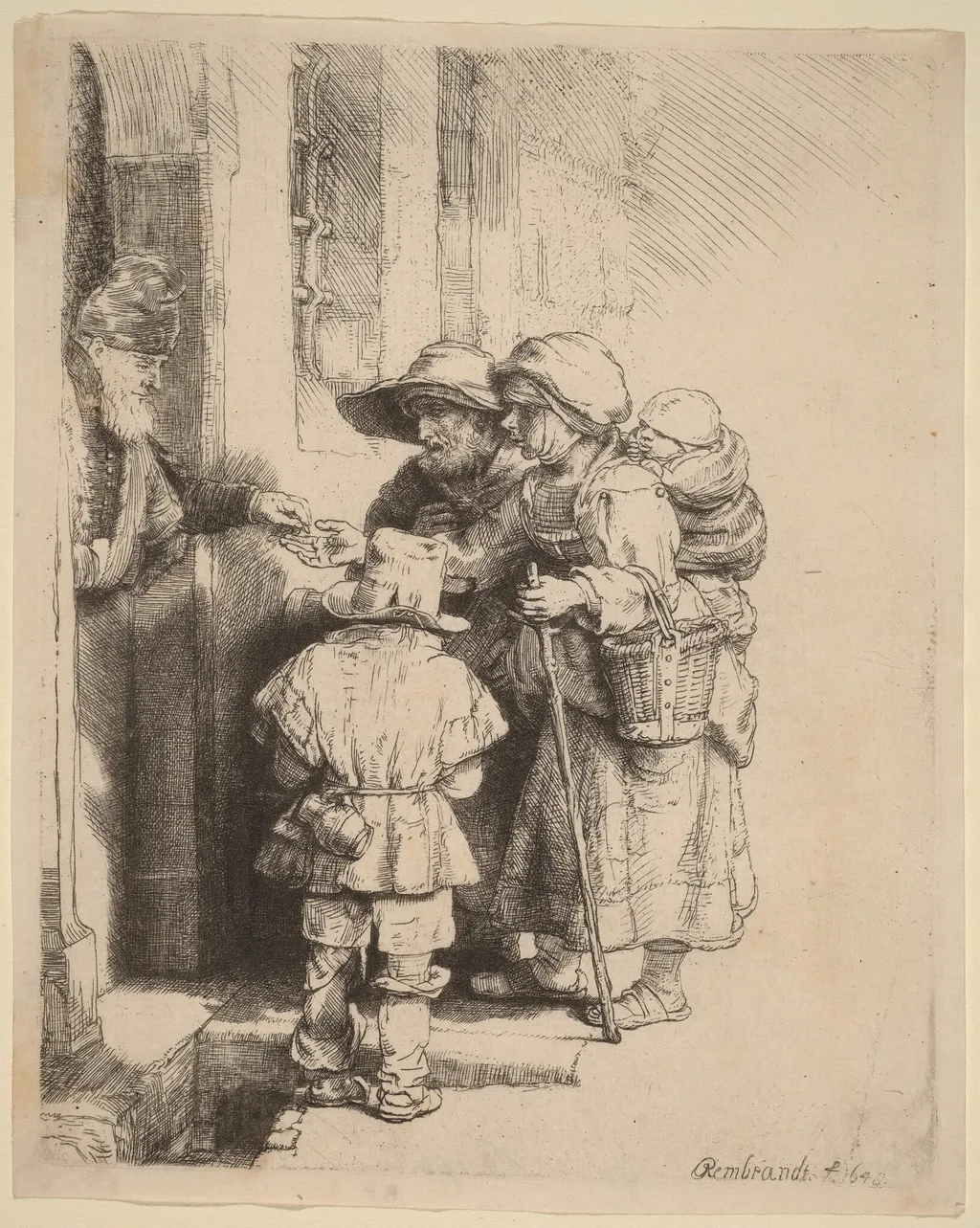
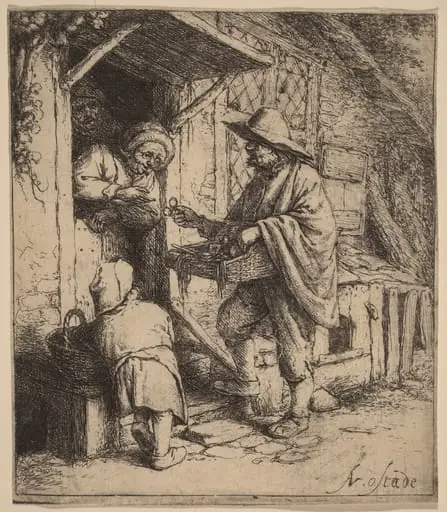
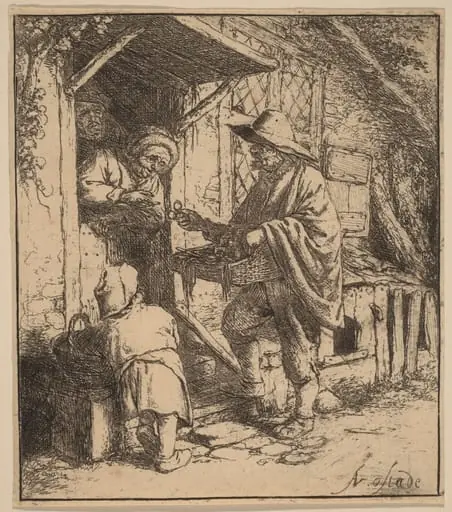
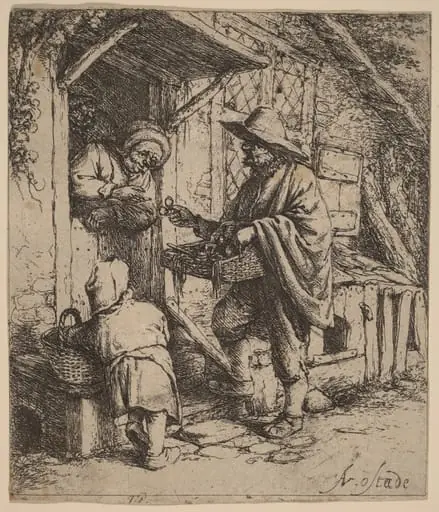
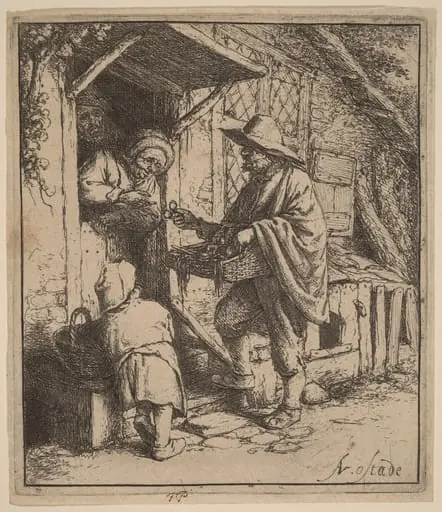
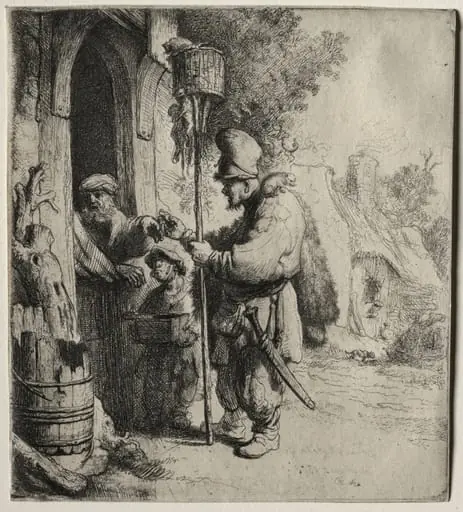
Beggars Receiving Alms at the Door of a House is an ink print by the Baroque artist Rembrandt. It dates from 1648 and is held in the collection of the National Gallery of Art.
About this work
Overview
Executed in etching, burin, and drypoint, the work belongs to a series of intimate scenes documenting everyday life in Amsterdam.
Created in 1648, this print by Rembrandt van Rijn captures a quiet moment of charitable exchange at a residential doorway. Executed in etching, burin, and drypoint, the work belongs to a series of intimate scenes documenting everyday life in Amsterdam. The composition centers on the interaction between a donor and a group of recipients, rendered with subtle tonal gradations and precise line work that emphasize texture and gesture over dramatic flair.
Subject & Meaning
The scene portrays three beggars— a woman with a child on her back, an elderly man with a cane, and a young boy—receiving coins from a figure within the doorway. Their postures and gazes convey varying degrees of dependence and dignity: the adults look toward the donor, while the boy turns away, suggesting a complex emotional response. The act of giving is presented without sentimentality, inviting reflection on social responsibility and human vulnerability.
Technique & Style
Rembrandt employed a combination of etching, burin, and drypoint to achieve rich contrasts and tactile detail. The figures’ clothing, the texture of stone, and the play of light across surfaces are rendered with layered incisions and soft, atmospheric washes. The background is deliberately simplified, directing focus to the figures and their interactions. The technique enhances the immediacy of the moment, grounding the scene in physical reality.
History & Provenance
The print was made during Rembrandt’s later years, a period marked by personal hardship and shifting public taste. Though not widely exhibited in his lifetime, it entered private collections in the 18th century and later found its way into major museum holdings. Its survival in multiple impressions suggests continued interest among collectors, even as Rembrandt’s reputation fluctuated in the decades following his death.
Context
In mid-17th century Amsterdam, charitable acts were both a religious duty and a social expectation. The city’s growing urban population included many impoverished individuals who relied on alms. Rembrandt’s depiction aligns with contemporary Protestant values that emphasized private compassion over public spectacle, offering a quiet, unidealized view of charity rooted in daily observation rather than moralizing narrative.
Legacy
This print contributed to a broader tradition of genre scenes that elevated ordinary human interactions to the realm of artistic significance. Later artists and printmakers drew from its emotional restraint and technical innovation. While not as widely known as Rembrandt’s portraits or biblical scenes, it remains a key example of his ability to convey depth and humanity through minimal means.
Artist & collection
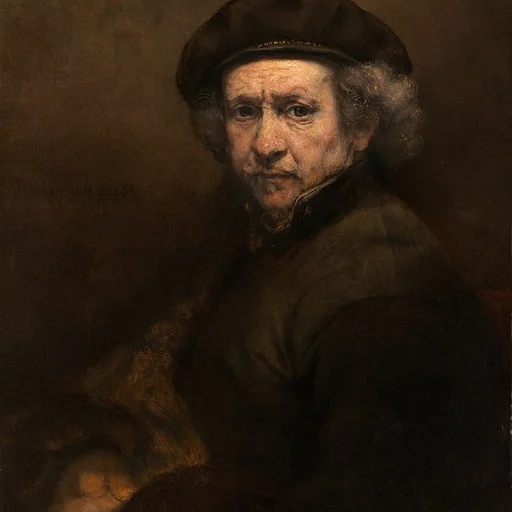
Artist
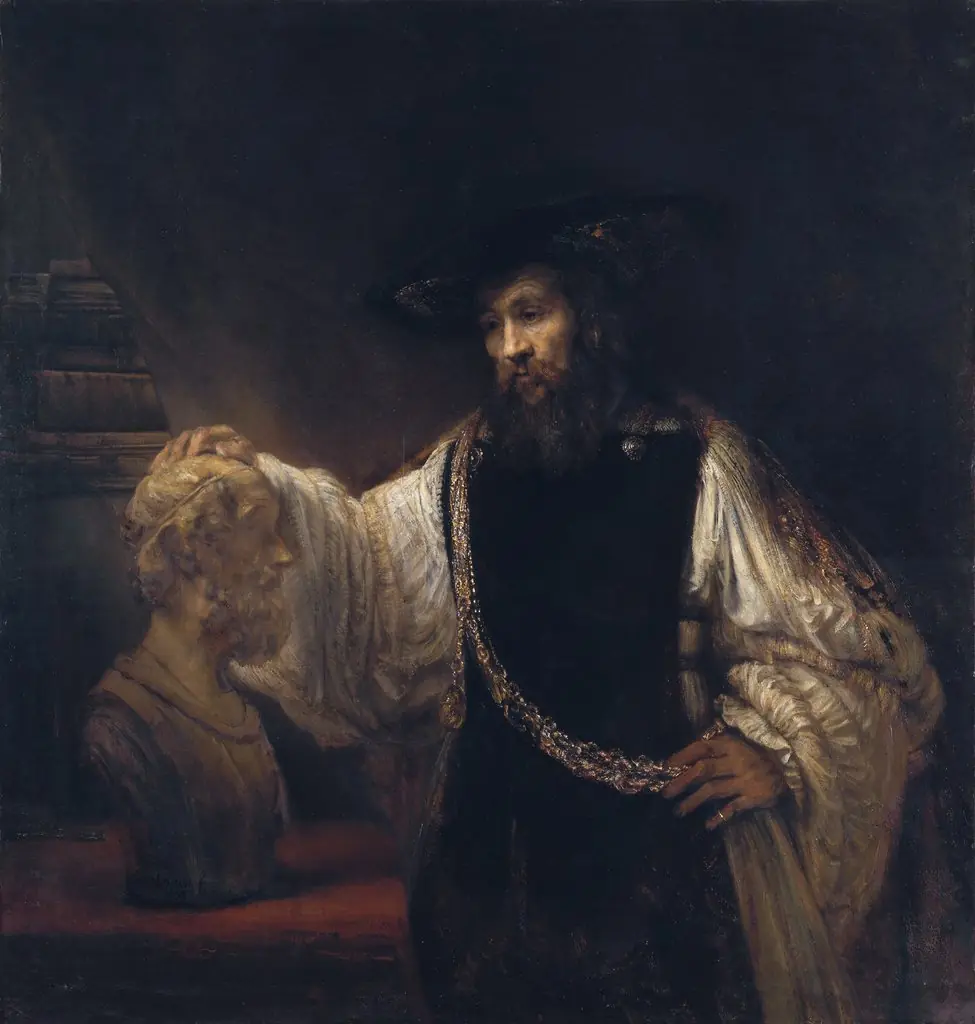
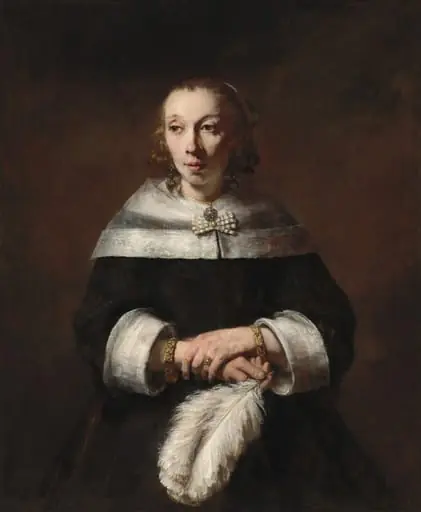
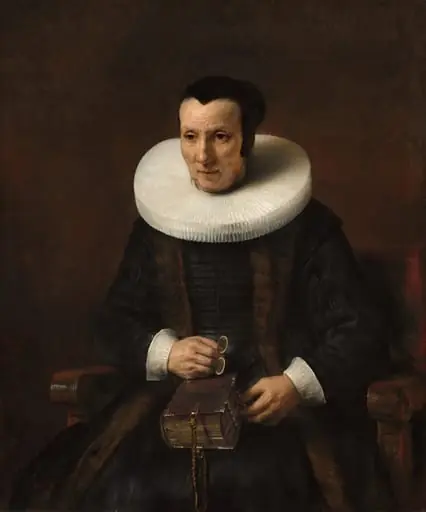
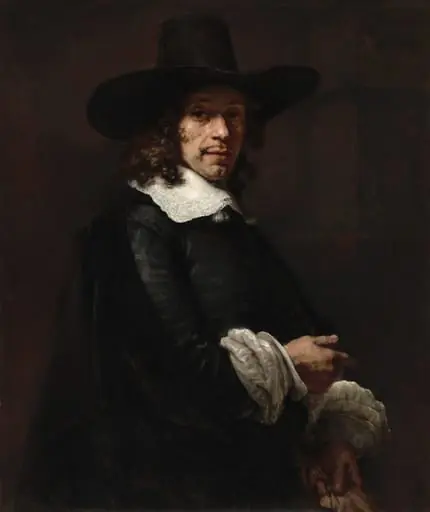
Rembrandt Harmenszoon van Rijn (15 July 1606 – 4 October 1669), known mononymously as Rembrandt, was a Dutch Golden Age painter, printmaker, and draughtsman.