Artwork
Interrogation
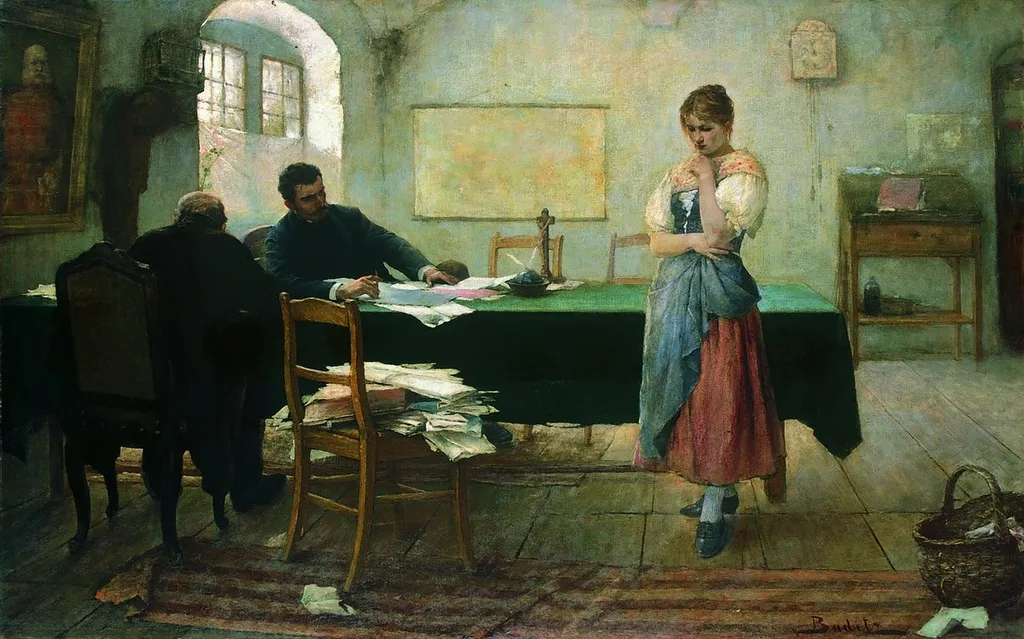
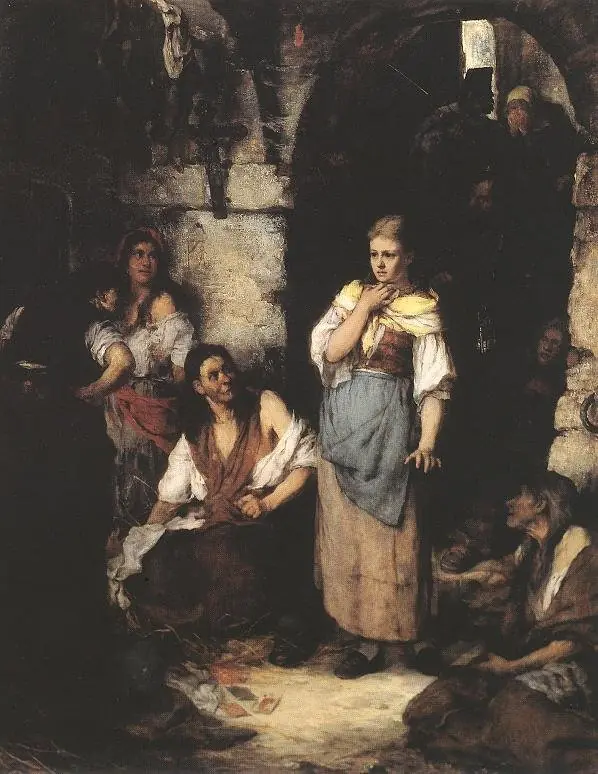
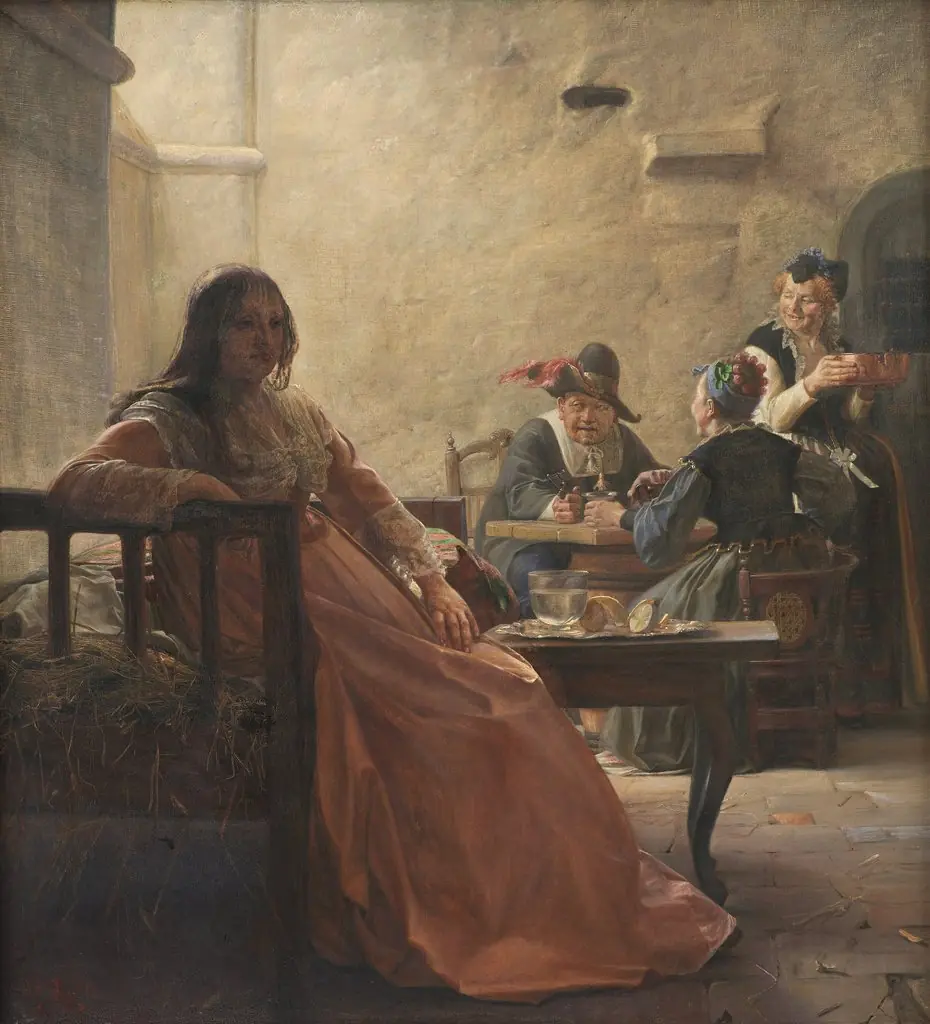
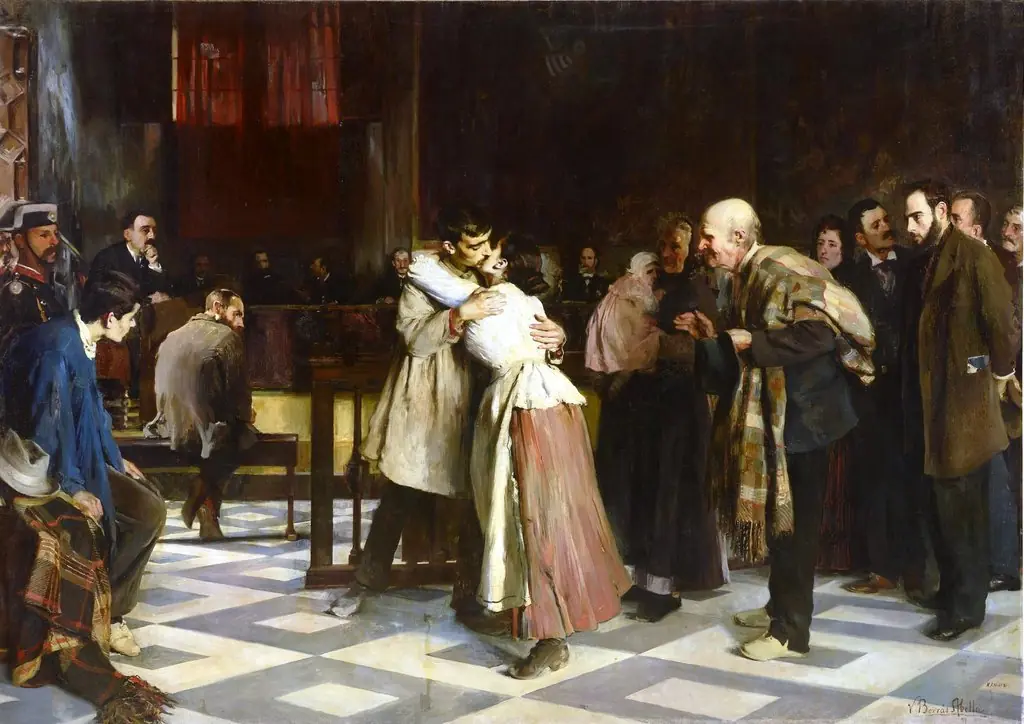
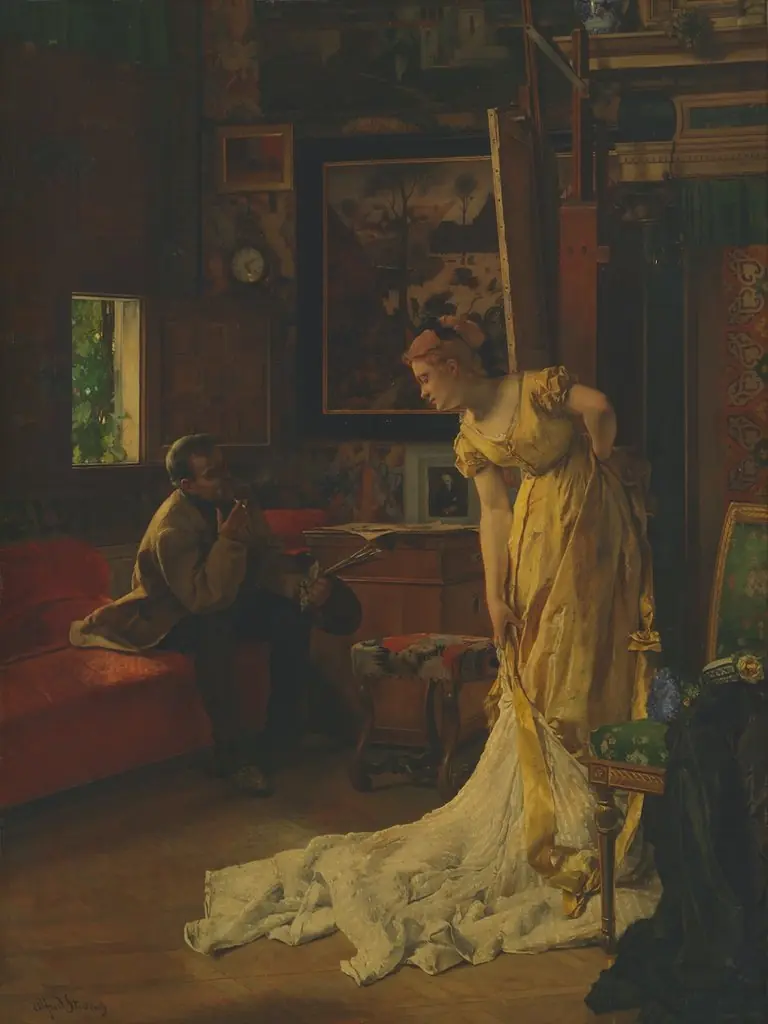
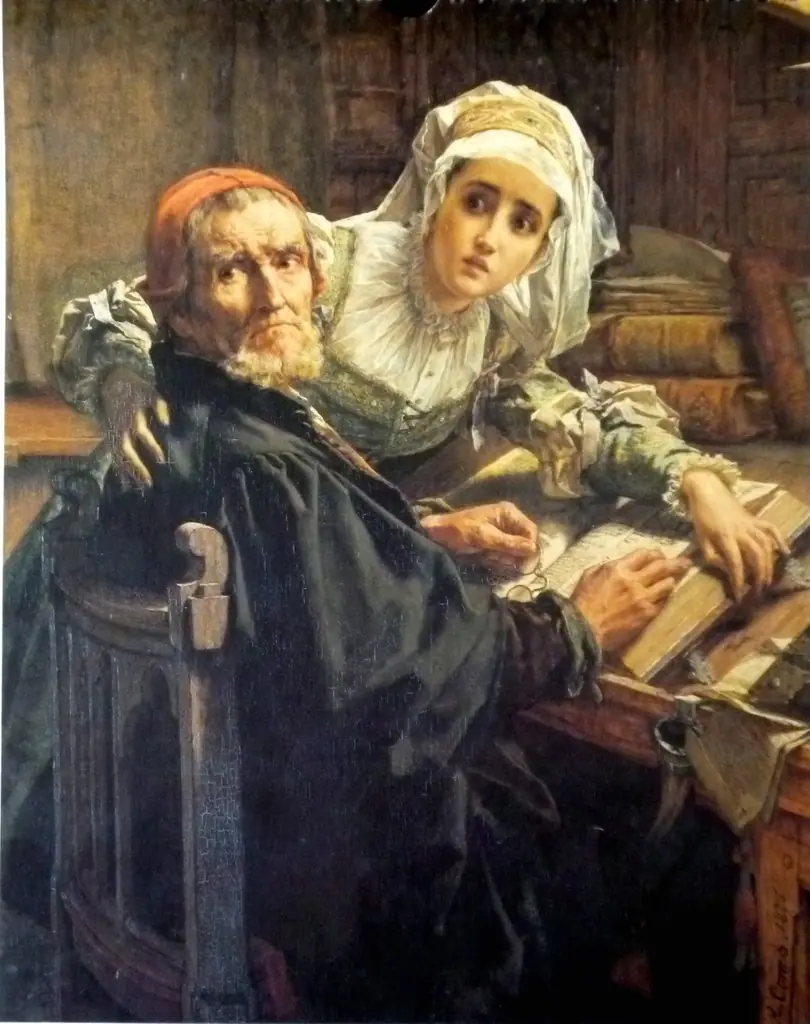
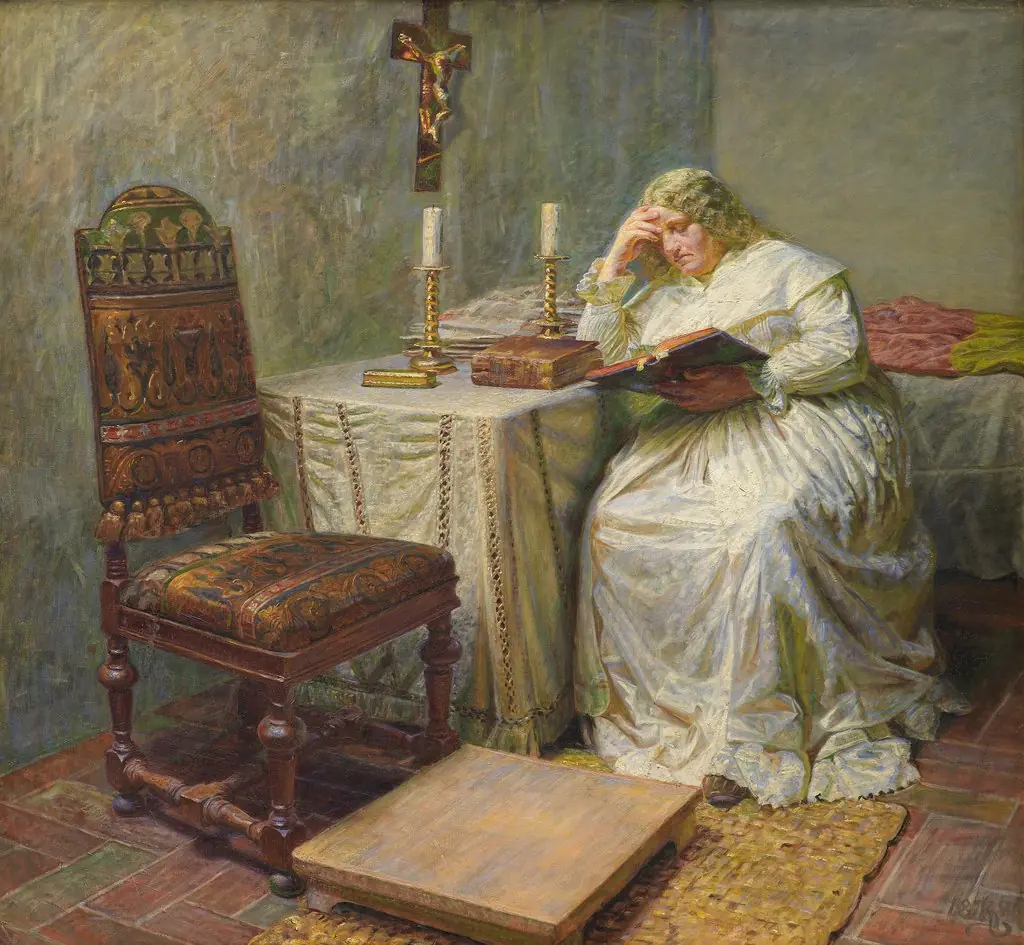
Interrogation is an oil painting by the Post-Impressionist artist Ottó Baditz. It dates from 1896 and is held in the collection of the Hungarian National Gallery.
About this work
Overview
Painted in 1896 by Hungarian artist Ottó Baditz, *Interrogation* is an oil-on-canvas work that captures a quiet moment of psychological tension.
Painted in 1896 by Hungarian artist Ottó Baditz, *Interrogation* is an oil-on-canvas work that captures a quiet moment of psychological tension. Baditz, known for intimate domestic and social scenes, here turns his focus to a formal inquiry. The painting resides in the Hungarian National Gallery, where it stands as an example of late 19th-century narrative realism infused with post-impressionist sensibilities.
Subject & Meaning
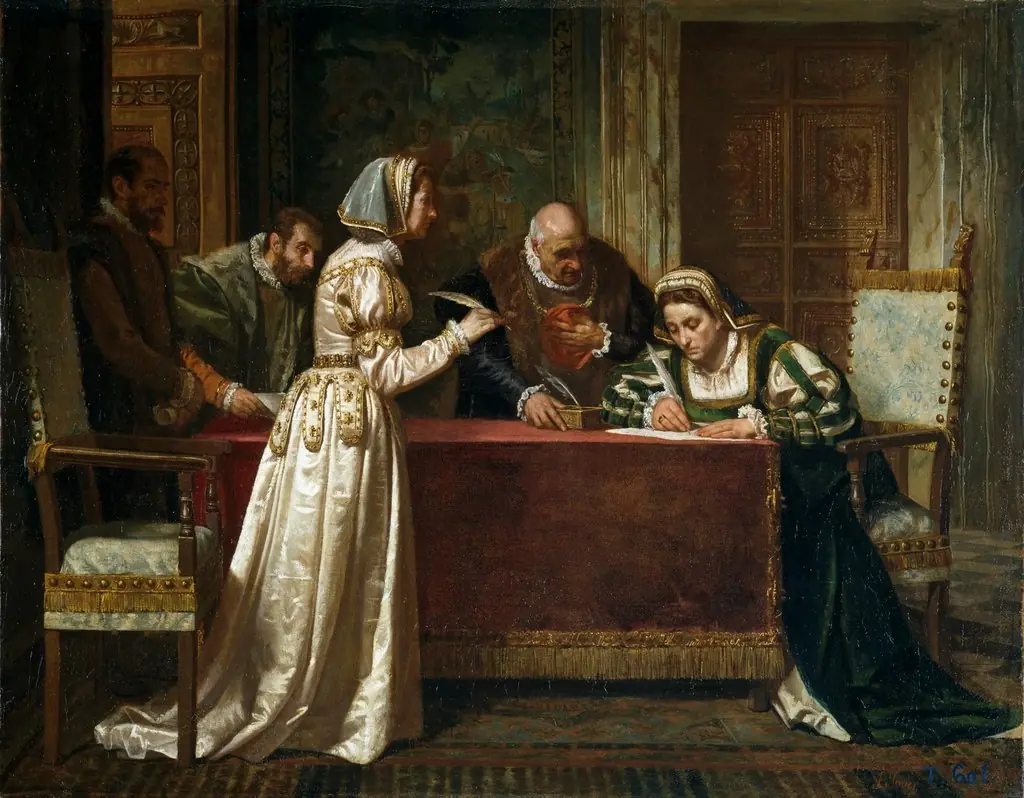
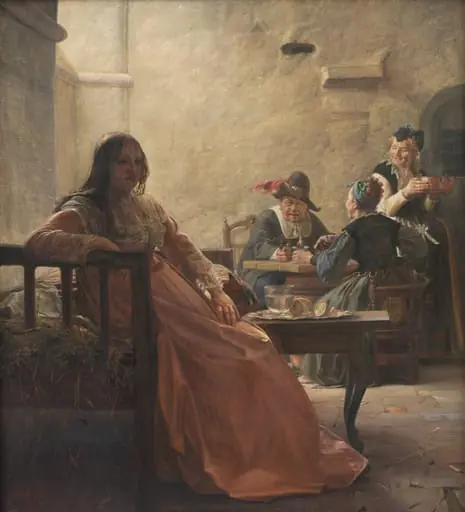
The composition centers on a woman standing alone, hands clasped, her gaze averted downward and to the side. Two men sit at a table before her—one writing, the other observing—suggesting an official interrogation. Her posture and expression convey unease, while the men’s stillness implies authority and detachment. The scene evokes the weight of institutional power and the vulnerability of the individual within it.
Technique & Style
Baditz uses oil paint to build subtle contrasts of light and shadow, employing chiaroscuro to model form and heighten emotional gravity. The dim interior, punctuated by a window’s muted light and a clock’s faint glow, creates a confined, somber atmosphere. Brushwork is controlled yet expressive, avoiding overt impressionism in favor of deliberate, almost sculptural rendering of figures and space.
History & Provenance
Completed in 1896, the painting entered the collection of the Hungarian National Gallery shortly after its creation. It has remained there since, without significant public exhibition history or documented ownership changes. Its preservation reflects its status as a representative work of Hungarian genre painting from the fin de siècle period.
Context
In late 19th-century Hungary, social and political tensions were rising under Austro-Hungarian rule. Scenes of authority and civilian interaction, especially involving women, carried implicit commentary on justice, gender, and state power. Baditz’s choice to depict an interrogation—rather than a more conventional domestic moment—suggests a quiet engagement with these broader societal undercurrents.
Legacy
While not widely known outside Hungary, *Interrogation* remains a significant example of Baditz’s ability to convey psychological depth through restrained composition. It contributes to the understanding of Hungarian realism’s evolution, bridging academic tradition with emerging modern concerns about individual experience within institutional frameworks.
Artist & collection
Artist
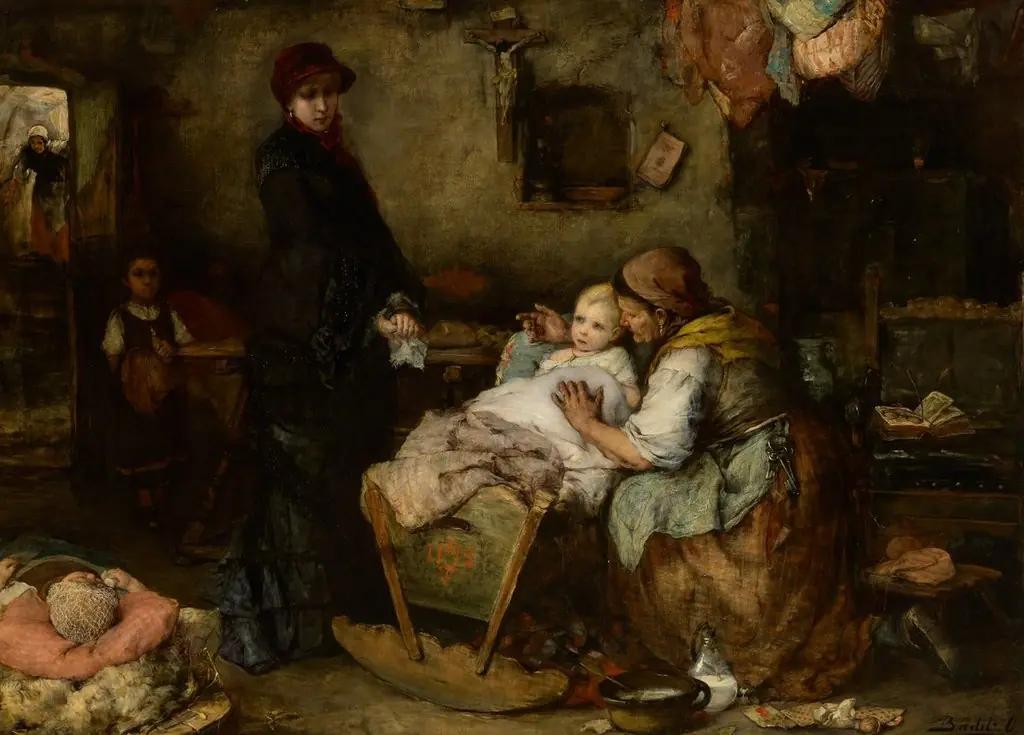
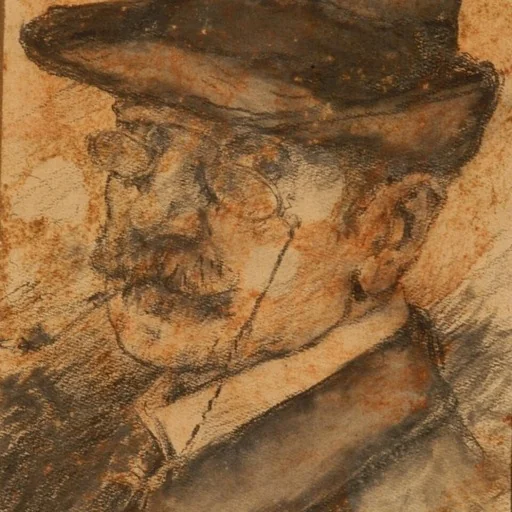
Ottó Baditz, (19 March 1849 – 21 April 1936) was a Hungarian painter and illustrator who specialized in scenes with women and children.