Artwork
Women in the Prison
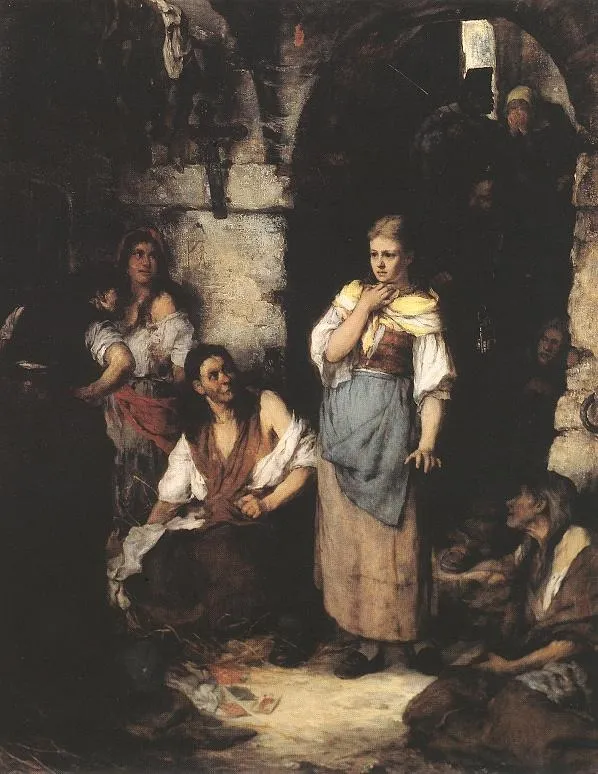
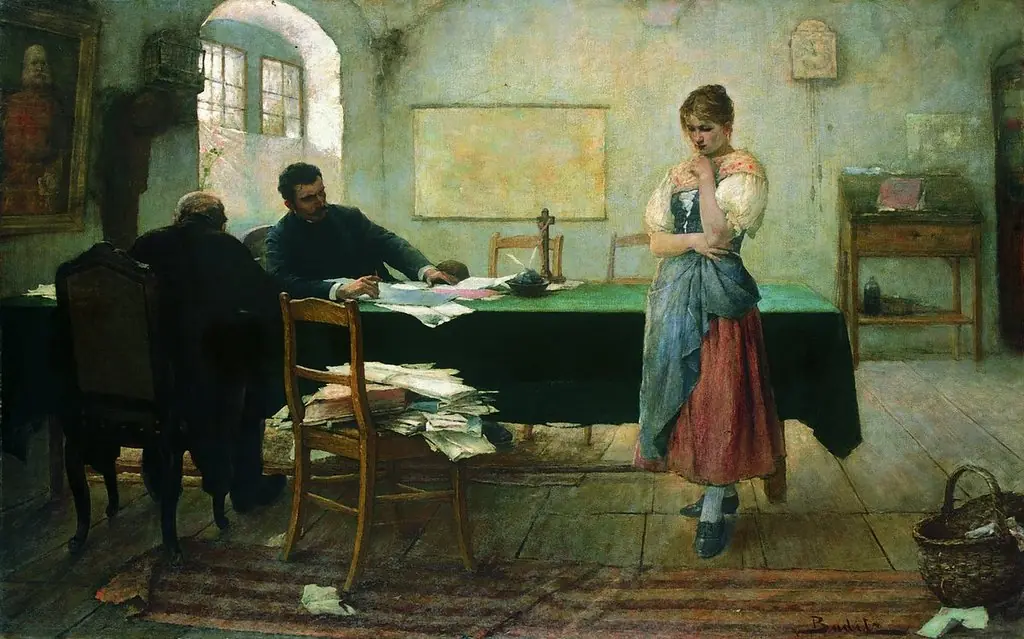
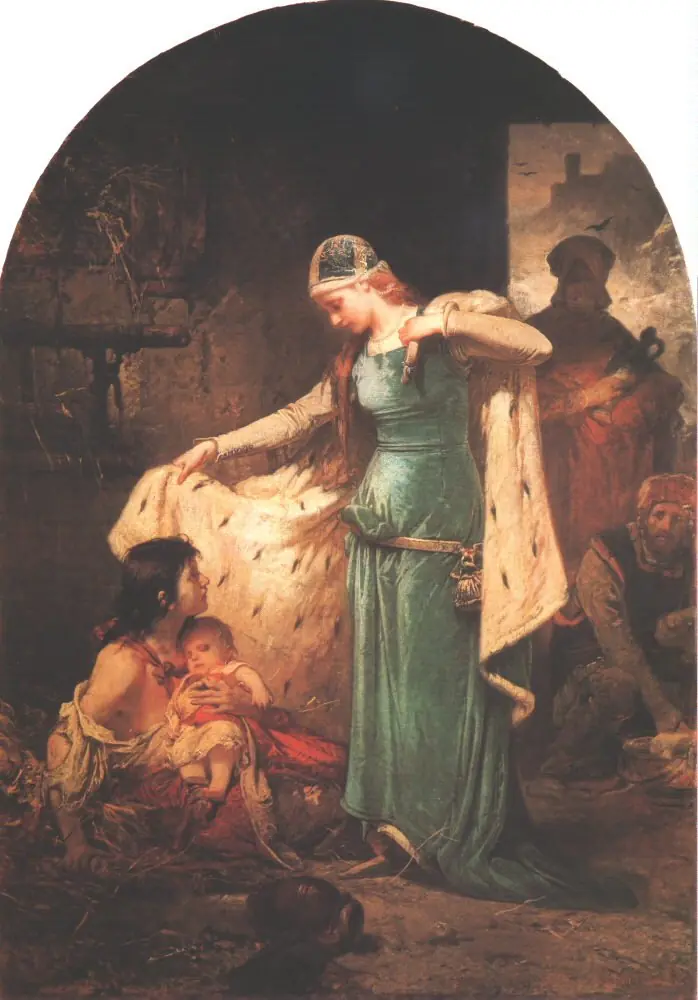
Women in the Prison is an oil painting by the Post-Impressionist artist Ottó Baditz. It dates from 1900 and is held in the collection of the Hungarian National Gallery.
About this work
Overview
Painted in 1899 by Hungarian artist Ottó Baditz, Women in the Prison is an oil-on-canvas work measuring 87.5 by 68.5 centimeters. It depicts a group of women in a confined interior space, rendered with quiet realism. The painting resides in the Hungarian National Gallery in Budapest, where it has been held since its acquisition by the institution.
Subject & Meaning
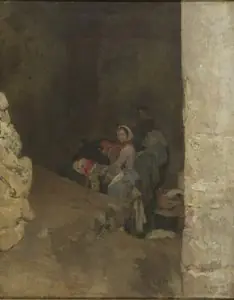
The painting portrays a group of women gathered in a dimly lit prison cell, their postures and expressions suggesting weariness and resignation.
The painting portrays a group of women gathered in a dimly lit prison cell, their postures and expressions suggesting weariness and resignation. No narrative or specific event is illustrated; instead, the focus lies in the collective atmosphere of confinement and quiet endurance. The absence of guards or overt violence shifts attention to the psychological weight of incarceration on its female inhabitants.
Technique & Style
Baditz employed a restrained palette of muted earth tones and soft shadows to convey the somber mood. Brushwork is precise yet unobtrusive, favoring tonal gradations over dramatic contrast. The composition is tightly framed, emphasizing the claustrophobic space, while the figures are arranged in a loose, naturalistic grouping that avoids theatricality or sentimentality.
History & Provenance
Completed in 1899, the painting entered the collection of the Hungarian National Gallery shortly after its creation. Its acquisition reflects the institution’s interest in domestic social themes during the late 19th century. No record of public exhibition prior to its institutional ownership is known, and it has remained in the gallery’s permanent collection since.
Context
In late 19th-century Hungary, artists increasingly turned to scenes of everyday life and social conditions, moving away from historical or mythological subjects. Baditz’s work aligns with this trend, capturing the quiet realities of marginalized groups. While not overtly political, the painting contributes to a broader cultural interest in human dignity under institutional constraint.
Legacy
Women in the Prison remains one of Baditz’s most recognized works within Hungary, noted for its empathetic portrayal of women in institutional settings. It has not attracted widespread international attention but continues to serve as a reference point in discussions of Hungarian realist painting and the representation of gender and incarceration in art.
Artist & collection
Artist
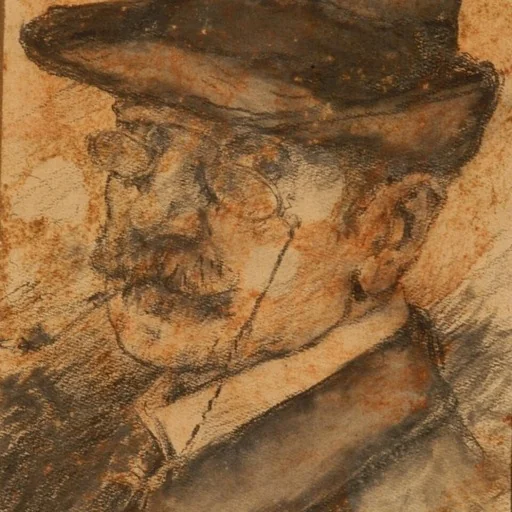
Ottó Baditz, (19 March 1849 – 21 April 1936) was a Hungarian painter and illustrator who specialized in scenes with women and children.