Artwork
Self-portrait with keys
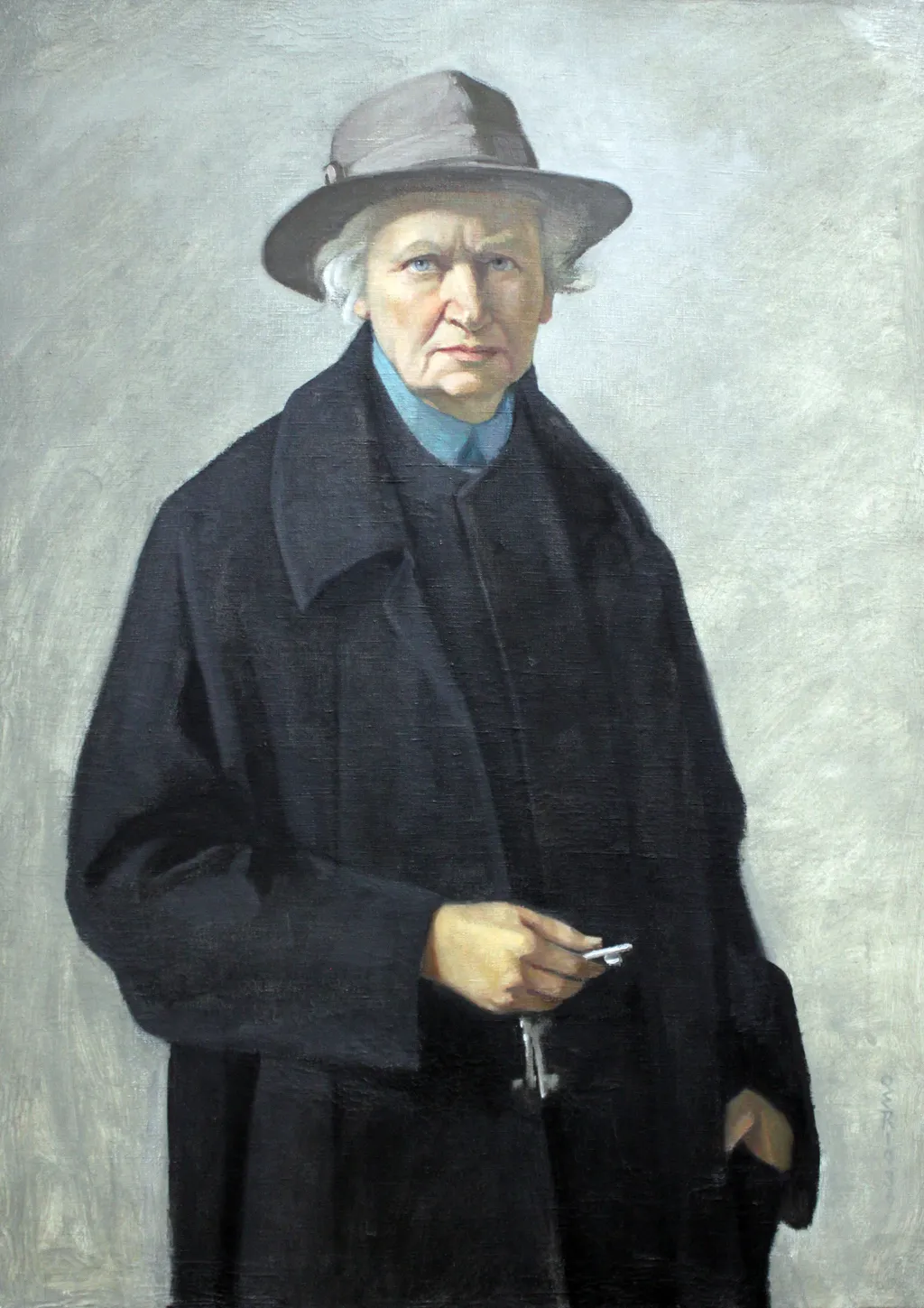
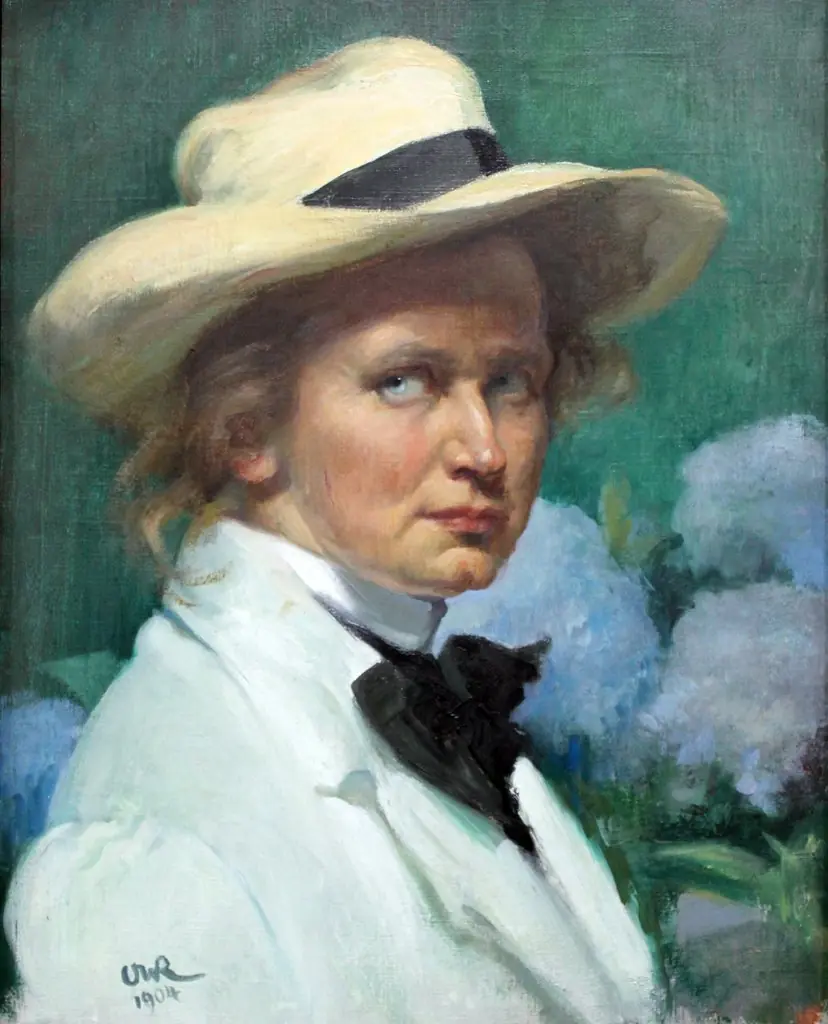
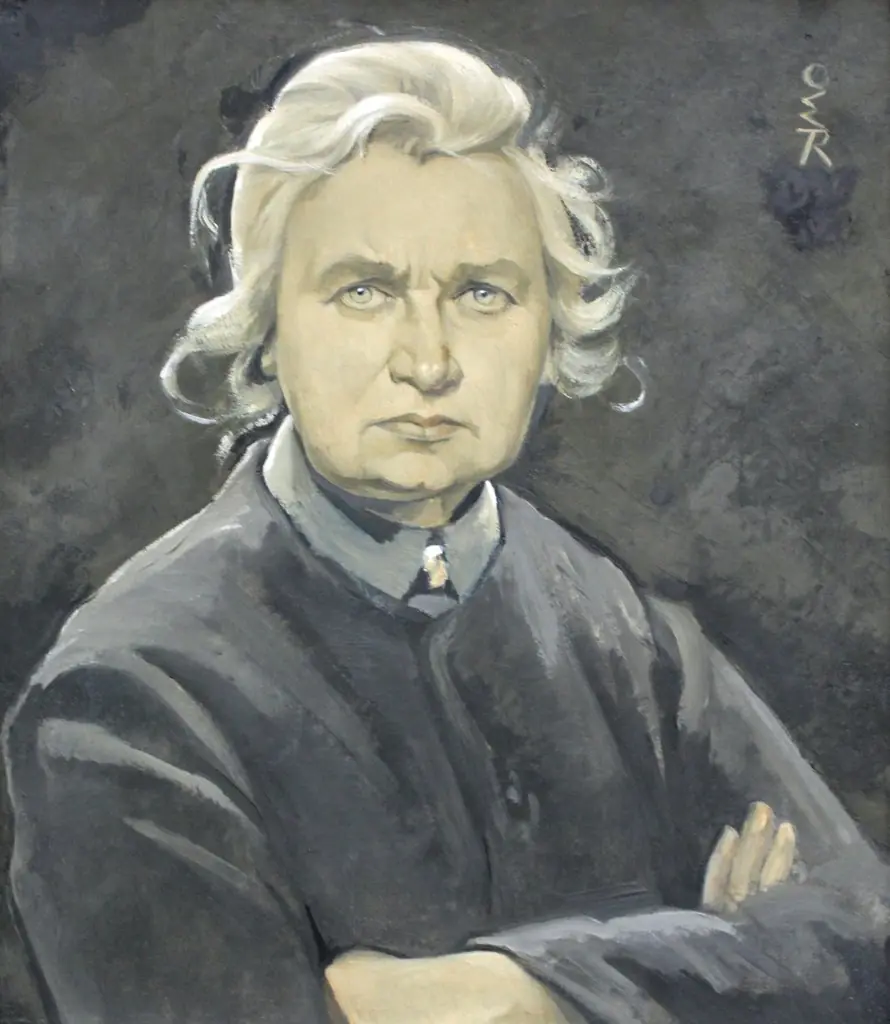
Self-portrait with keys is an unspecified painting by Ottilie Roederstein. It dates from 1936 and is held in the collection of the Städel Museum. Ottilie Wilhelmine Roederstein painted this self-portrait in 1936, near the end of her life.
About this work
Overview
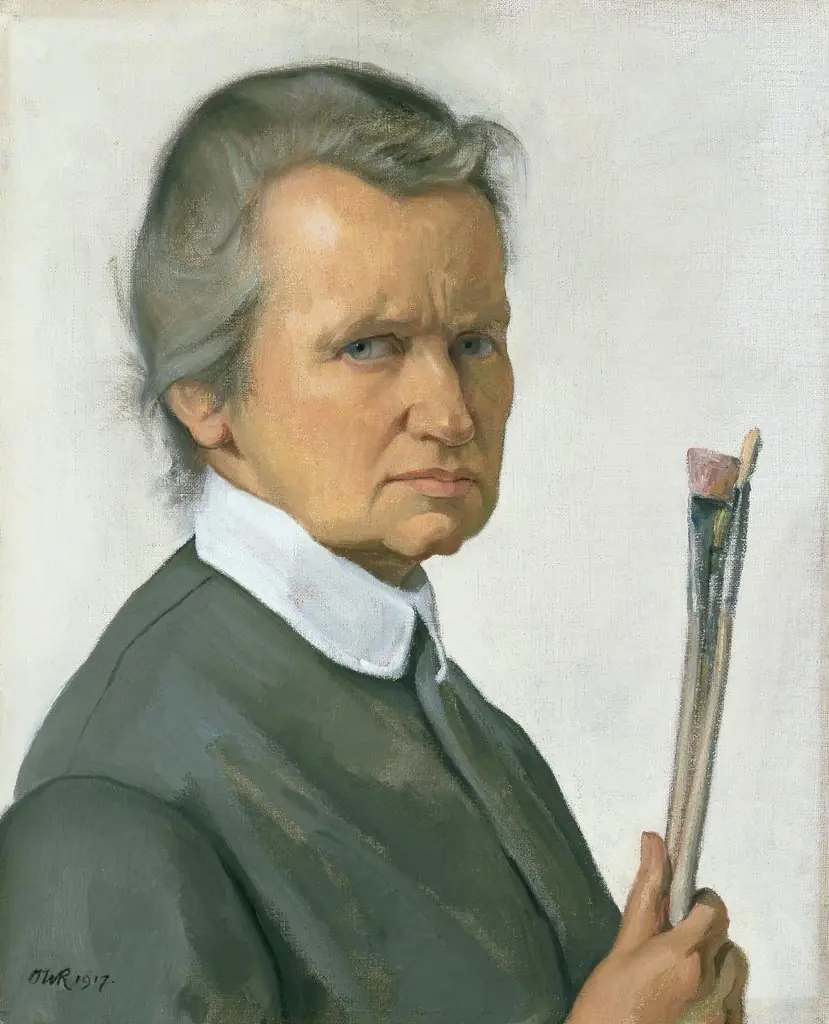
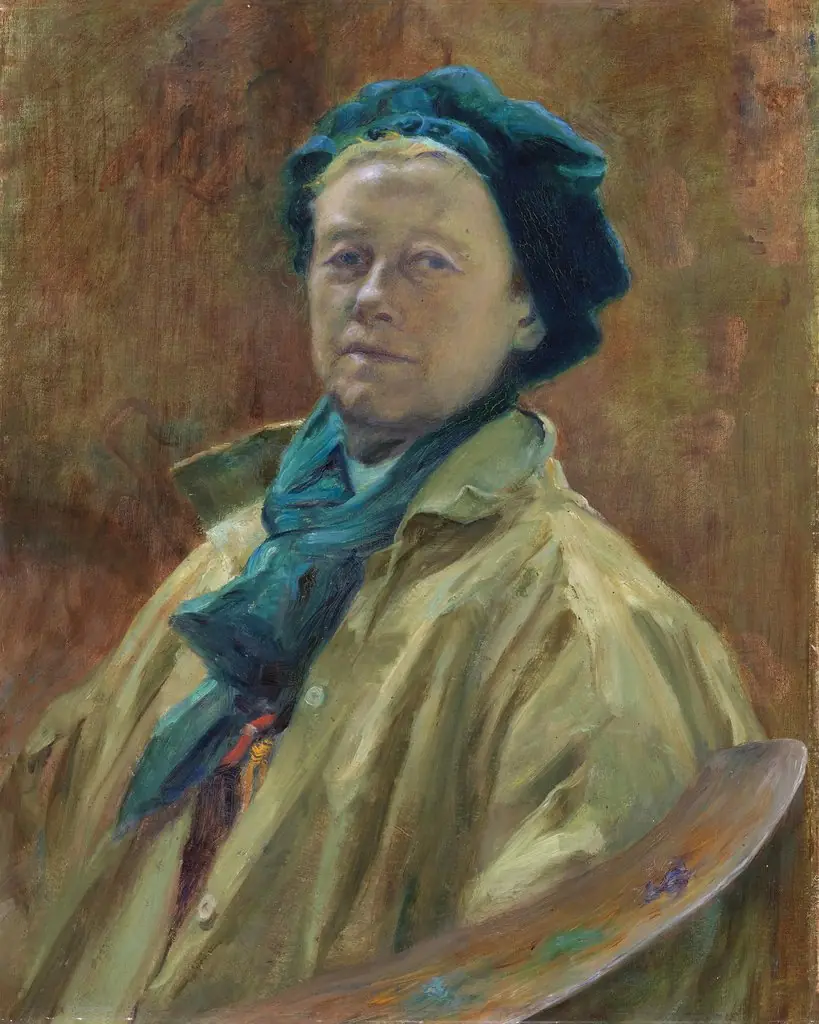
Ottilie Wilhelmine Roederstein painted this self-portrait in 1936, near the end of her life. A German-Swiss artist known primarily for portraiture, she presents herself in quiet composure against a muted gray backdrop. Dressed in a dark coat and hat, she holds a set of keys in her right hand, her gaze steady and direct. The composition is restrained, emphasizing presence over ornamentation.
Subject & Meaning
Roederstein, who lived with Elisabeth Winterhalter, one of Germany’s first female physicians, likely intended the object as a symbol of personal agency.
The keys in the painting may signify autonomy, responsibility, or daily ritual. Roederstein, who lived with Elisabeth Winterhalter, one of Germany’s first female physicians, likely intended the object as a symbol of personal agency. In a time when women’s roles were often confined, the keys suggest authority over space and access—perhaps reflecting her own life as an independent artist in a male-dominated field.
Technique & Style
Roederstein employs a subdued palette and soft modeling to convey quiet dignity. The brushwork is precise but unobtrusive, avoiding dramatic contrast or emotional flourish. The light gray background isolates the figure, focusing attention on her posture and the keys. Her attire and facial expression are rendered with understated realism, reinforcing the painting’s introspective tone.
History & Provenance
The painting remained in private hands until it entered the Städel Museum’s collection. Roederstein, who lived most of her life in Germany and Switzerland, rarely exhibited publicly in her later years. The work’s survival and eventual institutional acquisition reflect a growing recognition of her contributions to early 20th-century portraiture, particularly among women artists overlooked by mainstream narratives.
Context
Created in 1936, the portrait emerged during a period of rising political tension in Germany. As a woman in a same-sex relationship and an artist outside the academic mainstream, Roederstein’s life and work existed on the margins. The painting’s calm authority contrasts with the era’s upheaval, offering a quiet assertion of identity amid increasing societal pressure to conform.
Legacy
Though not widely known during her lifetime, Roederstein’s self-portrait has gained renewed attention as scholars reexamine female and LGBTQ+ artists of the early 20th century. The work stands as a testament to self-representation outside conventional frameworks—neither flamboyant nor defiant, but resolute in its simplicity and dignity.
Own this work as a print
Artist & collection
Artist
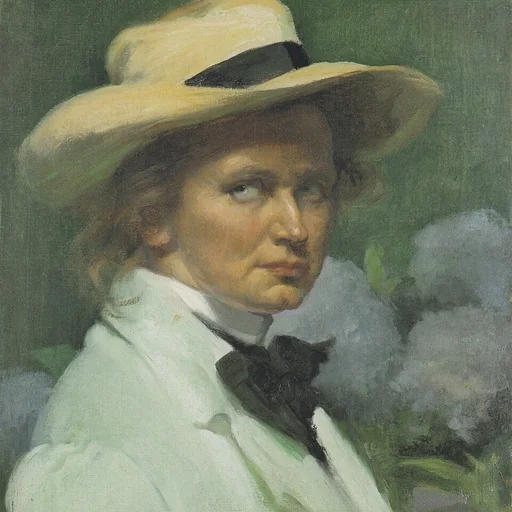
Ottilie Wilhelmine Roederstein (22 April 1859 – 26 November 1937) was a German-Swiss painter. She was the long-time companion of Elisabeth Winterhalter, one of the first female doctors in Germany.