Artwork
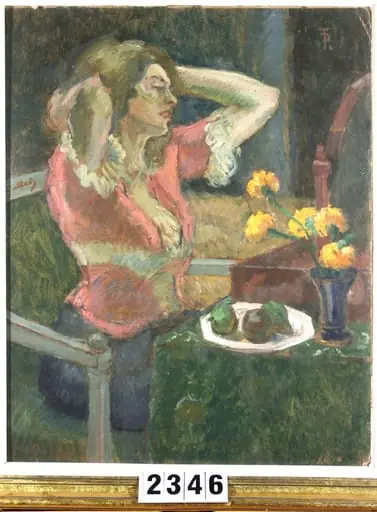
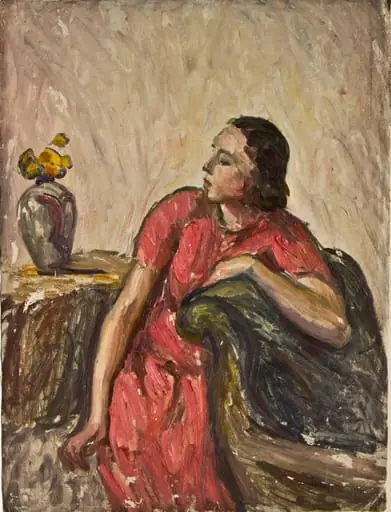
Fată și vas cu flori
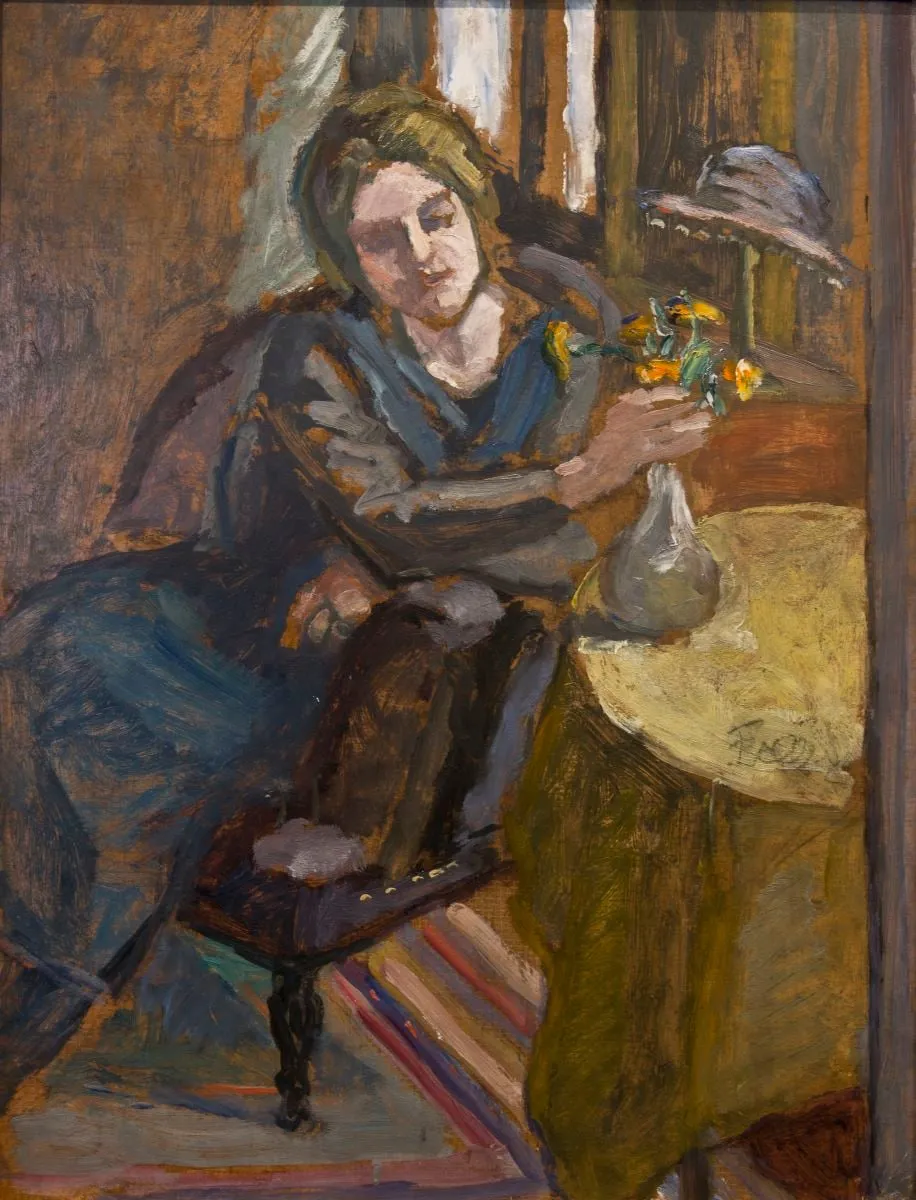
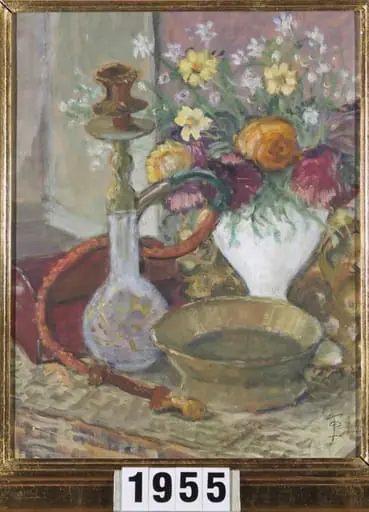
Fată și vas cu flori is a print by Theodor Pallady. It dates from 1921 and is held in the collection of the National Museum of Art of Romania.
About this work
Overview
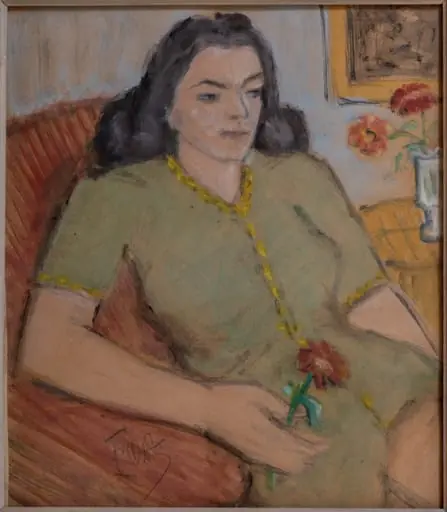
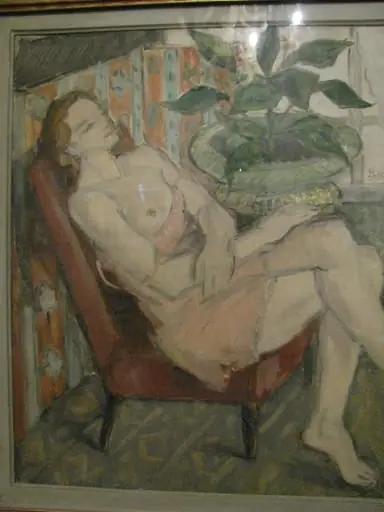
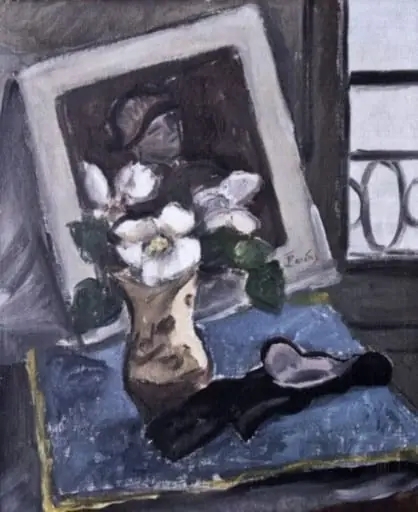
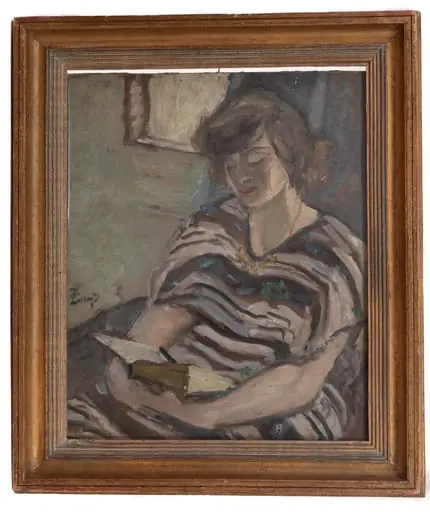
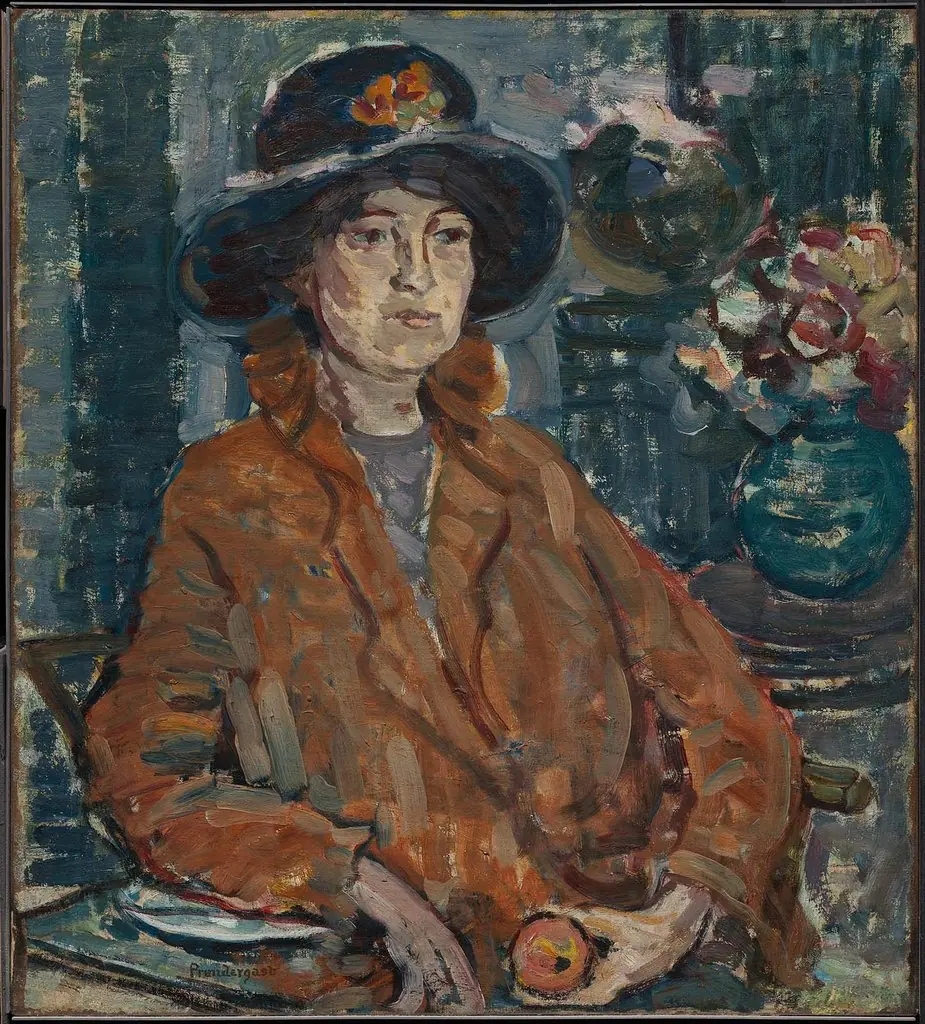
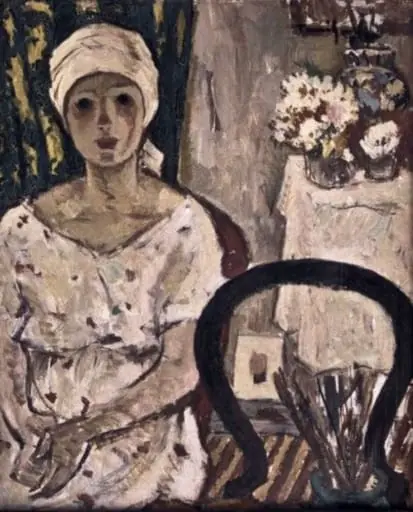
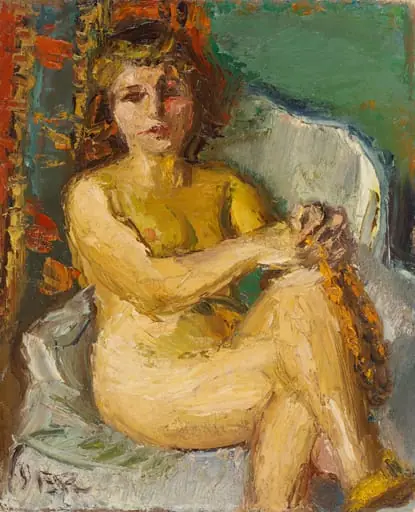
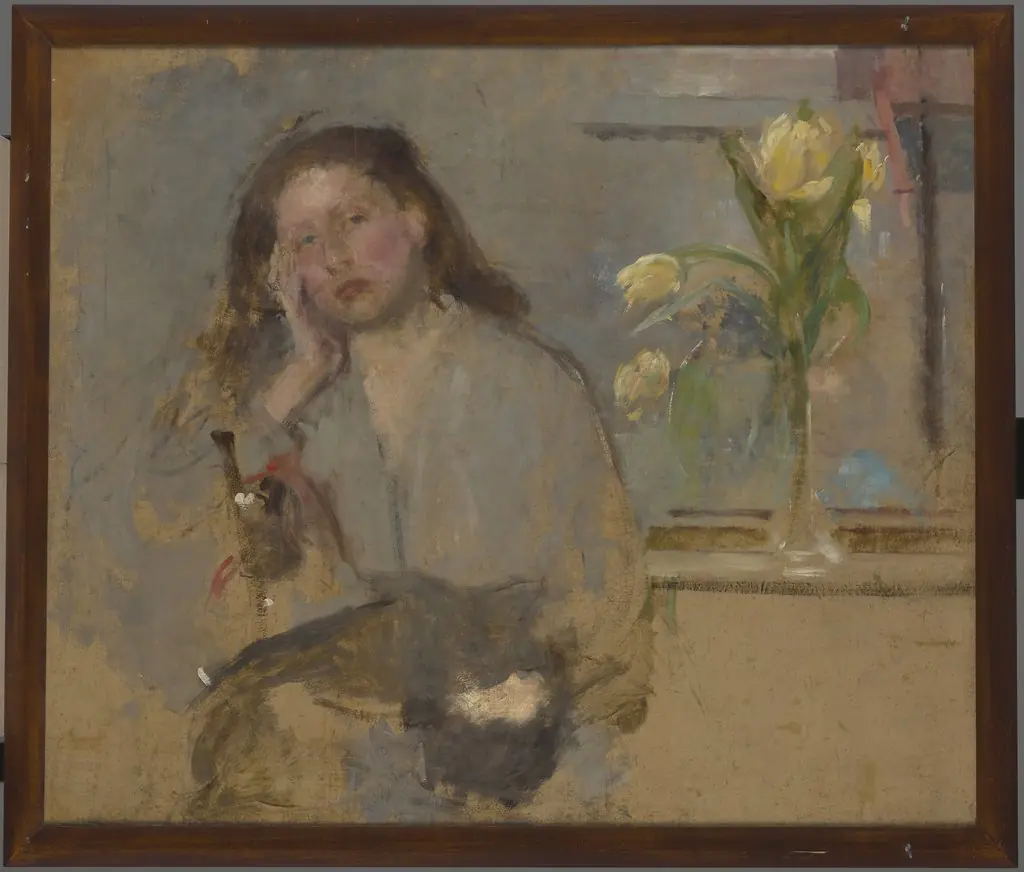
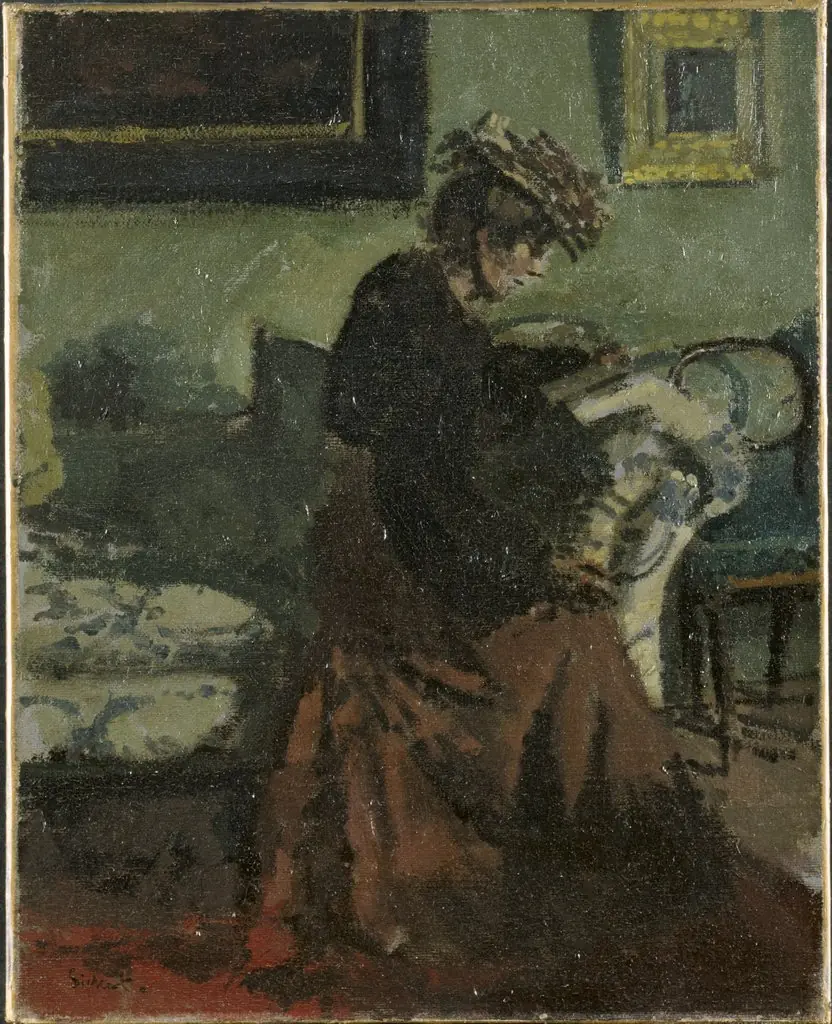
Painted around 1921 by Theodor Pallady, this work depicts a solitary woman in a modest interior, cradling a small vase of yellow flowers. The composition is intimate and quiet, focusing on the figure’s stillness amid dim surroundings. The painting’s subdued palette and heavy brushwork convey a sense of contemplation, anchoring the viewer’s attention on the subtle interplay of light and shadow.
Subject & Meaning
The woman, dressed in a dark, loose garment and headscarf, appears absorbed in quiet repose. The bright flowers she holds offer a fragile contrast to the surrounding gloom, suggesting a fleeting moment of beauty or domestic ritual. Her restrained posture and the absence of narrative detail invite reflection rather than storytelling, emphasizing inner presence over external action.
Technique & Style
This selective focus, combined with the rough handling of paint, enhances the emotional weight of the scene without relying on detail.
Pallady employed thick, textured brushstrokes, using impasto to build surface depth and tactile presence. The dark background is loosely rendered, blurring architectural elements like a window and a hat on a chair, while the woman’s face and hands are illuminated with deliberate clarity. This selective focus, combined with the rough handling of paint, enhances the emotional weight of the scene without relying on detail.
History & Provenance
Created during Pallady’s mature period after years spent in Paris, the painting reflects his continued engagement with Post-Impressionist and Symbolist tendencies. Though specific early ownership records are limited, the work is recognized as part of his Romanian oeuvre, often associated with introspective domestic scenes from the early 1920s. It entered public collections in the mid-20th century.
Context
In early 20th-century Romania, artists like Pallady blended Western modernist influences with local themes of solitude and quiet life. This painting aligns with a broader trend of interior scenes that valued mood over spectacle, echoing the work of contemporaries such as Matisse and Vuillard. The emphasis on light and texture reflects a shift away from academic realism toward more personal, sensory expression.
Legacy
The painting remains a key example of Pallady’s ability to merge emotional subtlety with expressive technique. It is frequently cited in studies of Romanian modernism for its restrained power and sensitivity to light. While not widely reproduced, it continues to inform interpretations of intimacy in interwar Eastern European art, valued for its quiet authenticity.
Artist & collection