Artwork
Aparição da Virgem com o Menino a santo Ubaldo, bispo de Gubbio, que indica ao fundo a cidade de Pesaro
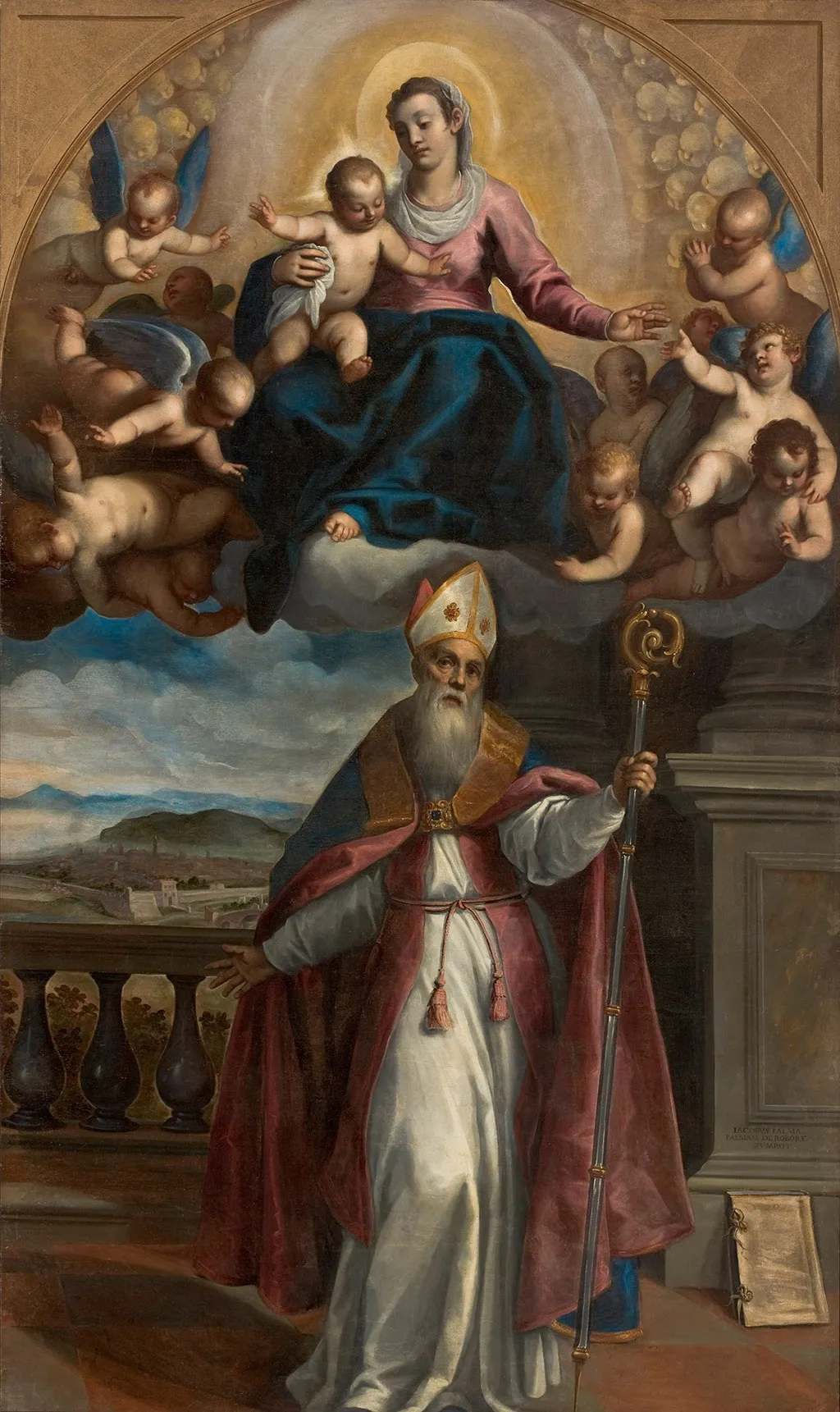
Aparição da Virgem com o Menino a santo Ubaldo, bispo de Gubbio, que indica ao fundo a cidade de Pesaro is an oil painting by Palma il Giovane. It dates from 1620 and is held in the collection of the São Paulo Museum of Art.
About this work
Overview
The saint is shown pointing toward a distant cityscape that identifies Pesaro, anchoring the celestial event in a specific geographic setting.
Created in 1620 by the Venetian painter Palma il Giovane, this oil on canvas presents a devotional vision in which the Virgin Mary and the infant Christ appear before Saint Ubaldo, the bishop of Gubbio. The saint is shown pointing toward a distant cityscape that identifies Pesaro, anchoring the celestial event in a specific geographic setting. The work now belongs to the collection of the São Paulo Museum of Art.
Subject & Meaning
The composition centers on a luminous Madonna dressed in a pink garment and a deep‑blue skirt, cradling the Child while surrounded by a host of cherubic figures. Below, Saint Ubaldo, robed in white with a red mantle and bearing a staff, gazes upward, his gesture directing the viewer’s attention to the distant town. The scene conveys a moment of divine revelation, linking the saint’s earthly duties with heavenly intercession.
Technique & Style
Palma il Giovane employs a rich palette that emphasizes contrast between the warm pinks of the Virgin’s dress and the cool blues of her skirt, while the cherubs are rendered in varied, dynamic poses. The artist’s handling of light creates a subtle chiaroscuro, giving the figures a three‑dimensional presence and enhancing the sense of movement across the pictorial space. The background city is suggested with atmospheric perspective, adding depth to the overall composition.
History & Provenance
Following the death of Tintoretto, Palma il Giovane emerged as Venice’s leading painter, continuing the late‑Renaissance Venetian tradition. This particular work, produced in the early seventeenth century, eventually entered the collection of the São Paulo Museum of Art, where it remains on display as part of the museum’s European paintings holdings.
Artist & collection
Artist
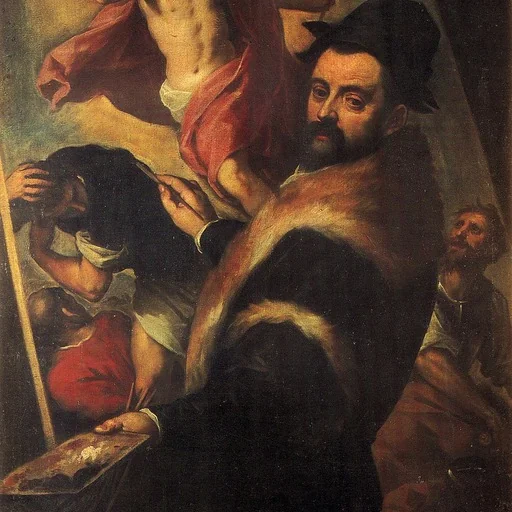
Iacopo Negretti (1548/50 – 14 October 1628), best known as Jacopo or Giacomo Palma il Giovane or simply Palma Giovane ('Young Palma'), was an Italian painter from Venice and a notable exponent of the Venetian school.

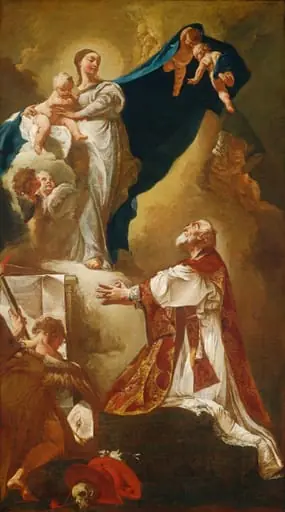 Madonna and Child Appearing to Saint Philip Neri
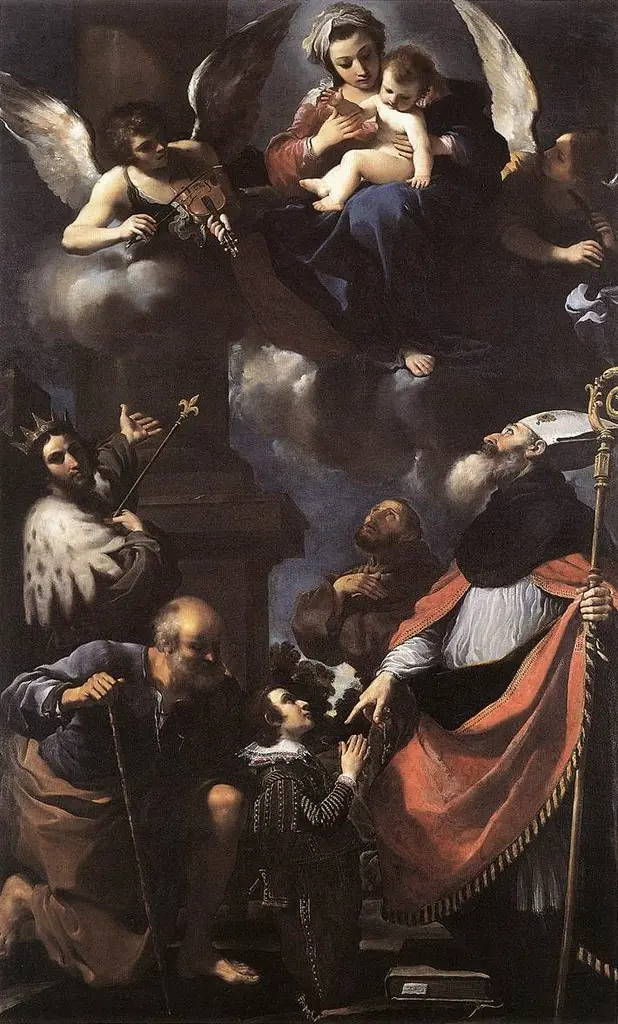 A Donor Presented to the Virgin
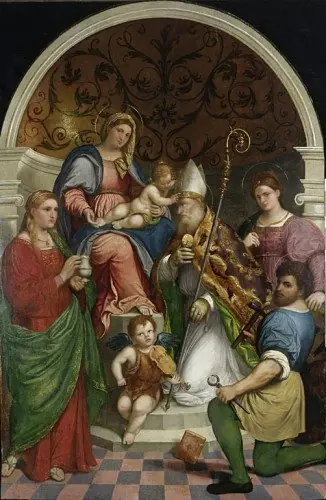 Sacra conversazione
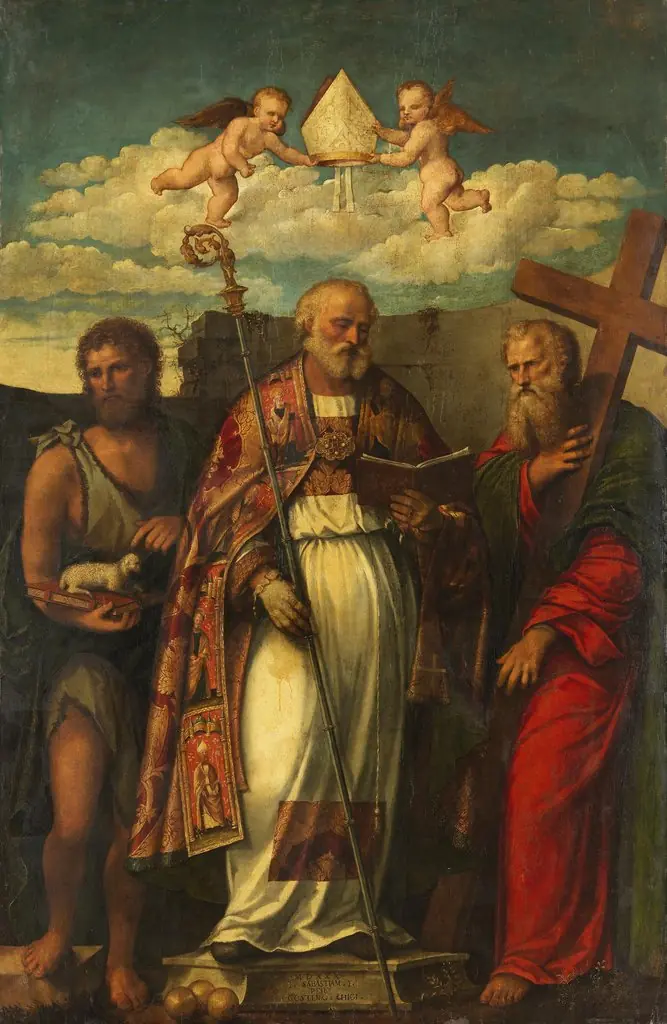 Saint Nicholas of Bari, John the Baptist and Philip
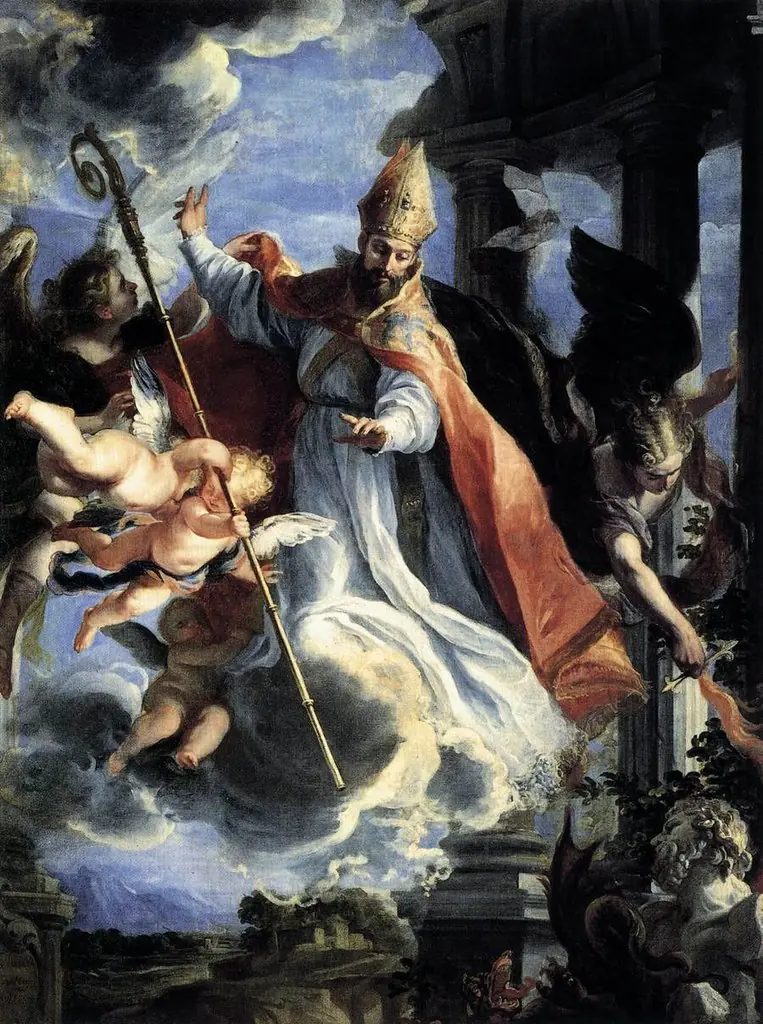 The Triumph of Saint Augustine
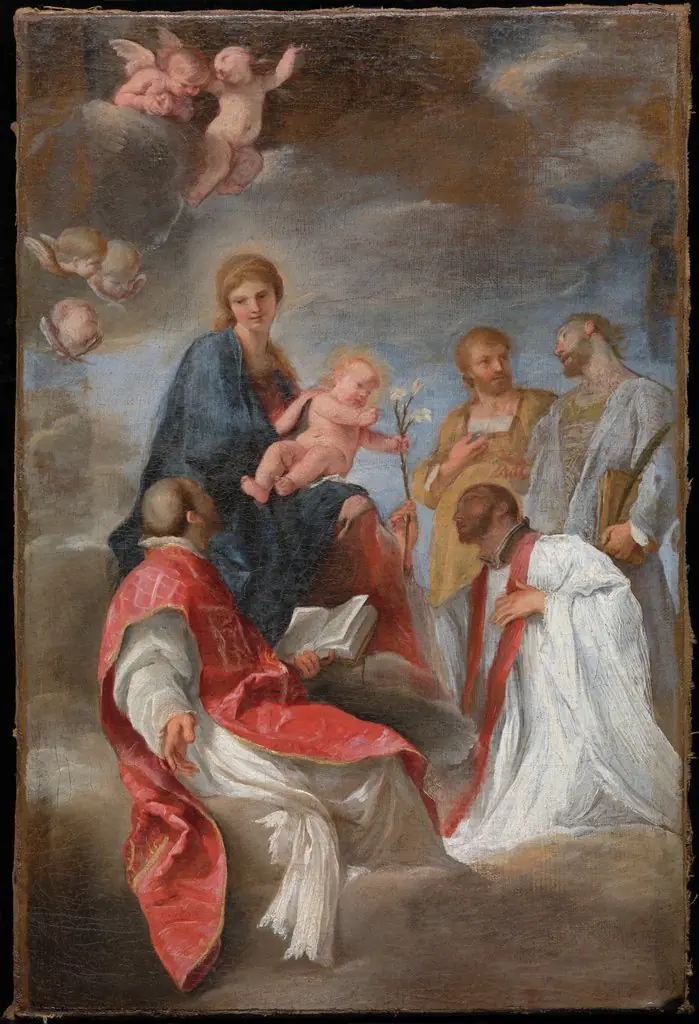 The Madonna and Child with Saints Ignatius of Loyola, Francis Xavier, Cosmas and Damian
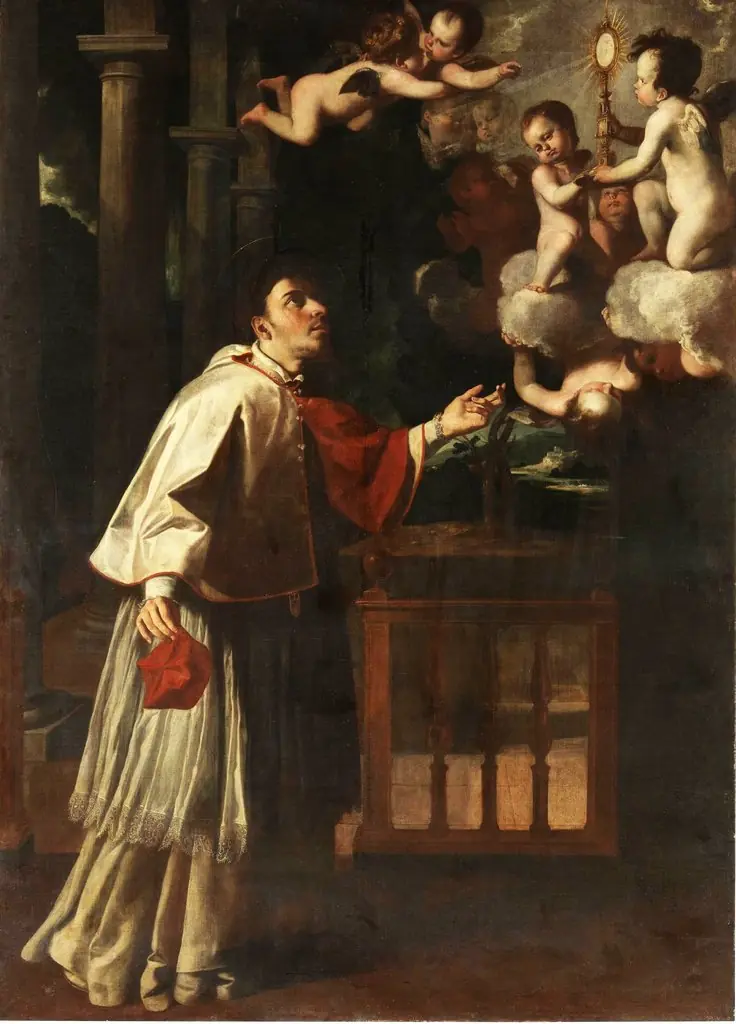 St. Raymond Nonnatus
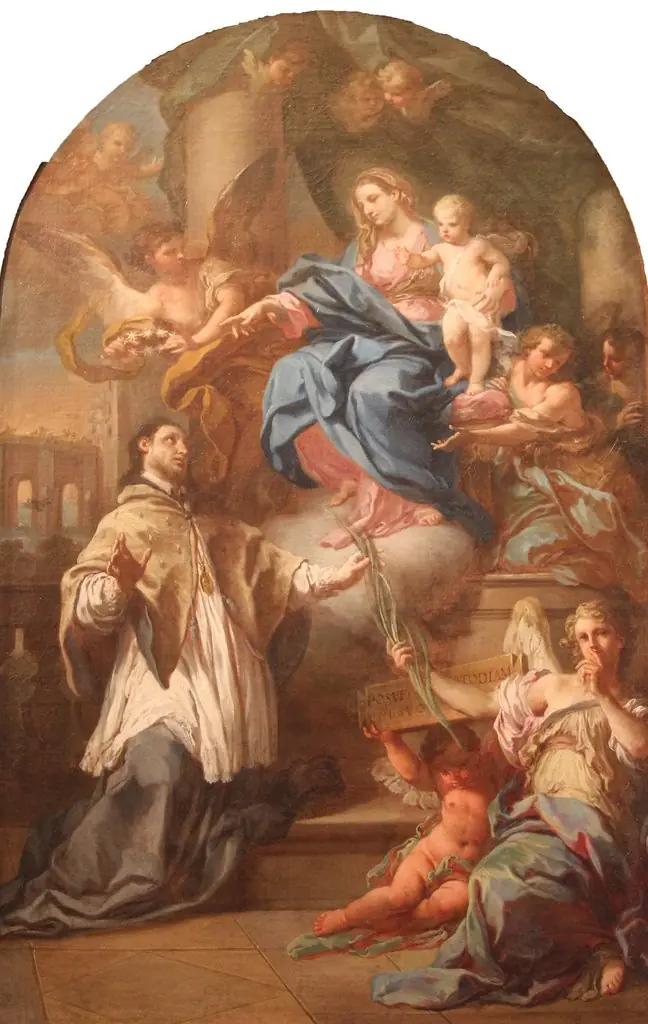 Madonna and Child with Saint John of Nepomuk
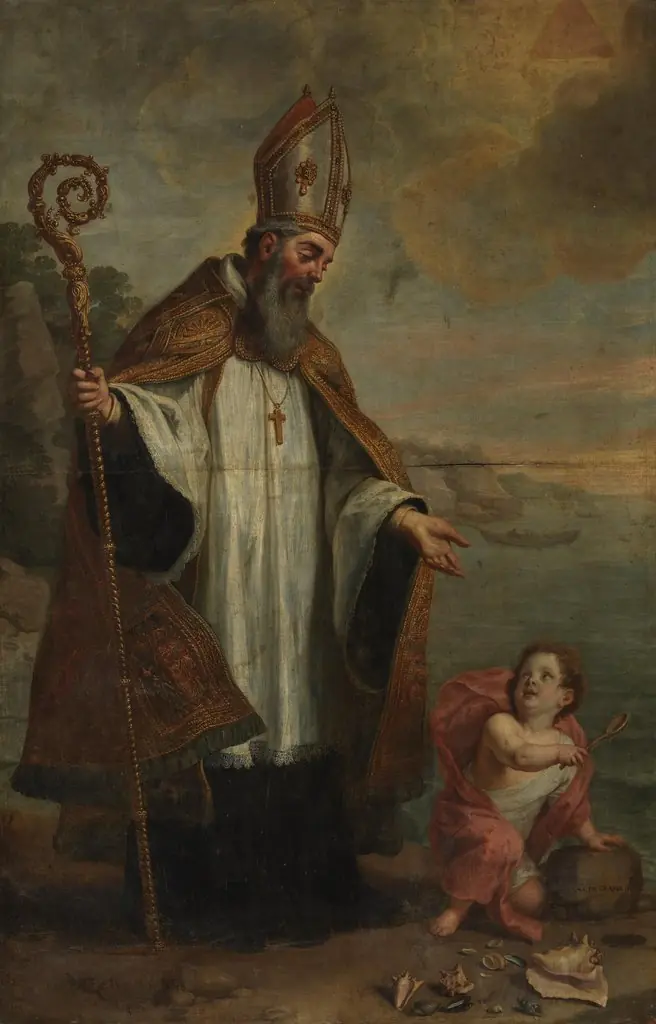 Saint Augustine
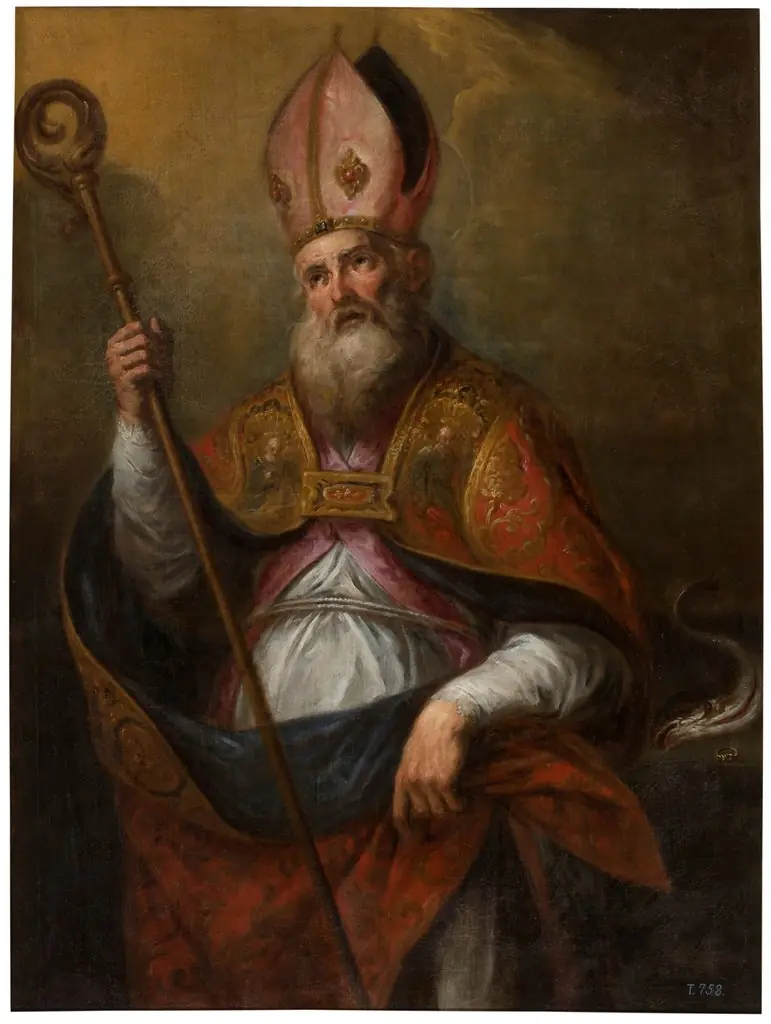 Saint Attila
 Virgin and Child with the Saints Martin of Tours and Anthony the Great
 Adoration of Virgin Mary by St. Petronius and Dionysius the Areopagite