Artwork
Venice Crowned by Victory
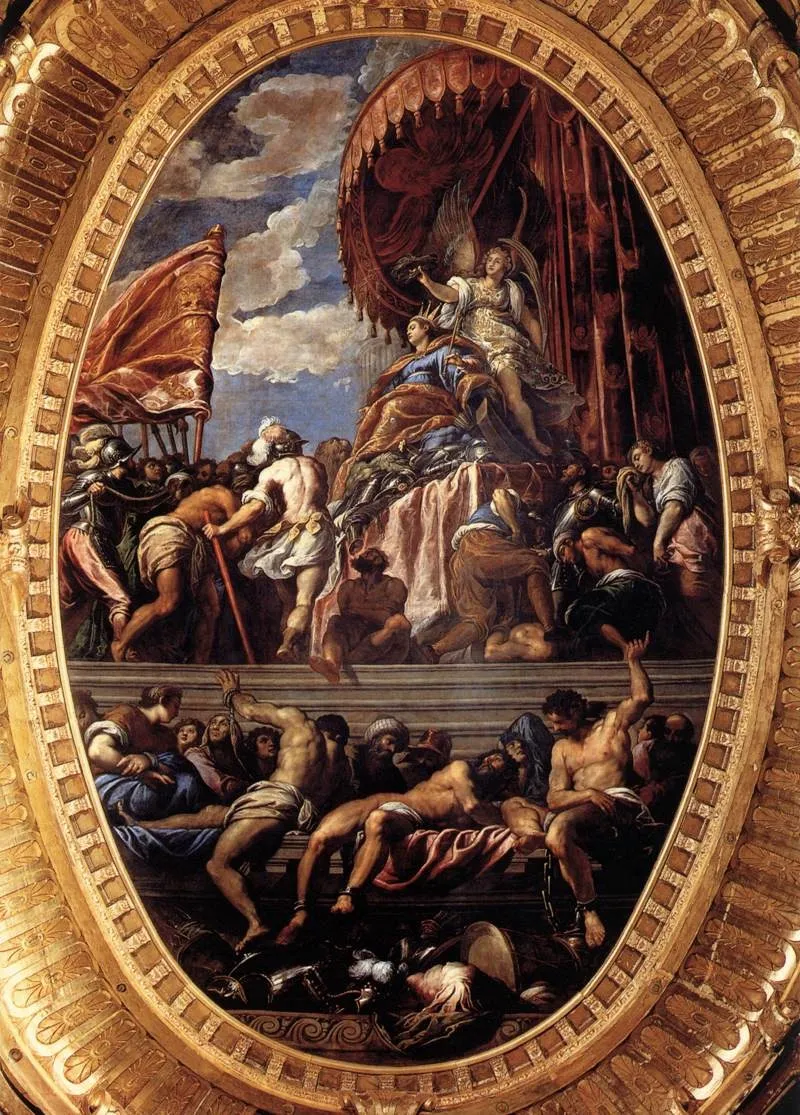
Venice Crowned by Victory is an oil painting by the Mannerist artist Palma il Giovane. It dates from 1592 and is held in the collection of the Doge's Palace.
About this work
Overview
Painted in 1592 by Iacopo Negretti, known as Palma il Giovane, this oil-on-canvas work was commissioned for the Doge’s Palace in Venice.
Painted in 1592 by Iacopo Negretti, known as Palma il Giovane, this oil-on-canvas work was commissioned for the Doge’s Palace in Venice. It presents an allegorical celebration of the city’s power and divine favor, blending portraiture with mythological symbolism. The composition reflects the late Mannerist aesthetic dominant in Venice after Tintoretto’s death, emphasizing elongated forms and dramatic lighting to convey civic pride.
Subject & Meaning
Venice is personified as a regal female figure seated on a throne, crowned and draped in blue, symbolizing the republic’s sovereignty. Above her, the winged figure of Victory lowers a laurel wreath, affirming triumph. Surrounding figures include civic and military symbols: a man with a sword represents martial strength, while a woman with a child evokes continuity and renewal. The scene functions as political propaganda, linking Venice’s authority to divine and mythological sanction.
Technique & Style
Palma il Giovane employs chiaroscuro to model forms and direct attention toward the central figure, enhancing the painting’s theatricality. The palette is rich but restrained, with deep blues and golds contrasting against luminous skies. Figures are rendered with elongated proportions and elegant poses characteristic of Mannerism, while the background’s cloud-filled heavens suggest celestial endorsement. Brushwork is refined, balancing detail with atmospheric depth.
History & Provenance
Commissioned for the Doge’s Palace, the painting remained in situ as part of Venice’s official visual program. It was created during a period when the Republic sought to reinforce its identity amid shifting European power dynamics. Palma, already a respected figure, solidified his role as Venice’s principal painter after Tintoretto’s death in 1594. The work has never left the palace, preserving its original context and function.
Context
In the late 16th century, Venice faced economic pressures and military challenges from the Ottoman Empire and Habsburg rivals. Civic imagery increasingly emphasized mythological allegory to assert enduring glory. Palma’s painting aligns with a broader trend in Venetian art that used classical symbolism to legitimize political authority, continuing a tradition begun by Titian and refined by Tintoretto.
Legacy
The painting stands as a key example of Venetian civic portraiture in the Mannerist vein. While Palma’s reputation later waned compared to his predecessors, this work remains a significant record of how Venice visually constructed its identity. Its continued presence in the Doge’s Palace underscores its role as a permanent statement of republican ideals, studied for its synthesis of politics, myth, and artistic convention.
Artist & collection
Artist
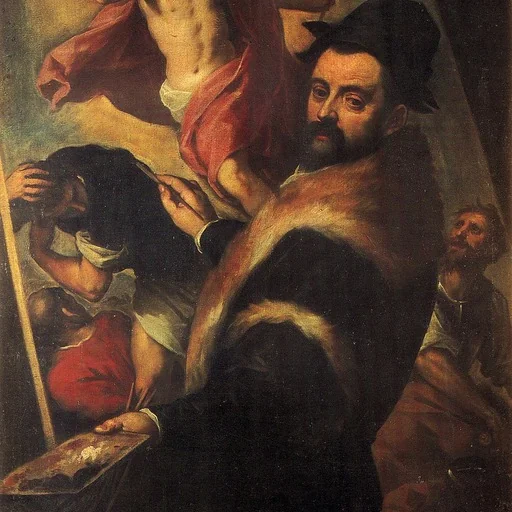
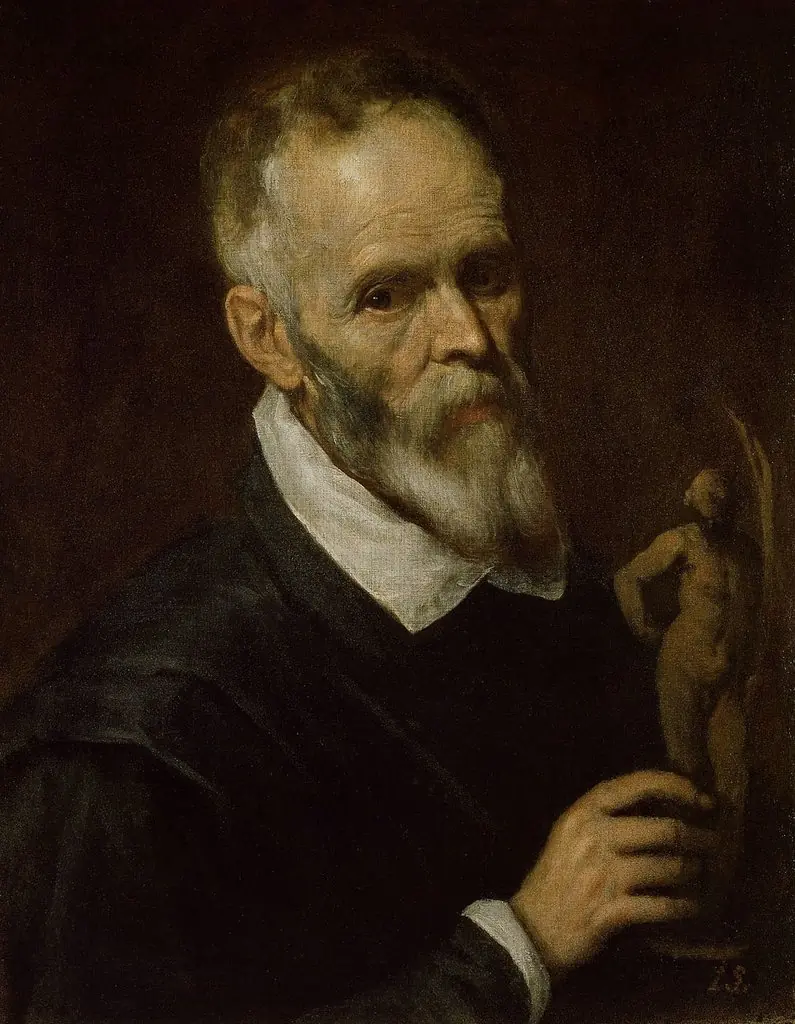
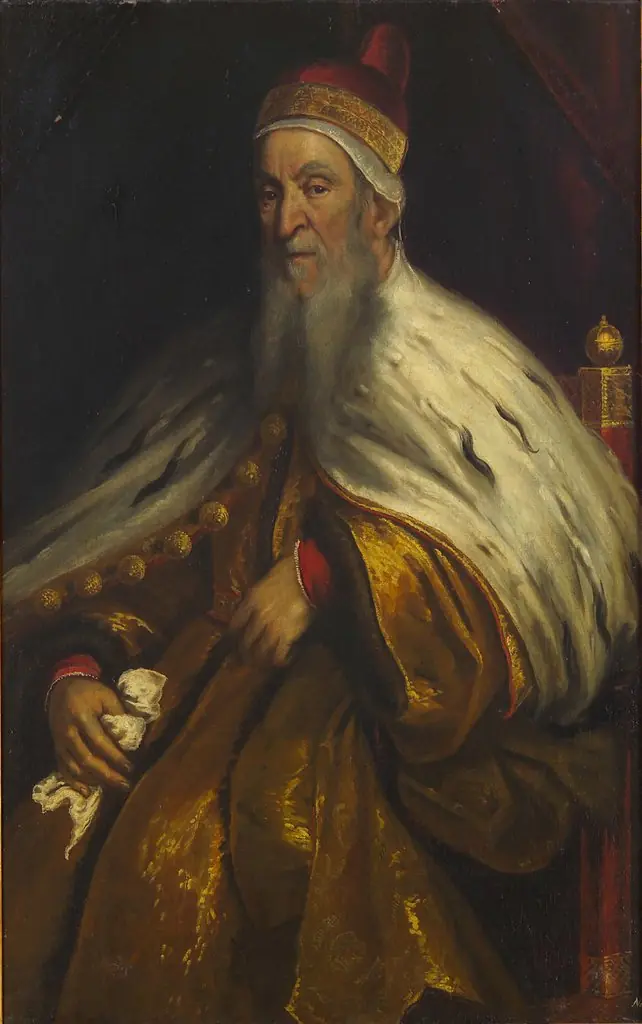
Iacopo Negretti (1548/50 – 14 October 1628), best known as Jacopo or Giacomo Palma il Giovane or simply Palma Giovane ('Young Palma'), was an Italian painter from Venice and a notable exponent of the Venetian school.

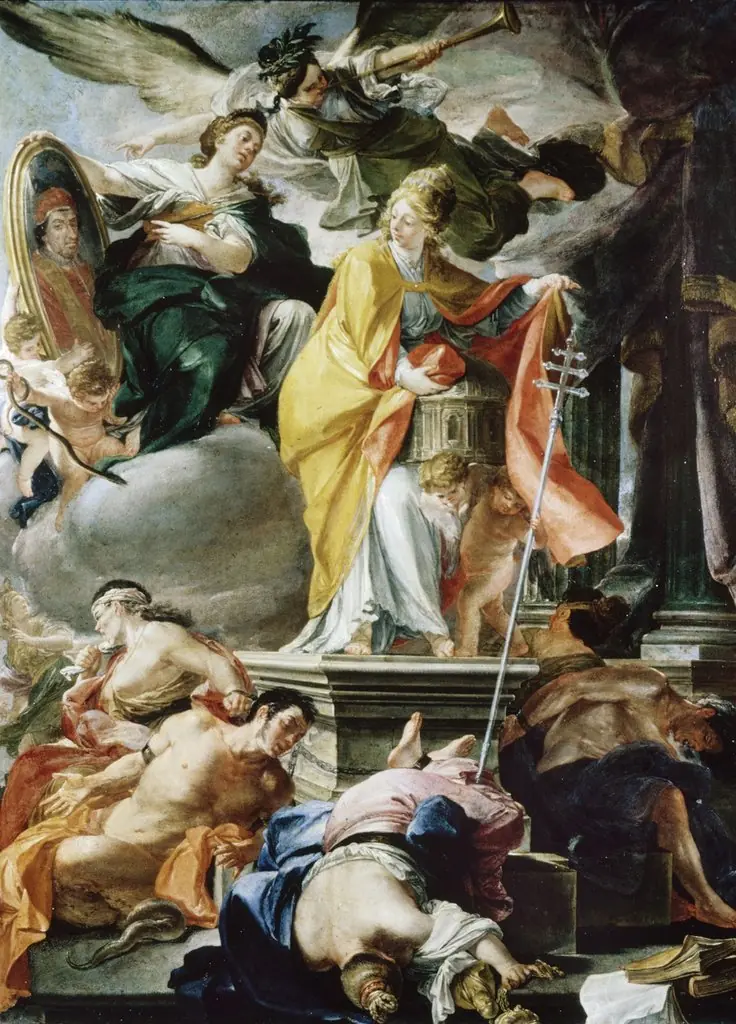 Allegory of the Papacy of Clement XI
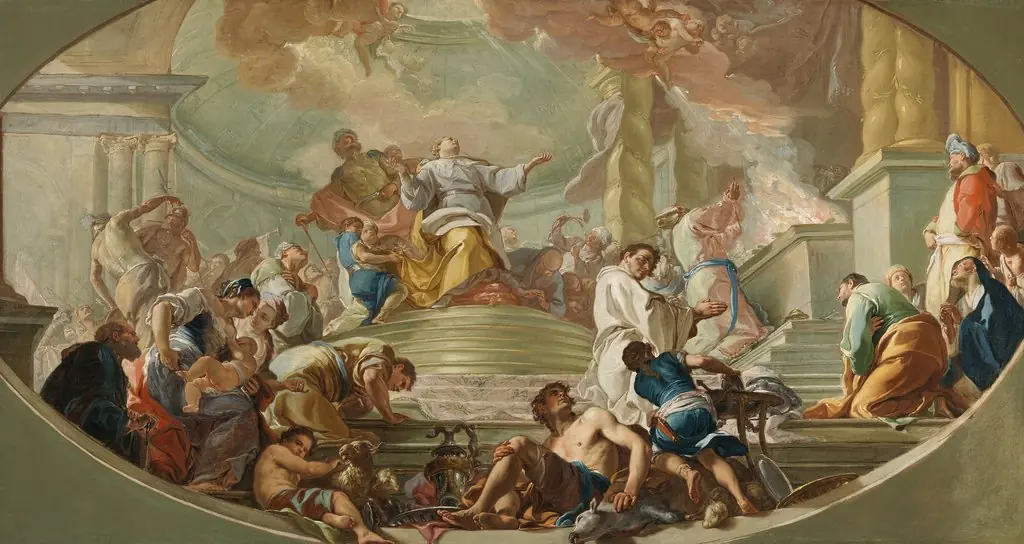 The Dedication of the Temple at Jerusalem
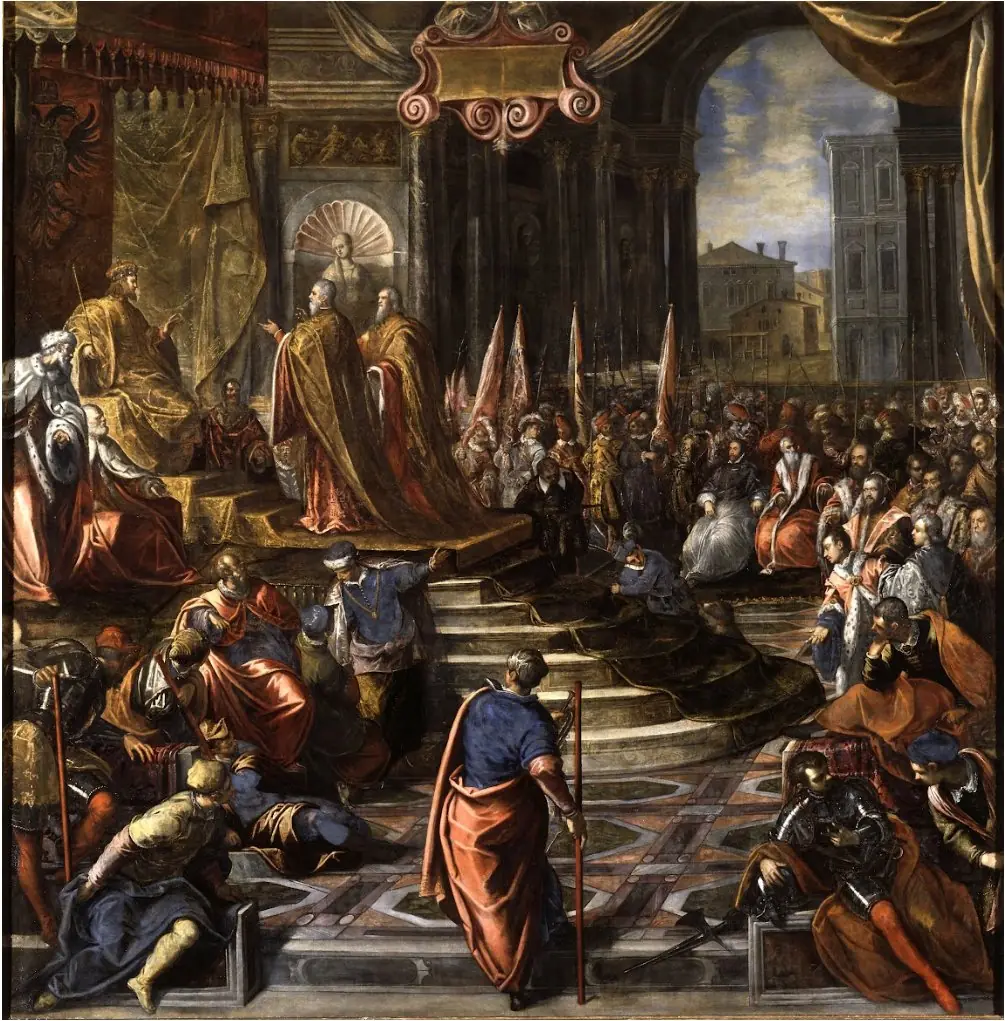 Ambassadors of Doge Ziani
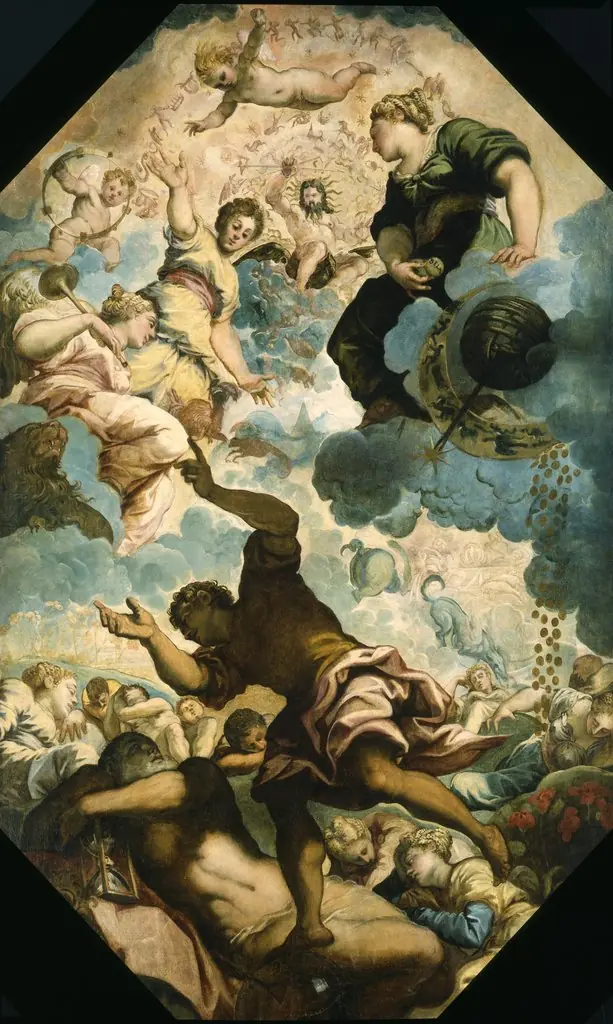 The Dreams of Men
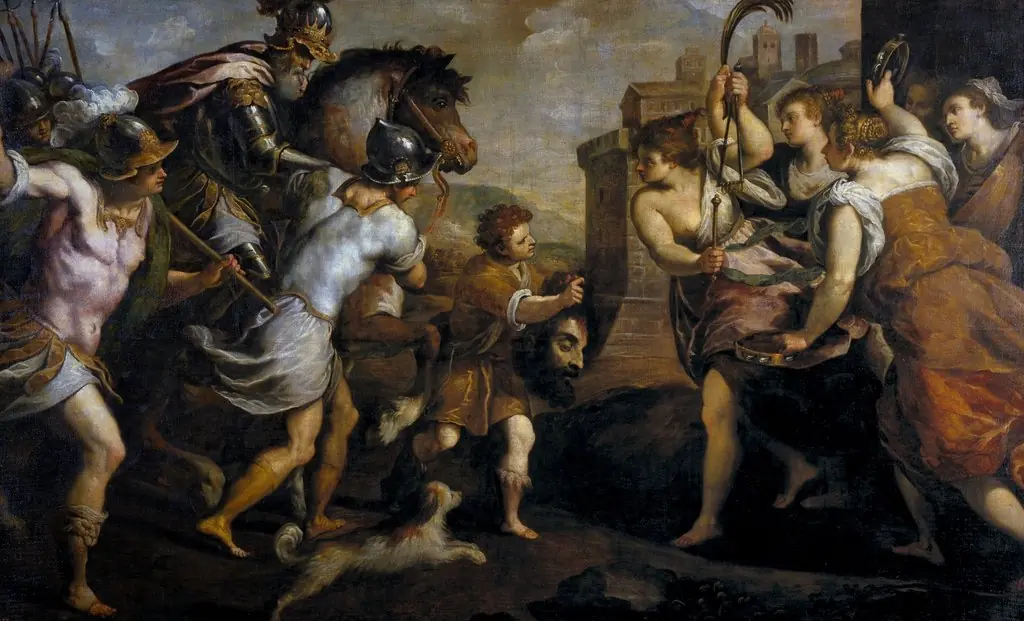
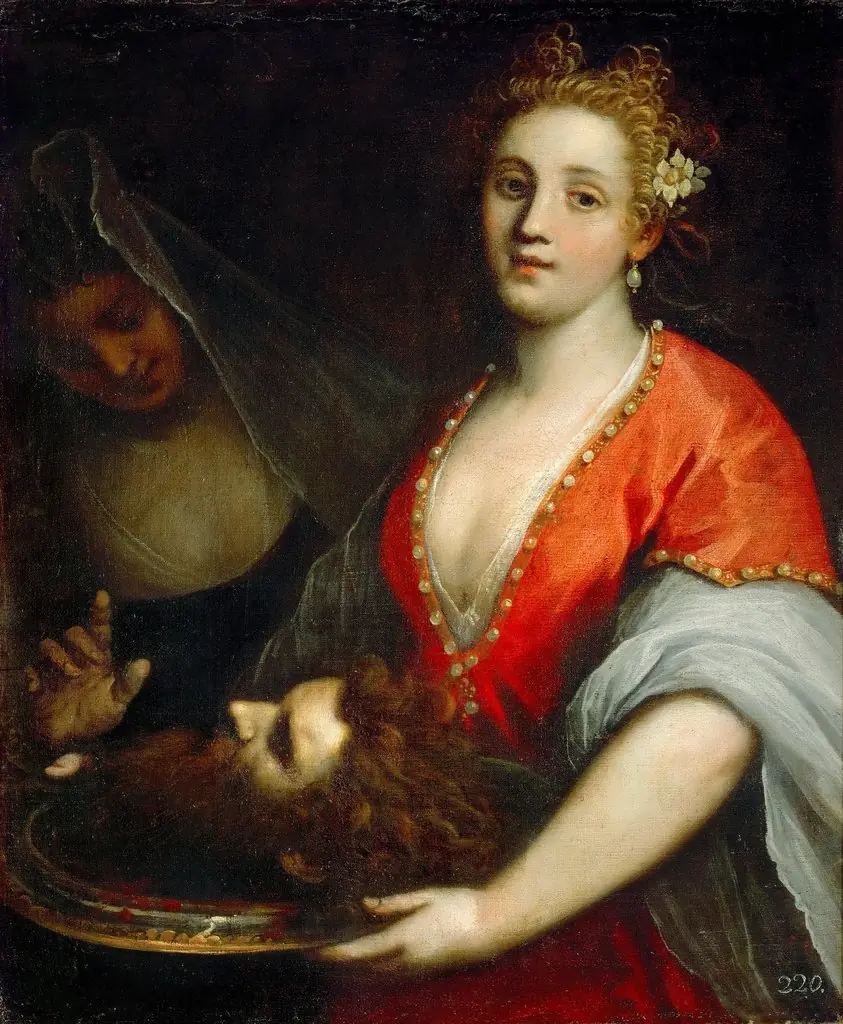
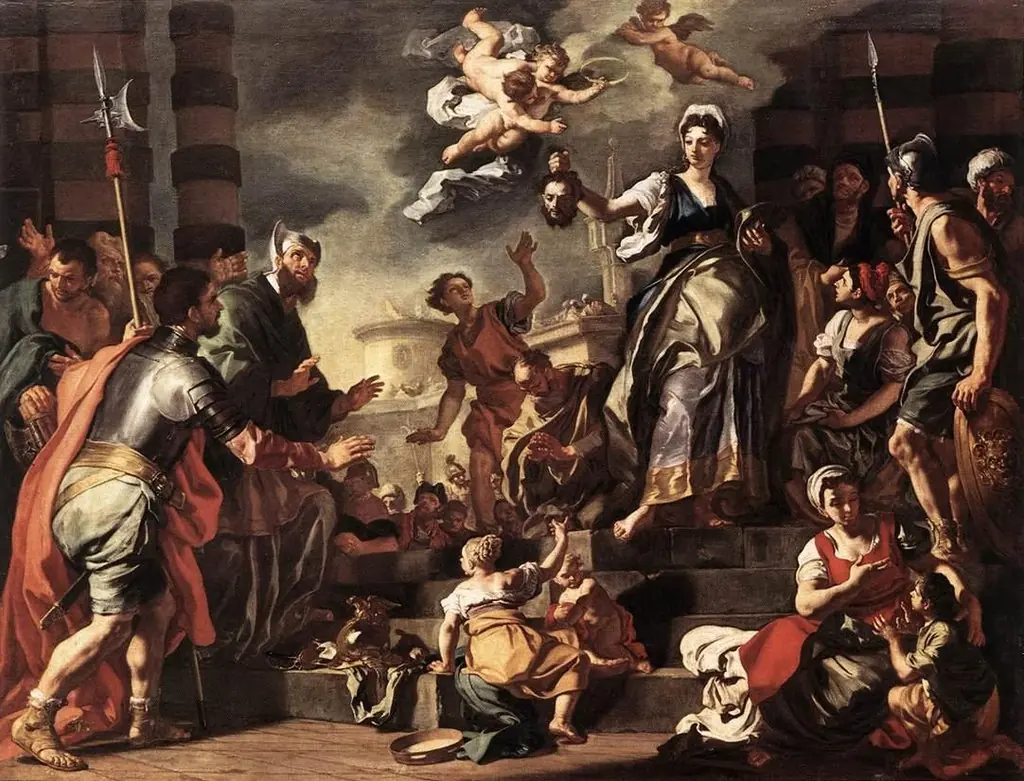 Judith shows the people the head of Holofernes
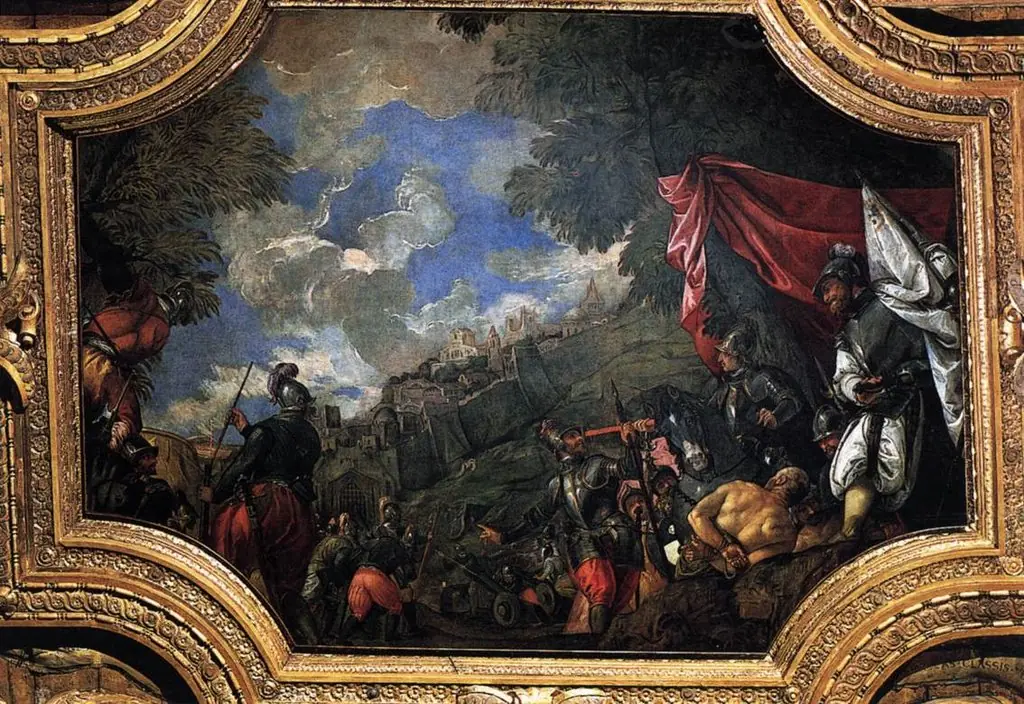 Conquest of Smyrna
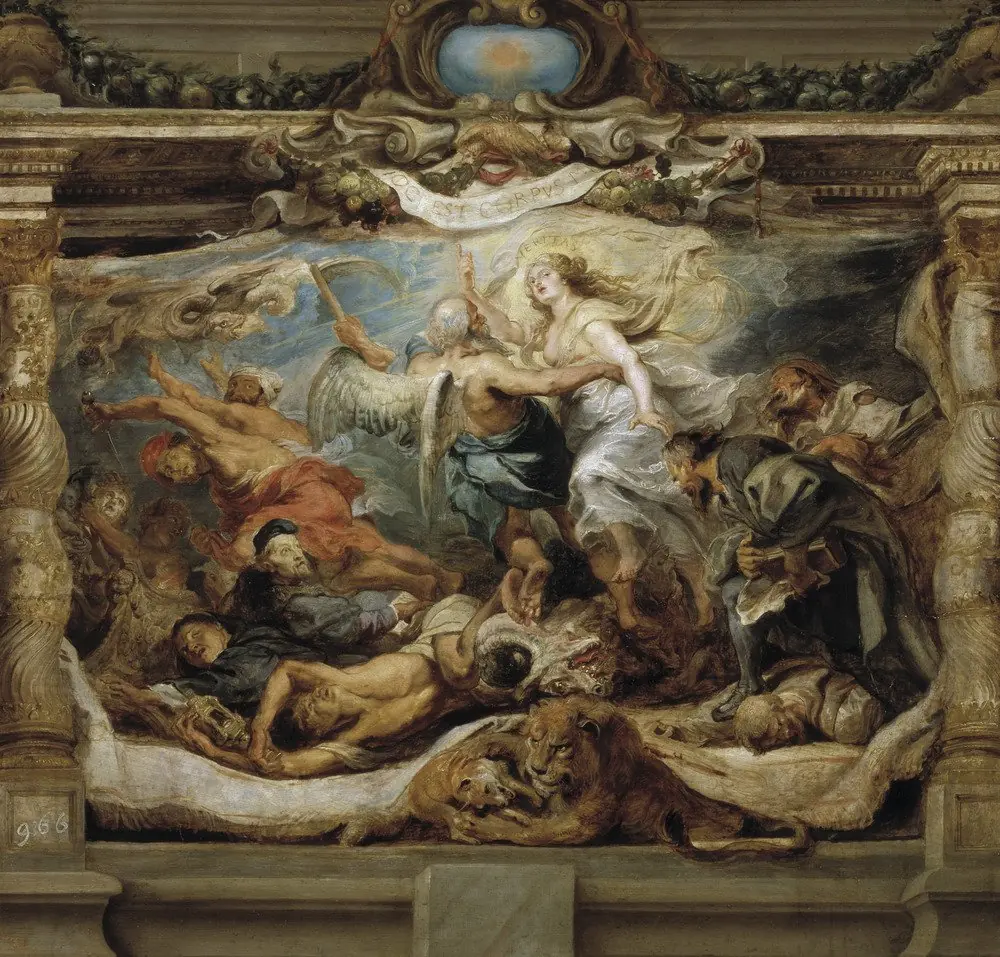 The Victory of Truth over Heresy
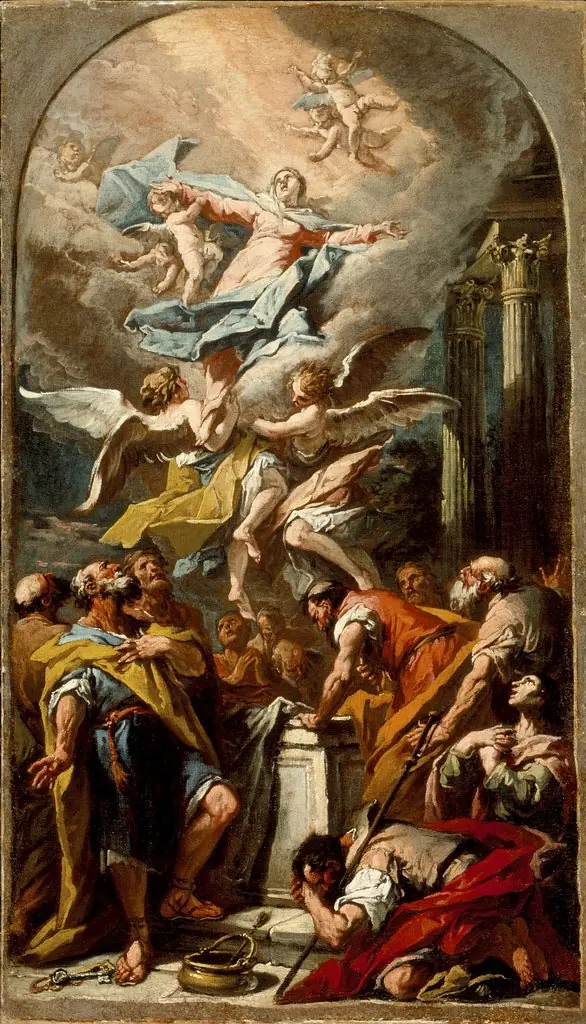 The Assumption of the Virgin
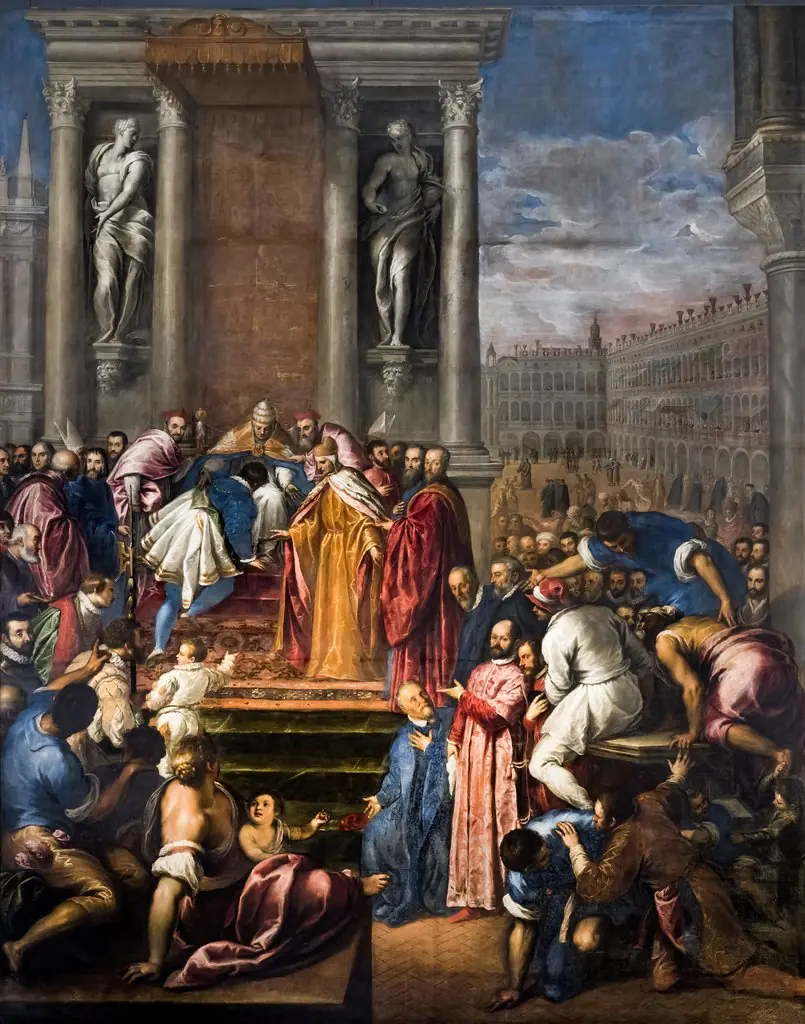 The Pope allows Otto to go to his father to negotiate peace
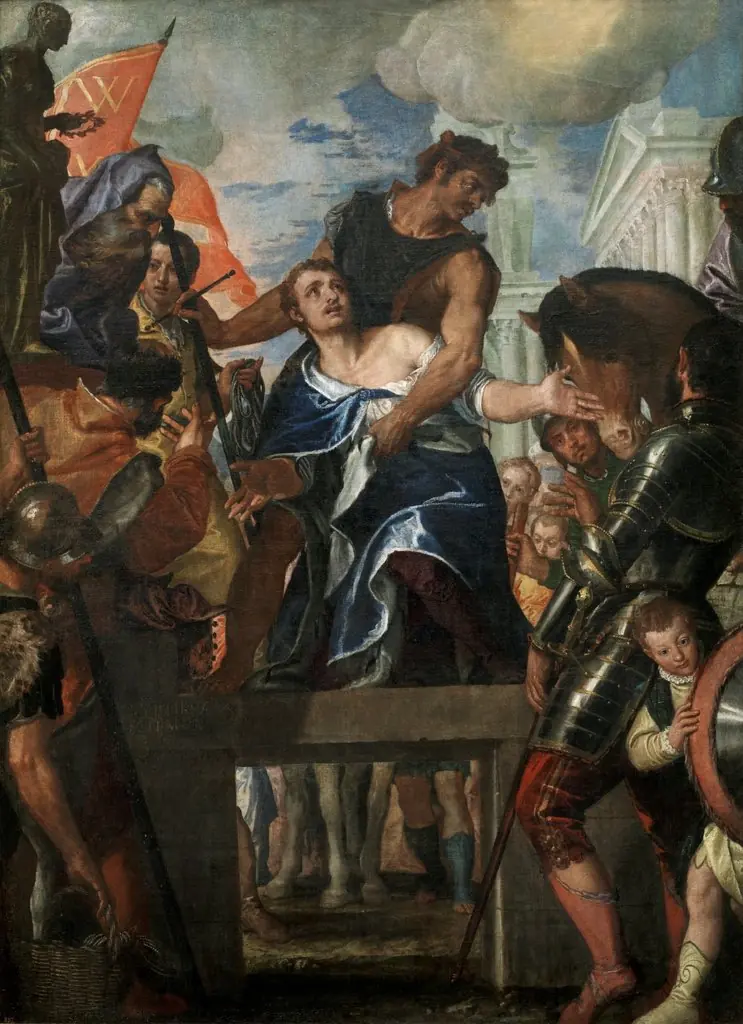 The Martyrdom of Saint Mennas