Artwork
Judith feasted by Holofernes
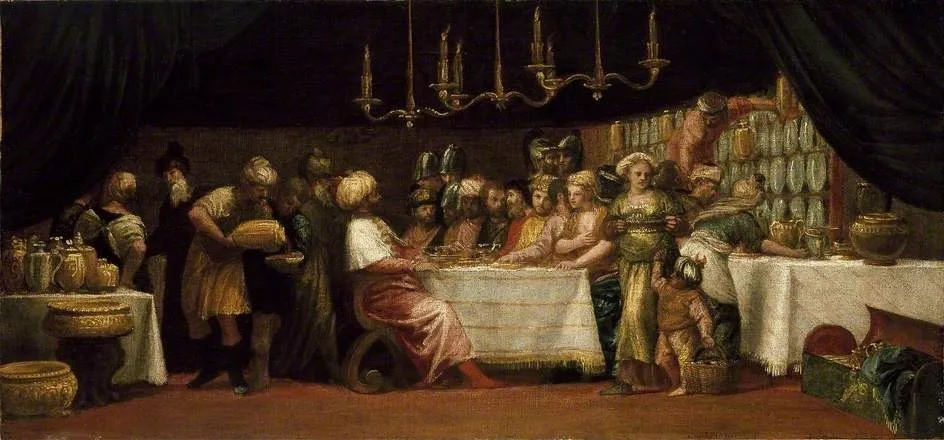
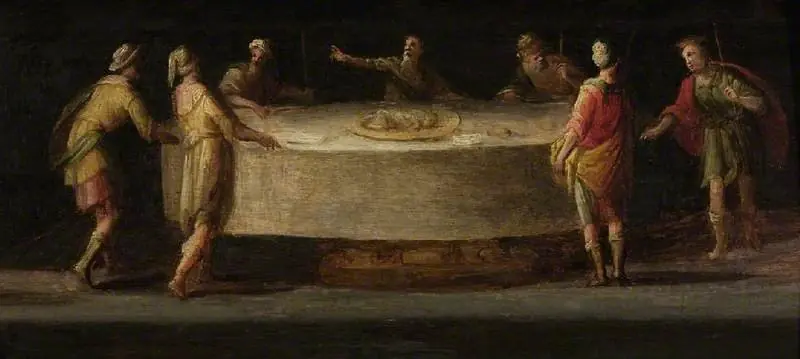
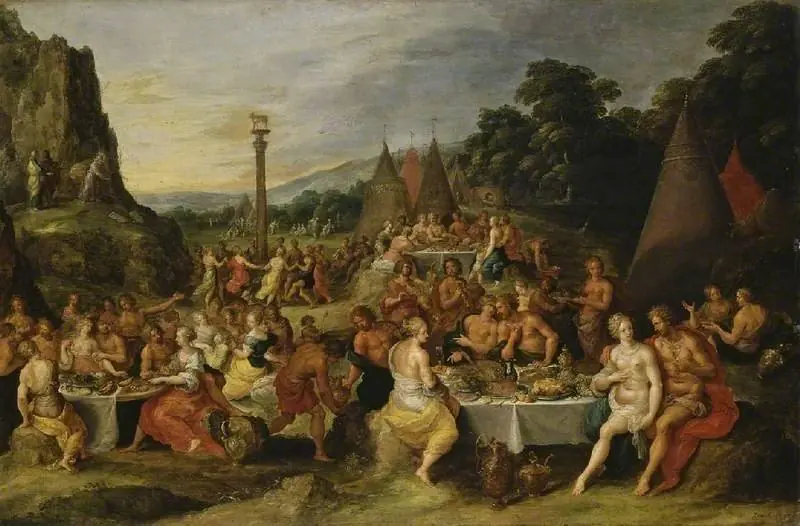
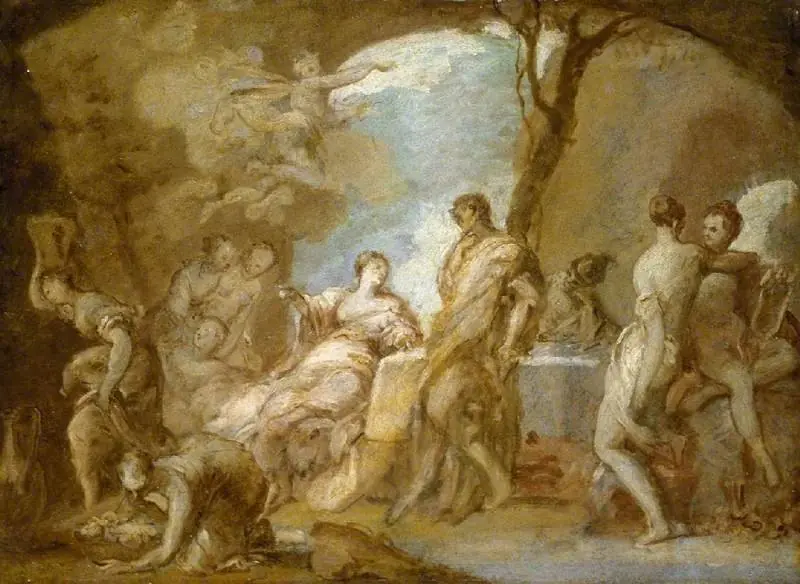
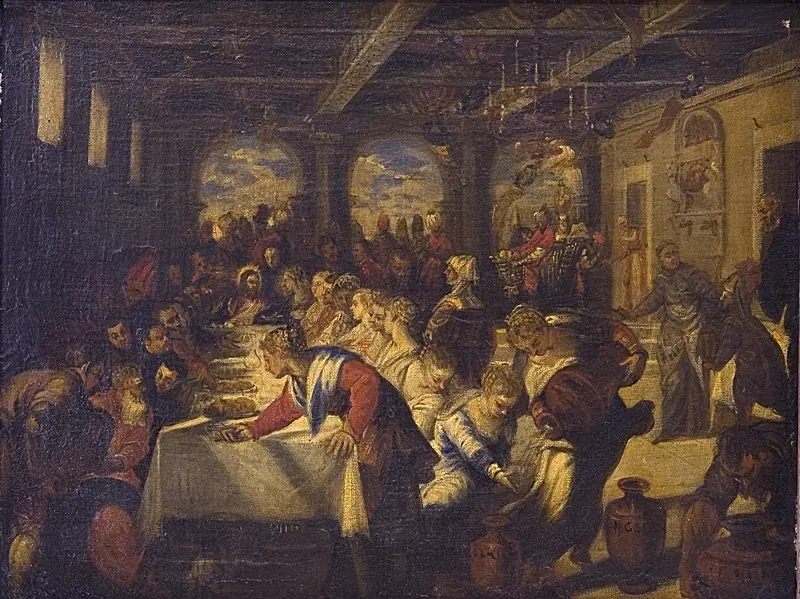
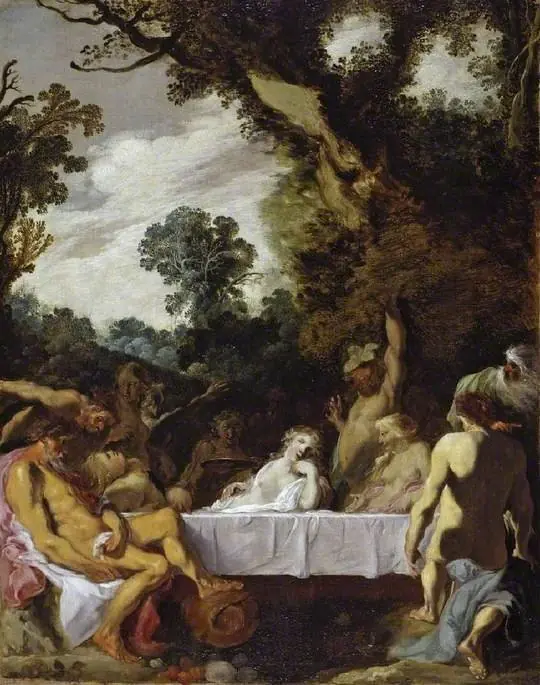
Judith feasted by Holofernes is an oil painting by the Mannerist artist Paolo Veronese. It dates from 1568 and is held in the collection of the Ashmolean Museum.
About this work
Overview
The composition reflects Veronese’s mastery of spatial arrangement and atmospheric lighting, characteristic of Venetian painting in the mid-16th century.
Painted circa 1568, this oil work by Paolo Veronese portrays a moment from the Book of Judith, though its title misrepresents the scene. Rather than being feasted upon by Holofernes, Judith is shown dining after his death, attended by her maid and a servant. The composition reflects Veronese’s mastery of spatial arrangement and atmospheric lighting, characteristic of Venetian painting in the mid-16th century.
Subject & Meaning
The scene captures Judith, the biblical heroine, in a quiet moment of repose following the assassination of the Assyrian general Holofernes. Her calm demeanor amid the opulent setting underscores her resolve and divine favor. The presence of the maid and servant suggests preparation for departure, hinting at the imminent escape from the enemy camp. The narrative emphasizes quiet triumph over violence.
Technique & Style
Veronese employs rich, layered pigments to render textures of fabric, metal, and food with tactile precision. Chiaroscuro defines the figures against a deep, shadowed interior, while warm golds and whites in Judith’s attire contrast with the cool tones of the room. The lighting, emanating from above, directs focus to her face and hands, reinforcing her centrality without theatricality.
History & Provenance
The painting entered the collection of the Gallerie dell’Accademia in Venice in the early 19th century, having likely been commissioned by a Venetian noble family. Its attribution to Veronese has been consistently supported by stylistic analysis and archival records. No significant alterations or restorations are documented, preserving its original tonal balance and detail.
Context
Created during the height of Venetian Mannerism, the work aligns with contemporaneous trends favoring elaborate interiors and psychological nuance over dramatic action. While religious subjects remained common, Veronese’s focus on domestic intimacy and material splendor diverged from the more austere styles emerging elsewhere in Italy, reflecting Venice’s unique cultural priorities.
Legacy
Though less widely known than Veronese’s grander biblical tableaux, this painting exemplifies his ability to infuse sacred narratives with human subtlety. It influenced later Venetian artists in their treatment of private moments within public stories, contributing to a broader shift toward psychological realism in religious art.
Artist & collection
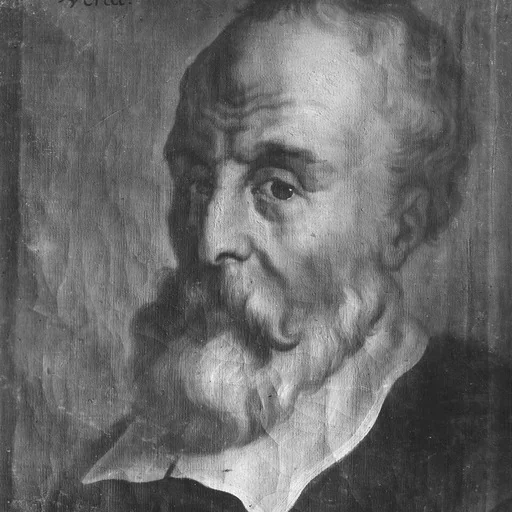
Artist
Paolo Caliari (1528 – 19 April 1588), known as Paolo Veronese ( VERR-ə-NAY-zay, -zee, US also -see; Italian: ), was an Italian Renaissance painter based in Venice, known for extremely large history paintings of…