Artwork
A Bacchanalian feast
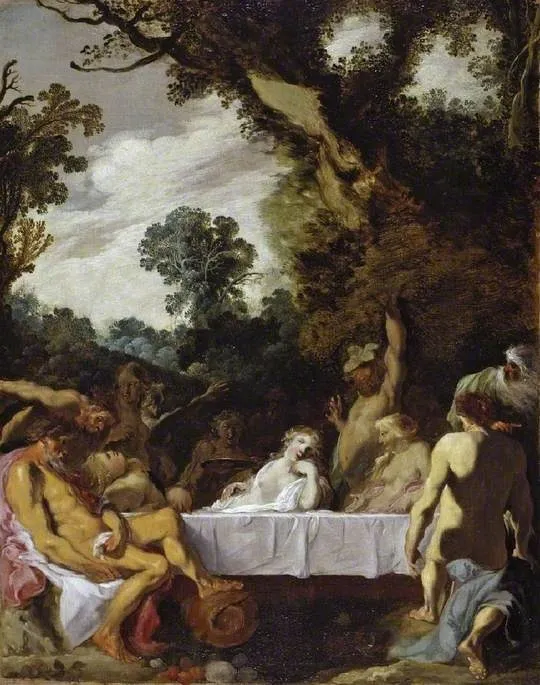
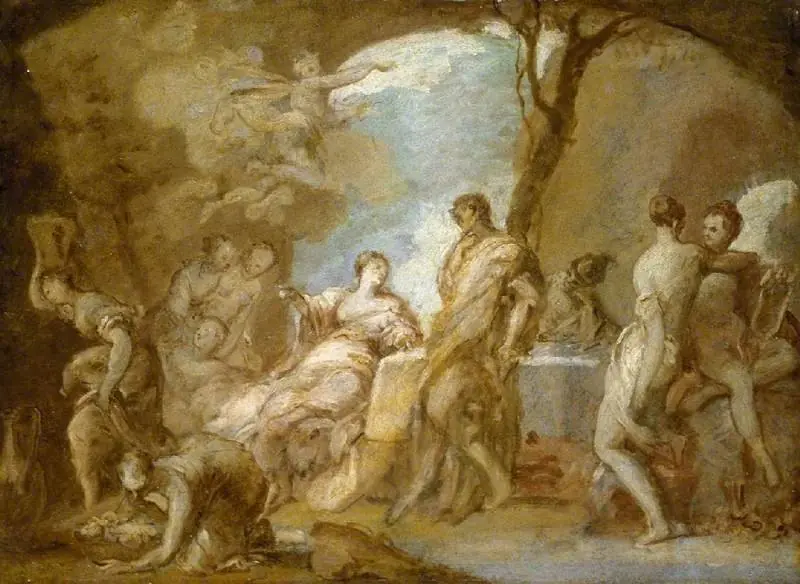
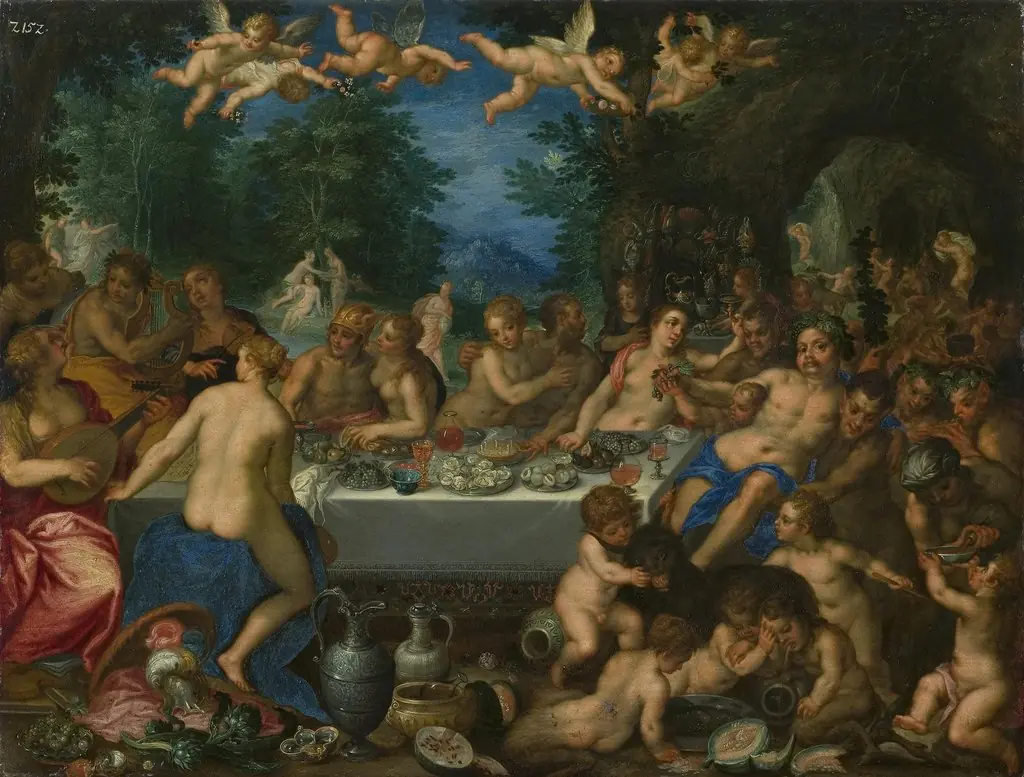
A Bacchanalian feast is an oil painting by the Early Baroque Italian artist Johann Liss. It dates from 1617 and is held in the collection of the Fitzwilliam Museum.
About this work
Overview
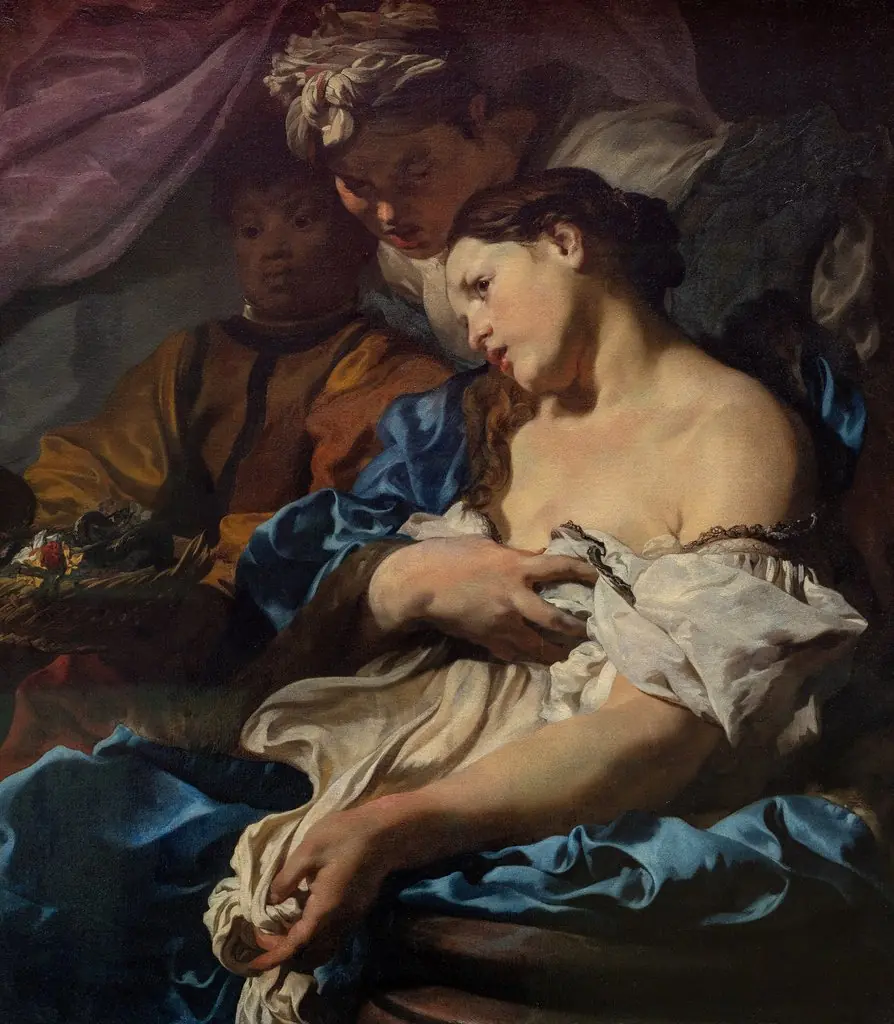
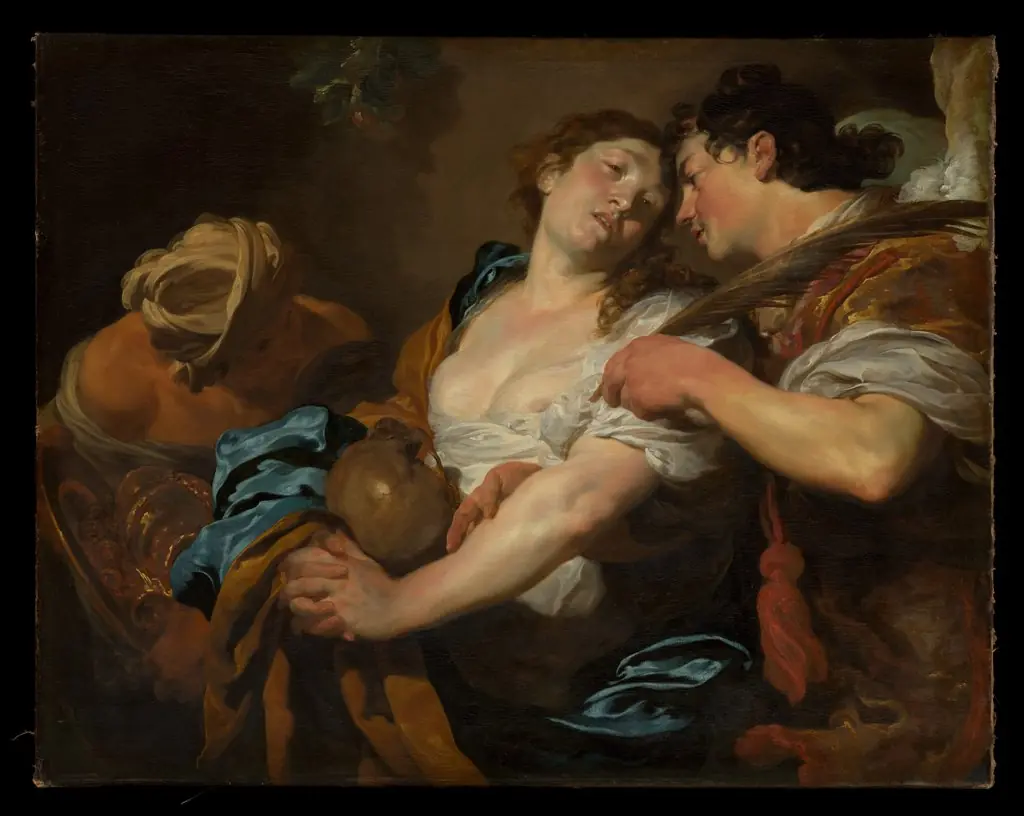
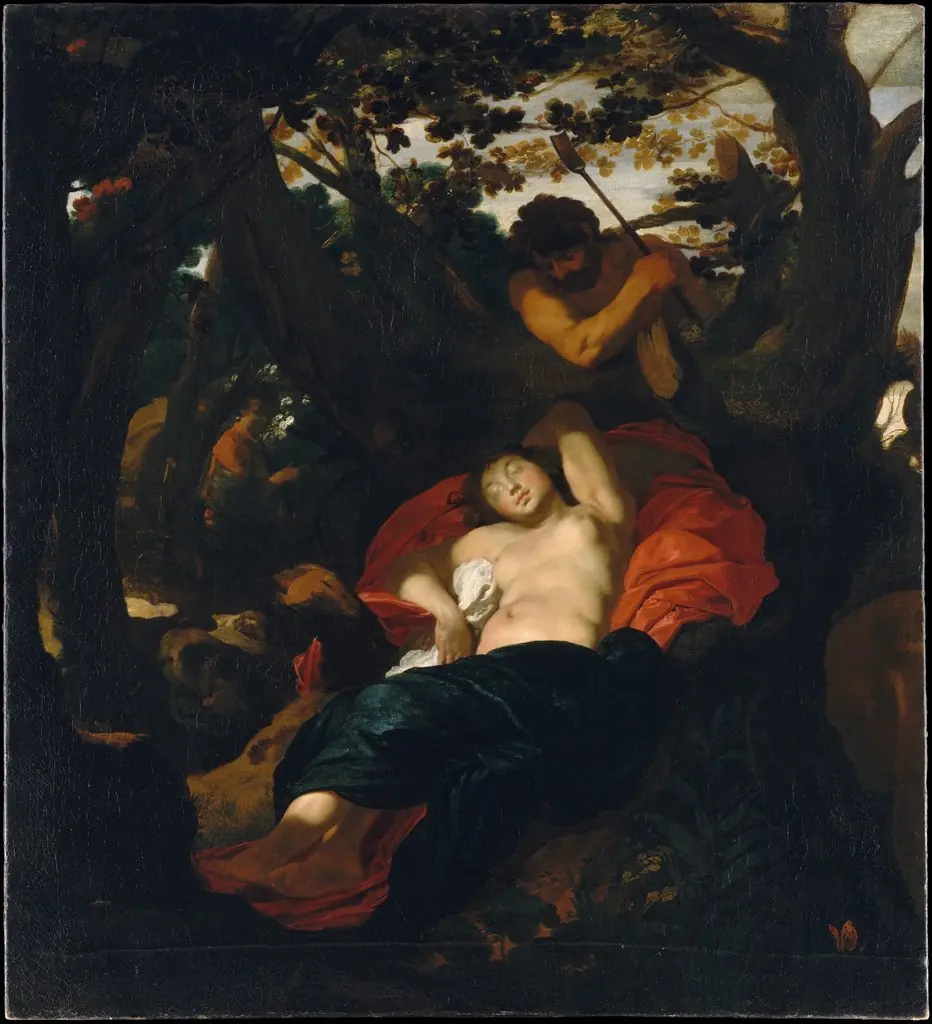
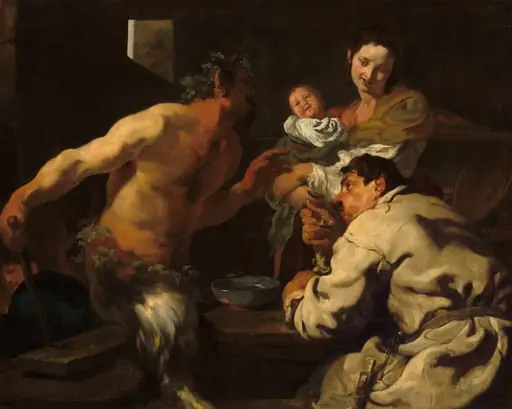
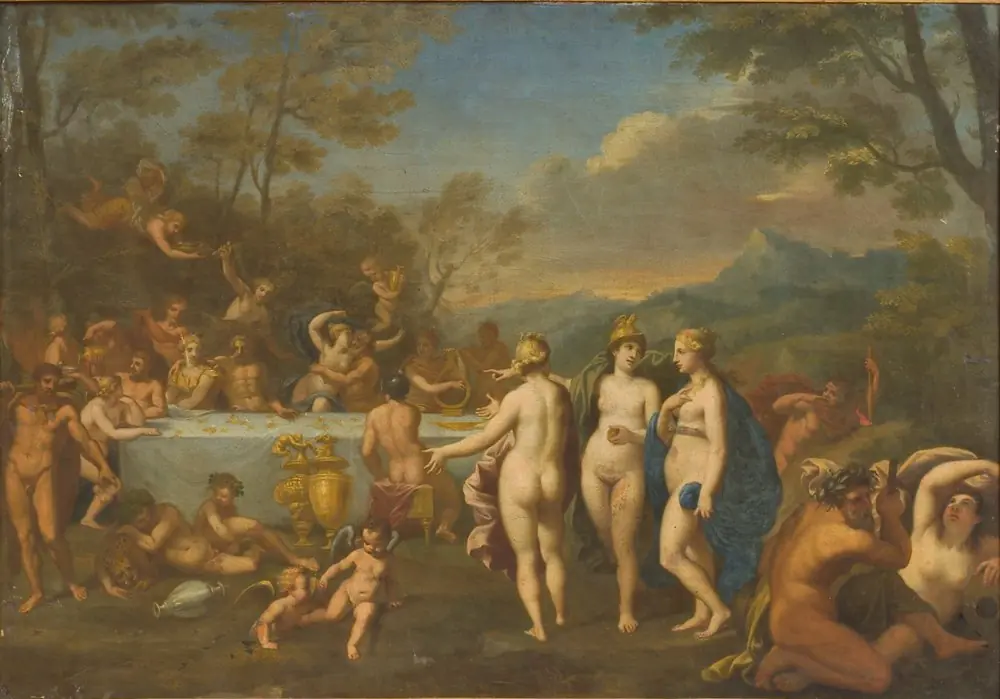
Johann Liss painted *A Bacchanalian Feast* in 1617, employing oil on canvas. The composition captures a mythological banquet set outdoors, with a sky mottled by clouds and foliage framing the lively gathering. The work is part of the Fitzwilliam Museum’s collection and exemplifies the early Italian Baroque period in which Liss was active while residing in Venice.
Subject & Meaning
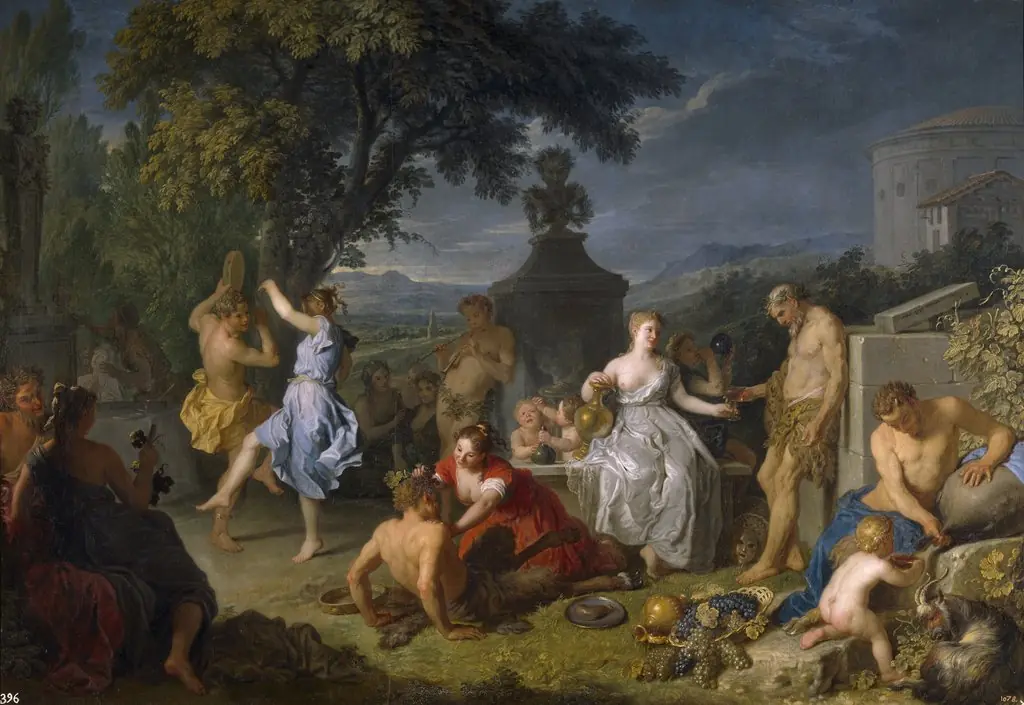
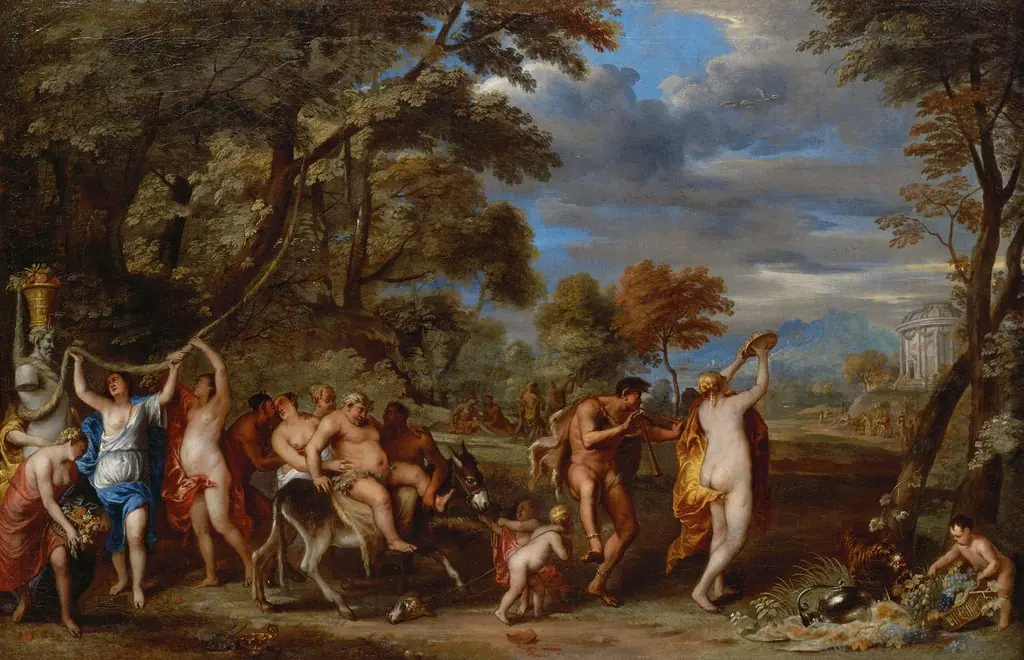
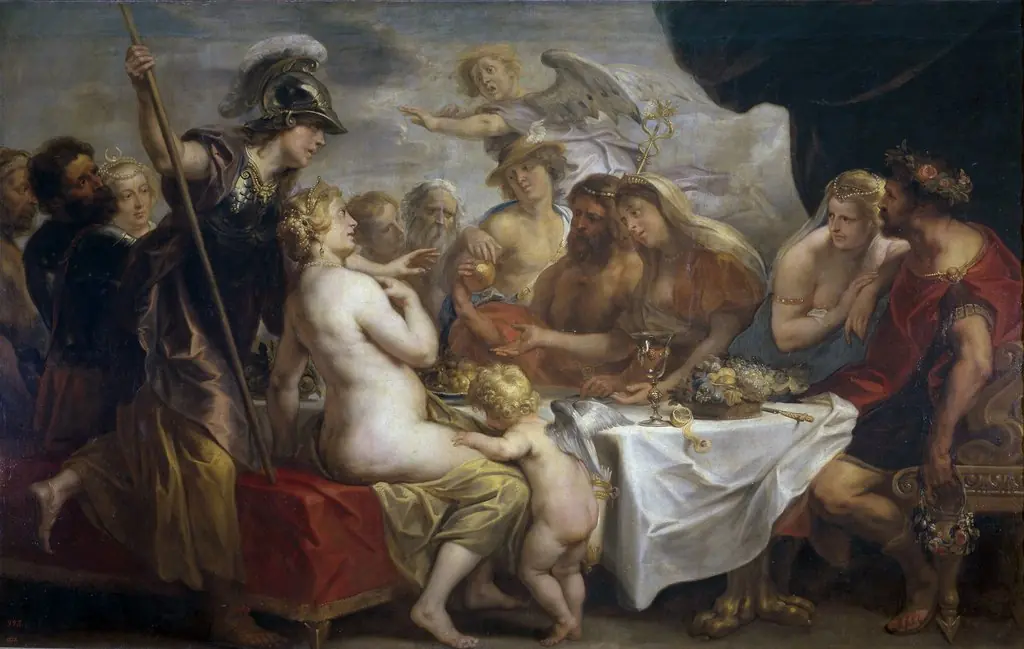
The scene portrays a festive assembly of men and women, many partially or fully nude, gathered around a table laden with cups and musical instruments. The figures appear engaged in merriment, drinking, and playing, evoking the ancient Roman tradition of Bacchic celebrations that symbolize indulgence, communal joy, and the liberating power of wine.
Technique & Style
Liss applies oil paint with vigorous brushwork, creating a dynamic interplay of light and shadow that heightens the drama of the revelers. A rich palette of warm tones contrasts with cooler background hues, while the blurred trees and sky generate depth. The composition’s movement and theatricality reflect hallmark Baroque qualities of energy and emotional intensity.
History & Provenance
After its completion in Venice, the painting entered various private collections before being acquired by the Fitzwilliam Museum in Cambridge. Its presence in the museum’s holdings highlights Liss’s reputation as a prominent German painter who contributed to the diffusion of Baroque aesthetics across northern Europe during the early seventeenth century.
Artist & collection
Artist
Johann Liss or Jan Lys (c. 1590 or 1597 – 1629 or 1630) was a leading German Baroque painter of the 17th century, active mainly in Venice.