Artwork
Portrait of Johann Jakob König
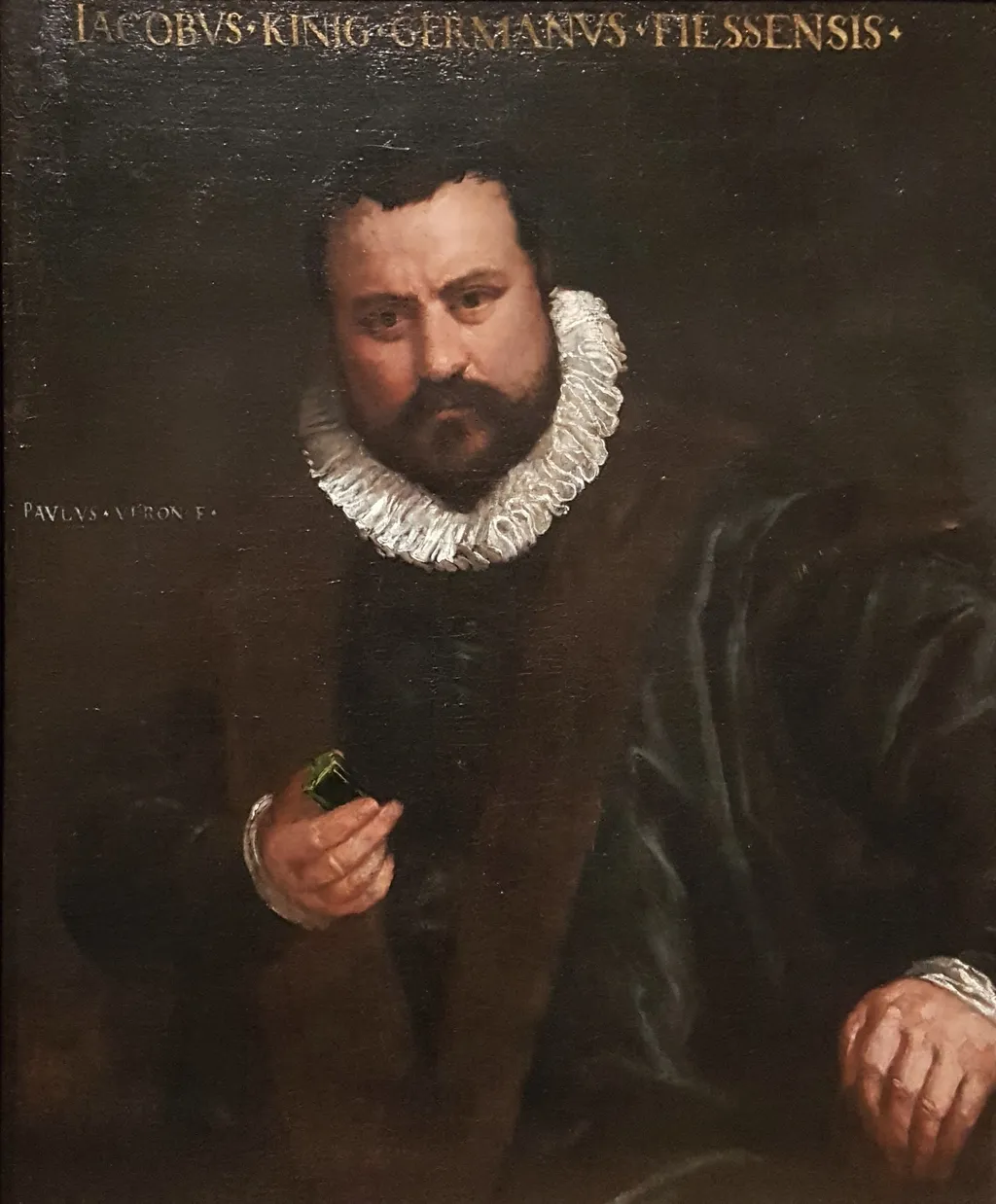
Portrait of Johann Jakob König is an oil painting by the Mannerist artist Paolo Veronese. It is held in the collection of the National Museum in Prague.
About this work
The painting's use of chiaroscuro, a technique that uses strong contrasts of light and dark to create a sense of volume, adds depth and dimension to the image.
This painting depicts a man with dark hair and a beard, wearing a black shirt with a white ruffled collar. He holds a small, green object in his right hand. The background is dark, with the words "JACOBVS KINIG GERMANVS FIESSENSIS" written in gold at the top.
The man's attire and the style of the painting suggest that it is from the 16th century. The use of oil paint and the level of detail in the subject's clothing and facial features are also indicative of this time period.
The painting's use of chiaroscuro, a technique that uses strong contrasts of light and dark to create a sense of volume, adds depth and dimension to the image.
Overview
The work is an oil portrait dated 1589, attributed to the Venetian painter Paolo Veronese. Executed in a Mannerist manner characteristic of the late Renaissance, it presents a half-length figure against a dark backdrop, with a gold‑inscribed legend identifying the sitter.
Subject & Meaning
The sitter is a dark‑haired, bearded man dressed in a black shirt trimmed with a white ruffled collar. He grasps a small green object in his right hand, a detail that may indicate a personal emblem or scholarly tool. The inscription above reads “JACOBVS KINIG GERMANVS FIESSENSIS,” naming him as Jacob König of the German town of Füssen.
Technique & Style
Veronese employs oil pigments to achieve fine modeling of flesh and fabric, while the chiaroscuro—sharp contrasts between illuminated areas and deep shadows—creates a three‑dimensional presence. The brushwork reflects the artist’s renowned command of colour, rendering the textures of the clothing and the subtle sheen of the gold lettering.
History & Provenance
The portrait forms part of the National Museum in Prague’s collection. Though Veronese is best known for grand religious and mythological scenes, this intimate commission demonstrates his versatility in portraiture during the 1580s, a period when he was active in Venice and receiving patronage from Northern European clients.
Own this work as a print
Artist & collection
Artist
Paolo Caliari (1528 – 19 April 1588), known as Paolo Veronese ( VERR-ə-NAY-zay, -zee, US also -see; Italian: ), was an Italian Renaissance painter based in Venice, known for extremely large history paintings of…

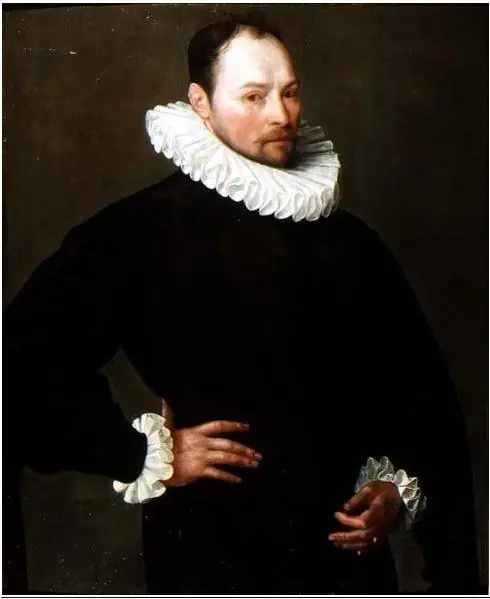 Portrait of a man aged 33
 The Drinker
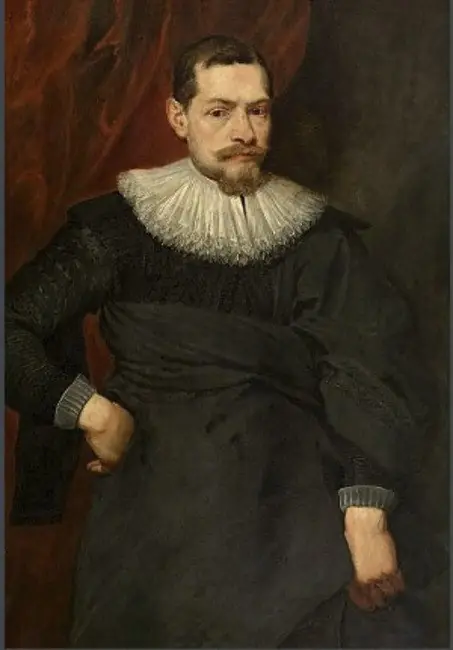 Portrait of man with an unstarched ruff
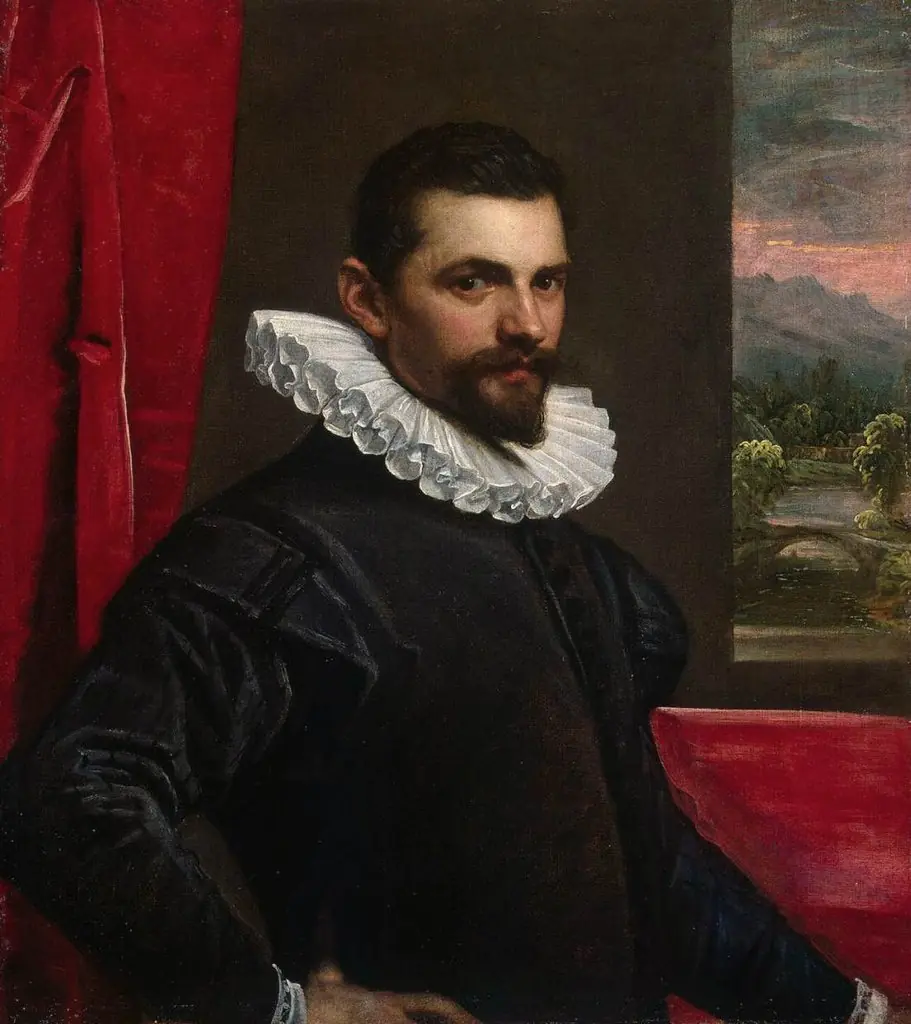 Portrait of a Man (Francesco Bassano?)
 Portrait of a Man
 Portrait of a Man
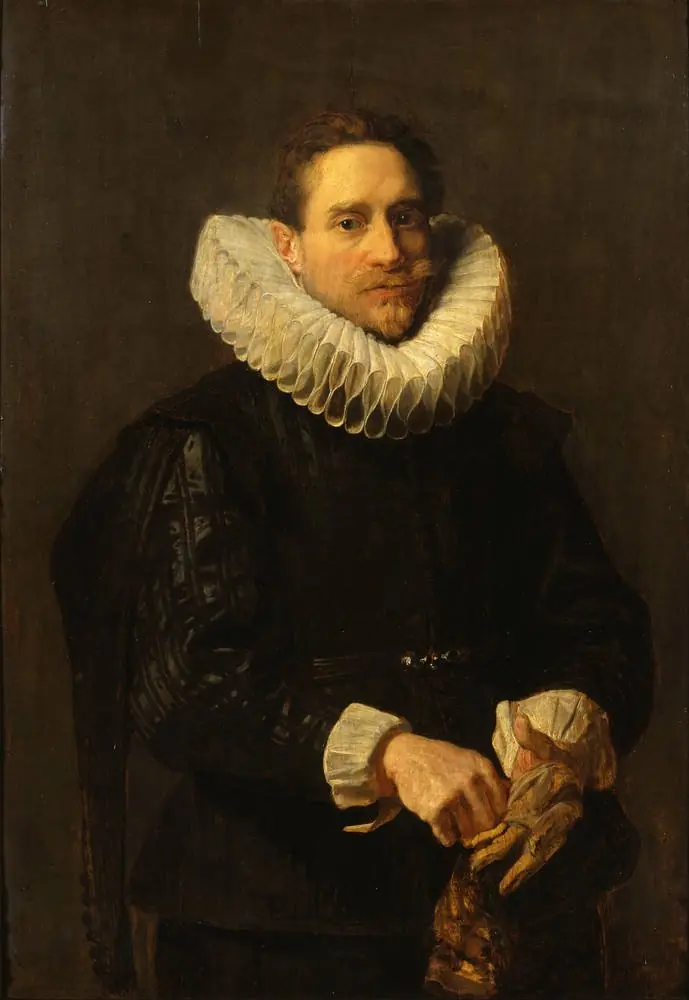 Portrait of a Man
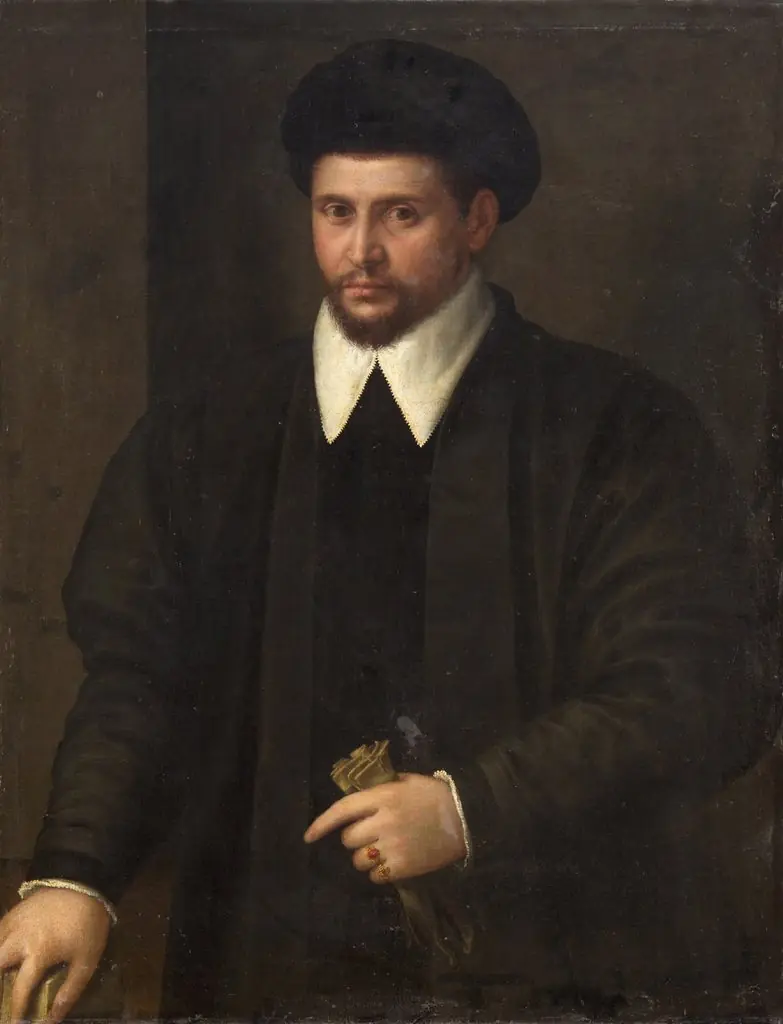 Bildnis eines Mannes mit Barett und Handschuhen
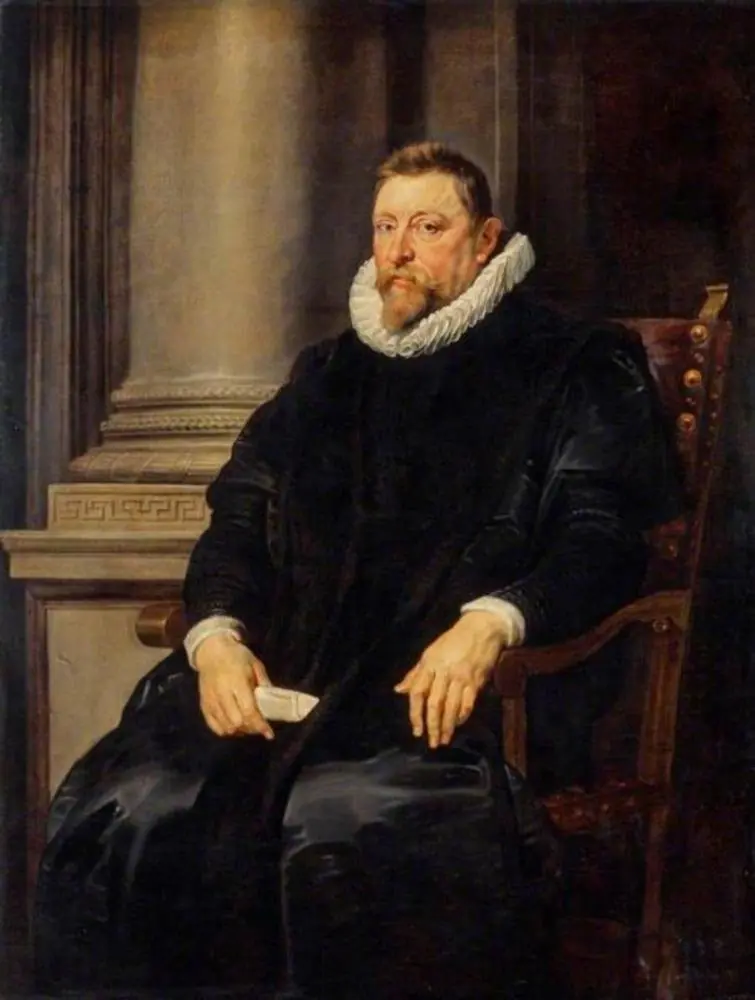 Portrait of Petrus Pecquius (1562 - 1625)
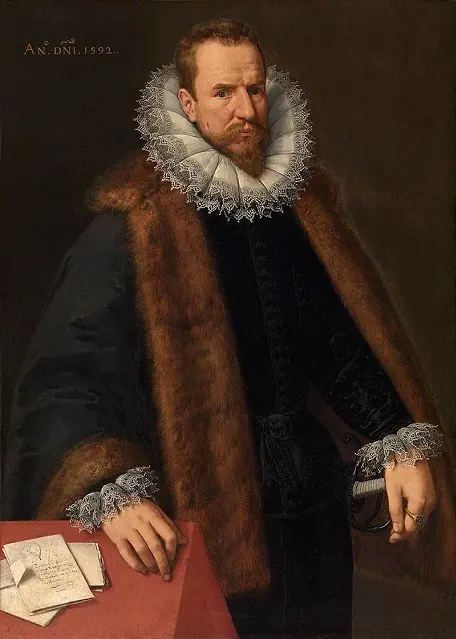 Portrait of Nicolas de Hellincx, counselor of the king
 Portrait of a Man Seated
 Portrait of Frans Francken (II)