Artwork
The sacrificial death of Marcus Curtius
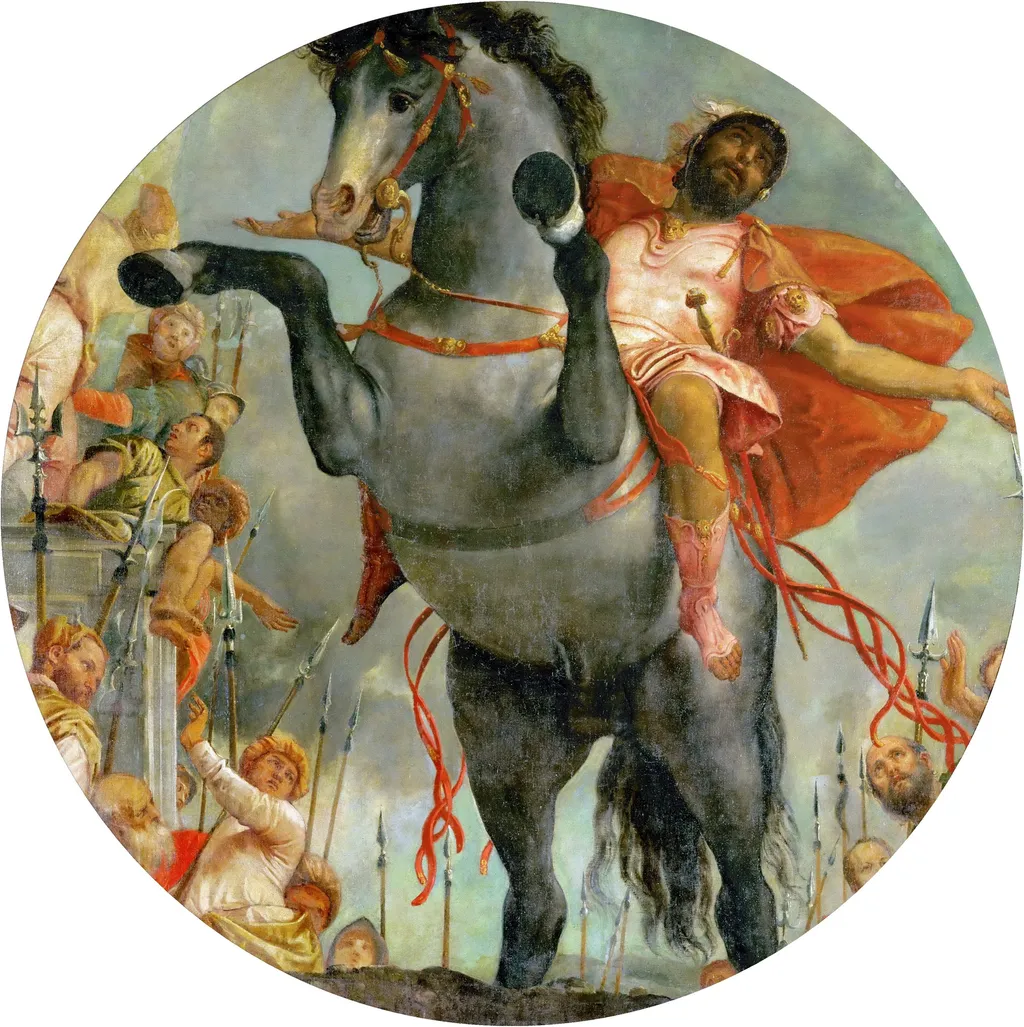
The sacrificial death of Marcus Curtius is a color painting by the Mannerist artist Paolo Veronese. It dates from 1550 and is held in the collection of the Kunsthistorisches Museum.
About this work
Overview
Executed in oil on canvas, it belongs to a series of historical narratives Veronese produced during his early career in Venice.
Painted around 1550 by Paolo Veronese, this work illustrates the legendary Roman act of self-sacrifice by Marcus Curtius. Executed in oil on canvas, it belongs to a series of historical narratives Veronese produced during his early career in Venice. The painting is now part of the Kunsthistorisches Museum’s collection in Vienna, where it remains a key example of mid-16th-century Venetian storytelling through grand composition and expressive color.
Subject & Meaning
The scene portrays Marcus Curtius, a Roman nobleman, riding his horse into a gaping chasm that threatened Rome’s stability, as prophesied by the Sibyl. His leap was understood as an act of civic devotion, offering his life to appease the gods and seal the earth’s rupture. Veronese captures the moment of descent, emphasizing the hero’s resolve amid the panic of onlookers, reinforcing ideals of duty and sacrifice central to Roman republican virtue.
Technique & Style
Veronese employs a dynamic arrangement of figures to generate motion, with the central rider breaking the diagonal plane of the chasm. His palette features rich reds, pinks, and golds, contrasting with muted backgrounds to heighten drama. The figures are rendered with elongated proportions and elegant gestures, characteristic of Mannerist aesthetics. Brushwork remains fluid yet controlled, balancing theatricality with structural clarity.
History & Provenance
The painting was likely commissioned for a Venetian patrician’s residence, common for Veronese’s early historical works. It entered the Habsburg collection in the late 16th or early 17th century, possibly through diplomatic exchange or acquisition by a Habsburg agent in Italy. Its presence in Vienna since at least the 17th century confirms its early recognition as a significant work of Venetian art.
Context
In mid-16th-century Venice, mythological and historical subjects were favored by elite patrons seeking to align themselves with classical ideals. Veronese, alongside Titian and Tintoretto, helped define the city’s distinctive approach to narrative painting—emphasizing color, movement, and spectacle over strict anatomical realism. This work reflects the era’s fascination with Roman heroism as a model for civic identity.
Legacy
Though less celebrated than Veronese’s later banquet scenes, this painting demonstrates his early command of large-scale composition and emotional intensity. It influenced subsequent generations of history painters in Central Europe, particularly in the Habsburg courts, where classical themes remained popular. Its preservation in Vienna underscores its role in transmitting Venetian artistic values beyond Italy.
Artist & collection
Artist
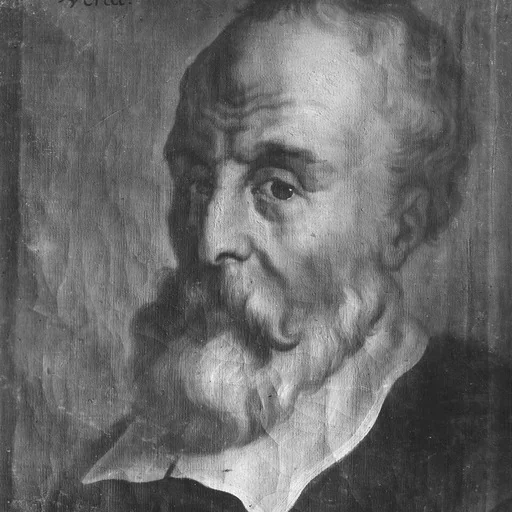
Paolo Caliari (1528 – 19 April 1588), known as Paolo Veronese ( VERR-ə-NAY-zay, -zee, US also -see; Italian: ), was an Italian Renaissance painter based in Venice, known for extremely large history paintings of…

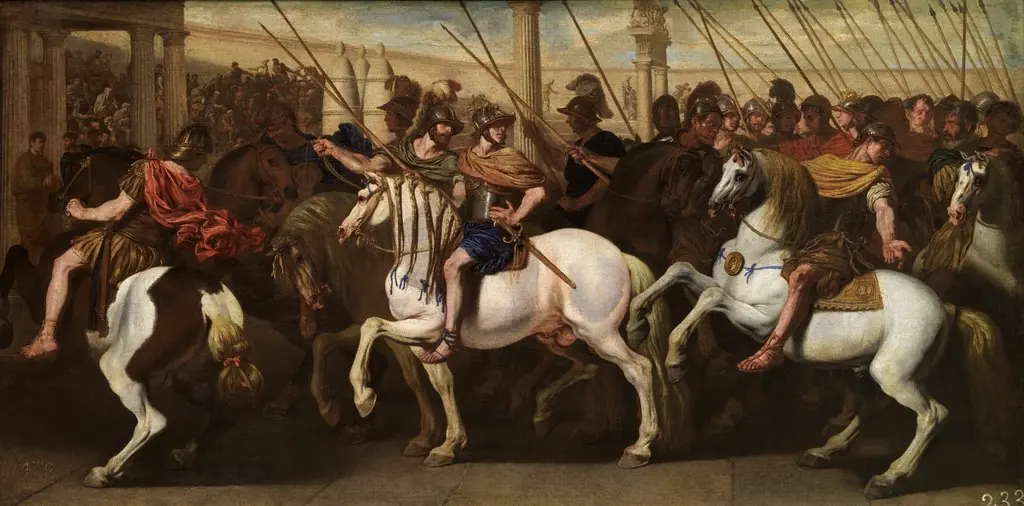 Roman Soldiers in the Circus
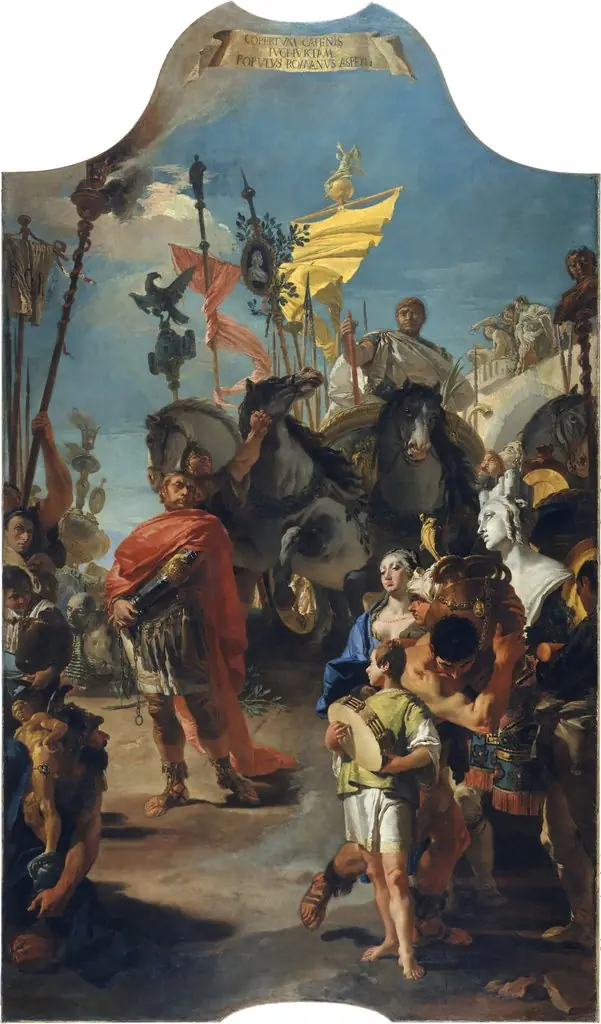 The Triumph of Marius
 The Apostle Saint James or Saint James the Moor Slayer
 Conversion of Saul
 Death of Consul L. J. Brutus in a duel with Aruns
 Indische Könige huldigen Alexander dem Großen
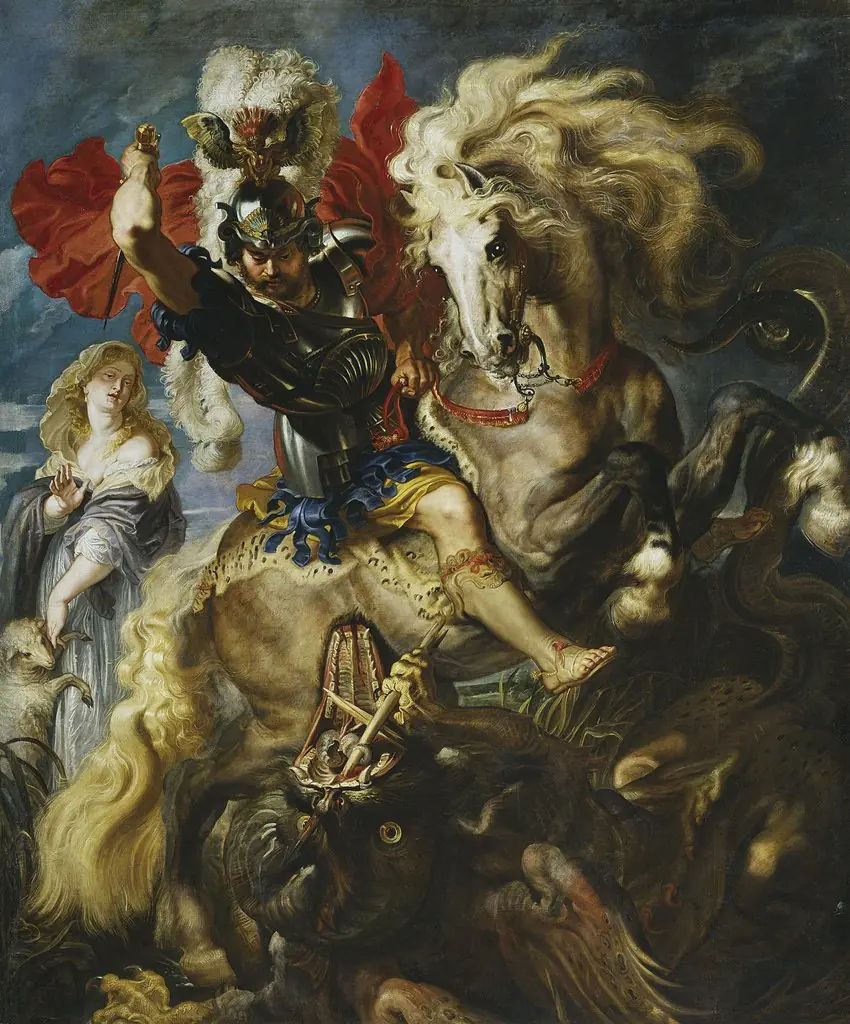 Saint George and the Dragon
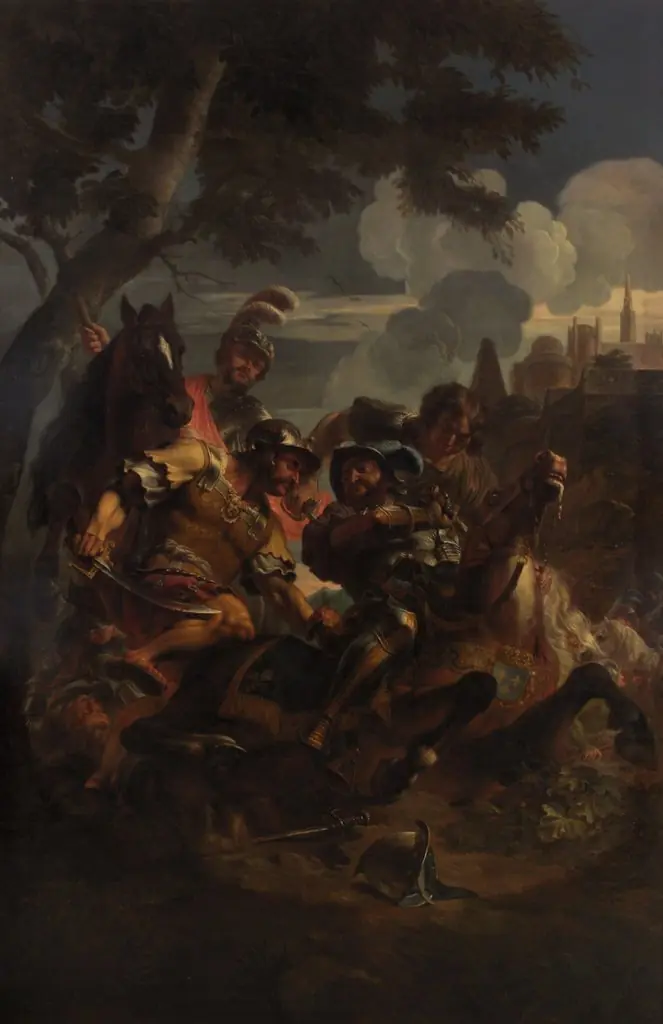 Capture of King Francis I at the Battle of Pavia
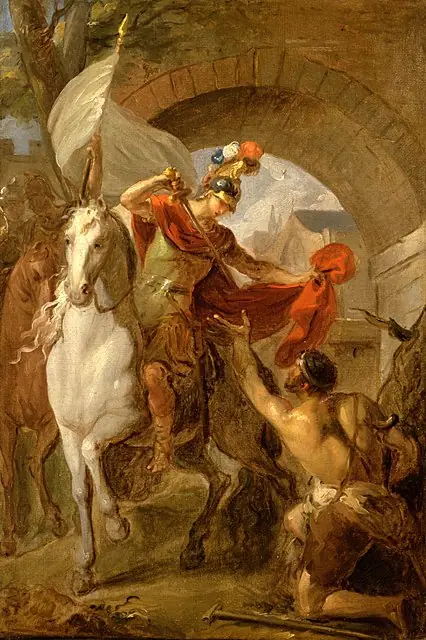 Saint Martin Sharing his Coat with a Beggar
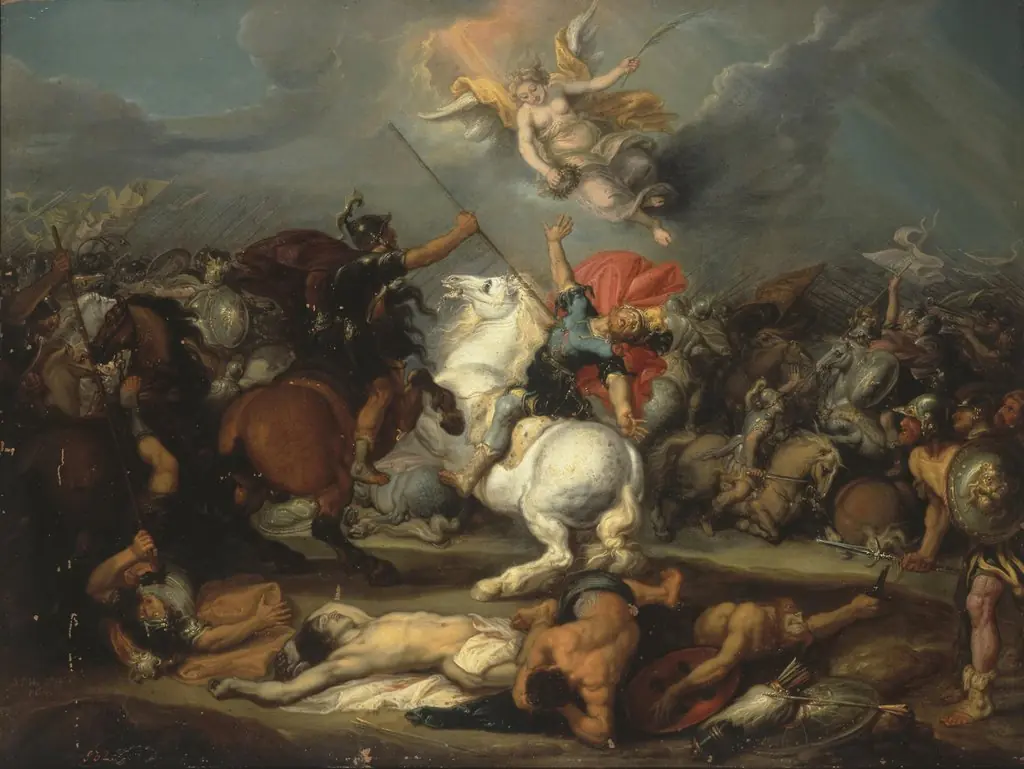 Death of Decius Mus
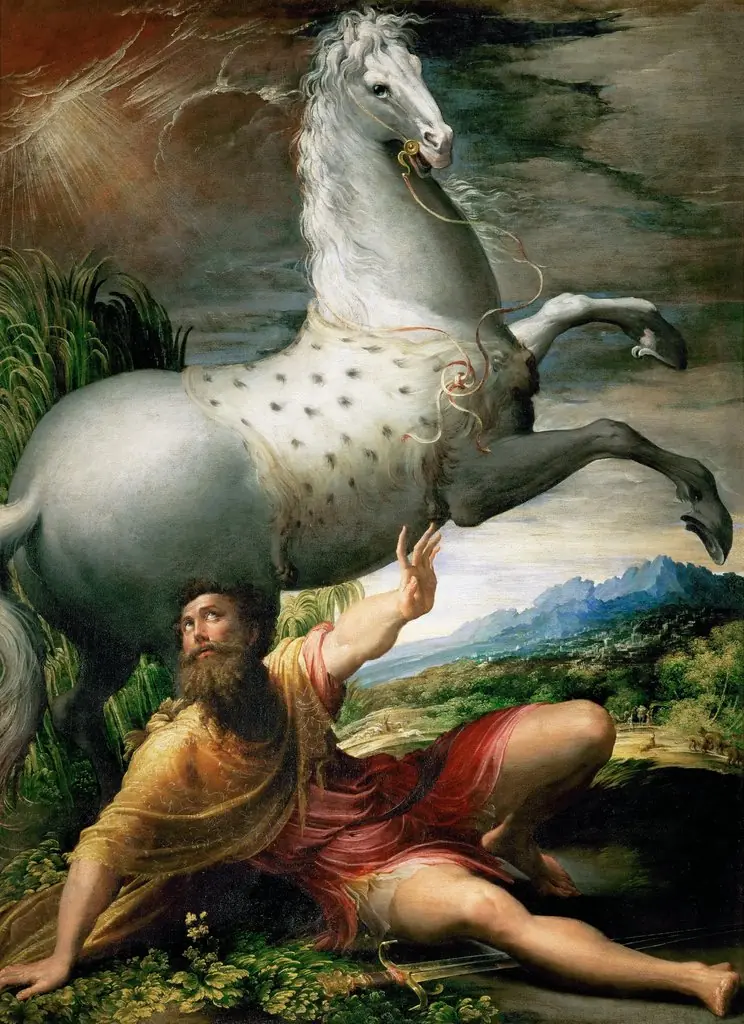 The Conversion of Saint Paul
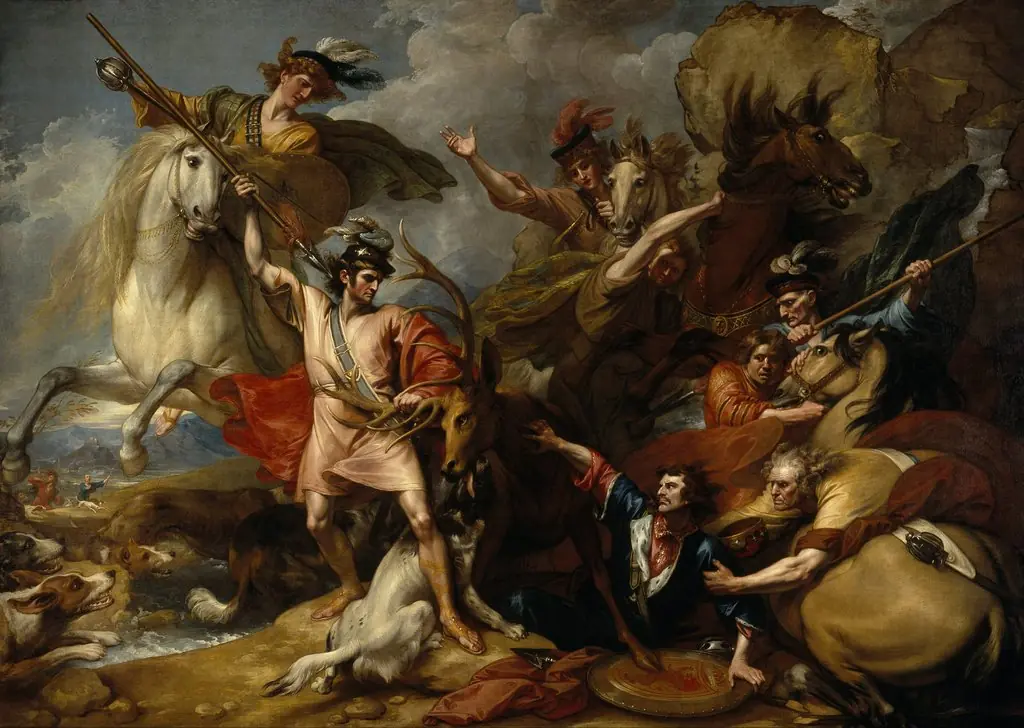 Alexander III of Scotland Rescued from the Fury of a Stag by the Intrepidity of Colin Fitzgerald