Artwork
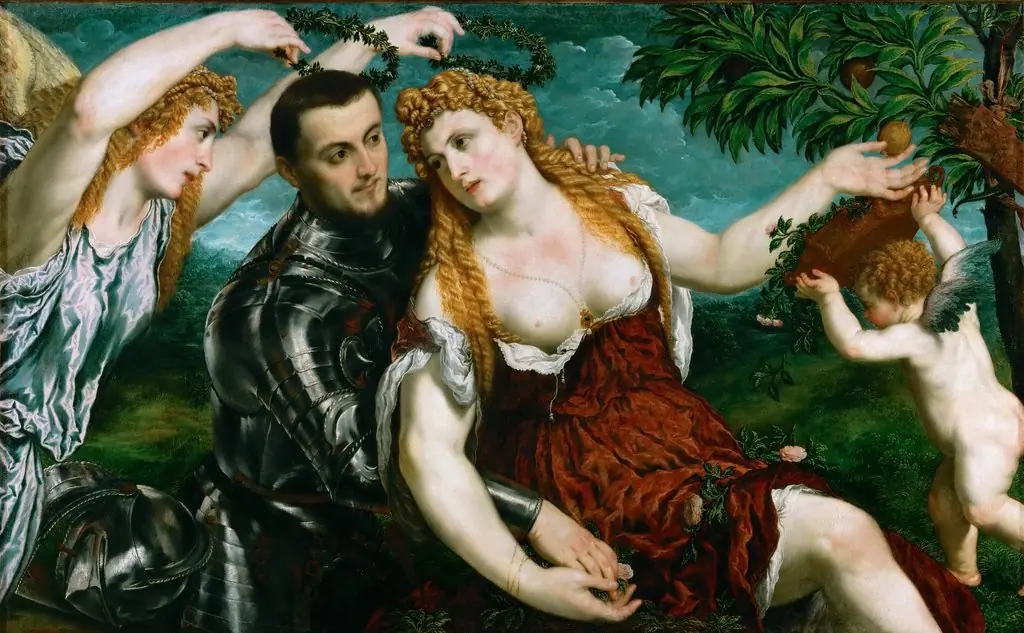
Venus, Flora, Mars and Cupid (Allegory)
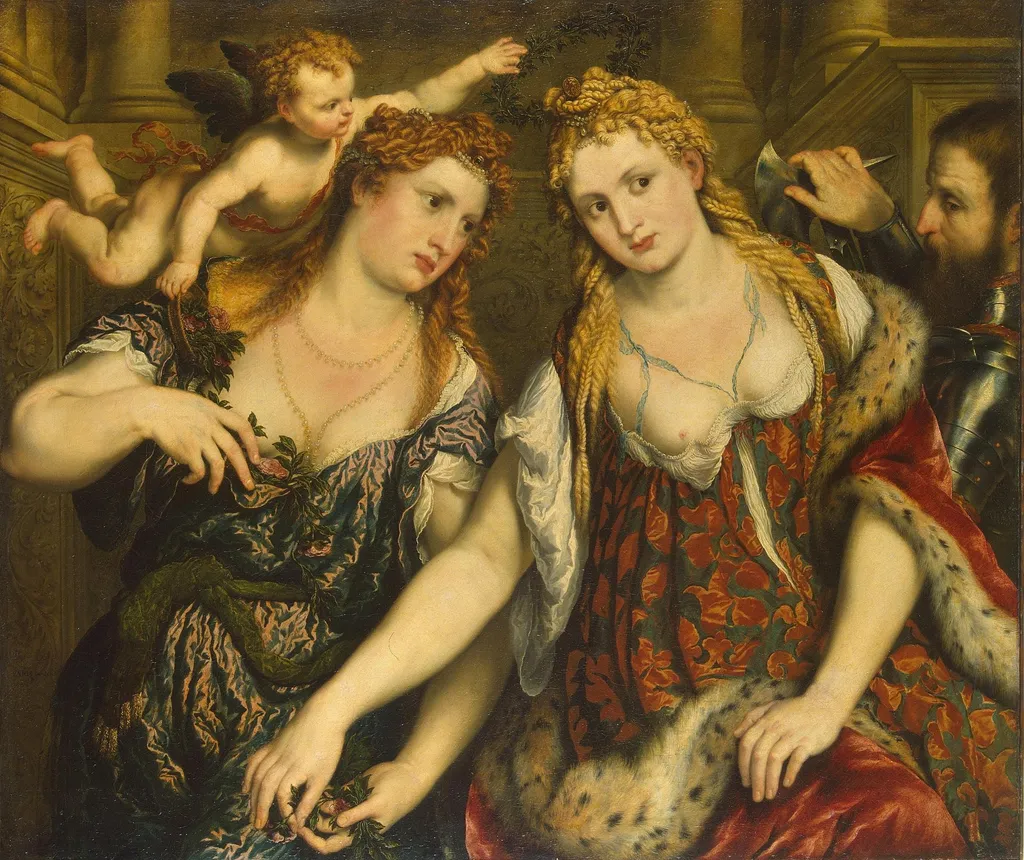
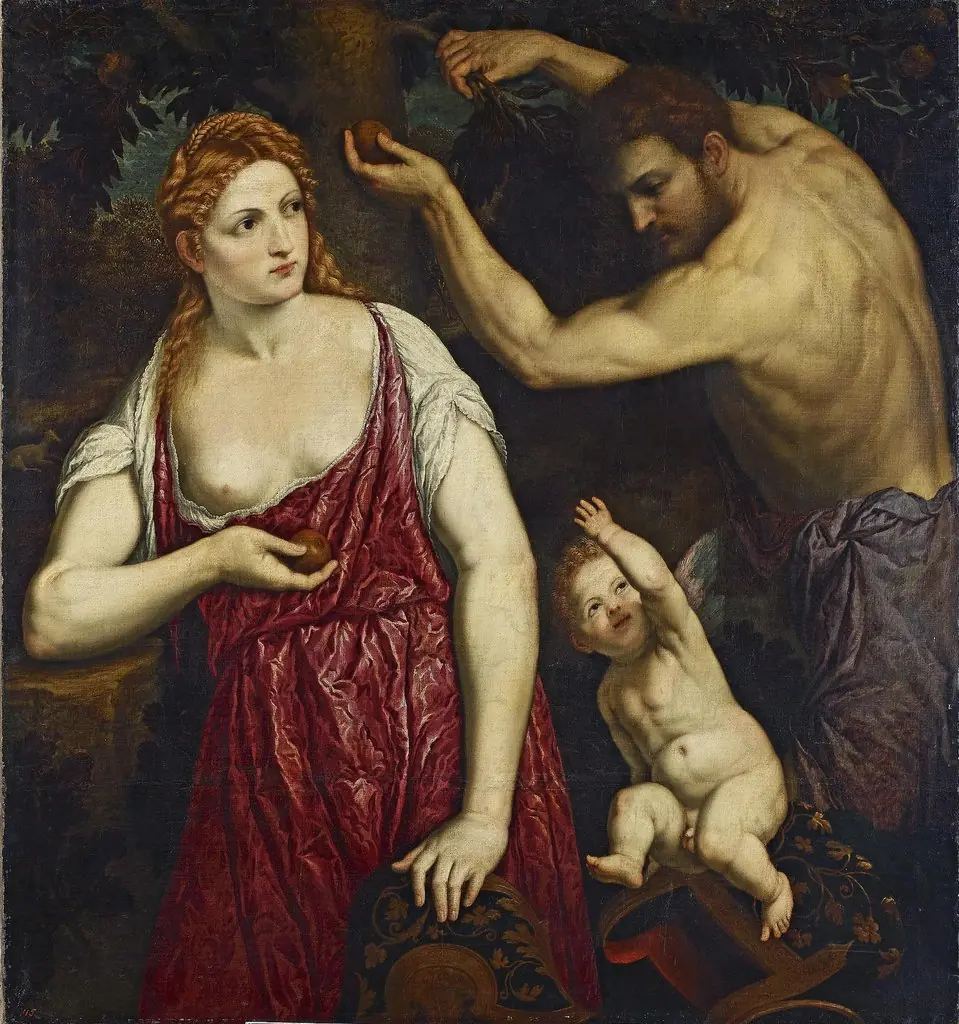
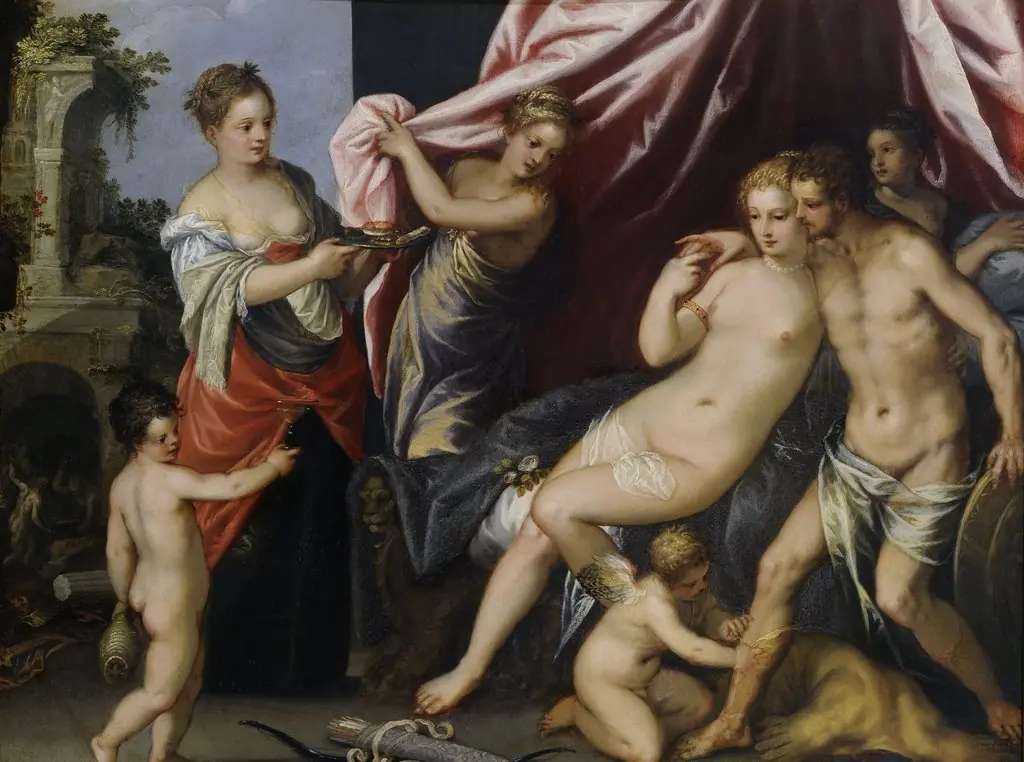
Venus, Flora, Mars and Cupid (Allegory) is an oil painting by the Mannerist artist Paris Bordone. It dates from 1550 and is held in the collection of the Hermitage Museum.
About this work
Overview
Created in Venice during the Mannerist period, the work departs from High Renaissance harmony by favoring asymmetrical poses and heightened emotional tension.
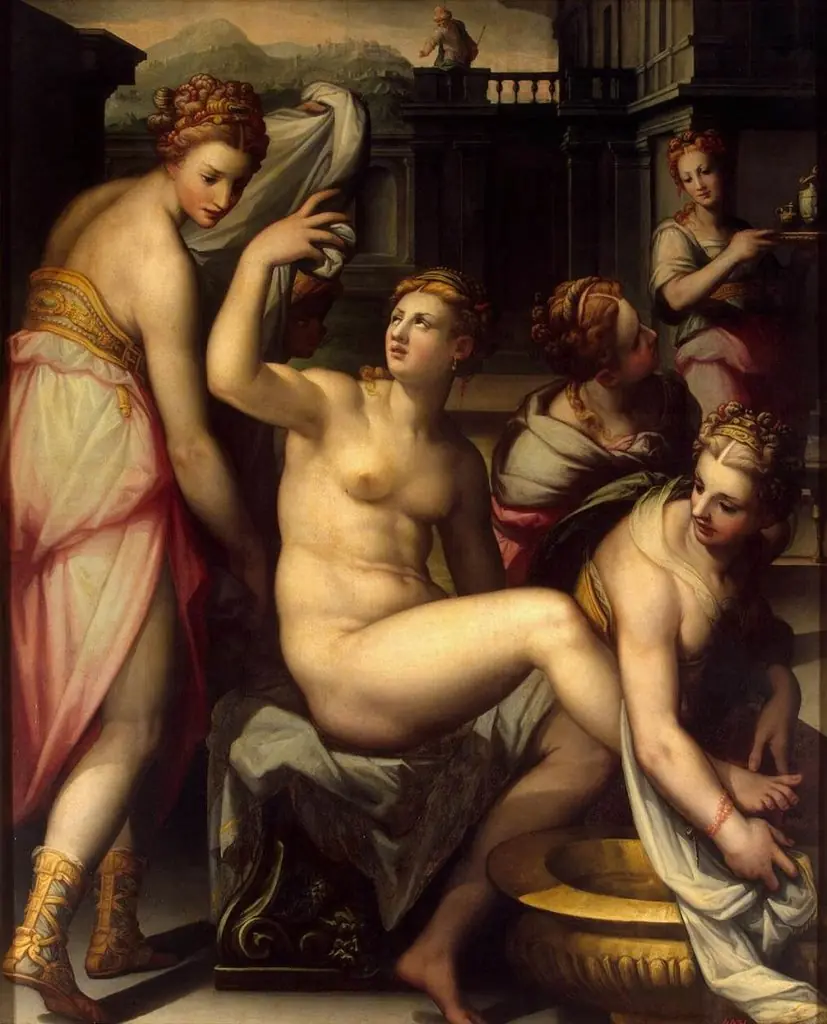
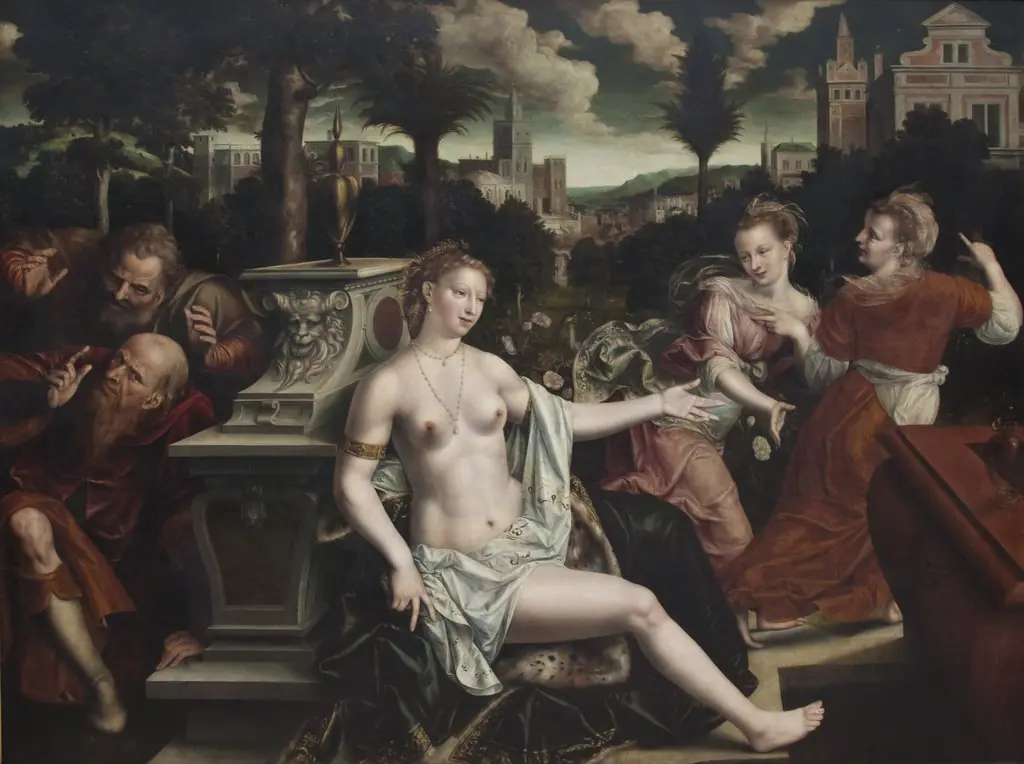
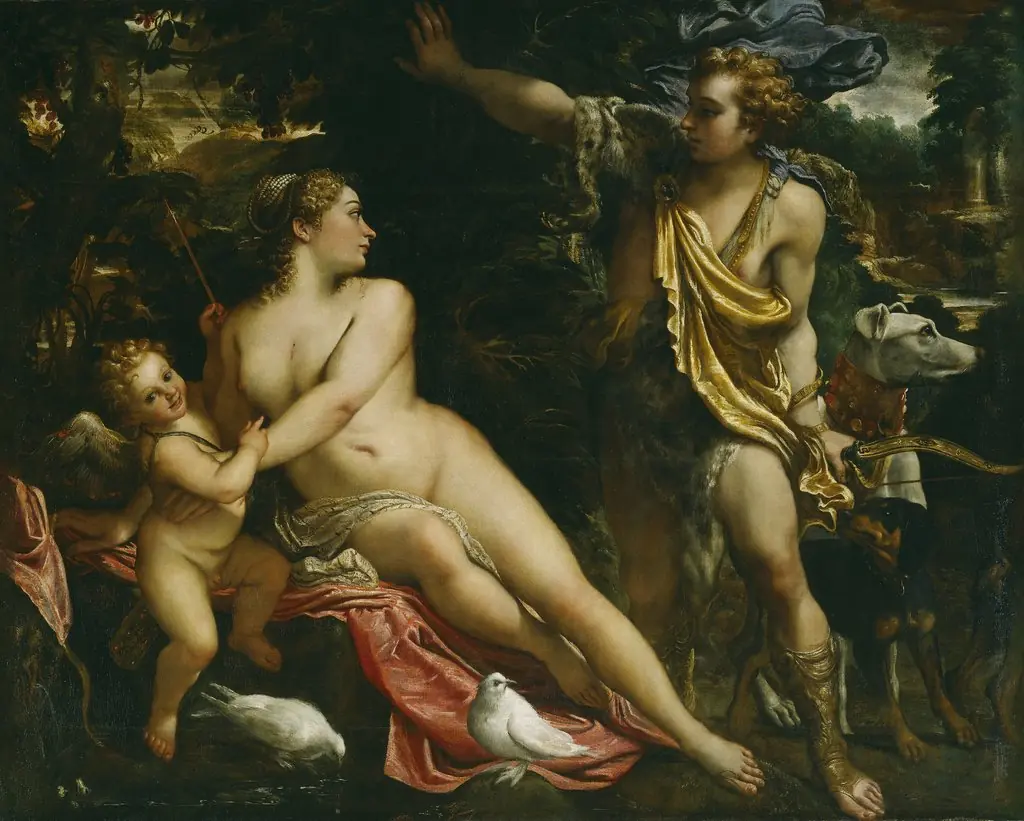
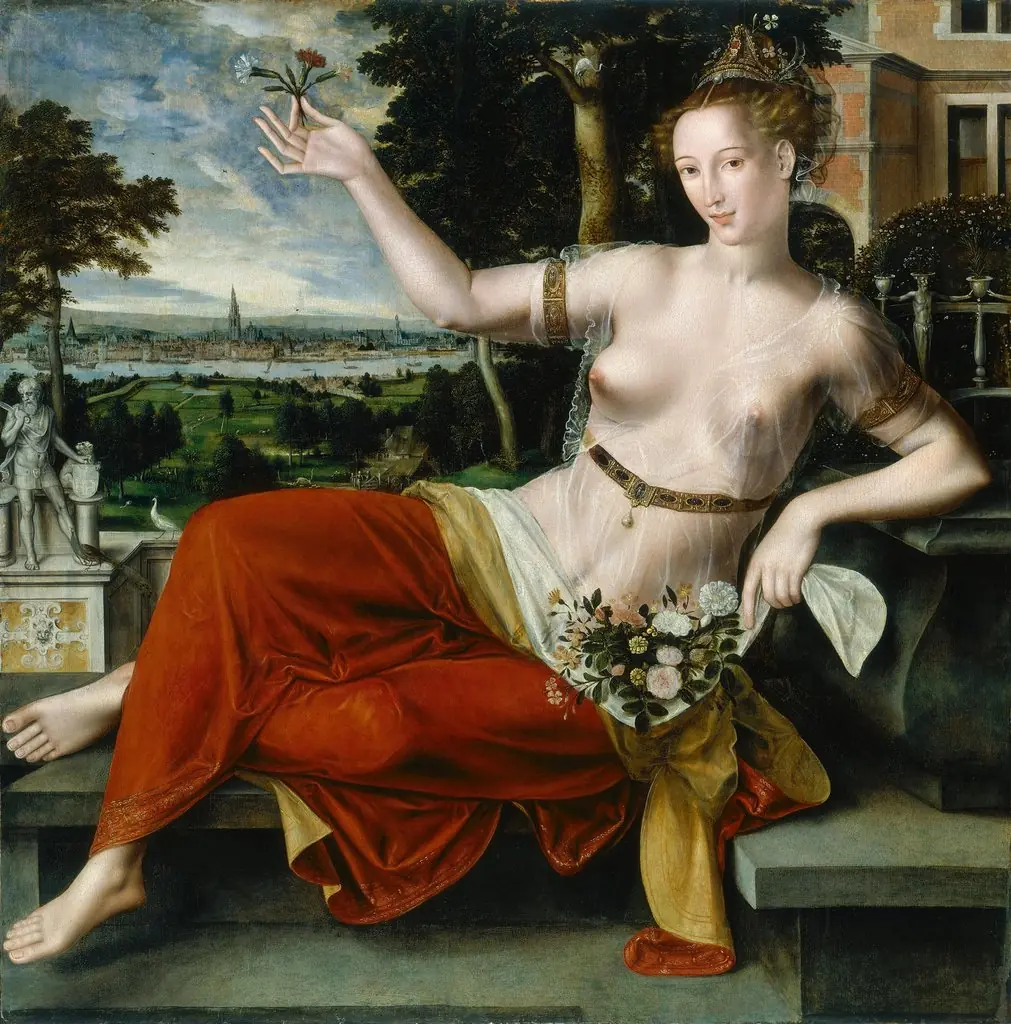
Attributed to Paris Bordone, this mid-sixteenth-century oil painting presents an allegorical grouping of classical deities. Created in Venice during the Mannerist period, the work departs from High Renaissance harmony by favoring asymmetrical poses and heightened emotional tension. Four mythological figures occupy a confined interior, their gestures and glances suggesting an underlying narrative that remains open to interpretation.
Subject & Meaning
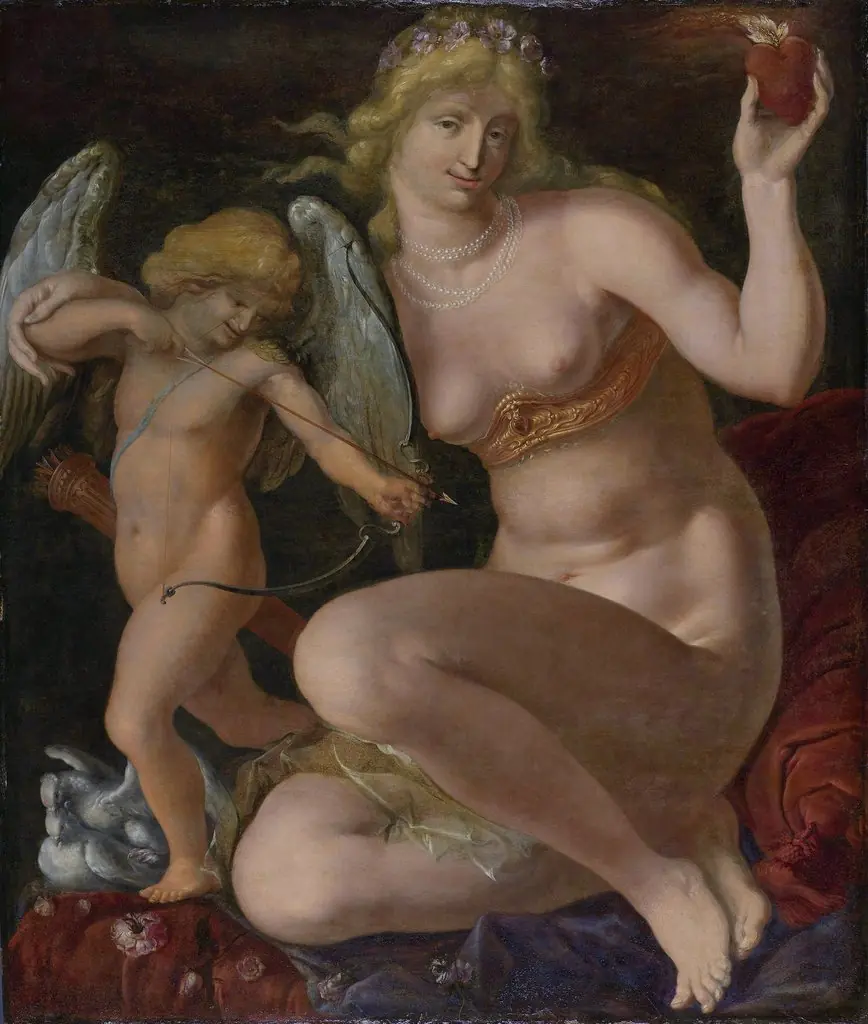
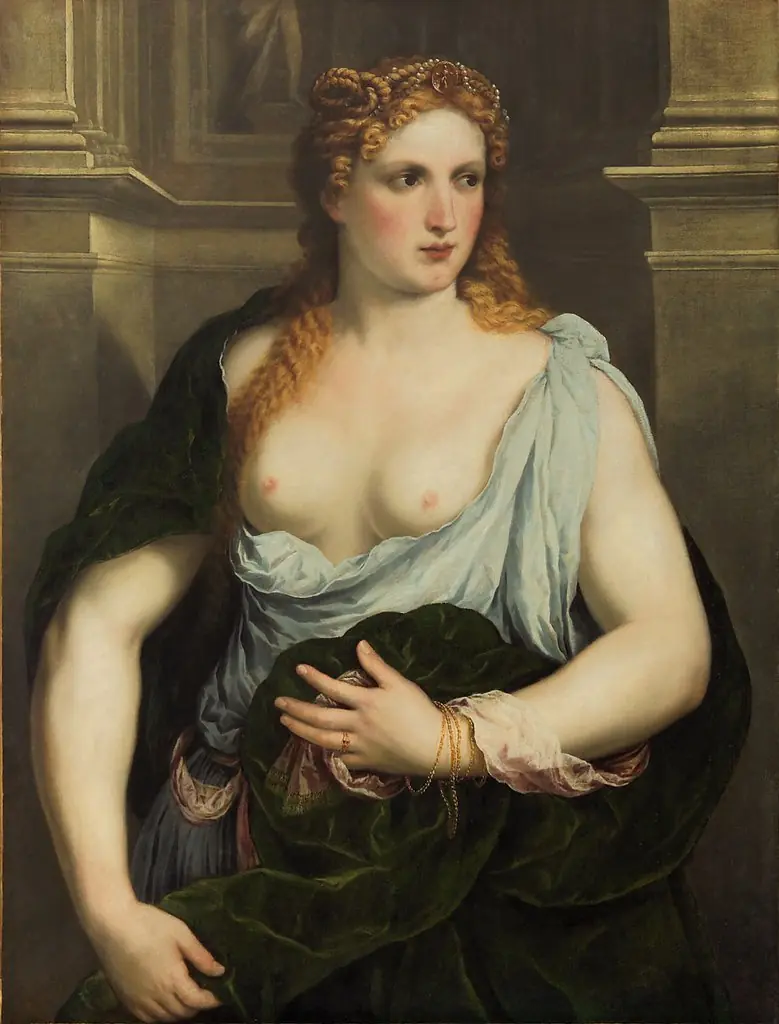
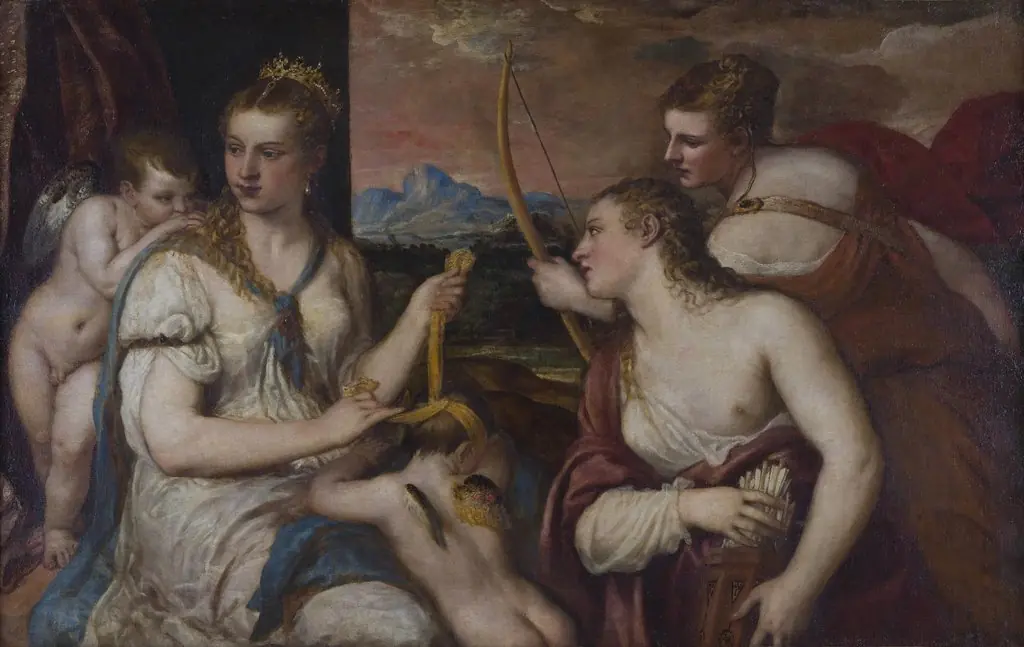
The canvas assembles Venus, Flora, Mars, and Cupid within a single scene, inviting viewers to decipher their symbolic relationships. The central female figures—one partially unclothed, the other richly attired—embody contrasting ideals of beauty and abundance. Mars, relegated to the background, appears disengaged, while Cupid hovers ambiguously, his presence complicating the allegory rather than clarifying it. Such ambiguity was characteristic of Mannerist treatments of myth.
Technique & Style
Bordone employs chiaroscuro to dramatic effect, isolating luminous flesh and sumptuous fabrics against a shadowed interior. Brushwork ranges from fine, almost invisible strokes defining the women’s skin to broader, more textured applications in drapery and fur. The composition’s crowded verticality and off-center focal points reflect Mannerist tendencies toward artificiality and spatial distortion, distinguishing it from the balanced compositions of earlier Venetian painting.
History & Provenance
Executed around 1550, the painting entered the collections of the State Hermitage Museum, where it remains. Little documentation survives regarding its early ownership, though its survival suggests it was valued enough to escape dispersal or destruction. Bordone’s reputation as a student of Titian likely contributed to its preservation, even as his provincial style diverged from the refined classicism favored by his contemporaries.
Context
The work emerged during a transitional phase in Venetian art, when Mannerism’s intellectual complexity began to supplant the naturalism of the High Renaissance. Bordone’s allegories often catered to collectors who appreciated erudite references and visual intricacy. This painting, with its enigmatic arrangement of figures, reflects the period’s fascination with hidden meanings and the tension between idealized beauty and deliberate artifice.
Legacy
Though less celebrated than works by Titian or Veronese, Bordone’s allegories offer insight into the diversity of sixteenth-century Venetian painting. This canvas exemplifies Mannerist tendencies toward crowded compositions and ambiguous symbolism, influencing later artists who sought to move beyond classical harmony. Its inclusion in the Hermitage’s collection ensures its continued study as a document of regional variation within the broader Mannerist movement.
Own this work as a print
Artist & collection
Artist
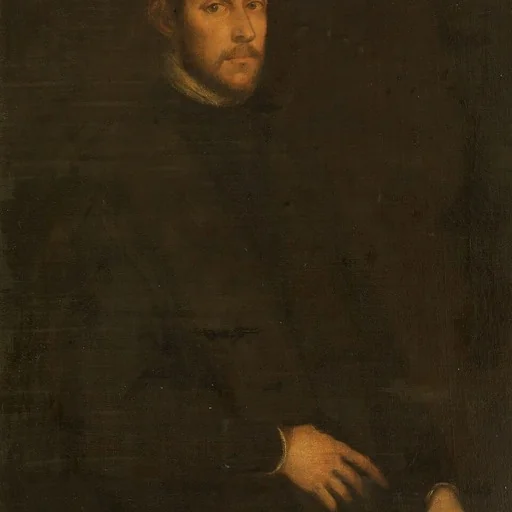
Paris Bordone (Paris Paschalinus Bordone; 5 July 1500 – 19 January 1571) was an Italian painter of the Venetian Renaissance who, despite training with Titian, maintained a strand of Mannerist complexity and provincial vigor.