Artwork
Philip II, King of Spain
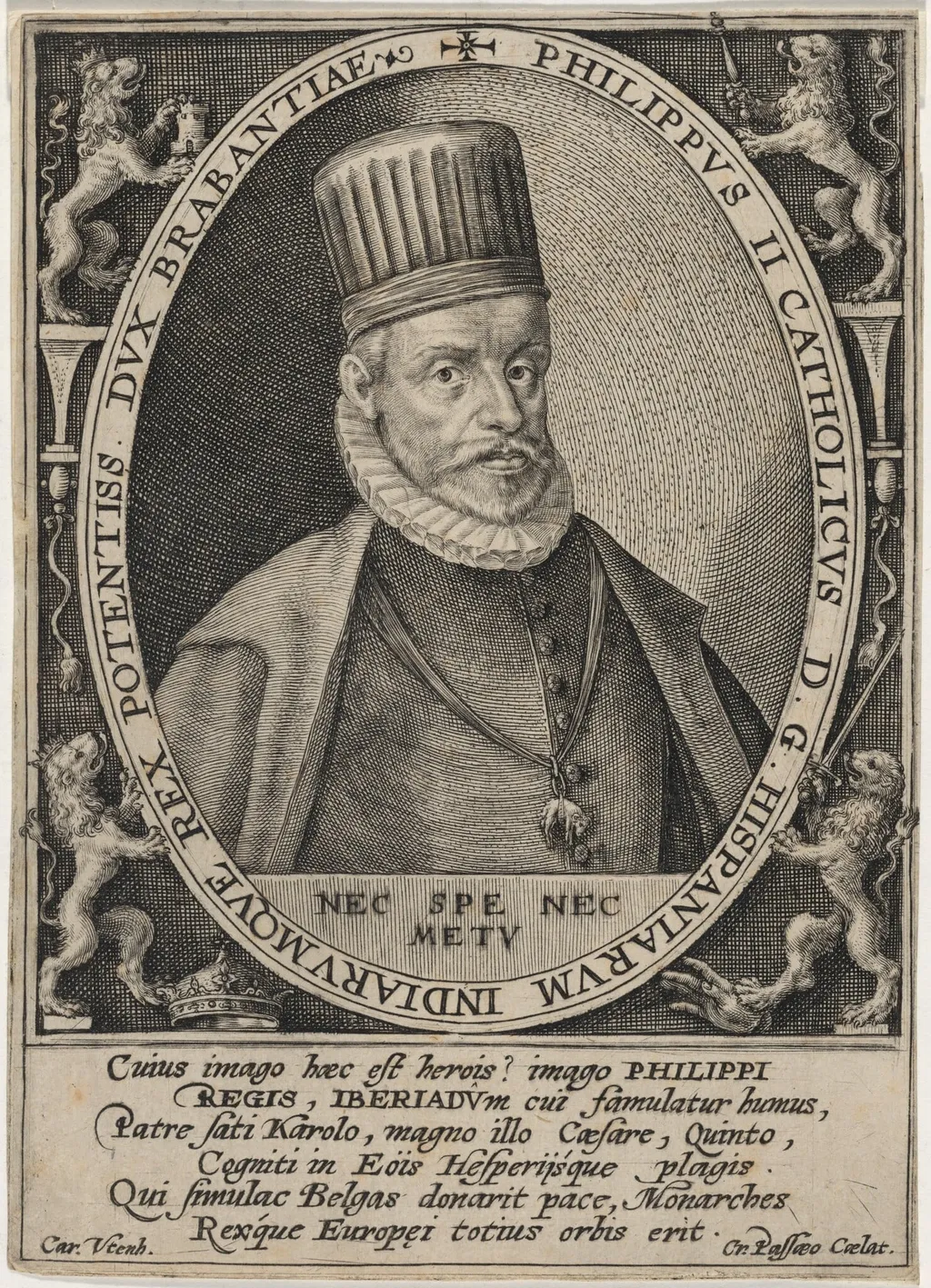
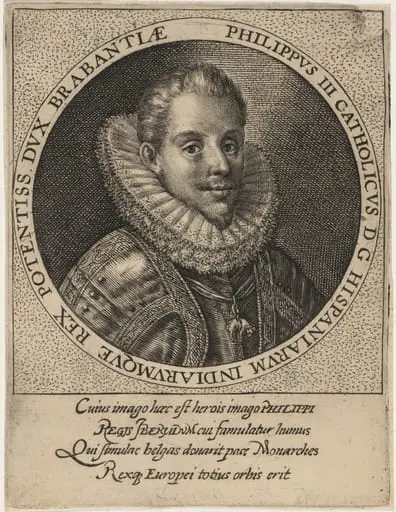
Philip II, King of Spain is an ink print by the Renaissance artist Crispijn van de Passe I. It dates from 1598 and is held in the collection of the National Gallery of Art.
About this work
Overview
Crispijn van de Passe I’s 1598 engraving presents a formal portrait of Philip II, monarch of Spain. Rendered in monochrome, the image shows the king in a solemn pose, gazing directly at the viewer. He is dressed in a tall, striped hat and a stiff ruff, framed by an ornamental oval border that bears Latin inscription and modest decorative motifs such as animals and crowns.
Subject & Meaning
The portrait emphasizes Philip II’s authority and piety, traits central to his reign during the late sixteenth century. The sober expression and austere attire reflect the king’s reputation for discipline and religious devotion, while the surrounding symbols—crowns and animal motifs—reinforce his sovereign status and the dynastic lineage of the Spanish monarchy.
Technique & Style
Van de Passe employed the traditional engraving method, incising fine lines into a copper plate to achieve delicate shading and texture. The dense network of cross‑hatching creates subtle tonal variations, especially across the facial features and fabric folds, allowing a nuanced representation of light and shadow within the constraints of black‑and‑white printmaking.
History & Provenance
Created in 1598, the print was likely intended for distribution among European courts and collectors interested in contemporary royal imagery. Copies of the engraving have survived in several museum collections, indicating its circulation as a popular visual record of the Spanish monarch during his lifetime.
Context
The work belongs to a broader tradition of portrait engravings that circulated throughout the Low Countries and the Holy Roman Empire in the late Renaissance. Van de Passe, a prominent member of a family of engravers, frequently produced likenesses of political and religious figures, contributing to the visual propaganda of the era.
Legacy
While not as widely reproduced as later royal portraits, this engraving remains a valuable documentary source for scholars studying the iconography of Philip II and the print culture of the late sixteenth century. Its precise line work exemplifies the high level of craftsmanship achieved by Northern European engravers of the period.
Artist & collection

Artist
Crispijn van de Passe I (1564–1637) was an artist, born in Arnemuiden.

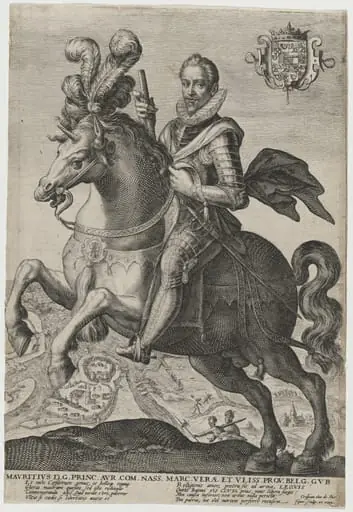
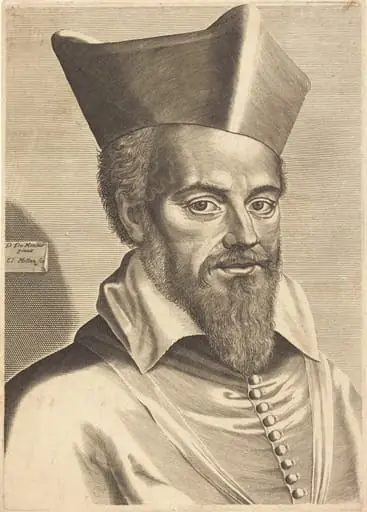 Nicolas Coeffeteau
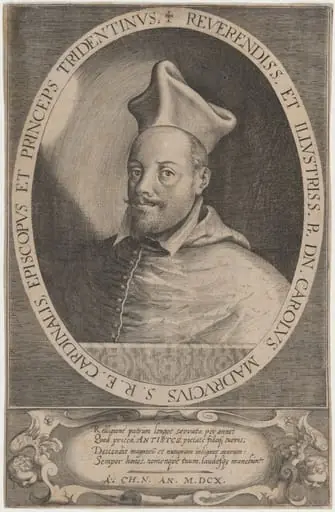 Cardinal Carolus Madrucius
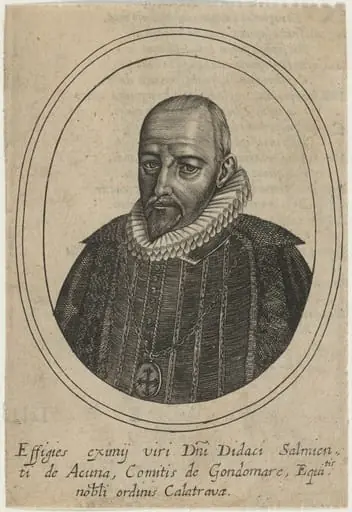 Count Gondamor
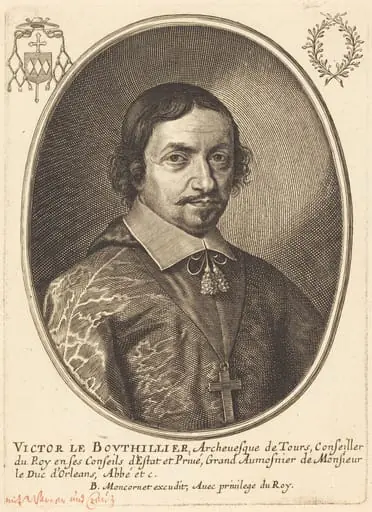 Victor Bouthillier
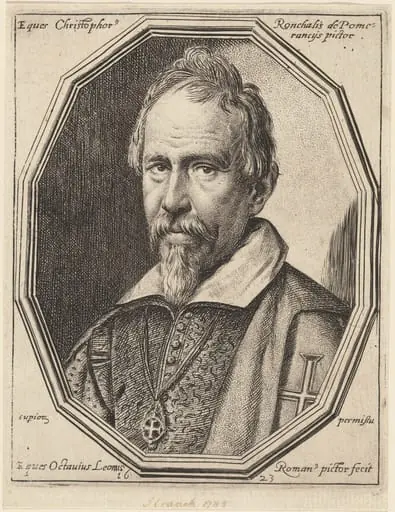 Cristoforo Roncalli
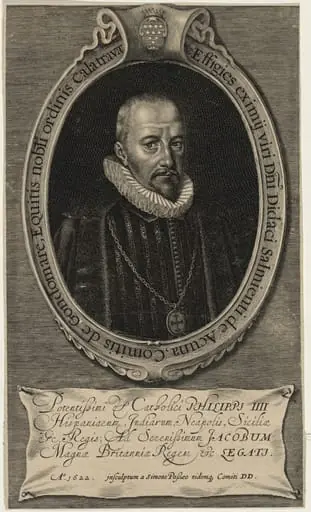 Diego Sarmiento de Acuna, Count of Gondomar
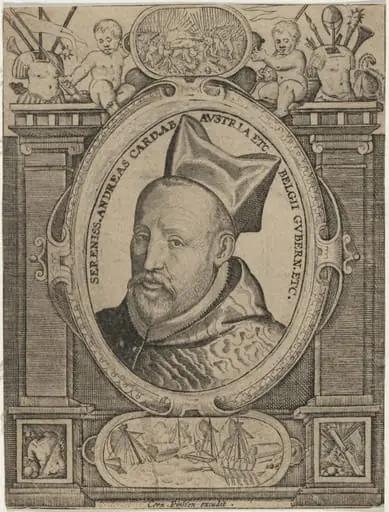 Andreas, Cardinal of the Holy Roman Empire
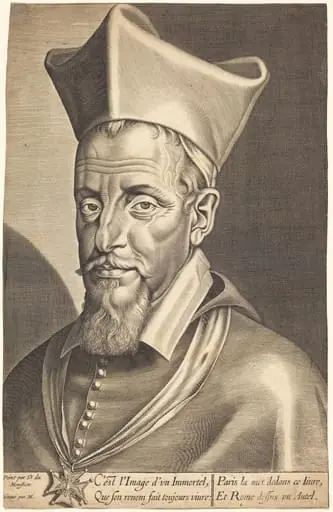 François La Rochefoucauld
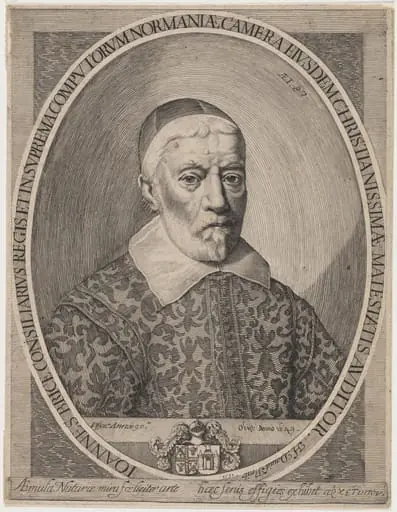 Joannes Brice
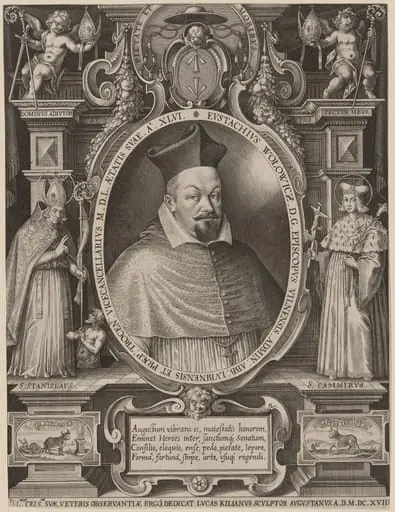 Eustace Wolowicz, Archbishop of Vilna
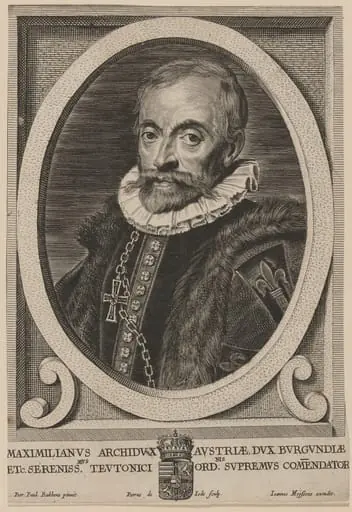 Maximilian II, Archduke of Austria
 Philip III, King of Spain