Artwork
Francisco Pizarro
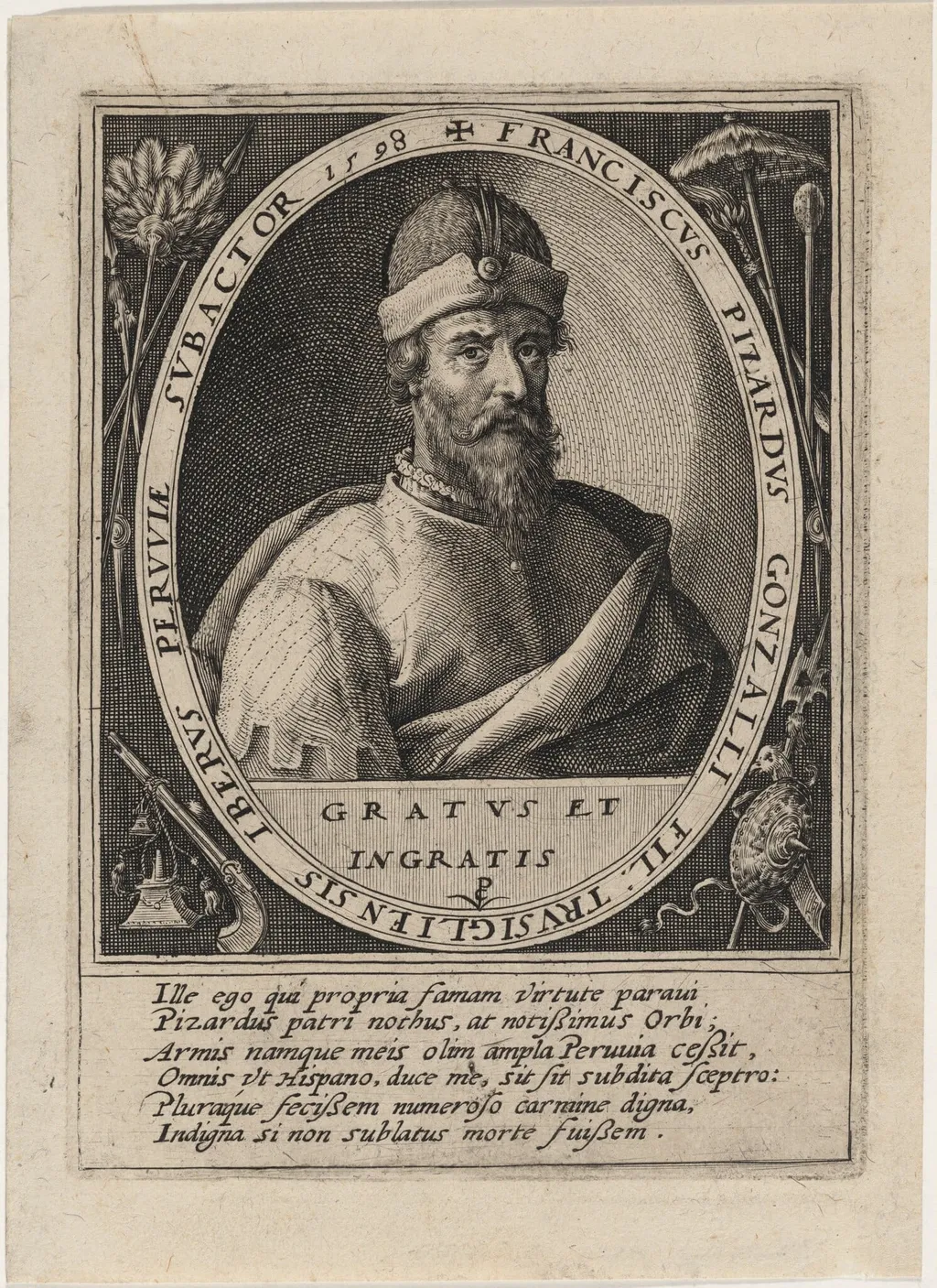
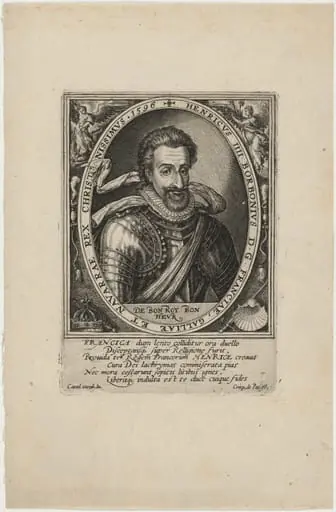
Francisco Pizarro is an ink print by the Renaissance artist Crispijn van de Passe I. It dates from 1598 and is held in the collection of the National Gallery of Art.
About this work
Overview
Rendered with meticulous fine-line technique, the portrait presents a solemn, bearded figure dressed in a loose tunic and crowned with a ceremonial headdress.
Created in 1598 by Crispijn van de Passe I, this black-and-white engraving depicts Francisco Pizarro, the Spanish conquistador. Rendered with meticulous fine-line technique, the portrait presents a solemn, bearded figure dressed in a loose tunic and crowned with a ceremonial headdress. A decorative border encloses the image, inscribed with Latin text, while symbolic elements such as a feather and a shell appear at the corners, reinforcing themes of conquest and exoticism.
Subject & Meaning
The portrait portrays Pizarro not merely as a man but as a figure of imperial authority, adorned with a crown that symbolizes his claimed status in the New World. The Latin inscriptions and emblematic motifs—feather, shell—evoke the Spanish colonization of the Americas, linking his image to the rhetoric of conquest and divine mandate. The serious expression and formal framing suggest an attempt to legitimize his role through visual propaganda.
Technique & Style
Van de Passe employed the engraving technique, incising fine lines into a metal plate to create tonal gradations and texture. The rendering of Pizarro’s beard, fabric folds, and facial contours demonstrates precision typical of Northern European printmaking of the period. The absence of color and reliance on line work gives the image a drawn-like quality, aligning it with the tradition of portrait prints used for dissemination across Europe.
History & Provenance
Produced in the Netherlands in 1598, the engraving was part of a broader trend of publishing portraits of explorers and rulers for public consumption. Van de Passe, a prominent printmaker, often illustrated historical and political figures for commercial and educational audiences. The print likely circulated among scholars, collectors, and officials interested in the Spanish Empire’s expansion, though its specific early ownership remains undocumented.
Context
In the late 16th century, European publishers increasingly used engraved portraits to shape public perception of distant figures and events. Pizarro, though controversial, was presented here as a legitimate ruler, reflecting the era’s tendency to glorify colonial leaders. The inclusion of symbolic motifs and Latin text aligns the image with humanist traditions of commemoration, even as it served imperial narratives.
Legacy
This engraving contributed to the visual canon of Spanish conquistadors in early modern Europe. While Pizarro’s historical reputation has since been reassessed, the print remains an artifact of how colonial figures were mythologized through print media. Its stylistic clarity and symbolic language influenced later portraiture in both Europe and the Americas, preserving a particular ideological framing of conquest.
Artist & collection

Artist
Crispijn van de Passe I (1564–1637) was an artist, born in Arnemuiden.

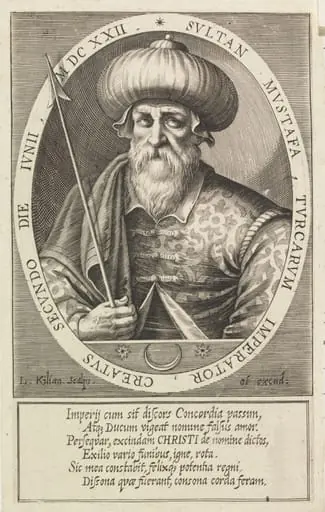 Turkish sultans, sultanas and other historical figures
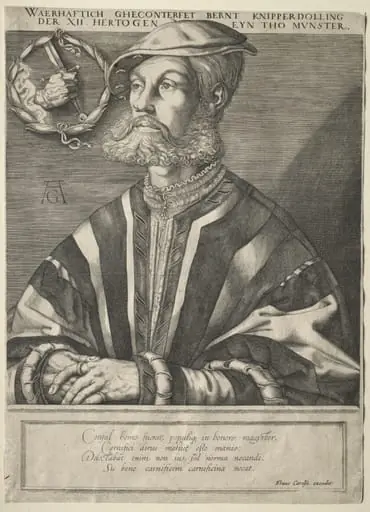 Portrait of Bernard Knipperdolling
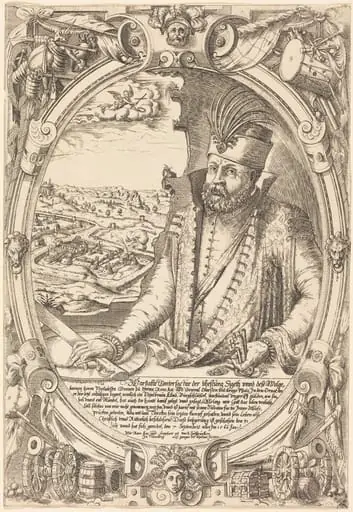 Count Nicolas Zrinyi
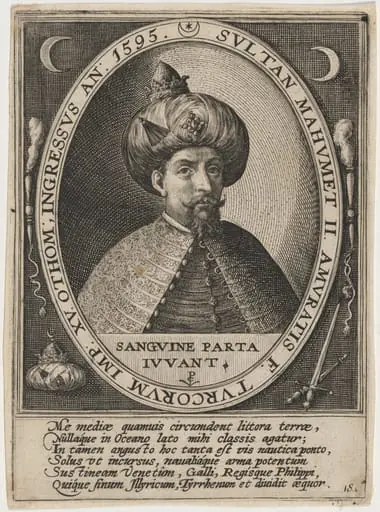 Mehmed II, Sultan of Turkey
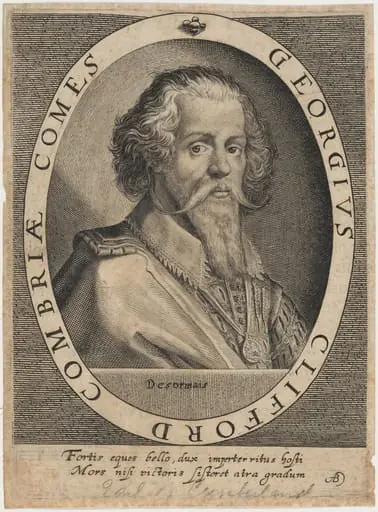 George Clifford, Third Earl of Cumberland
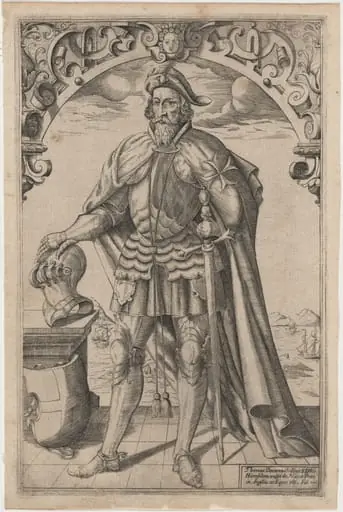 Sir Thomas Docwra
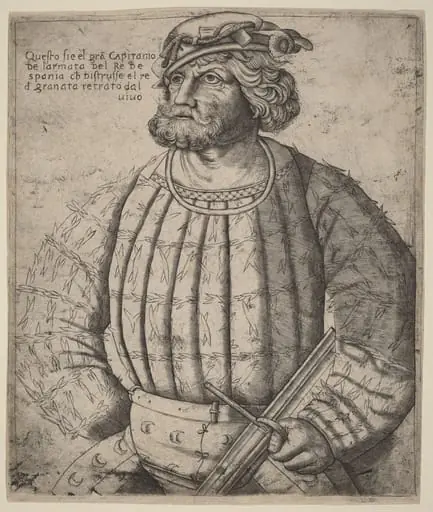 "El Gran Capitanio"
 Hubert Goltzius
 Portrait of Pasquale Cicogna, Doge of Venice
 Fernando Alvarez de Toledo, Duke of Alva
 Ciconia (Paschalis)
 Henry IV, King of France